
Tropic of Cancer: Henry Miller’s Journey to American Publication
A Literary Odyssey Begins
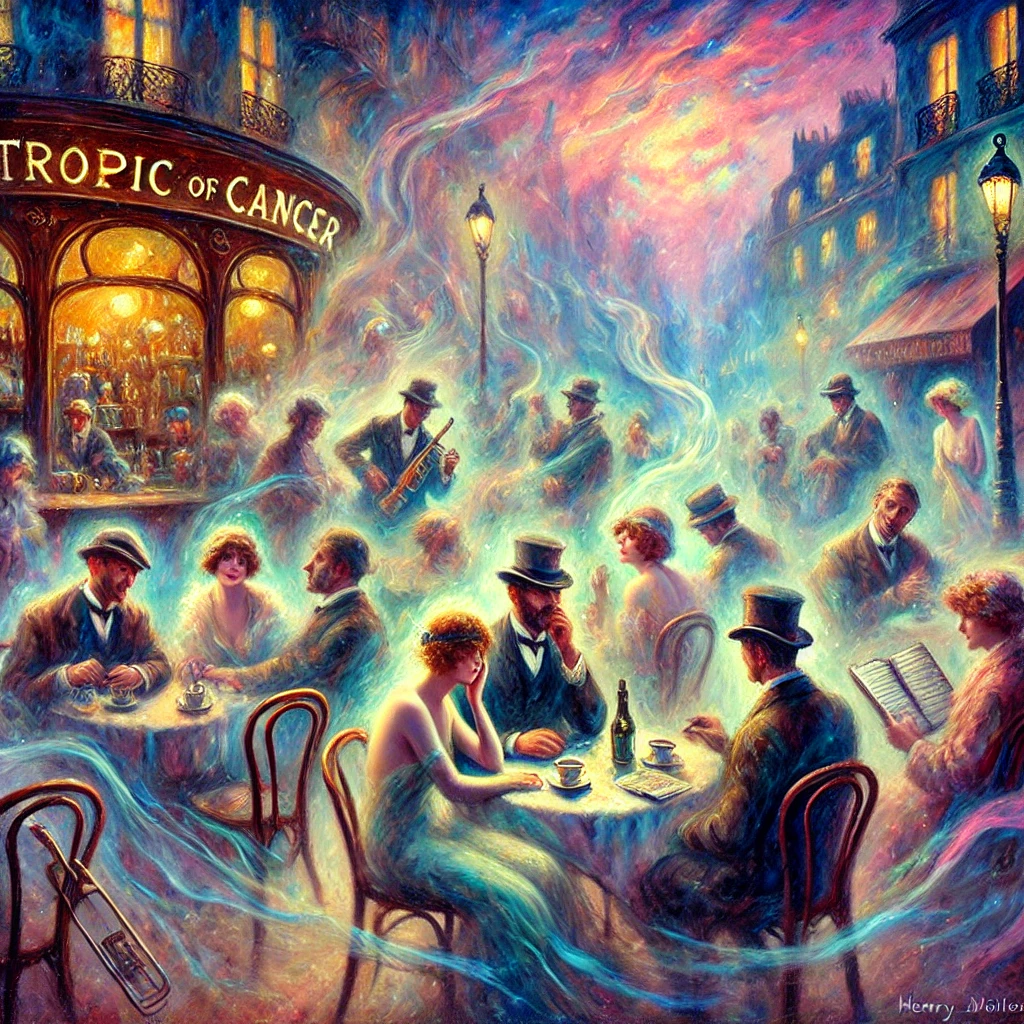
In the labyrinthine streets of 1930s Paris, amidst the clamor of artists and dreamers, Henry Miller embarked on a journey that would redefine literature. His seminal work, Tropic of Cancer, penned in 1934, was a raw, unfiltered portrayal of his life as a struggling writer in the City of Light. Yet, it wasn’t until 1961, a full twenty-seven years later, that American readers could legally immerse themselves in its pages. This delay was not due to oversight but stemmed from a maelstrom of controversy, censorship, and legal battles that tested the very fabric of American views on literature and obscenity.
The Essence of ‘Tropic of Cancer’
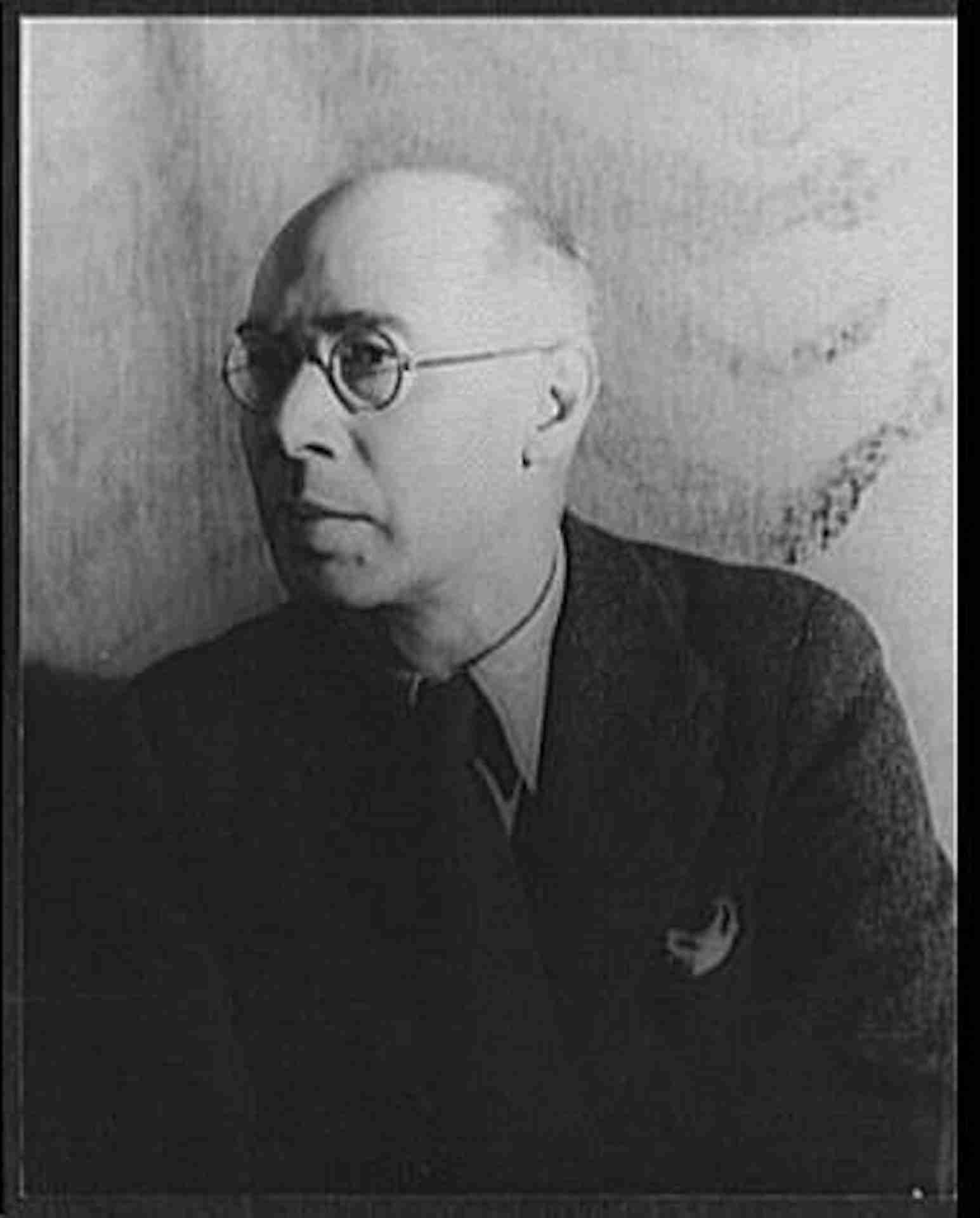
At its core, Tropic of Cancer is a symphony of experiences, a dance between reality and fiction. Set predominantly in Paris during the 1930s, the novel offers a vivid tapestry of Miller’s existence—teetering between destitution and artistic fervor. Through a first-person narrative, Miller introduces readers to a cast of characters that are as vibrant as the city itself:
- Henry Miller: The protagonist, mirroring the author, navigates the tumultuous waters of poverty, existential musings, and unbridled passion.
- Boris: A confidant and fellow expatriate, embodying the restless spirit of the expatriate community.
- Carl: A writer ensnared in his frustrations, reflecting the universal struggle of artistic creation.
- Tania: A muse and lover, symbolizing the complexities of love and desire in a transient world.
Miller’s prose oscillates between stark, unembellished depictions of his surroundings and profound, stream-of-consciousness reflections. While the novel is often spotlighted for its candid portrayals of sexuality and bold defiance against the puritanical norms of its time, its true essence lies in its exploration of human resilience, artistic authenticity, and a relentless quest for personal freedom.
The Long Road to American Shores
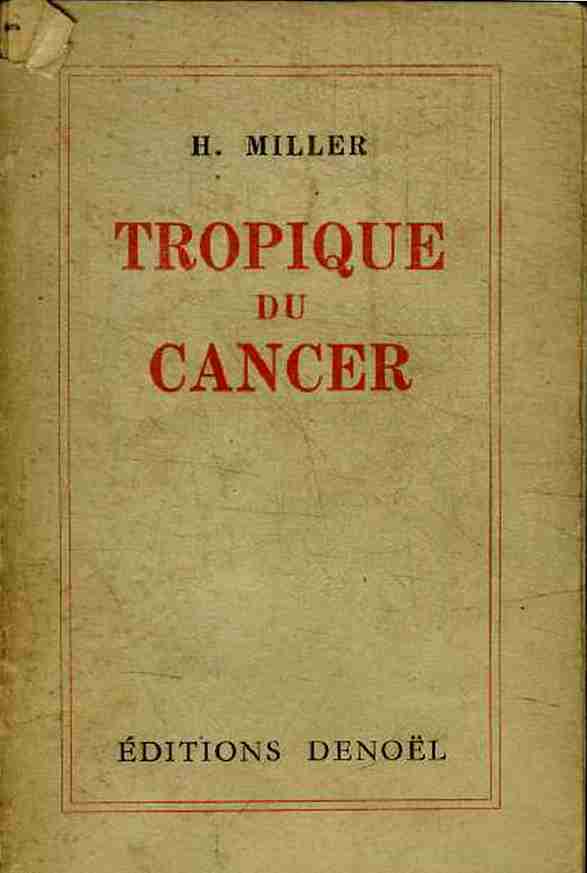
Upon its initial publication by Obelisk Press in Paris, Tropic of Cancer was met with immediate resistance. The United States Customs Service deemed it obscene and banned its importation. This censorship ignited a fervent underground movement; copies were clandestinely smuggled, whispered about in literary circles, and coveted by those yearning for unadulterated artistic expression.
The tide began to turn in 1961 when Grove Press courageously published the novel on American soil. This bold move unleashed a torrent of legal challenges, with over 60 obscenity lawsuits spanning 21 states. Courts grappled with the novel’s explicit content, leading to a mosaic of rulings. Supreme Court Justice Michael Musmanno vehemently denounced the book in Pennsylvania, branding it “a cesspool, an open sewer, a pit of putrefaction.” Conversely, other jurisdictions recognized its literary merit, setting the stage for a monumental legal showdown.
The crescendo of this battle culminated in 1964 when the U.S. Supreme Court, in Grove Press, Inc. v. Gerstein, upheld the novel’s publication, affirming its status as a legitimate work of literature. This landmark decision vindicated Miller and expanded the boundaries of free expression in American literature.
Here’s a clip from the Henry Miller Library poking fun at the novel on the Perry Mason show:
View this post on Instagram
A Legacy Beyond Controversy
Beyond the courtroom dramas and societal uproar, Tropic of Cancer is a testament to the indomitable spirit of artistic endeavor. Time Magazine honored the novel, including it in its list of the 100 best English-language novels penned from 1923 to 2005. Such accolades underscore the work’s enduring impact and its role in challenging and reshaping societal norms.
Miller’s narrative delves deep into the human psyche, exploring themes of existential angst, the relentless pursuit of meaning, and the raw, unvarnished experiences that define existence. His portrayal of Paris is not merely that of a city but a living, breathing entity—a backdrop against which the drama of life unfolds in all its chaotic splendor.
Reflections on Reading ‘Tropic of Cancer’
Engaging with the Tropic of Cancer is akin to embarking on an excursion through the labyrinth of the human condition. Miller’s declaration, “I have no money, no resources, no hopes. I am the happiest man alive,” encapsulates the paradox of finding joy amidst adversity. His prose exudes an exuberance and vitality that resonate, inviting readers to confront the absurdities of life with a wry smile and an unyielding spirit.
While contemporary readers may grapple with certain depictions and language within the text, it’s imperative to approach the novel as a product of its era—a mirror reflecting the societal attitudes and challenges of the time. Tropic of Cancer transcends its controversies through this lens, offering a profound commentary on the human experience.
The Broader Implications of Censorship
The Odyssey of Tropic of Cancer, from a banned book to a celebrated classic, poignantly reminds us of the perils of censorship. It underscores the necessity of safeguarding artistic expression, even when it provokes discomfort or challenges prevailing norms. Miller’s triumph is emblematic of the broader struggle for intellectual freedom—a battle that continues to resonate in today’s ever-evolving cultural landscape.
Connect with the Legacy
For those inspired to delve deeper into the world of the Tropic of Cancer and its creator, consider exploring the following:
- Henry Miller Memorial Library: Located in Big Sur, California, this cultural hub celebrates Miller’s life and works and offers many resources for enthusiasts. Visit their website.
- Grove Press: The pioneering publisher that championed Tropic of Cancer and other groundbreaking works. Learn more about their legacy.
Embarking on the journey through the Tropic of Cancer is more than reading a novel; it’s an immersion into the depths of human resilience, creativity, and the unyielding quest for freedom.
Tropic of Cancer: Henry Miller’s Journey to American Publication
Find it HERE.