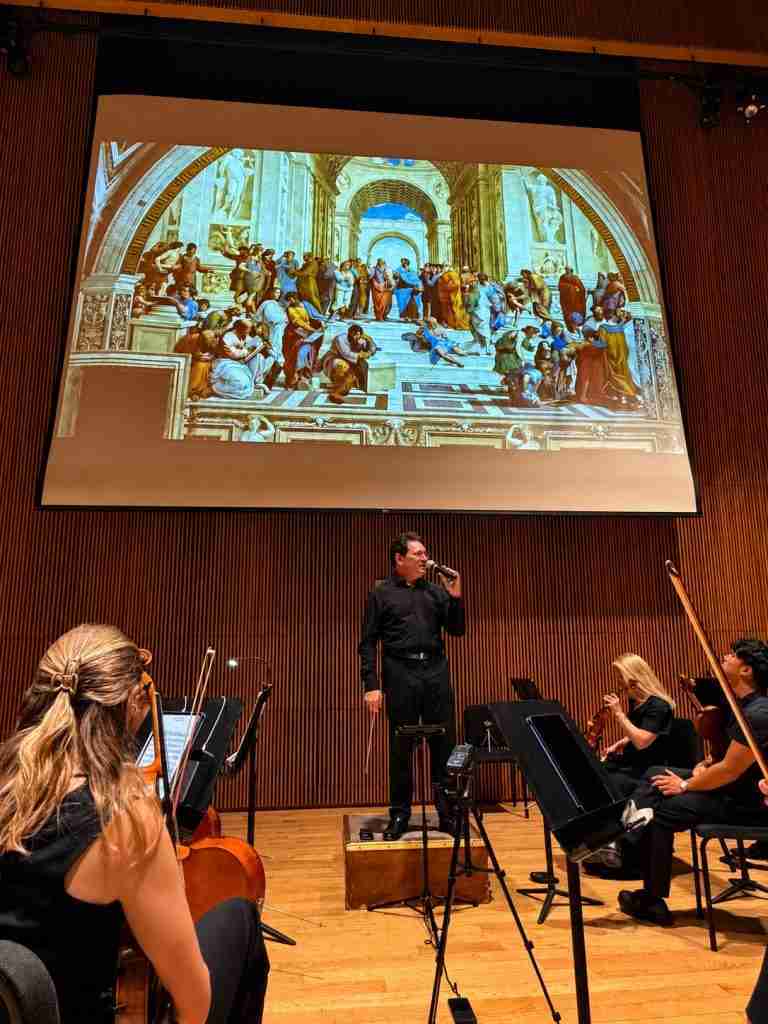
Discovering the InsideOut Experience—As a musicologist, composer, orchestral musician, educator, and conductor, I have spent years studying, performing, and delving into classical music’s humanity, beauty, and significance. I use the term “classical” here to describe music written from the Middle Ages to the present—not in its strictest sense, which represents a specific genre from about 1750 to 1820.
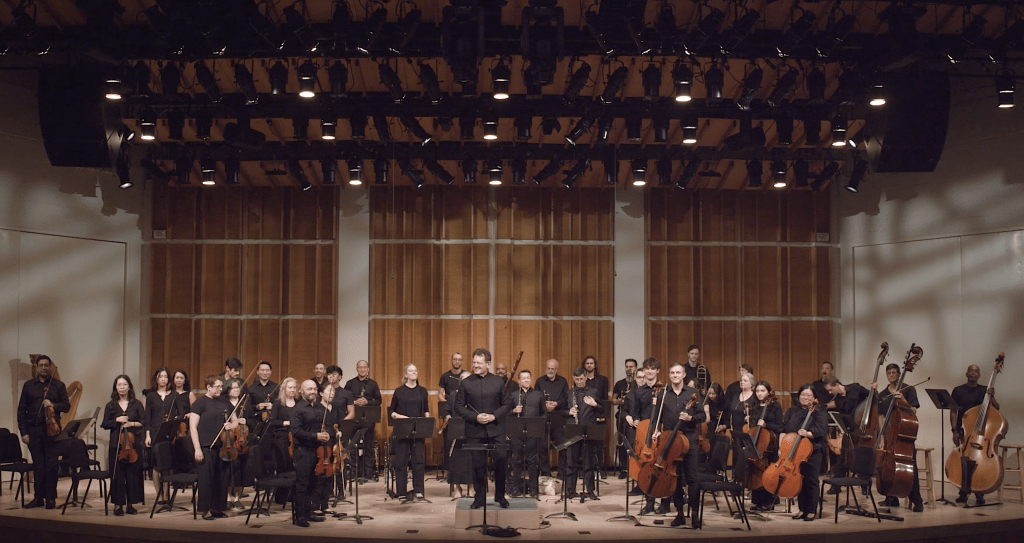
I attend superb concerts in New York City year-round, and one of my passions is visiting The Strand bookstore in Manhattan to discover the latest out-of-print music books, particularly by late 19th-century critics and musicologists. However, nothing has captured my attention quite like the InsideOut Concerts events I have attended by the Park Avenue Chamber Symphony (PACS). This NYC-based orchestra is led by the inimitable conductor and visionary David Bernard, leading the ensemble’s celebratory 25th anniversary season.
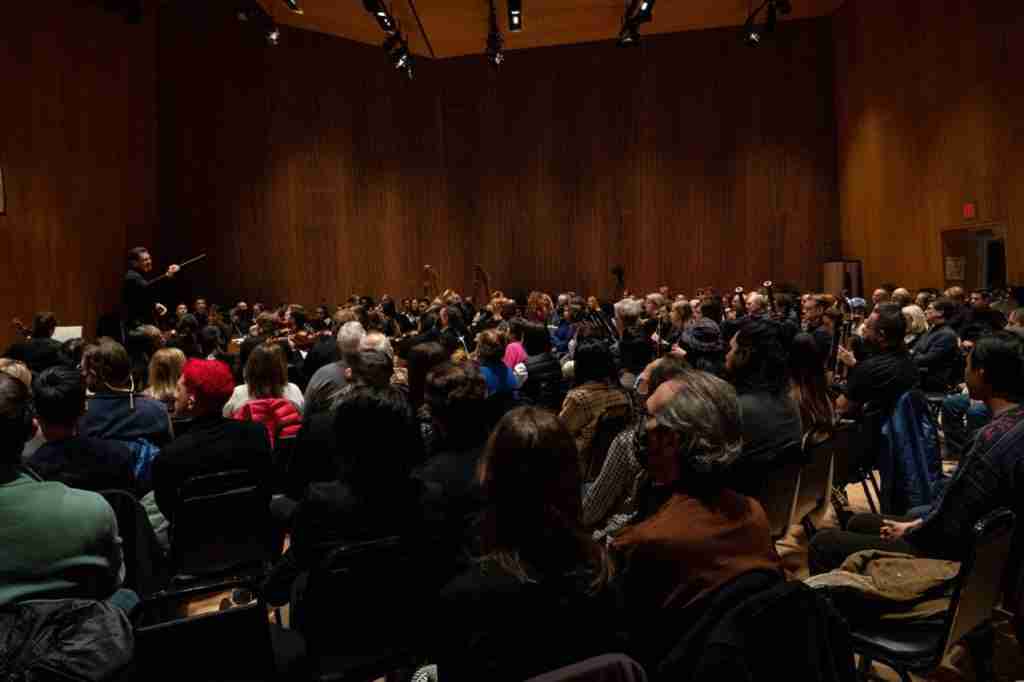
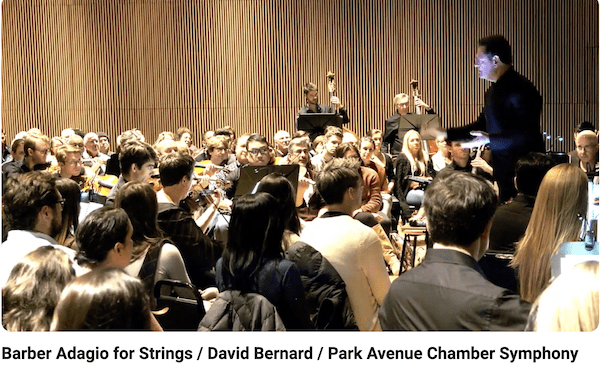
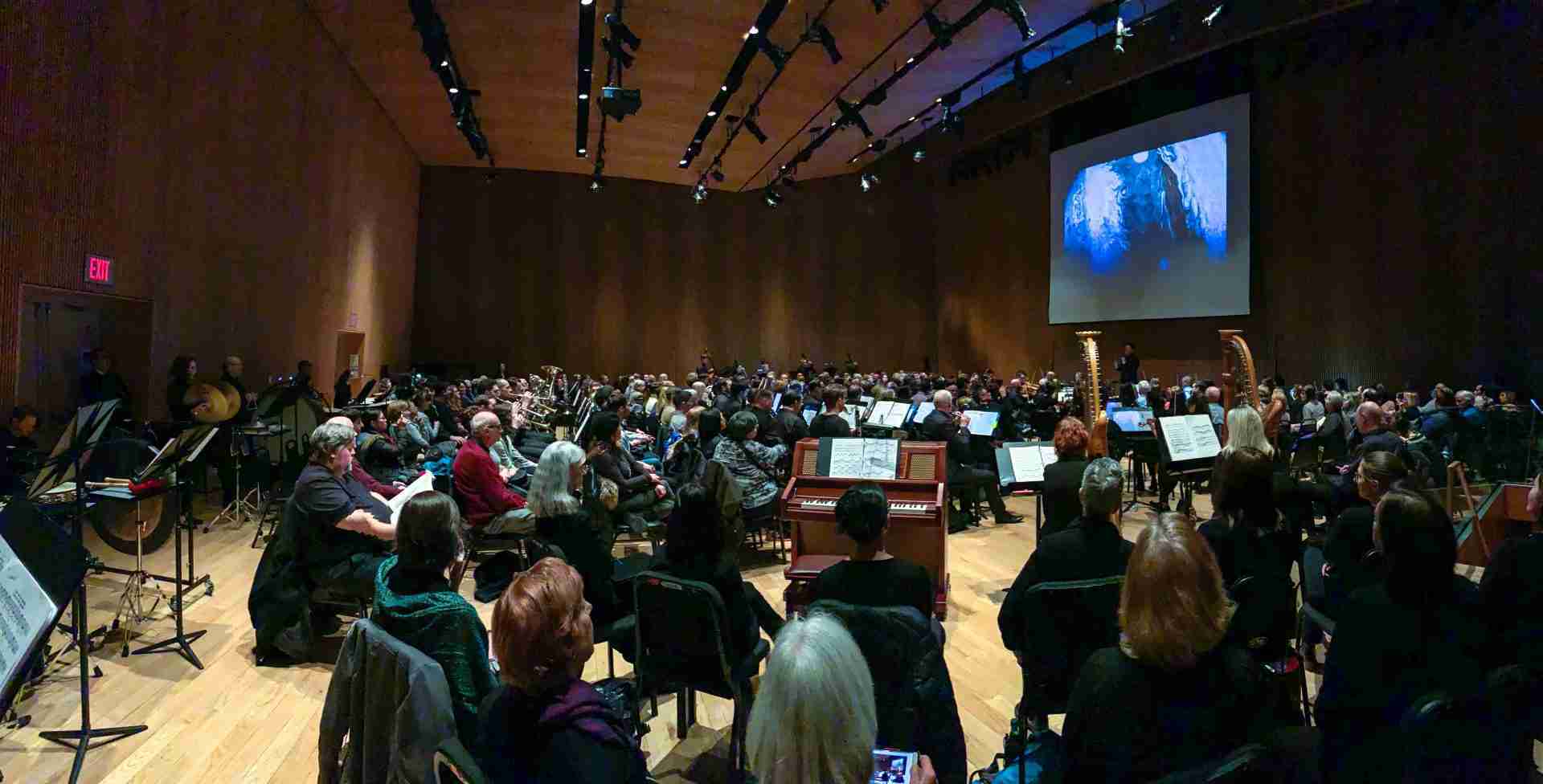
Here’s a segment from 2024 of a magical Gershwin concert featuring chanteuse Sarah Ellis, conducted by Maestro David Bernard with the Park Avenue Chamber Symphony — note the audience members sitting among the musicians at the DiMenna Center for Classical Music:
View this post on Instagram
These experiences have consistently reinforced my belief in the power of immersive music-making to engage contemporary audiences. I have witnessed a defining moment at each event—when audience members realize they aren’t just observing a concert but participating in it. This “A-Ha!” moment makes these concerts unlike any other, confirming PACS’s extraordinary impact on classical music.
The Backstory: How PACS Evolved
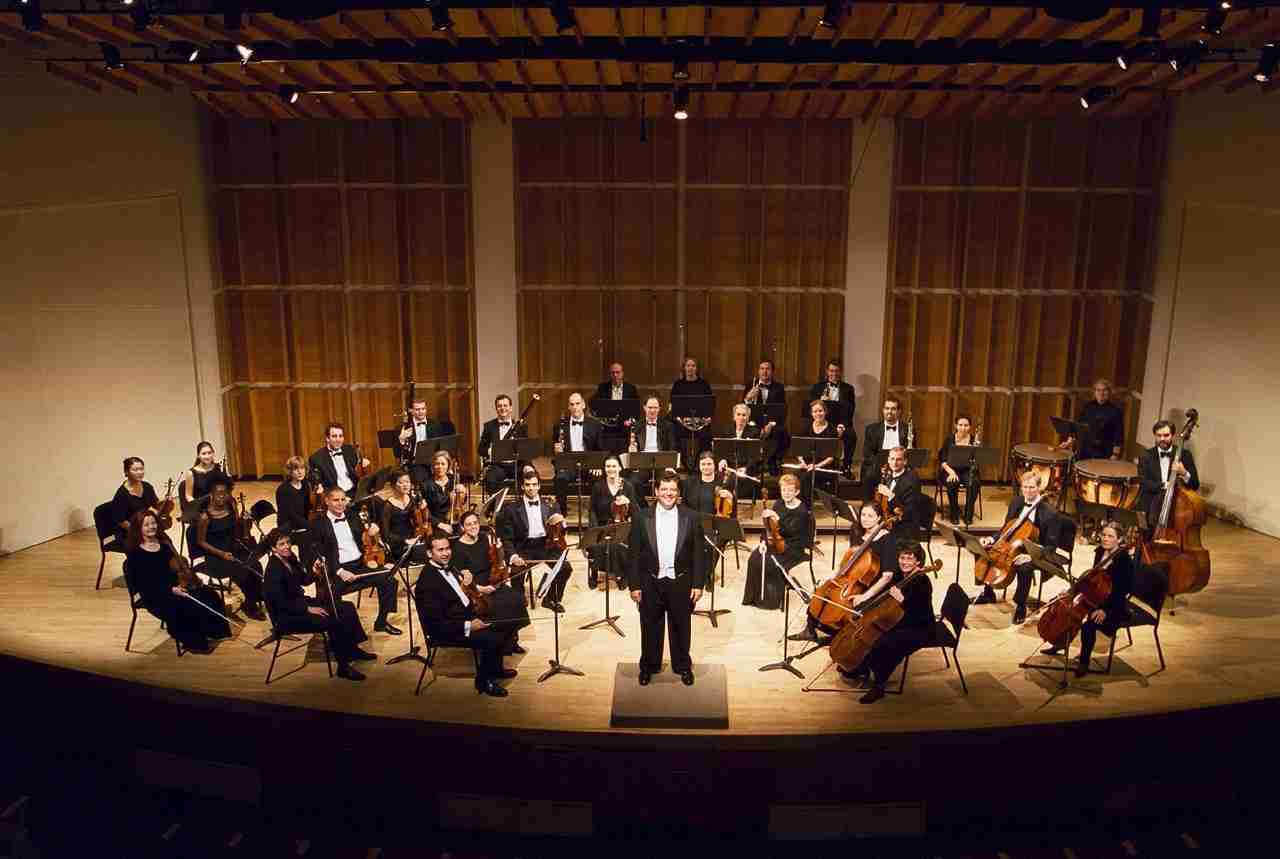
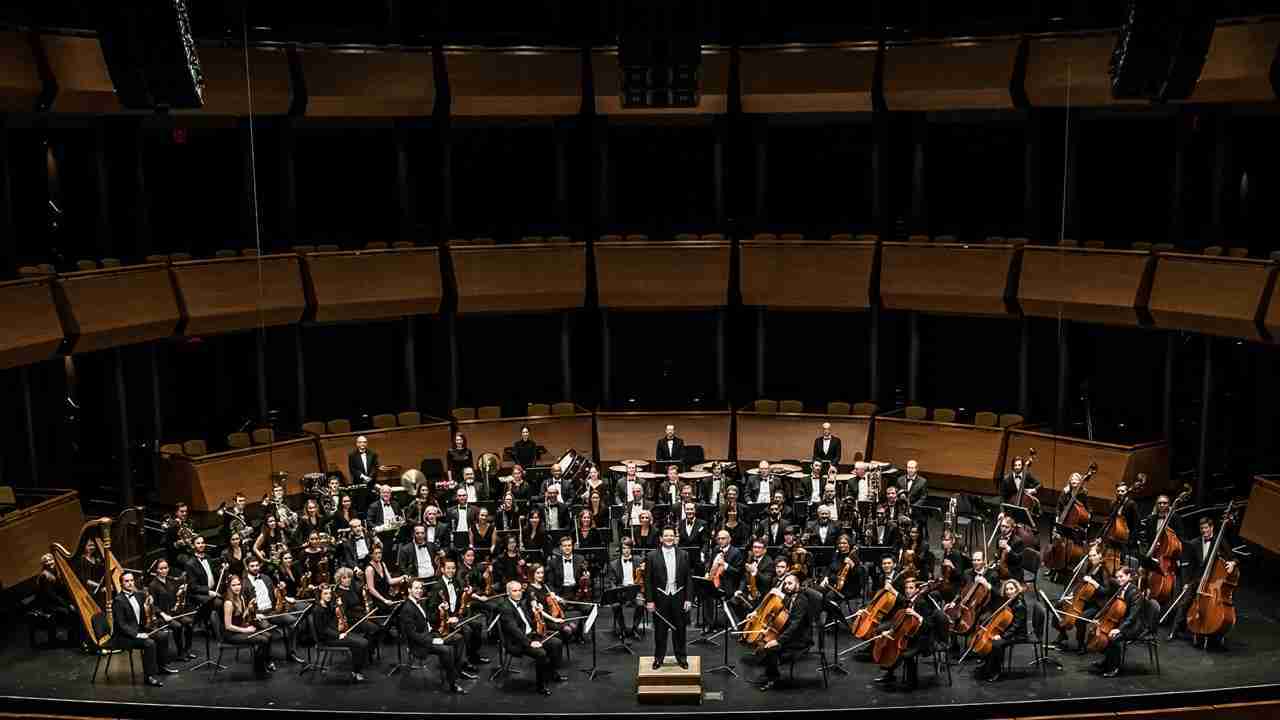
The Park Avenue Chamber Symphony began as a small chamber orchestra, mainly performing works from the classical period. It quickly grew into an ensemble of 100+ musicians, performing significant works by Mahler, Prokofiev, and Stravinsky, as well as newly commissioned works.
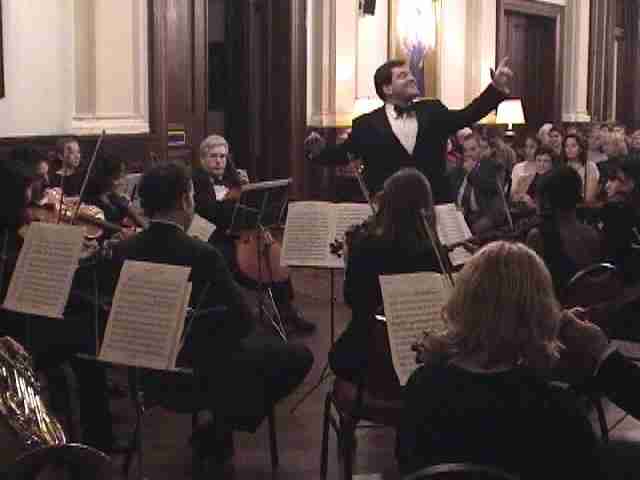
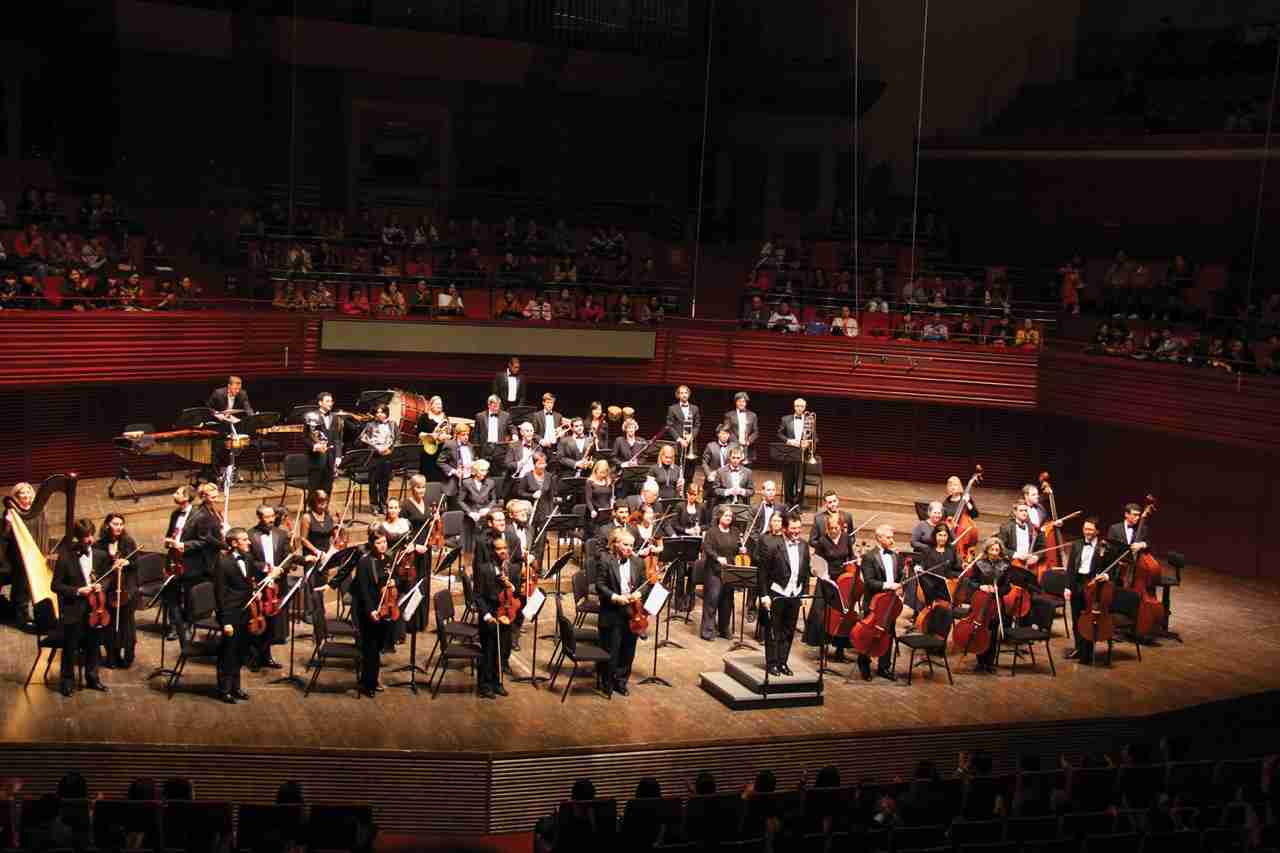
During its first 16 years, the orchestra achieved remarkable milestones—performing at Carnegie Hall and Lincoln Center, touring China, and building a well-regarded catalog of recordings. But then, one day, the orchestra’s music director, David Bernard, started thinking about the next chapter.
Reimagining Classical Music Engagement
“I was thinking about how we could do more for classical music in an age of dwindling audiences and began to ponder the distinct archetypes of potential audiences for classical concerts,” says Bernard.
“There are people like me who would gladly spend $200 on a ticket to a performance of the Vienna Philharmonic at Carnegie Hall, and there are people who would never want to do this—it would be the last thing they would do with their time or their money. I remember thinking, ‘How could it be possible that these two kinds of people exist in the same universe?”
While live concerts were not long ago the predominant way people consumed classical music. We are now in an era where music is ubiquitous and streamed on computers and phones with excellent quality. With that level of convenience, a live event must offer something extraordinary to earn a potential audience member’s time and money.
The InsideOut Revelation
Then Maestro Bernard had a revelation…
“It dawned on me—classical enthusiasts likely had an ‘InsideOut’ experience at one point in their lives—whether it was playing in their elementary school band, high school orchestra, or singing in their college chorus.”
Bernard notes, “Music-making from the inside is an absolutely mind-blowing experience, where you hear, see, and feel the music and the creative process of expressing the product of a composer’s musical imagination.
It makes perfect sense that a live classical concert would seem like an impractical commitment of time and money for people who have never had this experience. The solution was right there before me: bring them inside!”

What is InsideOut?
“When you come to an InsideOut event, you are not only seated on stage—embedded inside the orchestra with the musicians—but throughout the event, your experience is carefully crafted so you are actively engaged in the music and the music-making,” says Bernard.

I have regularly attended InsideOut Events since the fall of 2022, featuring significant repertoire, including:
- Debussy’s La Mer
- Mahler’s Symphonies Nos. 5 and 9
- Prokofiev’s Symphony No. 5
While I’ve heard these works in concert halls before, InsideOut reshaped my view of the audience’s role. Whether conducting Rimsky-Korsakov’s Scheherazade or Poulenc’s Gloria, performing as a soloist in Hummel’s Trumpet Concerto in Eb, or playing piano in a jazz trio, big band, or accompanying jazz singers, I have always felt the power of being inside the music. Additionally, my experience with trumpet playing works like Bach’s Christmas Oratorio or Handel’s Messiah in orchestras deepened this understanding. However, nothing translated this immersion so effectively as David Bernard’s InsideOut paradigm.

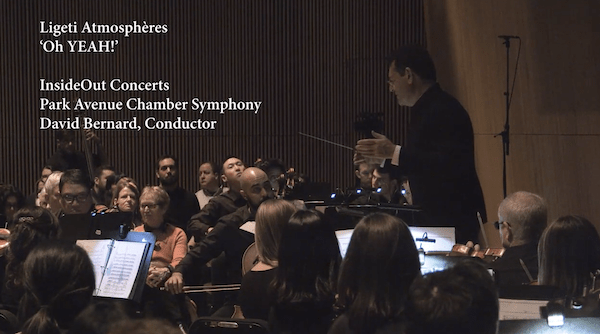
Hearing a symphony orchestra from a distance is one thing, usually from a seat in the audience below the stage. It is entirely different when you are inside the orchestra—to feel the strings’ vibrations, witness the intense communication between musicians, and experience the energy of the music from within.
This was a revelation for me, even as someone deeply embedded in the musical world.
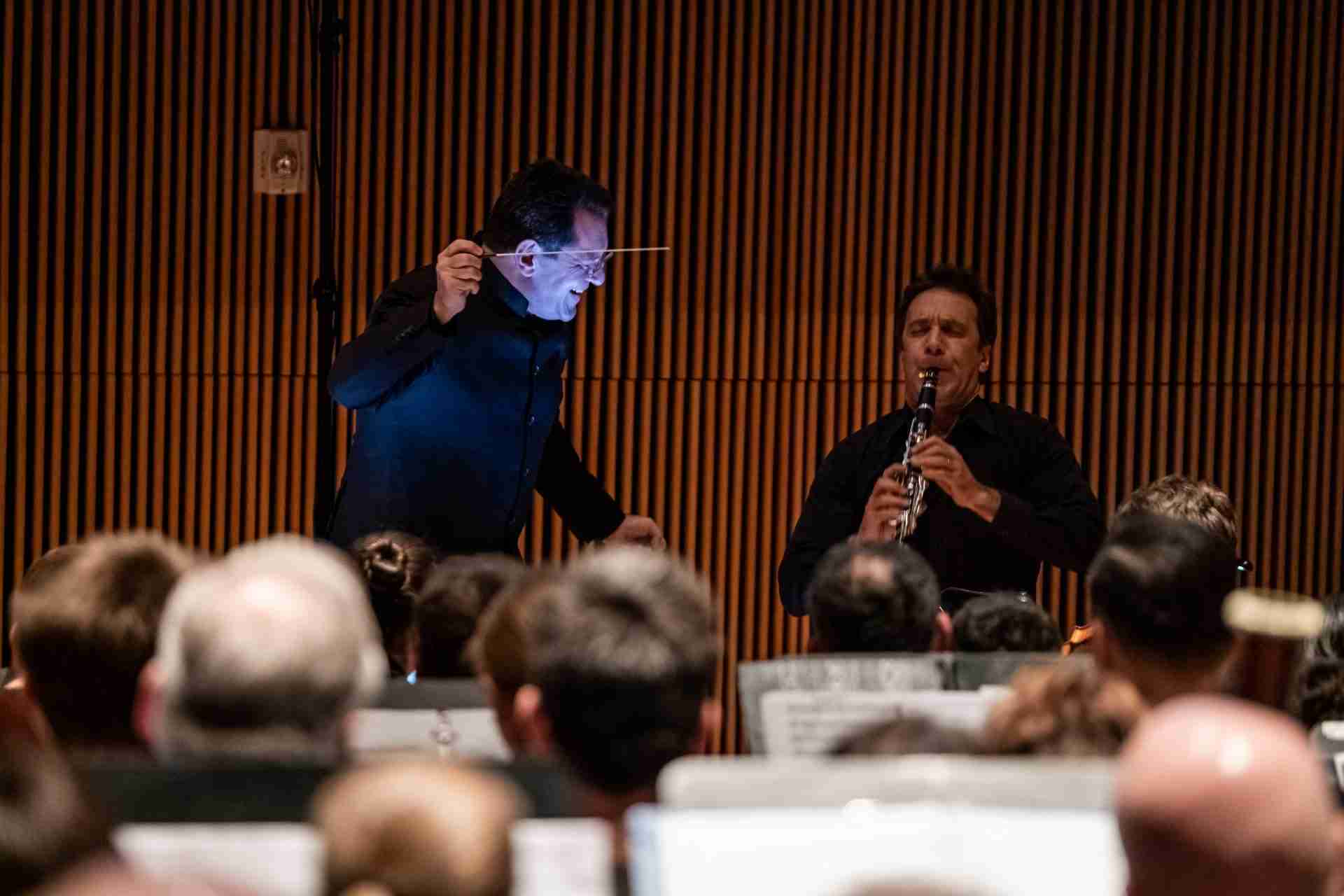
Bringing the Audience Inside the Music
Sitting in the orchestra for a concert is fantastic, but it’s only the beginning. David Bernard’s approach goes beyond simple immersion—he actively engages the audience in the music-making process.
The Shift from Passive to Active Listening
The traditional appeal of merely listening at a concert has diminished. Even conductors who provide brief introductions to pieces, as Leonard Bernstein famously did, do not fundamentally alter the experience. From my perspective as a musician and scholar, InsideOut succeeds because it is built on a few fundamental principles that directly address the shortcomings of conventional concerts:
- No prior knowledge required – Many people avoid classical concerts because they feel unprepared or uneducated in the genre. InsideOut removes this barrier, ensuring that the music speaks for itself in a way that requires no background in music theory or history.
- Active participation over passive observation – InsideOut eliminates the distance between performers and audiences, making the experience more vivid and immediate.
- A shared, interactive journey – InsideOut transforms the concert from passive listening into a communal journey, engaging audience members in real time.
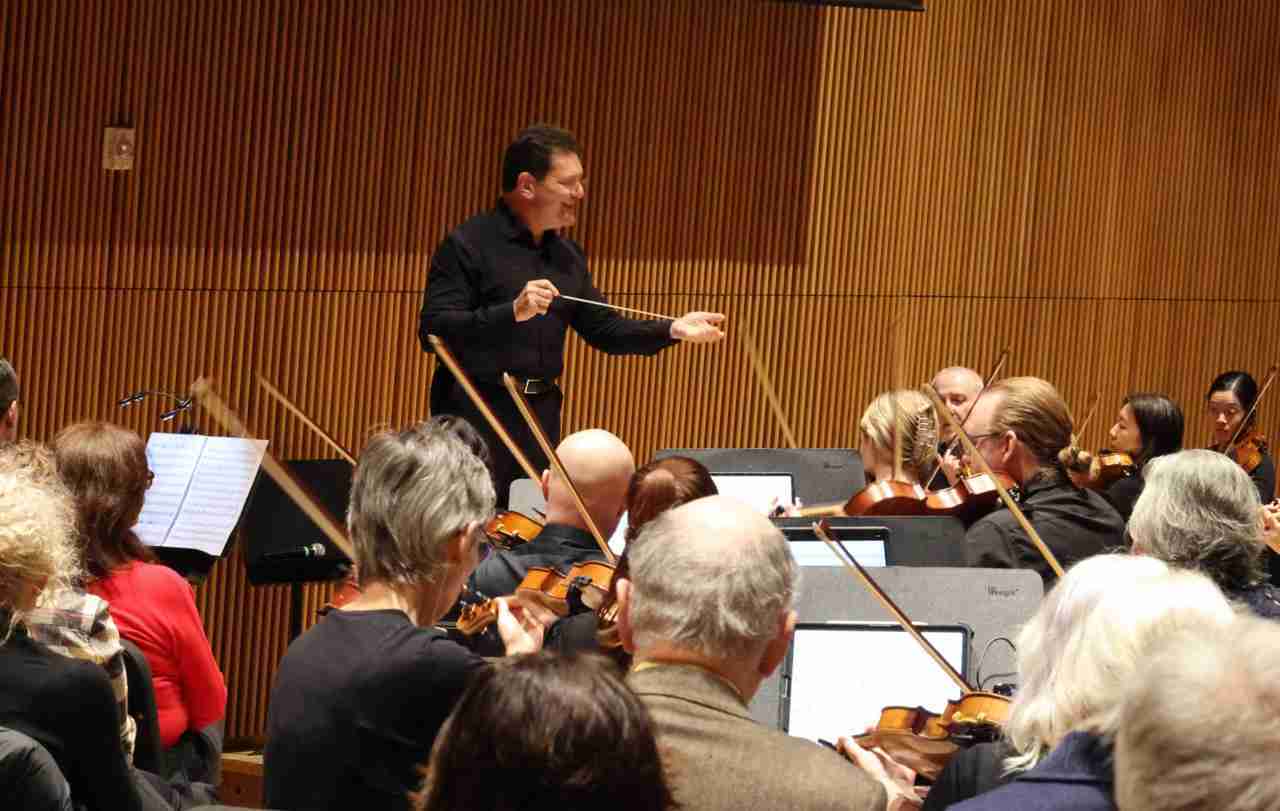
Bernard has even developed an algorithm to optimize immersion, leading to InsideOut receiving a U.S. patent. But for me, the most compelling aspect of this method is how it addresses a fundamental question: Why do some people become lifelong lovers of classical music while others never take an interest?
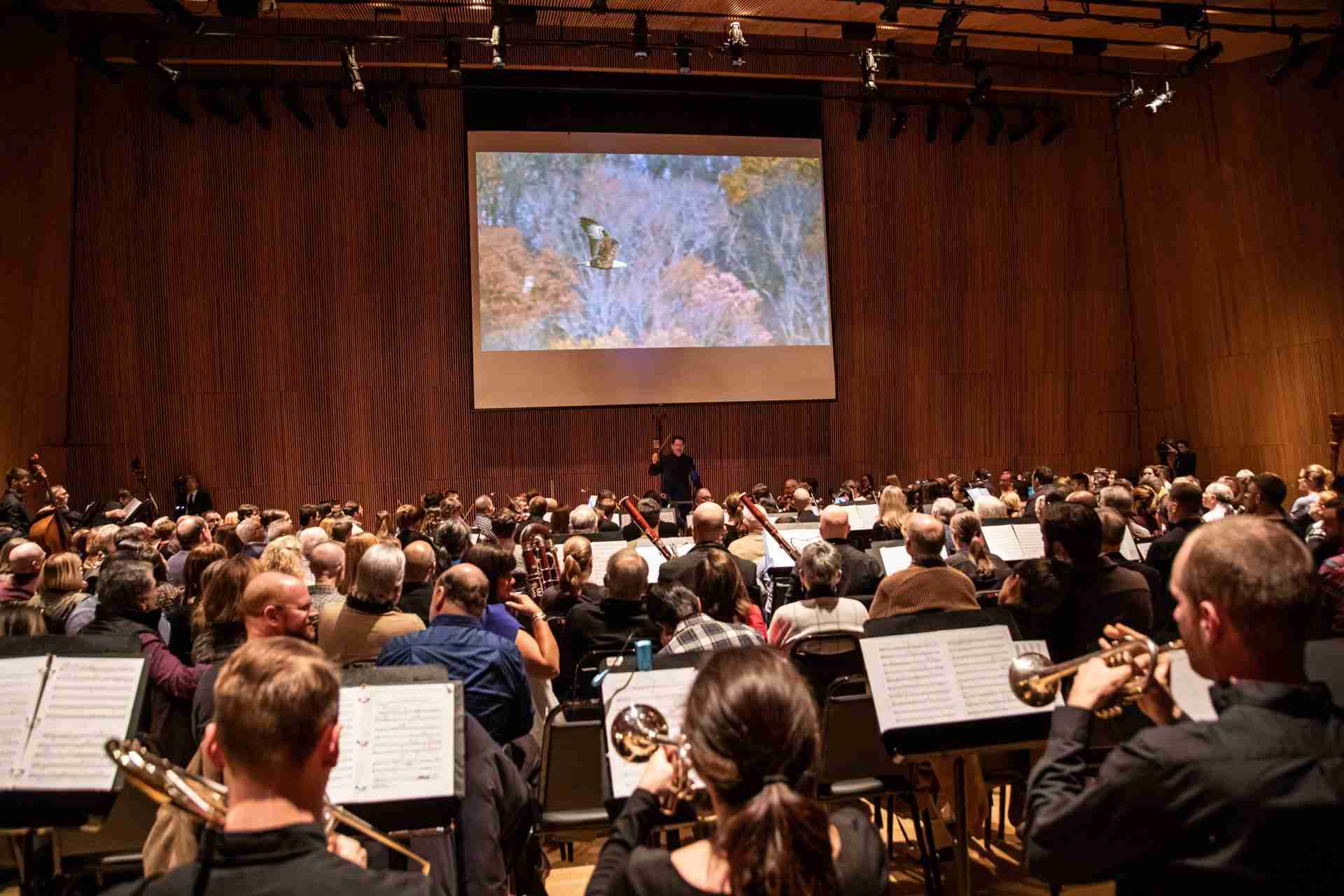
Cultivating the Next Generation of Classical Music Lovers
Through my work as a musician and educator, I have long understood that a personal, immersive experience is often the key factor distinguishing lifelong classical music enthusiasts from casual listeners.
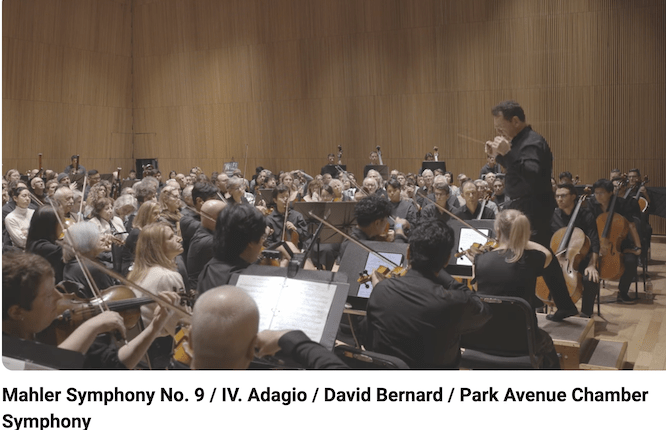
Instead of relying solely on children’s educational programs—a common strategy in classical outreach—PACS targets adults who have never attended a classical performance. The results have been extraordinary. Many first-time attendees leave these concerts with a newfound enthusiasm for the genre.
Expanding the Vision: Reaching Families and Schools
As I followed PACS, I saw how InsideOut expanded to engage younger audiences. The orchestra has expanded its outreach, partnering with a local elementary school by offering fifth-graders their first immersive orchestral experience.
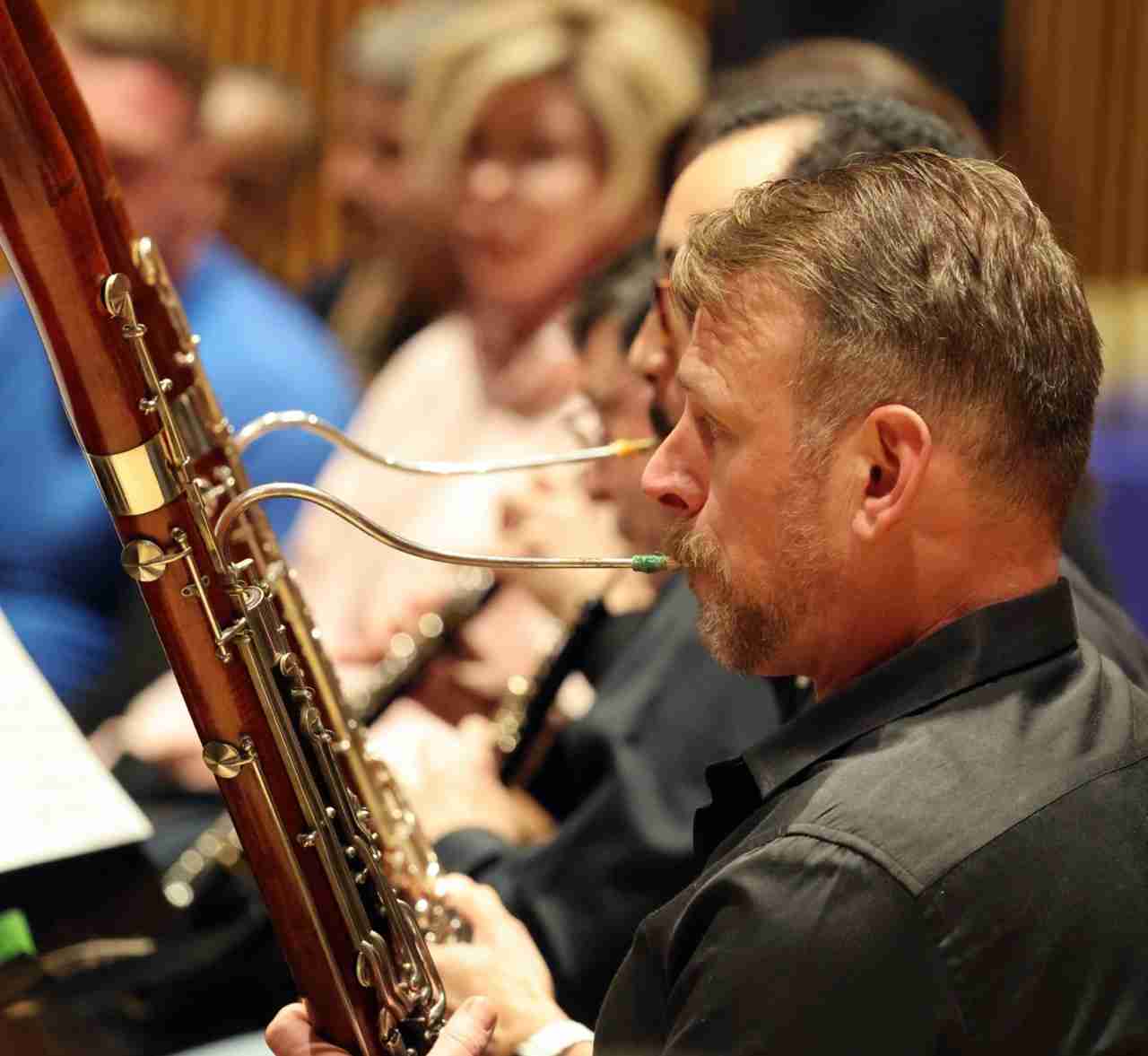
This initiative was perfectly timed—just before children decided whether to begin studying a musical instrument in middle school. Since instrumental music education in New York City public schools often starts later than in other regions, this was a strategic and vital step in fostering a life-long love for classical music.
A Spectacular Finale: Symphonic Storytelling
As PACS celebrates its 25th anniversary, I am particularly excited about its upcoming InsideOut event, Symphonic Storytelling, on May 17, 2025, at the DiMenna Center for Classical Music in Manhattan, just steps away from Hudson Yards and the 7 train (which famously extends east to Times Square, Grand Central, Queens, and Citi Field (Home of the Mets).
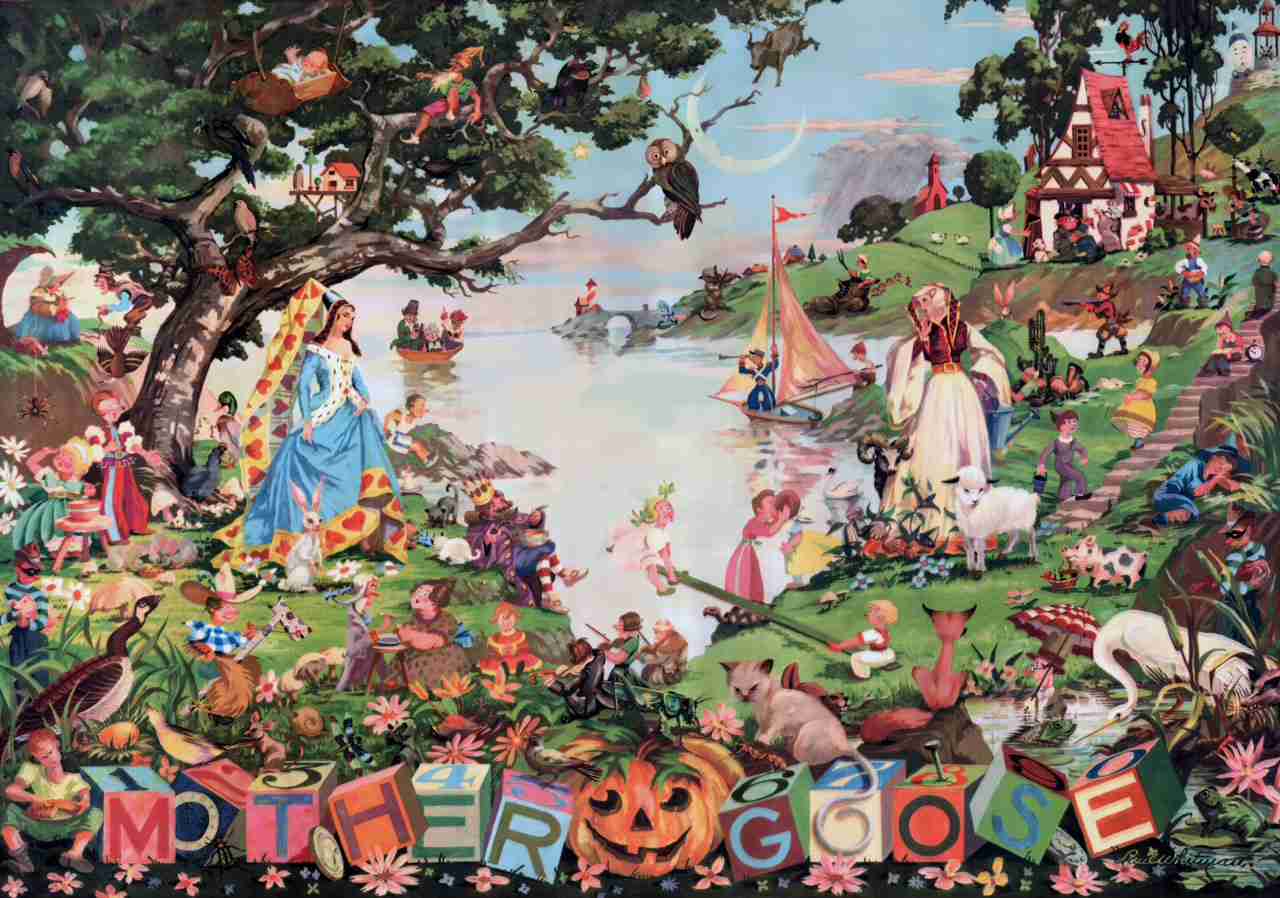
Symphonic Storytelling, on May 17, 2025, encapsulates everything that makes InsideOut unique. Featuring Maurice Ravel’s Mother Goose Suite and Rimsky-Korsakov’s Scheherazade, it promises to transport audiences into the world of storytelling through music.
The Future of Classical Music: A Call to Innovation
Reflecting on my experiences with PACS, I am convinced that InsideOut addresses one of classical music’s most significant challenges: staying relevant in the digital age.
With music so easily accessible, live concerts must offer more than just another opportunity to listen—they must provide an experience that cannot be replicated elsewhere.
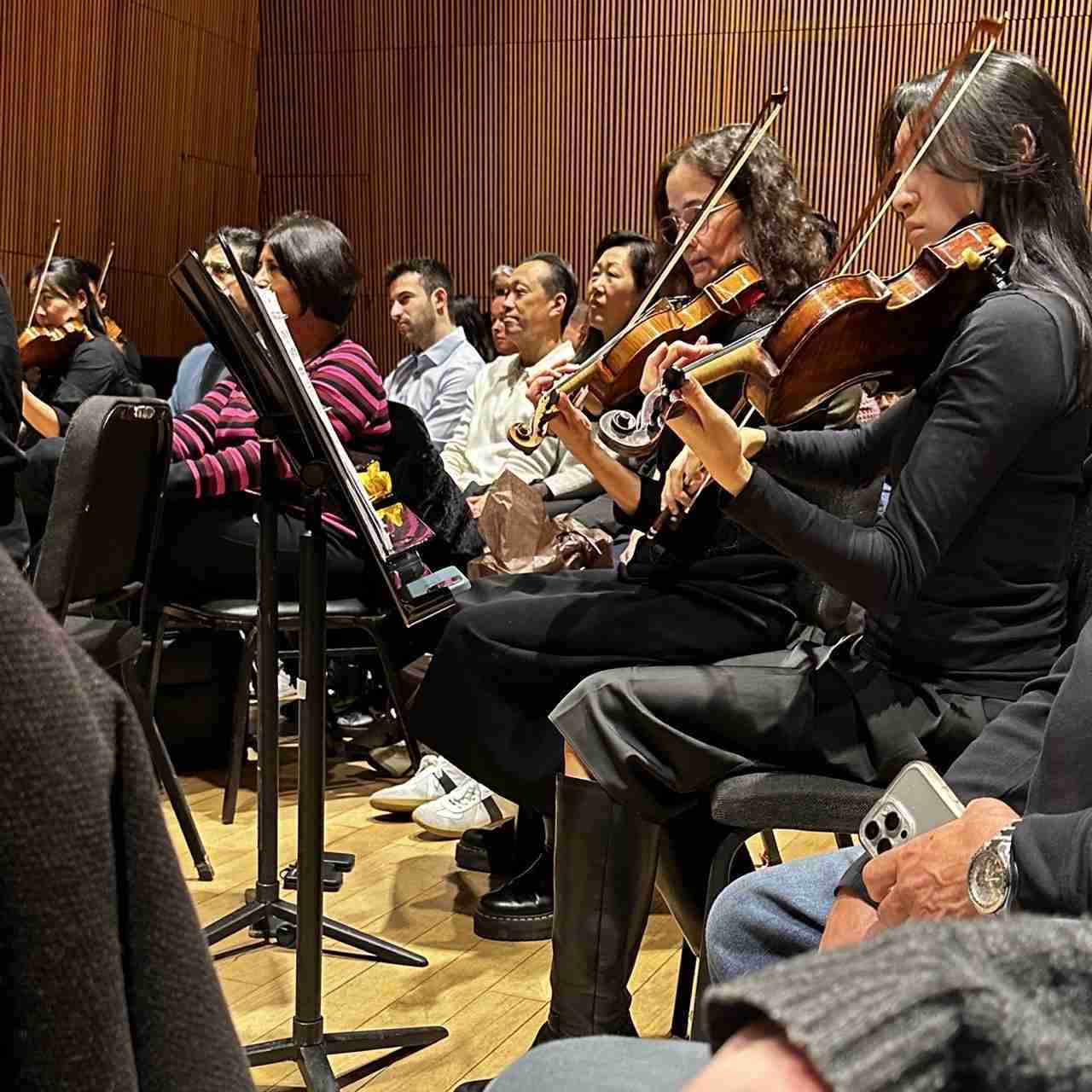
As InsideOut continues to grow, it sets a new audience engagement standard. This is not just about playing music—it’s about bringing people inside the music.
For anyone who has yet to experience it, I highly recommend it.
A Spectacular Finale: Symphonic Storytelling
As PACS celebrates its 25th anniversary, I am particularly excited about its upcoming InsideOut event, Symphonic Storytelling, on May 17, 2025, at the DiMenna Center for Classical Music in Manhattan. This event encapsulates everything that makes InsideOut unique, including works explicitly designed to tell stories through music, including Maurice Ravel’s Mother Goose Suite and Rimsky-Korsakov’s Scheherazade. To fully transport audiences into these magical and mysterious worlds, PACS has invited DeCarlo Raspberry, who plays the Genie on the Disney Cruise Ship production of Aladdin as the narrator, storyteller, and Master of Ceremony.
PACS offers two InsideOut Events on May 17th at the DiMenna Center for Classical Music, 450 West 37th Street, Between 9th and 10th Avenues:
- 2 PM: A Family Event for children and their caregivers featuring a shortened program, followed by an instrument zoo.
- 5 PM: A Full Event for Adults featuring the complete program, followed by a reception with the performers.
Tickets are available online here: https://www.eventbrite.com/cc/park-avenue-chamber-symphony-2024-25-season-events-3367809
The Park Avenue Chamber Symphony
David Bernard, Music Director and Conductor
875 5th Ave, New York, NY 10065
(917) 740-7227

Readers may also enjoy our reviews of Immersive Mozart by the Park Avenue Chamber Symphony, The Magic of Immersion: Park Avenue Chamber Symphony’s The Nutcracker, The Park Avenue Chamber Symphony presents Tales and Transformation, The Park Avenue Chamber Symphony presents Between Sea and Sky: Debussy’s Painters and Poets, and The Park Avenue Chamber Symphony performs Mahler’s Symphony No. 5.