
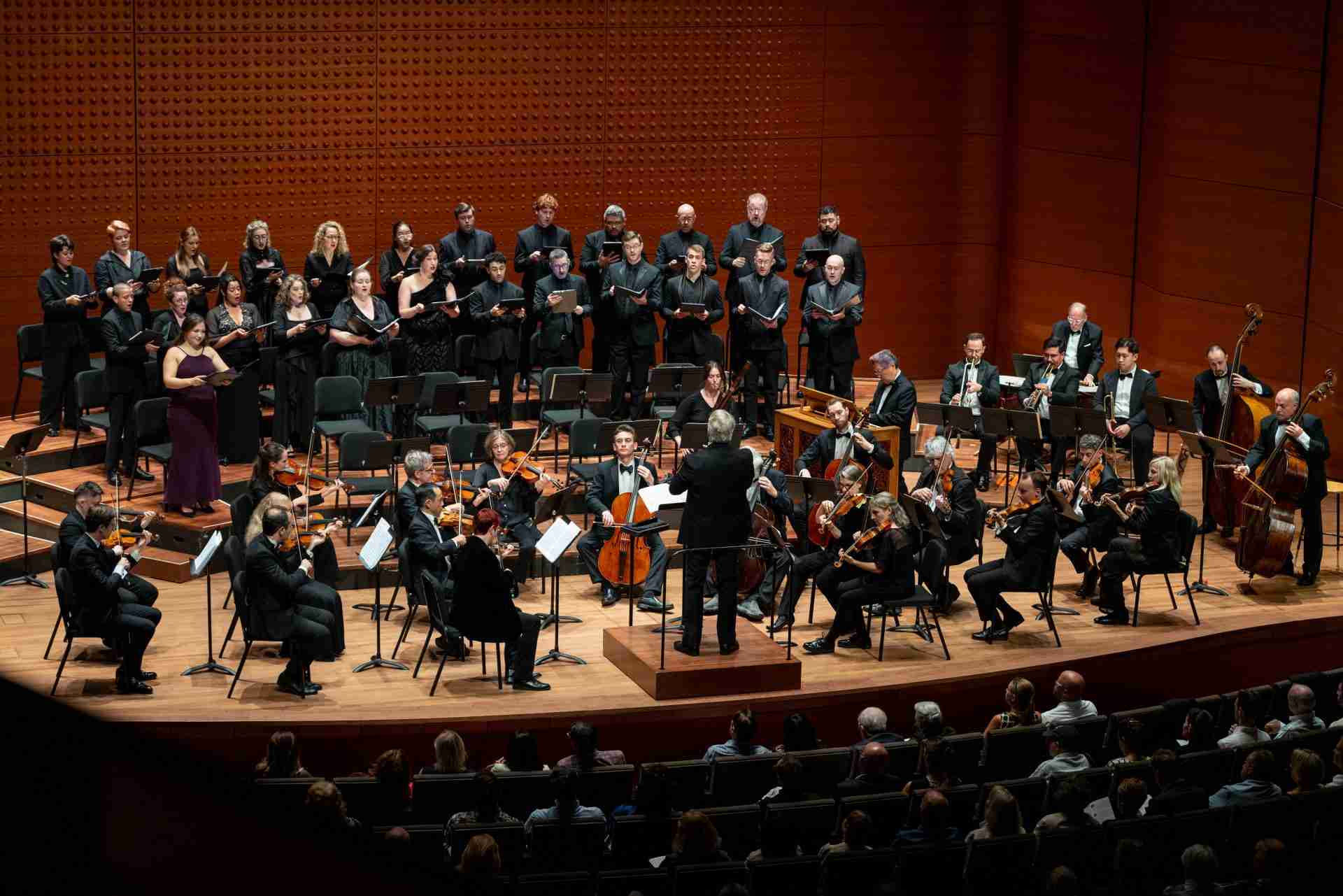
The American Classical Orchestra opened its 42nd season Thursday evening with Turning the Key, a program that set Haydn’s embattled faith beside Beethoven’s revolutionary nerve and let them argue. At Alice Tully Hall at Lincoln Center, music two centuries old arrived with startling intimacy.
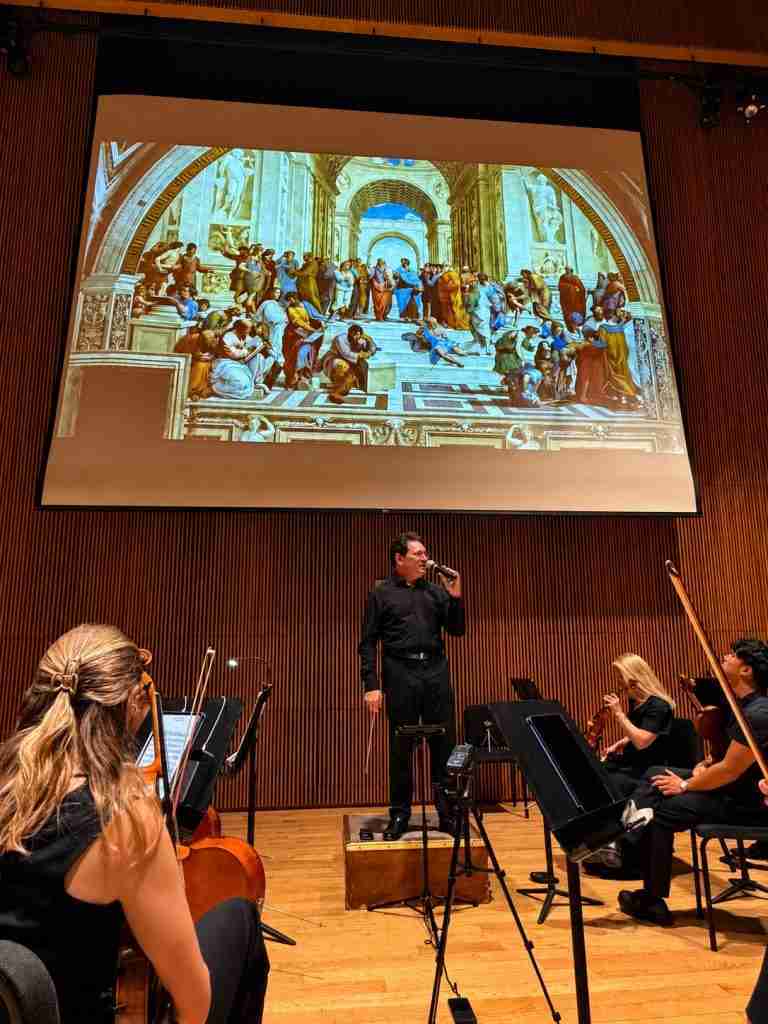
Founder and Artistic Director Thomas Crawford began with one of his well-regarded introductory talks. It was no solemn address. He cleverly explained, joked, posed questions, and turned repeatedly to the orchestra to demonstrate—a phrase here, a harmonic or rhythmic feature there—so newcomers could get their bearings and veterans had something to chew on. Late Joseph Haydn and early Ludwig van Beethoven, Crawford reminded us, lived in the same Classical house. They rattled its windows differently.
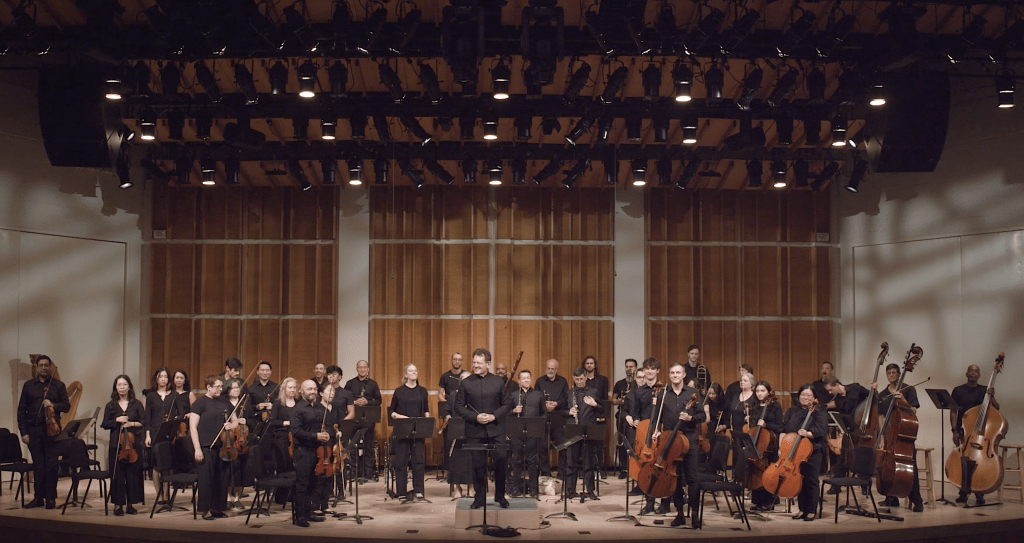
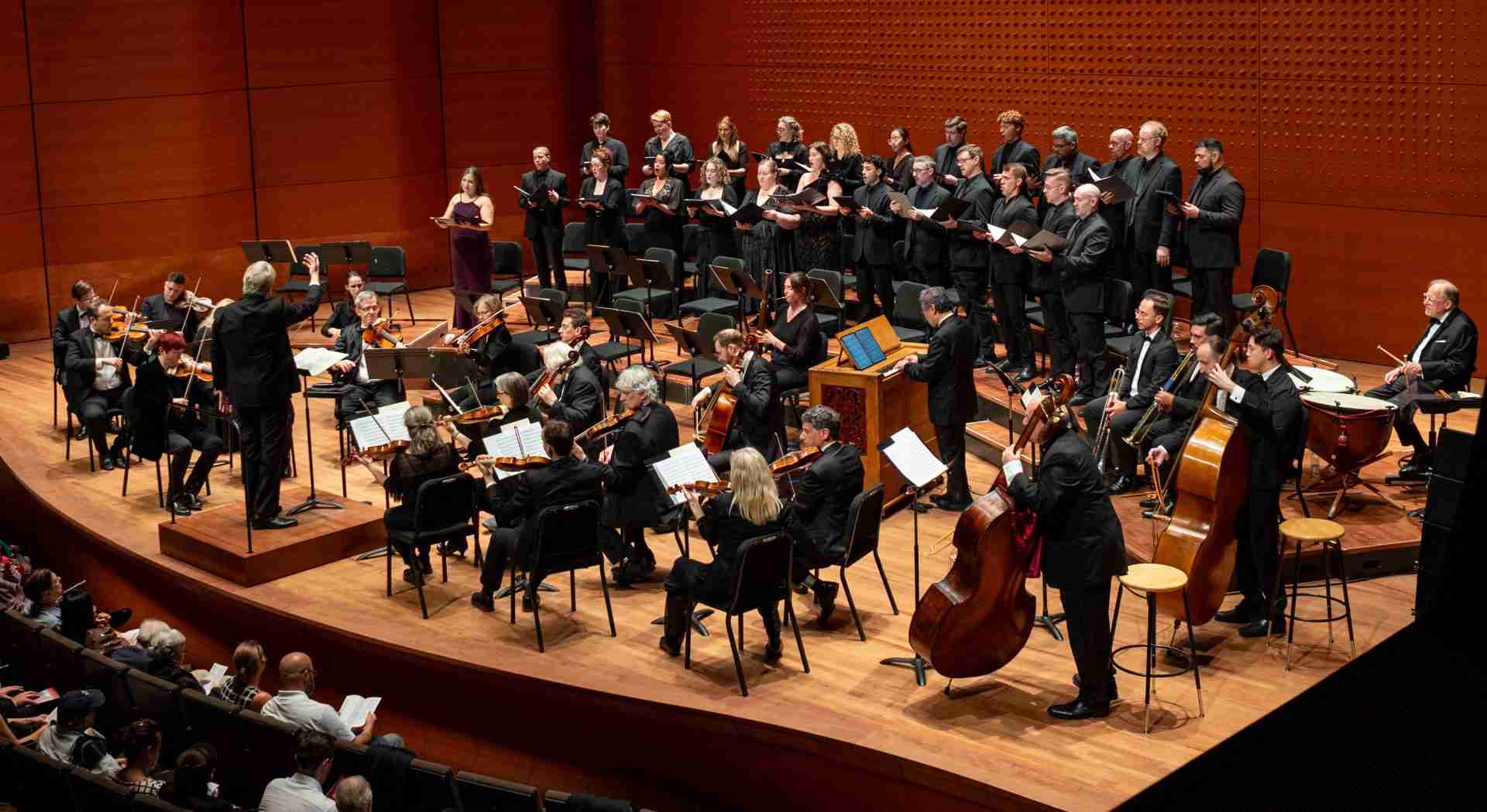
The compact orchestra — lean strings, paired winds, natural horns, trumpets, timpani — produced a clarity no 120-piece modern ensemble can. In place of the upholstered roar: exposed grain, sharpened rhythm, color you can name instrument by instrument. These period instruments do not make the music quaint. They make it immediate.
“Turning the Key”
The title first points to Beethoven’s First Symphony. Beethoven does not announce C major politely; he opens on a dominant seventh that resolves somewhere it has no business going, then does it again, and again, each turn testing another lock. Does the Classical house have rooms nobody has entered? It does, and he means to enter them all.
The title fits Haydn’s Missa in Angustiis just as well. That work turns a different key: dread into assurance, darkness into radiance, human frailty into communal hope.
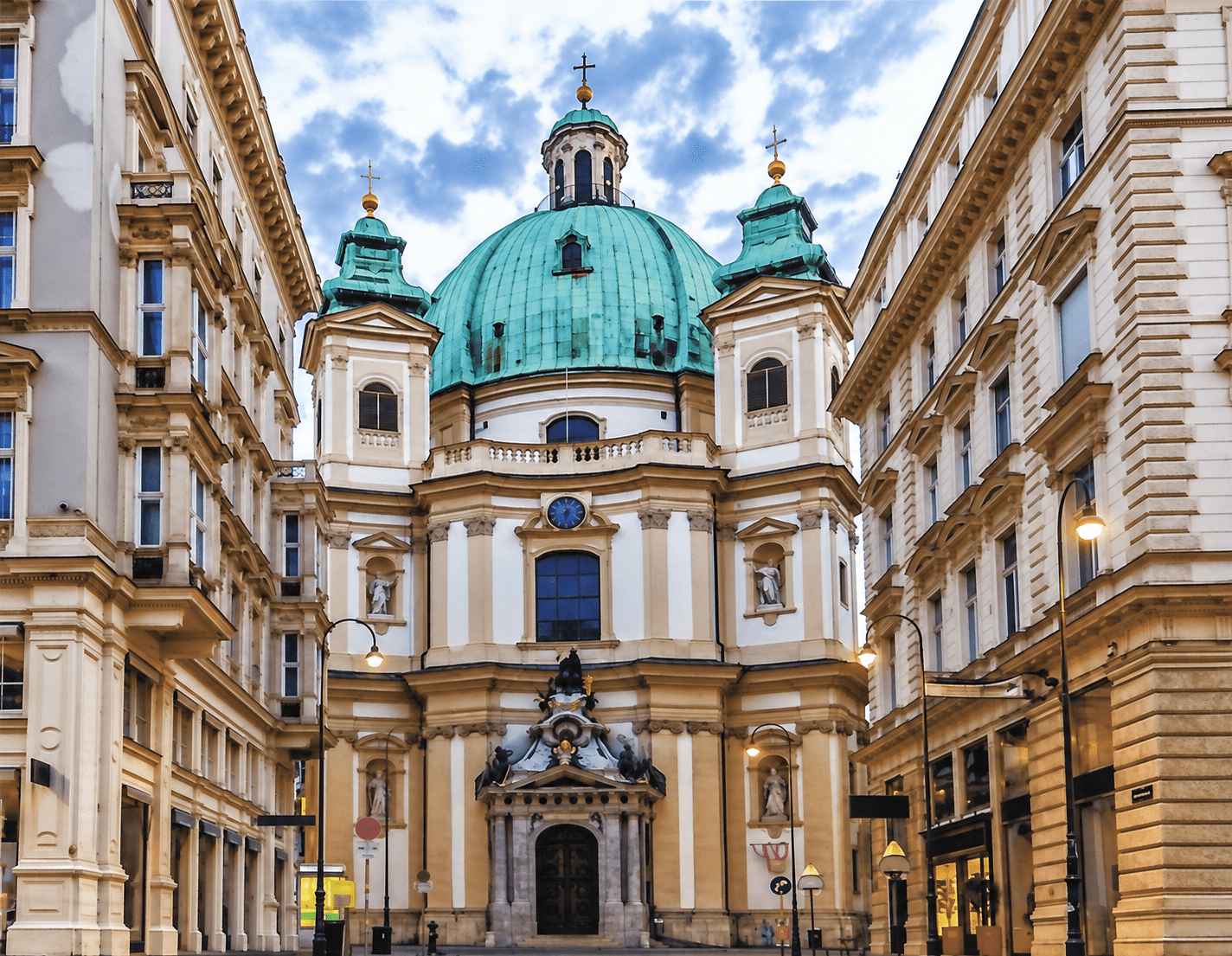
Even the program’s nod to Vienna’s Domkirche St. Stephan deepened the idea. Haydn sang there as a choirboy for nine formative years, and later married there. The cathedral is more than a picturesque part of Vienna. It is one of the doors through which a young musician walked into history.
Haydn’s Lord Nelson Mass: Faith Under Pressure
Haydn wrote the Missa in Angustiis — “Mass in Troubled Times” — in 1798, with Europe trembling beneath military threat. The music does not look away from that fear. It gathers the fear up and forces it to sing.
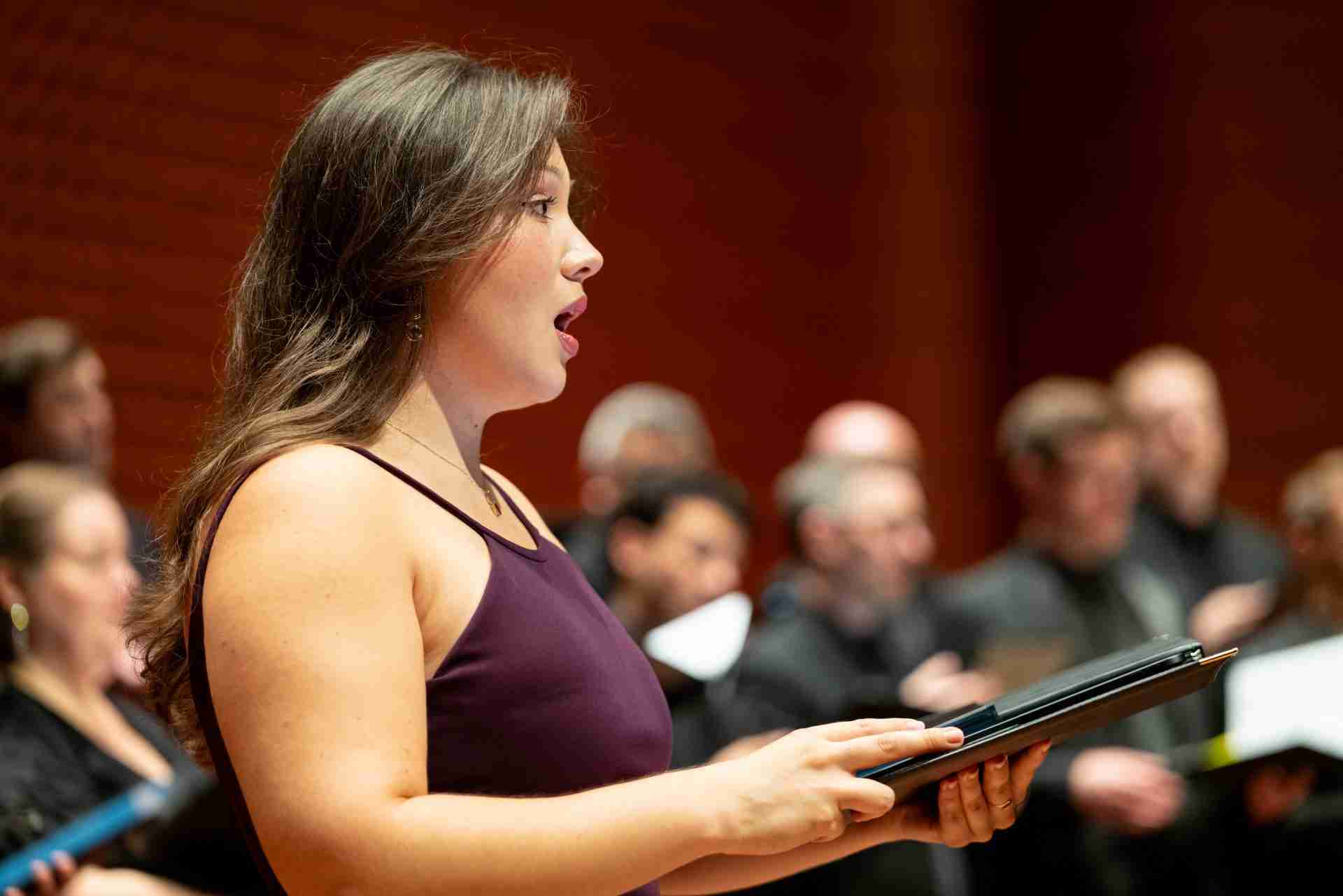
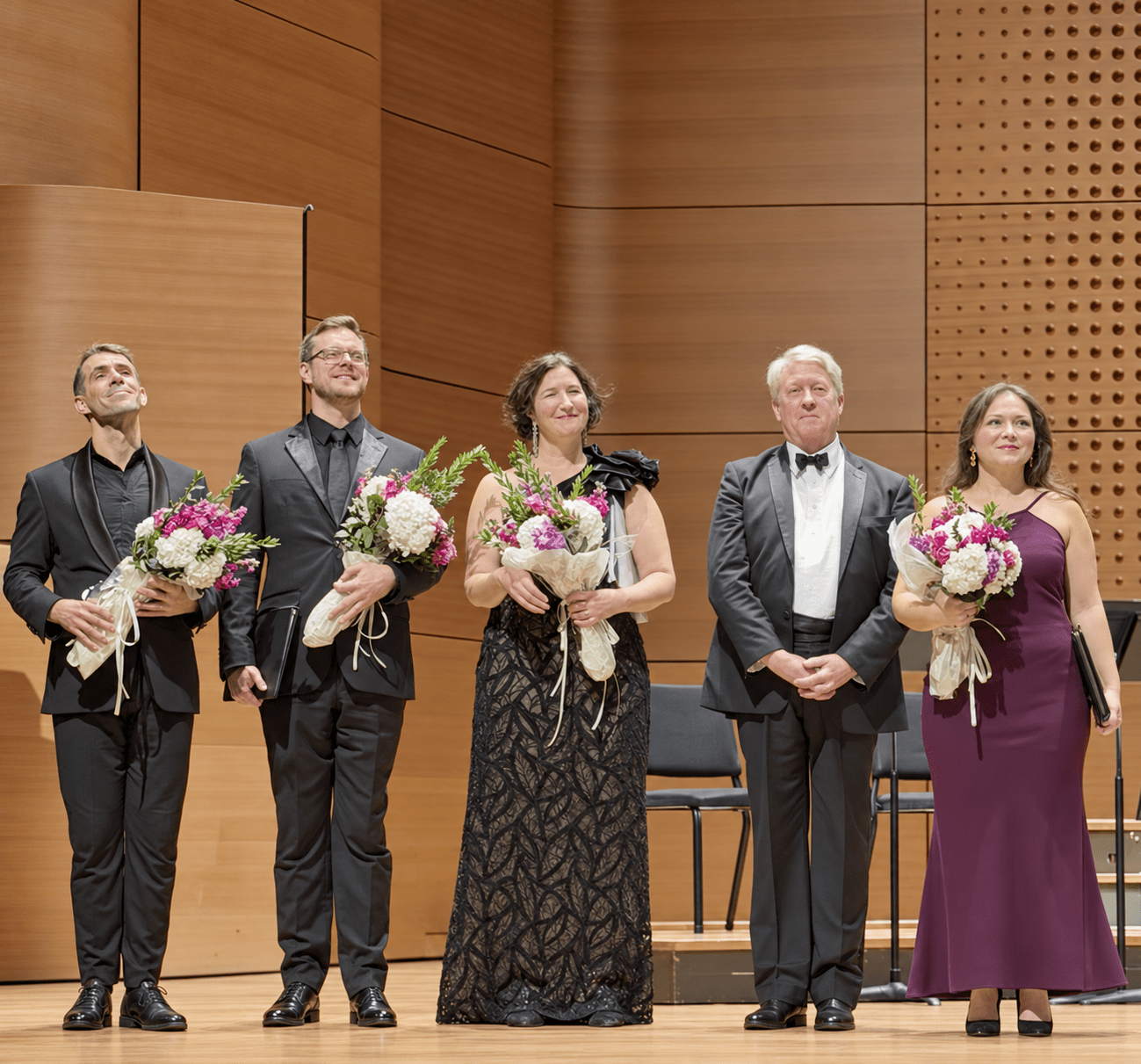
The Kyrie arrived urgently. Trumpets and timpani darkened the horizon while the chorus pressed forward on taut diction. Then soprano Shelén Hughes Camacho rose over the texture with gleaming agility. Haydn’s soprano writing here is notorious — exposed, athletic, unmerciful — and she met it with brilliance, accuracy, and a buoyant tone that never hardened under pressure.
In the Gloria, Haydn compresses a mountain of text through overlapping entrances, a technique Crawford aptly called “telescoping.” Words chase one another; the music refuses to slow. The ensemble kept it clear all the same, and every phrase stayed tethered to the prayer’s emotional purpose.
Architectural Pillars
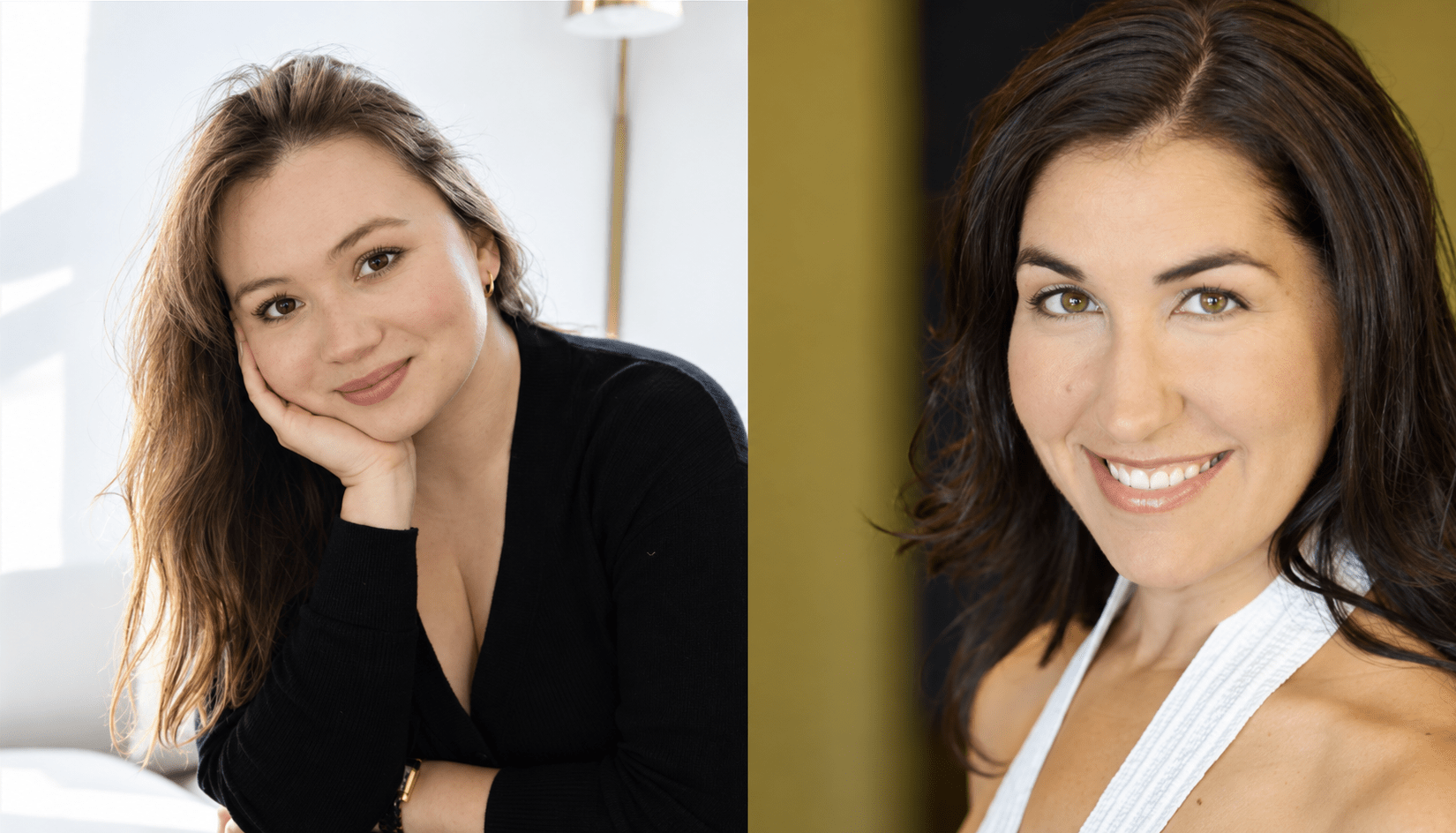
The Qui tollis brought a particular kind of gravity. Bass-baritone Edmund Milly supplied firm resonance without ever turning ponderous; his diction carried naturally into the hall, and his warmth lent the plea for mercy real human weight.
The Credo moved with conviction rather than dogma. Haydn’s rapid text-setting can blur into so much syllabic weather; instead, Crawford and the American Classical Orchestra Chorus built it. Each entry raised another pillar under the whole.
At the Et incarnatus est, alto Helen Karloski offered a beautifully centered line, her dark mezzo coloring the emotional floor beneath the quartet. She listened, visibly and musically, blending without surrendering an inch of individuality.
A Marvelously Balanced Quartet
Tenor Steven Soph brought clean articulation and an attractively focused sound, giving Haydn’s long lines forward motion—invaluable in passages where the quartet must hand an idea from voice to voice at speed.
The Sanctus opened in reverence and gathered brightness as it went. The Benedictus then restored unease with shadowed trumpet calls and restless harmonic motion. As a quartet, the four were marvelously balanced: Hughes Camacho, light; Karloski, depth; Soph, a silver edge; Milly, the ground.
The Agnus Dei moved from introspective supplication to a jubilant Dona nobis pacem. Peace, in Haydn’s conception, is not passive. It is won. The chorus and orchestra performed it as participants in renewal rather than as observers.
Beethoven’s First Symphony: A Young Revolutionary Smiles
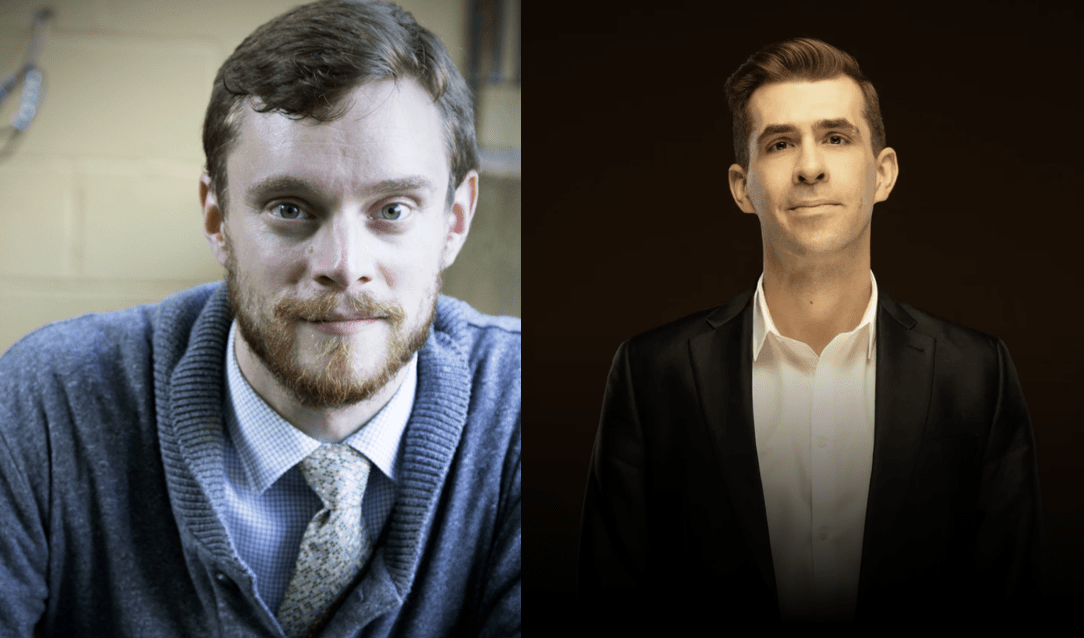
After intermission, Crawford conducted the Symphony No. 1 in C Major without a score, his command refined, economical, exact. He did not bully the music into significance. He trusted its wit.
The opening Adagio molto turned its harmonic key with delicious uncertainty. Then the Allegro con brio sprang forth. Period strings gave the rhythm a taut resilience; the winds spoke as distinct personalities rather than orchestral upholstery.
The Andante cantabile con moto flowed graciously and never once grew sleepy. Its imitative entrances unfolded like civilized conversation — though the timpani kept murmuring a reminder that Beethoven had already begun enlarging the Classical slow movement beyond its inherited dimensions.
The third movement is labeled Menuetto. Nothing about its character is courtly. Crawford took it at a clip, with controlled exuberance and the disruptive accents left disruptive: a scherzo in all but name.
The Witticism Blossomed Gradually
The finale begins with a joke. Beethoven offers a hesitant ascending scale—one note, then another, then another —as though the orchestra was learning the tune in front of us. The witticism blossoms by degrees. Then the Allegro molto e vivace bursts open, and the energy is irresistible.
Crawford called Beethoven one of music’s funniest composers, and the performance proved it. The humor does not diminish him. It brings him within reach.
Haydn’s Surprise Symphony, Beethoven’s harmonic léger demain — these remind us that masterpieces are products of human inventiveness. Clever, anxious, hopeful people wrote them, and they enjoyed startling the room.

Thomas Crawford and the Inimitable Value of the ACO
Crawford founded the ensemble in 1984, renamed it the American Classical Orchestra in 1999, and gave it a permanent New York home in 2005. Across four decades, he has treated historically informed performance as an act of communication rather than an archival exercise.
Turning the Key bore that out. The orchestra did not merely reproduce old sounds. It restored the live relationships among them: voices against trumpets, gut strings against wooden winds, sorrow against celebration, inheritance against invention.
A Performance Deepens Understanding
The best criticism asks not only whether a performance was accurate but whether it deepened understanding. Here the answer is yes. E.T.A. Hoffmann heard in Beethoven a vision of the infinite; Haydn, in his own troubled hour, found that faith holds even when certainty does not.
Turning the Key celebrated a lineage. Haydn stood at one threshold. Beethoven pushed through the next door. Crawford and the American Classical Orchestra invited us to keep walking.
American Classical Orchestra
P.O. Box 105, New York, NY 10024-0105
Office: 212-510-7962
Email: info@aconyc.org
Website: American Classical Orchestra
2026–27 concerts and tickets: ACO Season 42
Season subscription: Subscribe and Save
Donations: Support the American Classical Orchestra
Lincoln Center and Alice Tully Hall
Alice Tully Hall, 1941 Broadway, New York, NY 10023
CenterCharge: 212-721-6500
Guest Experience: 212-875-5456
Email: guestexperience@lincolncenter.org
Website: Alice Tully Hall
Domkirche St. Stephan
Stephansplatz 3, 1010 Vienna, Austria
Website and contact directory: St. Stephen’s Cathedral