F. Scott Fitzgerald’s The Great Gatsby: A Story of Splendor and Censorship
The Roaring Twenties and Fitzgerald’s Magnum Opus
The Great Gatsby, published in 1925, is an iconic portrayal of the Jazz Age and the elusive American Dream. F. Scott Fitzgerald, often called the poet laureate of the 1920s, infused the novel with his experiences of love, ambition, and loss. His meteoric rise in literary circles mirrored Gatsby’s quest for wealth and recognition. However, the novel has been lauded, challenged, and sometimes banned.
Here’s a preview of the film:
Set in the fictional town of West Egg, The Great Gatsby follows Jay Gatsby’s obsessive pursuit of Daisy Buchanan. A self-made millionaire, Gatsby throws opulent parties hoping to win back Daisy, the woman he once loved. Nick Carraway, the novel’s narrator, navigates this world of affluence, deception, and yearning. Through Gatsby’s relentless dream, Fitzgerald paints a haunting portrait of the American Dream’s fragility.
Why The Great Gatsby Remains a Literary Treasure
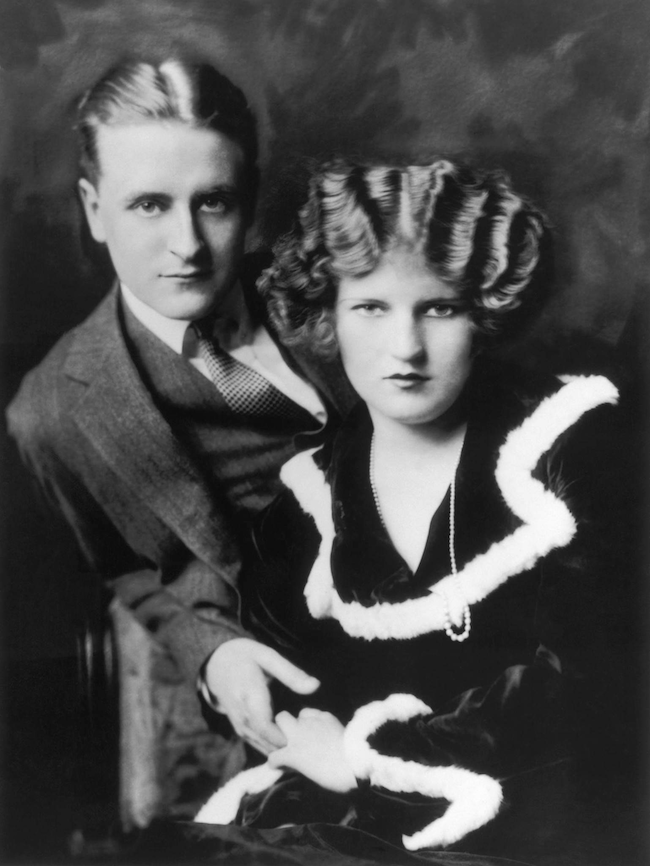
Fitzgerald’s prose shimmers with lyricism, capturing the era’s excess and underlying melancholy. Gatsby’s unwavering hope is admirable and tragic, making him one of literature’s most enduring characters. The novel critiques materialism exposes social stratification, and questions whether true happiness can be bought. Its enduring relevance ensures it remains a staple in American classrooms.F. Scott Fitzgerald and Zelda Fitzgerald in 1923. Alfred Cheney Johnston, Public domain, via Wikimedia Commons
The Controversy: Censorship and Challenges
Despite its literary acclaim, The Great Gatsby has faced censorship attempts. Some critics argue the novel’s themes of adultery, alcohol, and violence make it unsuitable for young readers. However, these elements reflect the era’s realities and serve as cautionary tales rather than endorsements of excess.
The 1987 Baptist College Challenge
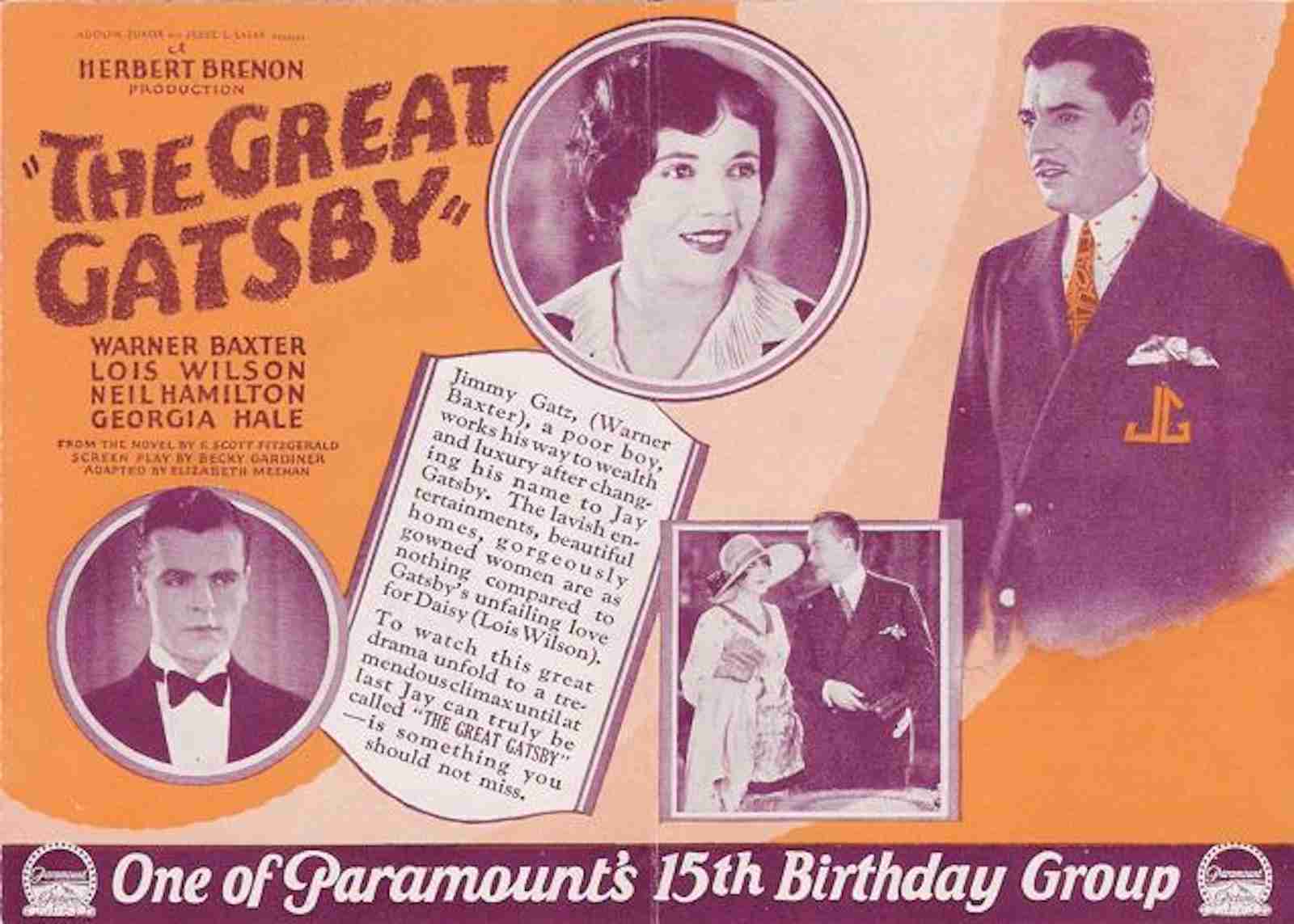
One of the most notable challenges came in 1987, when the Baptist College in Charleston, South Carolina, objected to the novel’s language and sexual references. The novel’s portrayal of Gatsby’s affair with Daisy stirred controversy despite Fitzgerald’s delicate handling of intimacy.Theatrical poster for the American drama film The Great Gatsby (1926). w: Famous Players-Lasky/w: Paramount Pictures, Public domain, via Wikimedia Commons
Bay County School District’s Attempted Ban
The same year, Florida’s Bay County School District attempted to ban 64 books, including The Great Gatsby. Officials cited vulgarity and inappropriate content. Superintendent Leonard Hall stated, “I don’t like vulgarity. I don’t approve of it in my children.” The attempt ultimately failed, reinforcing the novel’s importance in education.
2008 Idaho School Board Decision
In 2008, the Coeur d’Alene school board in Idaho implemented an approval system that targeted books, including The Great Gatsby. Concerned parents protested, arguing that the book contained inappropriate language and themes. The backlash led to the book’s reinstatement, proving its value in literary discussions.
The Jazz Age: A Backdrop of Opulence and Decay
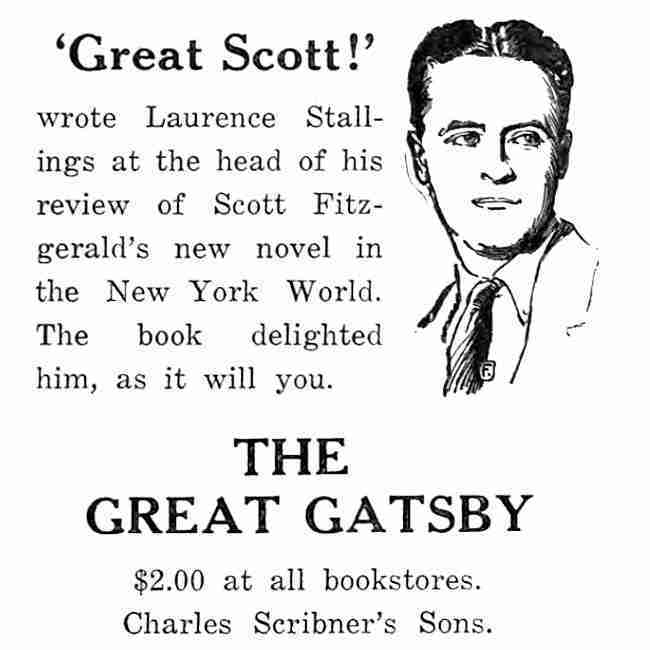
Fitzgerald masterfully captured the vibrancy and decadence of the 1920s in The Great Gatsby, which pulsates with jazz, speakeasies, and lavish parties. Yet beneath the glamour lies a world of emptiness. The novel warns against blind ambition and the perilous pursuit of material success.The Great Gatsby Print Advertisement in The Daily Princetonian May 30. 1925. See page for author, Public domain, via Wikimedia Commons
A Critical Examination of the American Dream
Gatsby embodies the American Dream—rising from obscurity to immense wealth. However, his dream is unattainable, proving that success does not always bring fulfillment. Fitzgerald critiques the era’s obsession with status and highlights the dream’s ultimate disillusionment.
The Great Gatsby: A Story of Splendor and Censorship
The Great Gatsby is more than a story; it is a mirror reflecting society’s aspirations and flaws. Banning it silences discussions about ambition, morality, and the consequences of unchecked desire. Readers must explore these themes to understand the past and navigate the present.
We use cookies on our website to give you the most relevant experience by remembering your preferences and repeat visits. By clicking “Accept”, you consent to the use of ALL the cookies.
This website uses cookies to improve your experience while you navigate through the website. Out of these, the cookies that are categorized as necessary are stored on your browser as they are essential for the working of basic functionalities of the website. We also use third-party cookies that help us analyze and understand how you use this website. These cookies will be stored in your browser only with your consent. You also have the option to opt-out of these cookies. But opting out of some of these cookies may affect your browsing experience.
Necessary cookies are absolutely essential for the website to function properly. These cookies ensure basic functionalities and security features of the website, anonymously.
Cookie
Duration
Description
cookielawinfo-checkbox-analytics
11 months
This cookie is set by GDPR Cookie Consent plugin. The cookie is used to store the user consent for the cookies in the category "Analytics".
cookielawinfo-checkbox-functional
11 months
The cookie is set by GDPR cookie consent to record the user consent for the cookies in the category "Functional".
cookielawinfo-checkbox-necessary
11 months
This cookie is set by GDPR Cookie Consent plugin. The cookies is used to store the user consent for the cookies in the category "Necessary".
cookielawinfo-checkbox-others
11 months
This cookie is set by GDPR Cookie Consent plugin. The cookie is used to store the user consent for the cookies in the category "Other.
cookielawinfo-checkbox-performance
11 months
This cookie is set by GDPR Cookie Consent plugin. The cookie is used to store the user consent for the cookies in the category "Performance".
viewed_cookie_policy
11 months
The cookie is set by the GDPR Cookie Consent plugin and is used to store whether or not user has consented to the use of cookies. It does not store any personal data.
Functional cookies help to perform certain functionalities like sharing the content of the website on social media platforms, collect feedbacks, and other third-party features.
Performance cookies are used to understand and analyze the key performance indexes of the website which helps in delivering a better user experience for the visitors.
Analytical cookies are used to understand how visitors interact with the website. These cookies help provide information on metrics the number of visitors, bounce rate, traffic source, etc.
Advertisement cookies are used to provide visitors with relevant ads and marketing campaigns. These cookies track visitors across websites and collect information to provide customized ads.