


John Steinbeck: The Grapes of Wrath – A Story of Struggle and Perseverance
John Steinbeck’s The Grapes of Wrath stormed into the literary world in April 1939, sweeping readers into the Dust Bowl’s desolation. Chronicling the Joad family’s odyssey, the novel paints a haunting portrait of Americans, primarily from Oklahoma, who were forced to travel west due to the Dust Bowl and became workers searching for new opportunities in California, chasing dreams in an America rife with hardship. Through stark realism, Steinbeck exposes the heartache and grit of families clawing for survival. For many, it was a masterpiece. For others, it was dangerous.
Here’s an excerpt from The Grapes of Wrath performed by actor and comedian Steven Weber:
View this post on Instagram
John Steinbeck: The Man Behind the Masterpiece
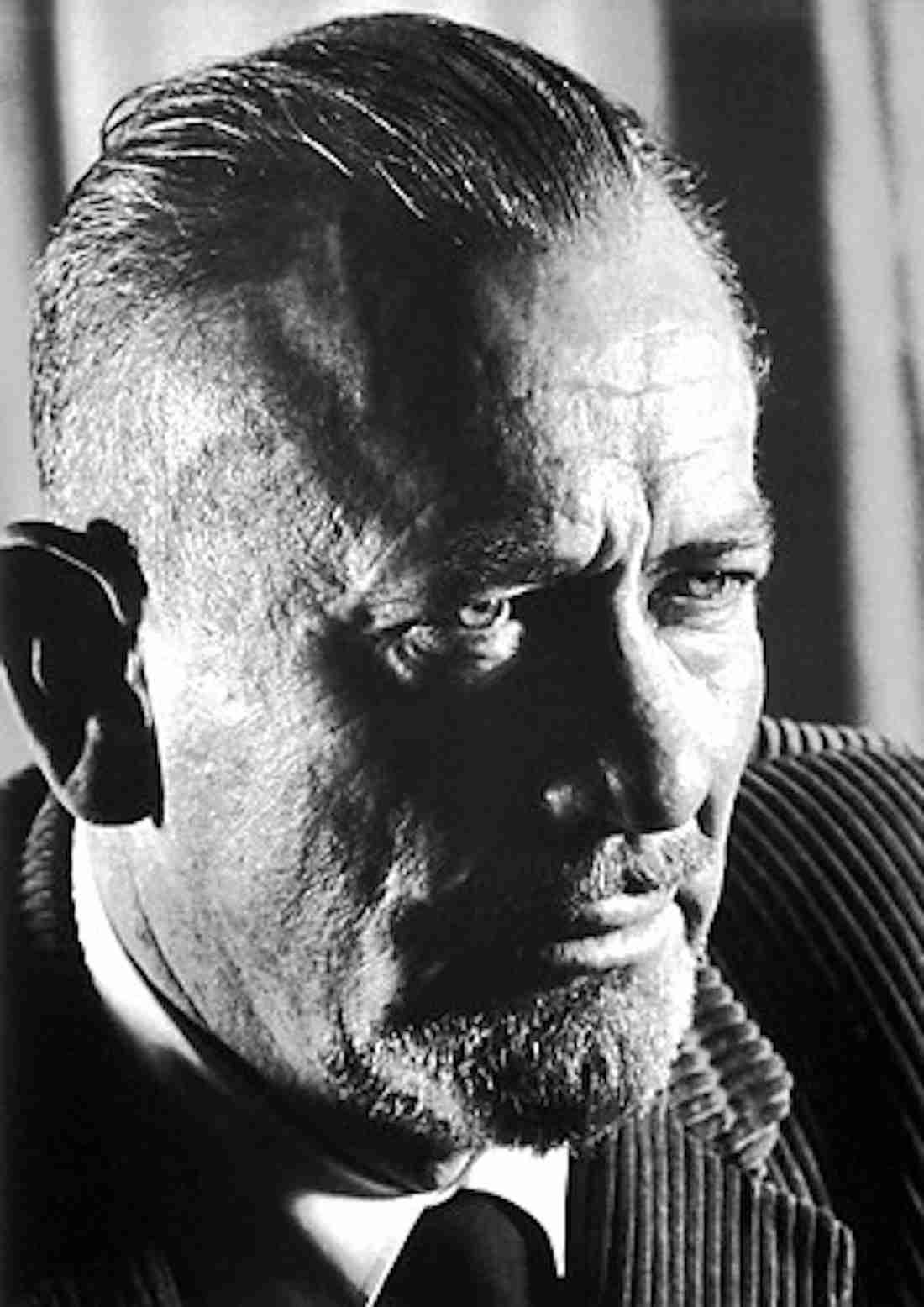
Born in 1902, John Steinbeck grew up in Salinas, California, a place he immortalized in his works. He experienced firsthand the lives of displaced workers, having spent time observing their struggles. Passionate about truth, Steinbeck infused The Grapes of Wrath with raw authenticity. He sought to tell a story and shake America’s conscience. His words cut deep, exposing economic injustices that many preferred to ignore. His portrayal of suffering was so poignant that some called for his book to be silenced.
The Joads: A Family Searching for the American Dream
The heart of The Grapes of Wrath lies in the Joad family. They are every struggling family. They are resilience personified. Tom Joad, recently paroled, leads his family from Oklahoma to California, a land rumored to offer prosperity. His mother, Ma Joad, embodies unbreakable strength, holding the family together with boundless love. A former preacher, Jim Casy, becomes their beacon of moral awakening, questioning the systems that crush the weak. These characters breathe, ache, and endure, making The Grapes of Wrath one of literature’s most compelling tales of perseverance.
Defining Displaced Workers: A Central Theme
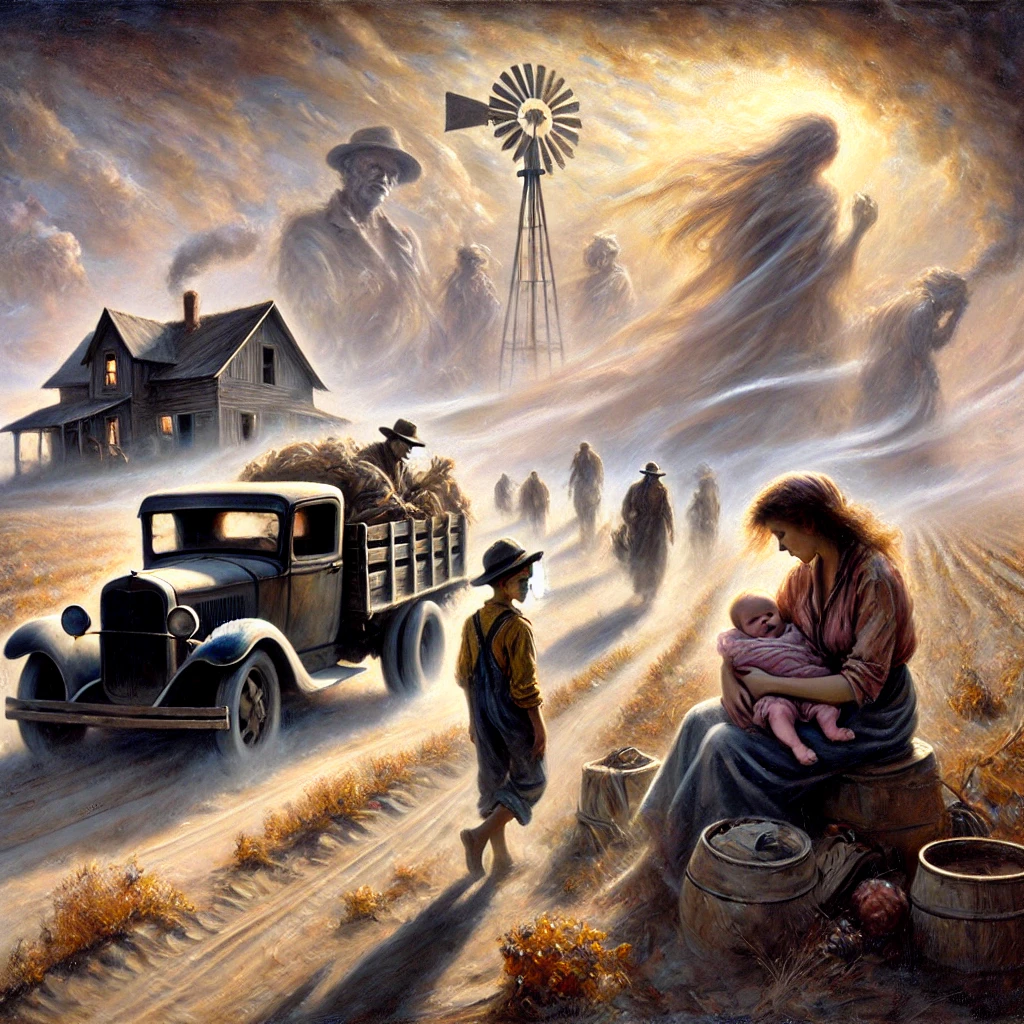
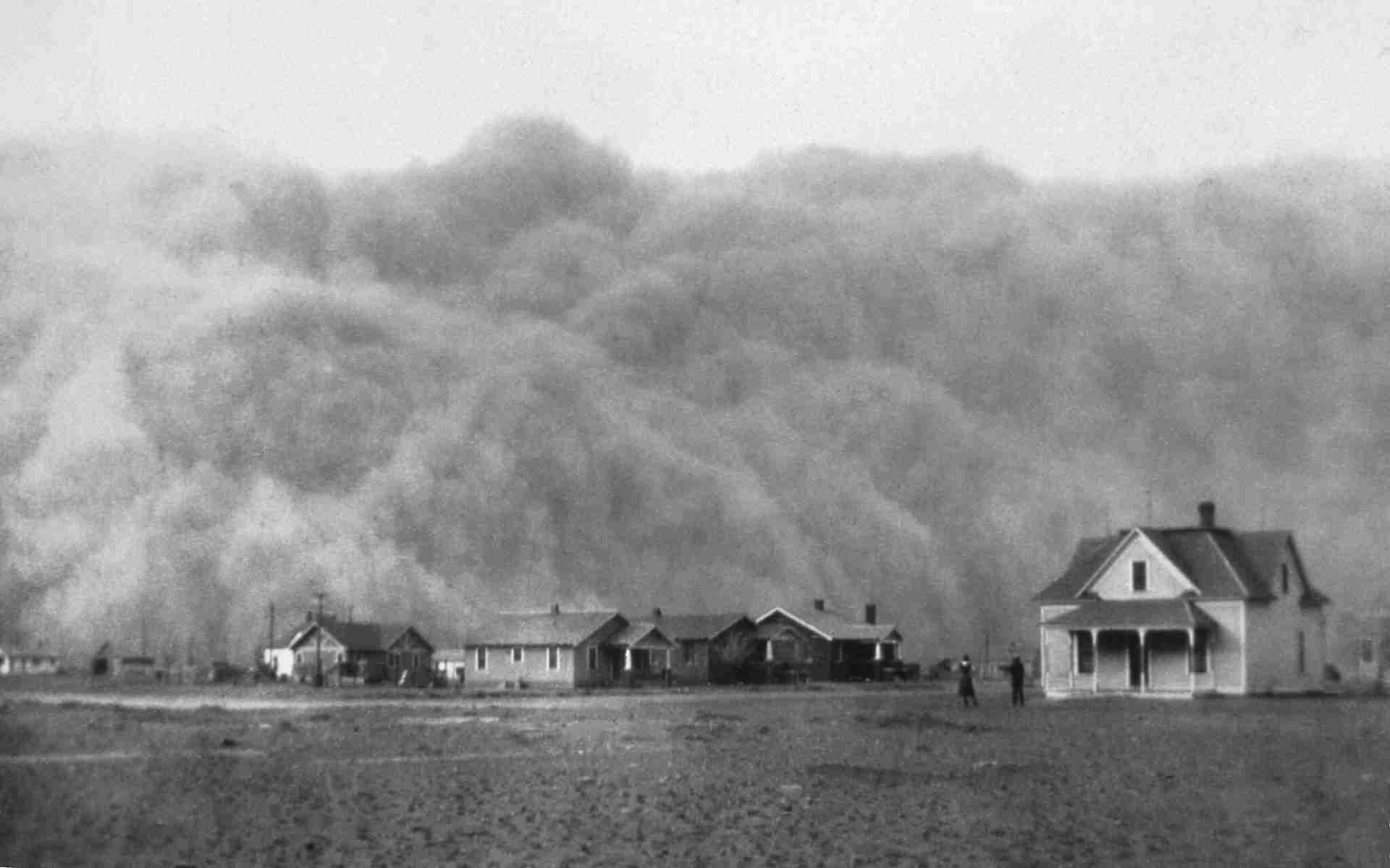
In The Grapes of Wrath, Steinbeck highlights Americans, primarily from Oklahoma, who were forced to travel west due to the Dust Bowl. These individuals, often farmers displaced by environmental devastation and economic despair, sought new opportunities in California. However, instead of prosperity, they encountered discrimination, extreme poverty, and exploitative labor conditions. Steinbeck’s novel vividly illustrates their journey, capturing their resilience and the systemic forces working against them. The plight of these displaced workers remains a powerful commentary on economic displacement and social injustice.
California’s Harsh Reality: The Workers’ Nightmare
Like thousands of real-life Okies, the Joads arrived in California hoping for work and dignity. Instead, they found prejudice, backbreaking labor, and exploitation. Agricultural barons wielded unchecked power, paying pennies for relentless toil. Instead of the American Dream, they faced a capitalist nightmare. The novel lays bare a brutal reality that made landowners and businesspeople uncomfortable. It was not just a novel—it was a mirror, and many wanted that mirror shattered.
The Ban: A Threat to Those in Power
Just months after its publication, The Grapes of Wrath was banned in Kern County, California, the very land where these workers sought refuge. The Associated Farmers, an influential agrarian group, feared Steinbeck’s work would stir rebellion among laborers. They could not afford dissent. Led by board member Stanley Abel, a former Ku Klux Klan member, the county banned the book on August 21, 1939. Critics claimed Steinbeck’s depiction of farmers as heartless villains was unfair. Others balked at the book’s language, using it as an excuse to silence its message.
The Librarian Who Fought Back
Kern County librarian Gretchen Knief saw through the ban’s political motives. She knew The Grapes of Wrath mattered and that knowledge should never be caged. Though she complied with the ban, she worked behind the scenes to distribute the novel privately. Meanwhile, the ban only fueled public interest. Book requests surged, libraries across California scrambled to provide copies, and The Grapes of Wrath became an underground sensation.
A Literary Rebellion: The Power of Words
The controversy surrounding the book did not go unnoticed. The American Civil Liberties Union (ACLU) and union groups fought back, challenging the suppression of literature. At the Kern County board’s next meeting, clergy, health workers, and displaced workers spoke against the ban. They argued that The Grapes of Wrath gave voice to the voiceless. By 1941, the county lifted the ban, though its enforcers later claimed they only banned it from garnering attention for Steinbeck’s message—an ironic twist in a story of attempted censorship.
Legacy: A Book That Refuses to Be Silenced
Despite its banning, The Grapes of Wrath became an American classic. It earned Steinbeck the Pulitzer Prize in 1940 and later helped him secure the Nobel Prize in Literature. The novel continues to be read in schools, debated in universities, and cherished by those who believe literature should challenge, not comfort.

A Story for Our Time
The struggles of the Joad family remain relevant. Injustice persists, and displaced workers still seek dignity. For many, the American Dream still dangles like a mirage. The Grapes of Wrath forces readers to confront uncomfortable truths, urging them to see humanity in those too often ignored. Literature, at its finest, does precisely that.





One Response
I found your explanation incredibly helpful, thanks!