


Manhattan’s Lost Buildings: A Journey Through Demolished Landmarks
Manhattan is a vibrant hub of culture and architecture, but beneath its bustling streets lies a rich history of buildings that have vanished over the years. These lost buildings were once landmarks that defined neighborhoods, enriched the city’s character, and told stories of a time gone by. Understanding Manhattan’s demolished landmarks helps us appreciate the city’s evolution and the choices made along the way. It’s time for Manhattan’s Lost Buildings: A Journey Through Demolished Landmarks!
The Old Penn Station
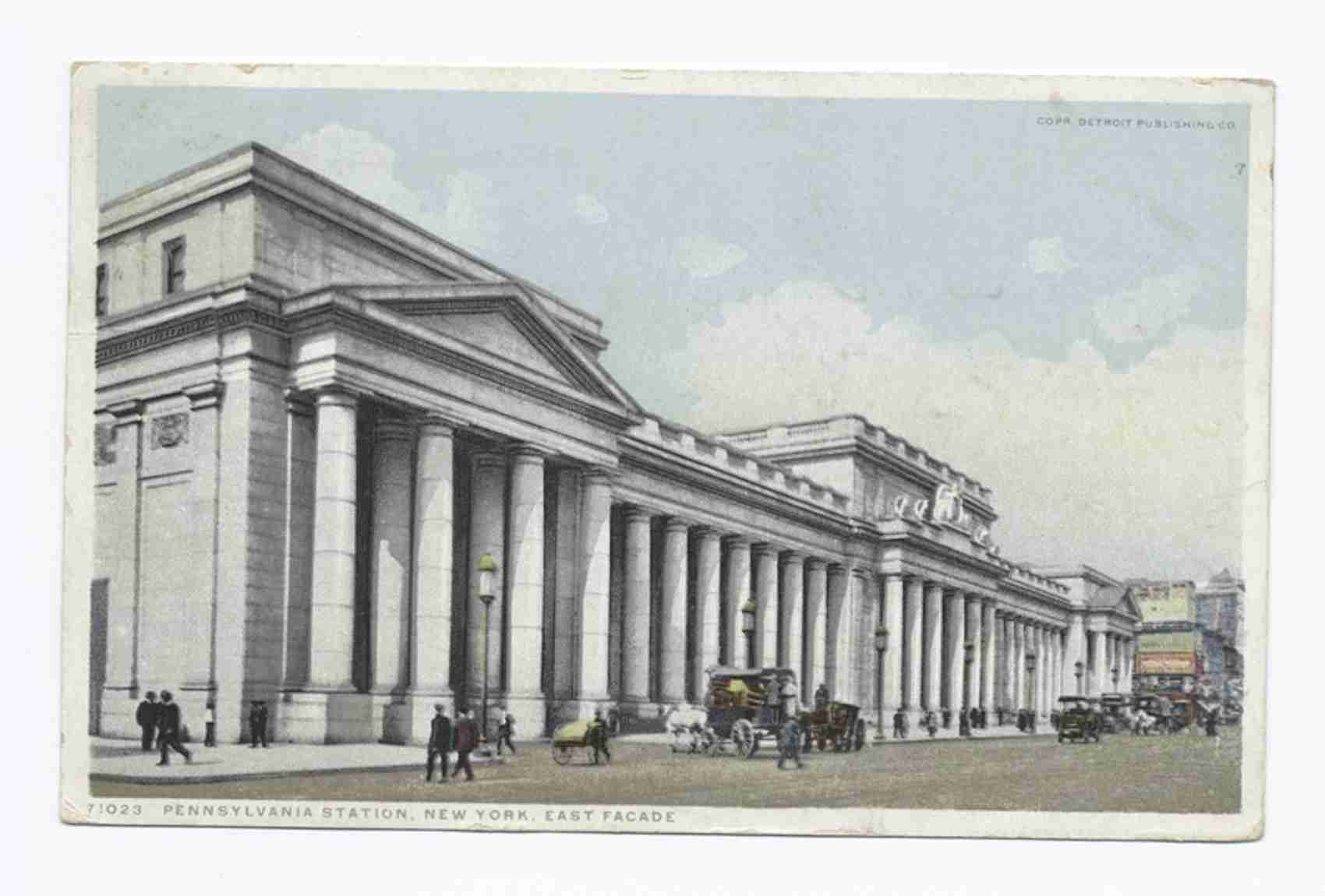
Constructed in 1910, the original Penn Station was an architectural masterpiece. Designed in the Beaux-Arts style, it featured expansive waiting rooms adorned with marble and a stunning glass ceiling. Unfortunately, in the 1960s, it was replaced by a more modern structure, leading to outrage among preservationists. Today, what remains of the original glory exists only in photographs and memories.
The Singer Building
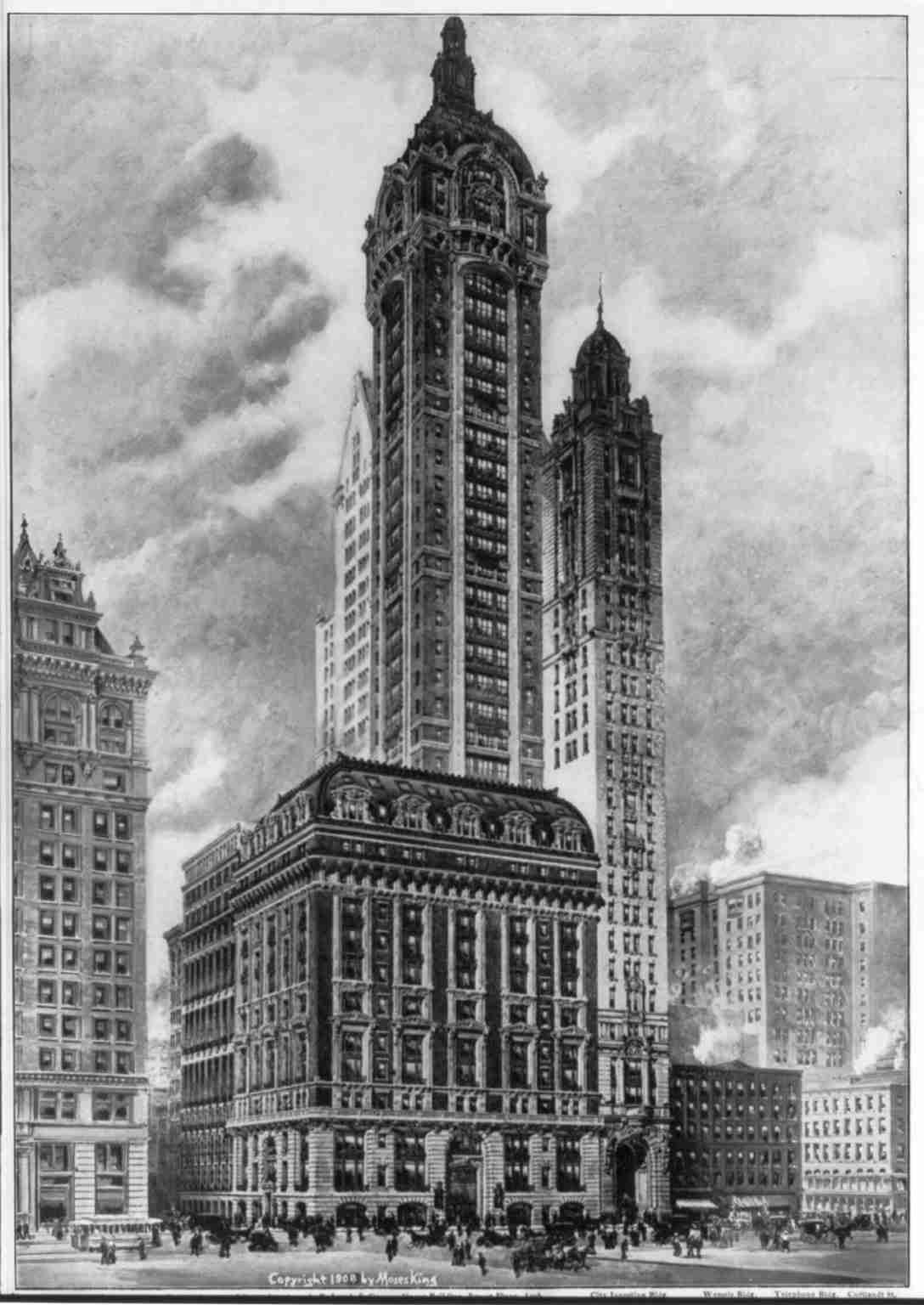
The Singer Building, completed in 1908, was once the tallest in the world. Its ornate design and towering presence gave it iconic status in the skyline of Lower Manhattan. Sadly, this landmark was demolished in 1968 to make way for the One Liberty Plaza, leaving behind a legacy of architectural excellence lost to the sands of time.
Key Features of the Singer Building:
- Height: 612 feet
- Style: Beaux-Arts
- Notable for: Its intricate terra-cotta work and pyramidal roof
The Manhattan Civic Center – Manhattan’s Lost Buildings: A Journey Through Demolished Landmarks
Another significant site is the Manhattan Civic Center, built in the 1930s. This complex housed the courthouse and city offices and provided a bustling venue for civic engagement. However, the original buildings were gradually erased due to reconstruction efforts and the need for modern facilities, signaling a shift towards more contemporary architecture.
St. John the Divine’s Building Expansion
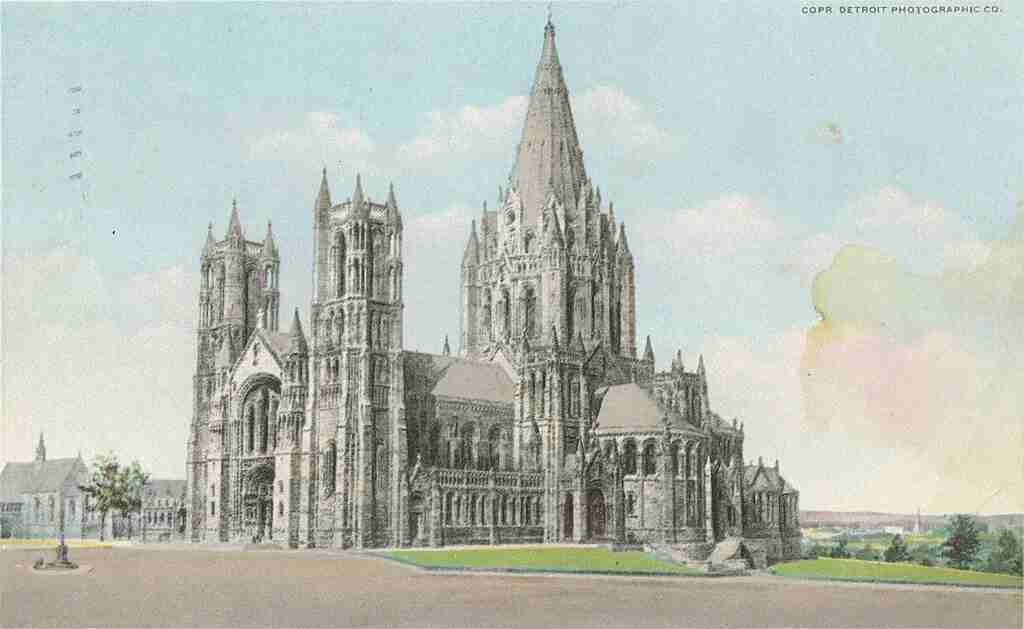
The Cathedral Church of St. John the Divine is a testament to New York City’s eclectic architectural heritage. Parts of its complex, which included Renaissance-style chapels and educational institutions, were once vibrant parts of the cathedral’s mission. As urban development pressures increased, many of these beautiful structures were lost. Saint John the Divine remains, but the echoes of its former companions can only be imagined.
Notable Lost Theaters
Manhattan once had numerous grand theaters hosting some of history’s best performances. A few notable examples include:
| Theater Name | Opened | Demolished |
|---|---|---|
| Olympia Theatre | 1911 | 1980 |
| Lyric Theatre | 1903 | 1986 |
| The Astor Theatre | 1906 | 1981 |
These theaters were more than just buildings; they served as cultural hubs for the community and the city. Theater enthusiasts feel their loss deeply, which evokes nostalgia for what it once was.
Preservation Efforts
There has been a growing movement in recent times to preserve historical buildings. Landmarks like the Landmarks Preservation Commission strive to protect these iconic structures and educate the public about their histories. The desire to honor Manhattan’s architectural past highlights the importance of preserving our cultural heritage for future generations.
As you walk through the streets of Manhattan today, imagine the lost buildings that once stood where you walked. Each site carries the ghosts of untold stories, waiting for you to uncover them through historical exploration. By remembering these demolished landmarks, you become a part of the city’s ongoing journey, ensuring their memory endures.
Whether through embracing preservation efforts or simply walking down a forgotten street, a world of history is waiting to be discovered. Manhattan’s past is as vibrant as its present, and those lost buildings are integral to understanding the city’s tapestry. So the next time you find yourself in Manhattan, pay tribute to its lost buildings—they shaped the ground you walk on.
The Historical Significance of Demolition in Manhattan
Manhattan has a rich history, and its landscape’s evolution is marked by iconic buildings and structures that have long been forgotten. The demolition theme is crucial in understanding the city’s transformation over time. Demolition in Manhattan often symbolizes progress but also raises questions about cultural heritage and preservation.
Many buildings lost to time were not just mere structures but symbols of an era, representing architectural styles, urban life, and social movements. Demolishing these landmarks has been a complex interaction between urban development, market demands, and community values.
Historical Context of Demolition
Throughout the 20th century, Manhattan underwent rapid changes. From the wave of skyscrapers that defined the city skyline to the demolition of older buildings to make way for modern construction, the need for space and progress has often outweighed preservation efforts.
- The early 1900s: Many buildings were demolished to accommodate the expanding subway system, a crucial development for urban mobility.
- The 1960s and 1970s: This era saw the controversial demolition of many historic neighborhoods. Projects like the Lower Manhattan Expressway proposed significant changes that faced community backlash.
- Contemporary era: More recent developments in Manhattan have shown a growing awareness of historic preservation, though losses still occur for space-intensive projects.
Significant Lost Buildings and Their Impact – Manhattan’s Lost Buildings: A Journey Through Demolished Landmarks
Several landmark structures have been lost to the sands of time, each with a story that reflects the city’s history. Here are a few notable examples:
| Building Name | Year Demolished | Significance |
|---|---|---|
| The Singer Building | 1968 | Once the tallest building in the world, it represented the height of early 20th-century commercial architecture. |
| Penn Station | 1963 | The demolition of a grand Beaux-Arts structure marked a pivotal moment in the preservation movement in New York City. |
| The Old Metropolitan Opera | 1967 | A cultural hub, its destruction highlighted the tension between urban development and cultural continuity. |
The loss of these buildings changed the Manhattan skyline and sparked discussions regarding urban identity and the value of maintaining historical structures. For example, the demolition of Penn Station ignited a public outcry that fueled the establishment of the Landmarks Preservation Commission in 1965, which now protects many of the city’s most treasured sites.
Demolition vs. Preservation
The tug-of-war between demolition and preservation continues today. On one hand, new developments promise modern amenities and an efficient use of space. On the other hand, erasing historical landmarks often leads to a loss of cultural identity.
Community groups and advocates work tirelessly to ensure that potential demolitions are carefully considered. They emphasize the significance of preserving not just buildings but also the stories and experiences associated with them. This grassroots activism has led to the safeguarding of several at-risk sites across Manhattan.
The Future of Demolition in Manhattan
As the city moves forward, it faces new challenges, including rising social and climate pressures. The balance between urban growth and historical conservation is more critical than ever. Innovative solutions like adaptive reuse allow for integrating older buildings into modern developments. Doing so can honor the past while providing for the future.
The historical significance of demolition in Manhattan is profound. Each demolished building carries lessons about progress, identity, and the importance of community engagement in urban planning. Engaging with these themes helps create a nuanced understanding of what it means to live in a constantly evolving city.
To explore Manhattan’s lost buildings and their historical significance further, consider visiting NYC.gov and NYC Architecture. These resources offer valuable insights into the city’s architectural history and ongoing preservation efforts.
Iconic Structures: What We Lost and Why It Matters
In a city as rich in history as Manhattan, the loss of iconic structures resonates deeply with its inhabitants. These buildings were not merely bricks and mortar; they represented art, innovation, and community. Their demolitions remind us of what once was and why preserving architectural heritage is essential.
Many of Manhattan’s lost buildings held significance beyond their aesthetic value. They were landmarks that shaped the identity of neighborhoods and fostered a sense of belonging among residents. When structures like the original Penn Station were demolished in 1963, it ignited public outcry and a newfound awareness about preserving historical architecture. Today, we reflect not just on the physical loss but also on these buildings’ cultural impact.
Significant Lost Structures
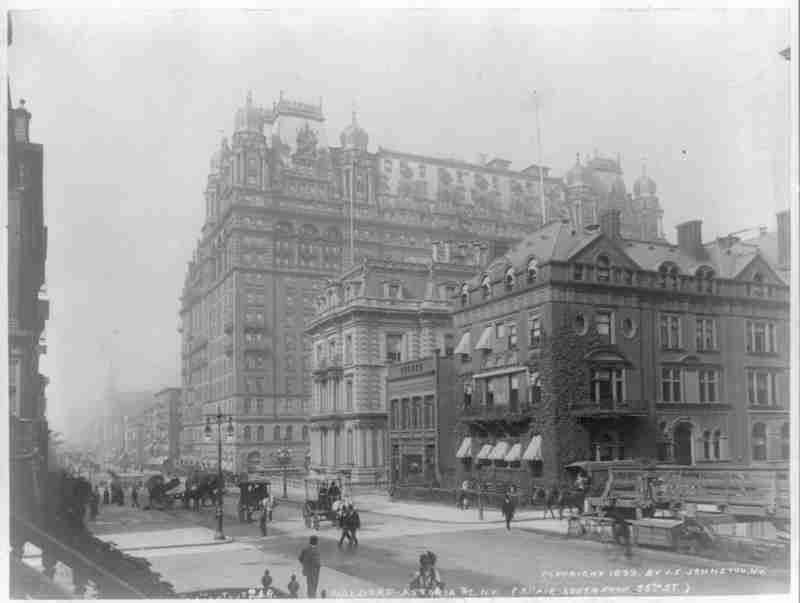
- Waldorf Astoria Hotel – Opened in 1893, this grand hotel was home to numerous significant events, including presidential functions and celebrity gatherings. Its demolition for a new development underscores the conflict between progress and preservation.
- Old New York Times Building – Once the headquarters of the famed newspaper, this 1890 structure was not just a workplace but a cultural hub. Its loss marked the end of an era in journalistic history.
- St. John’s Chapel – This Gothic-style chapel served the local community for over a century before its demolition. The loss of such a spiritual landmark highlights the need for community spaces.
It’s essential to consider why these losses matter. When we lose a piece of our architectural heritage, we also lose stories, community memories, and a sense of place. Buildings like these contribute to Manhattan’s unique identity, adding layers to city life that modern constructions can’t replicate.
The Cultural Impact of Demolished Landmarks
Cities worldwide, including Manhattan, often prioritize new developments over historical preservation. This trend raises the question: What do we gain, and what do we lose? Gaining modern buildings usually means losing cultural narratives. Iconic structures serve as physical testaments to a city’s evolution and character. Their absence can create a void in our collective memory.
Moreover, a city’s architectural style influences the overall atmosphere. When landmarks disappear, they take a sense of continuity with them, which can lead to feelings of disconnection among residents. For instance, replacing intricate designs with glass-and-steel façades can strip neighborhoods of their personality. Historic architecture gives a city its charm and uniqueness.
Preservation Efforts and Challenges
Fortunately, increased awareness of the importance of architectural heritage has spurred many preservation efforts. Organizations such as the National Trust for Historic Preservation advocate for conserving historic sites. This movement has begun to foster dialogues about sustainable urban development practices that appreciate and incorporate historical context.
Despite these efforts, challenges remain. The pressure for economic development can overshadow the value of historical preservation. Many argue that maintaining old buildings hinders urban growth, sparking debates about which structures should be preserved and which can be sacrificed. For example, while the loss of Penn Station mobilized advocates for preservation, subsequent restorations still grapple with balancing modernization with historical integrity.
Embracing Our Architectural Legacy Manhattan’s Lost Buildings: A Journey Through Demolished Landmarks
As residents of Manhattan, how can we honor what we’ve lost and advocate for what remains? Here are several actionable steps:
- Support local preservation groups that work to save historic buildings.
- Participate in city planning conversations to voice your opinions on preserving landmarks.
- Engage with educational resources to learn about the importance of these structures in shaping the city’s identity.
Ultimately, honoring Manhattan’s architectural legacy requires collective effort. By understanding what we’ve lost and advocating for preservation, you play an essential role in ensuring that the city’s unique history continues to thrive. As new developments arise, let’s remember that each building tells a story, and every lost landmark is a missed opportunity to connect with our past.
As we move into a fast-paced future, let’s not forget the footprints that shaped the streets we walk today. Encouraging preservation today can create a richer tapestry for tomorrow.
The Evolution of Manhattan’s Skyline: Then and Now
Manhattan is known globally for its dramatic skyline, where historic lands meet modern ambitions. The evolution of this vertical landscape tells a story of innovation, culture, and the relentless march of time. Manhattan captures the essence of architectural evolution from the early days of low-rise buildings to the soaring skyscrapers that define the modern skyline.
In the late 19th century, the skyline began to take shape with the construction of some of the first tall buildings. The skyscraper era began in the 1890s with structures like the Flatiron Building, completed in 1902. At just 22 stories tall, it was a groundbreaking structure representing the transition from traditional low-rise architecture to more vertical designs.
As you walk through the streets of Manhattan today, you might notice how each structure tells its story, intertwining the past with contemporary life. Here are several vital landmarks that illustrate the evolution:
- Empire State Building—Completed in 1931, this iconic 102-story building was the tallest in the world for nearly 40 years. Its Art Deco style remains a symbol of New York’s ambition.
- One World Trade Center—Rising from the ashes of September 11, this structure opened in 2014. Standing at 1,776 feet, it reflects America’s resilience and commitment to rebuilding.
- Chrysler Building—Finished in 1930, this stunning example of Art Deco architecture was briefly the tallest building in the world and is celebrated for its ornate design.
Historical Reverence
The late 20th century saw an explosion of construction driven by the advent of new materials and technological advancements. This period introduced the world to the modern glass-and-steel towers dominating the skyline. For example, the Time Warner Center (2004) and the Hudson Yards development showcase cutting-edge design and sustainability amidst a backdrop of historical reverence.
The city’s landscape isn’t without its losses. Iconic structures have fallen to the demolition hammer, paving the way for new developments while leaving behind bittersweet memories. Some notable mentions include:
- The Old Penn Station, Opened in 1910 and demolished in 1963, was famed for its grand Beaux-Arts architecture. Its loss led to heightened awareness and advocacy for preserving historic buildings.
- Waldorf Astoria—Once considered the epitome of luxury, this hotel is set for transformation into condominiums, a decision that reflects the ongoing tension between preservation and modernization.
- St. John the Divine’s Crip—This beautiful structure underwent destruction during alterations in the 20th century but remains a vital symbol of the church’s legacy in the city.
| Building Name | Year Completed | Height (ft) | Status |
|---|---|---|---|
| Empire State Building | 1931 | 1,454 | Standing |
| Chrysler Building | 1930 | 1,046 | Standing |
| One World Trade Center | 2014 | 1,776 | Standing |
| Old Penn Station | 1910 | 210 | Demolished |
The transformation of Manhattan’s skyline is more than just aesthetic; it reflects changing technologies, societal needs, and economic evolution. It poses questions about how we balance progress with history. When you gaze up at the ever-changing landscape, consider the layers of stories concealed within those steel and glass facades.
Manhattan’s skyline will continue to evolve, weaving new narratives into its history. The stories encapsulated within its architecture remind us that every building carries the dreams and struggles of those who built it. So, whether you’re a visitor or a lifelong resident, take a moment to appreciate the unique beauty surrounding you.
Explore resources like NYC Planning and the NY Historical Society for more insights into Manhattan’s historical and modern architecture.
Preserving Memory: How to Remember Manhattan’s Vanished Architecture
Manhattan is a city of dreams and vibrant life, yet under the concrete and steel, it carries the shadows of forgotten glory—its lost buildings. They hold stories of a bygone era, each site whispering tales of architectural marvels that once defined the skyline. Remembering these vanished structures is essential, not just for historic preservation but also forging a deeper connection to the city’s identity.
To preserve memory effectively, you can engage in various activities that cherish the heritage of these lost landmarks. Below are some engaging ways to connect with Manhattan’s architectural past:
Explore Historical Documentation – Manhattan’s Lost Buildings: A Journey Through Demolished Landmarks
One of the best ways to remember these buildings is to explore books and articles dedicated to Manhattan’s lost architecture. Numerous resources offer historical photographs, plans, and narratives about these sites. You can visit:
New York Public Library, where you might find archives and exhibitions showcasing old photographs and blueprints.
Walking Tours and Guided Experiences
Participating in guided walking tours can also help you visualize these lost buildings. Several organizations host tours that highlight the historical significance of former landmarks. Some notable groups include:
Community Engagement through Digital Platforms
Social media and websites can be powerful tools for creating a shared memory of lost buildings. Engage with groups dedicated to preserving architecture and urban history. You can share your findings, photos, or memories of these sites. Networks like:
Participate in Restoration Projects
Many activists and organizations work tirelessly to restore elements of Manhattan’s architectural heritage. You can volunteer or contribute to these projects, ensuring that memories of lost structures are honored. Research local initiatives and join community efforts for a transparent connection to the past.
Personal Reflections on Writing and Art
Documenting your thoughts or artistic expressions about these lost buildings can be rewarding. Write blog posts, create drawings, or even photography projects that reflect the historical essence of sites like:
- Woolworth Building (once the tallest building in the world)
- The Old Pennsylvania Station (a masterpiece of Beaux-Arts architecture)
Utilizing Technology for Virtual Exploration
With technological advances, virtual tours of long-gone landmarks can keep their memory alive. Platforms like:
—for street views of areas where lost buildings stood
—for interactive maps that overlay historical photos
It can enhance your exploration of Manhattan’s rich history.
Engage with Local Historical Societies
Joining historical societies can also deepen your understanding of Manhattan’s architectural heritage. Attend lectures, attend educational seminars, and even meet others who share your passion for history. Notable societies include:
Each approach helps cement the memory of Manhattan’s lost buildings in modern consciousness. Embracing this history not only enriches your knowledge but also allows you to participate actively in preserving the city’s cultural heritage. As you engage in these activities, you’ll discover that remembering is vital to being a New Yorker, connecting the city’s vibrant past with its dynamic present.
Key Takeaway:
Manhattan’s architectural landscape is a testament to its rich history, but it is also a canvas of loss, defined by the landmarks that once graced its skyline. As the city continues to evolve, many iconic structures have fallen victim to the relentless march of progress, leaving behind a legacy that merits reflection. Understanding the significance behind these demolished buildings reveals not just what we lost, but also why it matters to the identity and culture of Manhattan.
Throughout history, demolition in Manhattan has represented a duality of progress. While new developments often bring innovation and modernity, the loss of historic buildings strips the city of its unique character and narrative. Each fallen landmark tells a story—whether it be the original Penn Station, famed for its stunning Beaux-Arts architecture, or the elegant Astor Hotel. These structures were not mere buildings; they were vital parts of the city’s social fabric, evoking memories and emotions tied to collective experiences.
The City’s Dynamic Nature
The evolution of Manhattan’s skyline is a constant reminder of the city’s dynamic nature. The juxtaposition of old and new structures highlights the tension between preservation and progress. As you look up at the towering skyscrapers that define modern Manhattan, it’s crucial to remember the iconic constructions that have been replaced. This is not just about nostalgia but understanding the cultural impact these lost buildings had on generations of New Yorkers and visitors alike.
To truly honor the memory of Manhattan’s vanished architecture, we need to engage in preservation efforts and commemorate these structures. Walking tours, historical plaques, and community initiatives can all serve as ways to remember and celebrate the rich tapestry of the city’s past. Sharing stories, photographs, and memories can weave a vibrant narrative that keeps the essence of these buildings alive in our hearts and minds.
Manhattan’s lost buildings are more than just physical structures; they symbolize the heart of the city. By reflecting on their historical significance, acknowledging the evolution of the skyline, and committing to preserving their memory, you help ensure that the legacy of these landmarks remains an integral part of Manhattan’s story for generations to come.
Conclusion – Manhattan’s Lost Buildings: A Journey Through Demolished Landmarks
Manhattan’s lost buildings tell a powerful story of evolution, identity, and transformation. Each demolished landmark represents more than bricks and mortar; it reflects the city’s cultural, social, and political fabric at a given time. Understanding the historical significance of these structures helps us appreciate why their demolition impacts us, even years after they have faded from the skyline.
Looking at the transformation of Manhattan’s skyline over the decades, it becomes evident that progress often comes at a cost. While new skyscrapers and modern architecture offer impressive visuals and increased functionality, they inevitably obliterate pieces of history that connect us to our past. Iconic structures such as the Old Penn Station and the original Astor Hotel remind us of the architectural splendor that once graced the streets and how much loss can shape our city’s character.
Yet, it is possible to honor these vanishing symbols through thoughtful remembrance. Initiatives like historical walking tours, online archives, and community discussions are essential in preserving the memory of these remarkable buildings. By engaging in these activities, we can ensure that future generations recognize and value the rich tapestry that defines Manhattan’s architectural lineage.
As we embrace the future, let us not forget the lessons from our past. Each lost building has a story, and by holding onto its memories, we cultivate a deeper appreciation for Manhattan—a city forever in flux but still anchored in its remarkable history.
Readers may also enjoy our reviews of Artist Betty Garrison, Unveiling the Masterful Artistry of Pencilworks Studio, The Smith Restaurant and Birthday Surprise, Pasta Bar in SOHO, Laser Wolf in Brooklyn, Mother’s Day at Blackbarn, Rosemary’s, Gene’s Italian Restaurant, Le Rivage on Restaurant Row, Dowling’s at the Carlyle, and Ethos Greek Restaurant.