REVIEWS & ARTICLES

Categories
The solemnity and transcendence of Allegri's Miserere mei, Deus performed in the Sistene Chapel
Behind the Scenes
Edward A Kliszus

A Divine Composition Shrouded in Mystery

The Church deemed the Miserere so sacred that it forbade its performance outside the chapel. This masterpiece was revealed only during Holy Week, and any attempt to transcribe or share it risked excommunication. For more than a century, its mystery remained intact. Yet, in 1770, a 14-year-old prodigy named Wolfgang Amadeus Mozart changed history.

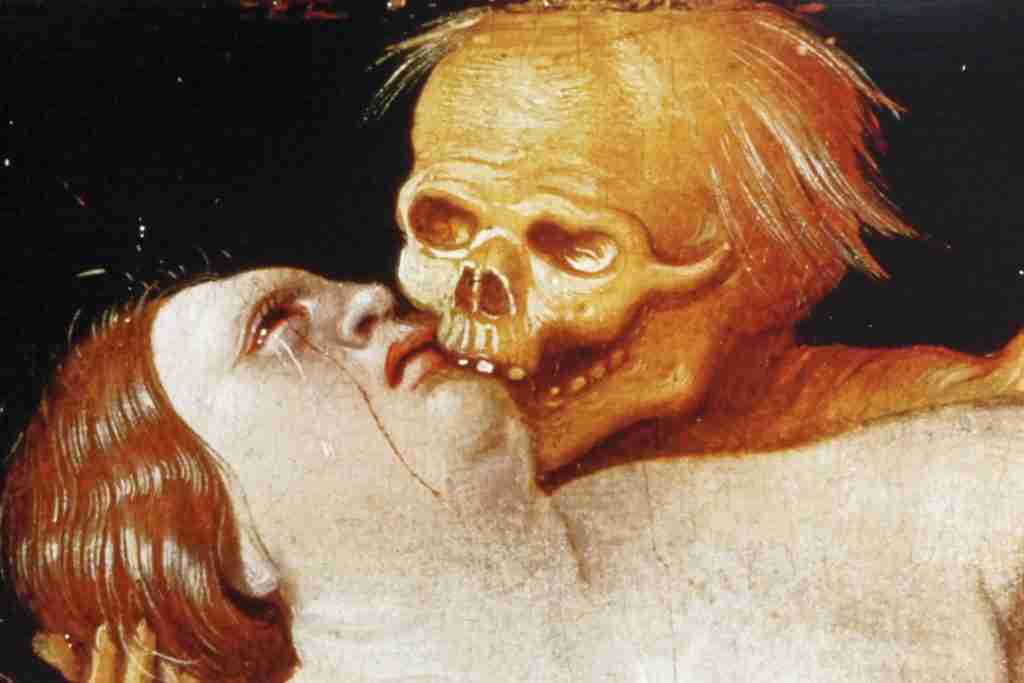
Death and the Maiden by Hans Baldung, "Der schöne Schein" exhibition of replicas of well-known artwork in the Gasometer in Oberhausen. Frank Vincentz. Public domain, via Wikimedia Commons
Chamber Music
Edward A Kliszus

Schubert’s String Quartet In D Minor: Death and The Maiden

More than a masterpiece of classical music, Schubert’s “Death and the Maiden” is a testament to the power of art to transcend time and connect us to the shared narrative of human experience. Its melodies linger long after the music ends, a reminder of Schubert’s genius and ability to touch the depths of the human soul.

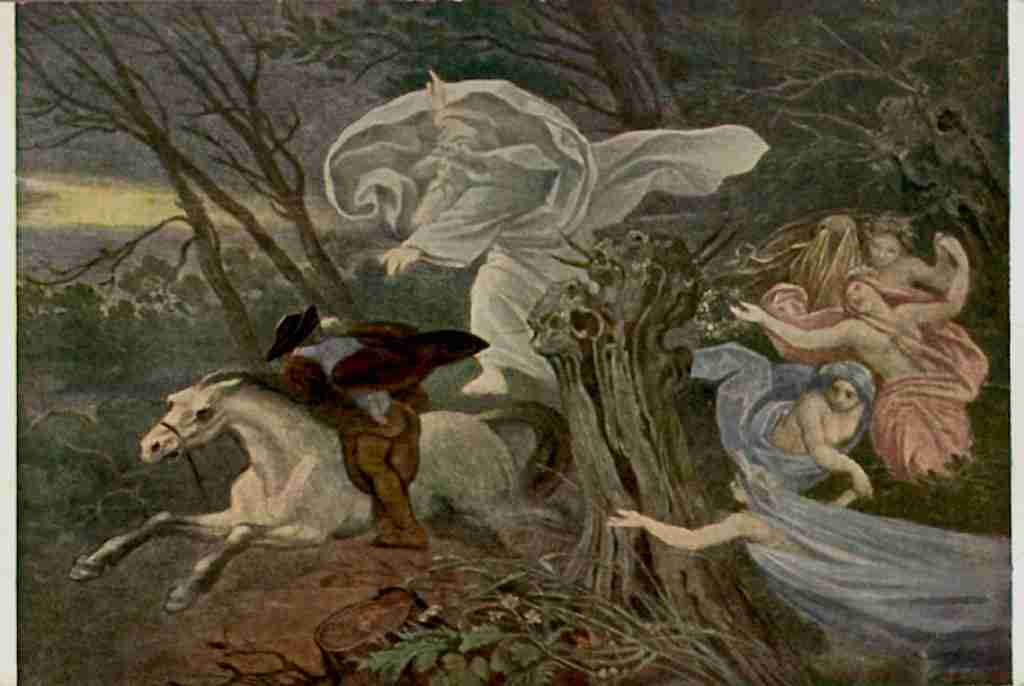
Illustration to Goethe's Erlkönig. Moritz von Schwind, Public domain, via Wikimedia Commons
Behind the Scenes
Edward A Kliszus

Erlkönig: A Sublime Convergence of Goethe and Schubert

Goethe and Schubert never met, and one wonders if they would have understood one another. By all accounts, Goethe dismissed Schubert’s setting, preferring his poetry unadorned. Yet history has had the final word. Schubert’s Erlkönig does not merely complement Goethe’s poem; it elevates it, illuminating its emotional core with unparalleled intensity.

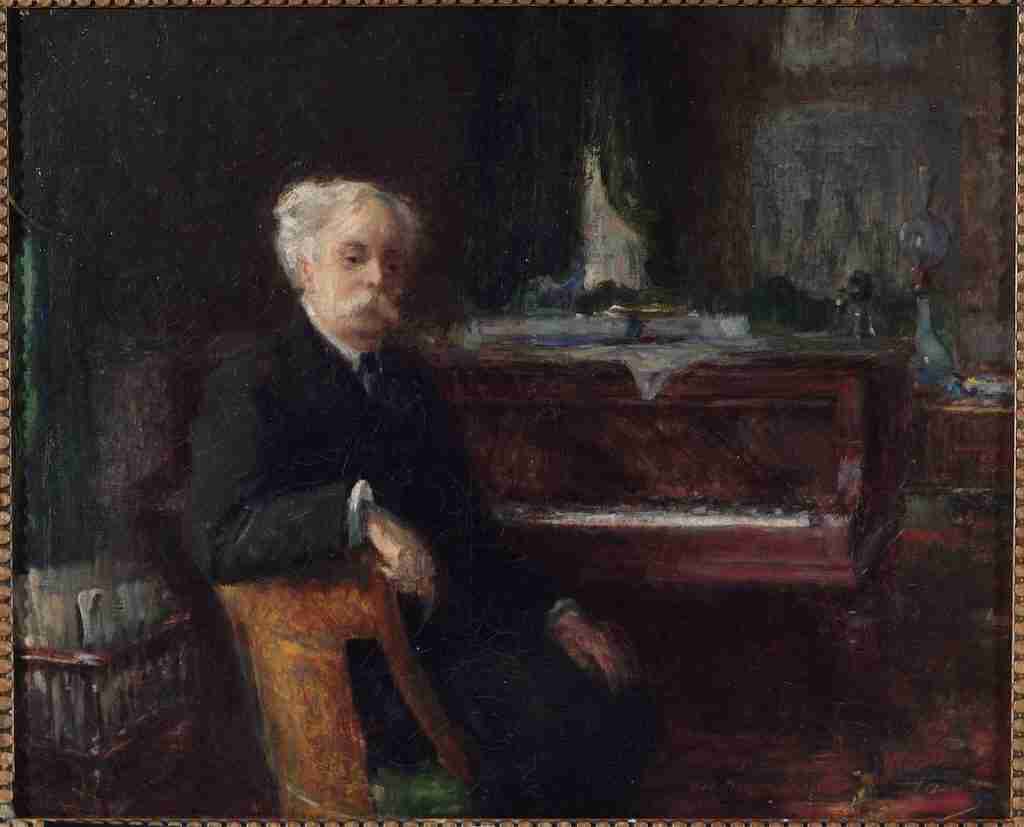
Portrait de Gabriel Fauré (1845-1924), compositeur. P2651. Farré, Henry (Foix, 13–07–1871 - Chicago, en 07–10–1934), peintre, CC0, via Wikimedia Commons
Language of Sound
Edward A Kliszus

Fauré’s Cantique de Jean Racine, Op. 11:  Spiritual Elegance

Fauré composed the Cantique de Jean Racine while at the École Niedermeyer, a Parisian institution dedicated to sacred music. As his final-year submission, the piece won him first prize and showcased the remarkable promise of a composer who would later become a cornerstone of French music.

Language of Sound
Edward A Kliszus

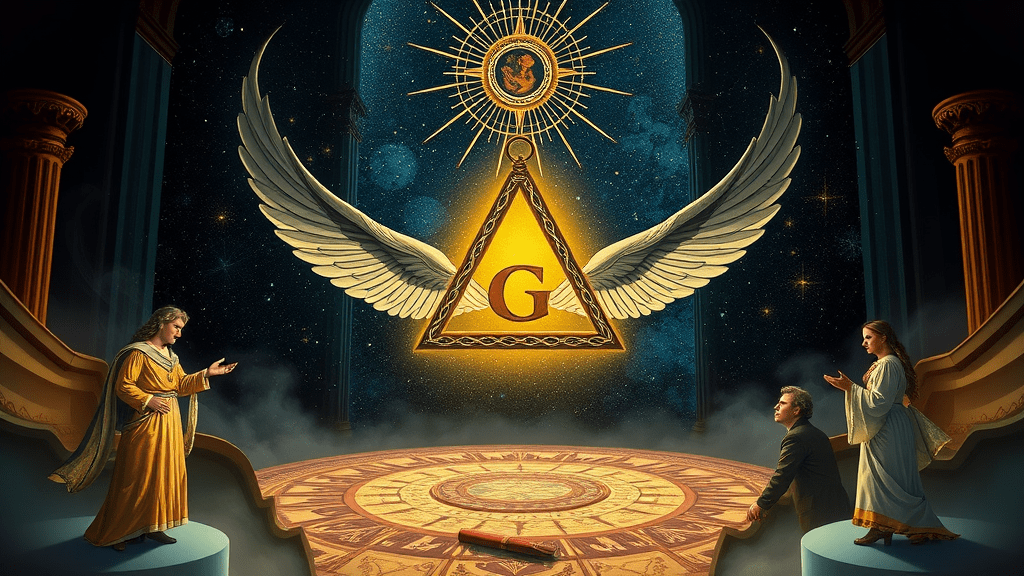
Mozart’s The Magic Flute: A Mesmerizing Journey

Mozart’s masterpiece reveals itself to be not just an opera, but a living expression of ideals, inviting us all to look beyond the surface and uncover deeper meanings.

Language of Sound
Edward A Kliszus

 Notturno: Late Night Vibes in Classical Music

Notturno: Late Night Vibes in Classical Music – in the embrace of darkness, we can uncover moments of clarity and inspiration through the power of music. So, dim the lights, find your favorite spot, and let the gentle melodies carry you away into the serenity of the nocturnal world.

Language of Sound
Edward A Kliszus

Mozart’s String Quartet No. 19 “Dissonance” and Experimental Pop

Mozart’s String Quartet No. 19 “Dissonance” and Experimental Pop – “Dissonance” is more than a brilliant piece of classical music; it is a cornerstone of musical evolution. Understanding its influence allows us to appreciate the continuous thread of creativity that unites classical compositions with modern sound, showcasing a shared journey through the art of music.

Language of Sound
Edward A Kliszus

From the Lacrimosa to The Power Ballad

Excerpt: Discover the emotional journey from Lacrimosa to modern power ballads, exploring the powerful connections of love, loss, and human experience.

A Divine Composition Shrouded in Mystery

PLEASE COMMENT & SIGN UP

More to Explore..

Buy Tickets to any Event, Show, or Game at Event Tickets Center TicketLiquidator Ticketclub.com