

Exploring the Emotional Depths of Schubert’s String Quartet in D Minor, “Death and the Maiden”
Franz Schubert’s String Quartet in D Minor, famously known as “Death and the Maiden,” is a hauntingly beautiful masterpiece that takes listeners on an emotional journey. Composed during one of the most challenging periods of Schubert’s life, the quartet is a profound exploration of mortality, despair, and fleeting hope. Through its vivid melodies and intricate structure, Schubert captures the essence of the human experience, creating a timeless work that resonates with audiences worldwide.
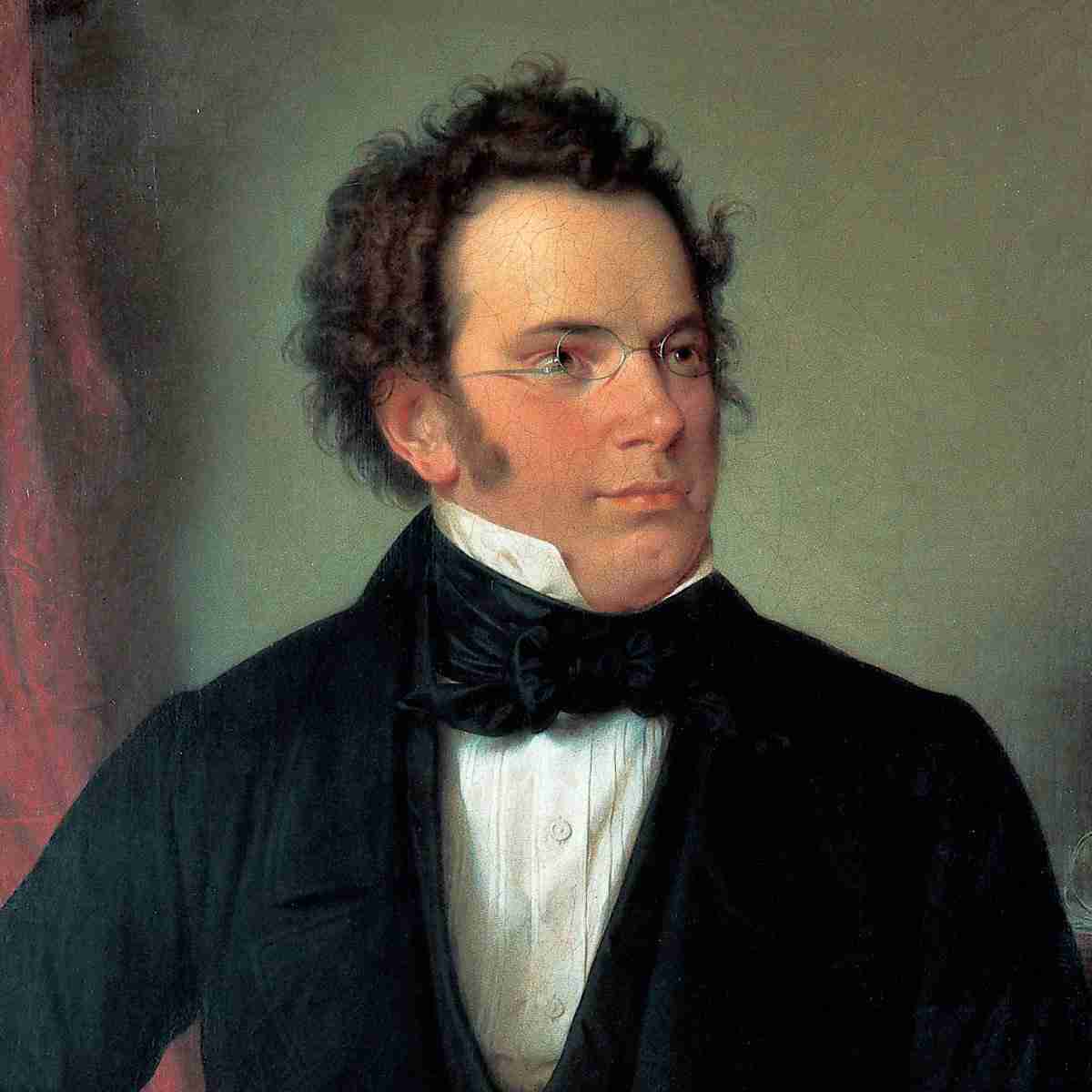
A Masterpiece of Emotional Storytelling
Schubert’s “Death and the Maiden” is a profoundly personal composition. Written in 1824, when Schubert was battling illness and facing mortality, the quartet reflects his inner turmoil and resilience. Its emotional range spans from haunting despair to moments of light, offering a poignant meditation on life’s fragility and the inevitability of death.
The title is inspired by Schubert’s earlier lied (art song) of the same name, based on a poem by Matthias Claudius. The quartet’s second movement incorporates the theme from this lied, drawing a direct connection between the music and the poem’s portrayal of a young maiden’s encounter with Death. This thematic depth enriches the quartet’s emotional resonance, making it one of Schubert’s most compelling works.
The Emotional Arc of “Death and the Maiden”
The quartet unfolds across four movements, each contributing to its overarching narrative of struggle and transcendence:
- Allegro (Dramatic and Urgent)
The opening movement sets the stage with a turbulent and dramatic theme, embodying a sense of urgency and conflict. The interplay of the instruments reflects an intense emotional struggle, gripping the listener from the first note. - Andante con moto (Reflective and Melancholic)
The second movement, the heart of the quartet, features variations on the “Death and the Maiden” theme. Its hauntingly beautiful melody evokes a dialogue between Death and the Maiden, weaving sorrow and acceptance into a poignant musical tapestry. - Scherzo: Allegro molto (Energetic and Defiant)
The scherzo contrasts the preceding movements with its energetic and defiant tone. Its rhythmic drive conveys a sense of resistance and vitality, a brief reprieve from the somber themes. - Presto (Furious and Resolute)
The final movement erupts in a whirlwind of intensity as if racing toward an inescapable fate. The relentless energy captures a sense of despair and an enduring spirit, concluding the quartet with dramatic flair.
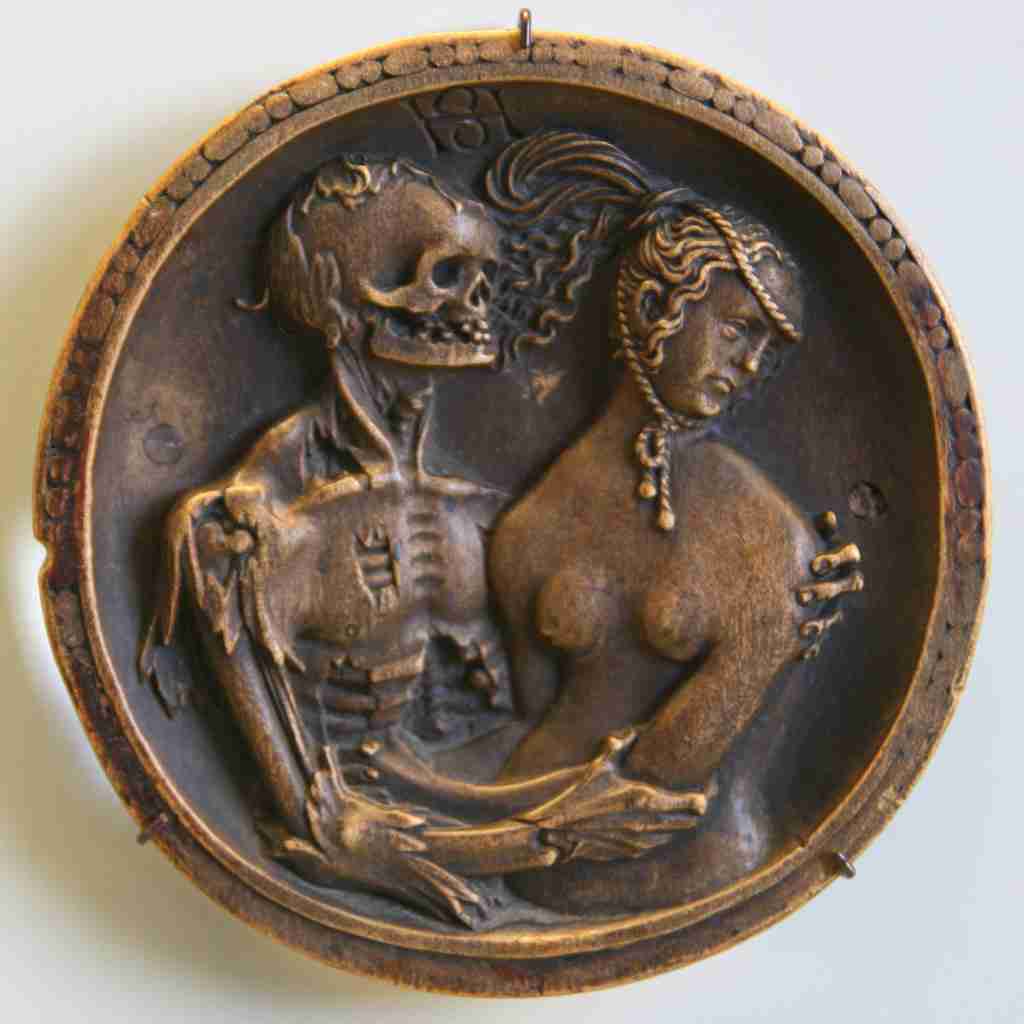
Historical Context and Enduring Legacy
Schubert composed “Death and the Maiden” during great personal hardship. His declining health and awareness of his mortality are deeply embedded in the music, lending it an authenticity that resonates across generations. Despite his struggles, Schubert’s ability to channel his emotions into art resulted in a work of extraordinary power and beauty.
This quartet’s influence extends far beyond Schubert’s time. It shaped the evolution of chamber music and inspired countless composers. Its emotional depth and technical brilliance make it a cornerstone of the string quartet repertoire, studied and performed by musicians around the globe.
Why “Death and the Maiden” Remains Timeless
Schubert’s “Death and the Maiden” endures because it speaks to universal themes of life, death, and the human condition. Its ability to evoke profound emotion through intricate musical storytelling ensures its relevance across centuries. For performers, it presents both a technical challenge and an opportunity to connect deeply with audiences.
Whether you are a seasoned classical music enthusiast or a newcomer, this quartet offers an unforgettable listening experience. Each movement is a window into Schubert’s soul, inviting us to reflect on our experiences and emotions.

Key Takeaways
- Composer: Franz Schubert
- Title: String Quartet in D Minor, “Death and the Maiden”
- Themes: Mortality, resilience, emotional struggle
- Significance: A profound exploration of life and death with enduring influence on the music of the 19th century and beyond.
Schubert’s “Death and the Maiden” is more than a masterpiece of classical music—it is a testament to the power of art to transcend time and connect us to the shared narrative of human experience. Its melodies linger long after the music ends, a reminder of Schubert’s genius and ability to touch the depths of the human soul.