
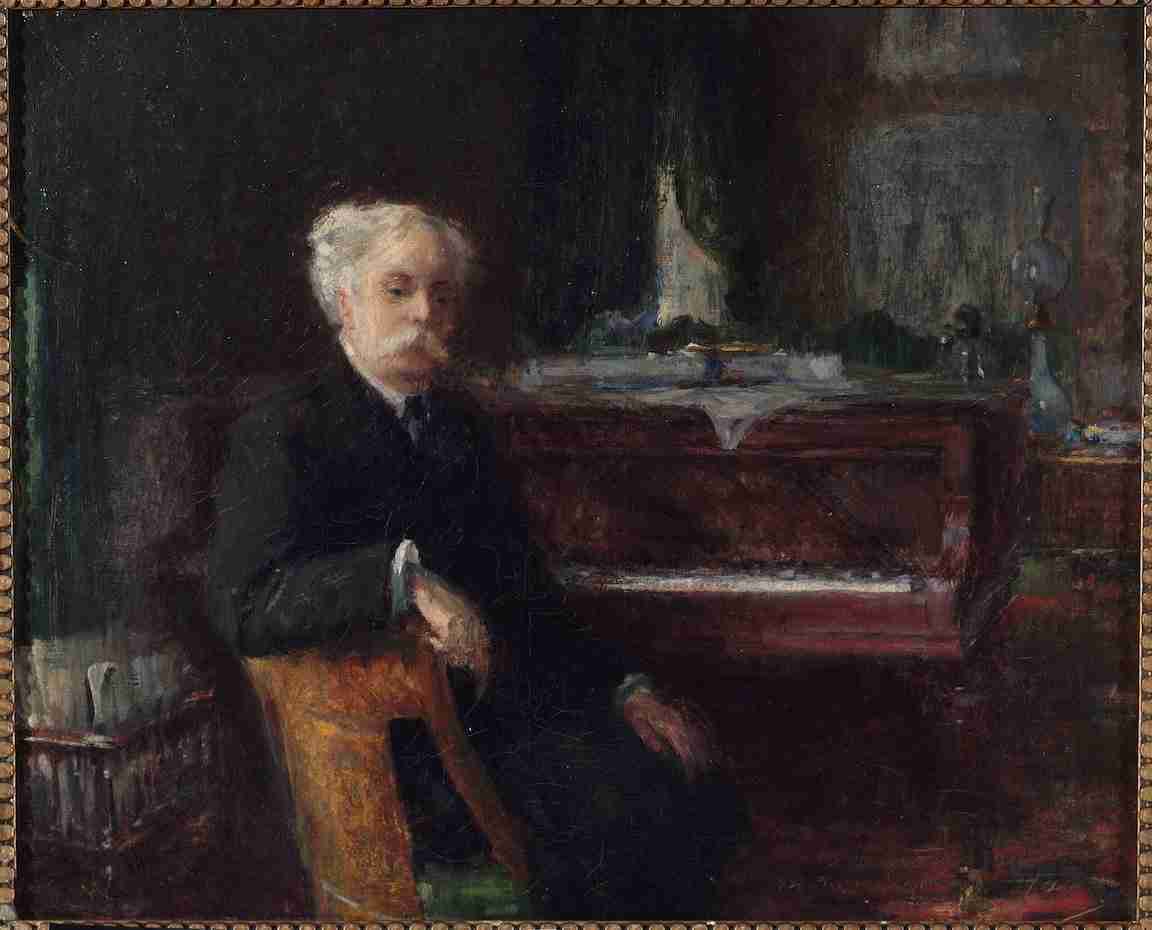

Fauré’s Cantique de Jean Racine, Op. 11: Spiritual Elegance
In the world of sacred choral music, Gabriel Fauré’s Cantique de Jean Racine, Op. 11, holds a unique place. Written in 1865 when Fauré was just 19, this luminous motet blends youthful ingenuity with profound spiritual expression. Its enduring appeal lies in its ability to transcend boundaries, offering solace and reflection to audiences across generations.
Listen to this superb choral masterpiece as you read on.
The Origins of Fauré’s Cantique de Jean Racine
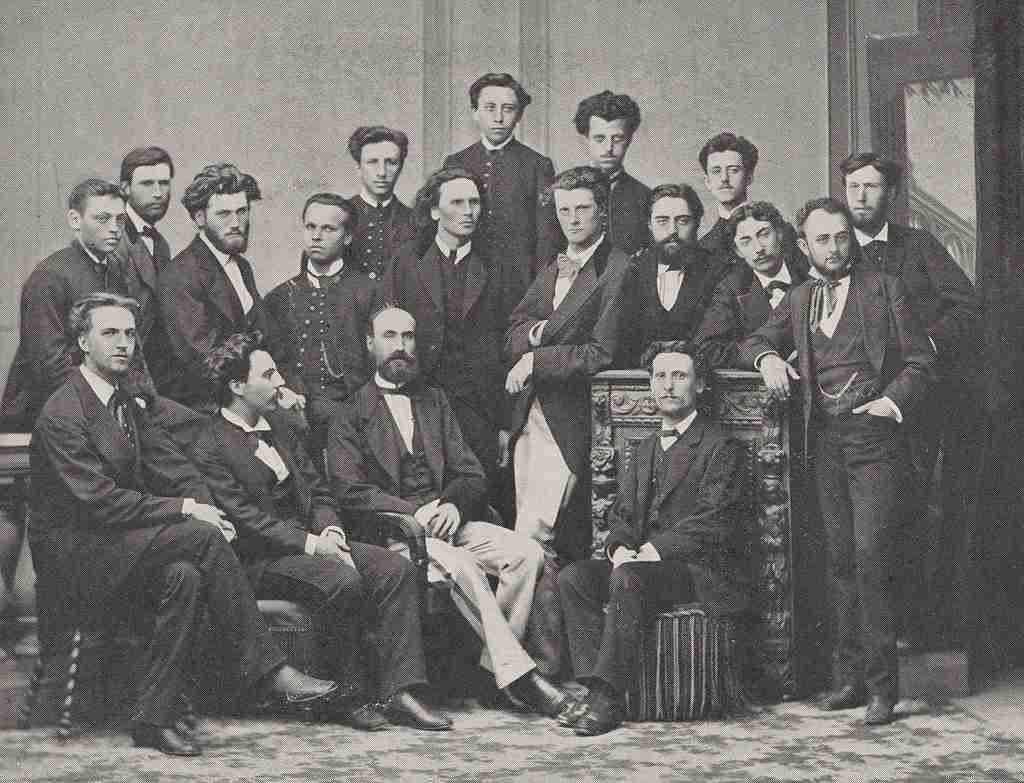
Fauré composed the Cantique de Jean Racine while attending the École Niedermeyer, a Parisian institution dedicated to sacred music. As his final-year submission, the piece won him first prize and showcased the remarkable promise of a composer who would later become a cornerstone of French music. The text, a 17th-century paraphrase by Jean Racine of the Latin hymn Consors paterni luminis (a companion of a father’s light), reflects a poetic reimagining of traditional liturgical themes. Fauré’s composition expresses the text’s import with reverent, elegant, and timeless music.
A Prayer Set to Music
At its core, the Cantique de Jean Racine is a heartfelt prayer and perhaps a devotional rapture. Its text calls on Christ, the “Word of the Most High,” to bless His faithful and dispel darkness. Fauré’s restrained yet emotive setting evokes sublime musical expression through this plea for divine presence.
The work opens with a serene, melodic hymnody. Its afflatus of ascending lines and textured harmonies express an inscrutable, effulgent journey toward the divine, mirroring the text’s spiritual yearning. This interplay of melody and harmony creates a transcendent listening experience with eloquence, finish, and virtuosity.
The Historical Context of Sacred Music
Fauré’s Cantique emerged during a period of evolving sacred music. Composers like Hector Berlioz and Franz Liszt had popularized grand, dramatic works. However, the mid-19th century also saw a return to more intimate forms of worship music, a trend that Fauré’s piece perfectly embodies. This desire for simplicity and emotional purity would also influence Fauré’s later works, such as his celebrated Requiem. Both compositions reflect his rejection of theatricality, favoring a more personal and introspective approach to sacred music.
Listen to the exquisite In Paridisum (In Paradise) from Fauré’s Requiem:
The Enduring Virtues of Cantique de Jean Racine
The universal appeal of the Cantique de Jean Racine stems from its simplicity and accessibility. Its message of peace resonates with audiences regardless of faith, while its musical structure suits both professional choirs and amateur ensembles. Whether performed in a grand cathedral or a modest church, the Cantique never fails to move its listeners. Fauré’s melodic genius is on full display here. The composition’s graceful phrasing and natural flow reflect his deep understanding of the text and the human voice. Its harmonic language, while rooted in tradition, foreshadows the innovations of his later works.
Why Cantique de Jean Racine Remains Relevant
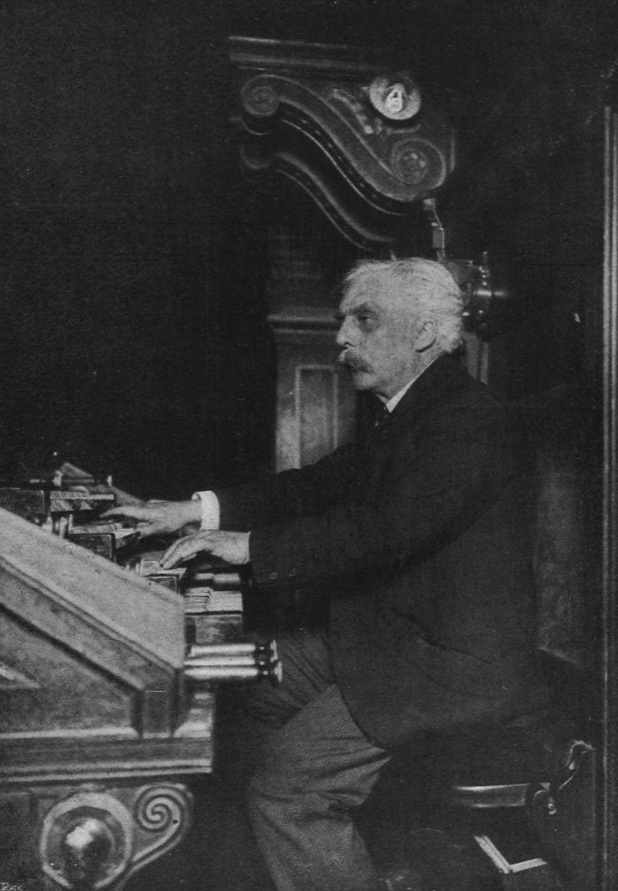
More than 150 years after its debut, Cantique de Jean Racine continues to captivate choirs and audiences alike. Its spiritual depth and musical elegance make it a touchstone of sacred choral repertoire. In this work, Fauré distilled the essence of prayer into music, creating a timeless sanctuary for contemplation and beauty.
Whether you’re discovering this masterpiece for the first time or revisiting it, the Cantique de Jean Racine invites us all to pause, reflect, and find peace.
Readers may also enjoy The Grief of the Baroness von Ertmann: A Story of Loss, Music, and Solace, The Tale of Goldberg and Bach’s Soothing Variations, and I Love You: Grieg’s Contribution To The Love Song Genre.