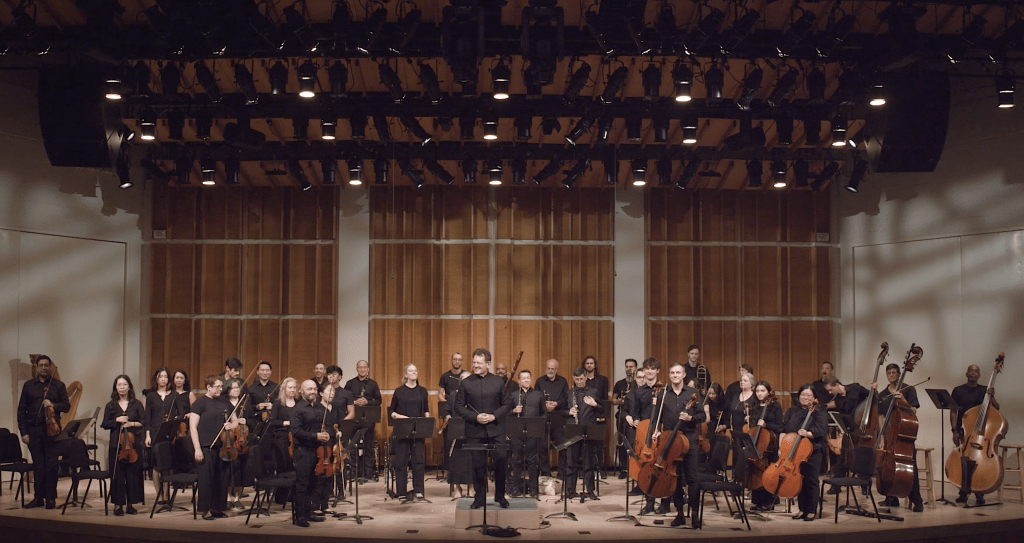
The DiMenna Center for Classical Music in New York City recently hosted a breathtaking performance of Gustav Mahler’s Symphony No. 9 by the Park Avenue Chamber Symphony. Under the visionary direction of David Bernard, this concert offered not only a remarkable interpretation of Mahler’s masterpiece but also an entirely innovative approach to audience engagement. Indeed, Bernard’s patented “Inside Out” immersion concept transformed this event into an unparalleled sensory experience.
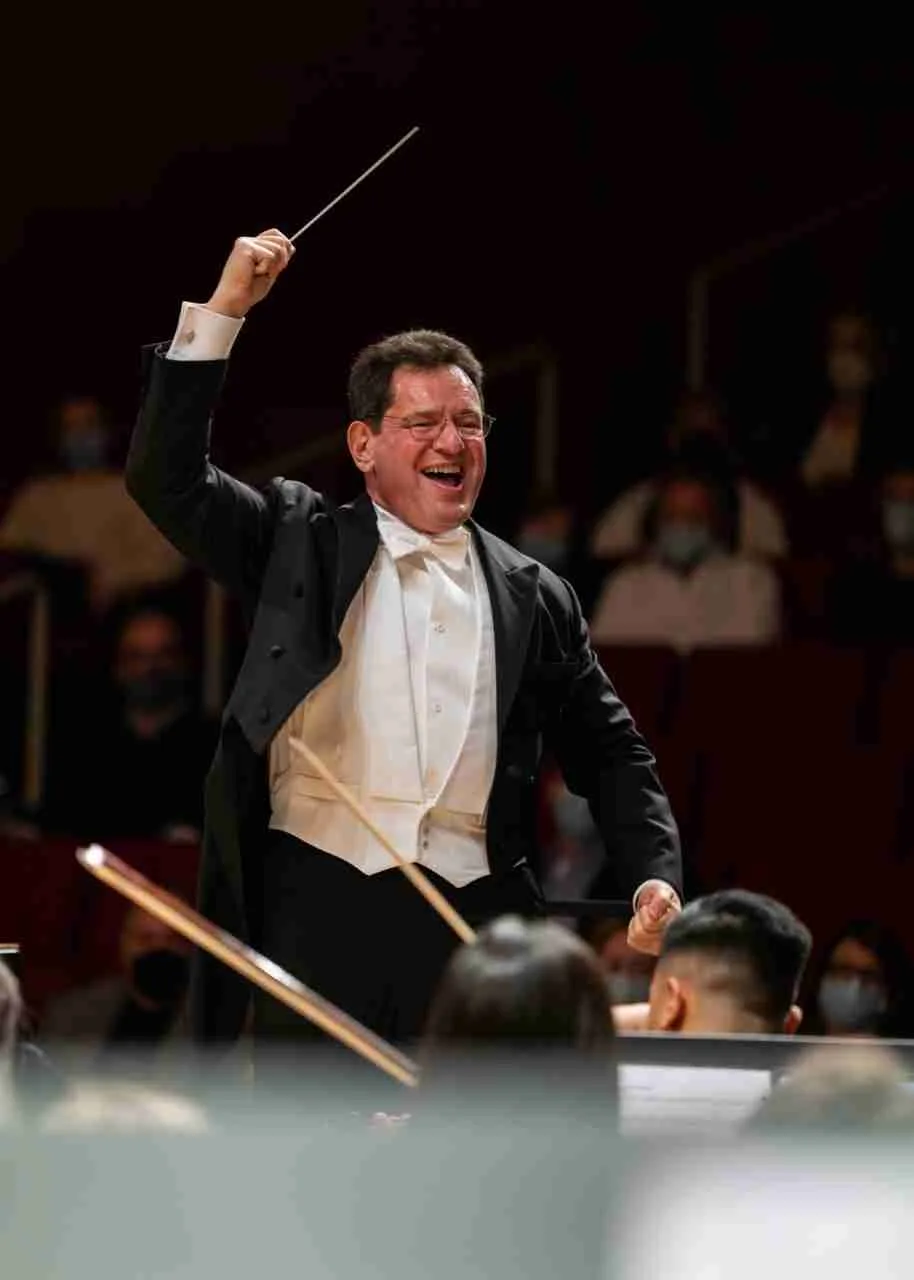
This symphony, often considered Mahler’s poignant farewell to life, resonated deeply with the audience seated throughout the orchestra. By doing so, attendees experienced the work from the musicians’ perspectives. Consequently, this approach bridged the gap between performer and listener, making the symphony’s profound themes of mortality, farewell, and transcendence all the more visceral. Each movement of Mahler’s Ninth became a unique voyage for those present, amplified by the immersive and acoustically rich setting of the DiMenna Center.
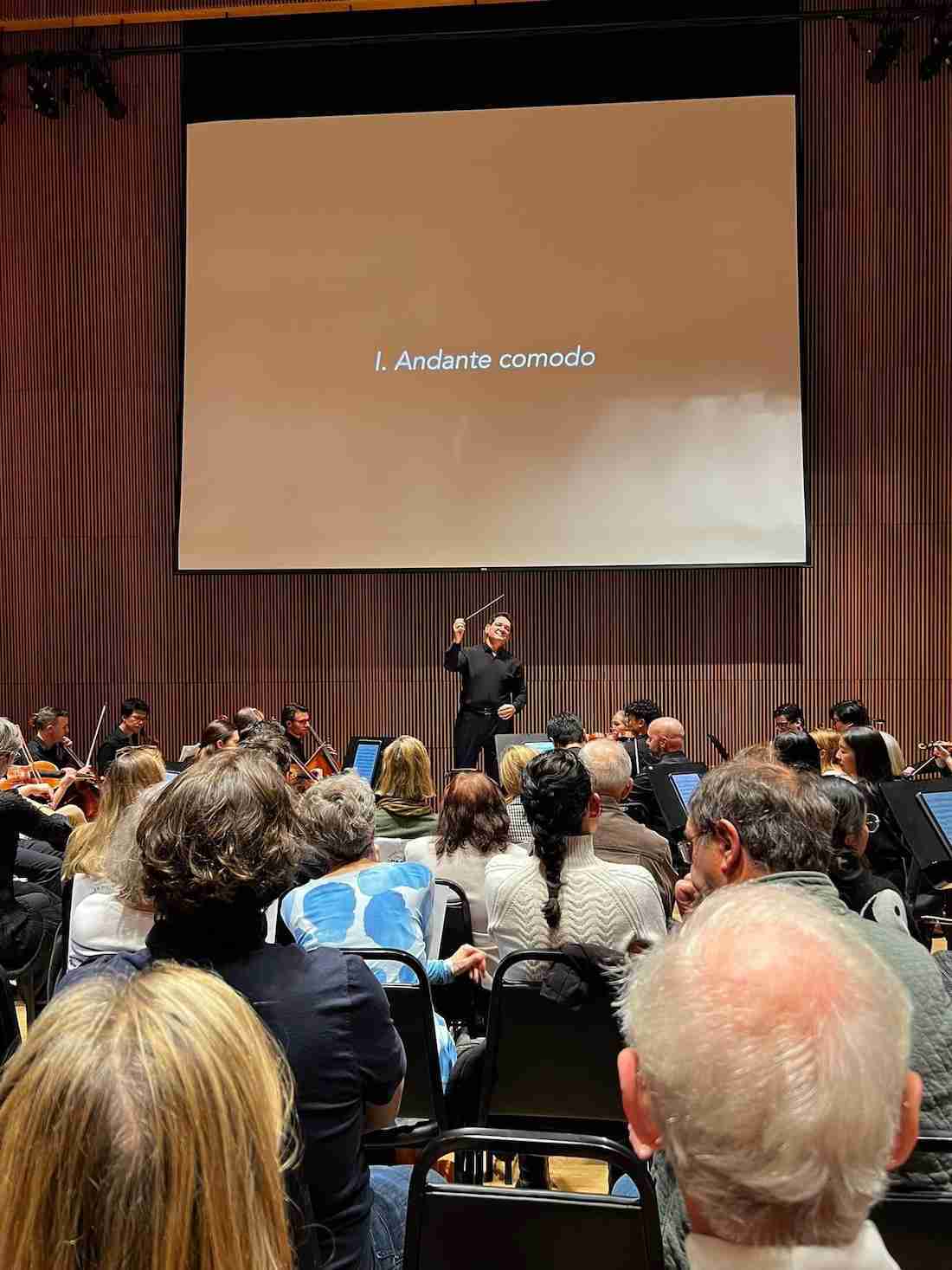
The First Movement: Andante comodo
The concert began with the sprawling Andante comodo, a movement brimming with nostalgia and emotional depth. The strings’ gentle opening enveloped the audience in a wave of warmth, especially for those seated near the violins and violas. Meanwhile, the cellos and double basses added a sonorous foundation that made the music’s yearning quality almost tangible.
Moreover, audience members near the brass section experienced the majestic resonance of the French horns as they enriched the climaxes. Likewise, the woodwinds—flutes, oboes, and clarinets—provided a delicate counterpoint, further enhancing the movement’s layered complexity. In fact, the contrast between moments of tender stillness and surging climaxes left listeners spellbound, underscoring Mahler’s mastery of emotional storytelling.
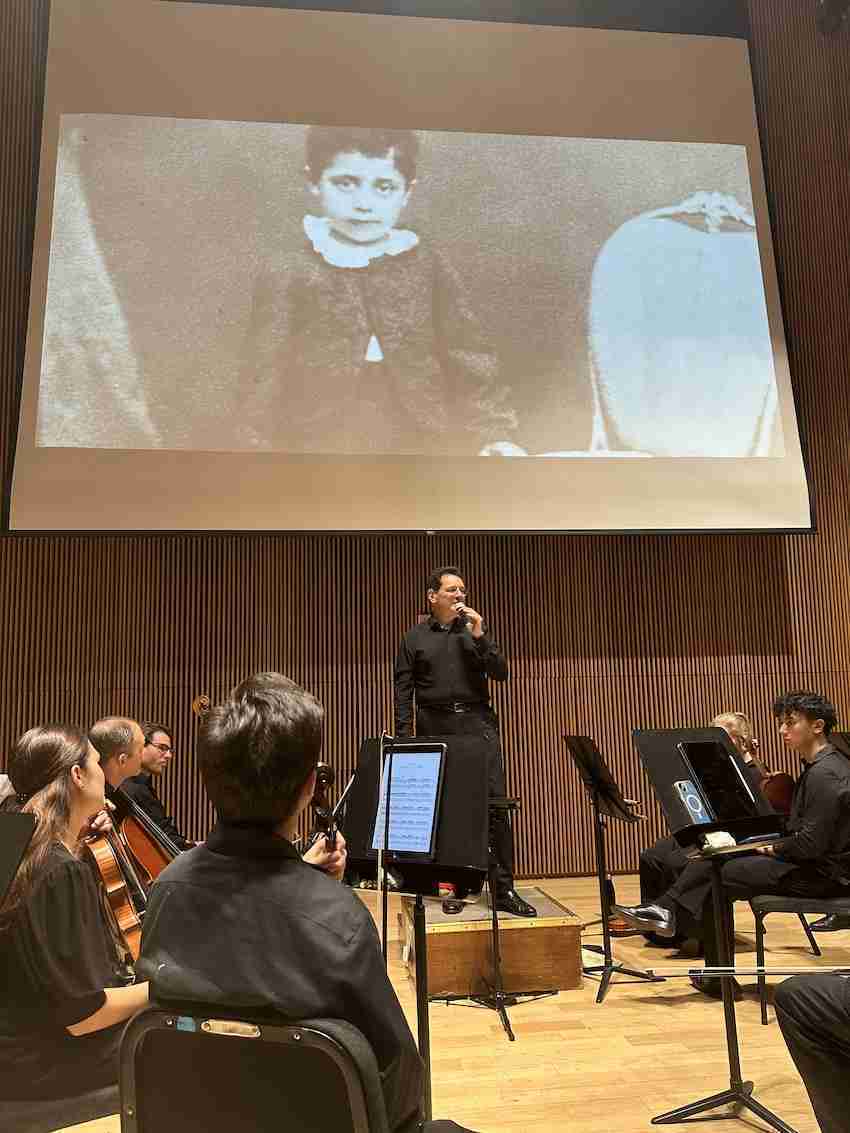
The Second Movement: Im Tempo eines gemächlichen Ländlers
As the Im Tempo eines gemächlichen Ländlers began, the audience transitioned from reflective introspection to a rustic dance imbued with playful irony. This second movement, filled with charm and humor, offered a striking contrast to the first. The violins’ folk-inspired melodies danced gracefully, while the double basses and cellos brought a rhythmic vitality that those seated nearby could feel reverberating in their seats.
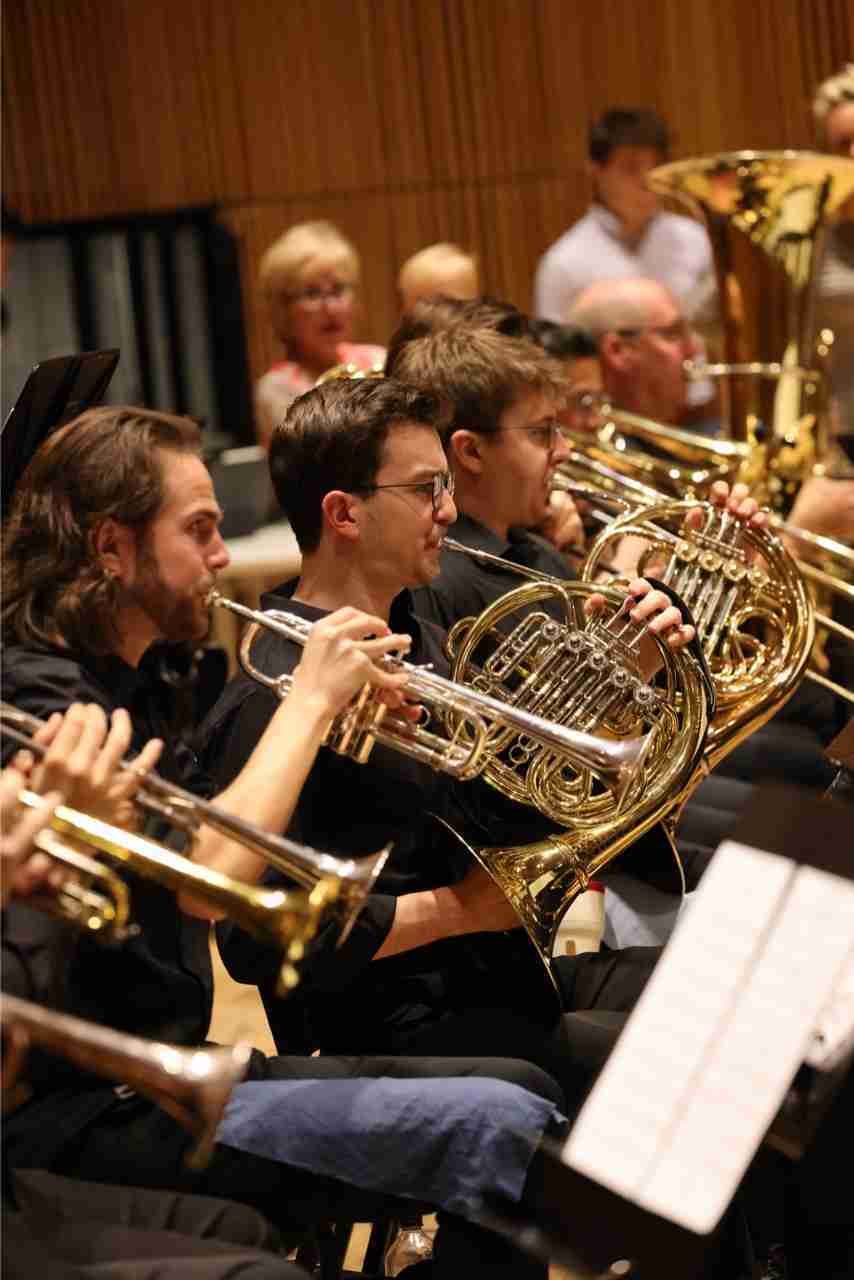
On the other hand, attendees near the brass section could appreciate the sardonic edge offered by the trombones and tuba, which transformed this seemingly lighthearted dance into something darker. Mahler created a whimsical and unsettling movement by juxtaposing traditional folk elements with unexpected dissonance, resulting in maximized audience engagement.
The Third Movement: Rondo-Burleske
The Rondo-Burleske unleashed an electrifying storm of virtuosity and intensity. Seated near the woodwinds, listeners were captivated by the dizzying interplay of clarinets, oboes, and flutes. These instruments darted through rapid passages with precision in an atmosphere of frenetic energy.
Meanwhile, the brass section, led by trumpets and trombones, delivered biting, syncopated rhythms, heightening the movement’s dramatic tension. For those near the percussion, the timpani and cymbals provided a seemingly relentless rhythmic drive. Despite its fiery character, this movement contained moments of lyrical beauty and a brief respite from its unyielding intensity. The proximity to the musicians allowed attendees to appreciate the sheer technical bravado that brought this movement to life.
The Final Movement: Adagio
The final Adagio unfolded as a poignant farewell, one of Mahler’s most heart-wrenching creations. For those seated among the strings, the violins and violas wove a sonic tapestry of sorrowful, serene melodies. At the same time, the cellos and double basses offered a grounding resonance underscoring the movement’s emotional weight.
Equally, the woodwinds—especially the oboes and clarinets—added ethereal touches that seemed to lift the music beyond the earthly realm. As the movement progressed, its gradual dissolution into silence created an overwhelming sense of stillness and transcendence. This profound conclusion left the audience in awe, contemplating the delicate balance between life and death eloquently conveyed by Mahler.
The DiMenna Center: A Hall for Sonic Exploration
The DiMenna Center for Classical Music was an exceptional venue for this performance. Its finely tuned acoustics for chamber and orchestral works facilitated sounds resonating with clarity and warmth. Furthermore, the intimate setting amplified the immersive quality of Bernard’s Inside Out concept, making each audience member feel like an integral part of the performance.
The hall’s design showcased the nuances of Mahler’s Ninth, from the strings’ subtlest pizzicatos to the brass’ triumphant blasts. As a result, the DiMenna Center elevated the experience, ensuring that Mahler’s emotional and sonic intricacies reached every listener.

Orchestral Colors: A Celebration of Instruments
Mahler’s Ninth Symphony is a triumph of orchestral writing, and the Park Avenue Chamber Symphony brought its full palette to life. The strings, led by the violins, provided warmth and lyricism throughout the performance. Through intricate interplay, the woodwinds provided transparency and texture, while the brass contributed grandeur and gravitas. Meanwhile, the percussion offered dynamic contrast and rhythmic complexity, highlighting Mahler’s innovative orchestrations.
For audience members seated within these sections, the immersive setup provided a rare opportunity to experience the symphony from a musician’s perspective. Each instrument became a vital voice in the narrative, deepening the listeners’ appreciation of Mahler’s artistry and the work’s import.
David Bernard’s Conducting: Masterful Insight and Expressive Brilliance
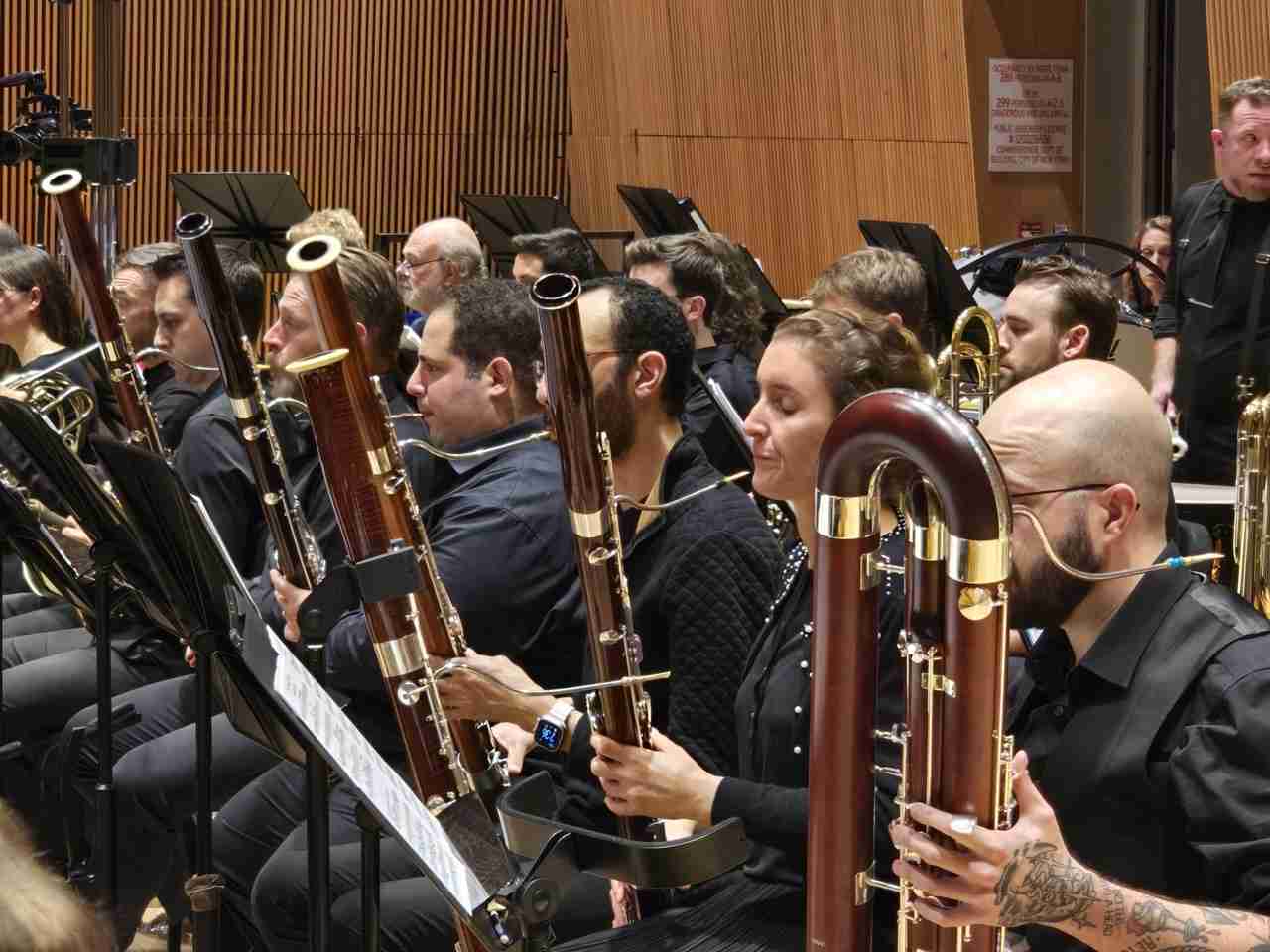
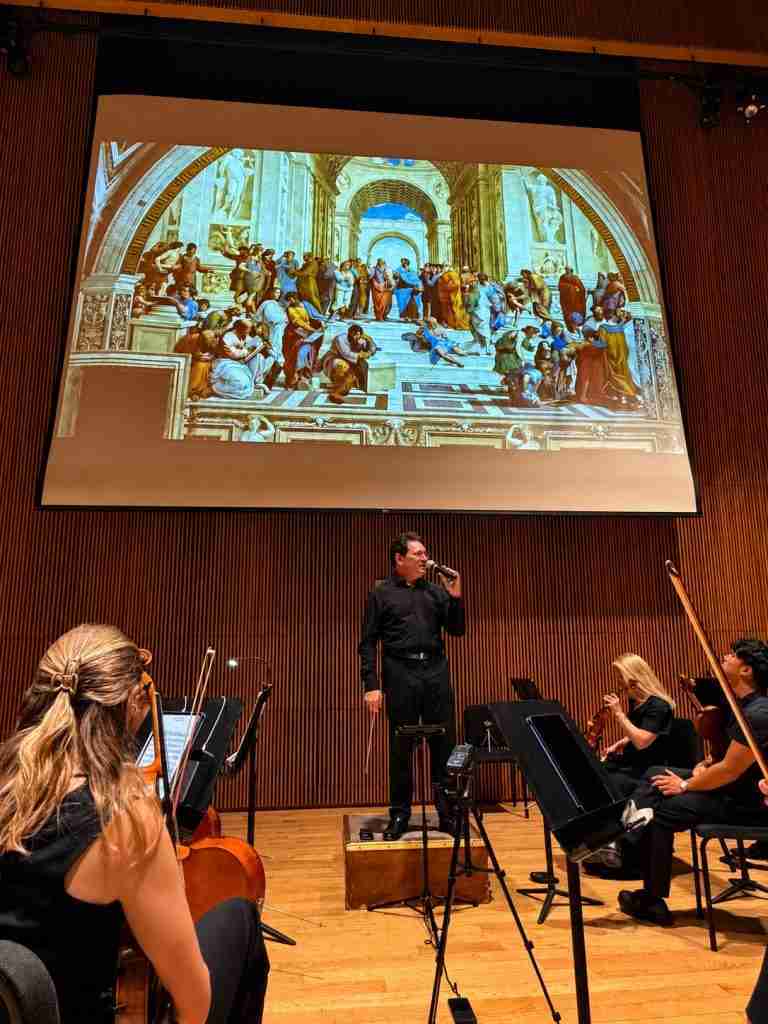
The performance of Mahler’s Symphony No. 9 by the Park Avenue Chamber Symphony owed much of its emotional and technical success to the intuitive and expressive conducting of David Bernard. Known for his innovative approaches to audience engagement, Bernard’s leadership went far beyond traditional conducting. His ability to interpret Mahler’s complex score with precision and emotional clarity exemplified a rare blend of technical mastery and artistic insight. His comments and introductions prepared the audience for an insightful concert experience.
One of the most remarkable aspects of Bernard’s conducting is his deep understanding of Mahler’s intentions. In Symphony No. 9, Mahler explores themes of mortality, transcendence, and human frailty, and Bernard brings these elements vividly to life. With his fluid yet purposeful gestures, he guided the orchestra through the symphony’s emotional peaks and valleys, ensuring that each transition was seamless and every climax resonated with full impact. This level of interpretive skill is a testament to Bernard’s extensive knowledge of Mahler’s work and his ability to connect with its profound themes.
Moreover, Bernard’s leadership from the podium was characterized by meticulous attention to detail. He demonstrated an acute sensitivity to balance, ensuring that every section of the orchestra could shine while maintaining the integrity of the overall sound. The interplay between the strings, woodwinds, brass, and percussion was remarkably cohesive, creating a unified musical experience that felt dynamic and organic.
Expressive Style
Bernard’s expressive style also fostered a strong connection between the musicians and the audience. His clear communication allowed the orchestra to perform with both technical precision and emotional depth, while his passion for the music was palpable in every moment. This synergy elevated the concert into something more than a performance—it became an intimate dialogue between the music, the musicians, and the listeners.
Ultimately, David Bernard’s intuitive and expressive conducting turned Mahler’s Symphony No. 9 into an unforgettable experience, showcasing his skill as a master interpreter of classical music.
A Transformative Encounter
This performance of Gustav Mahler’s Symphony No. 9 was not merely a concert but a journey. The combination of Bernard’s visionary leadership, the orchestra’s exceptional musicianship, and the DiMenna Center’s world-class acoustics created an evening that will linger in the memory of every attendee. For anyone who loves classical music, this was a transformative encounter with one of Mahler’s most profound works.
The Park Avenue Chamber Symphony presents Mahler’s Farewell
David Bernard, Music Director and Conductor
875 5th Ave, New York, NY 10065
(917) 740-7227
For tickets and information, go to 2024-25 Concert Season
Readers may also enjoy our reviews of The Park Avenue Chamber Symphony presents Tales and Transformation, The Park Avenue Chamber Symphony presents Between Sea and Sky: Debussy’s Painters and Poets, and The Park Avenue Chamber Symphony performs Mahler’s Symphony No. 5.
RELATED
Sit Inside the Sound: The Park Avenue Chamber Symphony’s 2026–2027 Season
American Classical Orchestra Turns the Key on Haydn and Beethoven

New York Resounds: The ASO Marks Twenty-Five Years Since 9/11 at Bryant Park
Young Virtuosos & Classic Magic: The Barbara Brandt Winners’ Concert with the PACS
Spellbinding Strauss: David Bernard and the PACS