
American Symphony Orchestra: C. P. E. Bach at St. Barts
A Night to Remember: C. P. E. Bach’s Legacy Revived
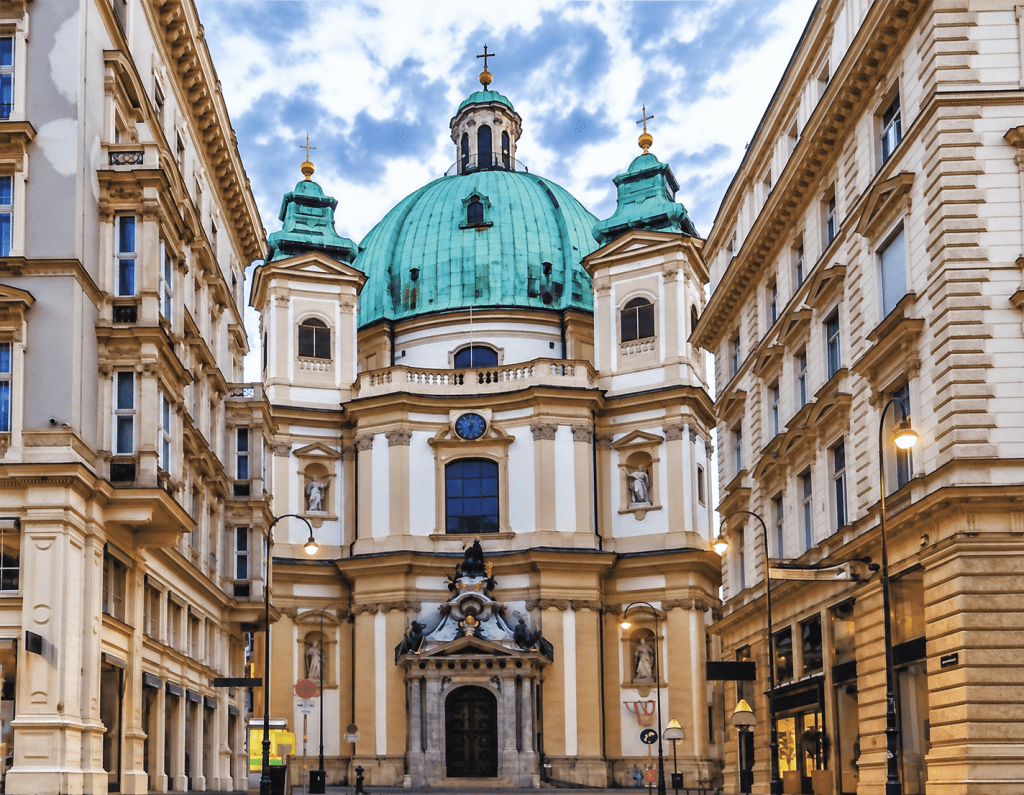
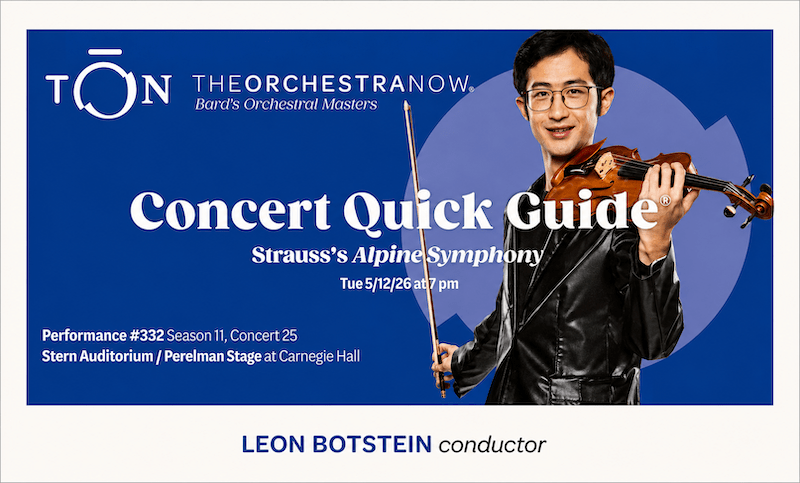
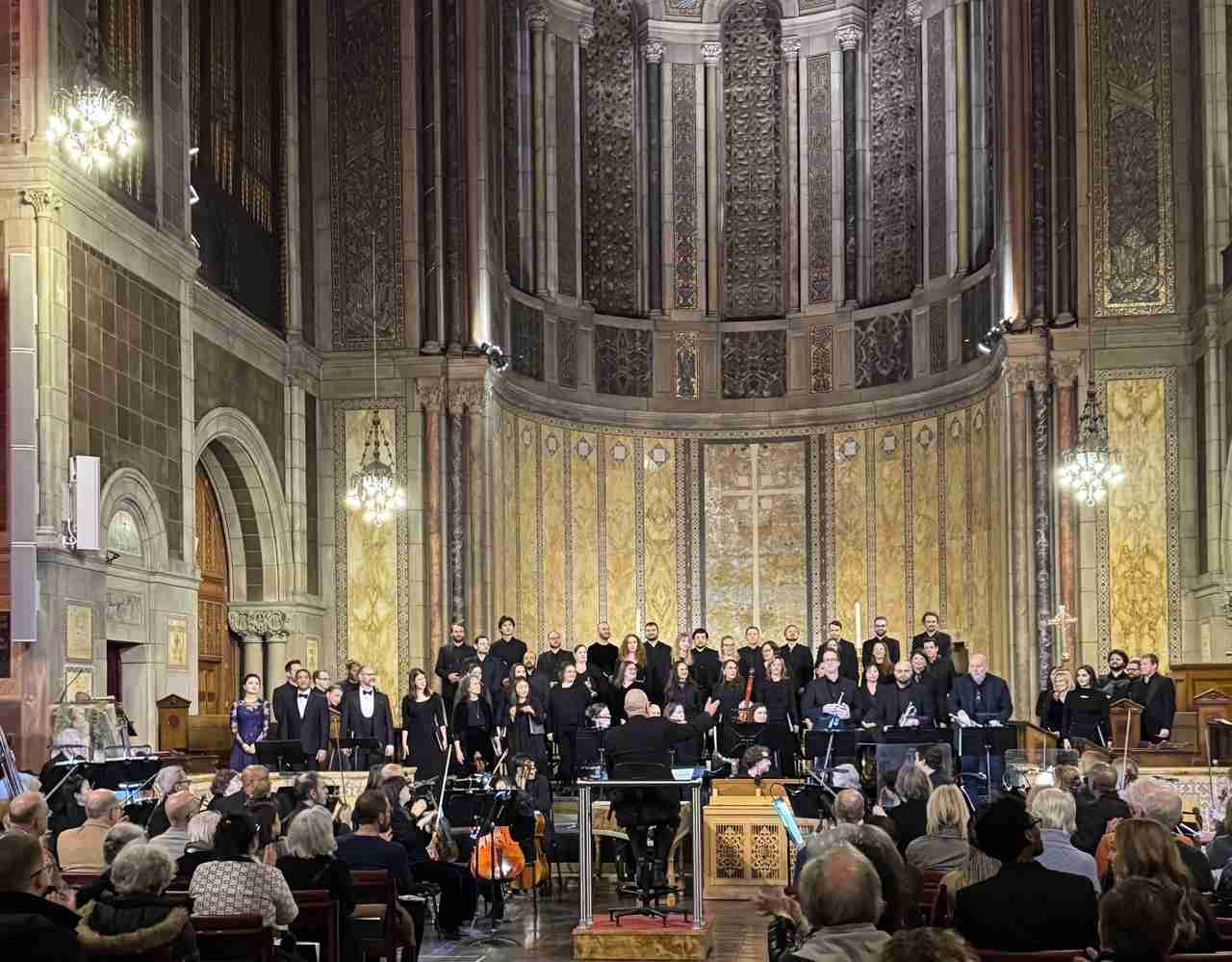
The magnificent St. Barts church on Park Avenue in Manhattan served as the perfect venue for an unforgettable evening of music. This historic landmark, renowned for its breathtaking architecture and superb acoustics, was alive with the sounds of C. P. E. Bach, masterfully brought to life by the American Symphony Orchestra. Maestro Leon Botstein, the orchestra’s Conductor and Director, opened the evening with a pre-concert talk that was both illuminating and engaging. His insights into the works of C. P. E. Bach painted a vivid picture of a composer whose brilliance transcended his time.

Illuminating the Genius of C. P. E. Bach
Carl Philipp Emanuel Bach, the second son of Johann Sebastian Bach, carved his unique identity in the musical world. Unlike his father’s baroque complexities, C. P. E. Bach’s compositions incorporated bold harmonic language, rhythmic intensity, and poetic drama. Tonight’s program showcased two of his masterpieces: Heilig, H.775, and the U.S. premiere of Die Auferstehung und Himmelfahrt Jesu, H.777. These works reflect a daring blend of tradition and innovation, qualities that inspired even Mozart to conduct three performances of Heilig in 1788.
C. P. E. Bach’s contributions to the classical style—his adventurous use of sonorities, nuanced instrumental textures, and striking melodies—cement his place alongside Haydn and Mozart. As Botstein noted during his talk, these compositions remind us why his music is both timeless and transformative.

The Venue: St. Barts on Park Avenue
St. Barts—a jewel of Manhattan—is celebrated for its historical significance and architectural grandeur. Its vast nave, adorned with intricate mosaics and stained glass, creates an intimate and grand environment. The church’s exceptional acoustics made it a favorite of Leopold Stokowski, a legendary conductor and organist who called St. Barts home for years. Those same acoustics elevated the performances to ethereal heights tonight, making every note resonate with clarity and warmth.
The Conducting Genius of Maestro Leon Botstein
Maestro Leon Botstein’s conducting was a masterclass in artistry and leadership. His ability to draw out the finest nuances of C. P. E. Bach’s compositions demonstrated an exceptional understanding of the music’s emotional depth and structural complexity. With precise, expressive gestures and a clear vision, Botstein guided the orchestra and choir to deliver a cohesive, emotive performance. His interpretation balanced historical authenticity with a fresh, contemporary energy, bringing new life to these 18th-century masterpieces. Botstein’s dedication to uncovering and revitalizing overlooked works enriches the classical music landscape and inspires audiences worldwide.

The Choir and Soloists: Voices That Soared
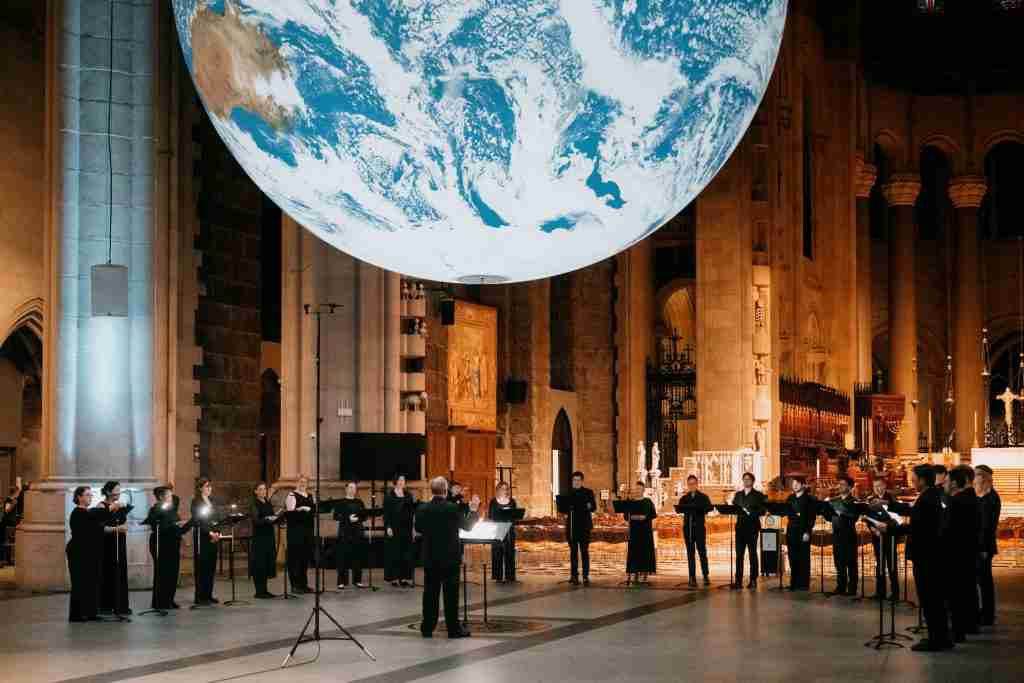
The Bard Festival Chorale delivered a robust and moving performance. The chorale’s impeccable blend, diction, and emotional expression were fully displayed, filling the church’s nave with a celestial glow. Under the guidance of their skilled director, the Bard Festival Chorale brought C. P. E. Bach’s choral music to life with an energy that was both disciplined and passionate.

Their rendition of Heilig, H.775, was a highlight, showcasing their ability to balance reverence with exuberance. Four outstanding soloists—mezzo-soprano Leah Wool, soprano Mei Gui Zhang, tenor Terrence Chin-Loy, and baritone Troy Cook—complemented the choir.

Leah Wool’s rich, velvety tones added depth and emotion to Heilig. Mei Gui Zhang’s soprano soared effortlessly, her crystalline voice lending angelic beauty to her solos. Terrence Chin-Loy’s lyric tenor captivated with its warmth and resonance, while Troy Cook’s commanding baritone anchored the performance with gravitas. Together, they brought Die Auferstehung und Himmelfahrt Jesu to life, imbuing each phrase with expressive detail and profound sensitivity.


The Orchestra: Virtuosity in Every Note
The American Symphony Orchestra, under Botstein’s baton, delivered a virtuosic and heartfelt performance. The orchestra’s ability to navigate C. P. E. Bach’s intricate textures and dramatic contrasts was remarkable. The woodwind section shone in its featured passages, with the flute and bassoon weaving mesmerizing counterpoints. The trumpets added brilliance and grandeur, their fanfares reverberating gloriously through the nave. Each instrumentalist contributed to an evening of musical excellence.
The Program: A Perfectly Curated Journey
The evening’s program began with Heilig, H.775, a choral work encapsulating C. P. E. Bach’s ability to balance reverence and exuberance. Following this, the audience enjoyed the U.S. premiere of Die Auferstehung und Himmelfahrt Jesu. This monumental oratorio, divided into two parts, narrates the resurrection and ascension of Christ with vivid storytelling and dramatic intensity. The juxtaposition of reflective arias and powerful choruses kept the audience enthralled from start to finish.

A Tribute to History and Artistry
The audience erupted into a well-deserved standing ovation as the final notes echoed through St. Barts. The evening was a testament to C. P. E. Bach’s enduring legacy and the transformative power of music. The American Symphony Orchestra’s dedication to reviving overlooked masterpieces is a gift to music lovers and a tribute to the rich tapestry of classical music history.
Learn More and Stay Connected
For those inspired by tonight’s performance, we encourage you to explore more about the individuals and institutions involved:
The American Symphony Orchestra: C. P E. Bach at St. Barts
The Program
C.P.E. BACH (1714-1788)
Heilig, H.775 (1776)
Leah Wool, mezzo-soprano
C.P.E. BACH (1714-1788) (US Premiere performance)
Die Auferstehung und Himmelfahrt Jesu, H.777 (1774 -78)
Erster TeiI (Part One)
Zweiter TeiI (Part Two)
Mei Gui Zhang, soprano
Terrence Chin-Loy, tenor
Troy Cook, baritone
American Symphony Orchestra
1330 Avenue of the Americas
Suite 23A, New York, NY 10019
212.868.9276
For information and tickets, email info@americansymphony.org, or click HERE.