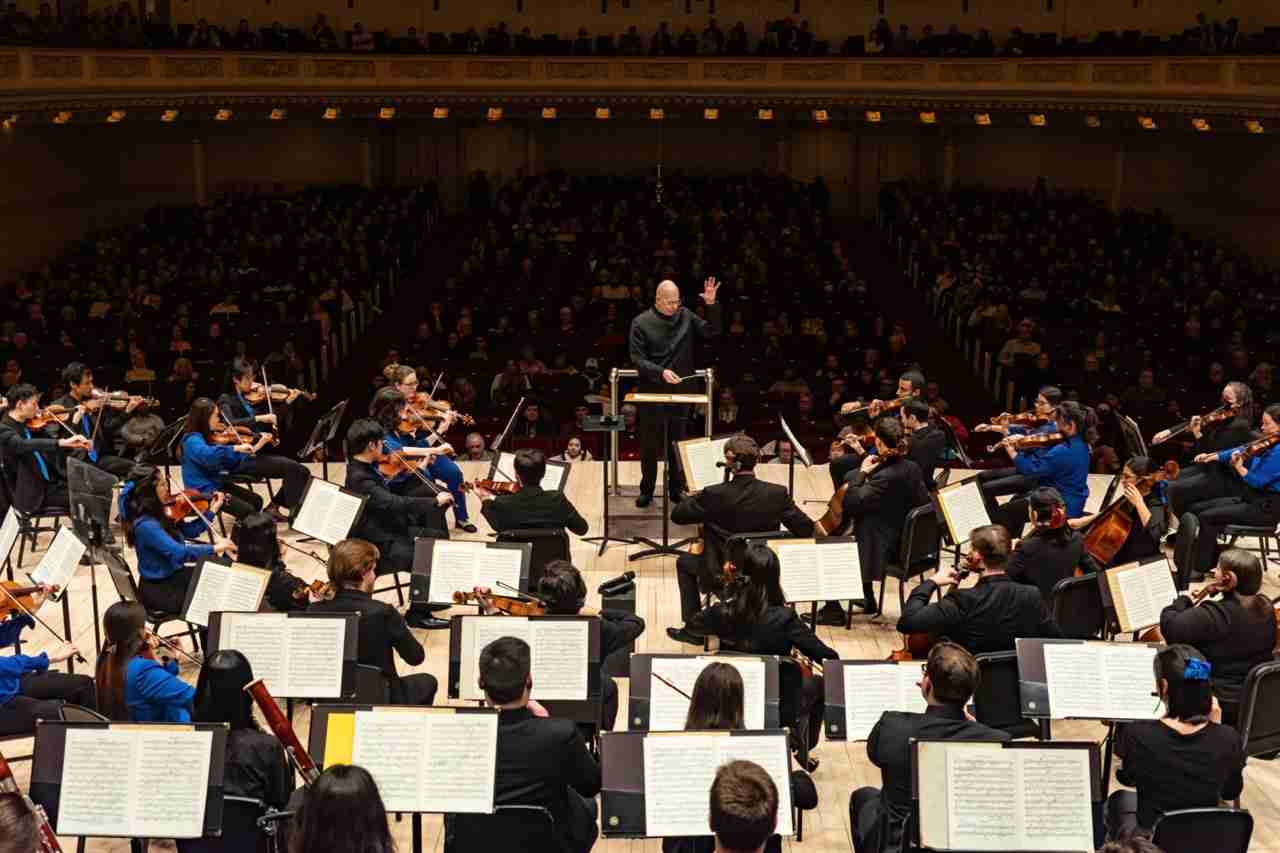

Transcription as Translation by The Orchestra Now
A Night of Rediscovery and Sonic Brilliance
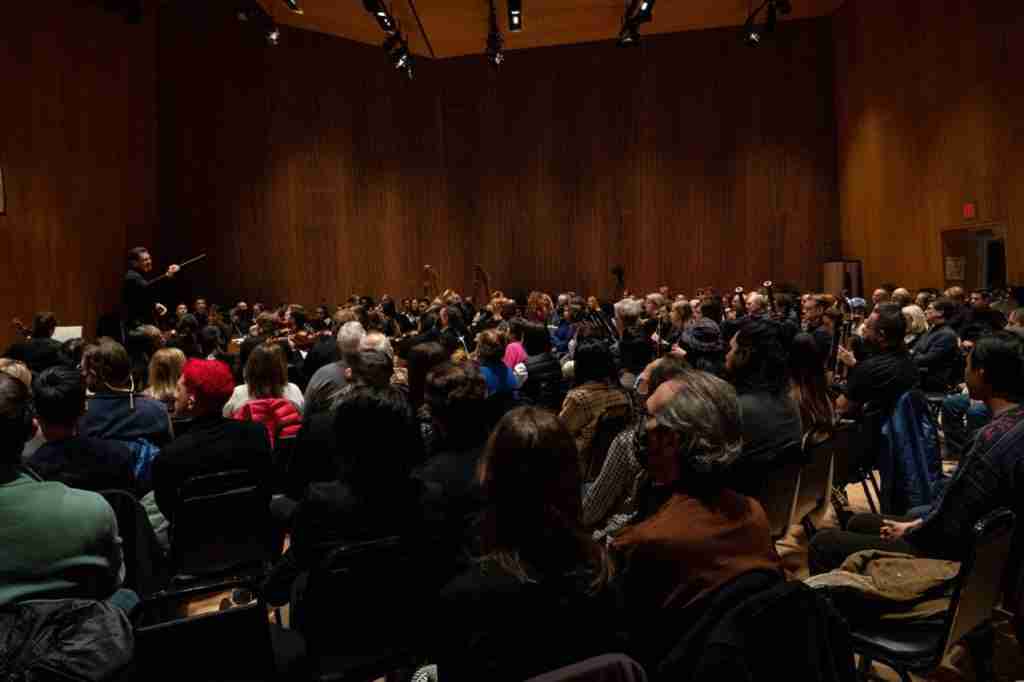
There are moments in music when the familiar is made fresh, and the well-trodden illuminate anew. Such was the case when The Orchestra Now took the stage at Carnegie Hall under the baton of Leon Botstein, a conductor whose boundless energy and intellectual curiosity have long fueled concert programs of unparalleled originality. In a program aptly titled Transcription as Translation, the Orchestra explored the art of reimagining musical works for different forces, bringing forth a riveting evening of discovery, expression, and virtuosity.
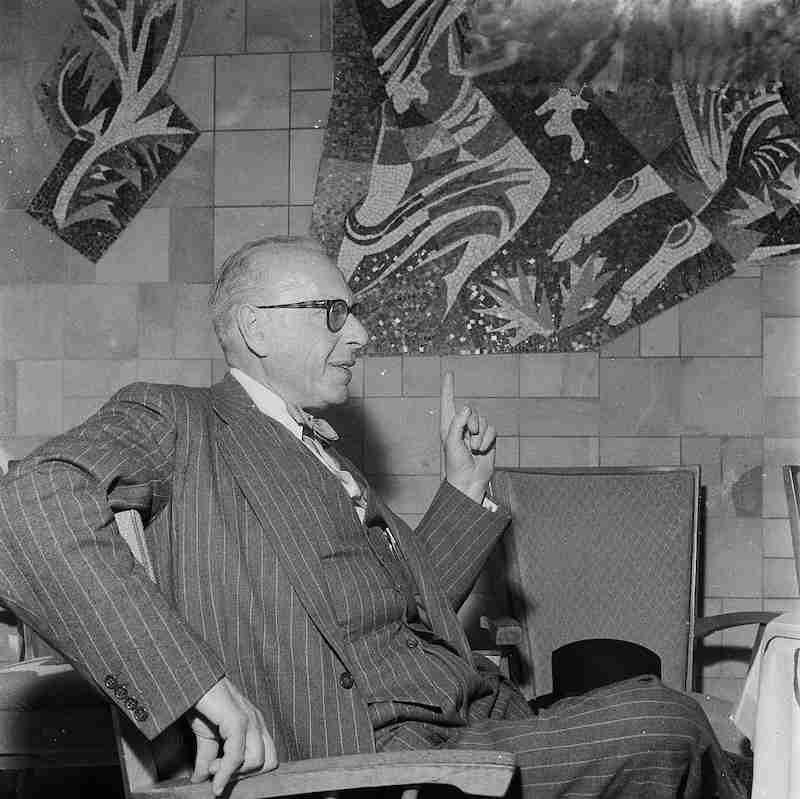
Each transcription is an extraordinary gateway to the composer’s intent, crafted from the inventive afflatus and imagination of assiduous cognoscenti. For example, tonight, the inimitable, world-renowned George Szell explains Smetana’s work to us by presenting it as an orchestra piece rather than in words.
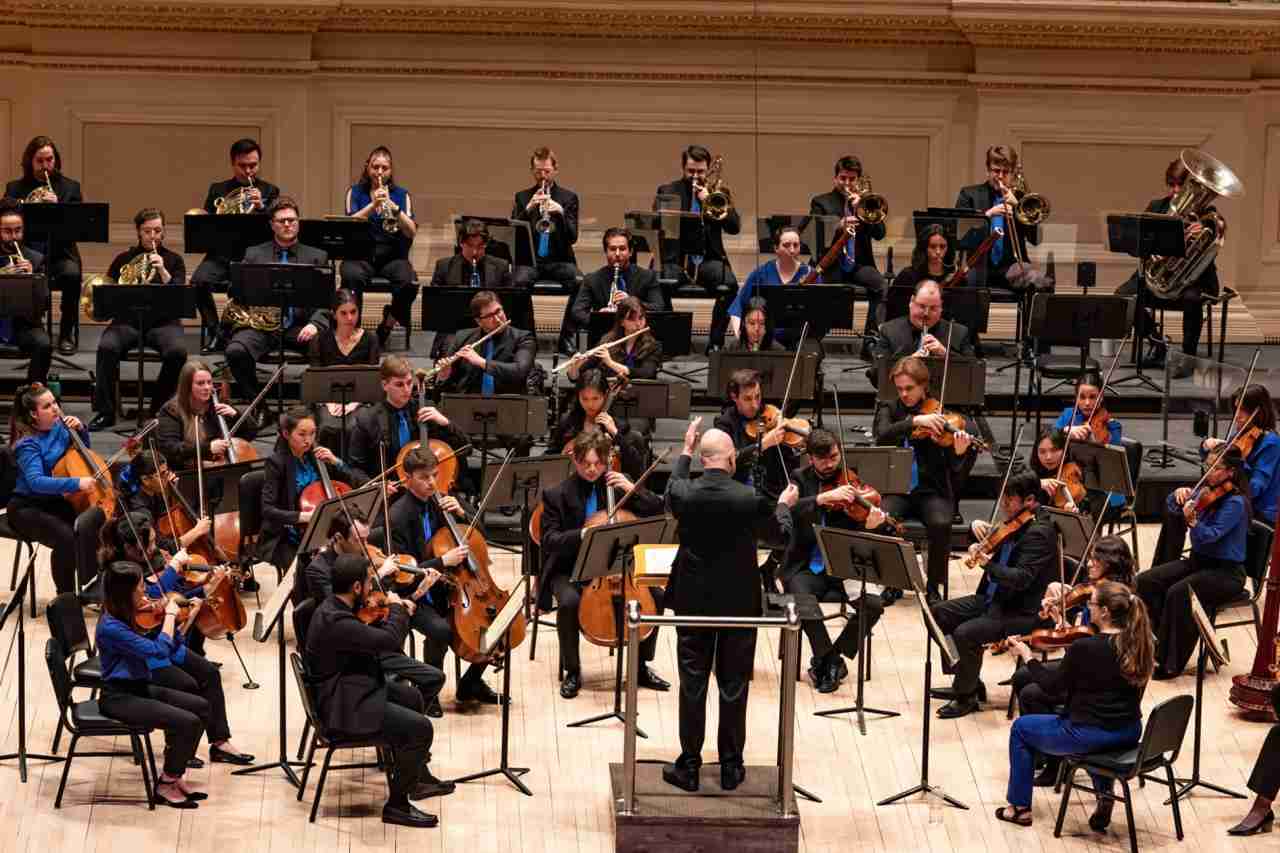
Explaining Music with Music
Enjoy this anecdote from a legend about an interaction between Robert Schumann and Franz Liszt to develop the example of George Szell’s articulation of musical meaning by transcribing a string quartet into a symphonic work.
One evening, Schumann played one of his piano compositions for Liszt. As the music unfolded, Liszt, the curious and analytical listener, interrupted at one point and asked, “What do you mean by that passage?” Rather than explaining in words, Schumann simply played the passage again. Liszt listened intently and, after a moment of reflection, smiled and said, “Ah yes, now I understand.” This brief yet profound exchange highlights Schumann’s belief that music speaks for itself, resisting verbal explanation. Liszt—who often sought intellectual and programmatic meaning in music—found clarity through repeated hearing. It’s a moment capturing their mutual respect and the beautifully enigmatic nature of music.
Mily Balakirev: Suite on Pieces by Chopin
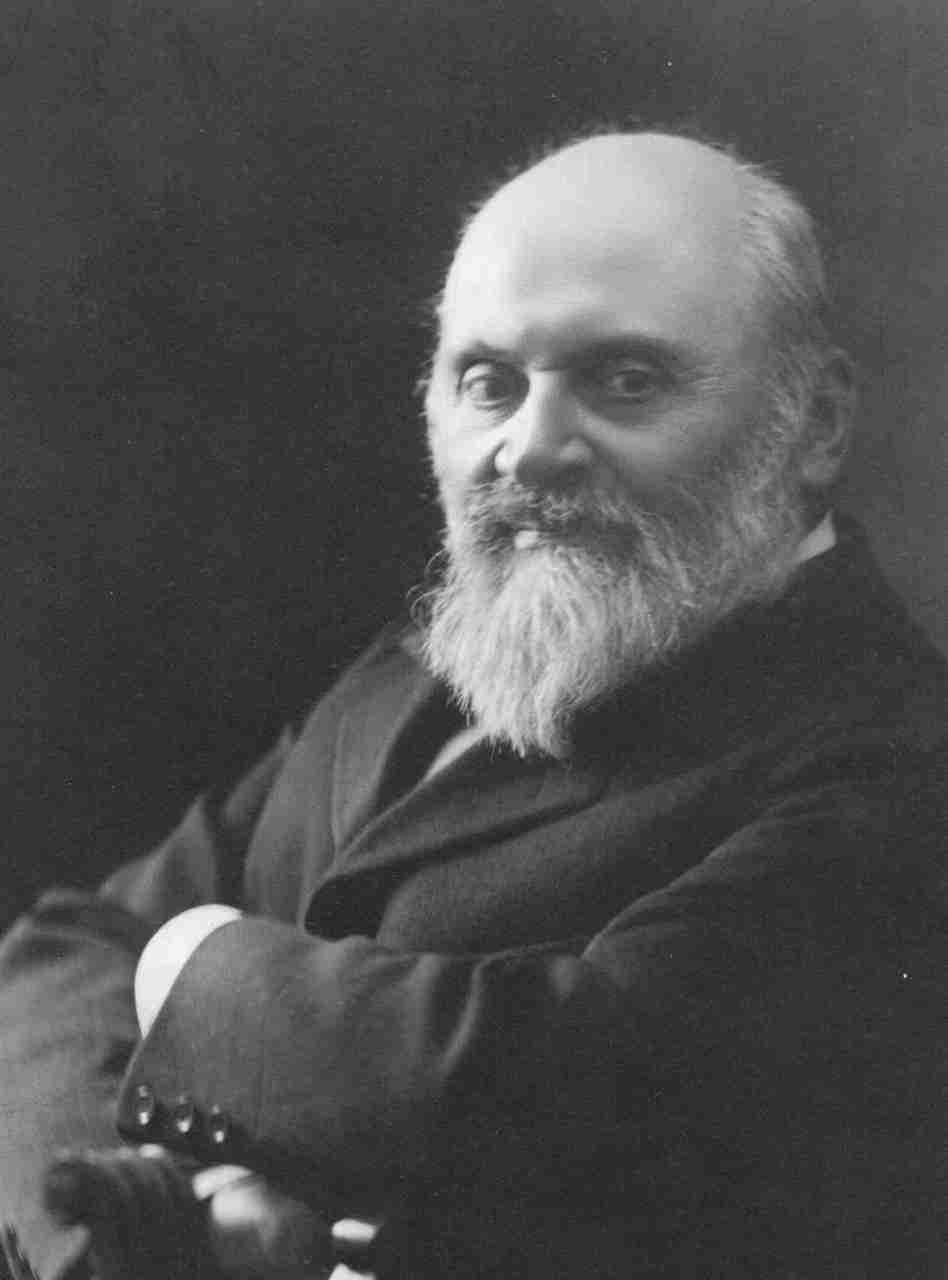
The concert opened with Mily Balakirev’s Suite on Pieces by Chopin, a work composed in 1910 as a loving homage to the Polish master. Balakirev, a key figure of The Mighty Five (Mily Balakirev, César Cui, Modest Mussorgsky, Nikolai Rimsky-Korsakov, and Alexander Borodin) infused Chopin’s works with a distinctly Russian orchestral voice.
The Preamble (Etude) shimmered with delicate woodwind interplay, while the Mazurka pulsed with spirited lower brass and crisp articulations, expertly led by Jack Corcoran on bass. In the Intermezzo, the Orchestra channeled a nocturne-like dreaminess, with warm, expressive strings painting an atmosphere of wistful reflection, heightened by the sensitive phrasing of Sam Boundy on cello. The Finale (Scherzo) burst forth in a whirlwind of color, with bold brass gestures and deft dynamic contrasts ensuring an exhilarating conclusion. This was a Balakirev who both revered Chopin and made him his own.
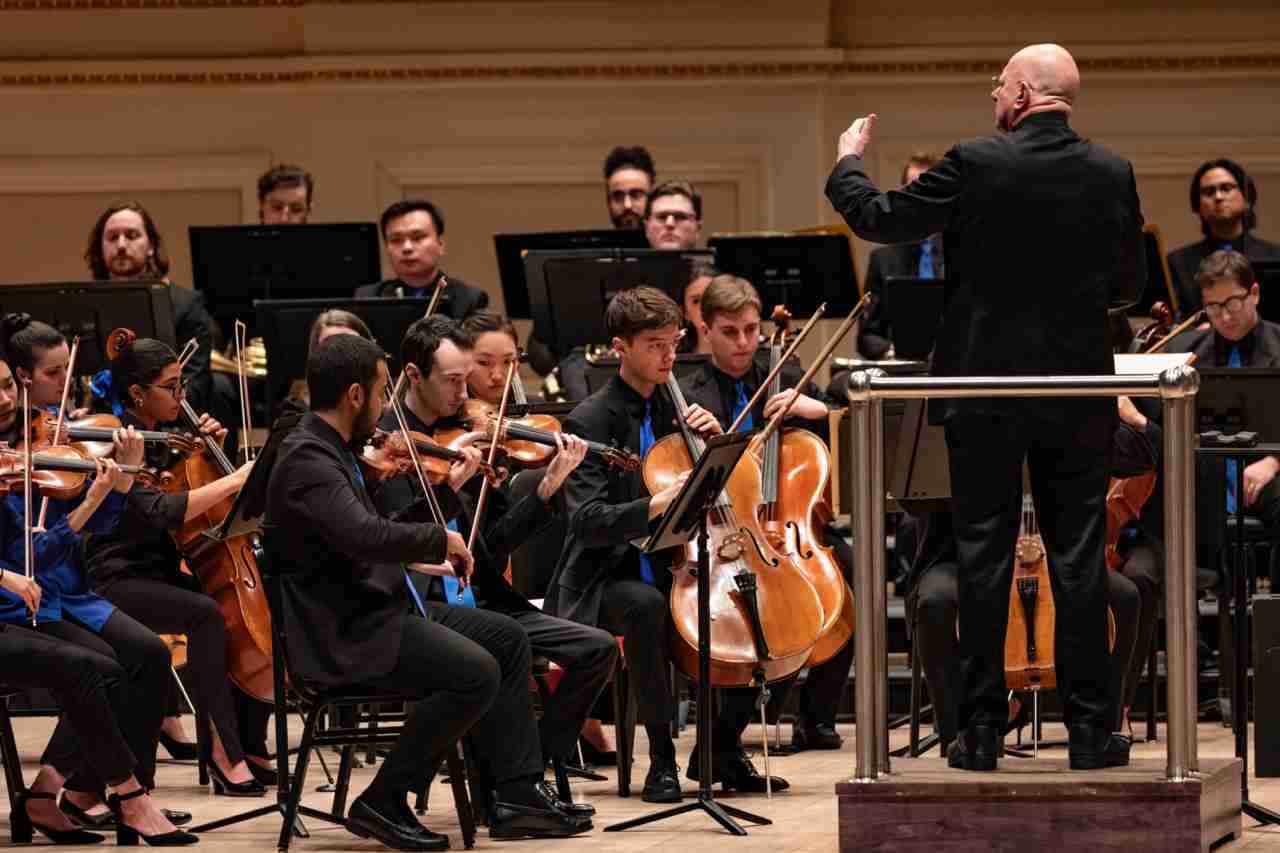
Bedřich Smetana: From My Life – A Romantic Memoir in Sound
Smetana’s String Quartet No. 1 in E minor, From My Life, orchestrated in 1940 by George Szell, provided one of the most profoundly moving moments of the evening. Originally composed as an autobiographical tone poem, this work encapsulates Smetana’s personal joys, struggles, and ultimate acceptance of his deafness.
The first movement, Allegro vivo appassionato, opened with brooding tension, the strings imparting an intensity that foreshadowed impending misfortune. Samuel Frois, leading the first violins, shaped the impassioned lines with precision and depth. The second movement, Allegro moderato alla polka, was a buoyant contrast—a lively dance that transported the audience to Smetana’s youth. The third movement, Largo sostenuto, was deeply affecting, as the Orchestra soared in an expressive portrayal of love and loss, with Enoch Ng lending a beautifully resonant viola presence. The final movement, Vivace, transitioned from a joyous discovery of Bohemian national identity to an overwhelming sense of fate, brilliantly captured in the Orchestra’s dynamic surges and heartfelt phrasing.
Particularly striking was the Largo sostenuto, where Sam Boundy’s opening cello lines ushered in a haunting beauty supported by delicate string sonorities. The orchestral transcription, masterfully handled, retained the chamber-like intimacy while expanding its emotional breadth.
Beethoven’s Hammerklavier: Monumentality Reimagined
Few works in the piano repertoire rival Beethoven’s Piano Sonata No. 29 in B-flat Major, Op. 106—the famed Hammerklavier—in sheer ambition. Orchestrated in 1926 by Felix Weingartner, this rendition transformed Beethoven’s most expansive piano sonata into a symphonic powerhouse.

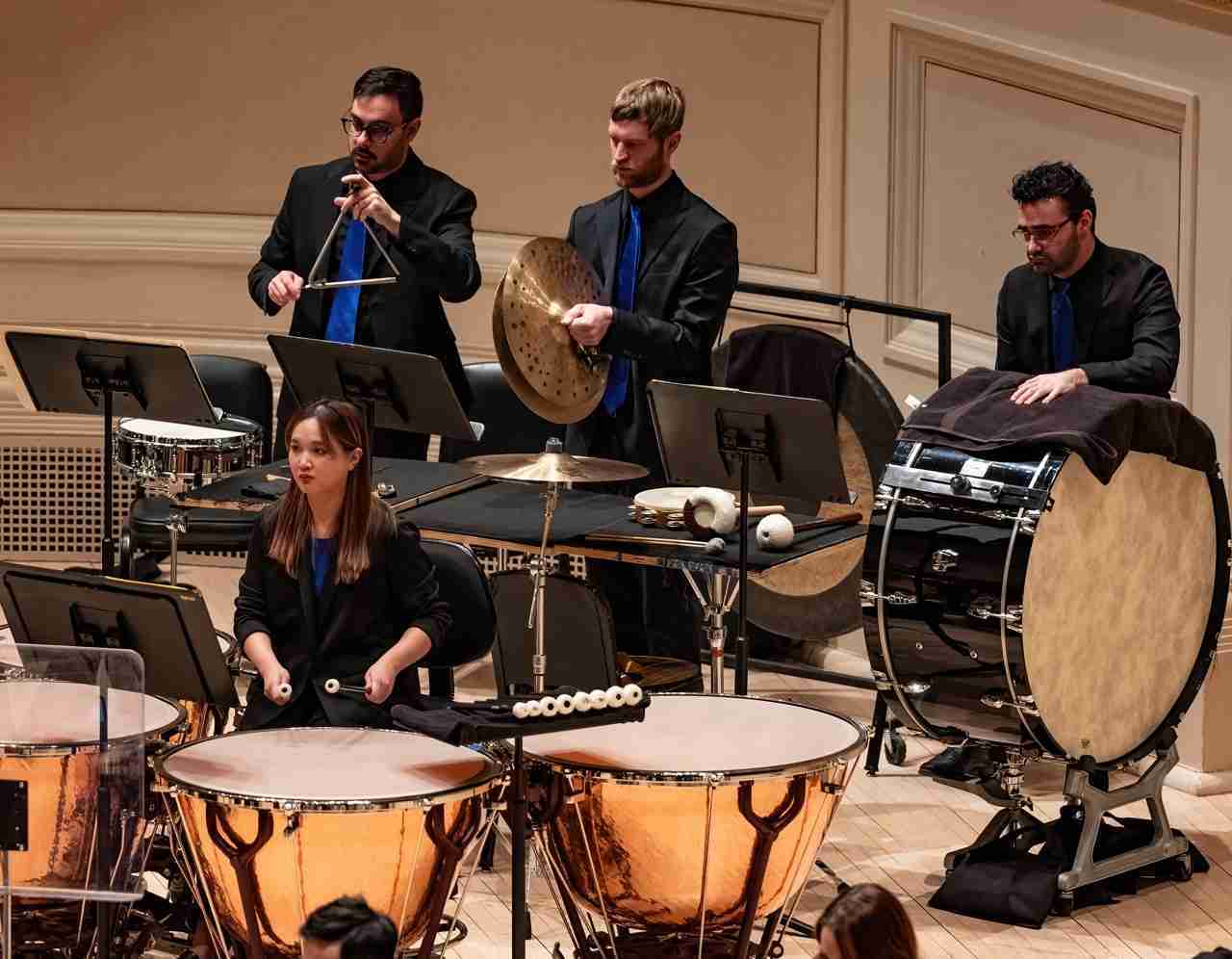
The first movement’s Allegro established an immediate presence, the orchestra rendering Beethoven’s dense motivic interplay with startling clarity. The Scherzo displayed broad brass and woodwind flourishes, a dance of bold rhythmic propulsion and witty exchanges. However, it was in the Adagio sostenuto that the full weight of Beethoven’s vision was realized. Here, the strings excelled, crafting a sound of deep introspection, every phrase laden with meaning. The finale’s Largo-Allegro risoluto, a fugue of incredible complexity, was executed with precision and bravura, the contrapuntal lines voiced with sonic clarity.
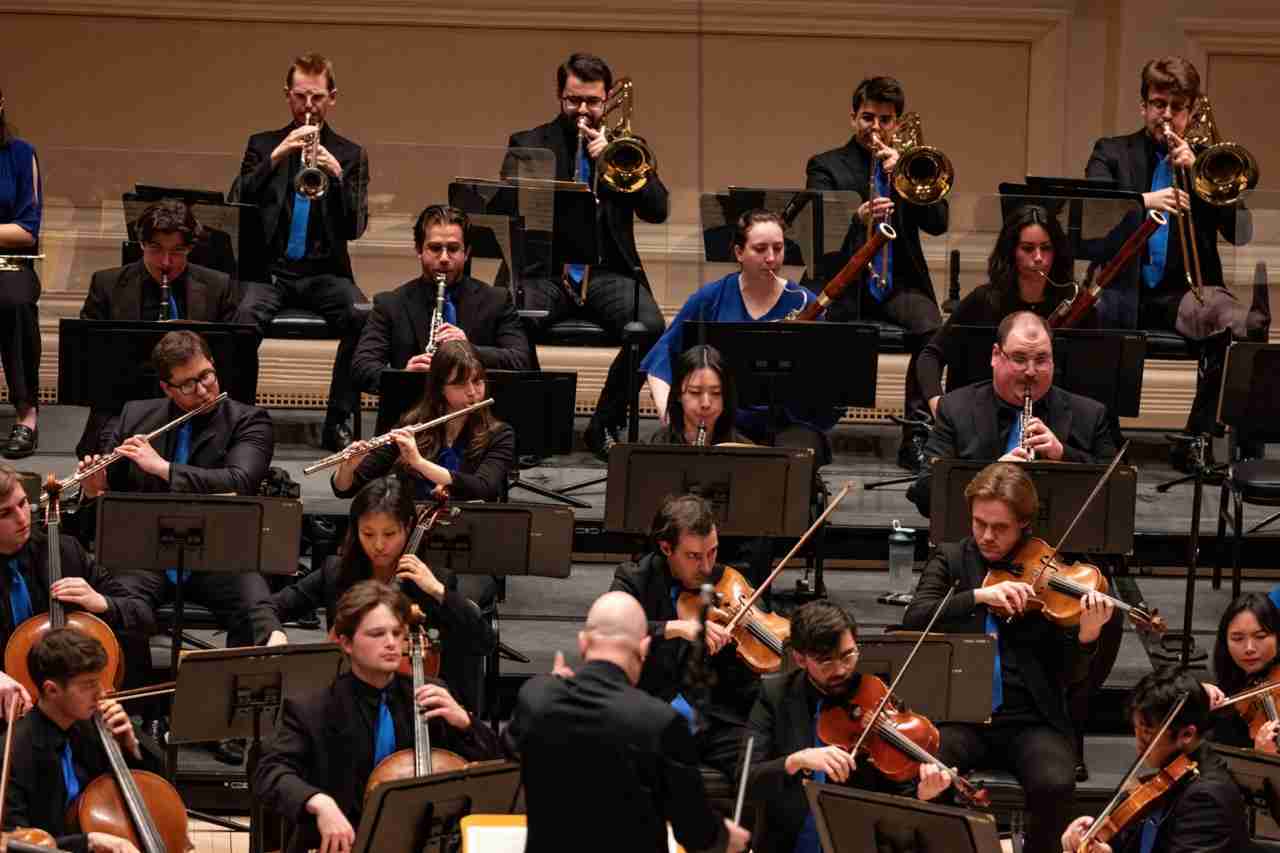
Botstein’s interpretation ensured that this was not simply a transcription but an homage to Beethoven’s evolving sonorities. The Orchestra delivered challenging trumpet and horn entrances with confidence, and the trombones and horns, led by Zachary Johnson and Jid-anan Neethai, respectively, provided a muscular yet refined underpinning.
The Virtues of Interpretation and Orchestral Balance
The Orchestra’s commitment to articulation and dynamics was exceptional throughout the evening. Whether in the softest pianissimo or the most forceful fortissimo, every section maintained balance and clarity for an exhilarating listening experience. The French horns, under the leadership of Ziming Zhu stood out, their tonal warmth anchoring key passages with noble resonance.
The brass and woodwinds shone in the Scherzo, while the lower strings and cellos provided the emotional underpinning in the evening’s more introspective moments. The Orchestra’s sensitivity to phrasing was particularly impressive, allowing every movement to breathe and unfold with natural momentum.
The Setting: Carnegie Hall’s Timeless Acoustics
With its storied history and legendary acoustics, Carnegie Hall was the ideal setting for this ambitious program. The warmth of the hall’s resonance allowed for the Orchestra’s full dynamic range to emerge, from the most delicate string passages to the roaring brass climaxes. Leon Botstein’s ability to sculpt sound within this magnificent space only enhanced the immersive experience.
A Maestro of Boundless Curiosity: Leon Botstein’s Vision
Leon Botstein’s programming exhibited an intellectual rigor and adventurous spirit that few conductors match. By curating works that explore the concept of transcription as Translation, he provided the audience with a rare opportunity to hear masterpieces in a new light. Presenting a program of such distinctive and rarely performed works takes courage. Still, under Botstein’s guidance, the evening never felt esoteric—instead, it celebrated musical evolution and reinterpretation.
As a training ground for the next generation of professional musicians, The Orchestra Now continues to prove its worth, offering concerts of insightful programming and exceptional artistry. Their performance at Carnegie Hall was yet another demonstration of their growing reputation as one of the most compelling ensembles of our time.
An Evening to Remember
Transcription as Translation was revelatory, from Balakirev’s poetic homage to Chopin to Smetana’s profoundly personal reflection on life, culminating in Beethoven’s symphonic transformation. The Orchestra Now, under the steadfast leadership of Leon Botstein, delivered an unforgettable concert filled with distinction, brilliance, and profound emotional depth.
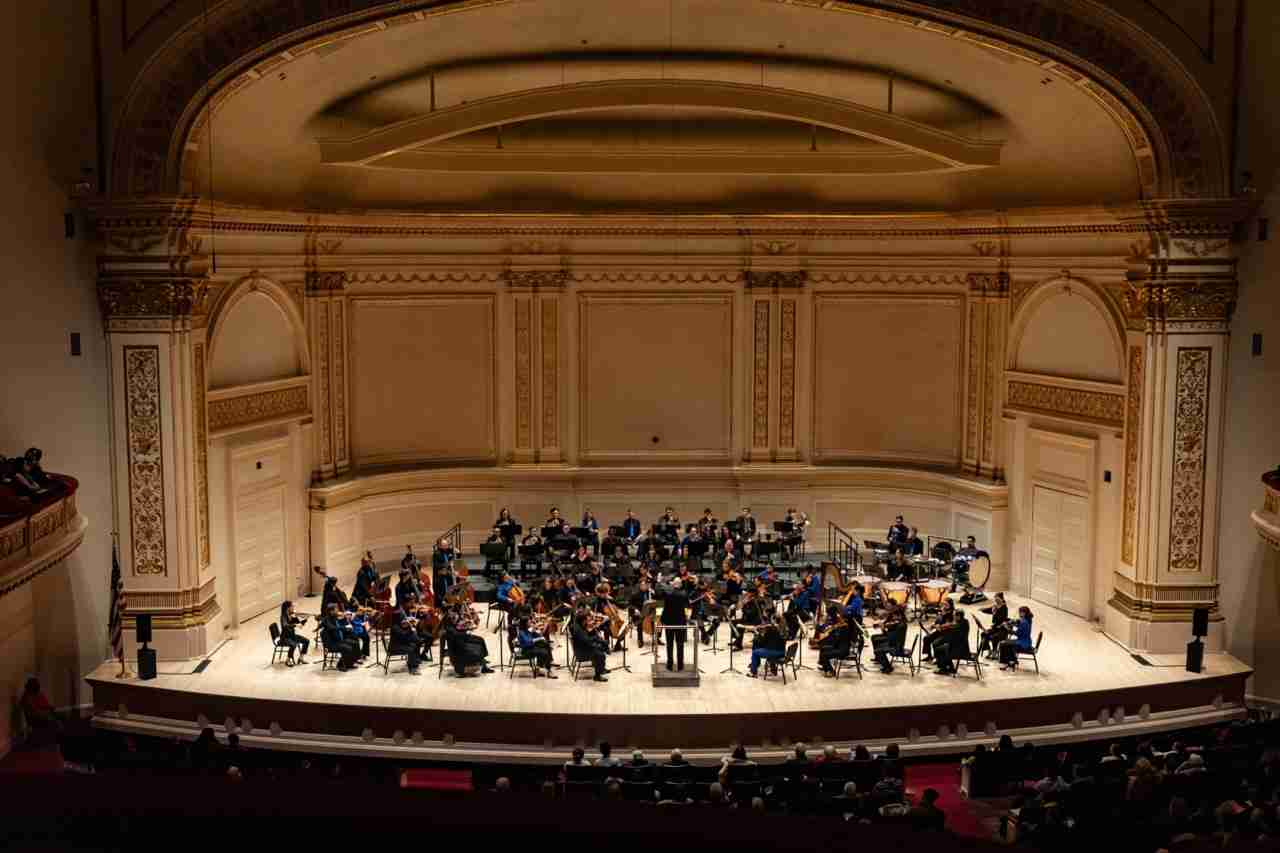
This was a night to cherish for classical music lovers and those eager to explore new sonic landscapes. As the final notes faded into Carnegie Hall’s luminous acoustics, the standing ovation was not just for the performance but for the power of music to transcend time to speak anew to every generation.
The Orchestra Now
ton.bard.edu /@theorchnow
BARD COLLEGE bard.edu
P.O. Box 5000
30 Campus Road
Bard College
Annandale-on-Hudson
NY 12504
845-752-2422
FIND MORE at bard.edu
Readers may also enjoy our reviews of The Magic of Immersion: Park Avenue Chamber Symphony’s The Nutcracker, and BLIND INJUSTICE: A Riveting Tour de Force by MasterVoices.