


The Ocean by Led Zeppelin: A Deep Dive into Musical Mastery
Led Zeppelin’s “The Ocean” represents an exquisite synthesis of rhythmic innovation, artistic collaboration, and unparalleled intensity. This iconic track, a standout from the band’s 1973 album Houses of the Holy, showcases the group’s ability to craft music that defies conventions and transcends generations. You’ll enjoy amazing special mixing effects if you have quality headphones or a surround sound system. Let’s talk for a moment about Quadraphonic Sound.
Quadraphonic sound
In the early ’60s, Quadraphonic recording was invented, in which four channels project sound independently. Stereo geeks purchased high-end quadraphonic sound systems with powerful amplifiers (50 watts and more RMS per channel ) and 4 superb speakers from companies like AR (Audio Research), Cerwin Vega, or Wharfedale to enjoy the full experience.
If they couldn’t afford fancy speakers, teenagers could pick up a pair of bulky headphones, slip them over their ears, and drop a needle on a brand-new Led Zeppelin album. Once there, the world around you fades into nothingness as sound spins around your head as the first notes hit—Jimmy Page’s guitar panning from left to right like it’s weaving a spell. It’s not just music; it’s an electric tide, and you’re floating in it, unable to resist the pull.

The sheer depth of sound
The bass thunders through the headphones, courtesy of John Paul Jones, pulsating perfectly with John Bonham’s earth-shaking drums. You feel it in your chest even though it’s all in your ears. The sheer depth of sound makes it seem like Zeppelin isn’t just performing for you—they’re constructing a cathedral of sound, brick by brick, in your mind.
Then, Robert Plant’s voice cuts through. It’s otherworldly, soaring above the instruments yet perfectly tethered to them, bouncing between the left and right channels like it’s alive. You close your eyes and lose yourself in the sonic kaleidoscope: delicate fingerpicking dissolving into thunderous riffs, echoes stretching into infinity, and layers of sound that feel like they’ve been crafted just for you.
Sonic Brilliance
The stereo effects are breathtaking. In one ear, you catch the whisper of a cymbal crash or the shimmer of Page’s guitar string slide. On the other, the resonance of a bass note lingers a second longer than it should. It’s like being inside the recording studio, walking through a labyrinth of sonic brilliance where every twist and turn reveals something new.
You rewind, again and again, trying to grasp how they achieved such depth and clarity. There’s no Internet to explain it, just the mystery of their genius. It feels like magic—like Led Zeppelin is not merely a band but a portal to an entirely different dimension of sound. For the first time, you truly listen to music, and it changes you forever.
A Rhythmic Odyssey: The Core of The Ocean
“The Ocean” begins with an unforgettable guitar riff layered with John Bonham’s electrifying percussion. The track’s 7/8 time signature in the intro reveals Led Zeppelin’s bold, experimental streak. The shift to a more traditional 4/4 rhythm later creates a dynamic tension, keeping listeners engaged. Try tapping your foot along with the music,and you’ll sense the rhythmic mysteries of the music.
Jimmy Page delivers one of his most intricate guitar performances here, blending raw power with subtle finesse. His ability to marry technical skill with emotive playing solidifies his place among rock’s greatest guitarists.
John Bonham’s drumming anchors the track with an intensity that feels both calculated and primal. Each hit of the snare and tom propels the song forward with unrelenting energy.
Robert Plant’s Lyrical Prowess
Robert Plant’s vocal delivery in “The Ocean” embodies a playful yet commanding tone. Inspired by his young daughter’s interruptions during recording sessions, the lyrics reflect the band’s personal touch and charm. His distinct voice, ranging from a bluesy growl to soaring high notes, adds depth and charisma.
John Paul Jones: The Unsung Hero
John Paul Jones, often dubbed the “musical glue” of Led Zeppelin, enriches “The Ocean” with his multi-instrumental brilliance. Though the bass line may seem understated, its syncopation underscores the track’s groove. Jones’ keen sense of harmony and arrangement elevates the entire composition.
Led Zeppelin’s Musical Triumphs
Their relentless innovation defines Led Zeppelin’s journey to rock superstardom. From the blues-infused Led Zeppelin I to the folk-rock masterpiece Led Zeppelin III, the band’s discography is a testament to their versatility.
By 1973, Led Zeppelin had achieved global acclaim, thanks to records like Led Zeppelin IV, home to “Stairway to Heaven”—a track that epitomized their artistic ambition. Houses of the Holy marked a departure, exploring funkier and more diverse sounds, exemplified by “The Ocean.”
Breaking New Ground
Critics often highlight the band’s fearlessness in blending genres. Lester Bangs, one of rock’s most influential critics, described them as “architects of controlled chaos.”
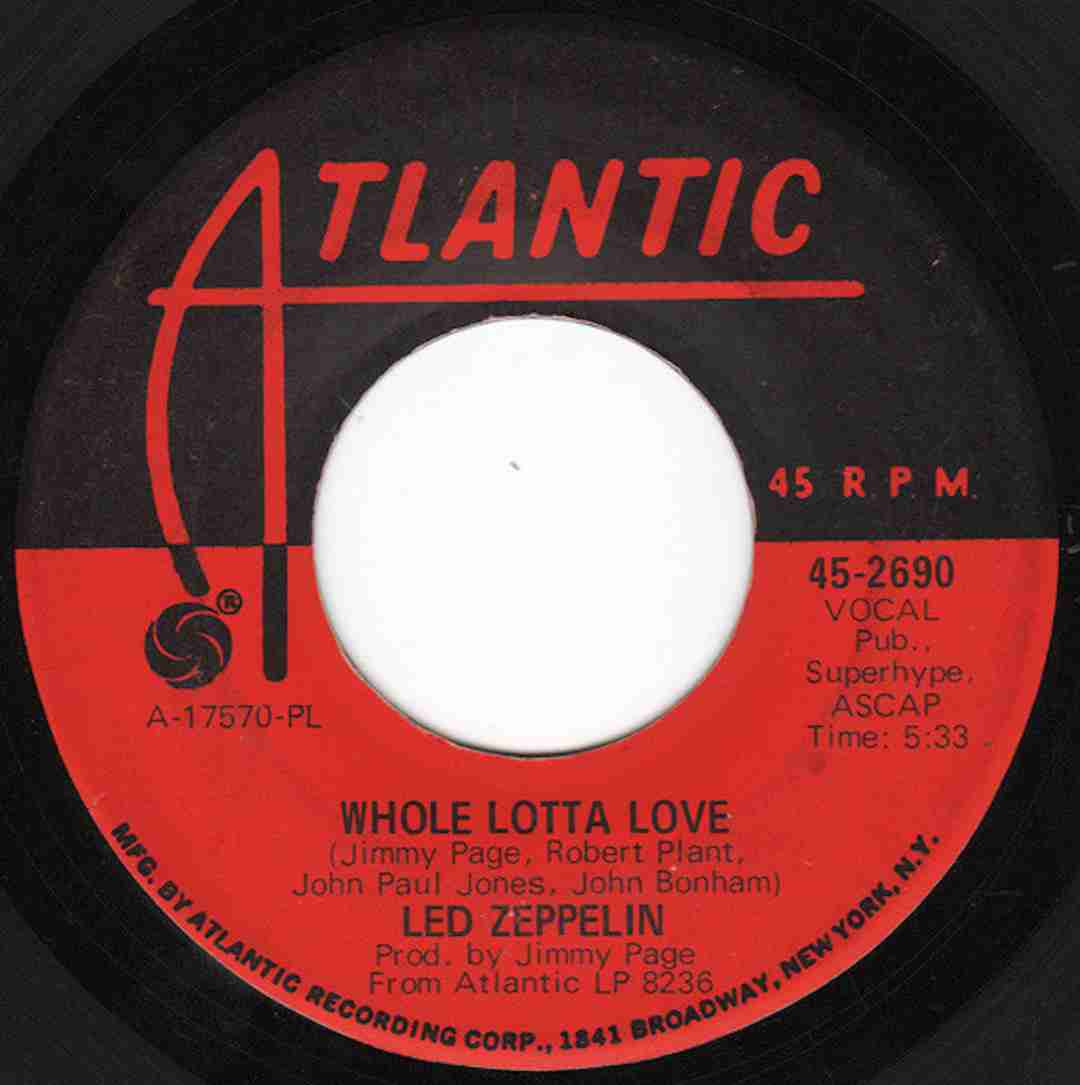
The Band’s Artistic Virtues
Led Zeppelin’s strength lies in their collective synergy. Each member’s contributions—from Page’s visionary production to Bonham’s rhythmic power—result in a cohesive yet dynamic sound.
Musical Inspirations for The Ocean
The Ocean was born from the band’s playful spontaneity and love for live performance. Its title references the sea of fans they played to during their 1972 tour. Influences range from rockabilly to blues, with Plant’s references to doo-wop adding nostalgic charm. Moreover, The Ocean encapsulates Led Zeppelin’s bold, inventive, and irresistibly captivating essence. The interplay between lighthearted lyrics and intricate musicality mirrors their dynamic as artists and individuals.
Why “The Ocean” Resonates
Led Zeppelin’s “The Ocean” is a masterclass in musical storytelling. Its rhythmic complexities, lyrical playfulness, and unparalleled energy exemplify the band’s artistic genius. Whether you’re a lifelong fan or a curious newcomer, diving into “The Ocean” is an exhilarating experience and inspiring.
Today, “The Ocean” remains a fan favorite and a staple of Led Zeppelin’s legacy. Its influence can be heard in the works of countless artists, from the complex rhythms of Tool to the raw energy of Foo Fighters.
Readers may also enjoy Pink Floyd Dark Side Of The Moon Progressive Rock Masterpiece, Tommy by The Who: A Revolutionary Rock Opera, and The Byrds and Psychedelic Folk Rock.
RELATED

Women Who Rock You™ — Songs From Janis to Alanis & More

Otto & Astrid: The Stages Tour at Under St. Marks


Heartbreak Waites: Americana Music for the Soul

LeAnn Rimes: Greatest Hits Christmas Tour
