


The Byrds and Psychedelic Folk Rock
The Byrds’ Bold Musical Experimentation
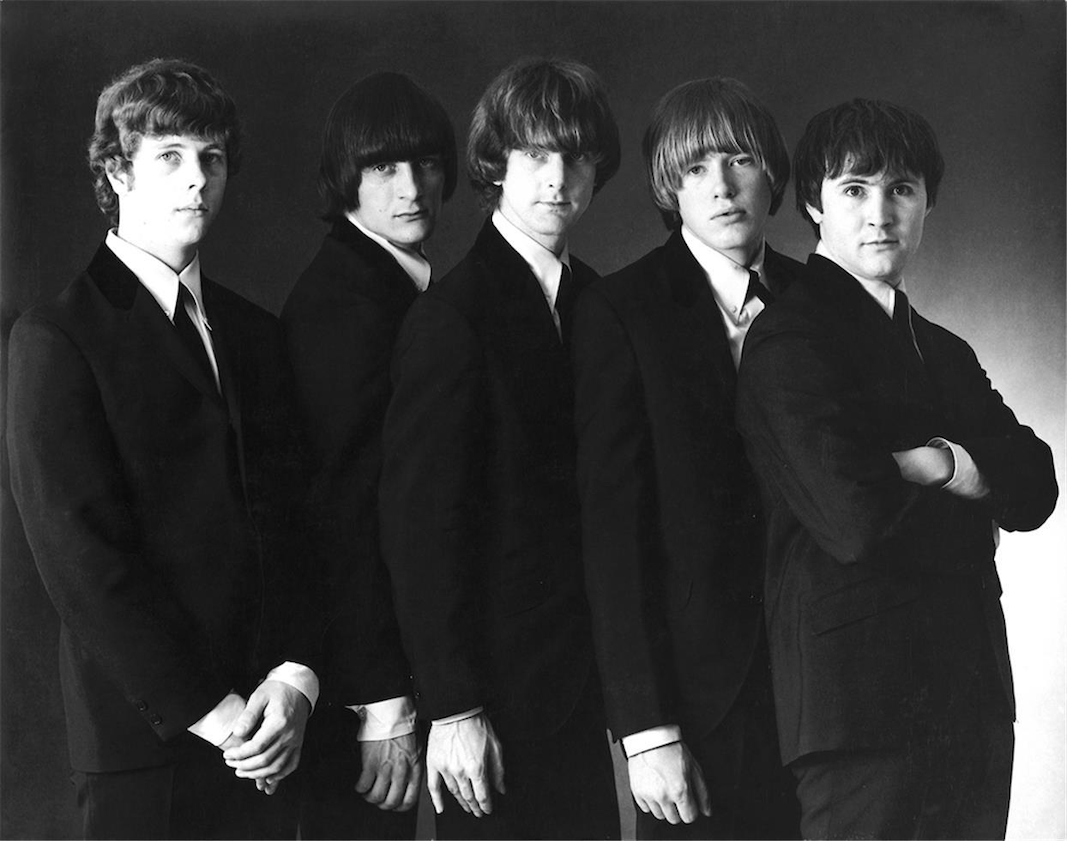
The Notorious Byrd Brothers’ album, released in January 1968, exemplifies the musical innovation and creativity of the 1960s. It uniquely blends psychedelic rock with folk rock, marking a crucial moment in the Byrds’ journey. Amid cultural upheaval and a rapidly changing music scene, the band expanded the boundaries of traditional genres, inviting listeners into an immersive and emotional soundscape.
Roger McGuinn, the band’s leader and only constant member throughout their career, was central to this creative journey. McGuinn’s vision and distinctive 12-string Rickenbacker guitar sound were instrumental in shaping the band’s direction. His ability to incorporate experimental sounds while maintaining the band’s folk roots was pivotal in defining their groundbreaking style.
Defining Characteristics of Psychedelic Folk Rock
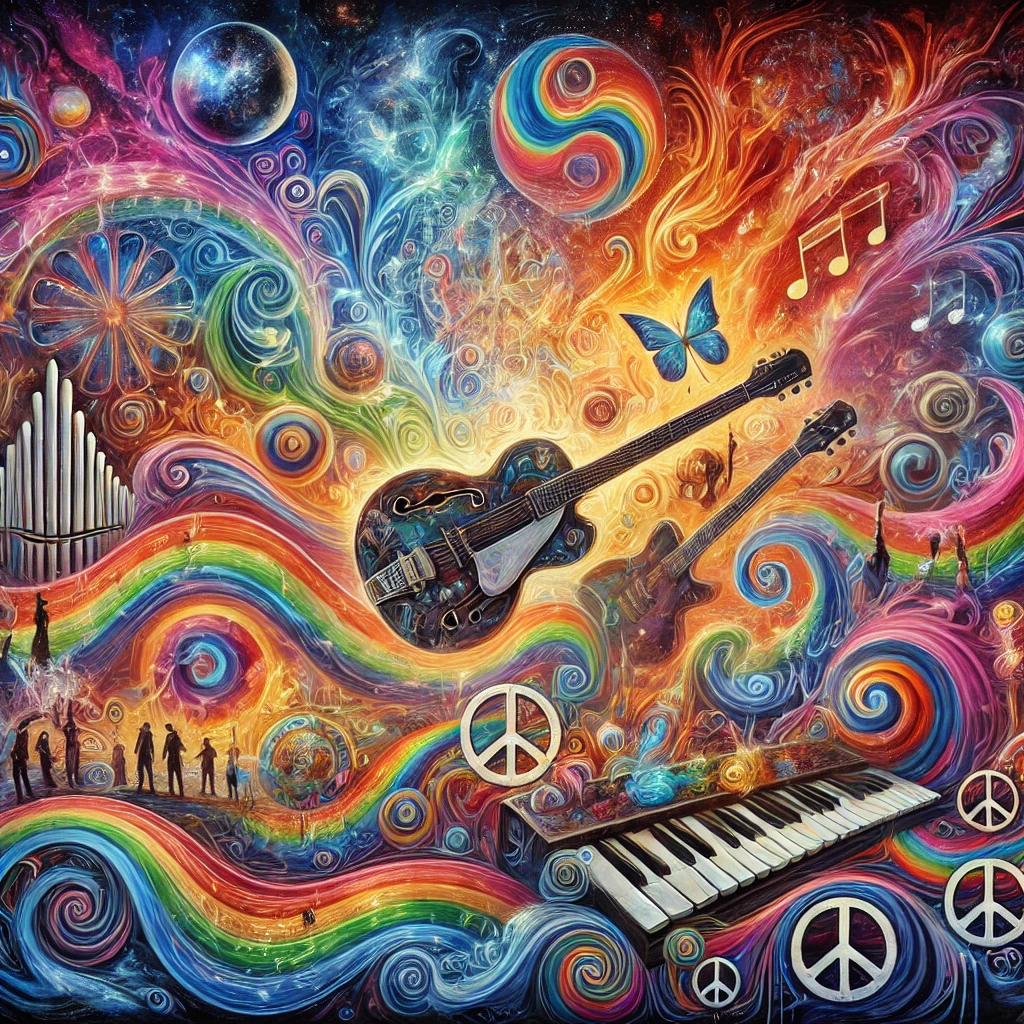
Psychedelic folk rock blends traditional folk melodies with experimental and unconventional psychedelic sounds. Moreover, this fusion produces a genre that invites introspection while presenting whimsical scenarios. The Byrds capitalized on innovative studio techniques and diverse musical styles at The Notorious Byrd Brothers. Key elements include:
- Folk harmonies enriched by rock elements
- Inclusion of unconventional instruments, such as the Moog synthesizer
- Lyrics exploring themes of change, peace, and consciousness
The Unique Tracks of The Notorious Byrd Brothers
Several tracks on this album highlight its psychedelic folk rock essence. For instance, “Draft Morning” vividly portrays the Vietnam War through ethereal arrangements and rich harmonies. On the other hand, “Wasn’t Born to Follow” (used here for the film Easy Rider) captures the essence of a free-spirited wanderer, blending a dreamy and carefree quality.
The poignant “Goin’ Back” explores nostalgia and childhood innocence, delivering heartfelt lyrics matched with haunting melodies. Each track contributes to the album’s broader narrative of self-discovery and understanding in an era of rapid change.
Musical Transformations and Challenges
The Byrds faced internal changes while creating The Notorious Byrd Brothers. Despite lineup shifts and reconfigurations, they produced an album that stands as a testament to their resilience. Their inventive use of layered production techniques enhanced the album’s psychedelic tone.
Roger McGuinn’s leadership was especially crucial during this tumultuous period. As tensions within the band escalated, his ability to stay focused on the music ensured the album’s completion. McGuinn’s keen interest in cutting-edge technology, such as the Moog synthesizer, added a futuristic dimension to the album’s sound.
The Byrds’ Lasting Influence
The legacy of The Notorious Byrd Brothers extends far beyond its original release. This album pioneered the integration of psychedelic elements with folk traditions, influencing artists exploring similar musical territories. It remains an essential reference for anyone studying the evolution of psychedelic folk rock.
The Impact of The Notorious Byrd Brothers on 1960s Music Culture
The Birth of a Psychedelic Folk Rock Masterpiece
In 1968, The Notorious Byrd Brothers became a cornerstone of 1960s music culture. Their album seamlessly fused psychedelic and folk rock elements, embracing its time’s social and musical revolutions. It transcended traditional boundaries and redefined the genre.
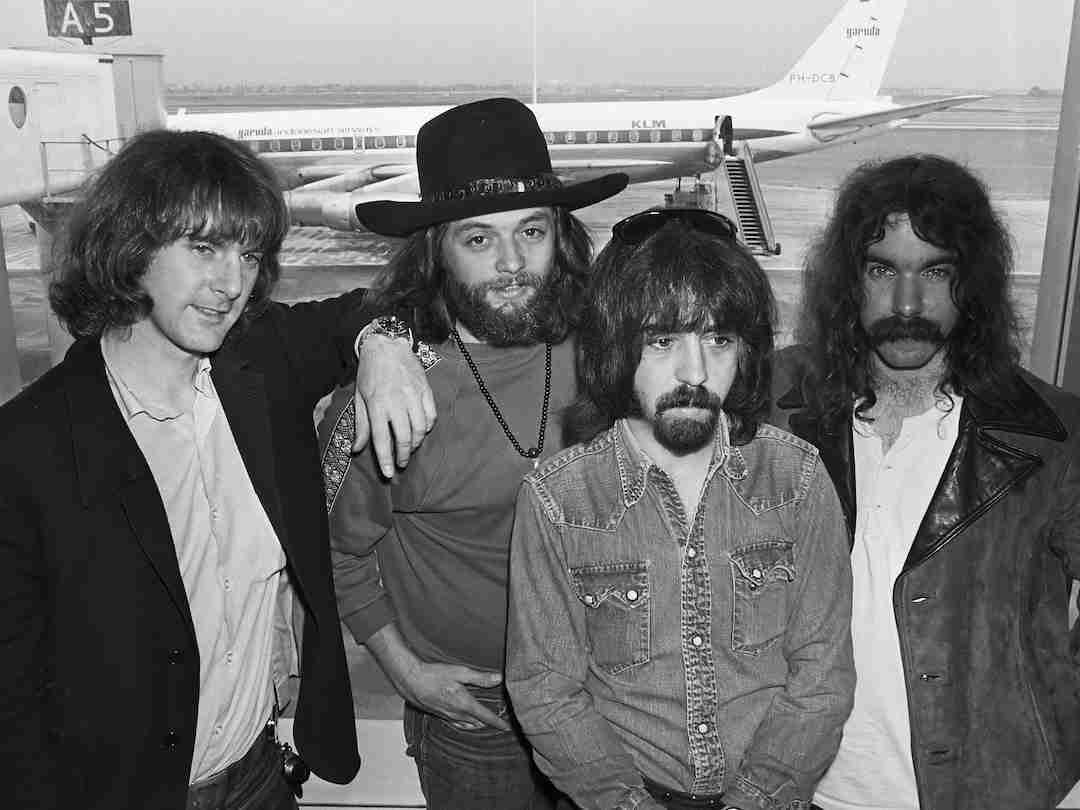
Pop group the “Byrds” arrive at Schiphol; the Byrds. V.l.n.r. Roger McGuinn, Skip Battin, Clarence White, Gene Parsons. June 23, 1970. Joost Evers / Anefo, CC BY-SA 3.0 NL <https://creativecommons.org/licenses/by-sa/3.0/nl/deed.en>, via Wikimedia Commons
Psychedelic Infusion of Innovative Sounds
By blending folk harmonies with experimental psychedelic tones, the album set new standards for innovation. Songs like “Draft Morning” and “Tribal Gathering” showcase inventive studio techniques and instrumentation. These tracks illustrate the creative experimentation that defined the psychedelic movement.
Conceptual Themes and Counterculture Reflections
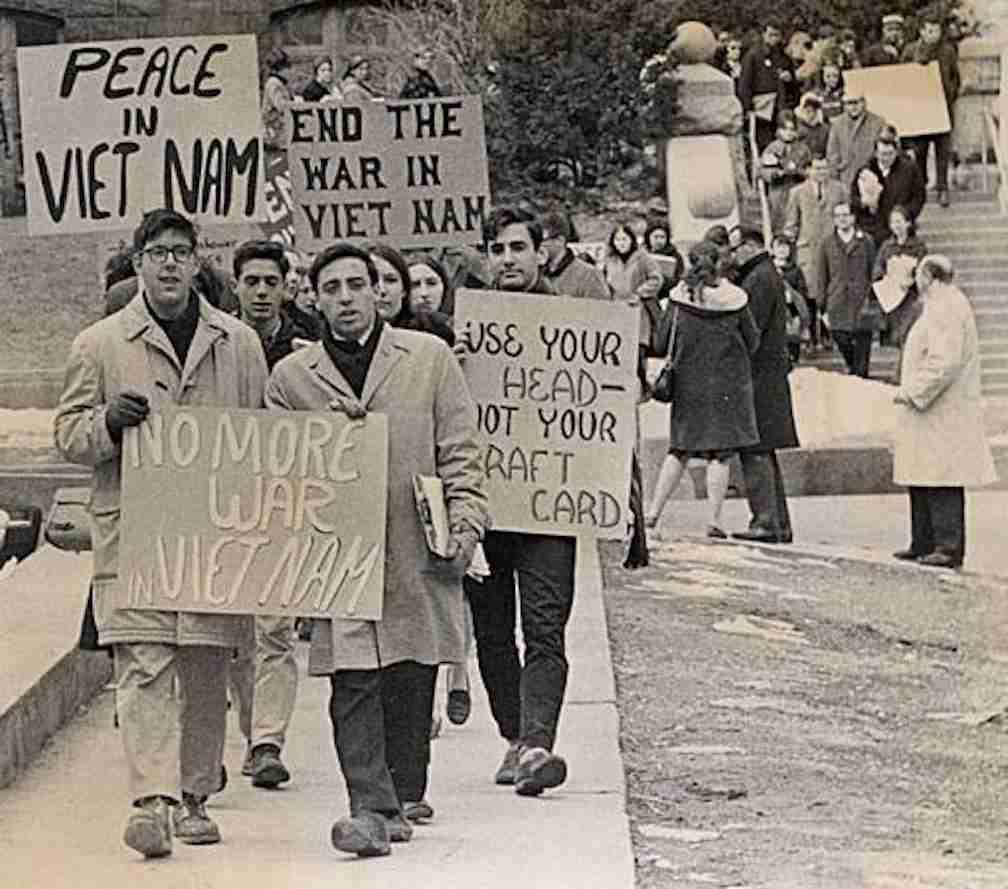
The Byrds captured the spirit of the 1960s counterculture by infusing their lyrics with themes of peace, enlightenment, and rebellion. Reflecting the Vietnam War era, the album’s lyrics challenged authority while advocating self-discovery and societal change. Clearly, these ideas resonated deeply with listeners seeking transformation.
Influence on Fellow Musicians and Genres
This album influenced contemporaries exploring folk-rock and psychedelic styles. For example, Sgt. Pepper’s Lonely Hearts Club Band by The Beatles and Pet Sounds by The Beach Boys drew inspiration from The Byrds’ experimental sound. Their success heralded a new wave of genre-defying music.
Audio Technology and Production Techniques
The Byrds used cutting-edge audio technology to create complex, layered sounds. They incorporated synthesizers and advanced studio effects, crafting a rich, otherworldly texture. Roger McGuinn’s fascination with these advancements was a driving force behind the album’s sonic innovation. These innovations set a new benchmark for production, inspiring future musicians to push boundaries.
Legacy and Modern Influence
The album’s integration of folk and psychedelic styles continues to influence modern indie and alternative music scenes. Musicians today cite The Notorious Byrd Brothers as a pivotal work that embodies artistic freedom and creativity.
Garnering Critical Acclaim and Enduring Popularity
Upon release, the album received widespread critical acclaim, appearing on numerous “greatest albums” lists. Renowned for its innovation and depth, it solidified The Byrds’ position as trailblazers. Decades later, it remains a masterpiece, celebrated by fans and musicians alike.
If you like to read more about rock n’ roll, check out Jefferson Airplane Surrealistic Pillow Summer of Love Soundtrack, and The American Relics at Chelsea Table + Stage.