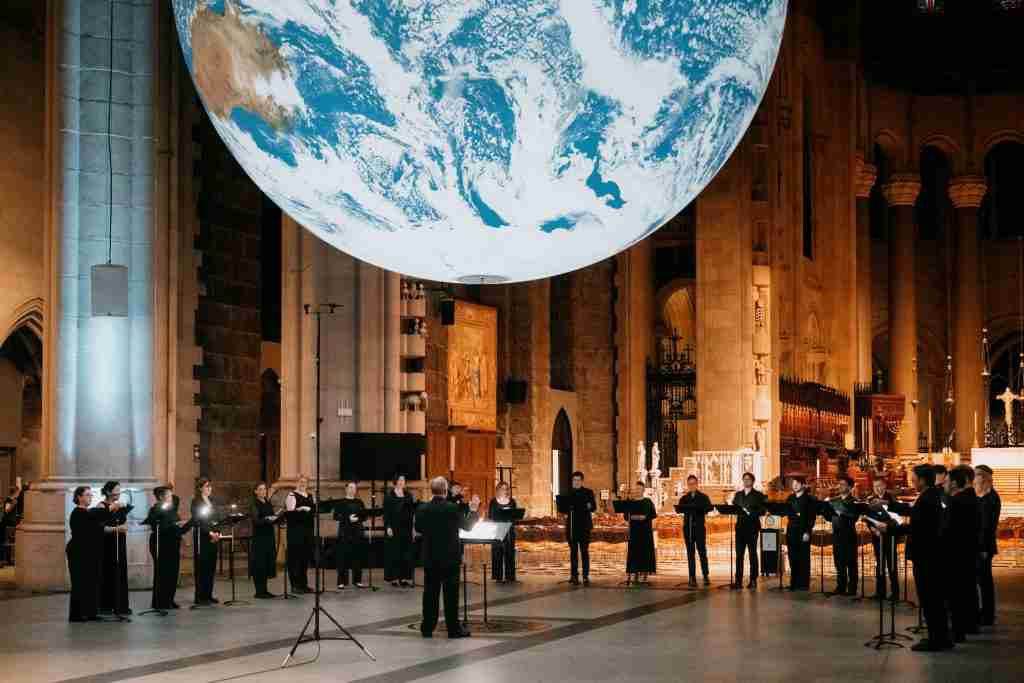
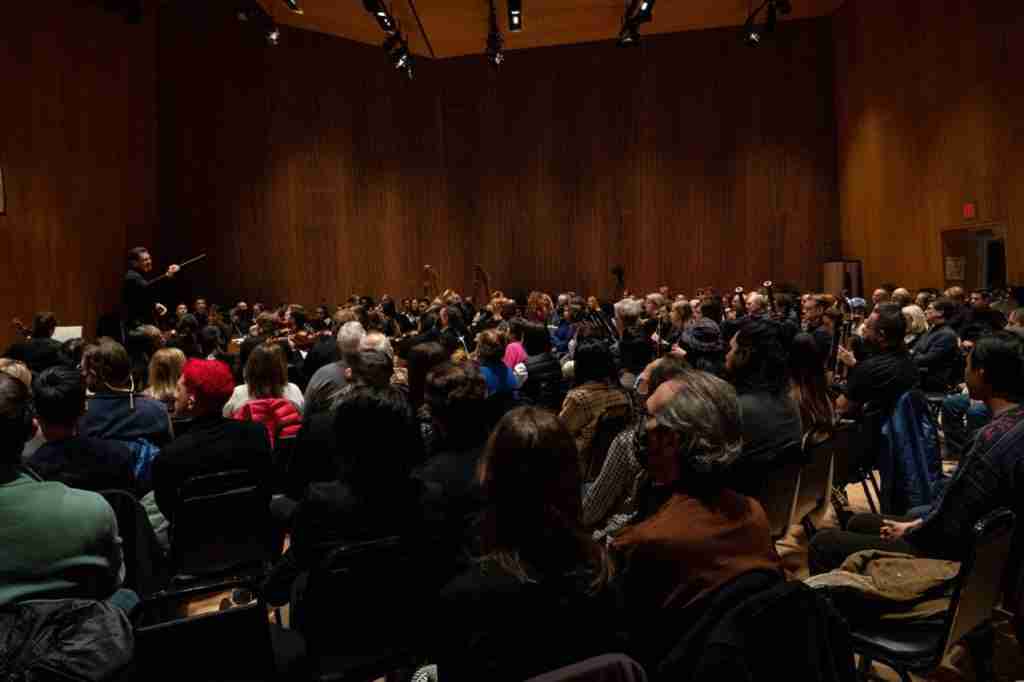
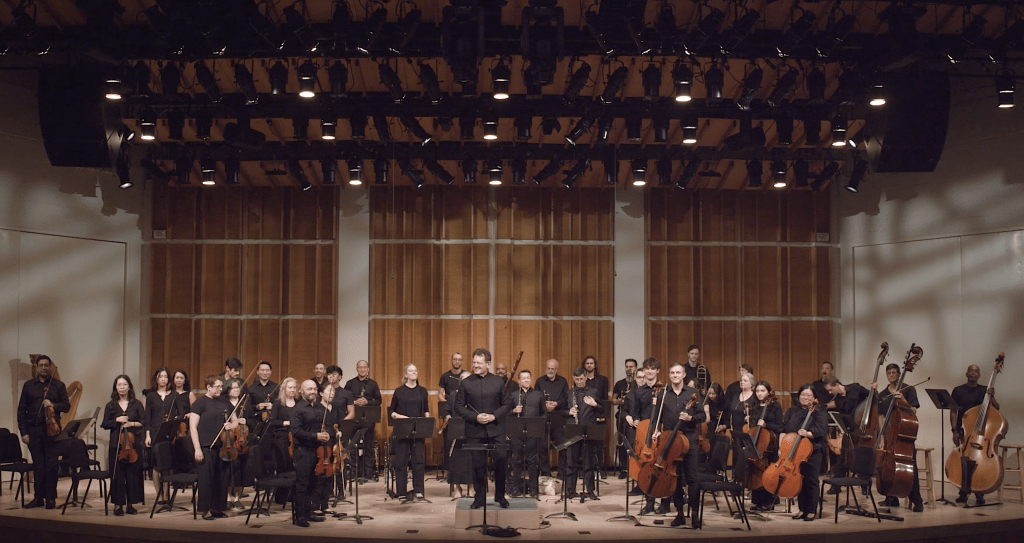
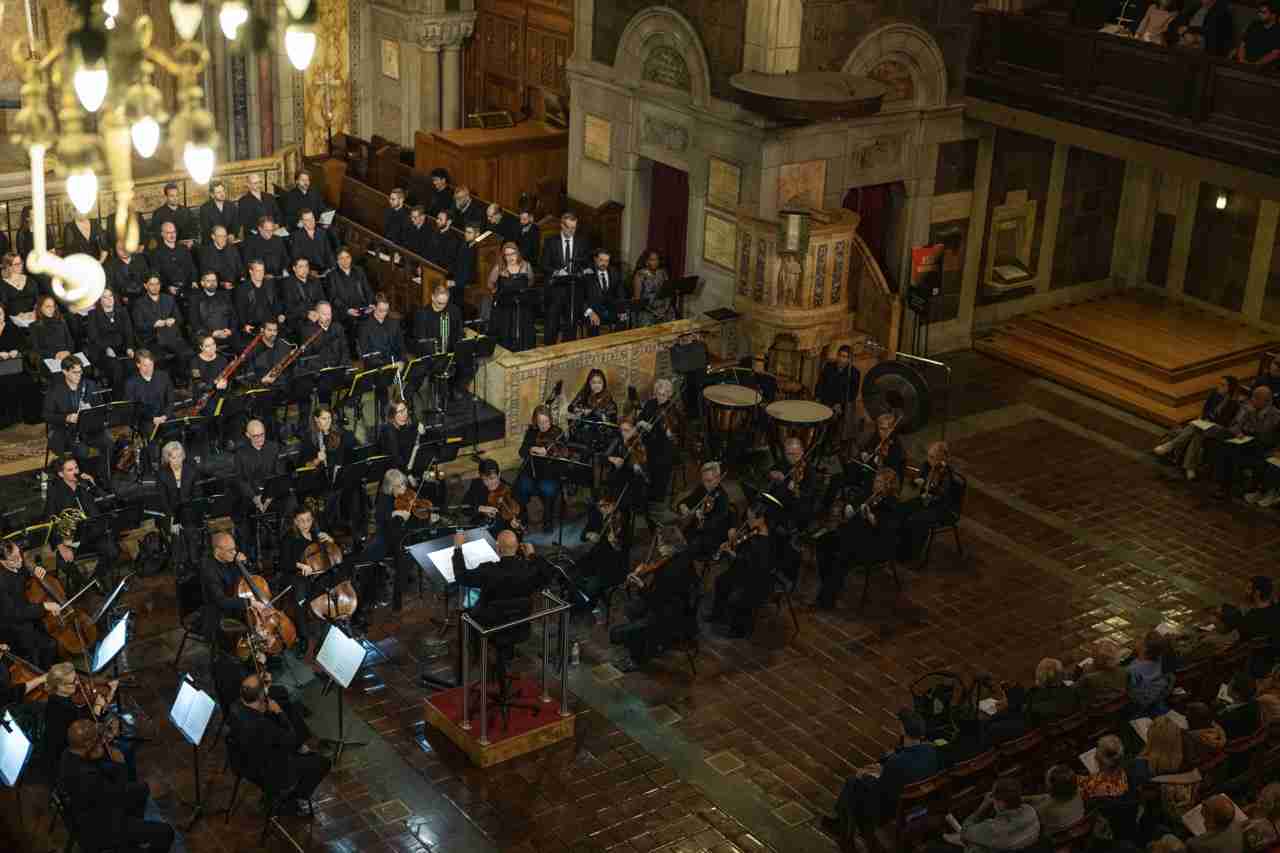
How curious it is that death should sing so beautifully. Last evening, enveloped in the Byzantine splendor of St. Bartholomew’s Church on Park Avenue, the American Symphony Orchestra and Bard Festival Chorale transformed mortality into transcendence through a program that enjoined the sacred with the sublime. Under the sagacious baton of Leon Botstein, this “Requiem and Revelation” concert unveiled treasures both familiar and forgotten, reminding us that the most fantastic art emerges from humanity’s most profound mysteries.
The Cornelius Revelation: An American Premiere
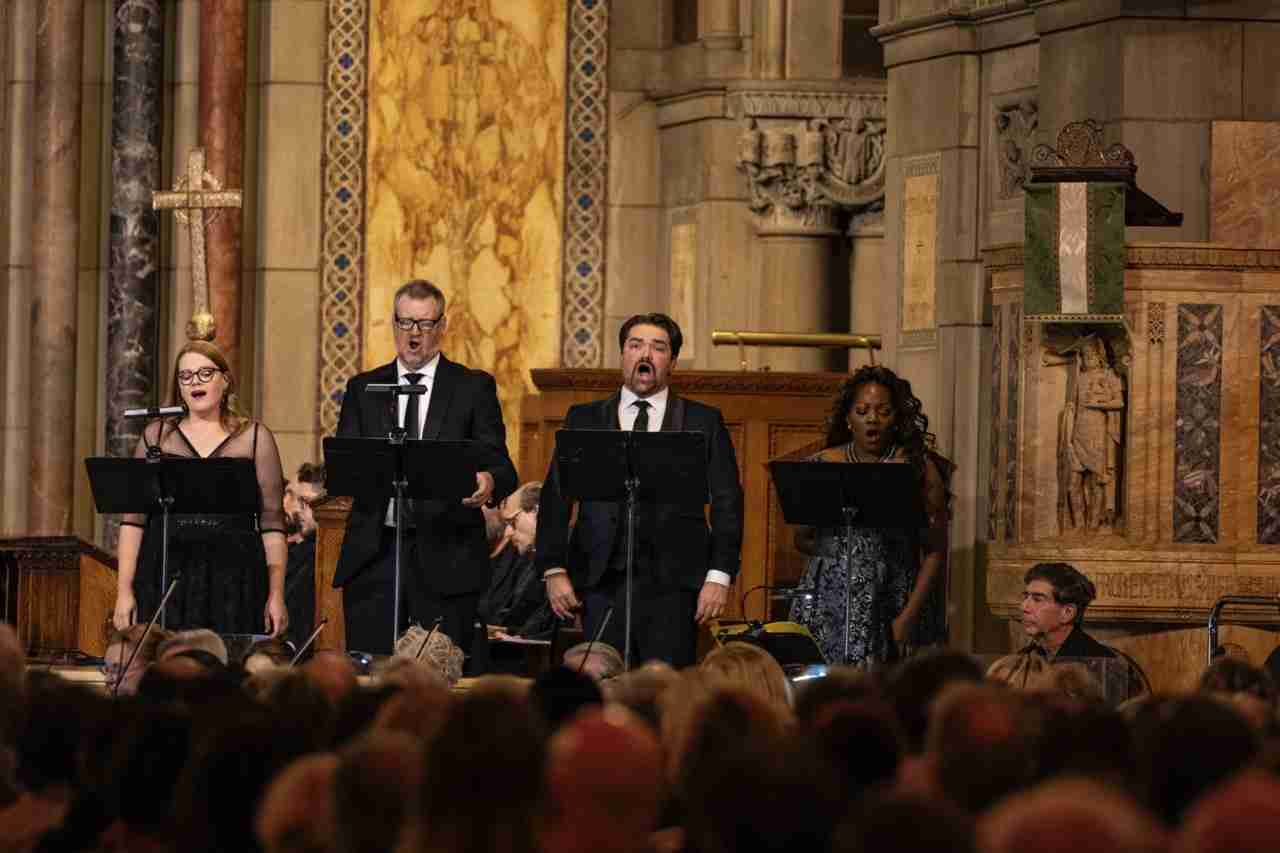
Indeed, Maestro Botstein has once again proven himself the musical champion of archaeology, exhuming Peter Cornelius‘s 1849 “Stabat Mater” from undeserved obscurity for its American premiere. Furthermore, this work proved a masterpiece of early Romantic sensibility, its rich chromatic harmonies weaving through the text like silk threads through a tapestry. Soprano Wendy Bryn Harmer soared magnificently through the work’s most demanding passages, her voice ascending with the effortlessness of incense through the nave’s soaring heights. Meanwhile, her three distinguished colleagues—mezzo-soprano Krysty Swann, tenor Eric Taylor, and bass Harold Wilson—each performing with remarkable aplomb, created a vocal constellation that illuminated Cornelius’s sophisticated choral architecture.
Instrumental Excellence and Sacred Drama
Particularly noteworthy was the principal cellist’s contribution, whose instrument became the very voice of lamentation itself during the work’s most poignant moments. Subsequently, the strings embraced Cornelius’s intones with a warmth that suggested technical mastery bound to profound emotional intelligence. Brass, winds, and percussion, with an unexpected dramatic “gong” in the Cherubini work, were dramatic, solid, and sonorous. The a cappella segments, moreover, revealed the Bard Festival Chorale, under James Bagwell‘s direction, as an ensemble of exceptional refinement, with their voices blending with the architectural acoustics to create what Wagner might have termed a Gesamtkunstwerk—a total work of art.
Cherubini’s Requiem: Death as Consolation
Following the intermission, Luigi Cherubini‘s 1816 “Requiem in C Minor” emerged as a study in contrasts. Where Cornelius had embraced Romantic expressivity, Cherubini offered Classical restraint transmuted into emotional profundity. Nevertheless, this work, too, revealed its own chromatic adventures, particularly in passages where the composer seemed to anticipate Berlioz‘s harmonic innovations. The orchestra’s strings displayed remarkable sensitivity to Cherubini’s nuanced voicings, while the brass proclaimed the Dies Irae with apocalyptic authority tempered by dignity.
Sacred or Secular: The Eternal Question
One cannot help but ponder whether these composers viewed their requiems as genuine acts of devotion or as concert works dressed in liturgical garments. Like Fauré‘s gentle Requiem or Mozart‘s incomplete Mass, these works seem to occupy that liminal space between cathedral and concert hall. Indeed, as T.S. Eliot observed in his “Four Quartets,” “prayer is more than an order of words, the conscious occupation of the praying mind.” Similarly, these musical orisons transcend their ostensible religious function to become meditations on the human condition itself.
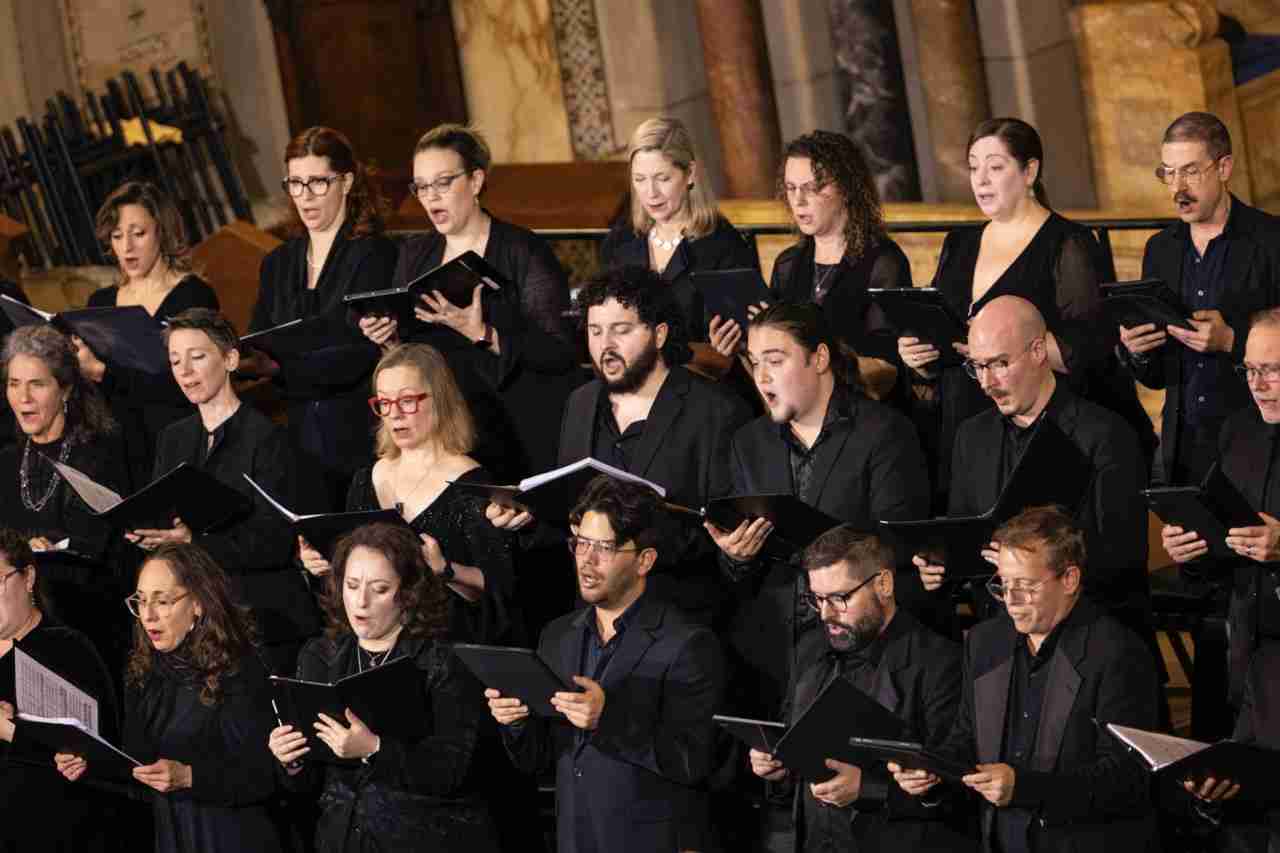
The Stokowski Legacy Lives On
How fitting that such revelations should unfold within St. Bartholomew’s, where the spirit of Leopold Stokowski—once the church’s organist and choir director—surely smiled upon the proceedings. This magnificent Byzantine-Romanesque edifice, with its perfect acoustical embrace, transformed each phrase into a three-dimensional immersive experience. Moreover, the space seemed to breathe with the music, its very stones resonating with centuries of sacred sound.
Masterful Musical Architecture
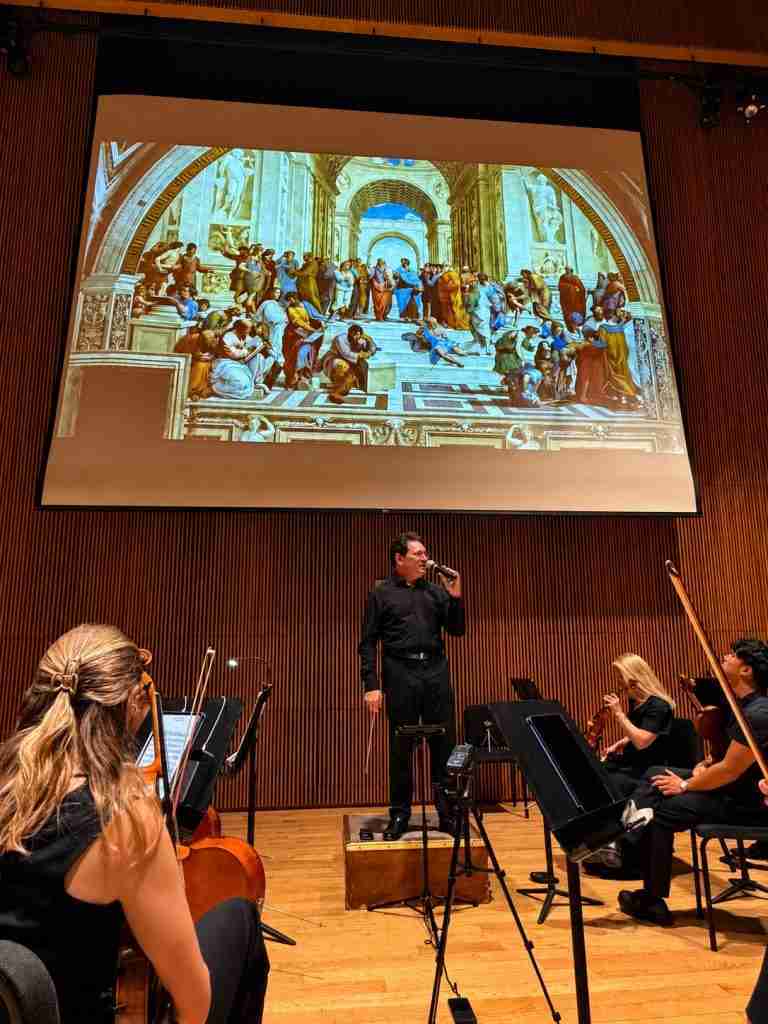
Botstein’s pre-concert talk and “A Note From the Director” in the program booklet had prepared the audience beautifully for the journey ahead. At the same time, Sonja Wermager‘s comprehensive program notes for tonight’s concert provided scholarly depth without sacrificing accessibility. Subsequently, this careful preparation allowed even newcomers to navigate the works’ complex emotional and spiritual terrains with confidence and context.
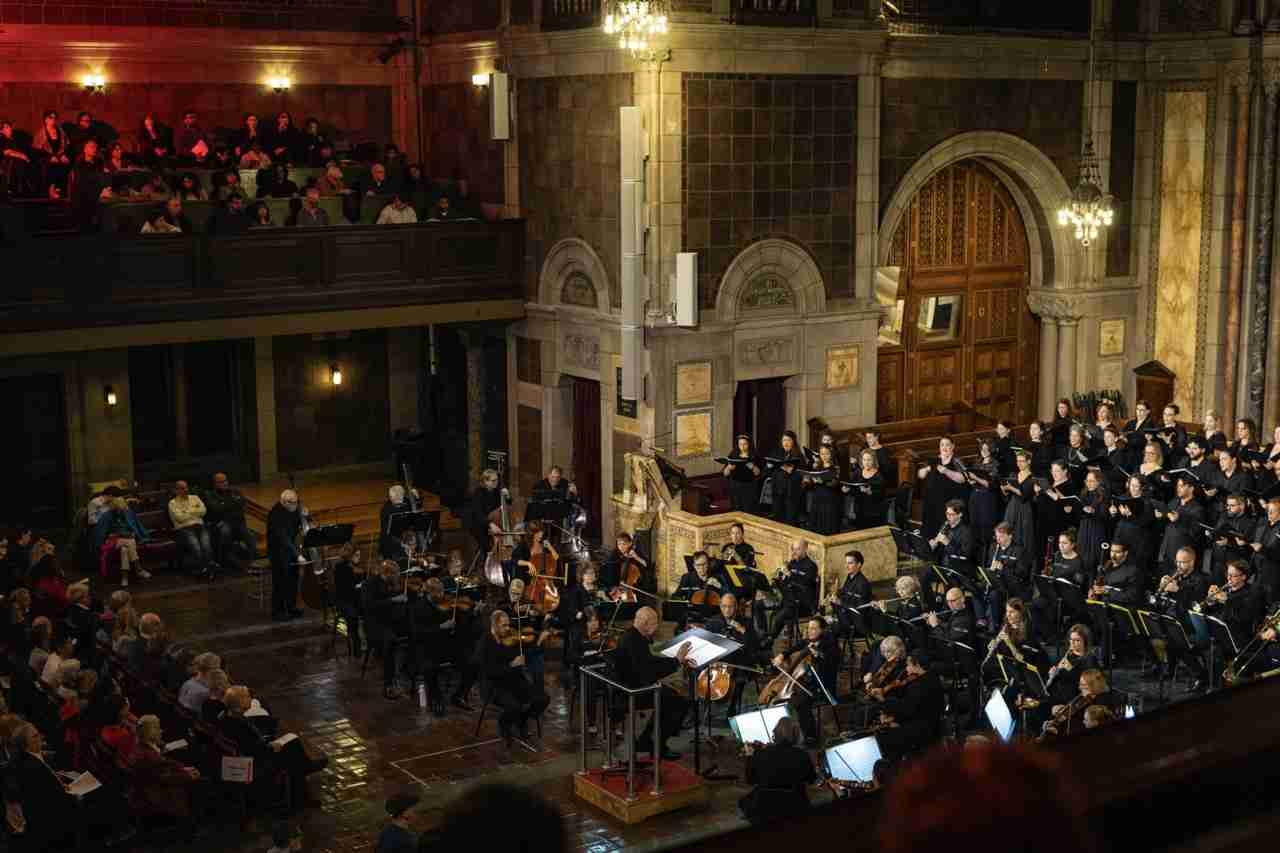
A Call to Musical Pilgrimage
As the final intones of Cherubini’s glorious denouement dissolved into St. Bartholomew’s hallowed silence, one could not escape the feeling that we had witnessed something precious—a musical colloquium in which the living and the dead conversed through the art of music and verse. Clearly, the American Symphony Orchestra continues to prove that adventurous programming and exceptional performance need not be mutually exclusive. Instead, they demonstrate that the most excellent service to “classical” music lies not in endless repetition of warhorses but in the courageous excavation of buried treasures, presented with the conviction and artistry they deserve.
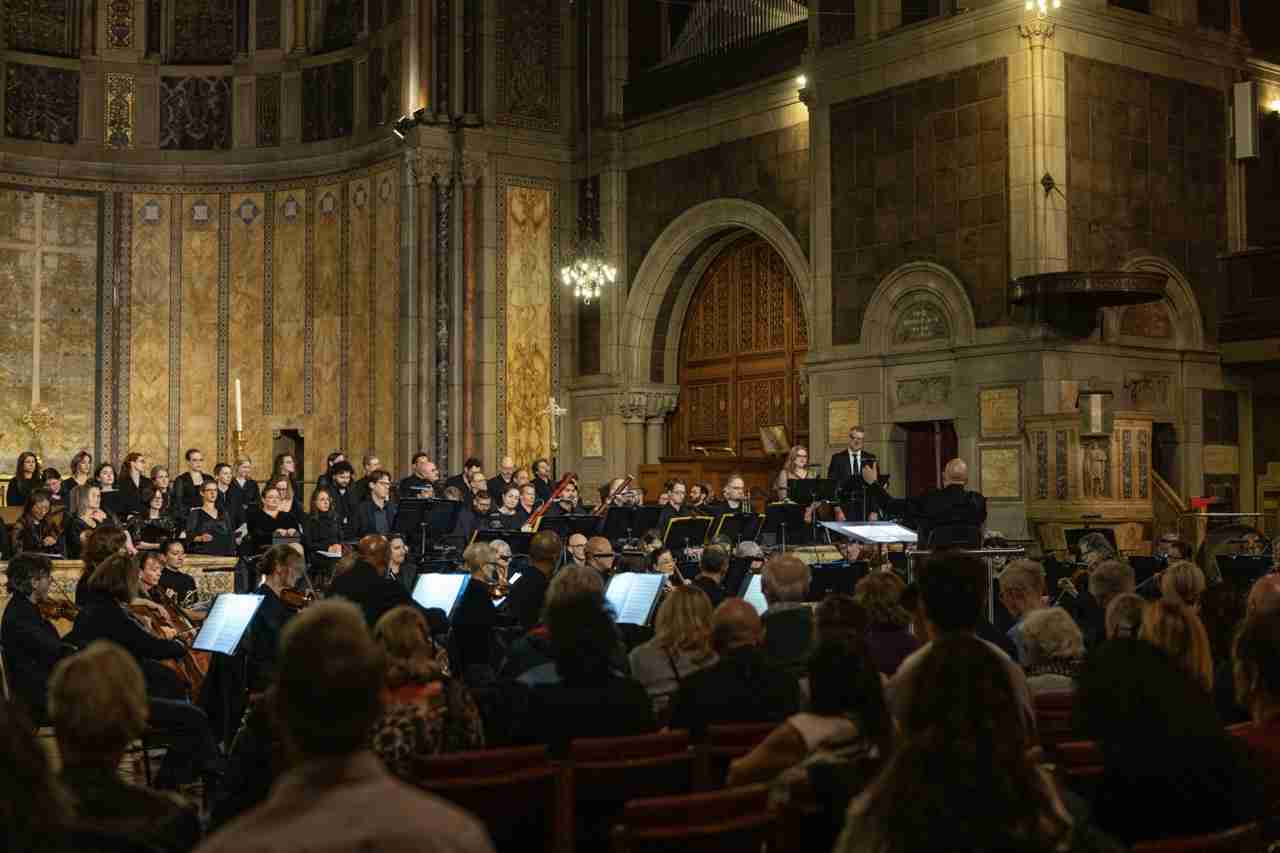
Requiem and Revelation: A Transcendent Evening at St. Bartholomew’s
American Symphony Orchestra
Address: 110 West 26th Street, Suite 901
New York, NY 10001
Phone: (212) 868-9276
Season Tickets: Purchase 2025-26 Season Tickets