
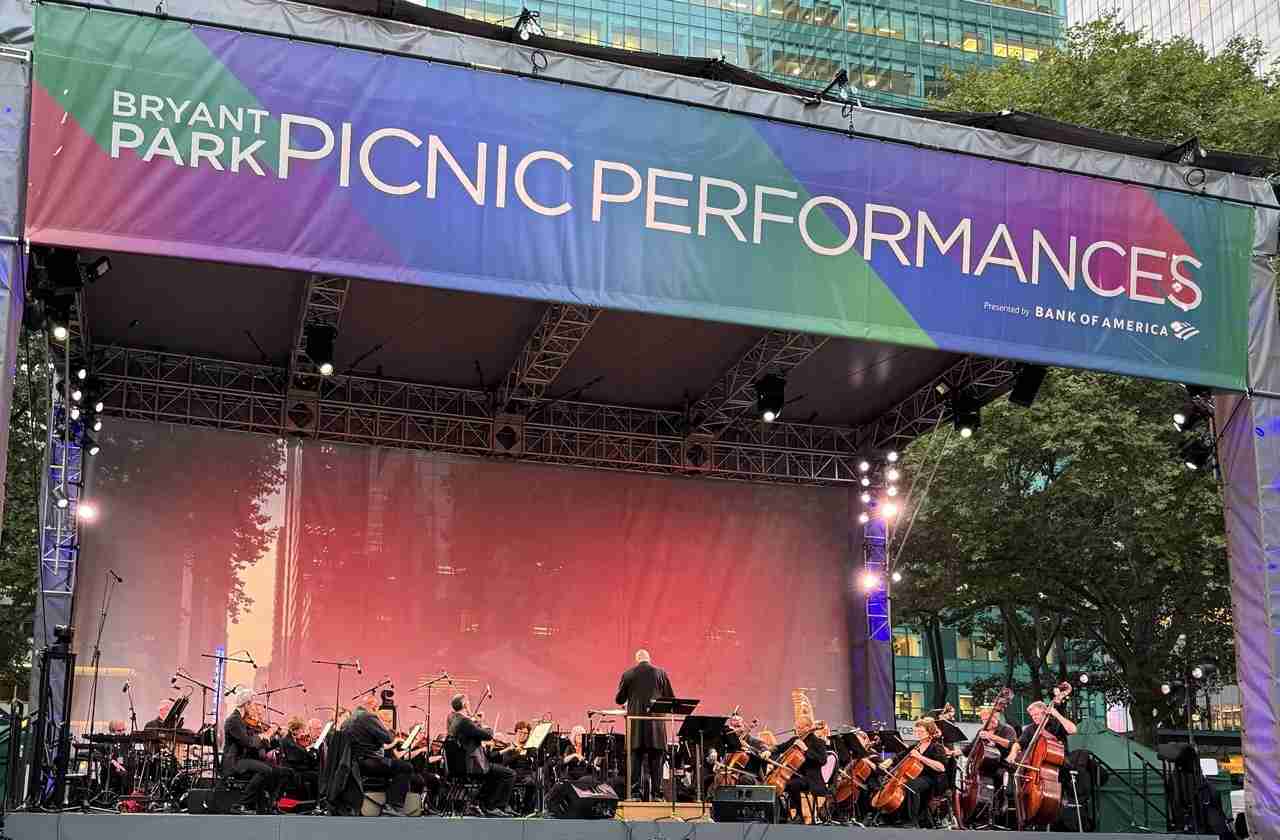

New York – Beyond The Hall by the American Symphony Orchestra at Bryant Park
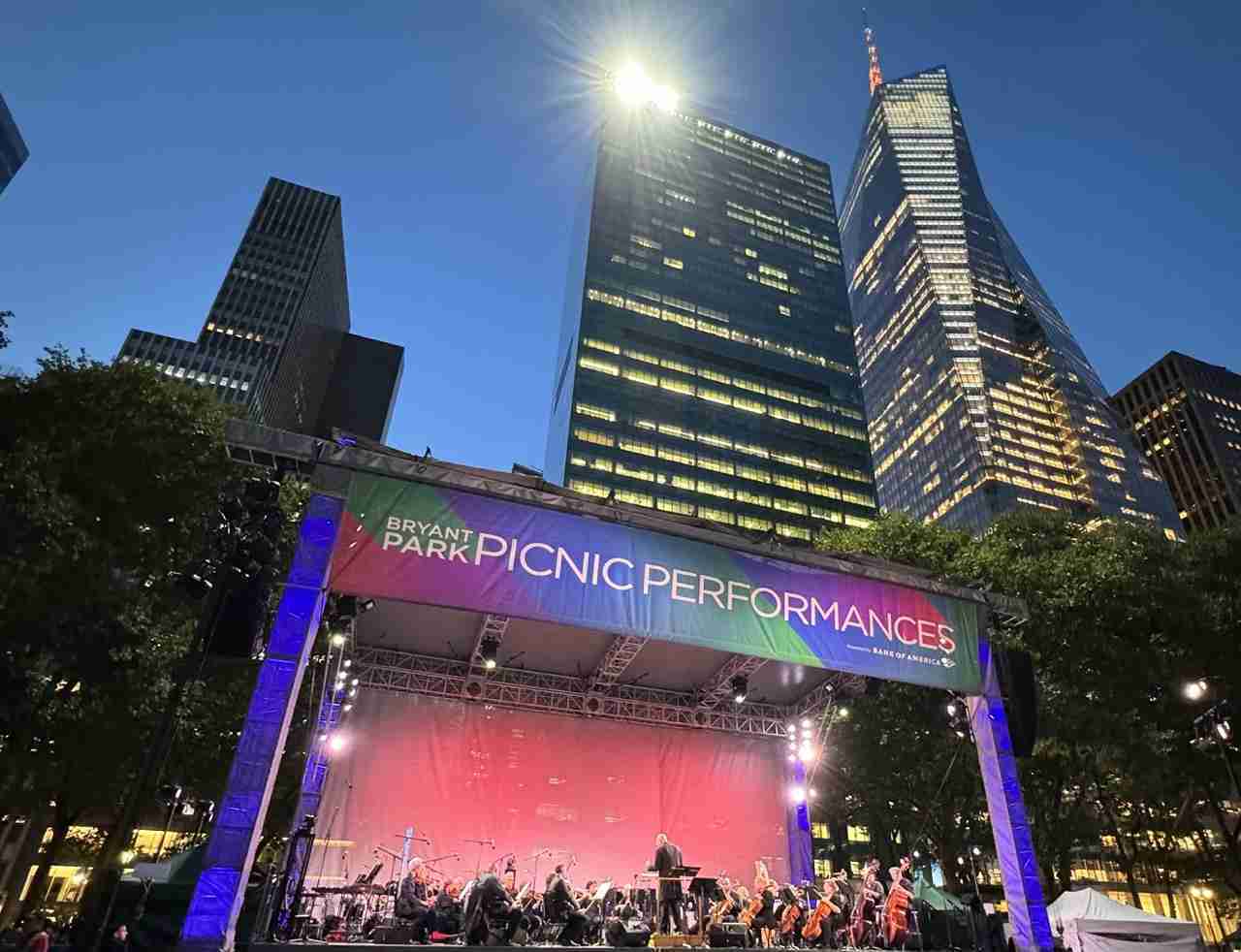
It was a beautiful summer night at Bryant Park in New York City as thousands assembled to see and hear the fabulous American Symphony Orchestra. From the onset, one was struck with the charm and nostalgia of live music in the village square, with visitors, families, and friends sitting on benches, blankets, or chairs, enjoying the same experience. People sitting on blankets or in chairs chatting occasionally, the hum of their voices blending with the music, but far softer and less urgent than in the busy streets.
Communal Entertainment
The setting holds a deep sense of history, evoking memories of summer nights, outdoor festivals, or small-town celebrations, where music was a form of communal entertainment before the rise of digital entertainment. It evokes reminders of simpler times when live performances were a prime source of joy and connection.
Despite being in the city and surrounded by broad avenues and skyscrapers, Bryant Park has trees and grassy areas where one might hear leaves rustling in the breeze or the faint chirping of birds or crickets in quiet moments. Of note was the striking contrast between the subtle qualities of the music and the ever-present city noises in the background. But as listeners were drawn into the music, they escaped from the city’s sirens, engines, horns, and footsteps as the cacophony of bustling sounds grew more distant.
In essence, tonight’s concert by the American Symphony Orchestra was more than a concert of superb music; it was a celebration of communal heritage interwoven with the fabric of small-town life. It was an experience with a timeless quality, where modern life meets a gentler, more connected past.
Insightful, Inspirational Exordiums
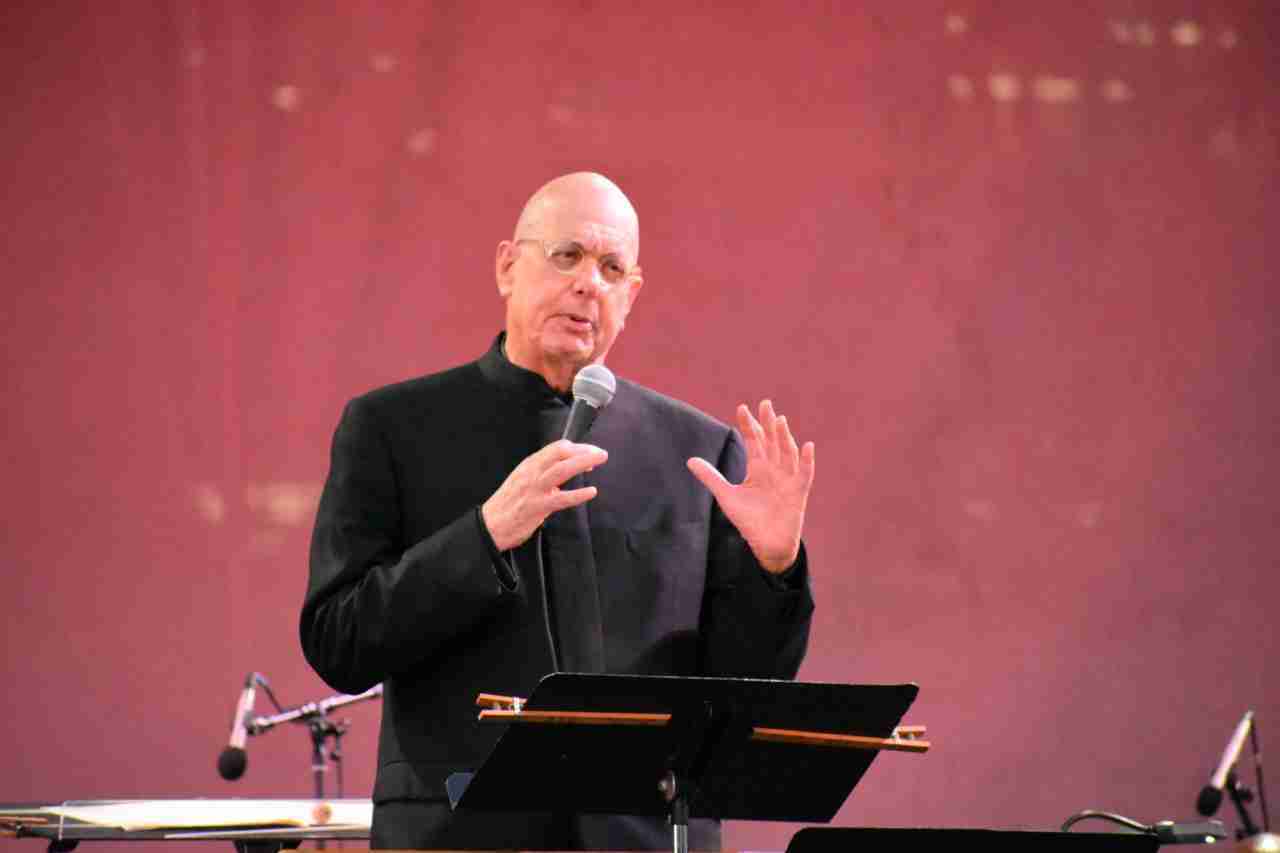
Maestro Leon Botstein opened the concert with introductions and the first of his insightful, inspirational exordiums about each musical work to be performed. Considering tonight’s collection of luminescent, brilliant works, Botstein explained that music can tell stories and support and project theatrical experiences. That’s clearly seen in the film genre. Many of my comments about the works performed are derived from Botstein’s exceptional descriptions.
The ASO began with Scott Joplin’s Treemonisha, a rare blend of classical operatic structure with ragtime rhythms for which Joplin was most famous. Botstein noted the resurgence of Joplin’s music after its predominant role in David S. Ward’s film The Sting. Released in 1973, The Sting was directed by George Roy Hill and starred Paul Newman and Robert Redford.
Winning several Academy Awards, The Sting is notable for its clever plot centered around two con men in 1930s Chicago and its use of Scott Joplin’s ragtime music, particularly “The Entertainer.” It also incorporates African American folk songs, spirituals, and traditional call-and-response forms. This fusion was groundbreaking at the time, as it combined the high-art form of opera with the rhythms and styles of African American popular music, making it accessible and artistically complex.

Identity and Cultural Pride
Next, the ASO performed Florence Price’s Suite of Dances, a vibrant, culturally rich composition combining African American musical traditions with classical forms. It featured fusions of rhythmic energy, melodic beauty, orchestral color, and a celebration of dance.
As a product of an African American woman composing in the early 20th century, Price’s Suite of Dances resonates with themes of identity and cultural pride. The suite honors the African American experience, incorporating dance and music traditions familiar to Black communities at the time while making these traditions accessible to the concert hall.
Psycho
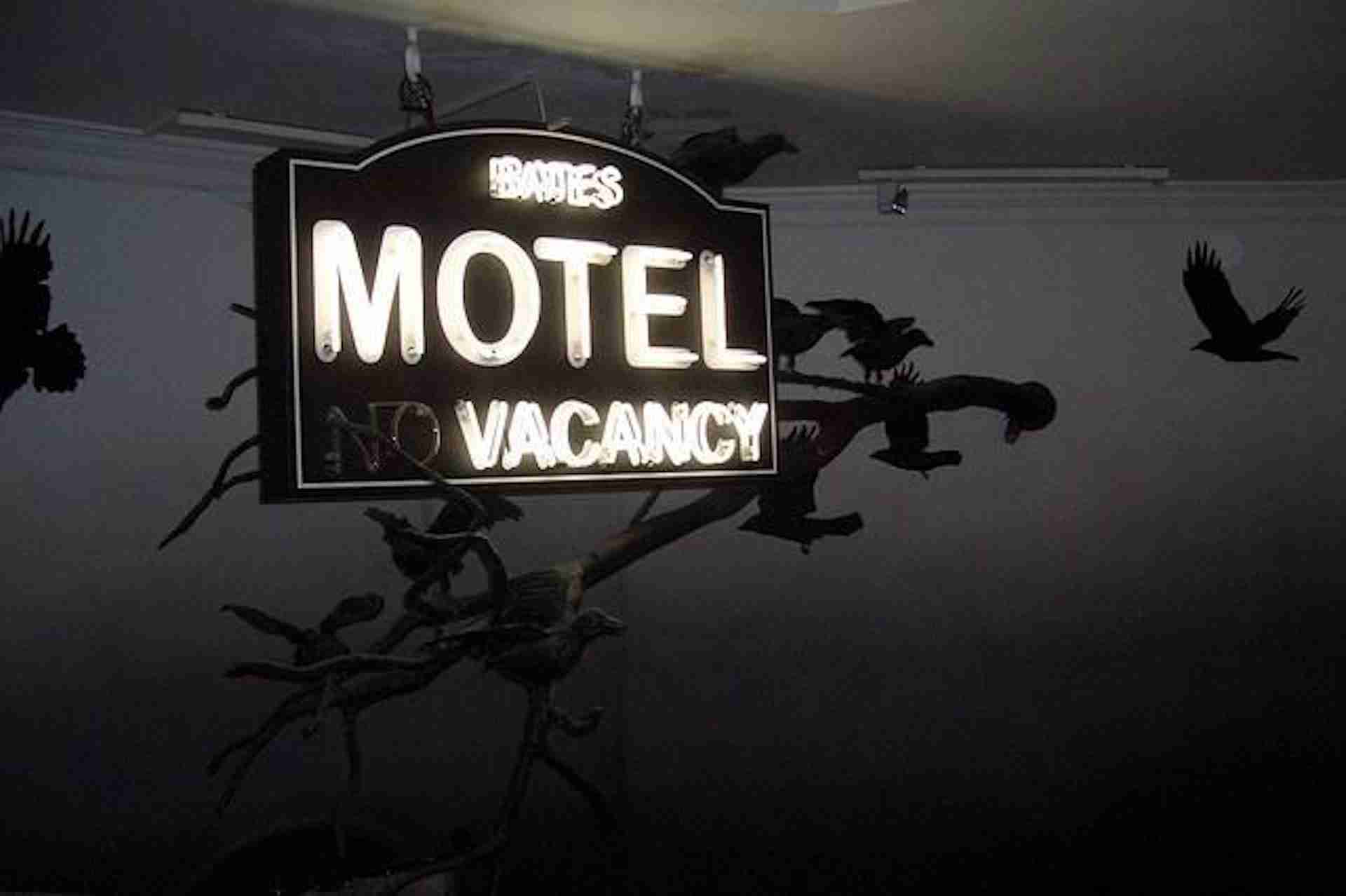
Bernard Hermann’s Psycho Suite is based on his score for Alfred Hitchcock’s groundbreaking film Psycho. Herrmann employed leitmotif, notably a three-note descending motif associated with Norman Bates’s troubled psyche. This minimalist approach mirrored the simplicity and emotional depth of the film’s themes, underscoring the duality in Norman’s character and the psychological complexity of the narrative.
For tonight’s listeners recalling the visual and dramatic elements of Hitchcock’s oeuvre, many indeed experienced quivering horripilation from the spare, haunting qualities of Herrmann’s score.
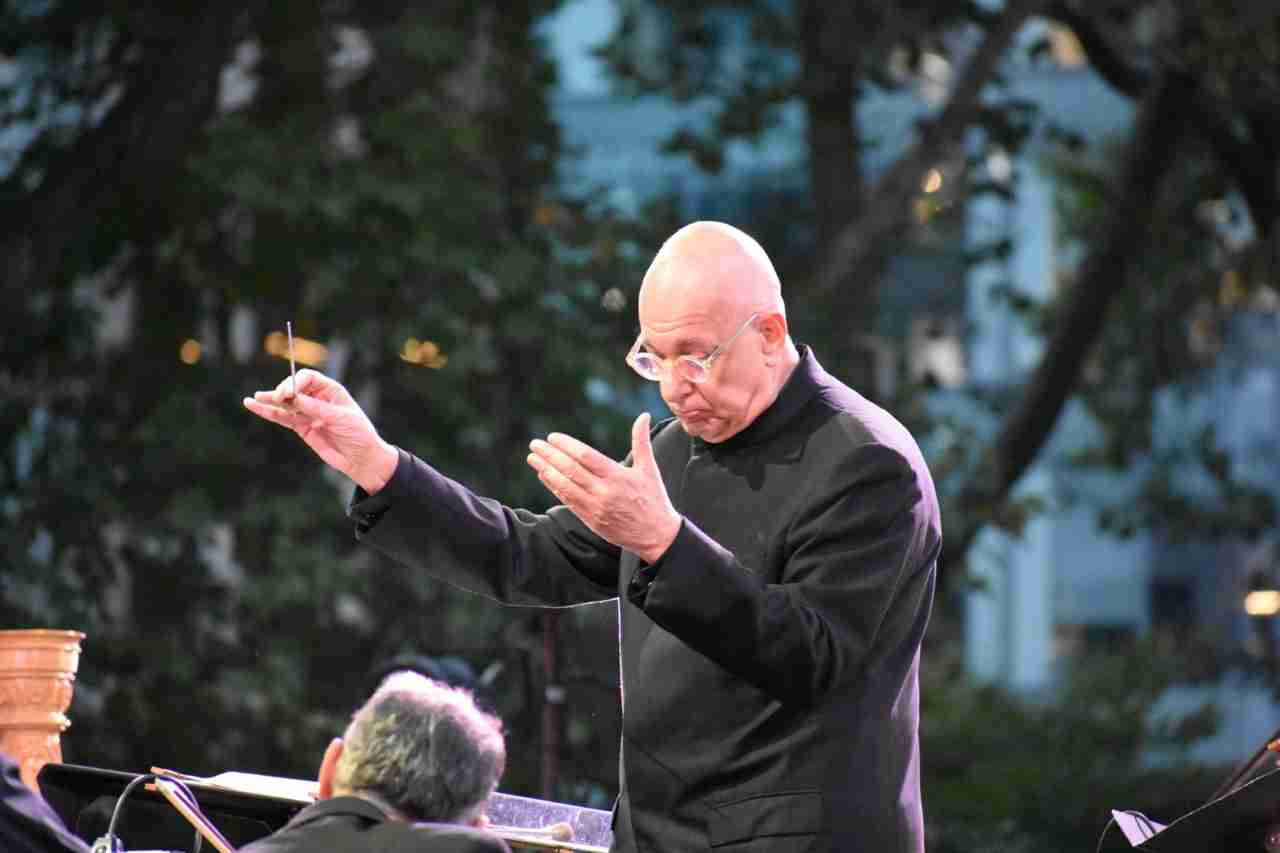
The orchestra ably projected Herrmann’s modernist score, which relies on dissonance to display cinematic unease in the film’s gripping, mysterious, tragic circumstances. While unresolved chordal tensions, delicious discordance, and edgy harmonies amplified the film’s atmosphere of dread, these elements ably reflected the characters’ chaotic mental states. They added to an overall sense of volatility and uncertainty. Hitchcock famously said, “33% of the effect of Psycho was due to the music.”
The power of this music set against the backdrop of city sounds was almost psychedelic in its sonic clarity.
High and Low Culture
Kurt Weill’s Dreiggroschenmusik (Three Penny Opera) followed with its jaunty, catchy tunes, including the song Mack the Knife, famously recorded by Bobby Darin. This work bridges the gap between high and low culture (culture haute et basse) by merging classical forms with popular music, jazz, and cabaret elements. Drawing on the bon vivant style of 1920s Berlin, Weill blends operatic structures with the sounds of street music and dance halls. This mixture was modern and radical, challenging the separation between “serious” music and everyday entertainment.
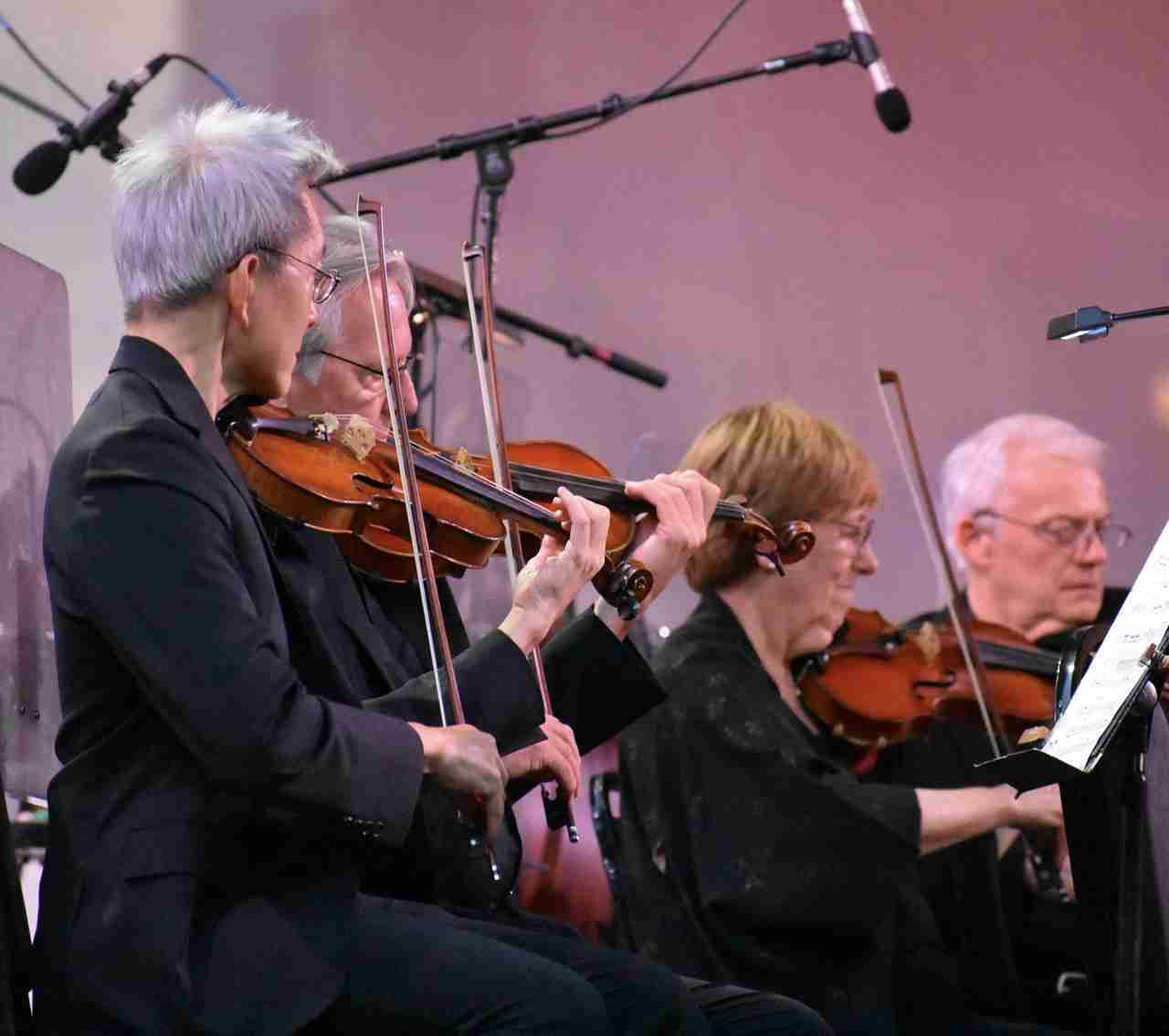
The change in instrumentation we witnessed was delightful. As most of the orchestra left the stage, an unusual ensemble that included banjo, saxophone, piano, and percussion alongside some traditional orchestral instruments arrived. This idiosyncratic ensemble helped create the work’s distinctive sound, blending the brashness of street music with refined orchestration. The banjo and saxophone contributed to the suite’s jazz and cabaret influences, giving it a raw, urban quality.
Three Penny Opera
Readers may recall the 1954 revival of Weill’s Three Penny Opera at the Theatre de Lys (later renamed the Lucille Lortel Theatre) in Greenwich Village. Directed by Carmen Capalbo and produced by Stanley Chase, this production was performed in English, with a translation by Marc Blitzstein preserving the satirical edge of Bertolt Brecht’s text while bolstering accessibility to American audiences.
The revival ran for an astonishing 2,707 performances over seven years, making it one of the longest-running Off-Broadway shows in history at the time.
Leonard Bernstein
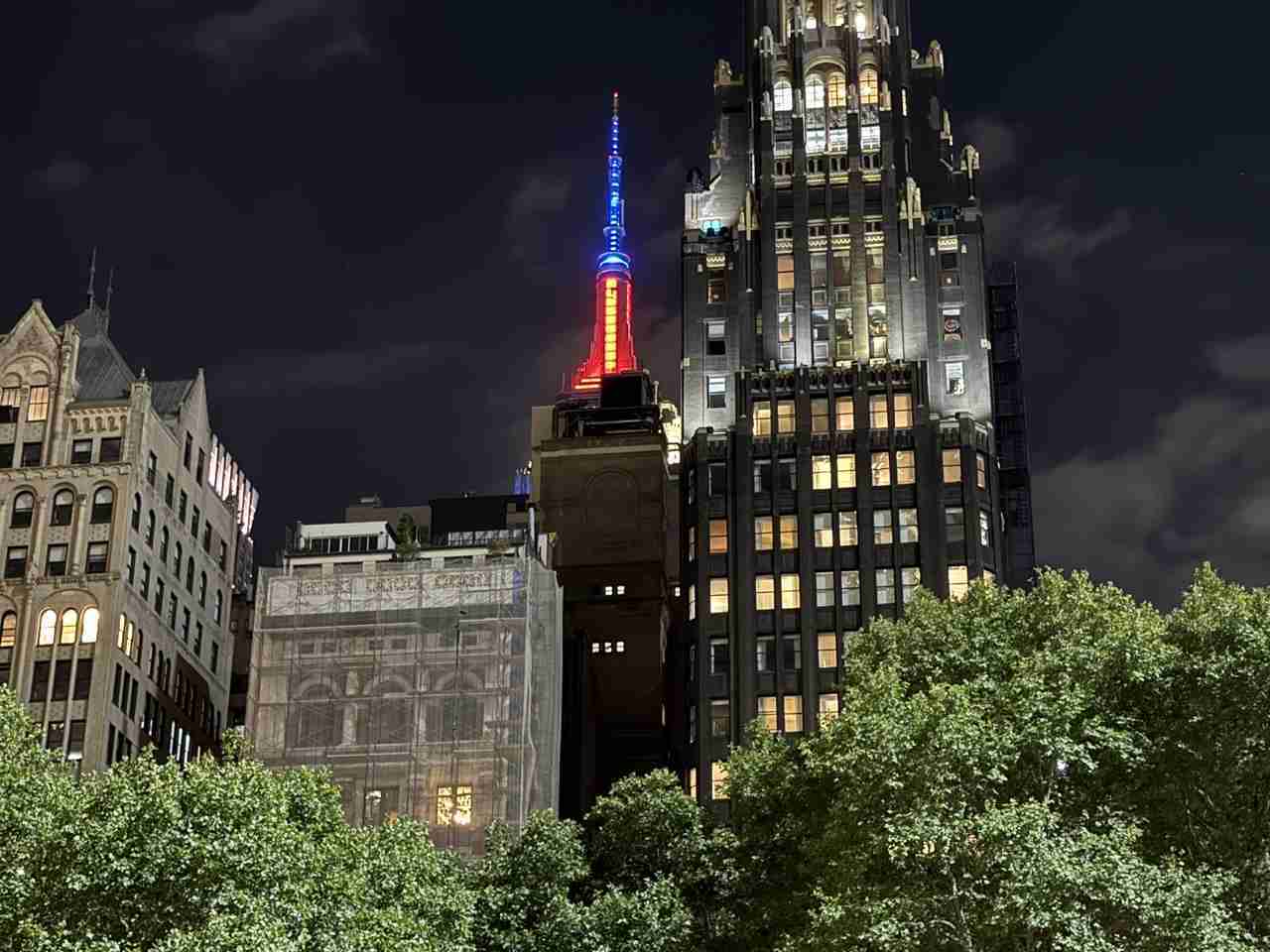
The concert finished with Leonard Bernstein’s Three Dance Episodes from “On the Town.” This was a perfect choice to close a splendid concert in New York City. Though only three movements, the Three Dance Episodes cover a broad emotional spectrum, from the exuberance and brash confidence of “The Great Lover” to the quiet introspection of “Lonely Town” to the explosive, celebratory energy of “Times Square, 1944.” This expressive resourcefulness is a hallmark of Bernstein’s work, demonstrating his ability to capture complex human emotions in a way that resonates with audiences.
The American Symphony Orchestra is a superb organization led by the acclaimed conductor, music director, and educator Leon Botstein. Check their website for an exciting season of splendid music.
Beyond The Hall by the American Symphony Orchestra at Bryant Park
Leon Botstein, Conductor
American Symphony Orchestra
1330 Avenue of the Americas
Suite 23A
New York, NY 10019
212-868-9276 info@americansymphony.org
For tickets and information, go to https://americansymphony.org/current-season/
Readers may also enjoy our reviews of Opera in the Garden by OnSite Opera, Norm Lewis at 54 Below, Tony Danza, Meg Okura at the Met Museum, Laura Benanti at the Minetta Lane Theater, Brazilian Jazz at Le Bab Ilo in Paris, and Marilyn Maye birthday celebration at 54 Below.