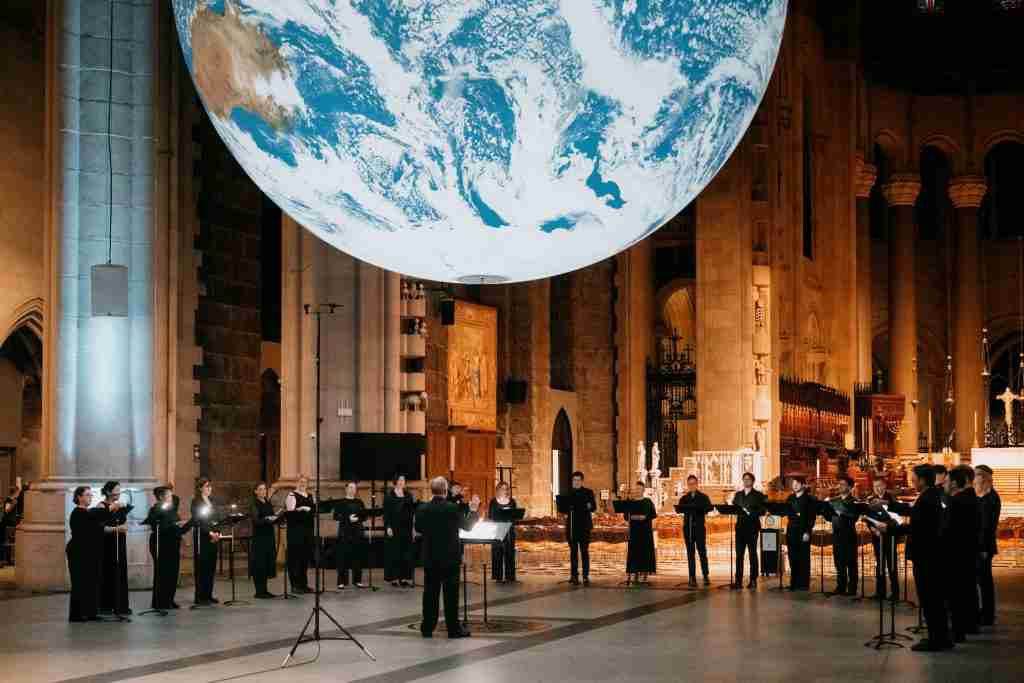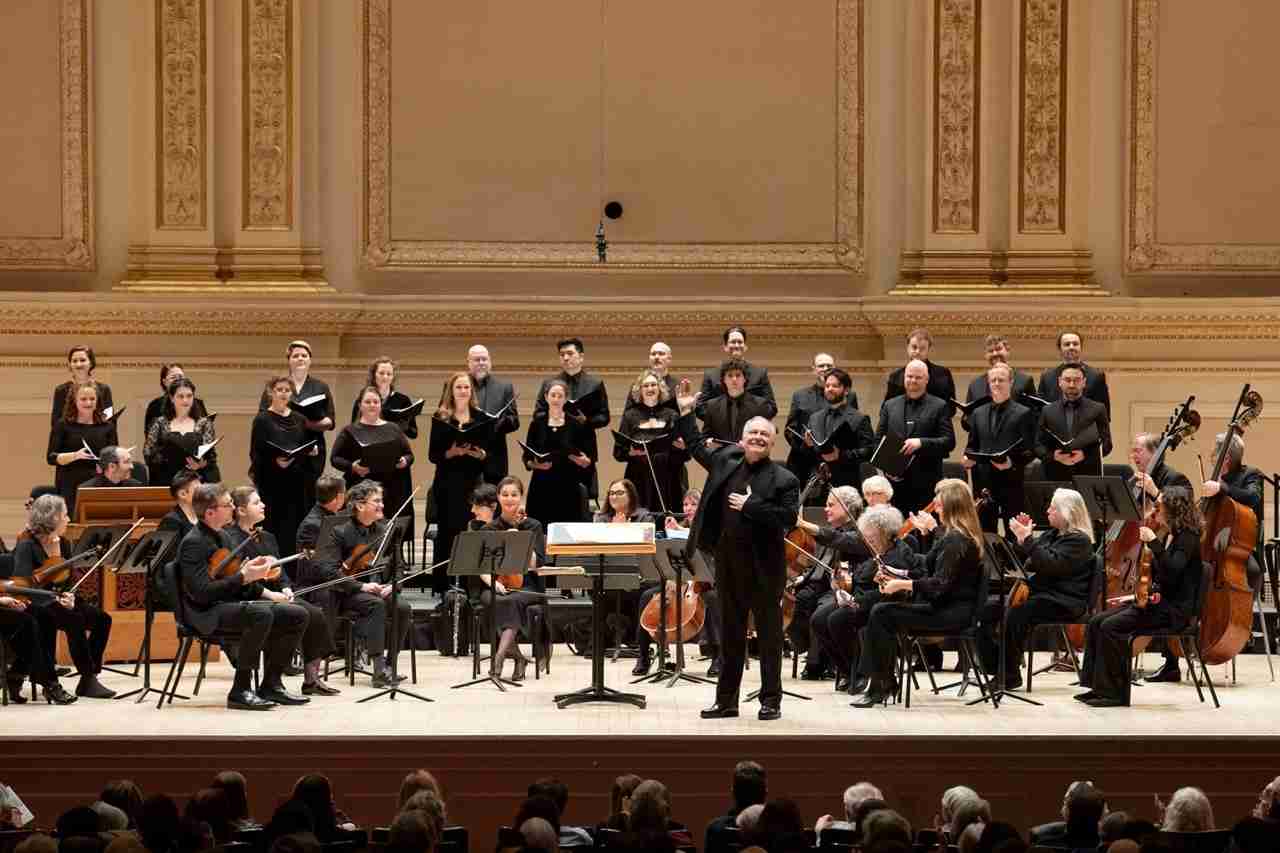

There are evenings when the stars align—when venue, ensemble, and repertoire conspire to create something ineffable, something that transcends mere performance and enters the realm of the transcendent. Such was the case on Wednesday evening when Musica Sacra, New York’s longest continuously performing professional chorus, graced the hallowed stage of Carnegie Hall’s Isaac Stern Auditorium with their annual “Classics for Christmas” program. Indeed, this venerable hall—with its superb provenance and acoustics that seem to have been designed by angels themselves—provided the apposite setting for an evening of musical magnificence.
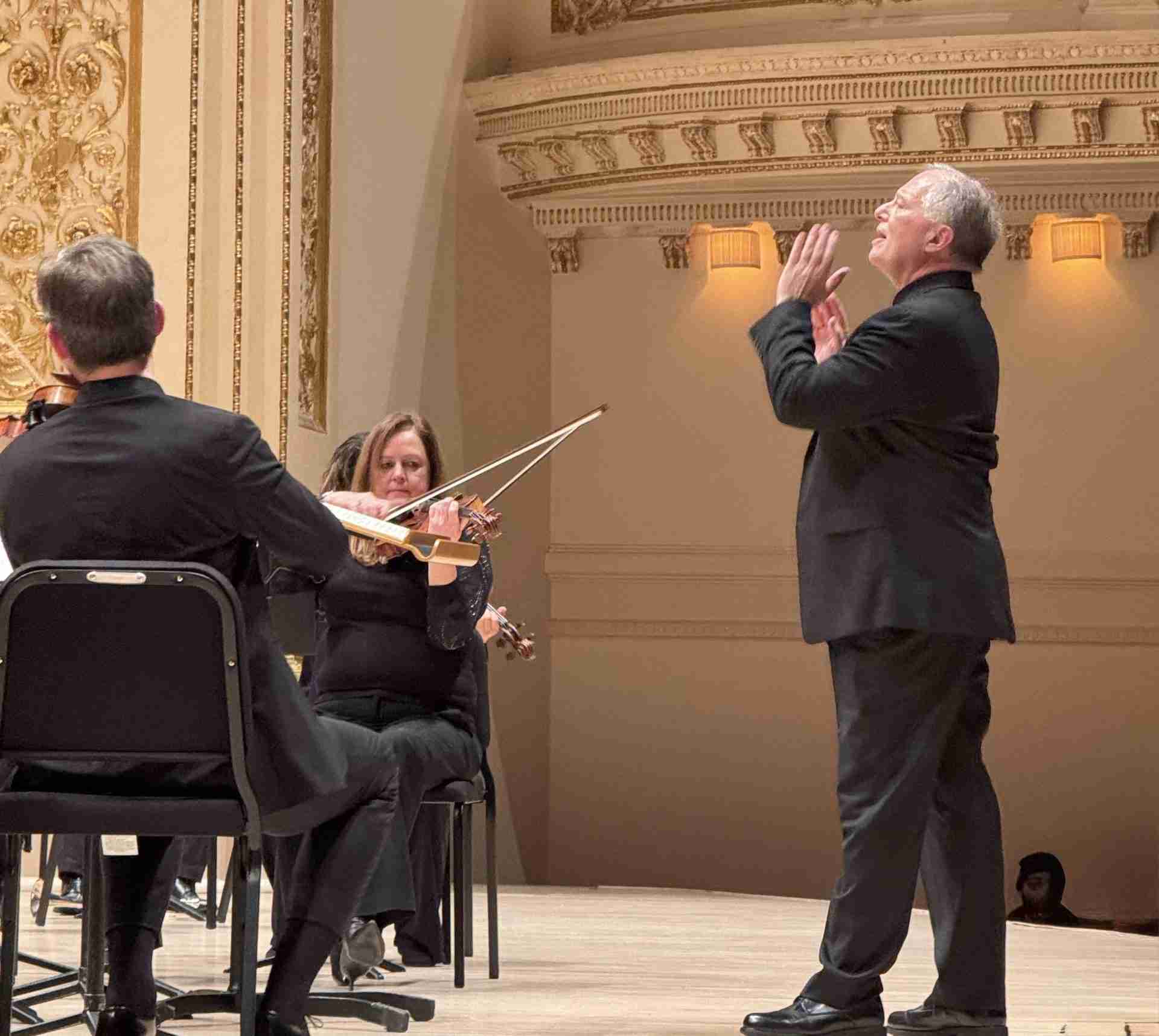
Under the luminous baton of Music Director and Impresario Kent Tritle—whom The New York Times has aptly called “the brightest star in New York’s choral music world”—the ensemble delivered a performance that was, in equal measure, intellectually rigorous and deeply moving. Moreover, Tritle’s expressive, enthusiastic conducting throughout the evening demonstrated why he remains the preeminent force in American choral music.
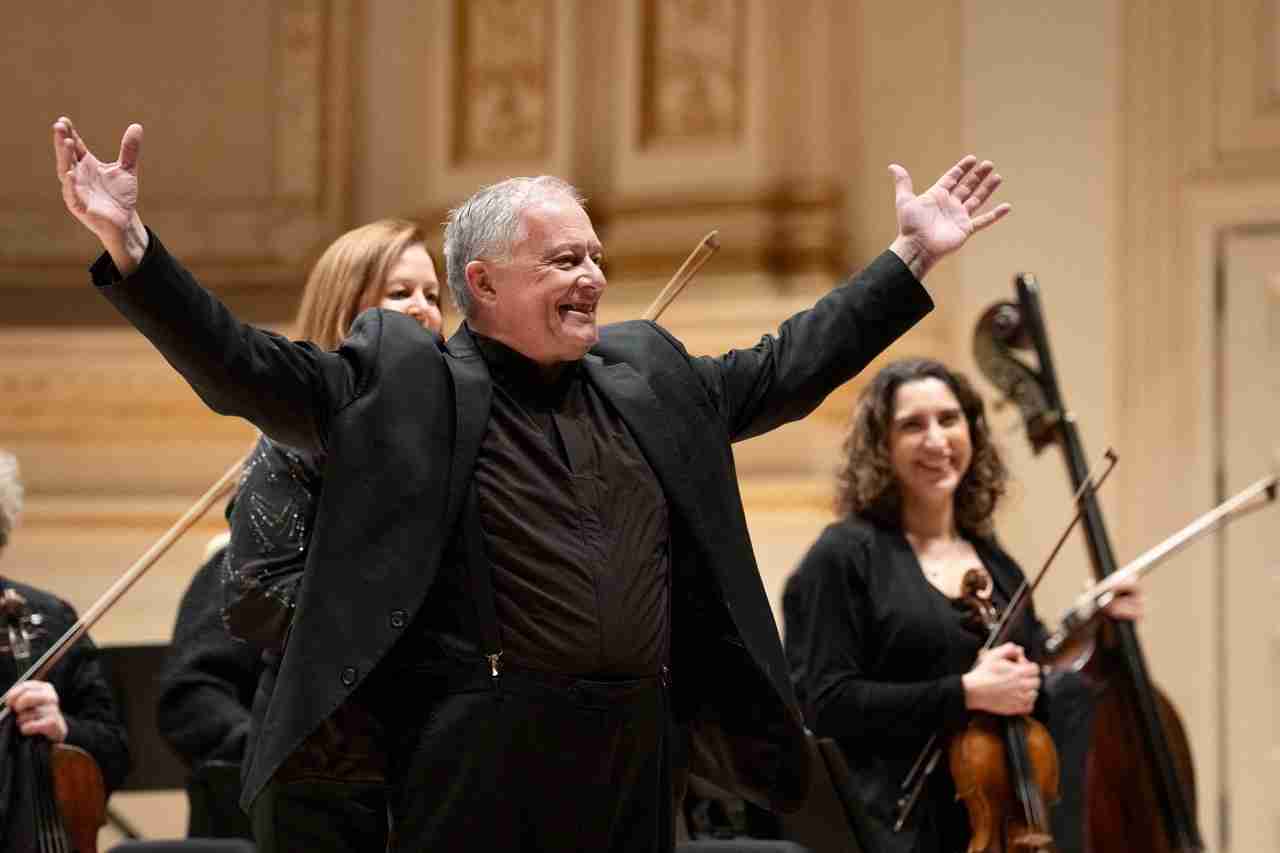
Bach’s “Gloria in excelsis”: A Fanfare of Celestial Joy
The program opened with Johann Sebastian Bach’s magnificent “Gloria in excelsis” from his Mass in B Minor—a work of such polyphonic intricacy that it demands nothing less than perfection from its performers. Accordingly, the Musica Sacra Chorus and Orchestra rose magnificently to the occasion. The balance between choir and orchestra was exemplary and elegant; the sixteen independent vocal and instrumental parts danced together in what the program notes correctly described as “a joyous triple-meter fanfare.” Here was Bach’s brilliant oeuvre rendered with luminous clarity, immediately establishing the evening’s tone of celebratory excellence.
Thompson’s “Alleluia”: The Choir’s Sublime A Cappella Prowess
What followed was a most exquisite demonstration of the choir’s remarkable capabilities. Randall Thompson’s Alleluia—that “fanfare for voices” born of wartime contemplation—was performed a cappella with such elegance and pathos that one felt transported. As the philosopher Susanne Langer once observed, “Music is the tonal analogue of emotive life,” and nowhere was this more evident than in the choir’s gorgeous gradual build to the work’s apex and denouement. The pitch was impeccable, the blend seamless, and the musicality profound—a testament to the finely crafted skills that distinguish this ensemble.
Corelli’s “Christmas Concerto”: The Doctrine of Affections Made Manifest
Subsequently, Arcangelo Corelli’s Concerto Grosso in G Minor, Op. 6, No. 8—the celebrated “Christmas Concerto”—demonstrated the strings’ splendid sonority. Performed by strings and continuo (organ), this glorious, well-crafted work beautifully embodied in all its manifestations the Affektenlehre (doctrine of affections) of the Baroque era. Special recognition must be given to the concertmaster, principal second violin, and principal cello, whose interplay masterfully evoked the pastoral sounds of Italian shepherds on that first Christmas night.
Soprano Kathryn Lewek: A Voice of Crystalline Magnificence
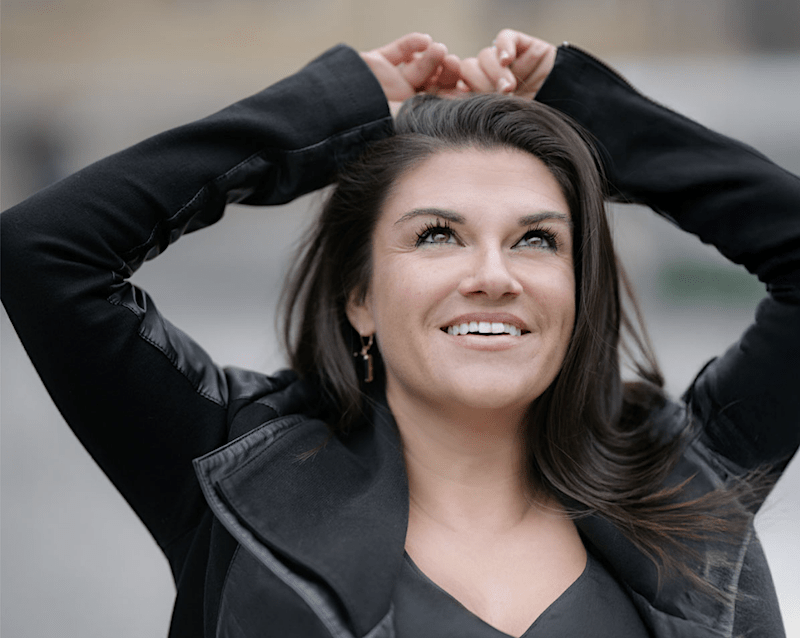
The evening’s vocal centerpiece was undoubtedly the Scena from Handel’s Messiah, featuring the ecstatically marvelous soprano Kathryn Lewek. To say Lewek’s performance was mesmerizing would be an understatement. Her soaring, gorgeous intones were crafted and performed with such grace and virtuosity that one recalled The New York Times‘ assessment: “singing like Lewek’s is what the magic of opera is all about.”
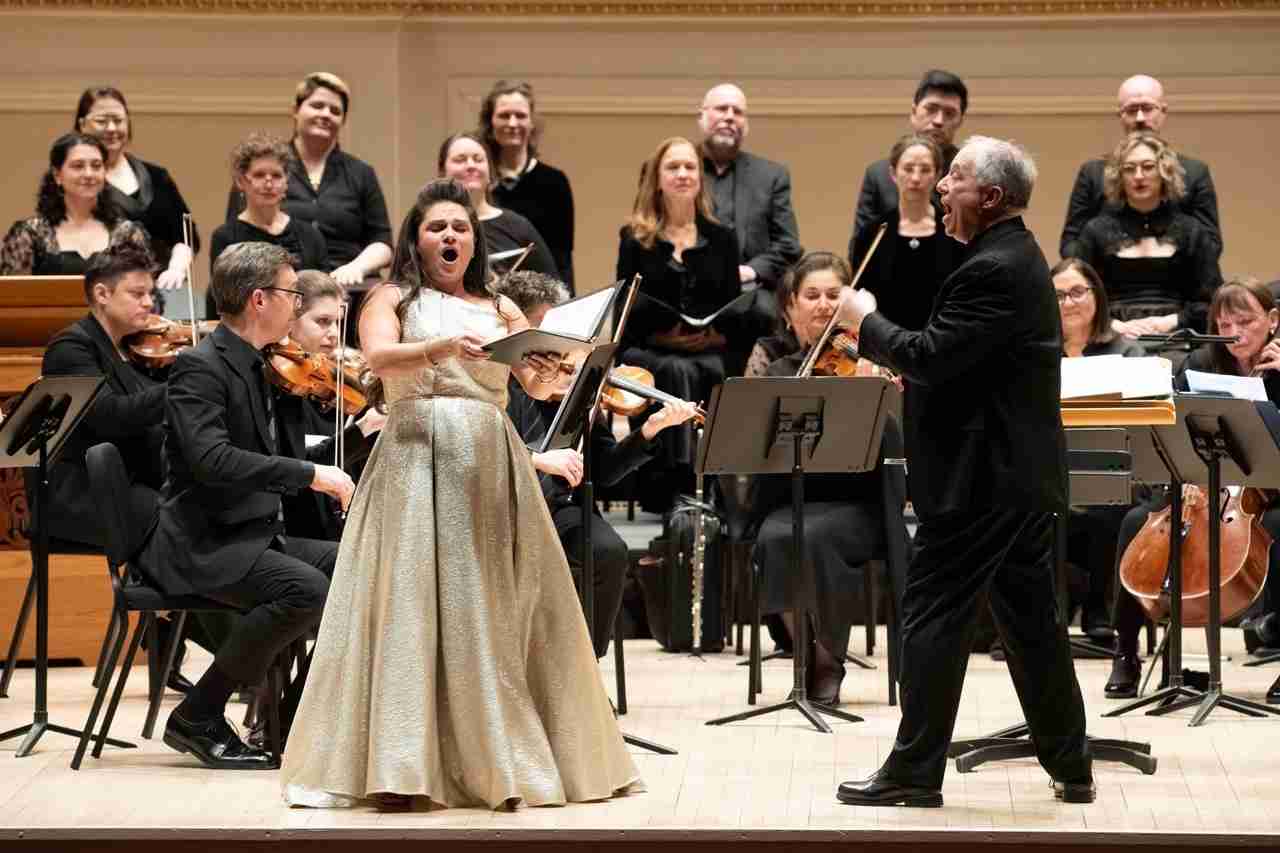
Her tone and sonority were pure, her expressive powers formidable, and her melismatic passages in “Rejoice Greatly” were performed seemingly without effort—a testament to her remarkable facility and style. Indeed, this is an artist whose sumptuous range and crystalline purity remind us why we attend live performances: to witness the ineffable made audible.
From Poulenc to Paish: A Panoply of Contemplative Beauty
Francis Poulenc’s O magnum mysterium, performed a cappella, offered a marvelously captivating change in musical styles—a testament to Tritle’s gift for selecting music from varied eras that fit perfectly within a unified thematic arc. Furthermore, Helena Paish’s “While Mary Slept”—composed when this Scottish prodigy was merely eighteen years old—featured the exquisite voices of Adrienne Lotto (soprano) and Clifton Massey (countertenor). This haunting lullaby demonstrated Tritle’s commitment to bringing new works to the forefront, creating a panoply of sonic landscapes that embrace celebration, family, love, generosity, and thankfulness.
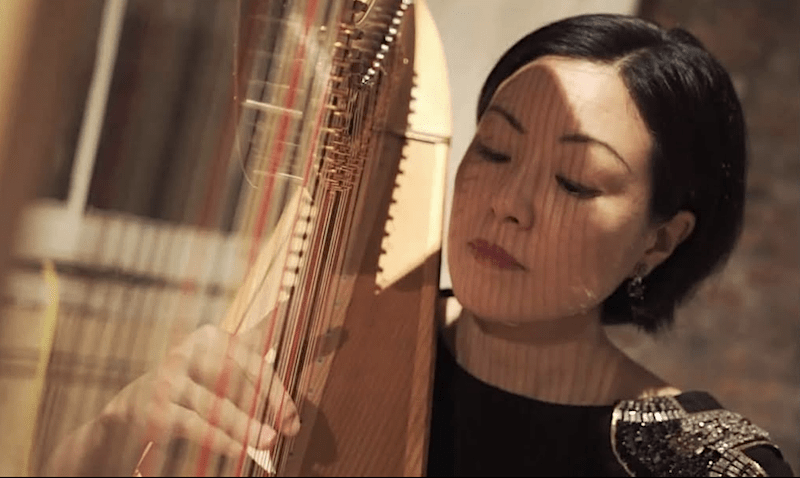
Harpist Mariko Anraku: Otherworldly Elegance
The second concerto of the evening brought to the stage the incomparable Mariko Anraku, associate principal harpist of the Metropolitan Opera Orchestra. In Handel’s Harp Concerto in B-flat Major, Anraku expressed an exquisite, effervescent, otherworldly beauty that fully justified The New York Times‘ description of her as “a masterful artist of intelligence and wit.” Her fingers seemed to coax light from the strings, transforming the Baroque dance forms into something at once ancient and utterly contemporary.
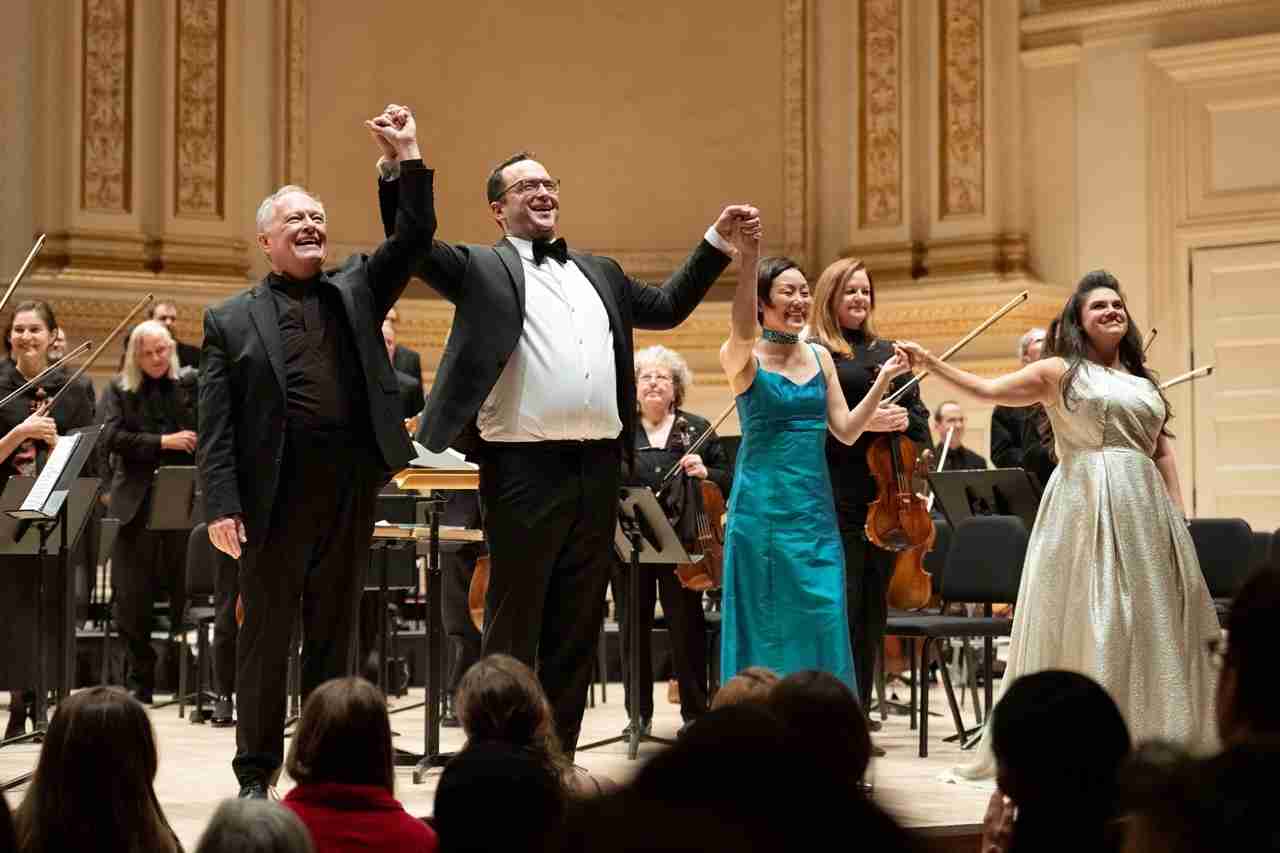
A Heart-Rendering Finale: From Adam to Handel
Adolphe Adam’s beloved Cantique de Noël, beautifully arranged by K. Scott Warren and conducted by Associate Music Director Michael Sheetz, featured Lewek once again in a marvelous, moving rendition of this familiar carol. Rachmaninoff’s magnificent “Bogoroditse Devo” from his “All-Night Vigil”, performed a cappella, provided a beautiful transition to the evening’s triumphant conclusion: Handel’s “Worthy is the Lamb” from Messiah.
The audience rose with thunderous applause, prompting an encore of the “Hallelujah” chorus—and everyone stood, just as King George II reportedly did so long ago. Marvelous, moving, inspiring!
An Ensemble Without Peer
In the final analysis, this concert affirmed what devotees of Musica Sacra have long known: this is an ensemble of extraordinary virtuosity, impeccable artistry, seamless skills, expressivity, and profound musicality. Under Kent Tritle’s visionary leadership, they continue to set the standard for professional choral performance in America. As Virginia Woolf once noted in her extended essay A Room of One’s Own (1929), “One cannot think well, love well, sleep well, if one has not dined well.” In our context, one cannot live fully without experiencing music of this stature.
Musica Sacra Contact Information
Website: musicasacrany.com
Phone: 862-352-9509
Tickets for 2025-26 Season: Purchase Tickets Here
Upcoming: “Oquin and Shaw” featuring the world premiere of Wayne Oquin’s On the Words of Walt Whitman — featuring soprano Susanna Phillips and baritone John Moore, March 11, 2026, St. Bartholomew’s Church, NYC