

Mozart’s The Magic Flute: A Mesmerizing Journey
Wolfgang Amadeus Mozart’s opera The Magic Flute (Die Zauberflöte) remains one of the most celebrated masterpieces of the operatic repertoire. First performed in 1791, this singspiel—a genre combining sung and spoken dialogue—blends humor, romance, and profound philosophical themes. Written during the final year of Mozart’s life, it reflects his genius, humanity, and perhaps his spiritual journey.
The Narrative: A Tale of Love and Enlightenment
The Magic Flute tells the enchanting story of Prince Tamino and his quest to rescue Princess Pamina. It’s a tale of courage, love, and the triumph of wisdom over ignorance. The opera’s layered subplots intertwine seamlessly, delivering both entertainment and enlightenment.
Act One: The Call to Adventure
The opera begins with Prince Tamino fleeing a deadly serpent. He collapses, only to be saved by the Three Ladies, servants of the Queen of the Night. Tamino awakens and meets Papageno, a bird catcher whose comedic charm offers fun throughout the story.
The Queen of the Night entrusts Tamino with rescuing her daughter, Pamina, who Sarastro imprisons. She gives him a magic flute to protect him. Alongside Papageno, Tamino embarks on a journey to Sarastro’s realm, where trials and revelations await.
Act Two: Trials of Wisdom and Virtue
Tamino learns Sarastro is not a villain but a wise leader striving to guide humanity toward enlightenment. To prove his worth, Tamino undergoes a series of trials. Deeply in love with Tamino, Pamina faces her struggles, including the menacing advances of Monostatos, Sarastro’s servant.
Through bravery and virtue, Tamino and Pamina triumph. Papageno, too, finds love in Papagena, though his path is more humorous than heroic. The Queen of the Night and her conspirators are ultimately defeated, symbolizing the victory of reason over chaos.
The Libretto: Emanuel Schikaneder’s Vision
Emanuel Schikaneder, a playwright and actor, crafted the libretto for The Magic Flute. His text combines fantastical elements with Masonic wisdom, courage, and fraternity ideals. Schikaneder and Mozart were both Freemasons, and their shared beliefs permeate the opera’s narrative and symbolism.
Schikaneder’s skill as a librettist is evident in the opera’s seamless blend of humor and gravitas. The dialogue, while simple, carries profound symbolic meaning. His characters—from the villainous Queen of the Night to the bumbling Papageno—are richly drawn, offering both accessibility and depth.
Learn more about Emanuel Schikaneder.
The Musical Brilliance of Mozart
Mozart’s score for The Magic Flute showcases his unparalleled genius. The music captures the story’s emotional depth and enhances its characters and themes.
The Queen of the Night’s Aria: A Vocal Everest
The Queen of the Night’s aria, “Der Hölle Rache,” demands extraordinary technical skill from the soprano. Its dazzling coloratura passages convey the Queen’s fury and desperation, making it one of opera’s most iconic pieces.
View this post on Instagram
The Magic Flute’s Power
The titular magic flute symbolizes harmony and enlightenment. Its melodies, often played by Tamino, underscore moments of clarity and hope. Papageno’s bells, meanwhile, provide comic relief, showcasing Mozart’s ability to balance humor and pathos.
Pamina’s Aria: A Heartfelt Plea
Pamina’s aria, “Ach, ich fühl’s,” is a tender expression of despair and longing. Here, Mozart’s use of melody and orchestration is deeply moving, reflecting the universality of love and loss.
Historical Context: Mozart’s Final Year
In 1791, Mozart faced financial difficulties and declining health. Yet, his creativity soared, resulting in The Magic Flute, Requiem, and La Clemenza di Tito.
The opera premiered on September 30, 1791, at the Freihaus-Theater auf der Wieden, with Schikaneder playing Papageno. Its immediate success brought Mozart great joy, though he passed away just two months later.
Visit the Freihaus-Theater’s historical site.
Innovations in Opera: Mozart’s Legacy
The Magic Flute broke new ground in several ways. Its combination of folk-like simplicity and sophisticated counterpoint was revolutionary. The spoken dialogue made it accessible, while its profound themes elevated it above typical singspiels.
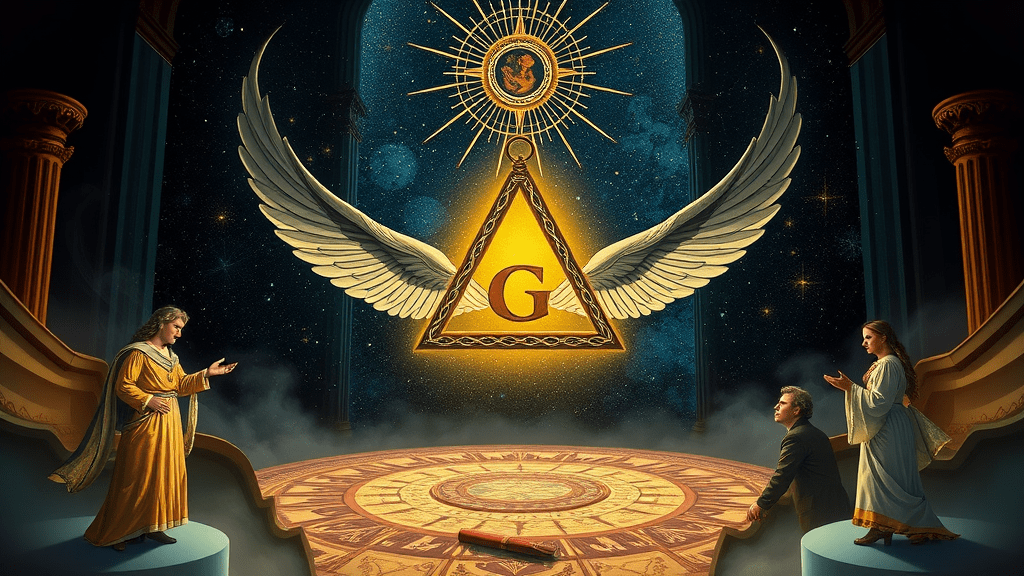
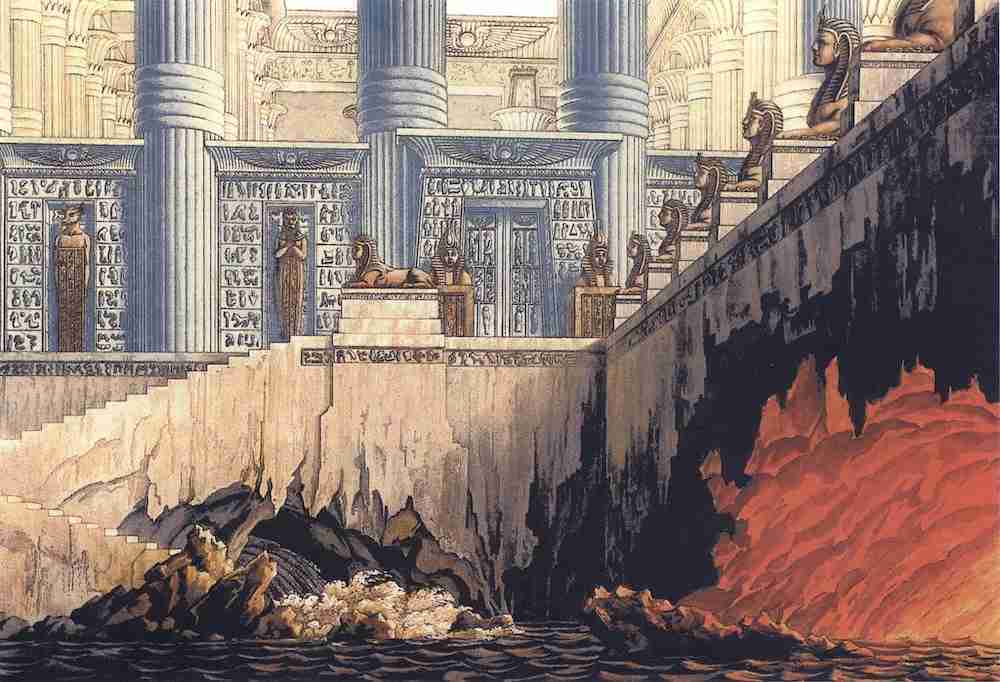
Mozart’s integration of Masonic ideals was also unique. The opera’s symbolism, from the number three to the trials of fire and water, reflects Masonic rituals. These elements, coupled with Mozart’s musical innovations, set The Magic Flute apart from the works of his contemporaries.

A Personal and Spiritual Journey – Mozart’s The Magic Flute: A Mesmerizing Journey
Mozart’s involvement with Freemasonry profoundly influenced The Magic Flute. He believed in the power of music to elevate the human spirit. His struggles, from financial woes to health challenges, may have driven him to create an opera that offers hope and enlightenment.
The collaboration with Schikaneder also played a pivotal role. Their shared vision for a work that entertained and educated audiences is evident throughout the opera.
Why The Magic Flute Endures
The Magic Flute remains beloved for its universal themes, memorable characters, and extraordinary music. Its love, courage, and wisdom message resonates across cultures and generations. Each performance offers audiences a chance to reflect on their journeys toward enlightenment.
Readers may also enjoy On Site Opera presents The Magic Flute, Artistic Maturity: Mozart’s Violin Sonata No 21 in E Minor, and Melisma in Music.