


NEW YORK – Mahler’s Musical Legacy: An In-Depth Interview with Maestro David Bernard on the ‘Beginnings and Endings’ Mahler Festival
The Park Avenue Chamber Symphony (PACS) is one of New York City’s acclaimed classical ensembles, offering artistic brilliance and innovation. Led by the passionate and dynamic conductor David Bernard, PACS has long been known for its impeccable performances and recordings of classical masterworks. Similarly, Maestro Bernard leads the Massapequa Philharmonic Orchestra, Long Island’s premiere orchestra.
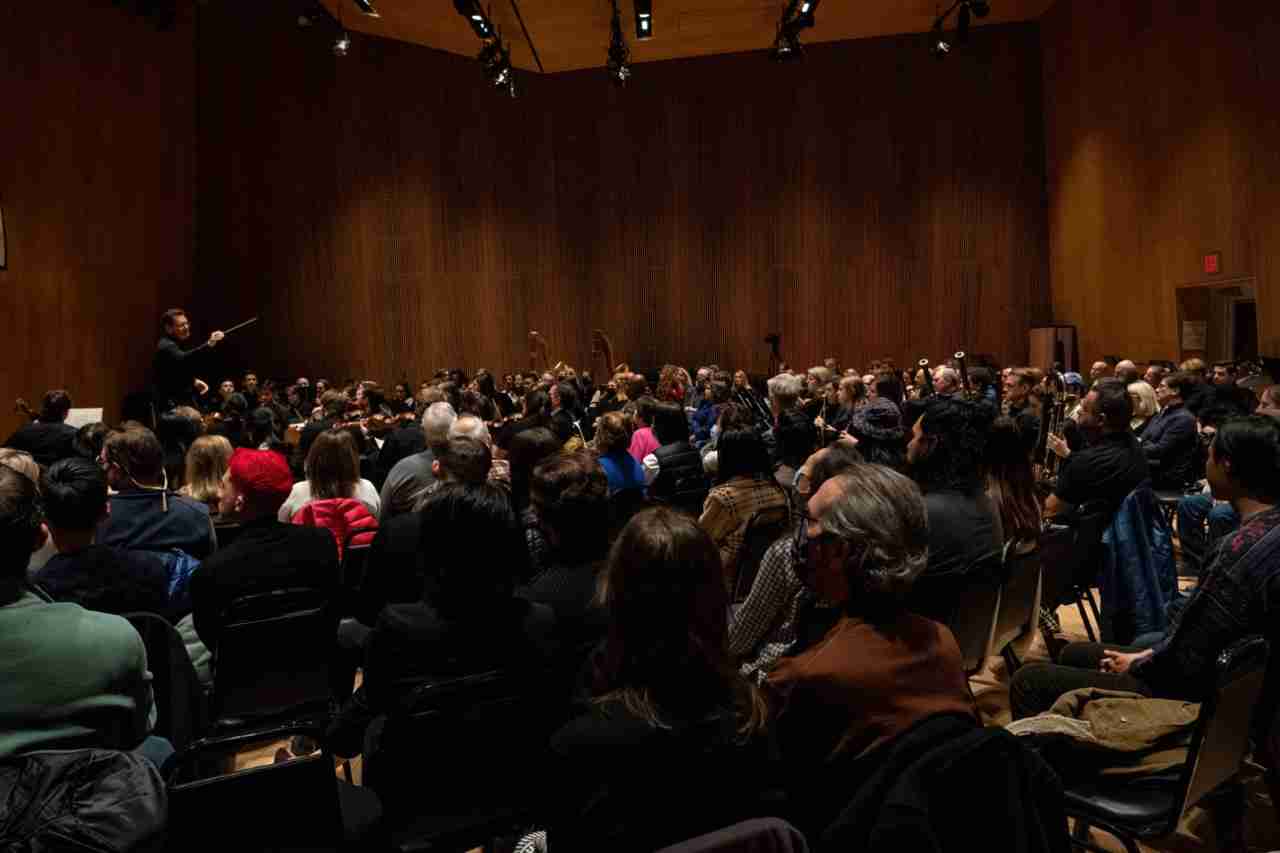
What also sets the PACS apart is its unique and groundbreaking approach to audience engagement through its InsideOut Concerts®. In this venue, audience members sit among the orchestra’s musicians, enveloped by the instruments’ sounds, while experiencing the music’s power on a visceral level. This groundbreaking concept erases the boundary between audience and performer, creating an intimate and immediate connection to music often elusive in traditional concert settings.

I recently discovered the exciting 2024-25 season program in which the Park Avenue Chamber Symphony and the Massapequa Philharmonic Orchestra successively perform Mahler’s 1st and 9th symphonies. I contacted Maestro Bernard for insights into what will be an exhilarating, astounding set of concerts.
Exclusive Interview
In an exclusive interview, we delved deeply into the upcoming Mahler Festival, “Beginnings and Endings,” with Maestro David Bernard, Music Director of the Massapequa Philharmonic and Park Avenue Chamber Symphony. This innovative Festival features performances of Mahler’s First and Ninth Symphonies across the two orchestras in October and November, aiming to provide audiences with a unique experiential gateway into Mahler’s symphonic journey.
Mahler Festival
Edward Kliszus: Thank you for joining me today. Let’s start with a fundamental question: Why do we need a Mahler Festival, and what does it bring to audiences?
David Bernard: Mahler’s Symphonies are monumental in scale and emotional depth and can be intimidating and challenging for newcomers and experienced listeners. The onramp to appreciating Mahler is a daunting commitment, yet for those who take the plunge, Mahler’s music is life-changing. I created this Festival as a gateway for audiences of all levels of sophistication to experience the symphonies of Gustav Mahler on a deeper, more holistic level in an approachable way. By presenting the First and Ninth Symphonies together in a festival, we offer a panoramic view of Mahler’s artistic journey and an opportunity to experience the evolution of his musical language and philosophical outlook in a concentrated and approachable format.
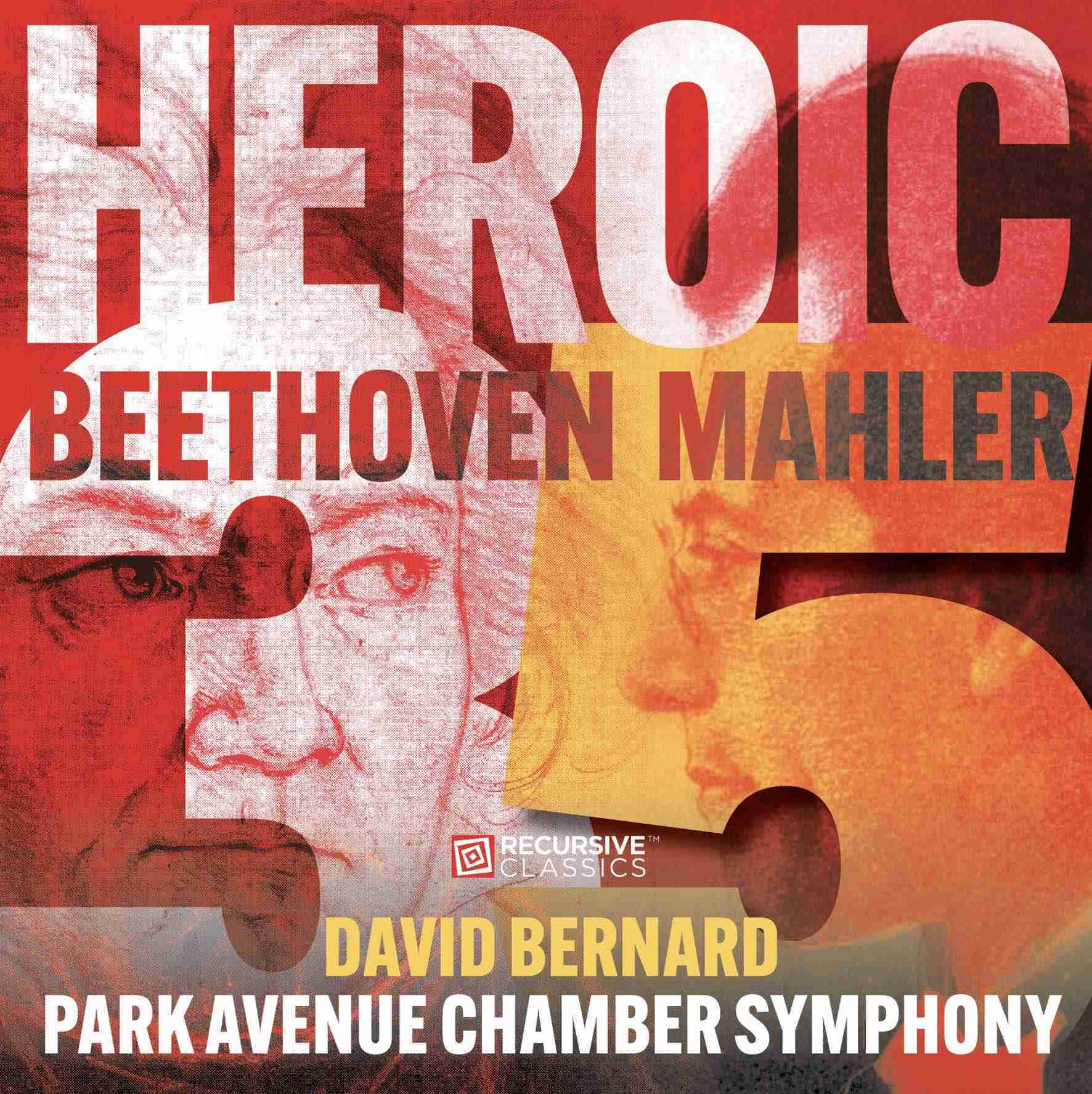
EK: You mention that interpreting and performing Mahler’s works can be challenging. Would you please elaborate on what makes his musical compositions difficult?
DB: Absolutely. Mahler’s symphonies are big, complex, and emotionally challenging works. As I like to say, Mahler puts you directly inside his head, and you see, feel, and experience his inner thoughts and feelings with a realism that is both exhilarating and, at times, overwhelming. It’s as close to an emotional roller coaster as you can get through music. At over an hour of intense musical expression, each symphony requires a significant commitment from the musicians, the audience, and the conductor. The investment required is so substantial that initially, orchestras were reluctant to feature these works frequently or even at all. The cost and effort to produce these concerts were high, coupled with an audience that initially lacked the desire to commit.

The First Live Mahler Cycle (1945)
EK: Given these challenges, how did Mahler achieve the cult following he has today?
DB: This is a fascinating story. The transformation of Mahler’s Symphonies from rarely performed and barely known to be broadly known and loved can be credited to one man—Leonard Bernstein. The rise in popularity of Mahler’s symphonies directly paralleled Lenny’s meteoric rise as a conductor. Bernstein made Mahler a focal point of his work with the New York Philharmonic. From his debut performance of Mahler’s Symphony No. 2 in 1945 at the age of 27 to leading the first live Mahler Cycle performed in the United States to the first high-quality complete set of the symphonies, Lenny was wholly obsessed with Mahler’s symphonies. He was determined to perform them at a time when few conductors, orchestras, and audiences were willing to invest in them. Through his sheer will, he transformed the music world to mirror his obsession. It’s a remarkable demonstration of how one’s love of music if approached with commitment and sincerity, can inspire the world.
EK: Leonard Bernstein was also quite an educator, intellectual, composer, performer, and conductor. Did you know him?
DB: I worked with Lenny at Tanglewood and The Curtis Institute as a student, experiencing his knowledge and generous soul. In contrast to many well-known conductors, Lenny would take the time to engage with students—he was always teaching.
EK: That’s marvelous! You are fortunate to have experienced such an extraordinary association with Bernstein. How did this side of Leonard Bernstein factor into his approach toward popularizing Mahler?

Four Ways to Say Farewell
DB: Lenny used his passion as a teacher to broaden Mahler’s reach. In 1960, he dedicated an entire Young Person’s Concert to answering “Who is Gustav Mahler?” making Mahler’s complex music accessible to children. However, his extraordinary lecture “Four Ways to Say Farewell,” delving into his interpretation of Mahler’s Ninth Symphony, had the most significant impact. He saw each symphony movement as expressing farewell to this world differently: the first to human love and passion, the second to country life, the third to urban society, and the finale as a farewell to life itself.
EK: That is a beautiful backstory to a symphonic work. Is this a universally accepted view, and do you see it that way?
DB: As much as Lenny and his commitment to Mahler inspire me, I am not convinced by “Four Ways to Say Farewell.” The work of Mahler’s Ninth itself contradicts Lenny’s romanticized view. Composing a symphony on the scale of Mahler’s Ninth requires a “life force” that is not only extraordinarily powerful but also overflowing with optimism and investment in this world. A composer resigned to imminent death couldn’t write a symphony like this.
EK: But Mahler died shortly after writing the Ninth Symphony.
The Composer’s Legacy
DB: Yes, but there’s more to the story. It turns out that following the completion of the Ninth Symphony, Mahler moved to New York and took on the position of Music Director of the New York Philharmonic, so it is a stretch to say he was packing his bags for the other world. It is expected that works written close to a composer’s death are imbued with overly dramatic narratives developed by their survivors who serve the composer’s legacy. Other examples include Mozart’s exquisite Requiem and Tchaikovsky’s Pathétique Symphony.
Mozart took the commission for the Requiem from a Count intending to pass off the work as his own in memory of his wife’s passing. Mozart intended to use this piece as a “job application” to apply for a Church job but died before completing it. It was his death during the composition of the Requiem that triggered the mythology that includes Mozart having written the piece himself as his own Requiem, and of course, the “Amadeus” story where Salieri commissioned it to pass off as his own.
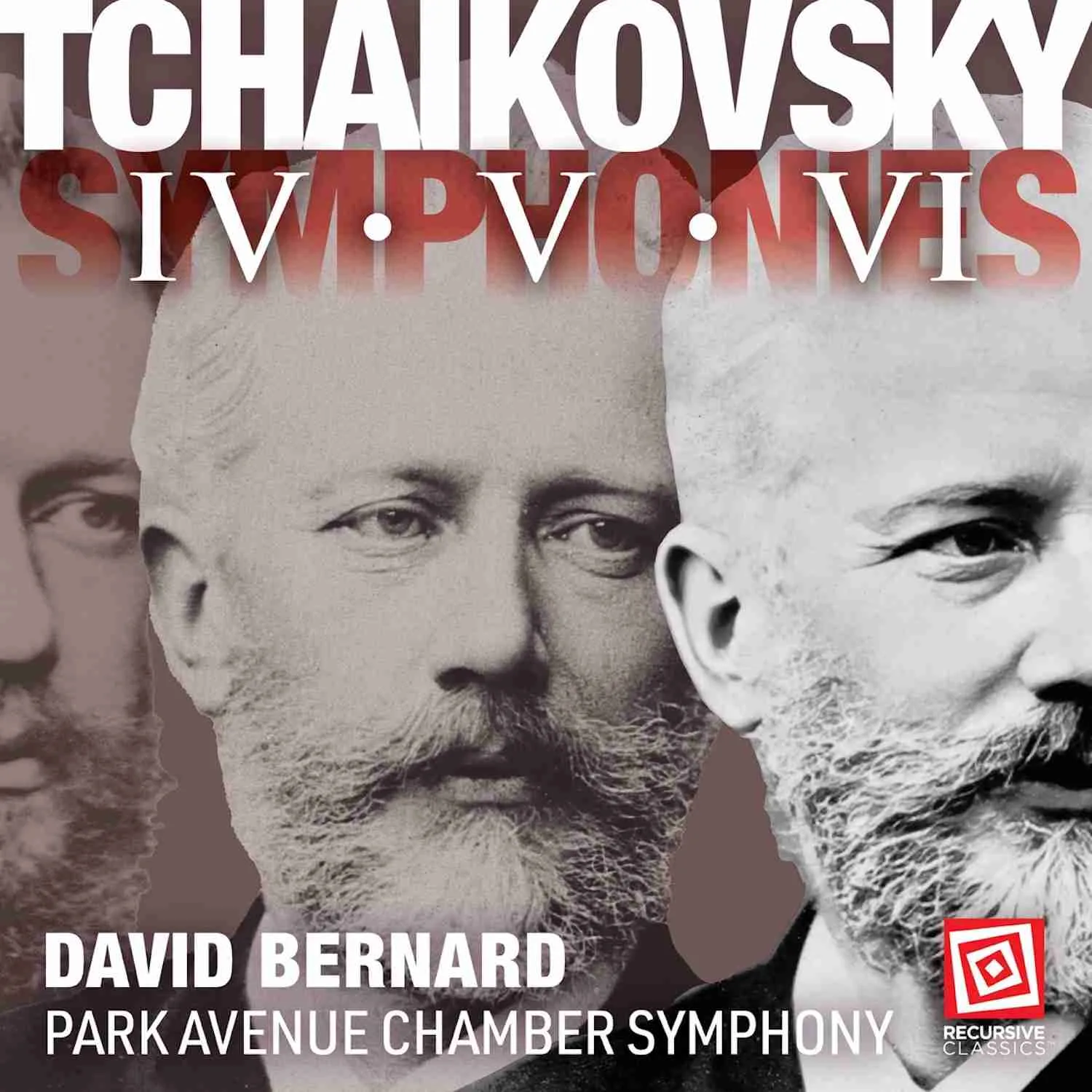
Tchaikovsky’s death nine days after the premiere of the Pathétique triggered the mythology of “Symphony as a Suicide Note,” but similar to Mahler’s Ninth, the work is so blindingly spectacular that it defies the notion its composer had one foot in the astral plane. Interestingly enough, Mahler’s Ninth and Tchaikovsky’s Pathétique share much more in common than their external mythologies.
EK: How so?
DB: Both Tchaikovsky and Mahler, when they wrote their final symphonies, had reached the pinnacle of their skill in realizing their artistic visions. These works aren’t farewells to life or suicide notes but showcases of their skill, with each movement dedicated to perfecting specific facets of their music that they had focused on intently throughout their careers.
EK: How does this play out in Tchaikovsky’s Pathétique?
The Pathétique
DB: In the Pathétique, each movement represents Tchaikovsky at his finest, but reimagined and freed from societal constraints. The first movement, for instance, is a brilliant reconception of his Romeo and Juliet Fantasy Overture. While Romeo and Juliet took ten years and three versions to reach its final version, Tchaikovsky reportedly composed the first movement of the Pathétique in just three days, with an intensity born from true inspiration.
The second movement transforms Tchaikovsky’s trademark ballet waltz into something new, using a 5/4 time signature that creates a unique, gliding feel. The third movement reinvents his typical symphonic finales with unceasing energy and excitement.
EK: And how does the finale fit into this pattern?
DB: The finale brings us to Tchaikovsky’s present – not as a “suicide note,” as some have claimed, but as a projection of his creative brilliance. Yes, there’s a sense of wistfulness, perhaps acknowledging his mortality, but it’s balanced by the vitality of a composer at the height of his powers.

EK: How does this relate to Mahler’s Ninth Symphony?
DB: Like Tchaikovsky in the Pathétique, Mahler refined and reimagined vital elements of his compositional style in his Ninth Symphony. The first movement echoes his First Symphony but with greater complexity and self-awareness. It’s as if Mahler is looking back at his younger self with the wisdom of experience, perfecting his approach to symphonic first movements. The second movement is Mahler’s ultimate statement on dance forms – Ländlers and waltzes – which appear throughout his symphonies but reach their zenith here. The third movement showcases Mahler’s “Grand Style” – an intricate, transparent counterpoint that he’d been developing since his Fifth Symphony, brought to its highest level of sophistication.
EK: And what about Mahler’s finale? Does it follow a similar pattern to Tchaikovsky’s?
DB: Indeed it does. Like Tchaikovsky, Mahler’s finale shifts from looking back to a passionate, reflective view of the present. But for Mahler, it’s about acceptance – of himself, his past, and his journey. It’s not a farewell to life but a profound self-realization and the ultimate expression of his slow-movement style.
EK: Both composers were summing up their life’s work in these symphonies.
Capstones to Their Artistic Journeys
DB: Exactly. Tchaikovsky and Mahler used their final symphonies not as mournful farewells but as capstones to their artistic journeys. Each movement in both works represents the composers at their finest, showcasing the elements of their style that they had honed throughout their careers.
This approach transforms how we understand these works. Rather than viewing them through the lens of impending death, we can appreciate them as the ultimate achievements of composers at the height of their powers, pushing boundaries and achieving new levels of expression.
EK: How did you come to see these works in this way?
DB: While studying the first movement of Tchaikovsky’s Pathétique, I discovered that Tchaikovsky directly quoted the “heartbeat” rhythm from Strauss’ tone poem “Death and Transfiguration” in the horns. I had already perceived the relationship between the First Movement and Romeo and Juliet. Hence, the combination strongly suggests Tchaikovsky was returning to his younger self and reimagining Romeo and Juliet. The relationship between the 2nd movement, his Ballet Waltzes, the 3rd movement, and his symphonic finales was clarified. It was clear that Tchaikovsky was showcasing his best artistic voice, finally free from the shackles of convention. This view contributes to how his newly imagined “Romeo and Juliet” was written in blindingly brilliant three days, unlike the original ten years.
The “Sigh” Motif
EK: What led you to your view of Mahler’s Ninth?
DB: Mahler doesn’t waste time giving us his heartbeat rhythm at the start of the First Movement, but he continues with a “sigh” motif embedded throughout the First Movement that directly quotes the “sigh” motif from the introduction of “Death and Transfiguration,” occurring from the 4th quarter note to the 1st quarter note of the next measure. With the “lookback” narrative activated, we can see the relationship between his First Movement and the youthful music of the First Symphony, how the Second Movement perfects his use of dance forms, particularly Ländlers, and waltzes, and how the third movement showcases what I call his “Grand Style” of counterpoint.
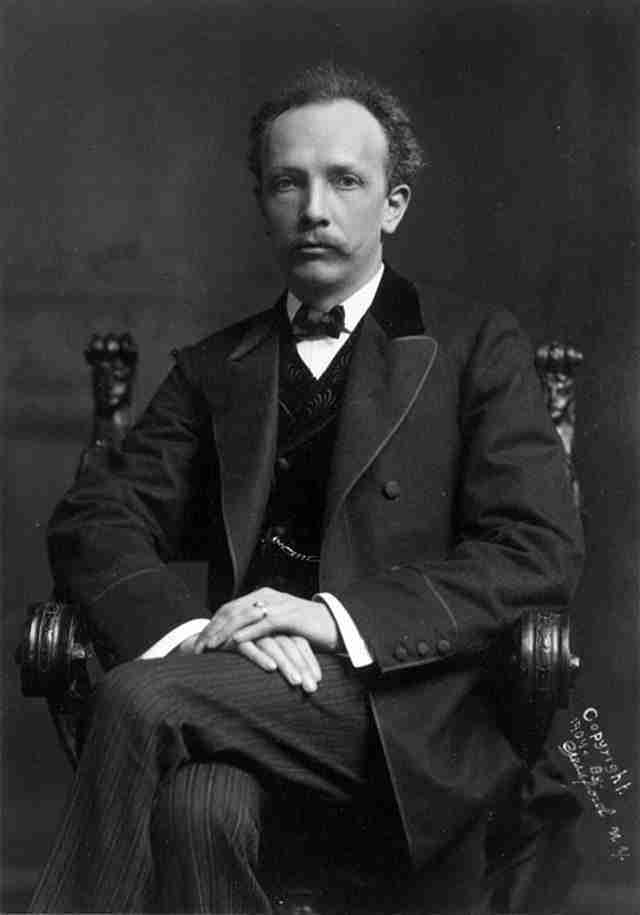
As I dug further, I learned that Mahler and Strauss were good friends, and Mahler was quite obsessed with “Death and Transfiguration.” He repeatedly asked Strauss for a copy of the score. What’s even more telling is that when Mahler became Music Director of the New York Philharmonic in the years following the completion of his Ninth Symphony, he programmed “Death and Transfiguration” three times in a single season. This shows how deeply the work resonated with him and how its narrative inspired the Ninth Symphony.
Death and Transfiguration
EK: That’s insightful and fascinating. How did this discovery change your understanding of these symphonies?
DB: It completely transformed my perspective for each. I began to see how Tchaikovsky and Mahler used their final symphonies as artistic reflection and summation, much like the old man in “Death and Transfiguration” looking back on his life. This approach of reimagining and perfecting core elements of their style across each movement mirrors the reflective journey in “Death and Transfiguration.” It suggests that both composers were at the height of their powers, using their mastery to create works that encapsulated and elevated the themes and techniques they had developed throughout their careers.
EK: Your insights into these works is profound. How do you hope this perspective will impact and inform the audience’s experience of the Festival?
A Revelatory Experience
DB: My deepest hope is that attendees will leave with a newfound appreciation for Mahler’s genius and a desire to explore his other works. Whether you’re a seasoned Mahler enthusiast or a curious newcomer, the “Beginnings and Endings” festival promises to be a revelatory experience.
EK: Please describe more about the specific performances and the orchestras involved in the Festival.
DB: Certainly. We’re thrilled to have the Massapequa Philharmonic performing Mahler’s First Symphony on October 27th at 3 PM at Berner Auditorium in Massapequa. Then, on November 24th at 5 PM, the Park Avenue Chamber Symphony will tackle the formidable Ninth Symphony at the DiMenna Center for Classical Music.

We’re not just presenting concerts; we’re offering a journey through the heart and mind of one of music’s most visionary creators. Through our performances and pre-concert discussions, we aim to equip listeners with the tools to deeply appreciate these complex works and perhaps ignite a lifelong passion for Mahler’s music. In addition, the performance of Mahler’s Ninth will be presented as an InsideOut Concerts Event, where the audience experiences the work immersively from within the orchestra—a powerful and once-in-a-lifetime opportunity.
EK: Finally, what would you say to someone who’s never experienced Mahler’s music? Why should they attend this Festival?
DB: Mahler once said, “A symphony must be like the world. It must contain everything.” His music is a journey through the full spectrum of human emotion and experience. For newcomers, this Festival offers a perfect introduction. The First Symphony showcases Mahler’s innovative use of folk melodies, sounds of nature, and orchestral colors. With its poignant beauty, the Ninth demonstrates how he pushed the boundaries of symphonic form to express profound philosophical ideas.
Explore the Depths of Human Experience
By attending both concerts, audience members will witness firsthand the incredible evolution of one of history’s greatest composers. It’s a chance to be moved, challenged, and ultimately transformed by the power of Mahler’s music. We’re not just offering concerts; we’re providing an opportunity to explore the depths of human experience through sound.
EK: Thank you for these profound insights. It sounds like an extraordinary event for music lovers of all backgrounds.
DB: Thank you. We’re excited to share this musical adventure with our audience and hope to see many new faces at the Festival. It’s a unique opportunity to experience Mahler’s world in a way that’s both accessible and deeply rewarding.
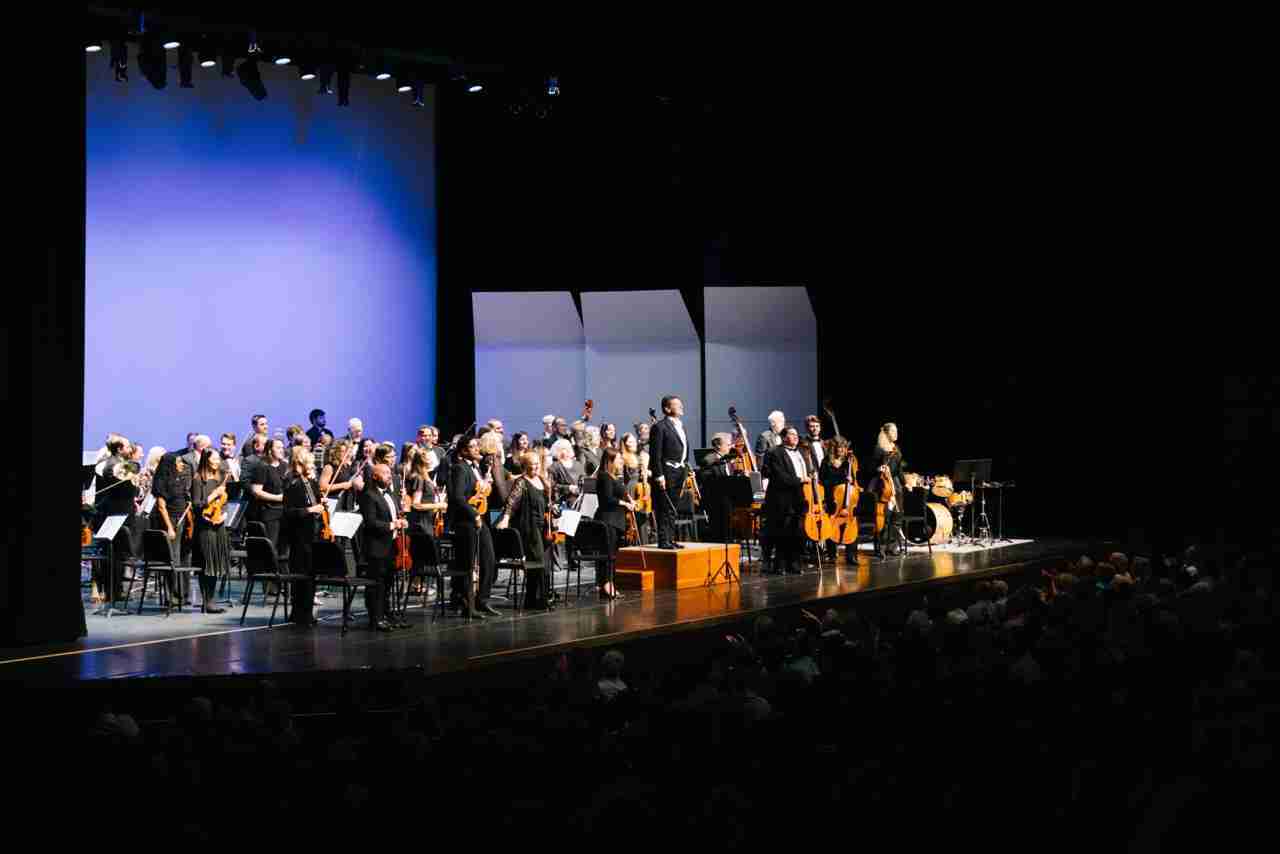
The “Beginnings and Endings” Mahler Festival, featuring the Massapequa Philharmonic and the Park Avenue Chamber Symphony, takes place on October 27th and November 24th.
Park Avenue Chamber Symphony
David Bernard, Music Director and Conductor
875 5th Ave, New York, NY 10065
(917) 740-7227
Website: https://chambersymphony.com/
For tickets and information, Click HERE or at this link: https://bit.ly/MAHLERFESTIVAL2024
Massapequa Philharmonic Orchestra
PO Box 94
Massapequa, NY 11758-0094
(516) 927-7374
Website: https://www.massphil.com/
Readers may also enjoy our reviews of Beyond The Hall by the American Symphony Orchestra at Bryant Park, Opera in the Garden by OnSite Opera, Norm Lewis at 54 Below, Tony Danza, Meg Okura at the Met Museum, Laura Benanti at the Minetta Lane Theater, Brazilian Jazz at Le Bab Ilo in Paris, and Marilyn Maye birthday celebration at 54 Below.