


The Hook in Peer Gynt Suite No. 1: What Makes It a Classical Earworm?
In classical music, certain compositions go beyond the notes, embedding themselves in the hearts and minds of listeners. Peer Gynt Suite No. 1, composed by Norwegian Edvard Grieg, is a masterpiece. Known for its emotional depth and unforgettable melodies, this suite captivates audiences worldwide. But what makes this music so captivating? Why does the hook in Grieg’s Peer Gynt Suite No. 1 continue to enchant generations, whether heard in concert halls, films, or documentaries?
Purpose of Peer Gynt Suite No. 1
To understand its charm, let’s first explore the purpose of Peer Gynt Suite No. 1. Grieg composed the suite as incidental music for Henrik Ibsen’s play Peer Gynt. This play tells a tale of adventure, self-discovery, and the human spirit. Grieg’s melodies bring these themes to life, enhancing Ibsen’s characters and landscapes. When listeners hear “Morning Mood” or “Anitra’s Dance,” they are transported to the Norwegian countryside. They experience the dawn, the dance, and the mountain’s mystery firsthand. Each note feels purposeful, creating a musical journey that is as captivating today as it was over a century ago.

The Magic of “Morning Mood” and Its Hook
Now, let’s examine the first movement, “Morning Mood,” to understand its lasting appeal. This piece begins with a gentle melody, gradually building like a sunrise. The leading hook—a sequence of lilting woodwind phrases—rises and falls, evoking a peaceful morning. It’s a sound instantly bringing images of dawn, quiet landscapes, and soft colors. This melody is not only pleasant; it’s hypnotic. Listeners feel calm, connected, and ready to start the day. This hook makes “Morning Mood” one of classical music’s most memorable openings.
Why the Hook in “Morning Mood” Lingers
So, what causes this hook to linger in our minds? One answer is its simplicity. Grieg uses straightforward, stepwise motion in his melody containing the hook in Grieg’s Peer Gynt Suite No. 1. Thus, we hear a memorable, easily hummable line. As the melody repeats and builds, it forms a deeper connection with listeners, as if Grieg is inviting them to greet the dawn. The rise and fall of notes even mirror our natural breathing, fostering calmness and unity. This simplicity is a key reason why “Morning Mood” remains beloved, reaching beyond concert halls into everyday life, media, and pop culture.

The Dance of the Exotic: Unpacking the Hook in “Anitra’s Dance”
Each movement of Peer Gynt Suite No. 1 offers unique emotional and musical experiences, and “Anitra’s Dance” is no exception. If “Morning Mood” is a gentle awakening, “Anitra’s Dance” brings a playful, spirited energy. This movement transports listeners to a lively, exotic scene filled with rhythmic excitement and pure joy. But what exactly makes “Anitra’s Dance” a classical earworm?
The Rhythmic Drive in “Anitra’s Dance”
The magic of “Anitra’s Dance” lies in its rhythmic drive and distinctive character. From the beginning, Grieg establishes a dance-like tempo that immediately captures attention. Unlike the gentle flow of “Morning Mood,” “Anitra’s Dance” leaps forward with syncopated rhythms, creating playfulness and movement. This rhythmic complexity, combined with Grieg’s orchestration, makes the music feel lively and full of character. The theme shifts between strings and woodwinds, creating a light, flirtatious interaction that mirrors the dance.
Darkness and Suspense: The Hook of “In the Hall of the Mountain King”
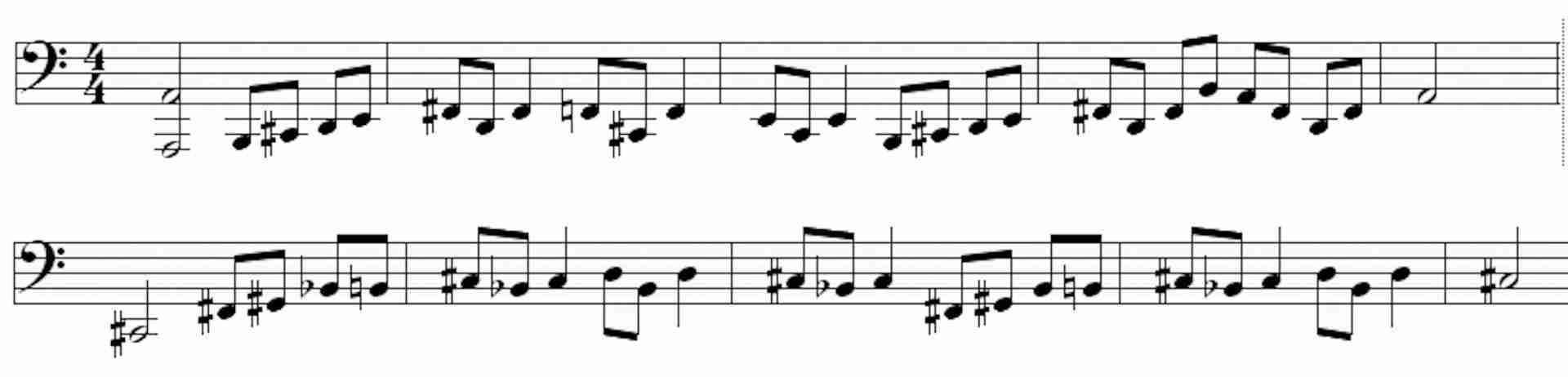
If “Morning Mood” is sunrise and “Anitra’s Dance” is adventurous, “In the Hall of the Mountain King” is the thrill of darkness. This movement is one of Grieg’s most iconic compositions, known for its intensity and unforgettable hook. “In the Hall of the Mountain King” embodies mystery, danger, and tension. It transports listeners to an ominous underworld, where shadows grow and tensions rise. But what makes this piece such a classical earworm?
Repetition and Build-Up in “In the Hall of the Mountain King”
The heart of “In the Hall of the Mountain King” lies in its repetitive, pulsating hook. This simple, menacing melody gradually intensifies; repetition is key to memorability. Starting with a whisper on low strings, the theme grows louder and faster with each repetition, creating a hypnotic pull. Each loop of the melody increases tempo and dynamics, heightening anticipation. This powerful build-up transforms a simple theme into a gripping experience that keeps listeners on edge.
The Psychological Impact of Melodic Hooks in Classical Music
A melody that stays in our minds long after it ends has undeniable power. Melodic hooks have a unique psychological impact, embedding themselves in our memories and influencing emotions, behaviors, and perceptions. Pieces like Peer Gynt Suite No. 1 by Edvard Grieg exemplify unforgettable hooks. But what makes these melodies so memorable? And why do they evoke such strong emotions?
How Familiarity, Repetition, and Emotional Resonance Affect Listeners
Our brains react quickly when a catchy melody like “Morning Mood” or “In the Hall of the Mountain King” plays. Research shows that listening to music releases dopamine, our “feel-good” chemical. This happens for several reasons:
- Familiarity: A hook creates a sense of familiarity, especially when it’s simple and repetitive. Our brains love patterns, so we feel comfortable recognizing a familiar tune. For example, the opening notes of “Morning Mood” evoke peace due to their predictable, soothing nature.
- Repetition and Memory: Repetition embeds music in long-term memory. The more a melody repeats, the more likely it sticks. In “In the Hall of the Mountain King,” Grieg’s escalating repetition solidifies the theme, creating a hook that’s both memorable and evocative.
Techniques in Crafting Catchy Melodies: Classical Hooks and Pop Music Earworms
Crafting a melody that lingers is both an art and a science. From classical works like Peer Gynt Suite No. 1 to today’s pop hits, specific techniques make melodies unforgettable. Whether it’s Grieg’s rhythmic play in “Anitra’s Dance” or the repetitive chorus of a pop song, these methods work universally.
| Technique | Classical Example | Pop Example |
|---|---|---|
| Melodic Contour | Morning Mood (Grieg) | “Hello” (Adele) |
| Repetition | In the Hall of the Mountain King (Grieg) | “Shape of You” (Ed Sheeran) |
| Rhythmic Appeal | Anitra’s Dance (Grieg) | “Billie Jean” (Michael Jackson) |
| Simplicity | Morning Mood (Grieg) | “Shake It Off” (Taylor Swift) |
| Emotional Resonance | In the Hall of the Mountain King (Grieg) | “I Will Always Love You” (Whitney Houston) |
| Instrumental Color | Anitra’s Dance (Grieg) | “Get Lucky” (Daft Punk) |
The Evolution of Classical Music Hooks Throughout History
Hooks have been central to classical music for centuries, evolving with style, audience, and technique changes. From medieval chants to Romantic-era themes, hooks have always captivated listeners. This journey of memorable motifs mirrors classical music’s evolution, showing how composers adapted hooks to resonate across generations.

| Era | Characteristics of Hooks | Key Example(s) |
|---|---|---|
| Medieval | Simple, repetitive phrases; calming for worship | Gregorian chant |
| Renaissance | Interwoven polyphonic hooks; intricate and layered | Palestrina’s Missa Papae Marcelli |
| Baroque | Elaborate ornamentation; dramatic operatic hooks | Bach’s Brandenburg Concertos |
| Classical | Elegant, balanced melodies; accessible and playful | Mozart’s Eine kleine Nachtmusik |
| Romantic | Sweeping, emotive themes; inviting deep emotional resonance | Tchaikovsky’s Swan Lake |
| 20th Century | Rhythmic hooks; exploration of dissonance and modern harmonies | Stravinsky’s The Rite of Spring |
| Modern | Fusion of styles; minimalist motifs in film scores | Williams’ Star Wars theme |
Final Thoughts: The Timeless Allure of Melodic Hooks in Classical Music and the Hook in Grieg’s Peer Gynt Suite No. 1
The captivating hooks in Peer Gynt Suite No. 1 highlight the enduring power of melodic craftsmanship. Grieg’s suite, filled with unforgettable hooks, shows how well-constructed melodies can capture hearts and stay in memory long after the last note. By studying how Grieg and other composers created memorable themes, we see that classical music is more than notes—a tapestry of emotions, stories, and historical moments woven by timeless hooks.