


The Emotional Impact of The Death Of Åse and Grieg’s Contribution to Film Scores
The moment you hear “The Death of Åse,” you likely feel an instant emotional pull. This haunting piece, composed by Edvard Grieg for Henrik Ibsen’s play Peer Gynt, captures deep sorrow and loss. Its poignant melodies make it a favorite among film composers seeking to underscore scenes of heartbreak or tragedy. The composition transcends time, invoking raw emotion, and its influence on modern film scoring cannot be overstated. Let’s examine The Emotional Impact of “The Death of Åse” in Film Scores.
Grieg’s work creates more than a mood; it forges a connection between viewers and the characters on screen. The simple, melancholic melodies draw listeners into the emotional heart of the narrative, acting as a bridge that enhances the storytelling experience. Through dynamic shifts and orchestration, “The Death of Åse” amplifies vital emotional moments, allowing filmmakers to tap into the universal human experience of grief and loss.

The Power of Simplicity in Melodic Storytelling
The brilliance of “The Death of Åse” lies in its melodic simplicity. Grieg uses a recurring theme that lingers in the mind long after the scene has ended. This melodic clarity is especially effective in films, as it resonates deeply with audiences, leaving a lasting impression.
In the piece, Grieg employs minor tonalities to evoke a sense of melancholy, perfectly reflecting themes of sorrow and finality. His sophisticated use of dynamics, moving from soft, intimate moments to dramatic crescendos, gives filmmakers an ideal tool to heighten tension or emphasize significant emotional events. This dynamic range allows the music to parallel the characters’ emotional journeys without overwhelming the scene.
A Lasting Influence on Modern Cinema
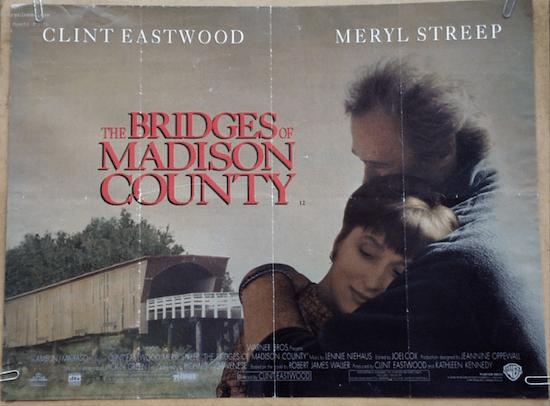
Grieg’s masterpiece continues to inspire filmmakers today. Many directors have found a place for “The Death of Åse” in their soundtracks, recognizing its ability to deepen the emotional resonance of key scenes. For example, Clint Eastwood used the piece in The Bridges of Madison County to amplify feelings of grief and longing. In Manchester by the Sea, Kenneth Lonergan incorporated it to highlight the profound loss felt by the protagonist.
In these films, the music serves not as a background element but as an emotional driver that pulls the audience deeper into the story. By focusing on the most essential elements—melody, dynamics, and orchestration—Grieg’s composition becomes a powerful tool in modern film scoring.

A Timeless Source of Inspiration
Today, The Death of Åse continues to be a source of inspiration for composers across different mediums. The piece’s emotional gravity remains unmatched in television, video games, or film. Its ability to convey complex emotions through its minimalist structure makes it a staple in moments of reflection, grief, or profound loss.
Emerging composers often study Grieg’s techniques to learn how to evoke similar emotional responses. By understanding what makes “The Death of Åse” so compelling, these composers develop the skills to craft their original works that resonate on a similar emotional level.
Caption: The Lasting Impact of “The Death of Åse” on Emotional Storytelling
Grieg’s work has left an indelible mark on film scoring, from its unforgettable melodies to its subtle orchestration. It provides composers and filmmakers the tools to create stories that resonate with audiences long after they leave the theater.
Edvard Grieg’s Musical Legacy in Cinematic Storytelling
Grieg’s music, particularly “The Death of Åse,” is a powerful example of how classical compositions can enhance modern storytelling. His ability to blend simplicity with emotional depth makes his work influential in film scoring.
Key Elements of Grieg’s Style:
- Folk Influences: Grieg often incorporated Norwegian folk music into his compositions, giving them a universal appeal.
- Expressive Dynamics: His dramatic shifts in volume and tempo create a dynamic soundscape that is perfect for cinematic use.
- Rich Harmonies: These intricate layers add emotional depth, connecting his music with various audiences.
- Melodic Clarity: Simple yet haunting melodies make his pieces memorable and impactful in film.
Grieg’s unique combination of these elements allows filmmakers to draw from his compositions when crafting emotionally charged scenes. A prime example is how his music underscores character development in film.
The Role of Music in Building Emotional Connections
Music is an essential tool in storytelling, particularly in film. It creates an emotional atmosphere that helps guide the audience’s reactions to key scenes. Grieg’s compositions perfectly study how music can enhance character development, transitions, and emotional arcs.
- Atmosphere Creation: Music helps set the tone for each scene, building suspense or conveying serenity. Grieg’s use of minor keys and soft instrumentation can create an intimate setting perfect for moments of reflection or sorrow.
- Character Themes: Each character in a film often has a theme, a musical motif that follows them throughout the story. This can reflect their emotional journey. Grieg’s music frequently mirrors the characters’ internal struggles, making the audience feel more connected to their growth and transformation.
- Enhancing Emotional Moments: Grieg’s ability to build tension through music adds to the emotional weight of significant moments. His use of crescendos and dynamic shifts can parallel narrative climaxes, heightening the drama and making the experience more immersive.
Caption: The Emotional Connection Between Music and Storytelling
Music doesn’t just accompany a scene; it enhances the emotional experience. Grieg’s work, notably “The Death of Åse,” demonstrates how music can become an integral part of storytelling, allowing audiences to connect more deeply with the characters and their journeys.
How Grieg’s Compositions Continue to Shape Modern Film Scores
As we explore Grieg’s impact on modern filmmaking, it’s clear that his work provides a blueprint for crafting emotional depth. His influence is decisive in films that deal with profound loss or reflection.
For example, Maurice Jarre’s score for Dead Poets Society echoes the emotional clarity found in Grieg’s compositions. Similarly, Thomas Newman’s work in Unsane reflects Grieg’s dynamic use of melody and harmony. Building on Grieg’s foundation, these modern composers can evoke similar emotional responses in their audiences.
The power of Grieg’s music lies in its timelessness. Filmmakers continue to use his work because it transcends genres and eras. Whether in dramas, historical films, or even modern thrillers, Grieg’s music reminds us of the emotional depth that classical compositions can bring to the screen.
Conclusion: The Emotional Impact of “The Death of Åse” in Film Scores – An Enduring Legacy
Grieg’s “The Death of Åse” stands as a testament to the enduring power of classical music in storytelling. Its ability to evoke profound emotions continues to inspire filmmakers and composers alike. Grieg’s work remains a powerful tool in film scoring by seamlessly blending simplicity and emotional complexity.
Whether through the delicate strains of a violin or the sweeping crescendo of a full orchestra, Grieg’s music will continue to move audiences for generations to come. His timeless melodies remind us that while technology may change how we experience stories, the emotional power of music remains constant.
YouTube Links:
- The Death of Åse by Edvard Grieg: Watch Here
- Music from Dead Poets Society: Watch Here
- Standing in the Rain and Deep Thoughts from The Bridges of Madison County
If you enjoyed this article, check out related posts HERE.