
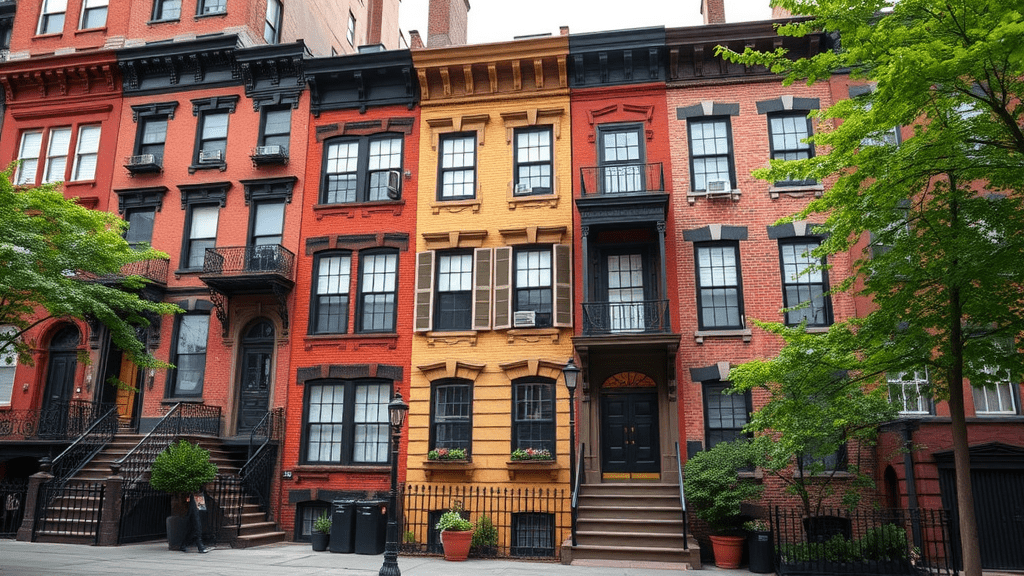

Join me on a journey through New York’s living history, from the financial district to Greenwich Village. These photos include some of my favorite NYC haunts.
Now, you’ve got to understand something about New York City—and I mean really understand it, not just nod your head like you’re listening to your Aunt Mildred explain her bunion surgery. Furthermore, New York isn’t just a city. Oh no, friends. Instead, it’s a giant, sprawling, honking, magnificent time machine disguised as a place where people go to make their rent and complain about the subway.
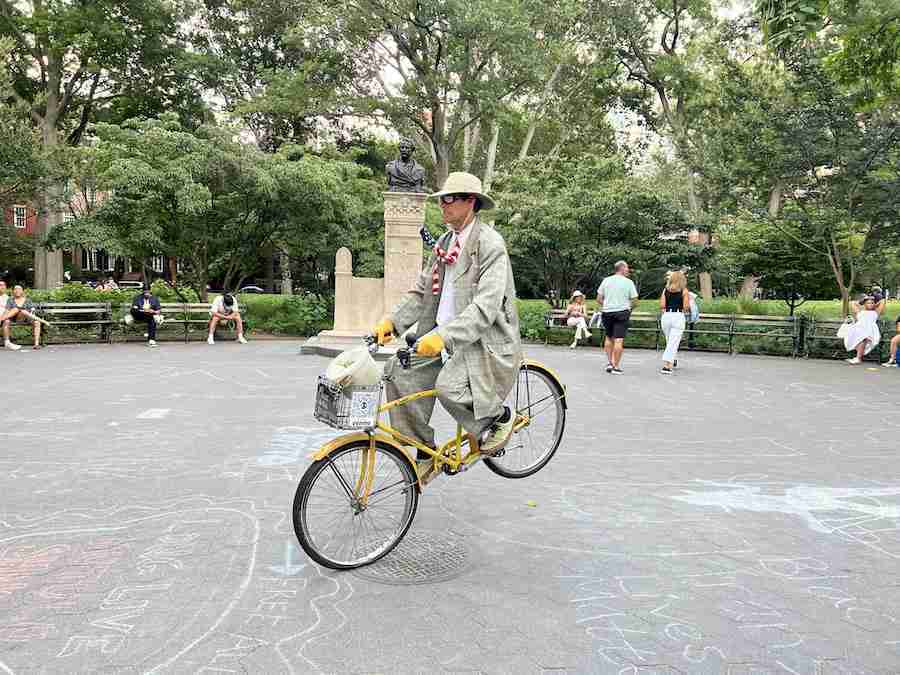
Consequently, most folks walk down these streets thinking they’re just getting from Point A to Point B, dodging taxis, delivery bikes, and street vendors selling “genuine” Goyard bags whose stitching pulls out before you hit the next corner. However, what they don’t realize—what they can’t understand until somebody grabs them by the lapels and shakes them awake—is that they’re walking through layers of time, like some kind of urban archaeological dig where the artifacts wear suits and carry briefcases.
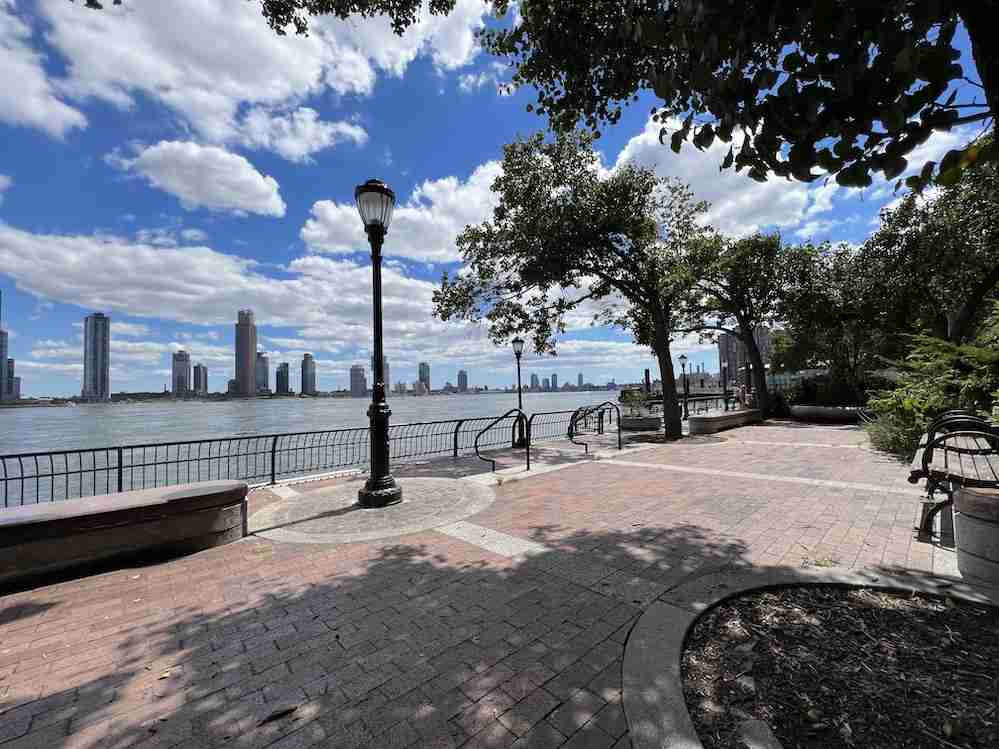
Discovering the Financial District: Where American History Began
Wall Street and Trinity Church: The Heart of Historic Manhattan
To begin with, take the Financial District, for instance. Now, this is where it all started, folks. Indeed, the whole crazy, beautiful, impossible dream that is New York City began right here, back when the biggest worry anybody had was whether the Indians were friendly and if the Dutch were charging too much for beaver pelts.
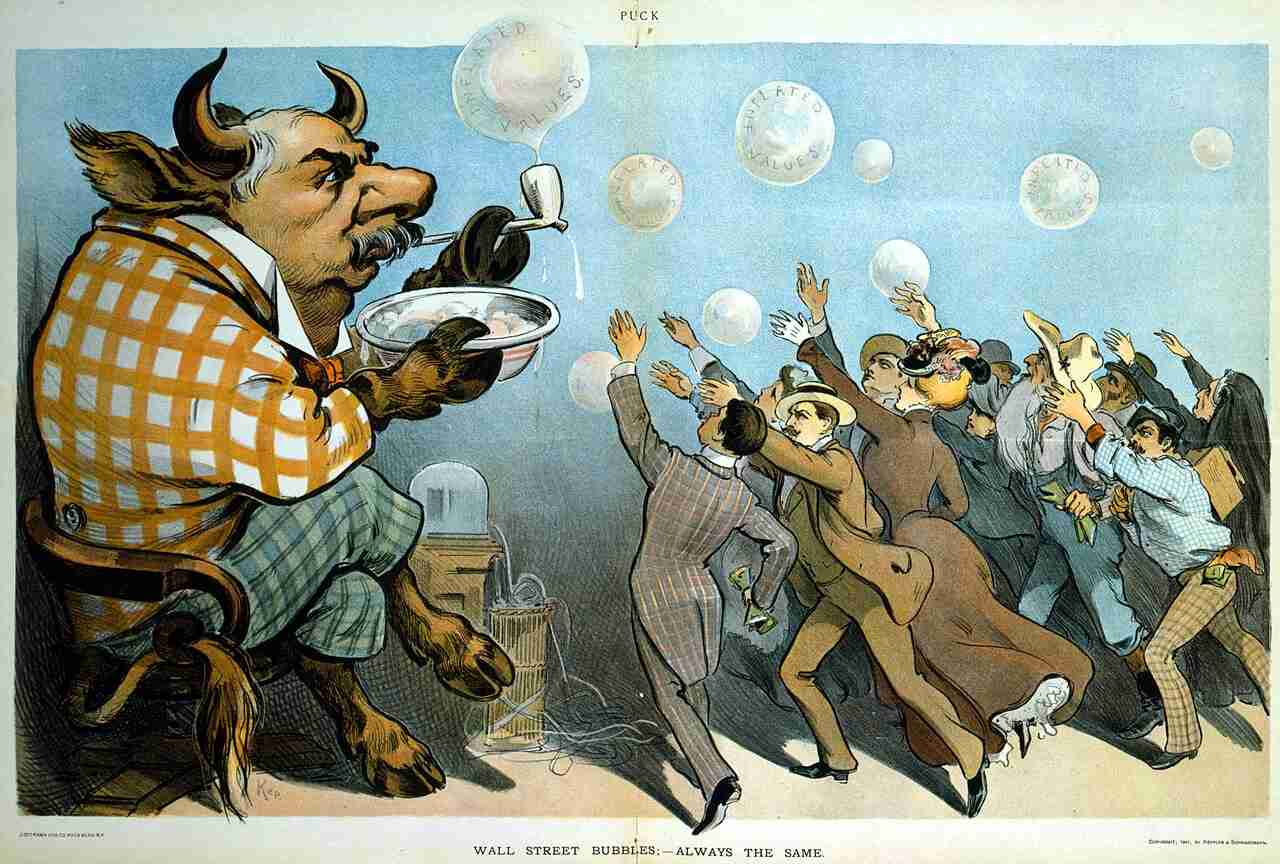
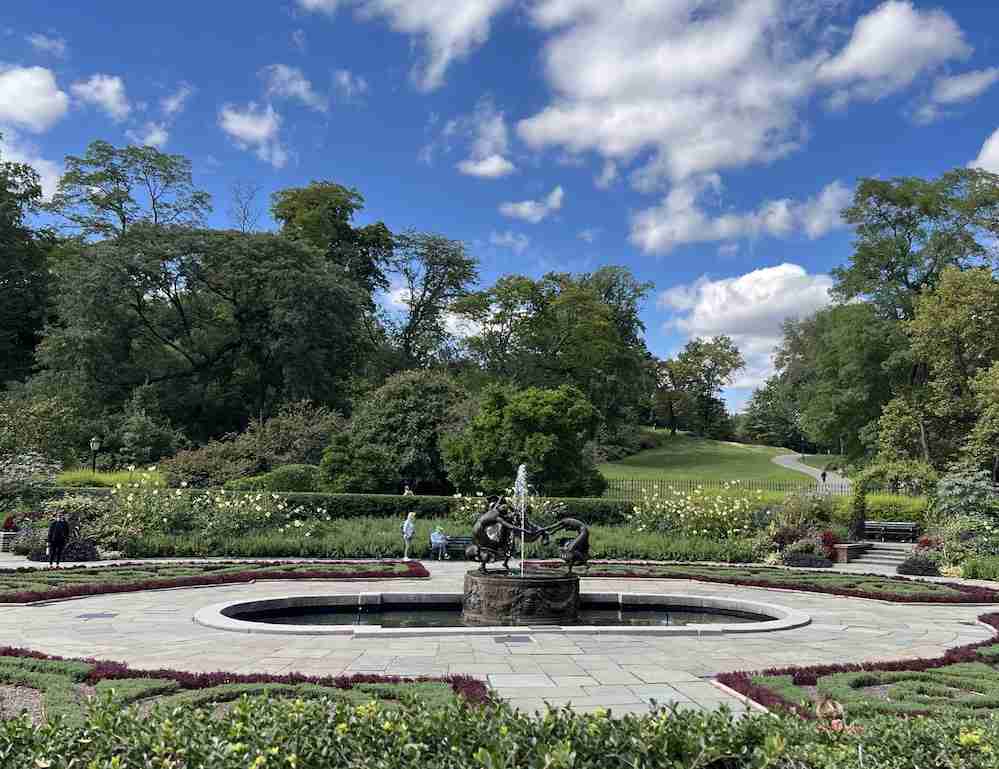
Meanwhile, here’s the thing—and this is where it gets really interesting, so lean in close—you can still feel it. Furthermore, when you walk down Wall Street on a foggy morning when the modern glass towers disappear into the mist like something out of a dream, suddenly, you’re not dodging guys in three-thousand-dollar suits anymore. Instead, you’re walking where Peter Stuyvesant stomped around in his wooden leg, cursing in Dutch and wondering why nobody ever listens to the guy in charge.
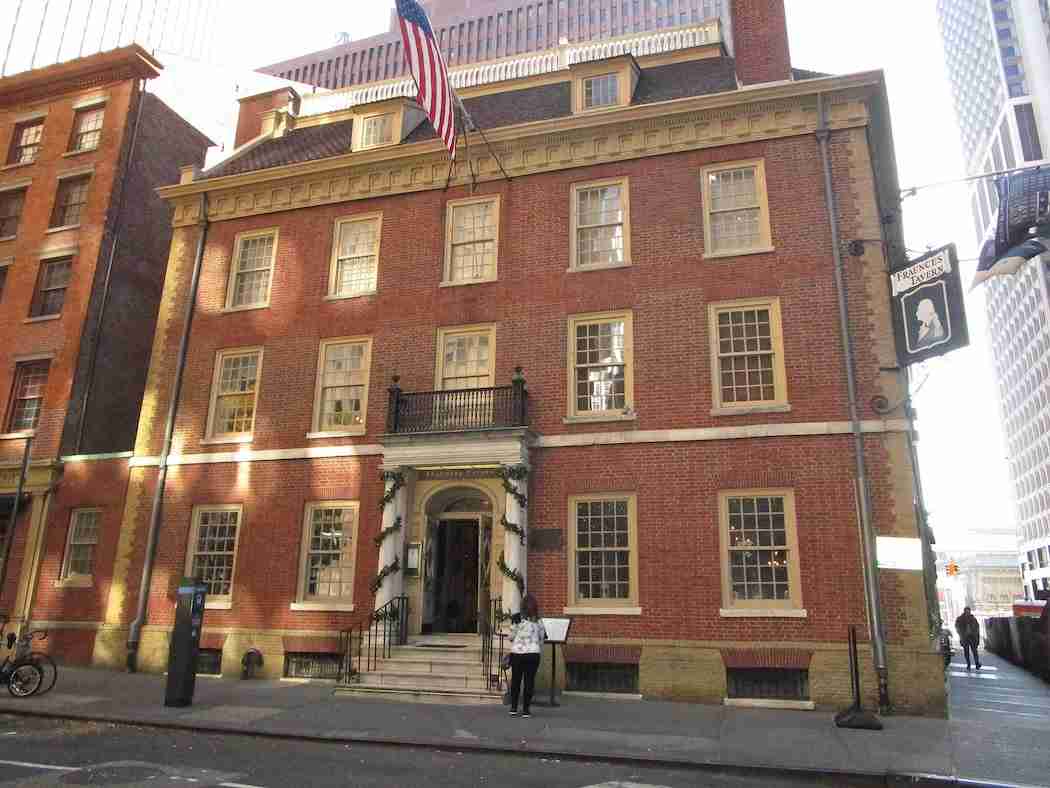
Moreover, Trinity Church sits there like some kind of Gothic time capsule, built in 1846 when people still believed that architecture could inspire the human soul instead of just maximizing square footage. Additionally, Fraunces Tavern—oh, Fraunces Tavern!—where George Washington himself once hoisted a few with the boys, probably complaining about the Continental Congress the same way we complain about the MTA.
American Capitalism
Now, speaking of Washington, here’s a guy who knew how to make an exit. Furthermore, it was right here in lower Manhattan where he gave his farewell address to his officers at Fraunces Tavern in 1783, and according to the stories, there wasn’t a dry eye in the house.
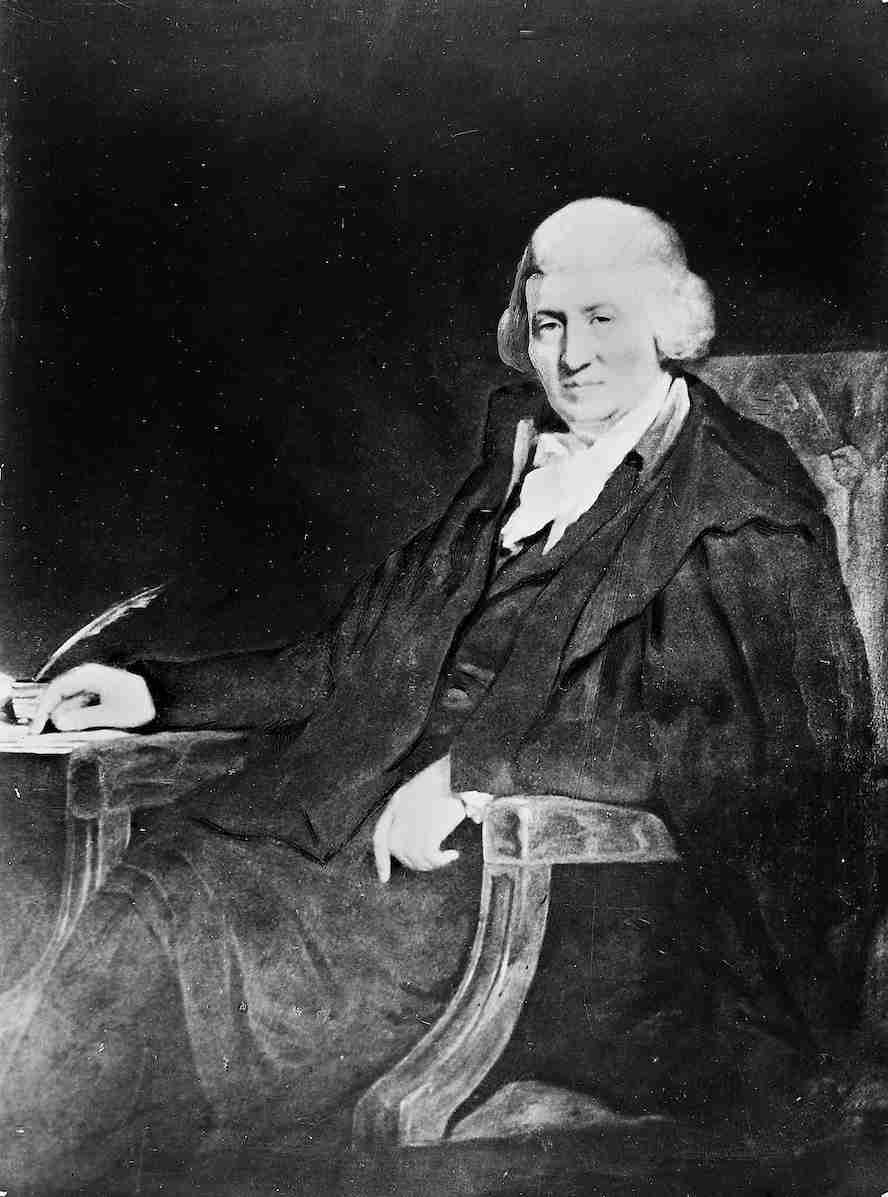
Meanwhile, Alexander Hamilton—that scrappy little immigrant who invented American capitalism—lived and worked in this very neighborhood, probably walking these same streets while dreaming up the financial system that would make this crazy experiment work. Similarly, you can almost picture him hurrying to meetings, his head full of numbers and revolutionary ideas, utterly unaware that someday Lin-Manuel Miranda would turn him into the hippest founding father of them all.
Consequently, you walk into that place now, and it’s all very proper and touristy, with plaques, guided tours, and gift shops selling miniature Liberty Bells made in China. Nevertheless, close your eyes for just a second—go ahead, try it. The other tourists will think you’re having a religious experience—and you can almost hear the clink of pewter mugs and the sound of men in powdered wigs arguing about taxation without representation. At the same time, outside, carriages clatter over cobblestones that are probably still buried somewhere under all that asphalt.
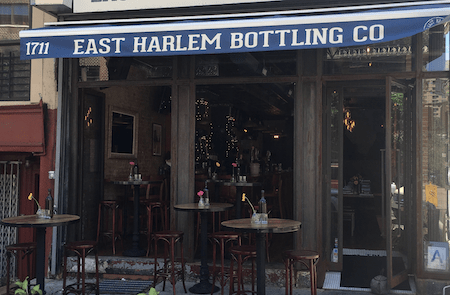
Exploring Greenwich Village: The Bohemian Heart of NYC
Washington Square Park and Stonewall Inn: Icons of Cultural Revolution
On the other hand, if New York’s body was born in the Financial District, Greenwich Village is where its soul learned to paint watercolors and write bad poetry at three in the morning.
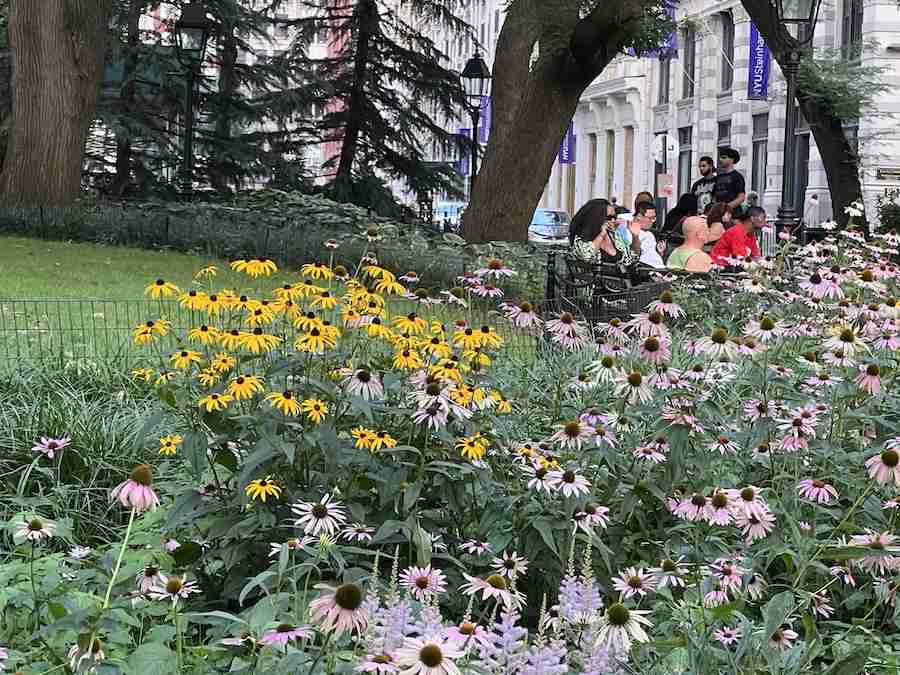
In fact, the Village—and you have to call it “the Village” if you want to sound like you belong, like saying “the City” when you mean Manhattan—is where time gets all twisted up like one of those Möbius strips they used to make us try to understand in geometry class. Similarly, when you walk down Bleecker Street on the right kind of evening when the light hits those old brownstones just so, suddenly it’s 1962, and Bob Dylan is somewhere nearby, young and hungry and about to change everything.
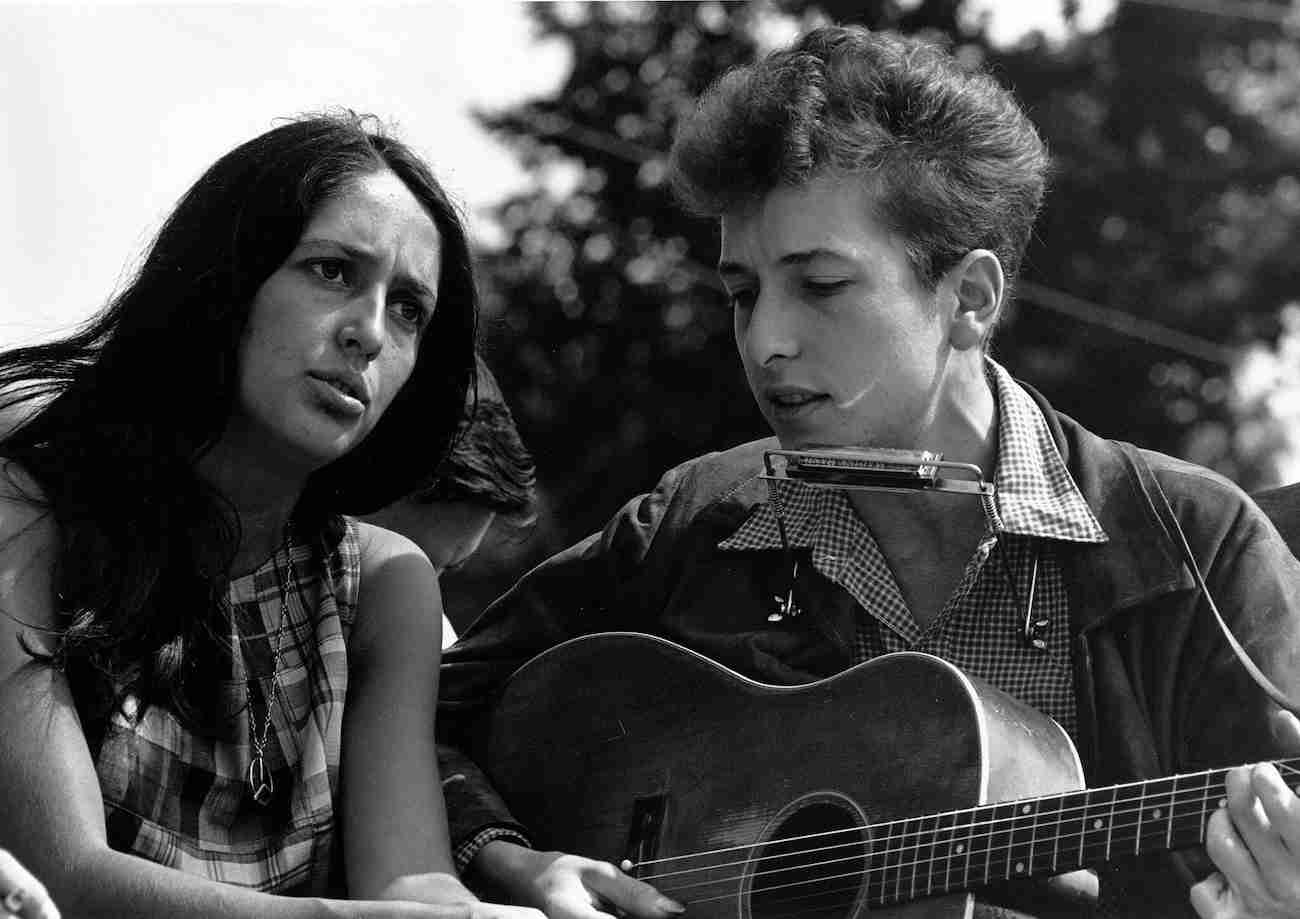
Here’s the thing about Dylan—and this is where it gets fascinating—he didn’t just visit the Village. He practically lived in the coffee shops. Consequently, you had this scrawny kid from Minnesota crashing on couches and playing at the Gaslight Café, soaking up everything from Woody Guthrie to the Beat poets like some kind of musical sponge. Furthermore, Jack Kerouac used to stumble through these same streets, probably muttering about the road, jazz, and the meaning of existence while dodging the same kind of taxis that’ll run you down today.
George Washington in Peace and War
Washington Square Park, with its magnificent arch that looks like somebody decided to plant a piece of Paris right in the middle of Manhattan, has seen more history than most countries. Meanwhile, students, artists, revolutionaries, and trust-fund kids playing at being revolutionaries have all gathered under that arch, each generation thinking they’re the first ones to discover the secret of life, love, and really good coffee.

Edward Hopper painted some of his most famous works while living at 3 Washington Square North, capturing that peculiar loneliness that only exists in a city of eight million people. Additionally, Henry James grew up right here at 21 Washington Place, where his grandmother’s house gave him that insider’s view of New York society that he’d spend his whole career dissecting with surgical precision. Moreover, you can almost imagine young Henry peering out those windows, taking notes on the parade of humanity below, already plotting novels about Americans trying to figure out where they fit in the world.

Most importantly, the Stonewall Inn—now there’s a place where history didn’t just happen, it exploded. Specifically, one night in 1969, when the air was thick with summer heat and denser with the weight of people who were tired of being told who they could love, everything changed. Not gradually, not politely, but all at once, like a dam bursting. Therefore, you can feel that energy still crackling in the air if you know how to listen for it.
Brooklyn Heights Historic District: Victorian Elegance Across the River
The Promenade and Victorian Brownstones: A Perfect Manhattan View
In contrast, cross that river—and what a river it is, that East River that’s seen more drama than a daytime soap opera—and you find yourself in Brooklyn Heights, where people with serious money once built serious houses and seriously believed they were creating something permanent.

Notably, the Brooklyn Heights Promenade is one of those miraculous urban accidents that somehow survived all the planners and developers, and well-meaning committees that usually manage to screw up anything beautiful in this city. Additionally, when you stand at sunset, with Manhattan spread out in front of you like some kind of electrical hallucination, you understand why people fall in love with New York despite all the good reasons not to.
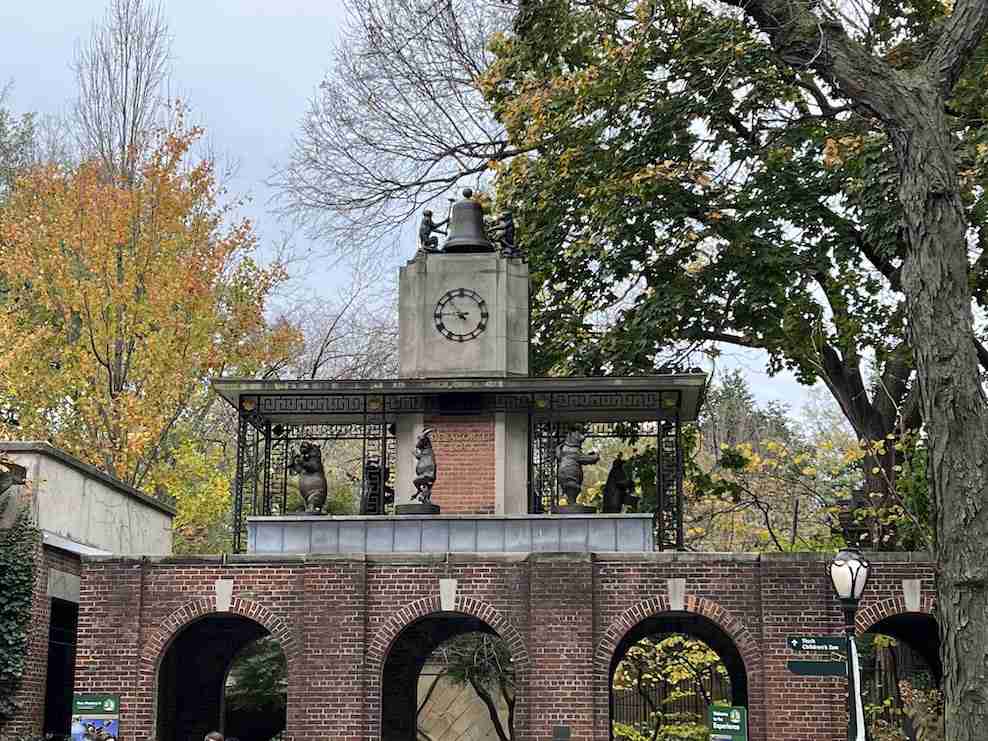
Breakfast at Tiffany’s
Meanwhile, Truman Capote lived right here at 70 Willow Street in the basement apartment, writing Breakfast at Tiffany’s while gazing across the water at the city that would make him famous. Furthermore, can you imagine it? Capote was probably in silk pajamas and drinking champagne at noon, creating Holly Golightly while Brooklyn Heights cats wandered through his garden. Similarly, Arthur Miller had his own Heights hideaway at 155 Willow Street, where he penned some of his greatest plays while dealing with the whole Marilyn Monroe situation—now that’s what I call writing under pressure.
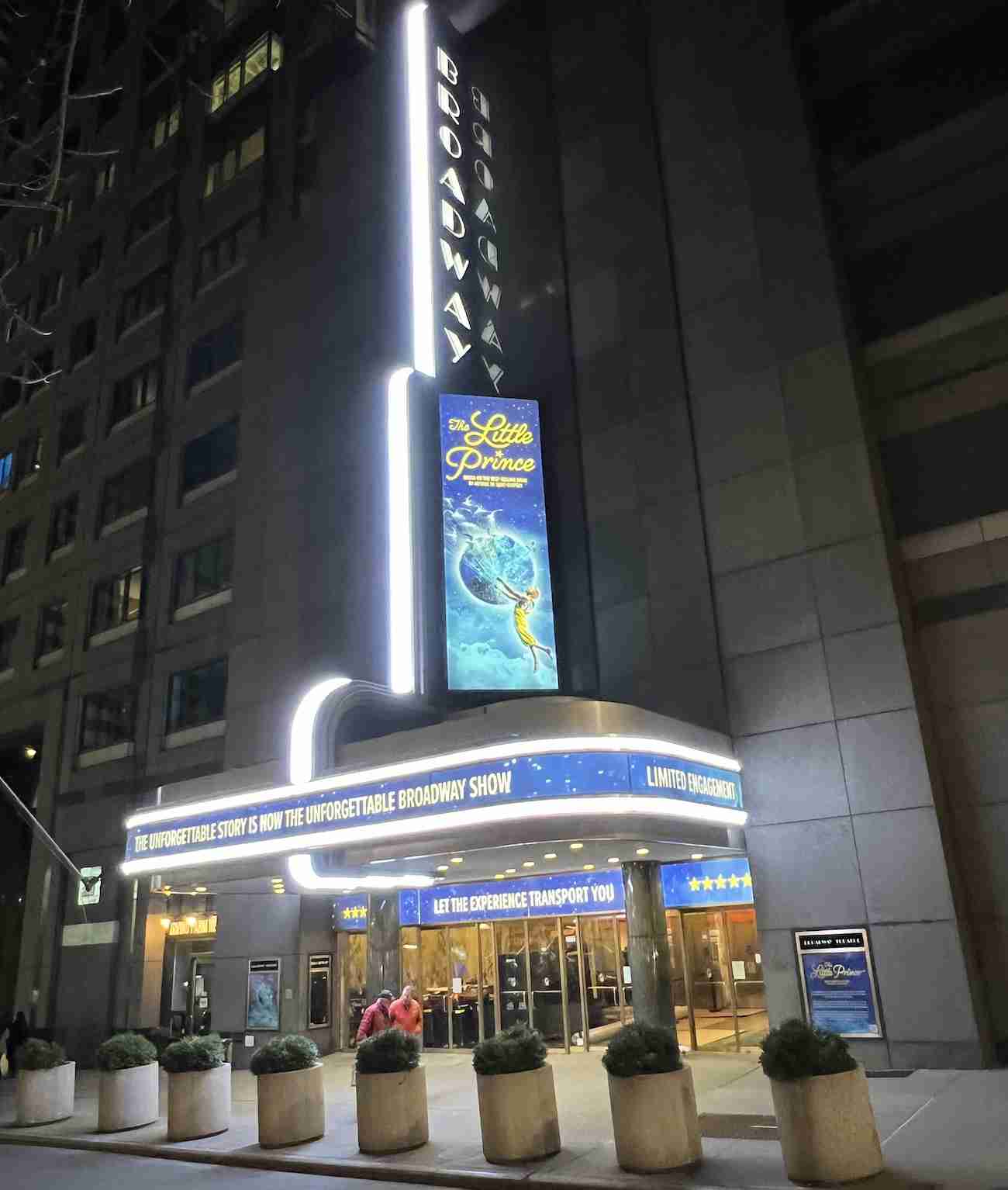
Consequently, those Victorian brownstones lining the streets—each one a small monument to somebody’s dream of respectability and indoor plumbing—tell stories of families who thought they were building for the ages. Furthermore, maybe they were. Perhaps that’s what preservation is about: saving old buildings and the dreams that built them.
Historic Preservation in NYC: Protecting the Past for Future Generations
The Essential Role of Preservation Societies and Community Advocates
Which brings us to those preservation societies—those wonderful, obsessive, occasionally maddening groups of people who’ve decided that somebody, somewhere, has to give a damn about keeping the past from vanishing entirely under a tide of glass towers and chain stores.
Indeed, these folks are the real heroes of this story, though they’d probably be embarrassed if you told them so. Moreover, they’re the ones who show up at community meetings, zoning hearings, and city council sessions, armed with historical surveys and architectural assessments and the kind of passionate, detailed knowledge that most people reserve for sports statistics or celebrity gossip.
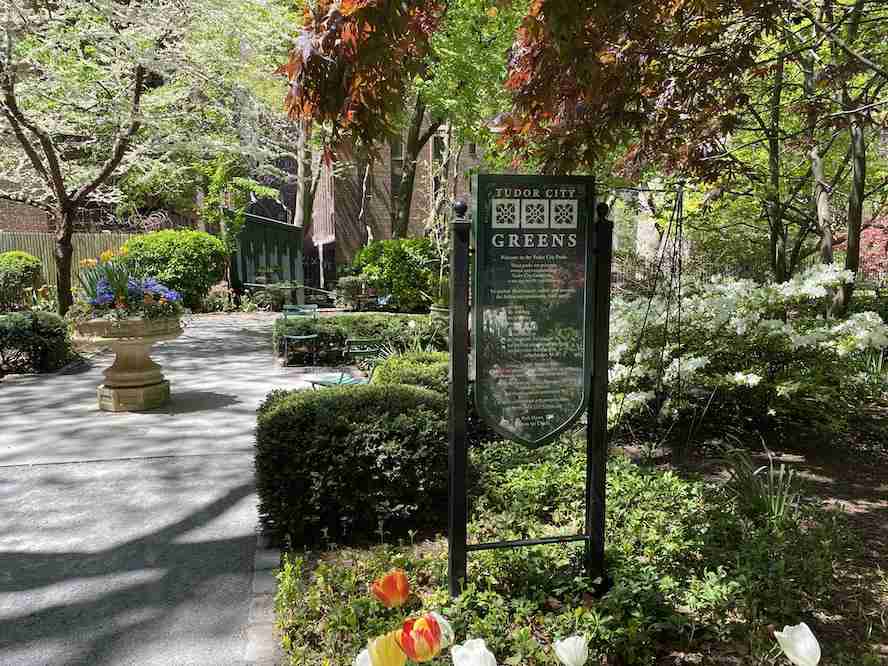
Similarly, they’re the ones who figured out that preservation isn’t just about keeping old buildings standing—though that’s important too—it’s about maintaining the continuity of place, the sense that we’re all part of something larger than our individual lives. Therefore, they understand that when you tear down a building that’s been standing for a hundred years, you’re not just removing brick and mortar. Instead, you’re erasing memory.
SoHo and East Village: Where Art Meets History
Cast-Iron Architecture and Counterculture Movements in Manhattan
Now, let’s talk about SoHo and the East Village—two neighborhoods with more artistic genius and creative madness per square block than most cities see in a lifetime. Specifically, the East Village was where Andy Warhol first set up shop in the Factory, cranking out Campbell’s Soup cans and Marilyn Monroe prints like some artistic assembly line. Furthermore, Jean-Michel Basquiat was tagging buildings in these streets before anyone knew his SAMO© graffiti would end up in museums, selling for millions.

Meanwhile, Keith Haring was down in the subway stations, drawing those dancing figures on blank advertising spaces, turning the whole city into his personal canvas. Additionally, you had Madonna living in a fourth-floor walkup on East 4th Street, working at Dunkin’ Donuts and dancing at clubs, entirely convinced she would conquer the world—and wouldn’t you know it, she was absolutely right.
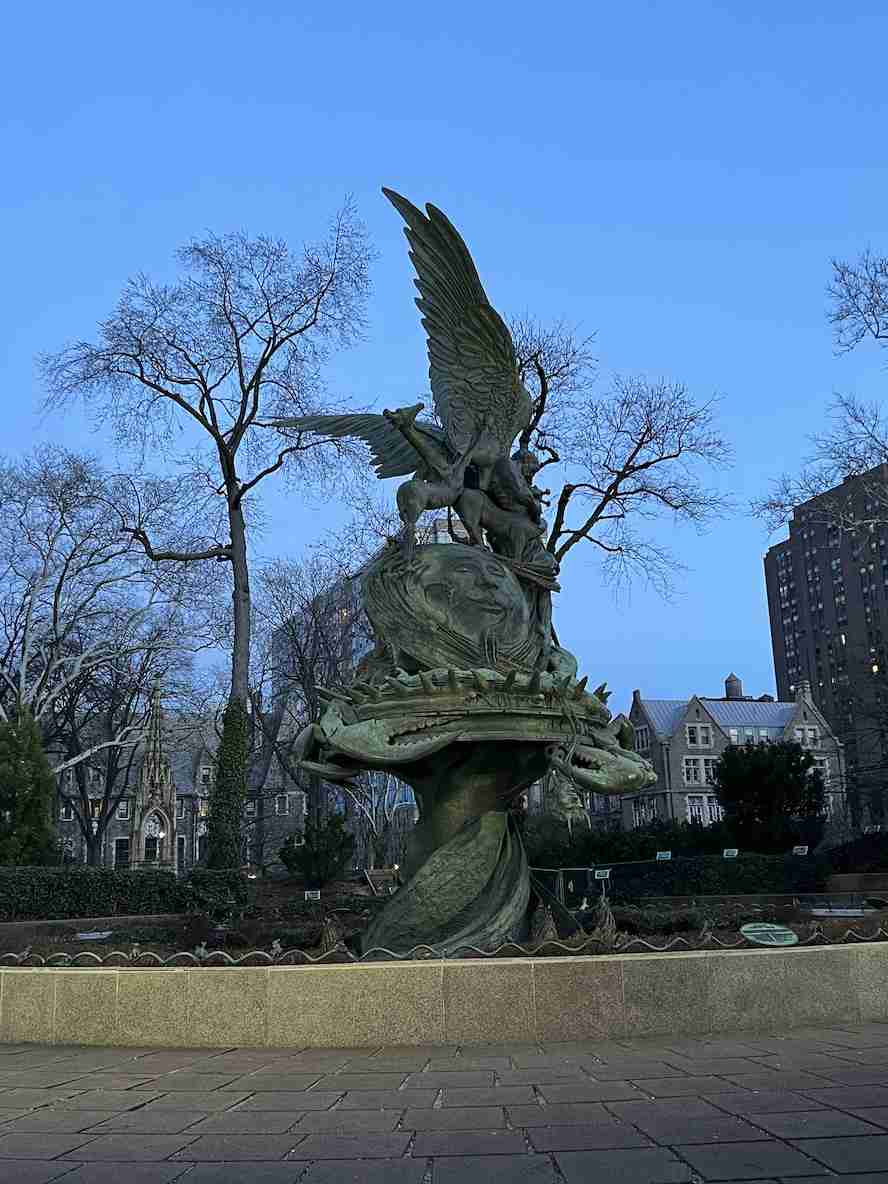
Consequently, these neighborhoods became magnets for anyone who believed that art could change everything or at least pay the rent. Therefore, when you walk through these streets today, past the boutiques and galleries that replaced the dive bars and rehearsal spaces, you’re walking through the dreams of a thousand wannabe superstars who all thought they had what it takes to make it in the big city.
Visiting NYC’s Historic Districts: A Complete Guide to Your Journey Through Time
Tips for Exploring New York’s Best-Preserved Neighborhoods
In conclusion, here’s what I’ve figured out after all these years of wandering around this impossible city: New York’s historic districts aren’t really about the past at all. Instead, they’re about the future. Subsequently, they’re about the radical idea that in a world that changes faster than the weather, some things are worth keeping exactly as they are.
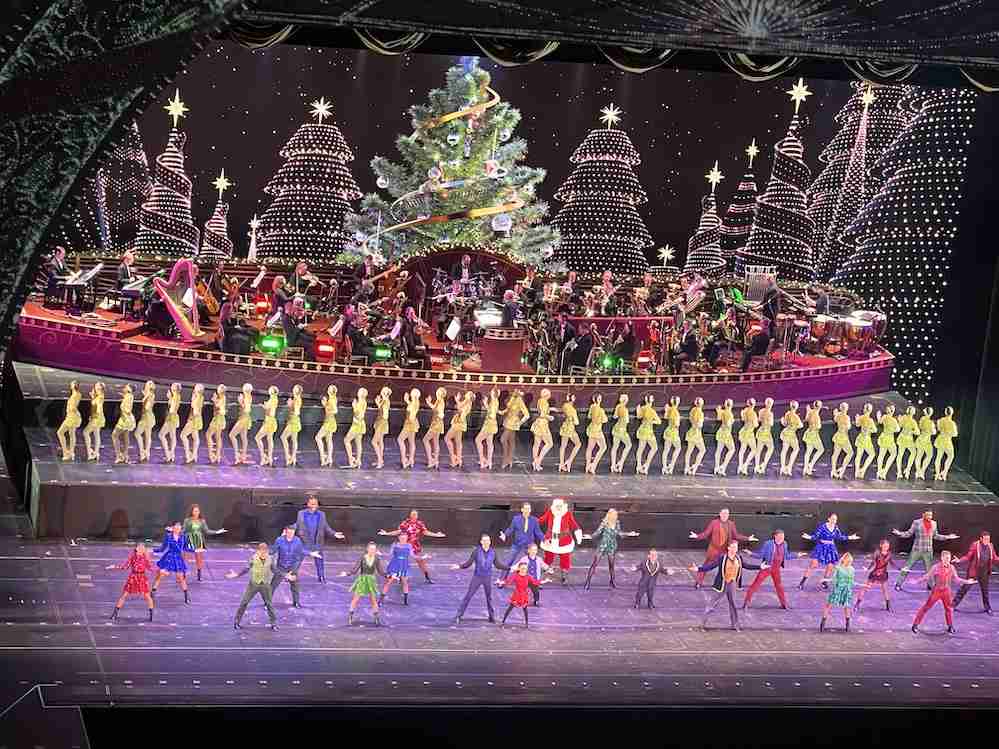
Therefore, when you walk through SoHo‘s cast-iron canyons or stroll down the tree-lined streets of the East Village, you’re not just sightseeing. Instead, you’re participating in an ongoing conversation between past and present, between the people who built these places, those who live in them now, and those who’ll inherit them tomorrow.
Old but Alive
Furthermore, maybe that’s the real magic of these historic districts—not that they’re old, but that they’re alive. Additionally, they’re proof that in a city famous for tearing down yesterday to build tomorrow, sometimes—just sometimes—we can manage to hold onto both.
Consequently, slow down a little the next time you find yourself walking through one of these preserved pockets of time. Moreover, look up from your phone. Therefore, let yourself feel the weight of all the footsteps that came before yours on these same sidewalks. Similarly, listen for the echoes of other voices, dreams, and ordinary moments that somehow add to something extraordinary.
Finally, when you get right down to it, these places are extraordinary collections of ordinary moments, preserved like flowers pressed between the pages of the world’s most interesting book. Additionally, you add your own moment to the collection whenever you visit them.
And that, friends, is not nothing. That is, in fact, quite something indeed.