


Musical Instrument Lending Library For Low-income Students – The Impact
In many communities, access to musical instruments is a barrier for low-income students who want to explore their musical talents. However, some innovative local music store owners and organizations make a difference by creating instrument-lending libraries. These libraries help students overcome financial barriers, offering them the tools to learn, develop, and grow through music. Let’s look at Musical Instrument Lending Library for Low-income Students.
Instrument-lending libraries offer numerous benefits that profoundly impact low-income students. Below are some of the key advantages of these programs.
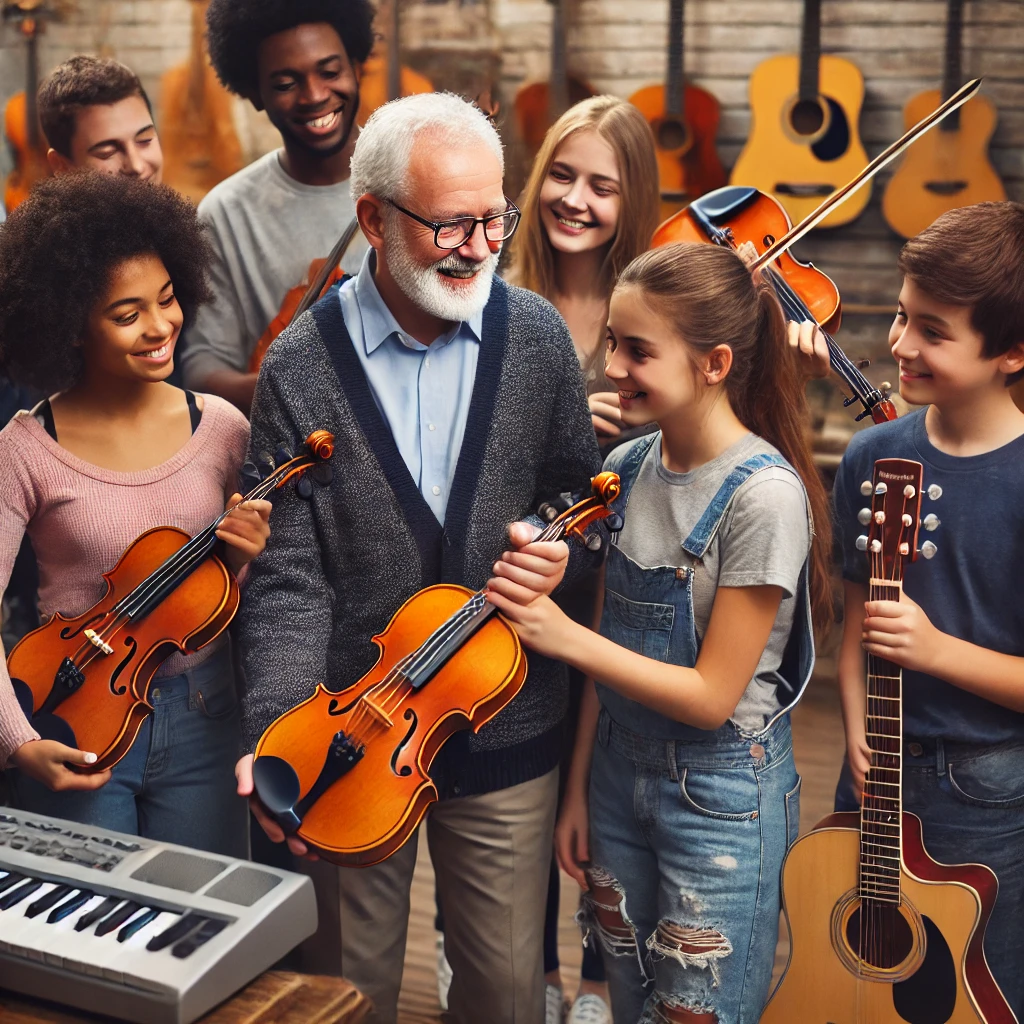
Access to Instruments for All
First and foremost, students gain access to various instruments without purchasing one. From guitars to violins and everything in between, students can borrow instruments at no cost. This accessibility opens up opportunities for students to experiment with different musical styles.
Next, students are encouraged to explore different types of music. They’re likelier to try new sounds when they can easily access instruments. This freedom helps students discover their talents and develop interests that might not have surfaced otherwise.
Lastly, schools with limited budgets often rely on these lending libraries. Many local schools struggle to fund their music programs, but a lending library provides the resources students need. This enhances the quality of their music education, making a real difference in their learning experience.
Community Engagement Through Music
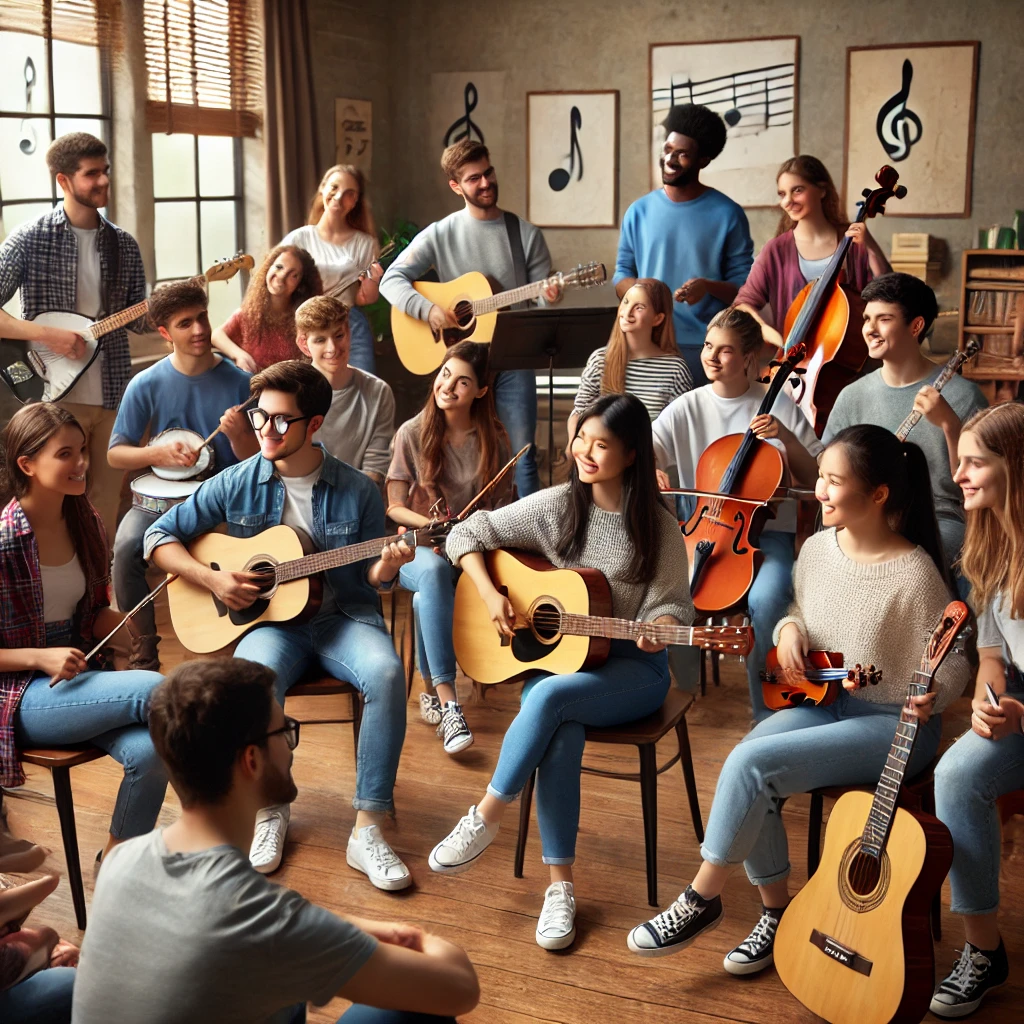
Instrument-lending libraries benefit students and strengthen communities. These programs create connections between students, educators, and music lovers. Everyone involved shares a passion for the arts, and this shared love brings the community closer.
The lending libraries also inspire students to join school bands and musical ensembles. As students practice and perform, they gain the confidence to share their work. Many perform at community events or school functions, spreading the joy of music to friends, family, and neighbors. Their hard work and dedication inspire others, creating a ripple effect of encouragement and support.
Caption: Instrument-lending libraries provide students with access to music and strengthen community ties through performance and participation.
How Lending Libraries Work
Local organizations play a crucial role in running these lending libraries. Many take personal pride in supporting young musicians in their communities. They demonstrate their commitment by offering students access to instruments and helping them along their musical journey. The process for borrowing instruments is simple yet effective, ensuring students can borrow responsibly.
- Application Process: Students complete a simple application, sharing details about their school and musical interests.
- Loan Period: Instruments are typically lent for a specified time, giving students plenty of time to practice.
- Condition Check: Students must agree to return the instruments in good condition to maintain the quality of the equipment for others.
Many local music organizations also partner with schools and community organizations to promote the availability of their lending libraries. Together, they host workshops, guitar lessons, and introductory music classes, offering students hands-on experience and inspiring a passion for music.
A Success Story: “Harmony House”
One great example of the impact of an instrument-lending library comes from Harmony House, a local music store that sadly is no longer in business. In their last year, their lending library helped over 300 students gain access to musical instruments. This success boosted student participation in music programs, and many students have since joined local bands and school ensembles.
| Year | Number of Students Served | Instruments Lent |
|---|---|---|
| 2022 | 300 | 450 |
| 2023 | 450 | 550 |
This success story highlights the significant impact these lending libraries can have on students and their communities. More access to instruments gives students a greater chance to explore their creativity, develop their talents, and pursue their dreams.
Community Support and Music Education
Communities that support music education play a critical role in shaping young talents. Encouraging collaboration between local businesses, schools, and music lovers can create a supportive ecosystem for budding musicians. This collaboration can take many forms:
- Workshops and Masterclasses: Local musicians can lead sessions that offer hands-on experience and mentorship for students.
- Concerts and Events: Hosting community performances allows students to showcase their talent while receiving positive feedback.
- Sponsorship and Funding: Local businesses can provide much-needed funds for instruments, supplies, lessons, and event production.
Caption: Partnerships between local businesses, schools, and musicians foster a thriving music community, offering students valuable experiences and mentorship.
The Importance of Inclusivity in Music Education
Inclusivity is vital in music programs; instrument-lending libraries ensure every student can access music education. For low-income students, the cost of purchasing instruments is often out of reach. Lending libraries break down these barriers, offering free or low-cost instruments and ensuring that all students can participate regardless of their background.
Local music store owners also help build a more diverse music scene by offering students a wide range of instruments. This opportunity exists if a student dreams of playing the violin, trumpet, or drums.
How Instruments Enhance Student Learning
Music education isn’t just about learning to play an instrument. Playing music stimulates brain function and helps students develop essential cognitive and social skills. Some benefits include:
- Memory Improvement: Playing an instrument enhances memory by challenging students to memorize notes, rhythms, and patterns.
- Improved Language Skills: Music education has improved literacy as students learn to interpret musical syntax similarly to language.
- Mathematical Skills: Music is closely linked to mathematics, and learning rhythm and patterns helps students better understand numbers and fractions.
Caption: Music education enhances memory, language, and mathematical skills, making it an invaluable part of a student’s learning journey.
A Transformative Impact: Inspiring Success Stories
The transformative power of these lending libraries is reflected in students’ personal stories. Take Maria, for example. Maria, a high school sophomore with limited resources, always dreamed of playing the clarinet. Thanks to her local music store’s lending library, she now plays in her school band, and her confidence has grown tremendously.
Another success story involves Ethan, a 14-year-old who struggled academically. After borrowing a guitar from his local lending library, he not only improved his musical skills but also saw an improvement in his school performance. Playing music gave him a sense of discipline and accomplishment that translated into other areas of his life.
Caption: Instrument-lending libraries create opportunities for students like Maria and Ethan, fostering personal growth and academic success.
Musical Instrument Lending Library for Low-income Students
Looking Forward: A Call to Action
The impact of instrument-lending libraries is undeniable. They serve as catalysts for creativity, collaboration, and community building. By supporting these initiatives, we can ensure that every child, regardless of their financial situation, has the opportunity to explore their musical talents.
If you’re passionate about supporting music education, consider getting involved. Whether through donations, volunteering, or simply spreading the word, your involvement can make a difference in the lives of young musicians. Save The Music Foundation and Guitars for Vets are just two organizations doing great work to support access to music for all.
NYC-based Music Organizations That Lend Instruments to Low-income Children
- MusiCan
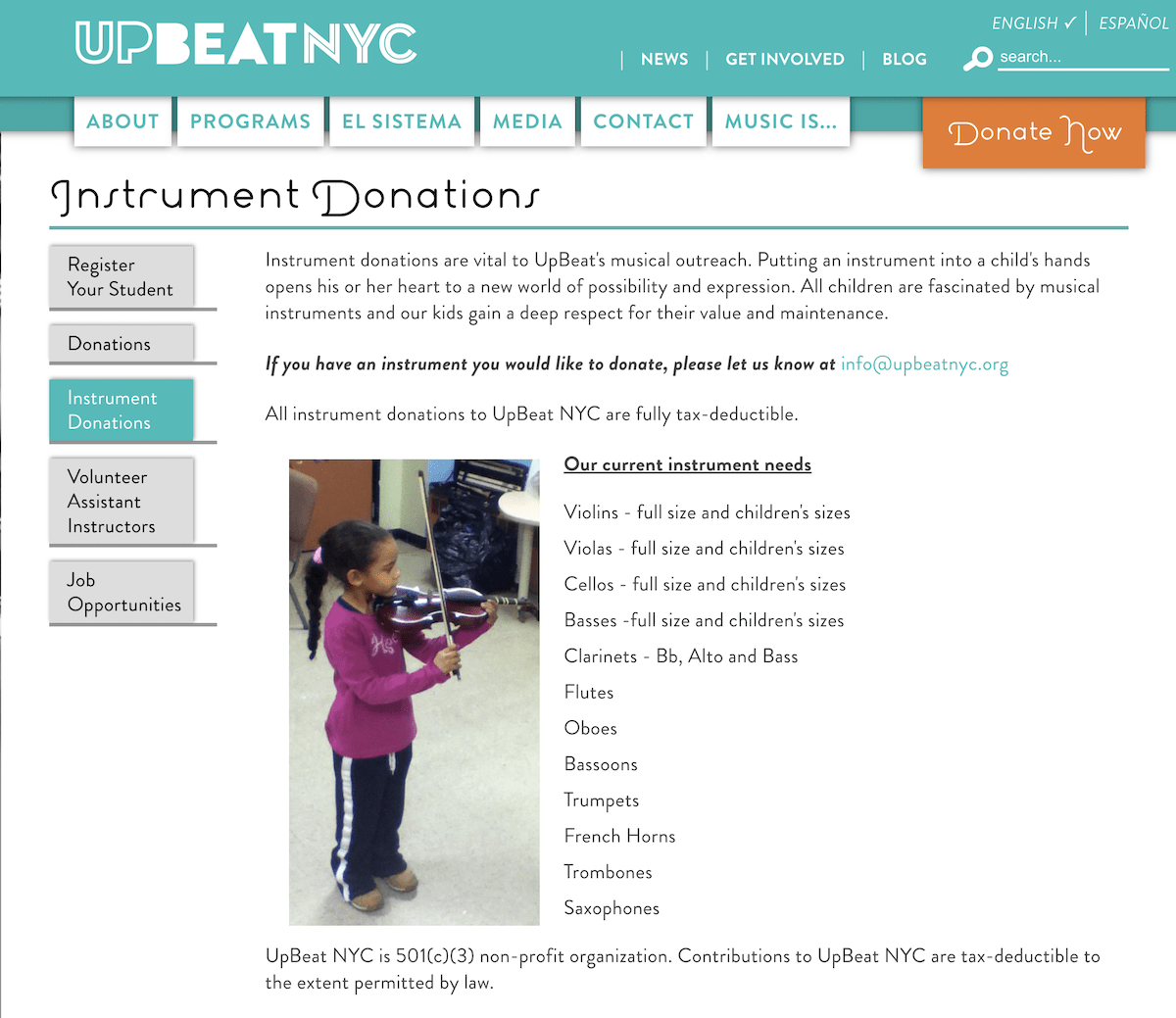
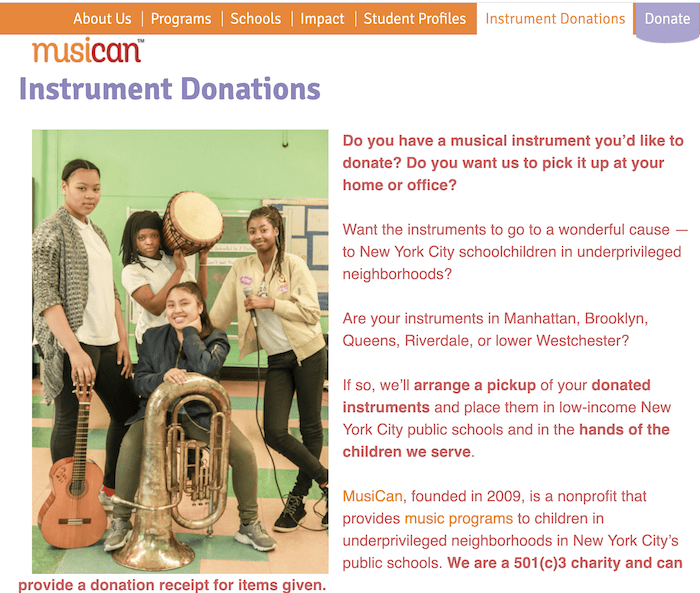
MusiCan is a nonprofit that provides musical instruments and music education to children in underprivileged neighborhoods across New York City. It lends guitars, keyboards, brass, and string instruments to low-income students and partners with NYC public schools in underfunded areas. - UpBeat NYC
UpBeat NYC is another nonprofit based in the Bronx that lends instruments to disadvantaged children. Their mission is to create an inclusive musical community by lending instruments such as violins, cellos, brass instruments, and more to needy children. - Kaufman Music Center (see article on NY1)
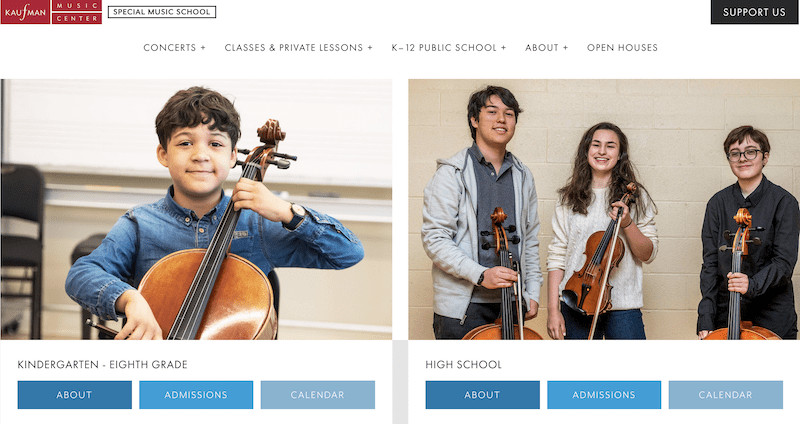
Located on the Upper West Side, the Kaufman Music Center lends brass instruments to low-income students as part of its program to make music education more accessible. It also provides lessons and other resources to support these students.
References and Links:
- Harmony House (founded in 1947, this has sadly closed its doors) – Website
- Save The Music Foundation – Website
- Guitars for Vets – Website
- National Association for Music Education – Website
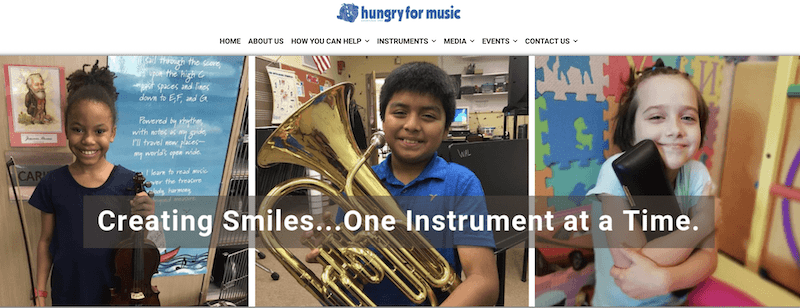
- Hungry For Music – Website
If you enjoy this human interest story, you can find more HERE.