
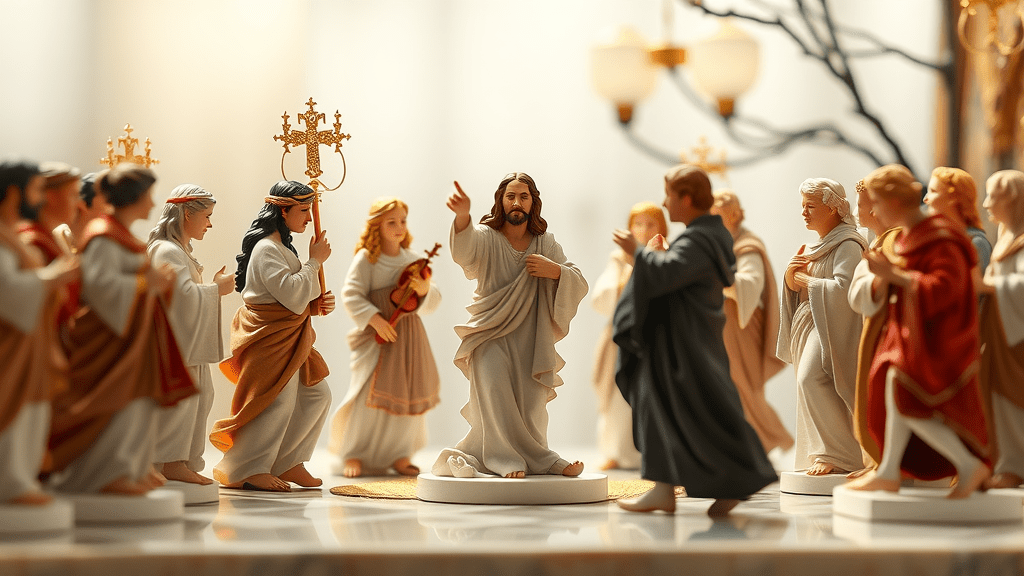

The Timeless Beauty of Mozart’s Ave Verum Corpus: A Perfect Sacred Miniature
Exploring the Artistic Essence of a Spiritual Legacy
Mozart’s Ave Verum Corpus is a cardinal piece that eloquently captures the essence of sacred choral music. Though short in its performance time, this masterpiece holds immense spiritual and artistic significance. Encompassing just a few minutes, this work exemplifies Mozart’s genius in inspiring profound feelings and thoughts about the divine. The music’s capacity to touch the heart lies in its simple yet powerful structure, evoking an ethereal sense of peace and reverence. Let’s explore Mozart’s Ave Verum Corpus: A Perfect Sacred Miniature.
Historical Context: A Sacred Devotion in Miniature
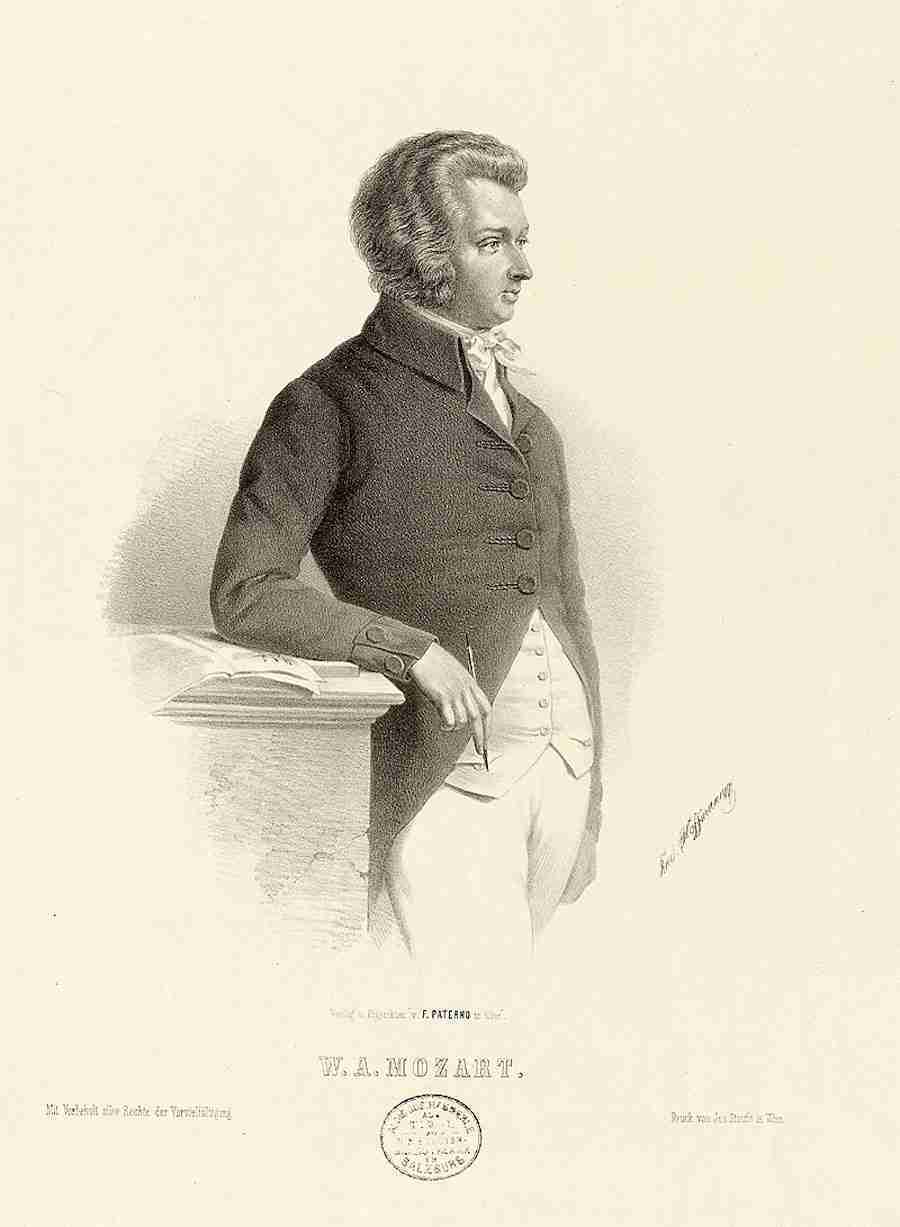
Mozart’s Ave Verum Corpus exemplifies the sacred miniature, a genre where brevity serves depth. Composed in June 1791 for the Feast of Corpus Christi, this work reflects Mozart’s mastery in synthesizing theological gravity and musical clarity. Written for a modest church in Baden, where his wife Constanze was convalescing, the motet transcends its intimate origins, offering a universal meditation on faith and reverence. Here, Mozart eschews operatic flamboyance and polyphonic density, opting for a directness that amplifies the text’s devotional intones.
Mozart’s Evolving Pathos: Reaching New Heights as the 19th Century Beckons
As Mozart’s oeuvre matured, his ability to evoke pathos grew more profound, culminating in works that transcended their Classical roots. By the late 1780s, his compositions began incorporating greater emotional depth and complexity, foreshadowing the Romantic sensibilities of the 19th century.
In works such as The Requiem and the final operas like The Magic Flute and La Clemenza di Tito, Mozart explores themes of mortality, redemption, and human frailty with unparalleled subtlety. His manipulation of harmonic language, particularly through unexpected modulations and dissonances, reflects a keen awareness of human vulnerability.
Ave Verum Corpus is a quintessential example of this evolution, where restrained simplicity amplifies its emotional resonance. This approach would inspire composers such as Beethoven and Schubert, who carried Mozart’s legacy of pathos into the Romantic era. In bridging the Classical and Romantic worlds, Mozart’s later works demonstrate his unmatched capacity to marry intellectual rigor with profound emotional expression.
Technical Craft: A Model of Restraint and Nuance
The technical construction of Ave Verum Corpus is a study of clarity. Anchored in D major, a key radiating balance and serenity, the work employs a modest ensemble of strings, an organ, and a four-part choir. Mozart achieves a rare harmonic and textural sophistication within this simple framework. Tender suspensions resolve into luminous consonances, evoking sacred pathos without indulgence. The restrained counterpoint conveys unity rather than complexity, embodying the theological principle of divine harmony. Every note serves the sacred purpose without excess or omission. The work is brief, and I’ve provided it here for your listening pleasure with music and text – you can follow the music, the text, or both:
Artistic Power: Communicating the Ineffable
The enduring beauty of Ave Verum Corpus lies in its ability to convey the ineffable. The text’s emotional apex, “cuius latus perforatum” (“whose pierced side flowed”), is treated with understated harmonic shifts that evoke a quiet certainty. In these moments, Mozart transcends musical form, illuminating the text with the light of eternal truths. The closing bars achieve a rare stillness, suspending the listener in a meditative grace, their simplicity magnifying their impact.
Musical Structure: Simplicity Meets Sophistication
The structure of Ave Verum Corpus is a testament to Mozart’s brilliant capacity to fuse simplicity with complexity. Typically performed by a small choir with organ accompaniment, it creates an intimate yet unified sound. Following a straightforward A-B-A form, its melodic lines interweave seamlessly. These harmonies enhance the sacred text, each note contributing to a cohesive prayer-like dedication to transcendent time.
Lyrical Resonance
The Latin text, which translates to “Hail, true Body,” magnifies the Eucharist’s spiritual significance. Filled with solemn praise, it emphasizes the mystery of the Eucharist. The measured pace of the music allows each word to resonate, offering listeners a moment to reflect. Mozart’s ability to mirror the sacred in text and sound is unmatched, making this miniature a staple in liturgical music. For more on the text and its theological significance, visit Britannica.
Influence on Sacred Music
Mozart’s work has greatly influenced the landscape of sacred music. His approach to vocal composition in Ave Verum Corpus has inspired countless composers to blend textual elements with harmonious melodies. By creating a soundscape that conveys purity and spirituality, this piece has become a model for those striving to capture the beauty of sacred texts in musical form.
Cultural Impact
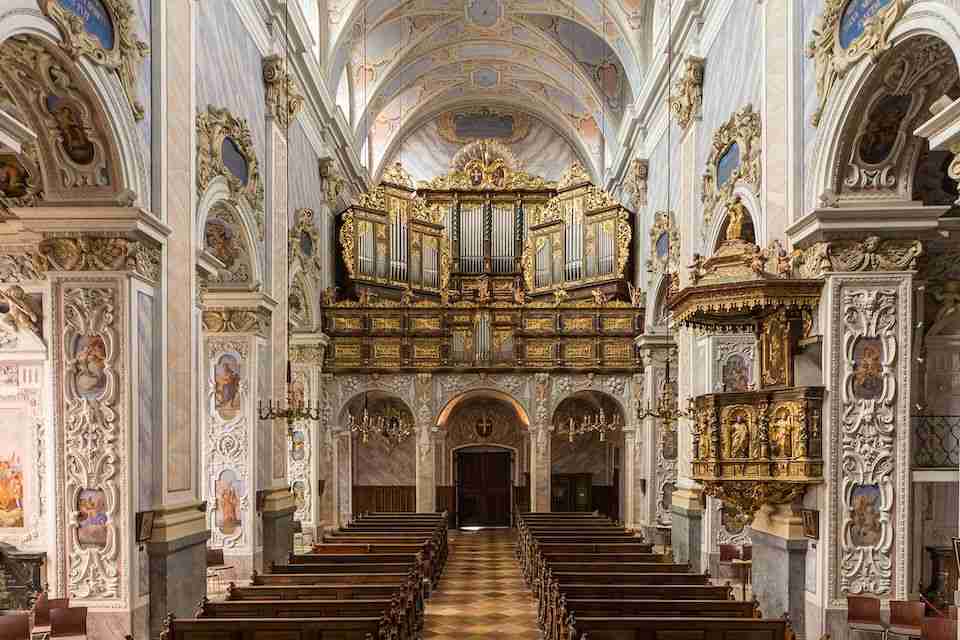
The enduring popularity of Ave Verum Corpus speaks to its cultural impact. Frequently performed during religious ceremonies, concerts, and notable events, it enchants audiences worldwide. From church choirs to elite ensembles, its versatility and expressive power attest to Mozart’s everlasting appeal. These performances keep the composition alive and inspire new interpretations and performances across diverse musical communities.
Performance Considerations: Balancing Subtlety and Reverence
Musicians face significant challenges when preparing for and performing this work. Ave Verum Corpus requires an understanding of balance and nuance from musicians. Ensuring the words shine within the harmonies is key to preserving its intended effect. The dynamic interplay between voices should enhance the serene atmosphere, requiring great attention to detail from both conductors and performers.
Achieving the finest level of performance involves precise attention to phrasing, where each phrase flows naturally to mirror the text’s sacred meaning. Dynamics must be carefully modulated—swelling subtly to emphasize moments of spiritual intensity while receding gracefully to allow space for contemplation. The articulation of each vocal line should be seamless, blending effortlessly into the choral texture without individual voices overshadowing others.
The tempo must be chosen thoughtfully to reflect the reflective nature of the piece, avoiding haste that might diminish its contemplative quality. Conductors should ensure a unified ensemble sound where the choir, organ, and strings align perfectly. Additionally, the diction must be pristine, allowing the Latin text to resonate clearly and profoundly with the audience.
Finally, performers should immerse themselves in the spiritual intent of the composition. By channeling technical precision and emotional sincerity, they can elevate the performance to its intended transcendent experience—one where Mozart’s genius connects deeply with the listener’s soul.
When performed, Ave Verum Corpus calls for an understanding of balance and nuance from musicians. Ensuring the words shine within the harmonies is key to preserving its intended effect. The dynamic interplay between voices should serve to enhance the serene atmosphere, requiring great attention to detail from both conductors and performers.

Characteristics of Sacred Choral Music
Sacred choral music of the Classical Era is characterized by its simplicity and clarity, reflecting the period’s overall aesthetic. Balanced phrases and clear harmonies define this music, making it accessible and impactful. Homophonic textures, where all voices move together rhythmically, ensure textual clarity, allowing spiritual messages to resonate profoundly.
Key Features:
- Balanced Structure: Music with clear beginning, middle, and end segments.
- Expressive Dynamics: Contrasts to enhance emotional impact.
- Textual Clarity: Focusing on making words the centerpiece.
Social and Cultural Impacts
Sacred choral music transcended mere auditory pleasure; it reflected societal values and beliefs. Transitioning into public concerts, these compositions addressed broader themes, including morality and humanistic ideals. Performances in grand churches and cathedrals emphasized community and shared experience, elevating the divine and artistic dimensions.
Continued Influence and Legacy
Though the Classical Era gave way to Romanticism, its sacred choral music left an undeniable legacy. Subsequent composers drew inspiration from its beauty and form. Modern choirs and ensembles continue performing Classical sacred works, ensuring powerful messages and exquisite music inspire generations.
Final Thoughts -Mozart’s Ave Verum Corpus: A Perfect Sacred Miniature
Mozart’s Ave Verum Corpus remains a shining example of the timeless beauty of sacred music. Though brief, this perfect, sacred, and exquisite miniature captures the essence of spiritual reverence and musical elegance. Its poignant melody and harmonious simplicity invite listeners into a serene, reflective state, transcending time and cultural boundaries. By exploring its cultural and historical context, we gain a deeper understanding of how this art form has shaped our musical heritage. Celebrating sacred music encourages us to cherish these universal compositions that have touched hearts across centuries, reminding us of our shared human experience and the enduring power of music.
Before you go, listen and watch the performers in this splendid performance of the Ave Verum Corpus by The Choir of King’s College, Cambridge Matthew Martin (organ), Directed by Daniel Hyde:
Readers may also enjoy Polyphony in Music, Christmas at Corpus Christi Church, and MasterVoices Presents Jewish Sacred Music.