
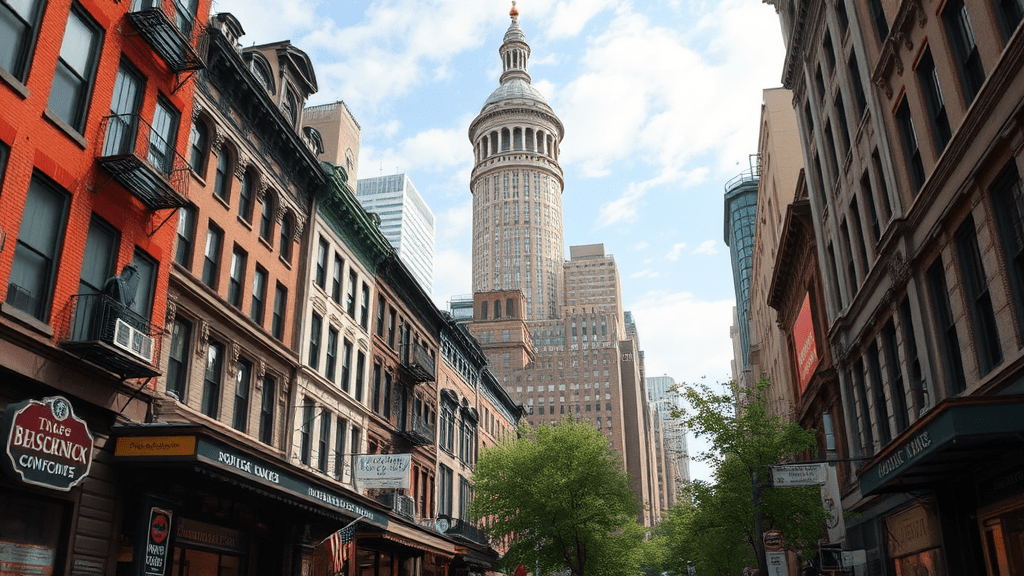

Literary Landmarks: A Bookworm’s Guide To NYC
For book lovers, New York City is a treasure chest filled with literary history and iconic locations. From the charming streets where classic authors walked to the bustling cafes that inspired countless stories, exploring literary landmarks in the city is a dream come true. Whether you’re a casual reader or an avid bibliophile, plenty of spots offer a glimpse into the world of literature. Get ready for Literary Landmarks: A Bookworm’s Guide To NYC.
Central Park
Central Park isn’t just a beautiful green space; it’s a literary playground. Many authors have featured this landmark in their works. For instance, J.D. Salinger set parts of “The Catcher in the Rye” in this iconic park. Grab a book, take a walk, and immerse yourself in the scenery that inspired many writers.
The New York Public Library
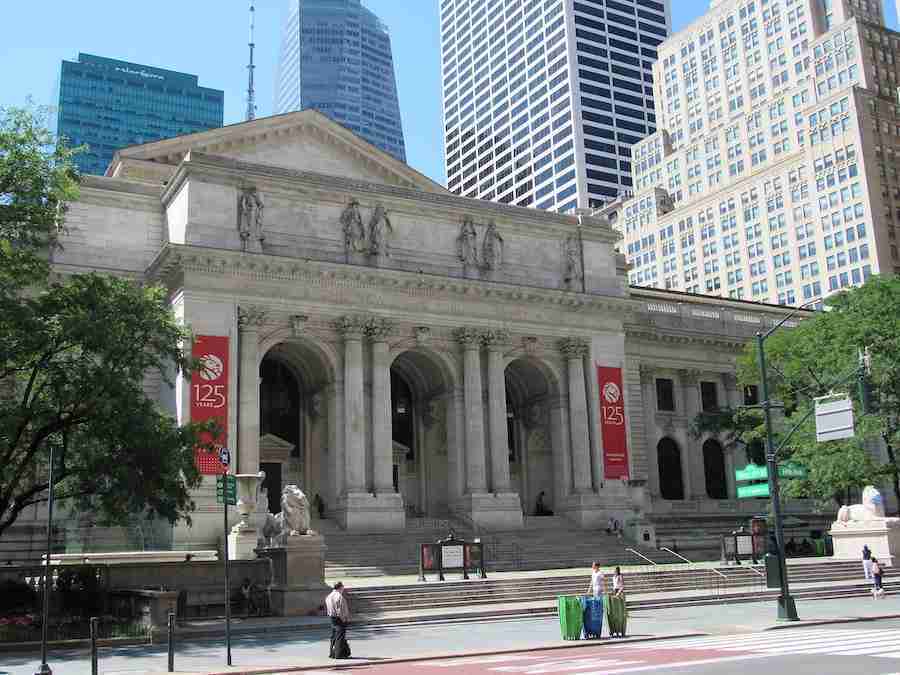
No visit to NYC is complete without a trip to the New York Public Library. This magnificent building is located at Bryant Park and houses over 50 million items, including rare manuscripts and literary treasures. Don’t forget to snap a photo with the iconic lion statues outside!
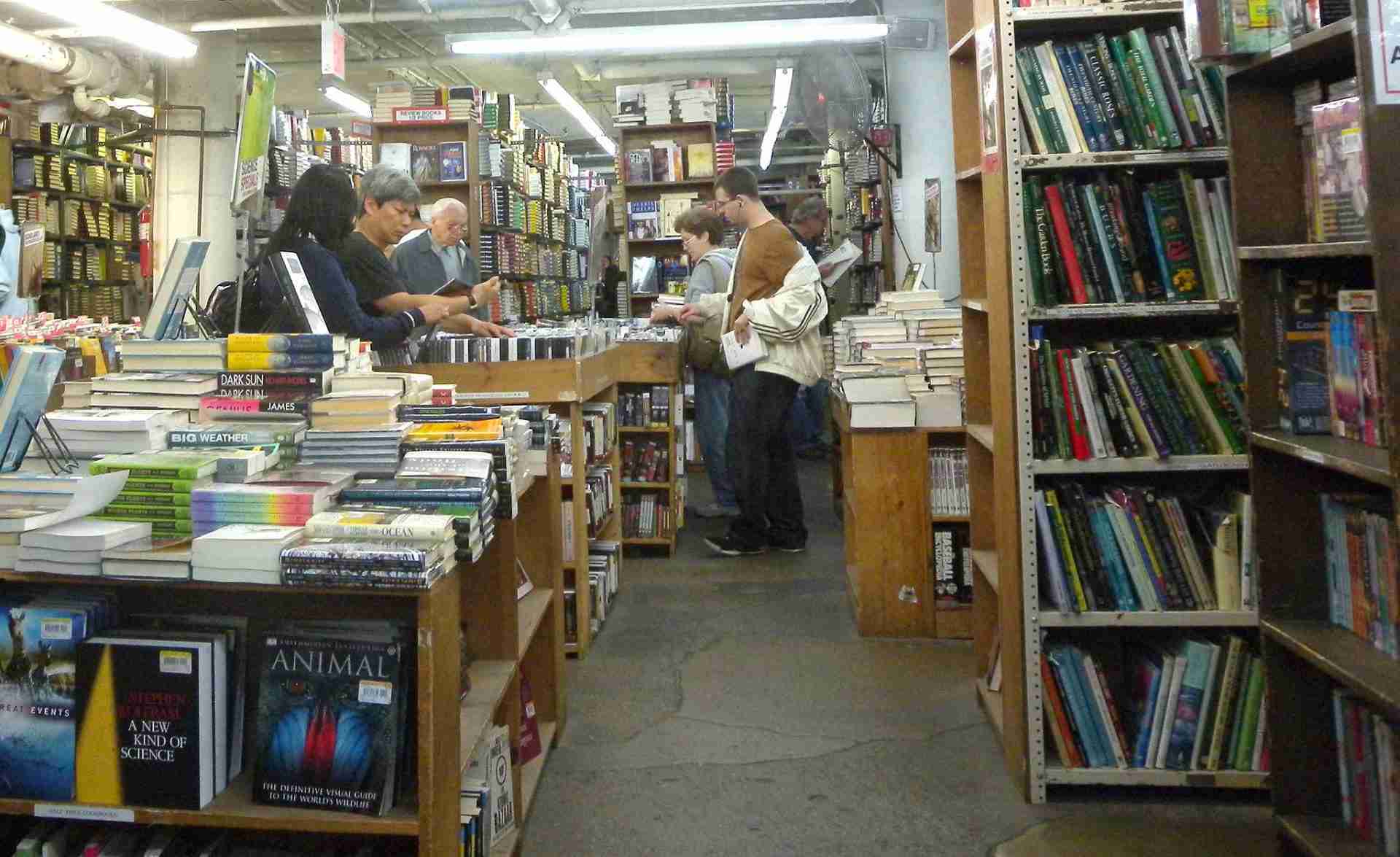
Strand Bookstore
Often referred to as “The Last Bookstore,” Strand Bookstore boasts an impressive collection of over 2.5 million new, used, and rare books. You can find a great read, join an author signing, or enjoy the literary atmosphere here. This bookstore is located near Union Square and has been a beloved bookworm destination since 1927.
Mark Twain House
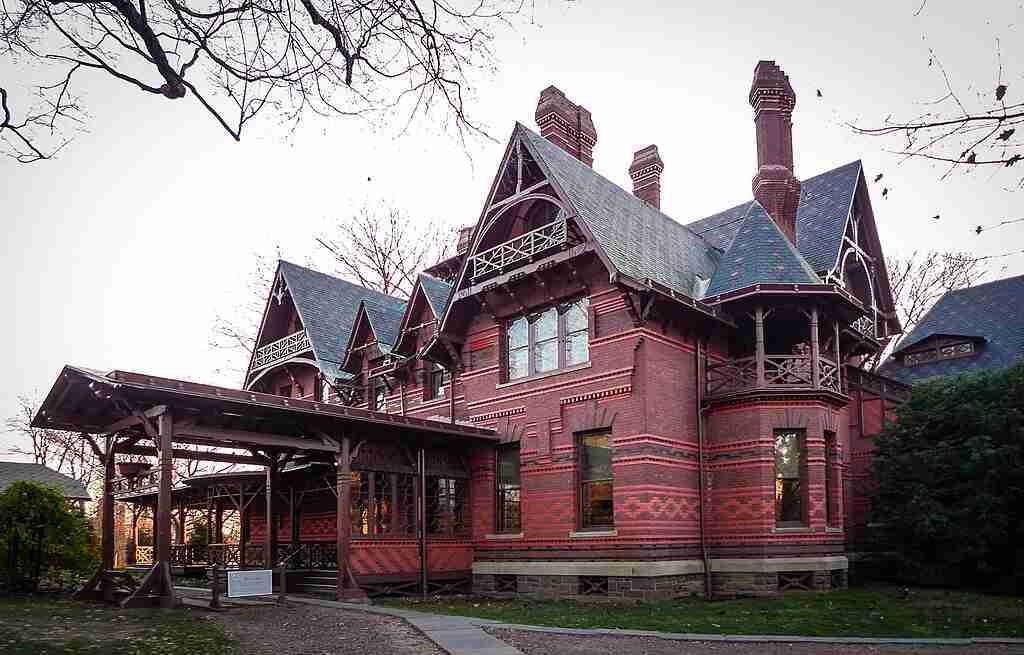
Located in the Bronx, the Mark Twain House offers a fascinating insight into the life of one of America’s greatest authors. While it’s not your typical house museum, this site features guided tours that bring Twain’s world to life. You’ll learn about his creative process and see where he wrote “The Adventures of Tom Sawyer,” another milestone in Literary Landmarks: A Bookworm’s Guide To NYC.
Literary Bars and Cafes
New York is also home to many bars and cafes that have literary significance. Here are a few must-visit spots:
- The Algonquin Hotel: A historic gathering place for Dorothy Parker and Ernest Hemingway. Grab a drink in the Oak Room and soak in the literary history.
- McNally Jackson: A charming bookstore and cafe in SoHo, perfect for enjoying a coffee while browsing books.
- Blue Bottle Coffee: A favorite haunt of several modern writers, this cafe provides the perfect atmosphere for inspiration.
Brooklyn’s Literary Scene – Literary Landmarks: A Bookworm’s Guide To NYC
Over the years, Brooklyn has blossomed into a vibrant literary hub. Here, you can visit:
- Greenlight Bookstore: This community bookstore is a hotspot for author events and readings.
- The Brooklyn Public Library: Visit the main branch for its stunning architecture and extensive collection.
The Bowery and Lower East Side
Wander through the Bowery and Lower East Side to discover where many writers found inspiration. This area was home to famous authors like F. Scott Fitzgerald and William S. Burroughs. Explore the streets as you read their works to connect with their experiences in this lively neighborhood.
The Tenement Museum
For those interested in understanding the immigrant experience through literature, the Tenement Museum offers engaging tours that delve into the lives of those who settled in NYC. Discover the stories that shaped the city and inspired countless writers.
As you navigate these literary landmarks, remember that each corner of New York City holds a story waiting to be told. With every visit to these sites, you celebrate the authors’ works and become a part of the ongoing literary story that thrives in this vibrant city. Whether you stroll through Central Park, explore a bookstore, or sip a drink at a literary bar, you’re guaranteed to be inspired by the rich tapestry of words that defines New York. Another step in Literary Landmarks: A Bookworm’s Guide To NYC
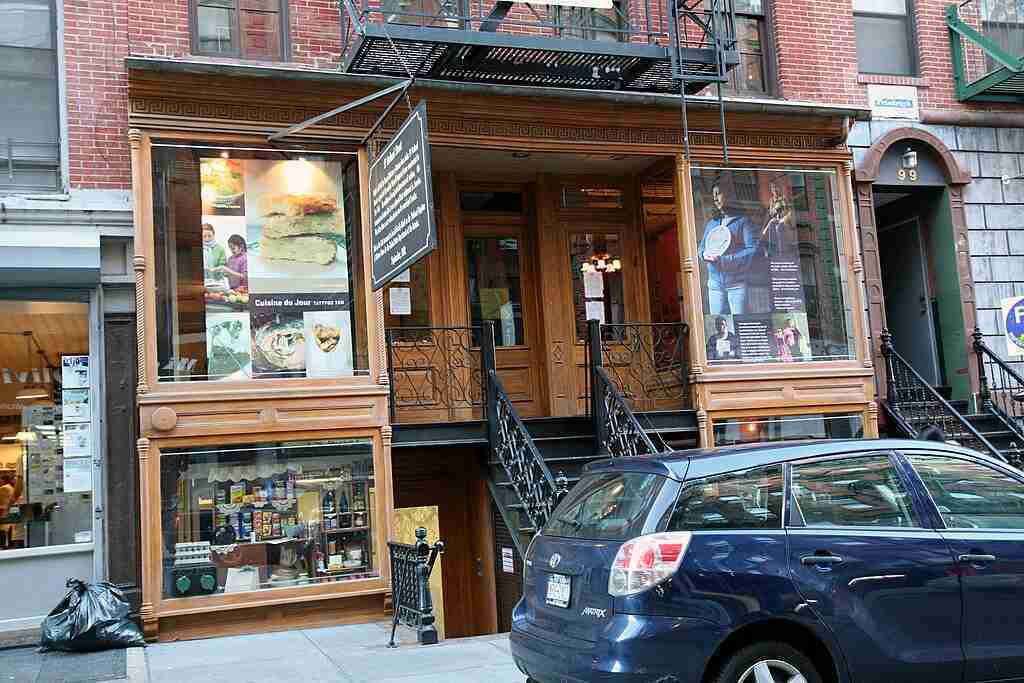
The Influence of New York City on Famous Writers and Their Works
New York City has long been a source of inspiration and creativity, a vibrant backdrop for countless literary works. Famous writers have walked its streets, drawn from its energy, and captured its essence in their stories. The city’s influence can be seen in many renowned books’ themes, settings, and characters, leaving a lasting legacy in American literature.
One of the great titans of American literature, F. Scott Fitzgerald, set the stage for his classic, The Great Gatsby, in the heart of New York. The glitzy, roaring twenties buzz around Manhattan provides the perfect setting for themes of ambition, love, and betrayal. Fitzgerald’s portrayal of the city’s lavish parties and the stark contrast between wealth and poverty highlighted the American Dream’s allure and tragic flaws.
Similarly, authors like J.D. Salinger drew upon New York’s culture and style to craft unique narratives. In Salinger’s iconic novel, The Catcher in the Rye, the city plays a crucial role in shaping the protagonist, Holden Caulfield. Holden’s experiences in New York reflect his struggle with alienation, making the city a character in its own right and amplifying the themes of disconnection that resonate with many young adults.
Celebrate the City
Among the significant literary figures is the poet Walt Whitman, whose work Leaves of Grass exhibits profound connections to New York City. His poems vividly celebrate the city, emphasizing the diverse experiences and democratic spirit that define urban life. Whitman’s immersive language captures the pulse of New York, resonating with readers who witness the city’s unrelenting energy through his imagery.
For a deeper understanding of how the city has shaped literary genius, consider the following points about New York’s influence:
- Cultural Melting Pot: As a hub for various cultures, the city offers a rich tapestry of experiences. Writers like Junot Díaz have drawn from immigrant backgrounds, creating narratives that reflect the complexities of identity and belonging.
- Historical Events: Significant events, from the Harlem Renaissance to the 9/11 attacks, have inspired countless works. Authors like Zadie Smith have engaged with these events, crafting narratives that ponder their societal impacts.
- Literary Communities: New York has nurtured numerous literary collectives and movements. The Beat Generation, with figures like Allen Ginsberg and Jack Kerouac, found a voice in the city’s underground scene, illustrating how urban environments foster creativity and innovation.
Moreover, the city’s iconic landmarks serve as settings that have shaped literature. The Brooklyn Bridge, Central Park, and the bustling streets of Manhattan have provided inspiration and vital narrative spaces. For instance, in Lauren Weisberger’s The Devil Wears Prada, the high-paced fashion world of NYC is almost a character, adding depth to the story.
A Hub for Literary Events
Writers often find solace and stimulation in New York’s literary history. The famed Strand Bookstore, a New York institution, houses an impressive collection of over 2.5 million books. It is a hub for literary events, allowing authors to connect with their audience. Another landmark, the New York Public Library, is a sanctuary for many writers, providing resources and inspiration amid its stunning architecture.
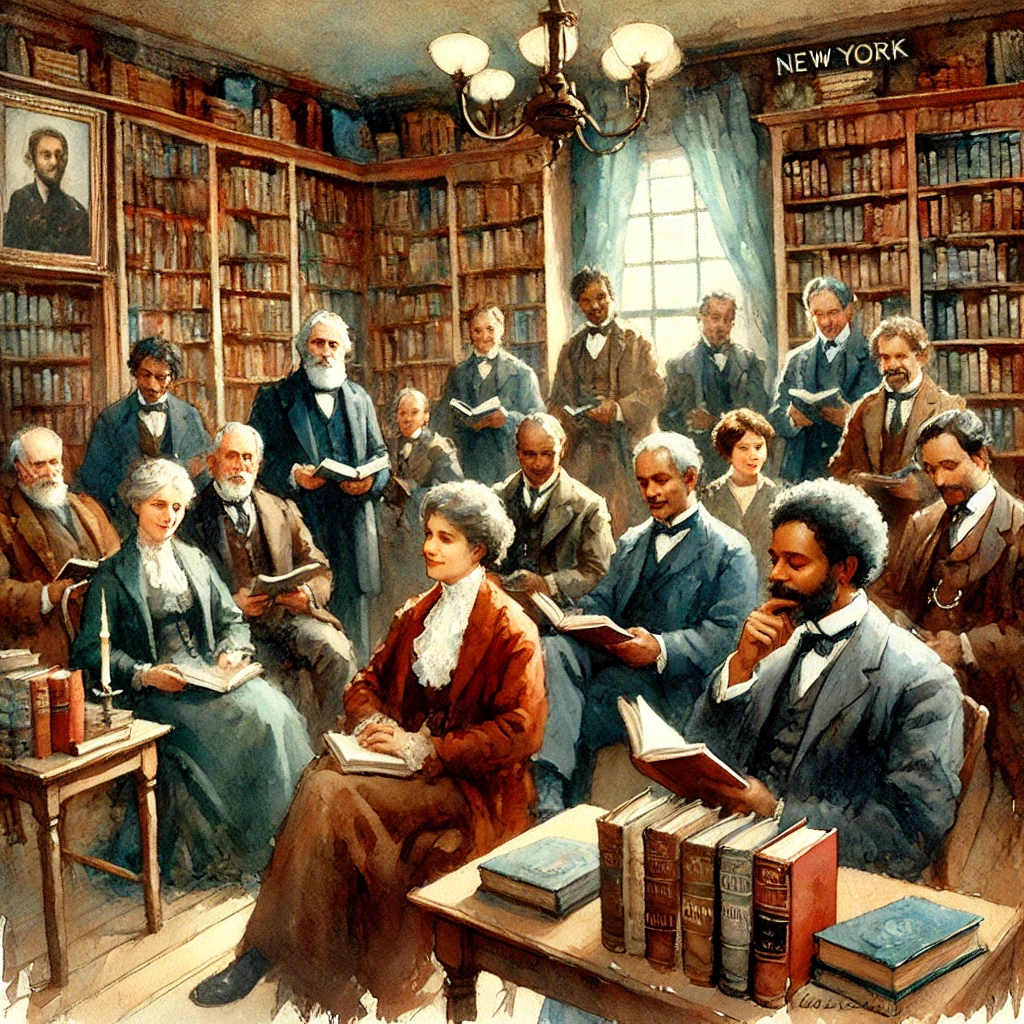
New York City’s influence extends beyond well-known authors. Many emerging writers are shaping their voices within this urban landscape. Workshops, readings, and festivals abound, creating opportunities for new narratives to evolve and connect with broader audiences. Notably, [The New Yorker](https://www.newyorker.com/) has been pivotal in publishing contemporary voices, while [The Moth](https://themoth.org/) showcases storytelling from diverse perspectives.
Looking toward the future, it’s clear that New York City will continue inspiring writers. As the world shifts and changes, so does its literary landscape. The ability for writers to reflect on their experiences in the city and shape their narratives will sustain New York’s reputation as a literary powerhouse.
Cultivate New Talent
To explore the city’s literary scene, check out [NYC Literary Map](https://www.literarymapnyc.com/), which highlights various authors and their works related to specific NYC locations. You can also follow [Poets & Writers](https://www.pw.org/) for ongoing events and workshops to cultivate new talent and foster literary communities.
As you navigate the streets of New York, remember that every corner, every café, and every park bench holds a story waiting to be told. Delve into the rich literary tradition of this remarkable city and discover how it continues to shape the voices of those who write.
Hidden Literary Gems: Lesser-Known Locations in NYC
New York City is a treasure chest of literary heritage often dominated by its famous landmarks. But beyond the well-trodden paths lies a rich tapestry of hidden literary gems. These lesser-known locations provide a unique insight into the world of books, writers, and literary history that even the most seasoned bookworms might miss. Dive into these concealed spots to enrich your understanding of NYC’s literary landscape.
One of the best places to start your journey is at Poets House, located in Battery Park City. This stunning building houses an impressive collection of more than 70,000 volumes of poetry. It serves as a library and hosts readings, workshops, and community events that unite poetry enthusiasts. You can immerse yourself in the quiet ambiance or attend one of their inspiring events.
Brooklyn Museum
Just a stone’s throw away, the Brooklyn Museum occasionally showcases literary exhibits. Its unique connection to art and literature is a haven for those who enjoy combining visual narratives with written stories. Keep an eye on their schedule for literary events or talks that feature renowned authors.
For those who cherish the written word with a bit of nostalgia, the McSweeney’s Store in Brooklyn is a whimsical bookshop-cum-publishing house. Here, you’ll find quirky titles, limited editions, and the perfect atmosphere to lose yourself. It’s where literature blends with creativity, making it a must-visit for indie publishing fans.
Significant Cultural Moments
Another gem is the New York Public Library at 42nd Street. While it’s not exactly hidden, many overlook its less famous branches. The Schomburg Center for Research in Black Culture, located in Harlem, is one such branch. It dedicates itself to collecting and preserving the history, culture, and literature of people of African descent. The library regularly hosts readings, exhibits, and lectures that explore significant cultural moments. It’s a vital resource for anyone interested in African American literature and history.
The historic Tenement Museum on the Lower East Side offers insight into the lives of immigrants who enriched New York’s literary landscape. Through well-curated tours, you can return to the past and understand how diverse cultures shaped American literature. Many authors, including Anzia Yezierska and Abraham Cahan, wrote about their experiences in tenement life, making this a crucial stop for literary history lovers.
Bowery Poetry Club
Fans of poetry should not miss the Bowery Poetry Club. This celebrated venue has nurtured poets like Allen Ginsberg and is known for its vibrant atmosphere. You can witness live poetry readings, open mics, and performances here. This intimate space allows emerging and established poets to share their work, inviting audiences into the world of spoken word.
Remember to visit Kate Schatz’s Book Lab in Astoria. It’s a bookstore and community hub focusing on women’s literature and narrative. The shop often organizes events that center on women writers and illustrators, making it an empowering space for anyone who appreciates diverse literary voices.
The Housing Works Bookstore Café in Soho is another fascinating spot that offers more than just books. Nestled in a former department store, this unique venue serves coffee and hosts events, readings, and open mic nights. It supports a noble cause, as all proceeds benefit homeless and at-risk New Yorkers. There’s no better combo than sipping coffee while browsing through books that support a good cause.
| Location | Description | |
|---|---|---|
| Poets House | A library and community venue for poets. | |
| Brooklyn Museum | An art and literacy venue with special literary exhibits. | |
| McSweeney’s Store | A quirky bookshop with indie publications. | |
| New York Public Library | Home to the Schomburg Center focusing on Black culture. | |
| Tenement Museum | A museum exploring immigrant literature and culture. | |
| Bowery Poetry Club | A venue celebrating poetry readings and performances. | |
| Kate Schatz’s Book Lab | A bookstore focused on women’s literature. | |
| Housing Works Bookstore Café | A café and bookstore supporting homeless New Yorkers. |
With so many hidden literary gems awaiting discovery, your NYC adventure can be enriching and enlightening. Savor every moment while exploring these locations where words spring to life.
The Evolution of Bookstores in New York City: A Historical Perspective
New York City is not just a bustling metropolis; it’s a vibrant tapestry woven with stories, many of which originate from its iconic bookstores. The evolution of bookstores in NYC reflects the broader changes in culture, society, and technology, making it an exciting journey for book lovers and history buffs.
In the early days, during the colonial era, books were scarce and expensive. The few existing bookstores were often found alongside other trades, primarily serving the elite. Places like The New York Public Library began to gain importance and encourage literacy among the masses, marking the slow rise of a literary culture.
As the 19th century rolled in, the Industrial Revolution transformed the landscape of book distribution. The introduction of steam-powered printing presses made books more accessible. This era saw the birth of many bookstores that catered to a broader audience. Notable venues like Rizzoli Bookstore, which opened in 1964, became cultural hubs, hosting events and discussions, thus nurturing a community of readers.
The Strand Bookstore
In the early 20th century, bookstores became more specialized, catering to different genres and demographics. This diversification reflected readers’ changing interests. Small independent shops flourished. For instance, The Strand Bookstore, established in 1927, became known for its vast collection of used, new, and rare books. Its iconic status was secured by its famous “18 miles of books” tagline.
However, the latter half of the 20th century posed challenges to bookstores due to the emergence of large chain stores and the rise of digital media. Superstores like Barnes & Noble began to dominate the market, offering a wide selection of books at discounted prices. Many beloved independent bookstores faced closure or struggled to stay afloat. The community rallied to support local shops, understanding their value in maintaining a unique literary culture.
Today, the landscape of bookstores in New York City is again evolving. The impact of technology cannot be overlooked, as e-books and online retailers like Amazon have significantly shifted consumer habits. Yet, something extraordinary remains about physical bookstores that cannot be replicated online. Readers still yearn for the tactile experience of flipping through pages and the joy of discovering new titles on crowded shelves.
Book Culture
To adapt, many bookstores have become multifaceted spaces. They now offer cafes, workshops, and author events, making buying books a community experience. A great example of this trend is Book Culture, which emphasizes community engagement alongside a curated selection of titles. This has proven effective in attracting both loyal customers and new visitors.
Many bookstores also focus on inclusivity, creating safe spaces for diverse voices to cater to changing audiences. Shops like Greenlight Bookstore regularly host events celebrating various authors and cultures, fostering a sense of belonging within the literary community.
| Era | Characteristics | Notable Bookstores |
|---|---|---|
| Colonial | Scarcity, exclusivity | Various small shops |
| 19th Century | Accessibility increases, genre diversity | Rizzoli Bookstore |
| Early 20th Century | Specialization, community hubs | The Strand |
| Late 20th Century | Challenges from Chains and digital media | Barnes & Noble |
| Present | Community-focused, diversified | Greenlight, Book Culture |
While challenges persist, the resilience of New York City’s bookstores continues to shine through. They are more than just places to buy books; they are vital components of the city’s cultural fabric. As a bookworm navigating the literary landmarks of NYC, you’re in for a treat. Each store holds stories that resonate with the heartbeat of this unique city. Make sure to explore, support, and cherish these literary havens, for their narratives are intertwined with your journey as a reader.
Literary Walking Tours: Immersive Experiences for Bibliophiles in NYC
Exploring New York City as a bibliophile is a dream come true. With rich literary history woven into its streets, the city offers a unique opportunity to walk in the footsteps of great authors. Literary walking tours allow you to immerse yourself in classic tales and contemporary narratives, bringing stories to life amidst the backdrop of bustling city life. This exploration is critical in identifying Literary Landmarks: A Bookworm’s Guide To NYC
Discover Literary Hotspots
New York City is home to countless literary landmarks. Here’s a quick guide to a few notable spots that are often included in literary walking tours:
- The Algonquin Hotel – A famed meeting place for the literary elite, including Dorothy Parker and the Round Table group.
- Columbia University – The alma mater of many writers, including James Baldwin and Jack Kerouac.
- Greenwich Village – A hub for the bohemian literary scene, where authors like Edgar Allan Poe and Allen Ginsberg lived and worked.
- Bookstores and Cafés – Iconic spots like the Strand Bookstore and Café Loup invite you to relax and experience the literary vibe.
- The Morgan Library & Museum – A treasure trove of manuscripts and original works from some of the world’s greatest authors.
Connect with Guided Tours
Joining a guided literary walking tour can significantly enrich your experience. Here are a few well-regarded options available in the city:
| Tour Name | Highlights | Duration | Website |
|---|---|---|---|
| New York Literary Walking Tour | Visit famed sites in Manhattan and the Village. | 2 hours | nylitwalk.com |
| Harlem Literary Tour | Explore the influence of Harlem Renaissance writers. | 3 hours | harlemwalks.com |
| The Beat Generation Tour | Discover the haunts of Beat writers like Ginsberg and Kerouac. | 2.5 hours | beattour.com |
Experience the Vibe
Walking through the neighborhoods enriched by literary history, you may feel a connection to the authors who roamed the same streets. Their works often reflect the essence of New York City. This urban experience can be motivational for aspiring authors or even a literary pilgrimage for avid fans.
Self-Guided Exploration
Creating a self-guided tour can be equally fulfilling if you prefer to explore at your own pace. Consider these steps:
- Choose a Literary Figure: Select an author whose work resonates with you.
- Research Locations: Look up areas in NYC tied to their life and work.
- Create a Route: Plan your journey, including local cafés or parks where you can pause and reflect.
- Document Your Journey: Keep a journal during your exploration, recording insights and inspirations from the sites you visit.
Join the Literary Community
Participating in literary events can enhance your NYC experience. Various venues host readings, discussions, and book clubs. Websites like NYPL (New York Public Library) regularly offer programming that connects readers and writers. Look into local bookstores like The Strand, which often features author signings and events.
Literary walking tours in NYC are not just about visiting famous locations; they’re about connecting deeply with the stories and people that have shaped literature. Whether joining a guided tour or venturing alone, the city’s literary landmarks await to provide an immersive experience you won’t forget.
Key Takeaway:
New York City is truly a paradise for book lovers, teeming with literary landmarks and hidden gems that breathe life into the stories penned by some of the world’s greatest writers. The city’s iconic spots—such as The Strand Bookstore, Central Park, and the historic Algonquin Hotel—offer a glimpse into the places that inspired literary giants like F. Scott Fitzgerald, J.D. Salinger, and Toni Morrison. These locations invite you to walk in the footsteps of your favorite authors, deepening your appreciation for their works and the settings that influenced their narratives.
Delving into the influence of New York City on writers reveals a rich tapestry of creativity shaped by its vibrant culture, diverse communities, and dynamic atmosphere. For many famous authors, the city sparked new ideas and themes, adding layers to their storytelling. Recognizing these connections not only enhances your reading experience but also enriches your understanding of how geography plays a critical role in literature.
While iconic spots are essential to every bibliophile’s journey, the world of lesser-known locations offers intriguing discoveries. Places like the Writers Room, a unique workspace for aspiring authors, and the Walt Whitman Bookshop, a hidden gem in Brooklyn, allow you to explore a side of literature in NYC often overlooked by the mainstream. These hidden treasures are perfect for adventurers eager to uncover the soul of the city through its literary history.
Evolution of Bookstores – Literary Landmarks: A Bookworm’s Guide To NYC
Understanding the evolution of bookstores in New York City also sheds light on the changing landscape of literary consumption. From dusty tomes in small establishments to sleek modern warehouses, NYC bookstores reflect the shifting paradigms of publishing and reader engagement. This historical perspective adds depth to your exploration of the city.
Consider joining a literary walking tour to immerse yourself completely in New York’s rich literary history. These tours offer a guided experience, leading you to significant sites while providing stories and anecdotes that bring the literary world alive. Engaging in such immersive experiences not only deepens your connection to the city but also nurtures your love of reading and writing.
Whether you’re revisiting iconic landmarks or exploring hidden gems, there is no shortage of literary delights in New York City. Each visit reveals something new and profound about the relationship between place and prose, making your journey truly enchanting. Whether you’re an avid reader, a budding writer, or simply a curious explorer, immersing yourself in the literary landscape of NYC will forever change the way you view both the city and the stories it nurtures.
Literary Landmarks: A Bookworm’s Guide To NYC
Conclusion
New York City is a treasure trove of literary landmarks that continues to inspire book lovers worldwide. The city’s literary presence is unmistakable, whether standing in the shadow of iconic spots like the New York Public Library or strolling through the vibrant streets that shaped famous writers and their unforgettable works.
As you explore hidden gems tucked away from the bustling crowds, you may discover charming cafes that fueled creativity or quiet parks where writers sought solace. These lesser-known locations add richness to your literary pilgrimage, reminding you that every corner of NYC has a story worth telling.
Dynamic Walking Tours
The city’s bookstores’ evolution mirrors the changing landscape of literature, showcasing a blend of history and modernity. From the grand old establishments celebrated for their vast collections to the cozy indie shops fostering local talent, bookstores in NYC offer a unique glimpse into the literary fabric that weaves together generations of readers and writers.
For those seeking a deeper connection to the written word, literary walking tours offer a dynamic way to experience these landmarks. Guided tours unveil personal stories and historical contexts that breathe life into the pages of your favorite novels to wrap up Literary Landmarks: A Bookworm’s Guide To NYC.
As you explore NYC’s literary landmarks, remember that each visit carries the spirit of the authors who once walked these streets. The city’s literary journey awaits you, inviting you to become part of its ever-evolving narrative. So grab your favorite book, set out on an adventure, and let New York’s literary scene inspire you to write your own story.
You may also enjoy our other related reviews if you enjoyed this article.