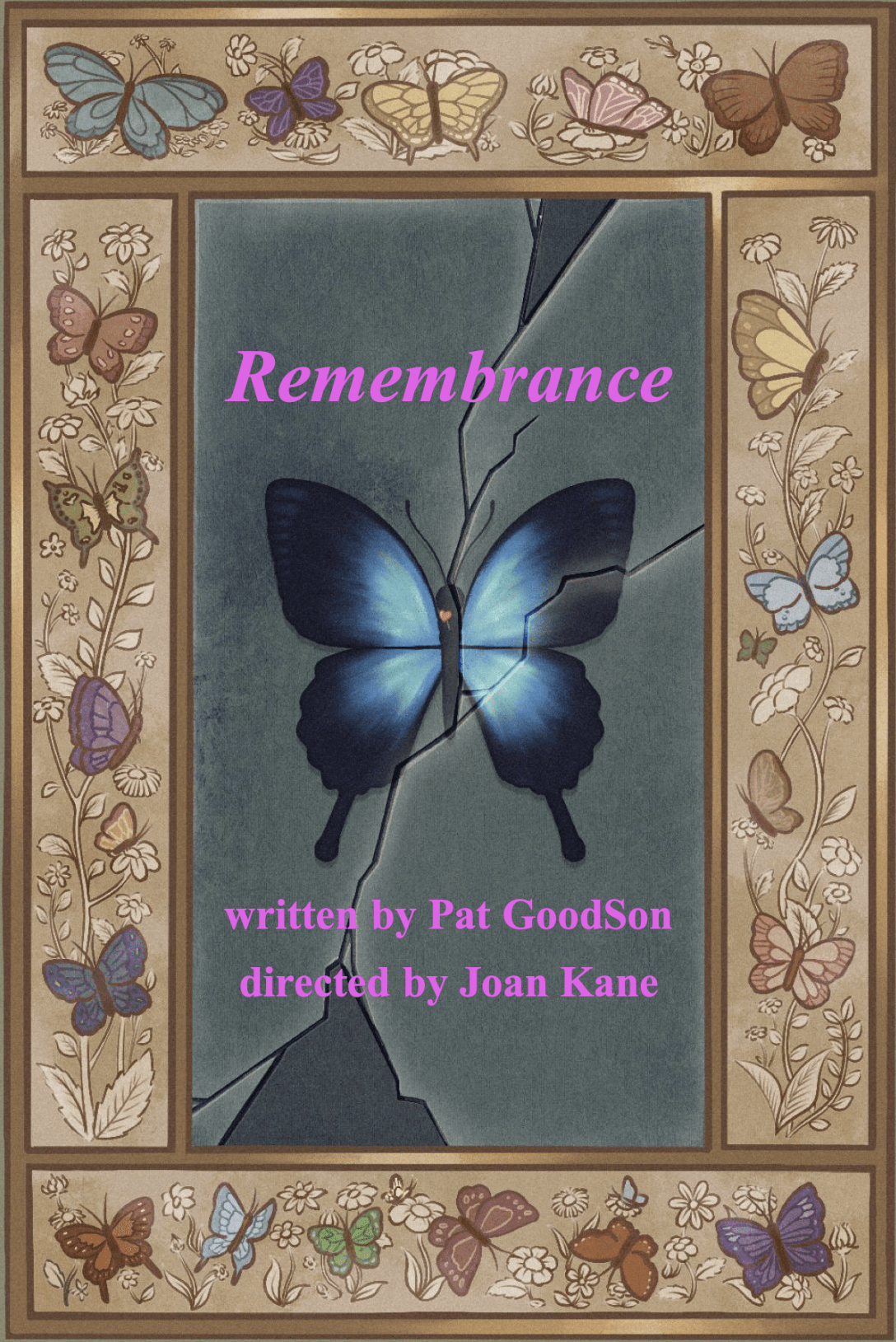

Remembrance is a heart-rending portrait of caregiving and loss, with Black Box brilliance that delivers intimate theater of uncommon power.
Harrowing and Strangely Affirming
A particular alchemy exists within the confines of a black box theater, where the absence of spectacle forces an audience into direct communion with raw human truth. At Theater for the New City, Patricia Goodson’s “Remembrance” harnesses this intimate power to devastating effect. The production eschews theatrical artifice in favor of something far more precious: authentic emotional resonance. Indeed, this stark examination of caregiving amidst the cruel progression of Alzheimer’s disease offers audiences an experience that is at once harrowing and strangely affirming.
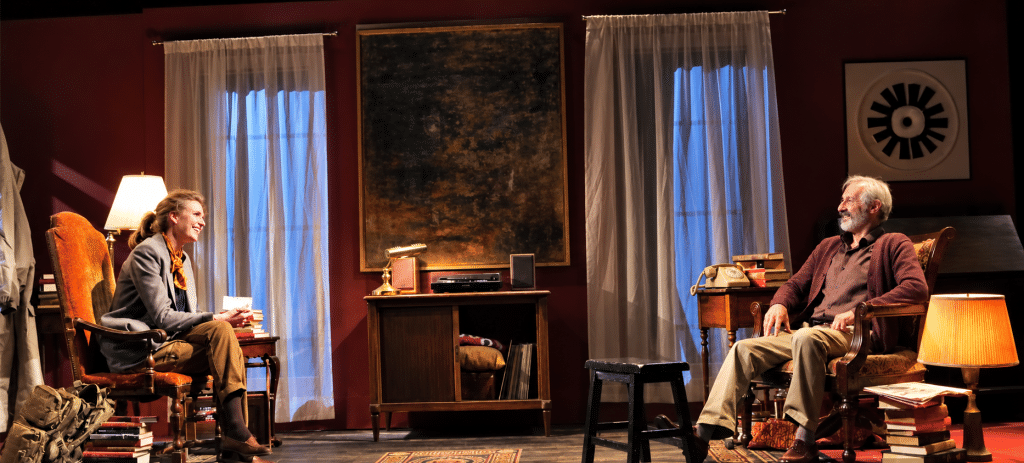
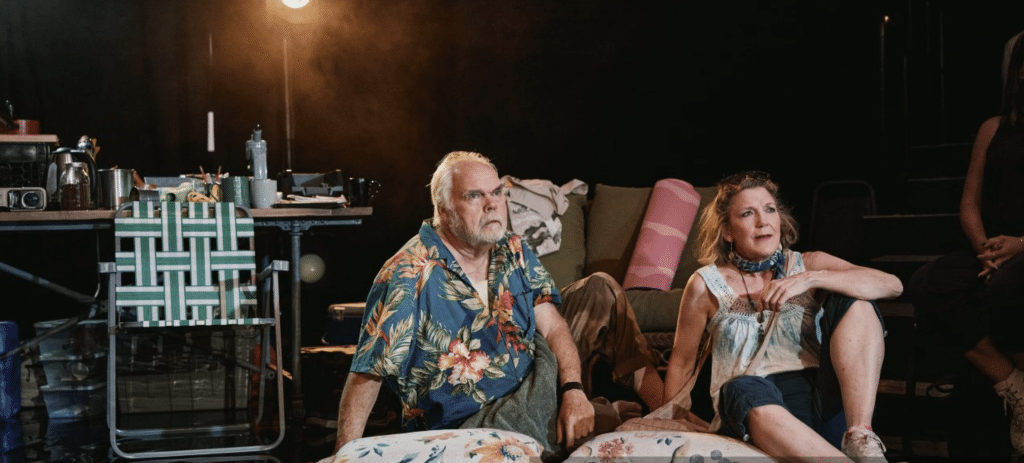
The immediacy of the black box setting proves ideal for “Remembrance,” allowing audience members to witness every flicker of emotion across the performers’ faces. Within this confined space, the claustrophobic reality of long-term caregiving becomes palpable—we are not merely spectators but unwitting participants in this family’s unraveling. Furthermore, the minimal staging, with its three distinct playing areas (doctors’ offices, patient’s room, and family living room), underscores the fragmented consciousness at the heart of this narrative.
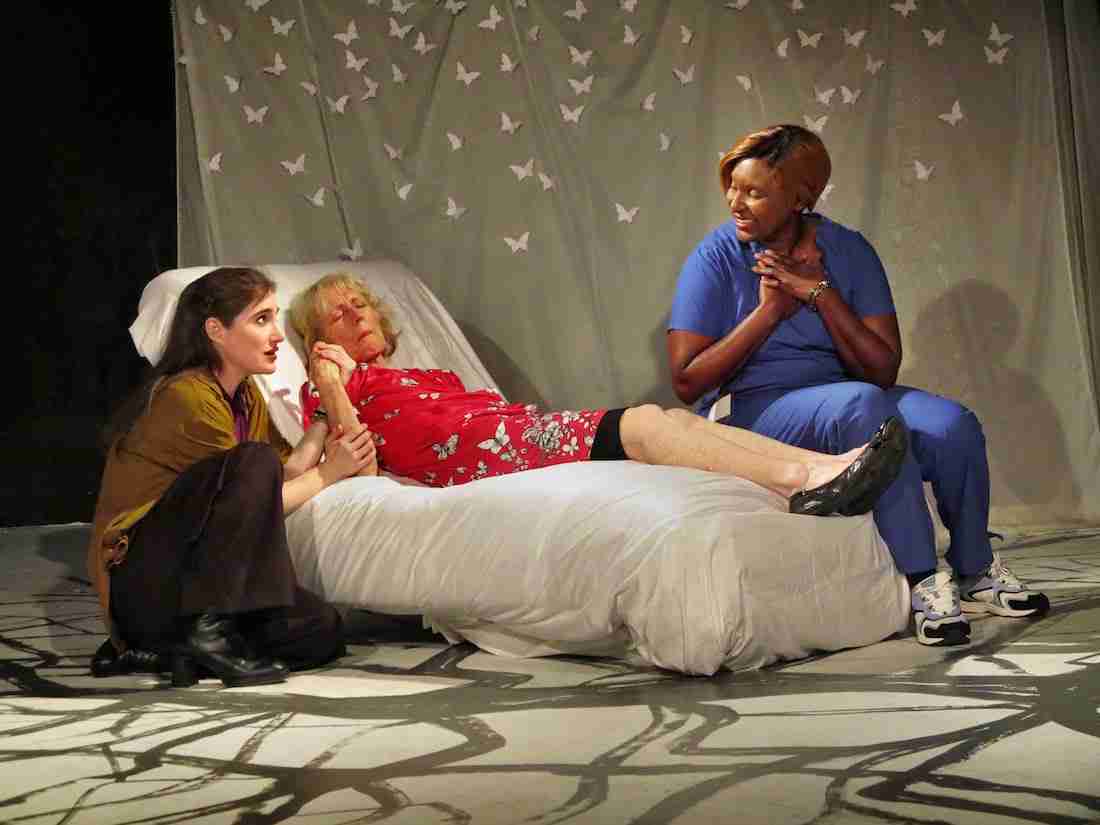
Beth Griffith’s Moma: A Heartbreaking Journey Through Time and Memory
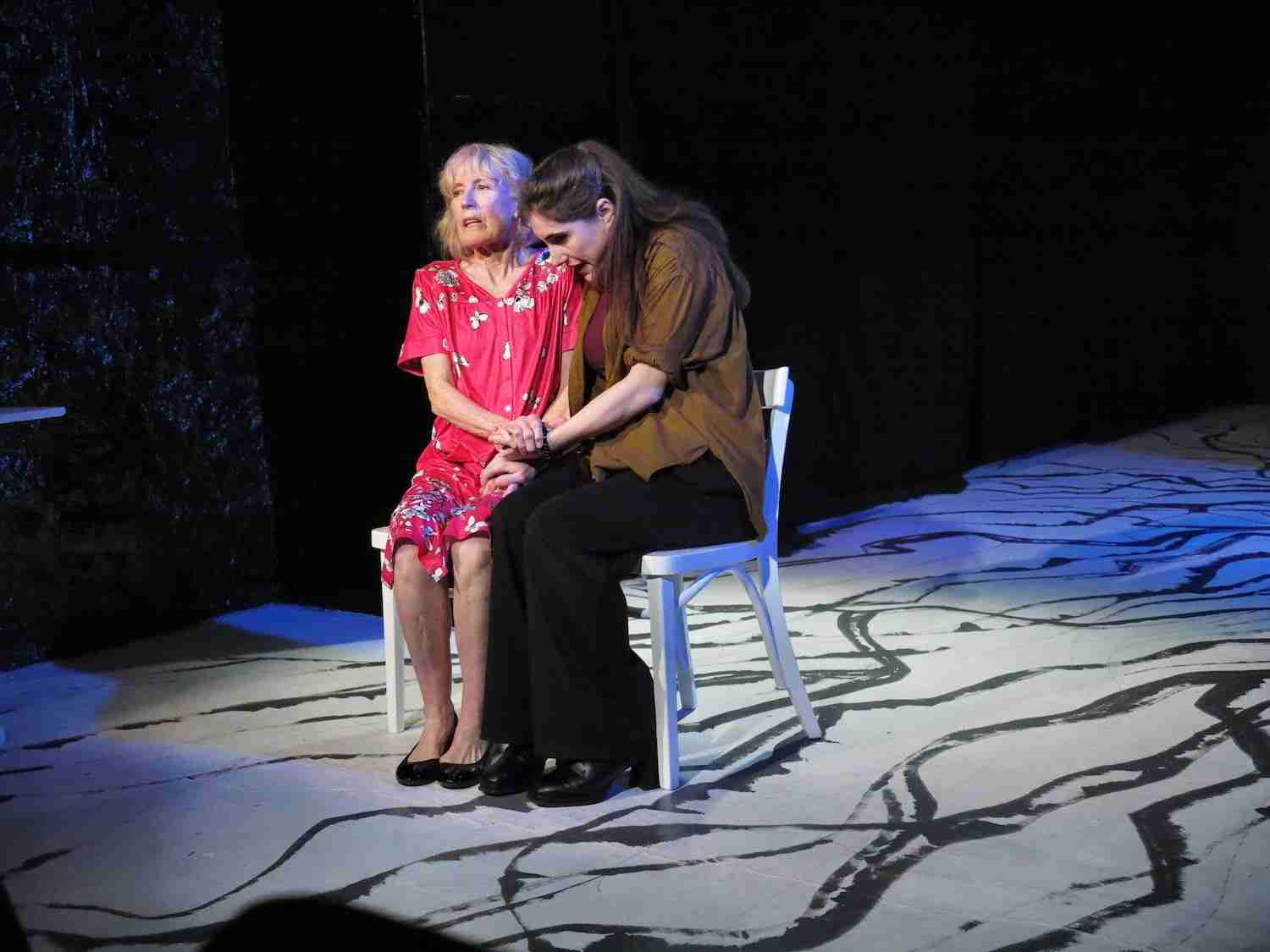
In the demanding role of Moma, Beth Griffith delivers a performance of exceptional nuance and devastating authenticity. Her portrayal of a woman disappearing into the fog of Alzheimer’s avoids the maudlin sentimentality that often plagues depictions of dementia. Instead, she offers something far more profound: a portrait of diminishment that nevertheless contains glimpses of the vibrant woman who once was.
Particularly affecting are the moments when Griffith transports us back to her character’s childhood in war-torn Germany. As she recounts memories of oppression, death, and destruction in her native tongue, Griffith achieves a remarkable duality—embodying both the confused elderly woman of the present and the frightened child of the past. Moreover, her unexpected bursts of German folk songs provide bittersweet moments of clarity amidst the mental disintegration, reminding us how music often survives in memory long after other faculties have faded.
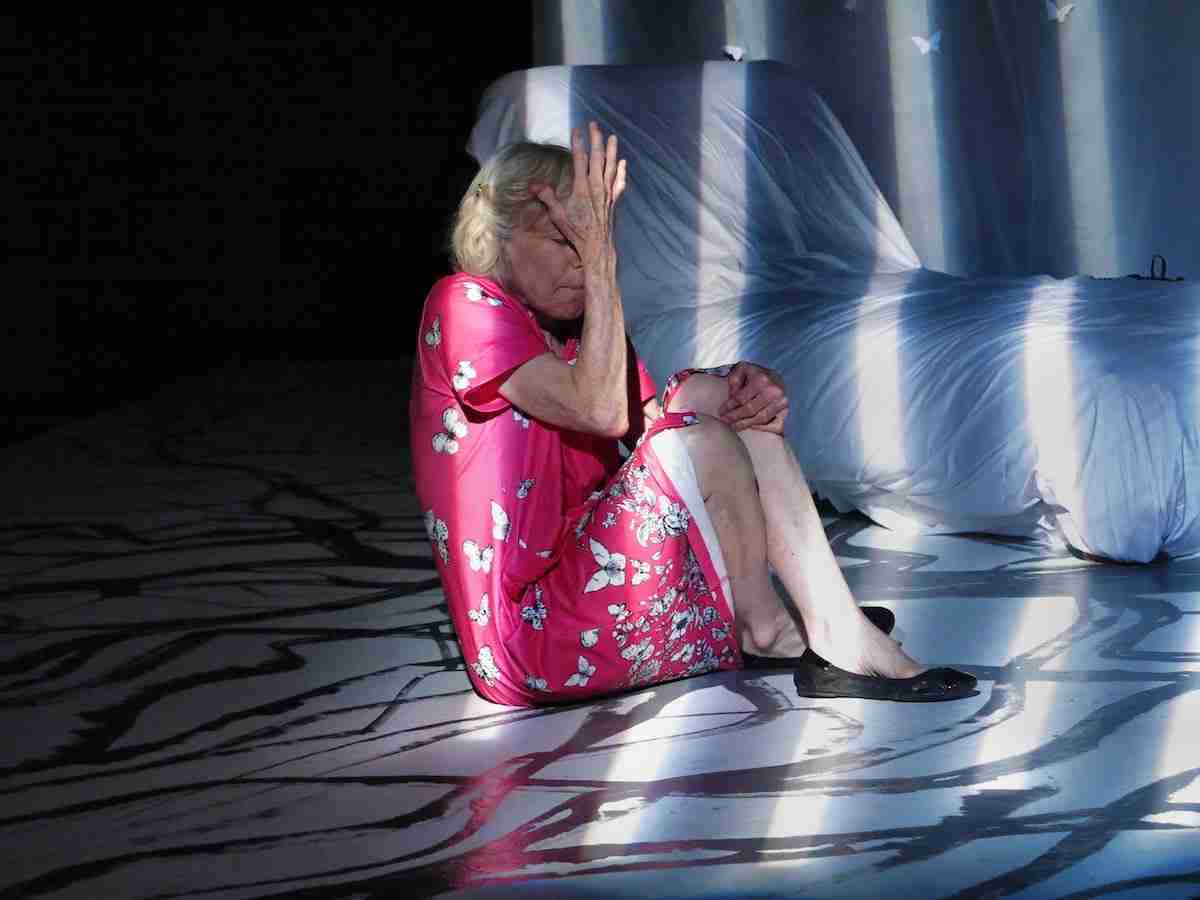
The Cruel Music of Decline: Mozart’s Adagio as Metaphor
Perhaps the production’s most poignant theatrical conceit occurs when Moma, seemingly lucid for a fleeting moment, begins to dance to the exquisite Adagio from Mozart’s Piano Concerto No. 21. Griffith moves with a grace that momentarily belies her character’s condition, creating a heartbreaking illusion of wellness. However, as the beautiful Mozartian phrases gradually distort into cacophony, her movements become correspondingly erratic and confused. This masterful sequence is the perfect metaphor for Alzheimer’s inexorable progression—beauty collapsing into dissonance, order into chaos.
Director Joan Kane demonstrates remarkable sensitivity in this scene, allowing it to unfold without unnecessary embellishment. Her restrained approach throughout “Remembrance” reflects a deep understanding that the subject requires no theatrical amplification to achieve its emotional impact. Indeed, Kane’s direction consistently prioritizes emotional truth over melodramatic effect, allowing the audience genuine access to the complicated feelings that accompany witnessing a loved one’s mental deterioration.
The Dual Amys: Presenting the Divided Self of Caregiving
The decision to cast two actresses (Zane Julia and Bryn Eva O’Connor) as Amy—Moma’s daughter during different phases of her caregiving journey—proves remarkably effective. This theatrical device eloquently conveys the bifurcation of self that many caregivers experience: the public persona maintaining composure versus the private self-drowning in grief and exhaustion. Julia and O’Connor navigate this challenging dynamic with impressive synchronicity, creating a seamless portrait of a woman gradually unraveling under the strain of witnessing her mother’s deterioration.
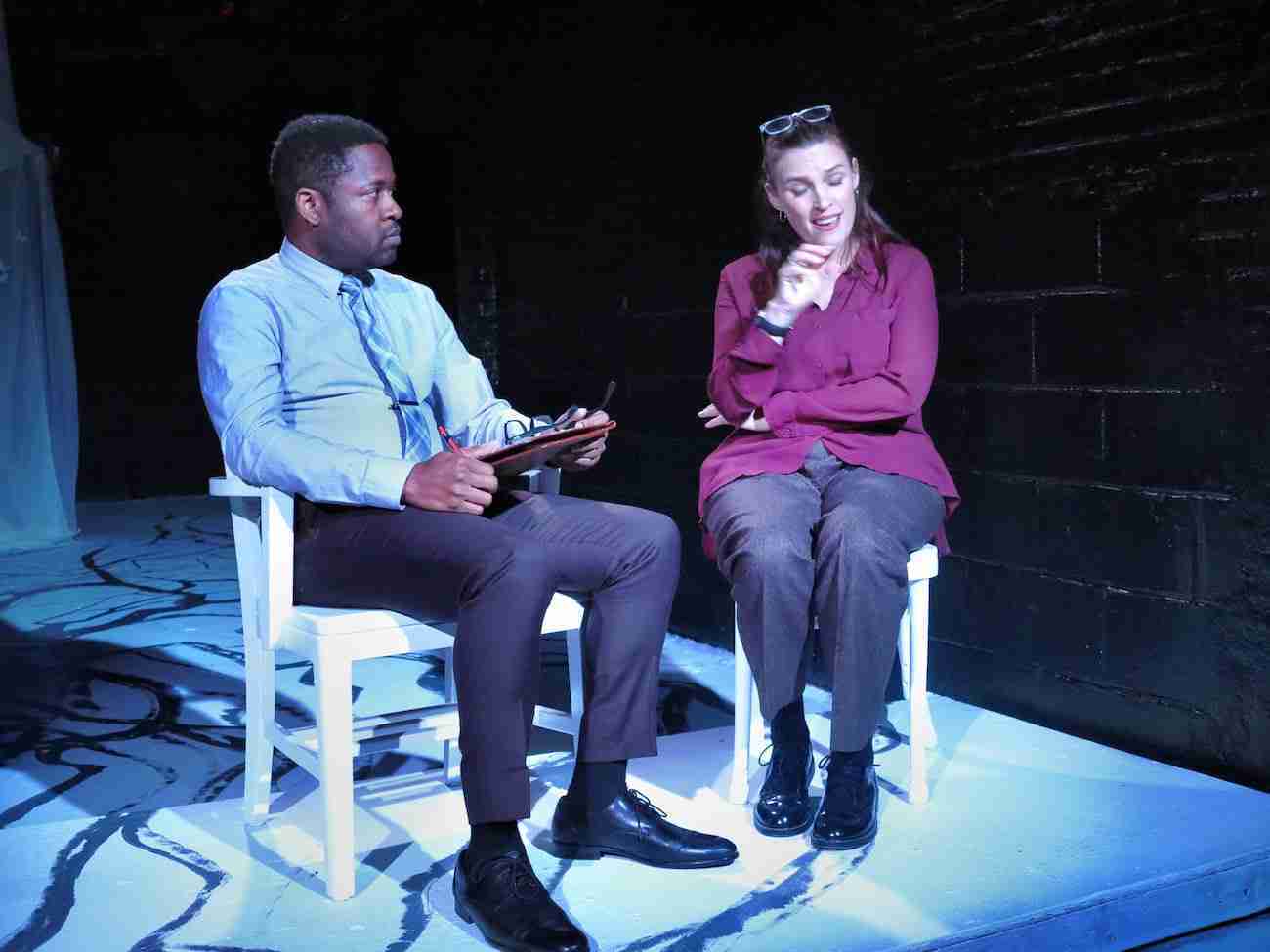
The production benefits immensely from the contributions of David Odukoya as Doctor Blake and Kkuumba Siegell as Nadine, the professional caregiver whose spirituality and kindness counter Amy’s despair. Siegell, in particular, brings warmth and wisdom to her role, embodying the support systems that can emerge amid seemingly hopeless situations.
Doctor Blake: The Witness and Vessel for Caregiver’s Trauma
David Odukoya’s Doctor Blake transcends a mere narrative device, providing the essential framework through which Amy’s fragmented caregiving experiences coalesce into understanding. Odukoya navigates a delicate balance—maintaining professional distance while establishing a genuine connection—with remarkable subtlety, skillfully avoiding clinical detachment and excessive sentimentality.
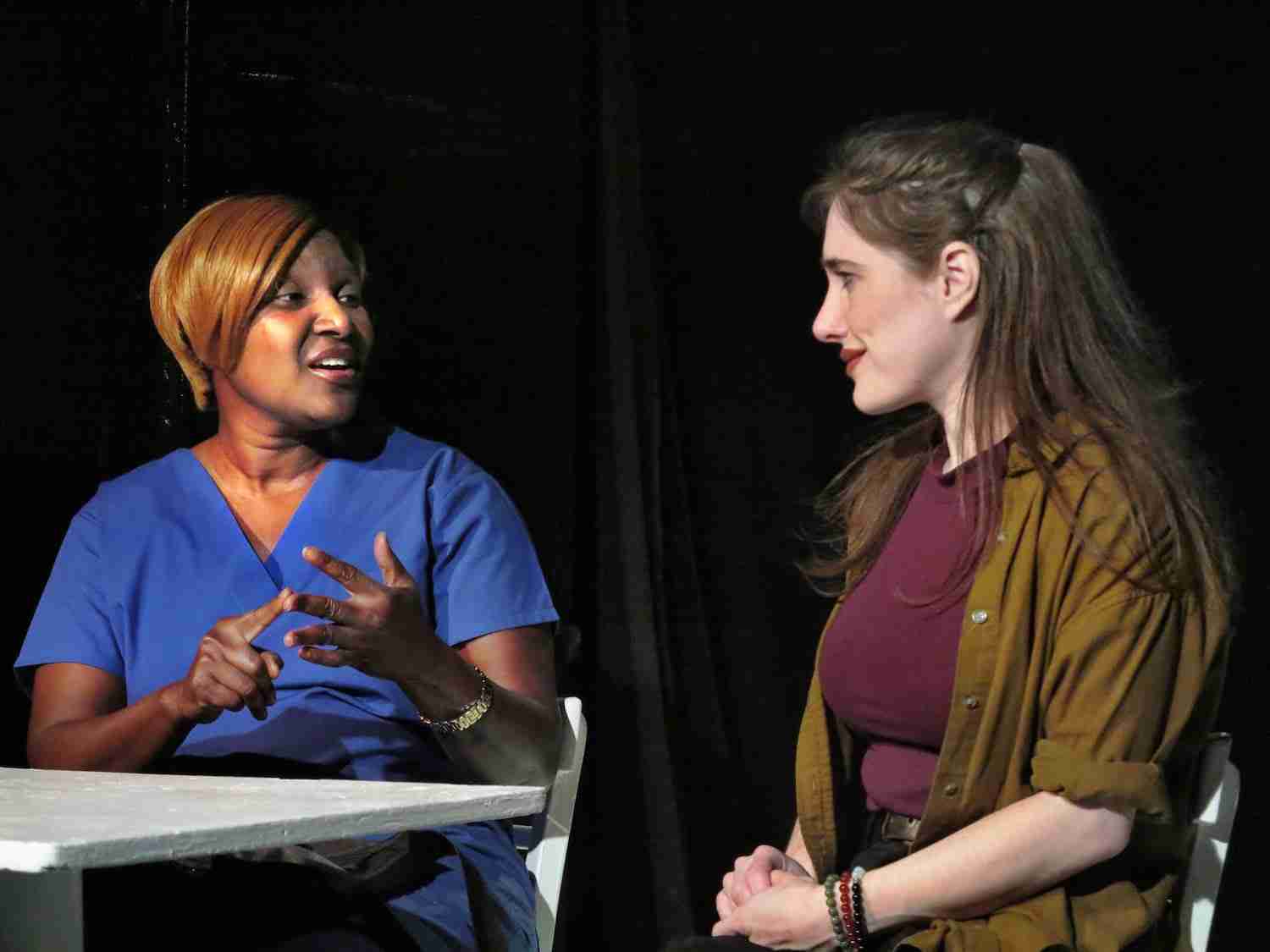
As the audience’s surrogate, Doctor Blake poses the questions we might ask, comprehending clinical realities without becoming insensitive to suffering. In one powerful scene, when Amy describes her mother’s failure to recognize her, Odukoya’s response—merely a slight postural shift and momentary eye closure—communicates profound empathy. Such restraint creates space for Amy’s revelations to resonate authentically.
The therapy sessions brilliantly illuminate secondary trauma, with Doctor Blake guiding Amy to recognize her PTSD symptoms from years of witnessing her mother’s decline. Odukoya skillfully portrays this therapeutic journey from Amy’s initial resistance to her gradual acknowledgment of how her mother’s illness has reshaped her identity.
Most importantly, Doctor Blake represents essential support systems for caregivers, embodying society’s potential for genuine recognition of caregiving’s psychological toll rather than offering empty platitudes. His character ultimately catalyzes Amy’s psychological integration—her realization that profound loss and meaningful connection can coexist.
A Theater of Witness: The Audience Experience of “Remembrance”
Throughout the performance, one could observe audience members transfixed by the unfolding drama, many visibly moved by this unflinching portrayal of a daughter and mother navigating the cruelest of diseases. “Remembrance” achieves that rare theatrical alchemy that transforms individual suffering into collective catharsis. Inviting spectators to witness this intimate portrait of decline creates a space for communal recognition of our shared vulnerability.
The play’s moments of profound sadness are occasionally leavened by unexpected humor and tenderness, preventing “Remembrance” from becoming an exercise in unrelenting grimness. As Moma shares her butterfly metaphor—”When you see butterflies, you see Angel wings, and it means God is looking after you”—the production acknowledges how meaning and beauty can persist even in devastating loss.
Reflecting Our Aging Society: The Timeliness of “Remembrance”
In an era when millions of aging Baby Boomers face potential cognitive decline, “Remembrance” arrives as a necessary examination of the often-overlooked caregiving crisis that accompanies Alzheimer’s disease. While numerous films and plays have explored dementia from the patient’s perspective, Goodson’s focus on the caregiver’s experience—captured in the devastating line “my mother has Alzheimer’s, so, therefore, do I”—addresses a critical gap in our cultural conversation about aging and illness.
Patricia Goodson’s script, born from her twelve-year journey with her own mother’s Alzheimer’s, exhibits the kind of hard-earned authenticity that cannot be simulated. Having previously explored similar themes through the more whimsical lens of her debut play “Aging is Not a Fairy Tale,” Goodson now confronts the subject with unflinching directness. Nevertheless, she infuses “Remembrance” with profound hope amidst the sorrow, reminding us that “our caring is our control and our bonds of love… are our weapons of defense.”
Theater for the New City: A Vital Space for Authentic Voices
Once again, Theater for the New City demonstrates its vital role in nurturing emerging playwrights and presenting works that confront uncomfortable truths with honesty and compassion. Under the stewardship of Executive Artistic Director Crystal Field, the theater’s Emerging Playwrights Program continues to cultivate diverse voices like GoodSon’s, allowing deeply personal narratives to find their theatrical expression.
“Remembrance” exemplifies the kind of brave, timely, and socially relevant work that has been the hallmark of Theater for the New City for decades. By providing a platform for stories that mainstream theaters might consider too uncomfortable or commercially risky, Field and her colleagues fulfill theater’s highest calling: to reflect our shared humanity to us, in all its complexity and contradiction.

As the audience departed the theater, many lingered in quiet conversation, seemingly reluctant to break the spell cast by this moving production. In a theatrical landscape often dominated by escapist fare, “Remembrance” stands as a testament to the enduring power of theater to address our most profound human challenges with grace, honesty, and unexpected beauty.
This production runs approximately 70 minutes without intermission and includes an after-show Q and A. It continues at Theater for the New City through April 6. For those who have ever provided care to a loved one—or may someday face that challenge—”Remembrance” offers recognition of that harrowing journey and a compassionate affirmation that you are not alone.
In the Shadow of Memory: “Remembrance” at Theater for the New City
Cast
Beth Griffith (Moma)
Zane Julia (Amy 1)
Bryn Eva O’Connor (Amy 2)
David Odukoya (Doctor Blake)
Kkuumba Siegell (Nadine)
Artistic
Pat Goodson (Playwright)
Joan Kane (Director)
Jonas Harrison (Set Designer)
Billy Little (Costume Designer)
Bruce A! Kraemer (Lighting Designer)
Joy Linscheid (Sound Designer)
Lytza Colon (Prop Designer)
Dana Vincent-Robbins (Stage Manager)
Zoe Poppenga (Graphic Designer)
Jonathan Slaff (Press Representative)
Theater for the New City
155 First Ave. (at E. 10th Street)
New York NY
Box office (212) 254-1109, www.theaterforthenewcity.net
Readers may also enjoy Above Ground – Not Exactly a Comedy at La Mama, and Touch at The Tank.