
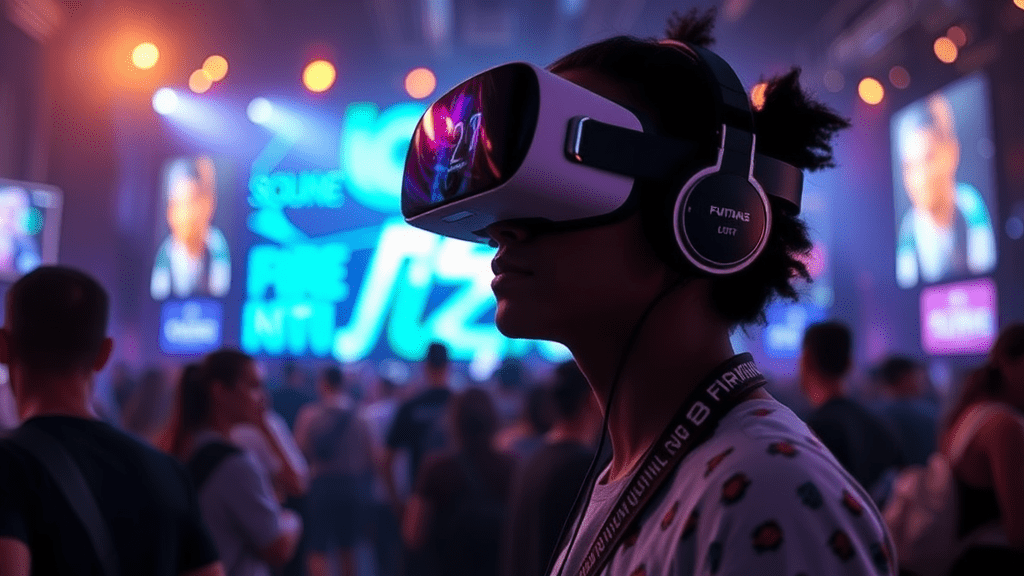

The Rise of Future Sounds: Virtual Reality Music Festivals In New York
The music scene in New York has always been vibrant, and now it’s evolving in exciting new ways. Virtual reality music festivals are taking center stage, allowing fans to experience their favorite artists in a completely immersive environment. These events are not just a trend; they redefine how we interact with music, bringing together technology and creativity.
Imagine attending a music festival without leaving your home. You can use a VR headset to be transported to a digital world that pulsates with sound and energy. In these virtual spaces, you can dance alongside your friends’ avatars, explore unique stages, and even engage with artists in impossible ways at traditional festivals.
Advantages of Virtual Reality Music Festivals
There are many compelling reasons why virtual reality music festivals are gaining popularity:
- Accessibility: You can attend events regardless of your location. This allows fans worldwide to join and experience their favorite musicians live.
- Cost-Effective: Virtual tickets tend to be cheaper than physical ones. Plus, you save on travel and accommodation costs.
- Enhanced Experience: Virtual festivals provide a richer and more engaging experience with features like 360-degree stages and interactive elements.
- Safety: Virtual events offer a safe alternative to crowded physical gatherings in times of health concerns.
Emerging Players in the New York VR Scene
New York is seeing an influx of platforms dedicated to virtual reality music festivals. Some standout players include:
- Immersive Fests – This platform hosts annual VR music festivals featuring top artists and giving fans a unique digital experience.
- LivVR – Known for blending live performances with augmented reality elements, this company adds another interaction layer.
- VR Music Festival – They aim to create experiences, not just concerts but full-fledged artistic showcases.
View this post on Instagram
Notable Features of These Festivals
Virtual reality music festivals incorporate cutting-edge technology to enhance the experience. Key features include:
- Interactive Environments: Fans can explore different worlds, each representing unique themes and moods.
- Live Performances: Artists perform in real-time, making the experience feel authentic and immediate.
- Social Connections: Users can chat with one another, share experiences, and feel a sense of community even while physically apart.
- Customizable Avatars: You can create your avatar to represent you in the virtual space, adding a personal touch to the experience.
Challenges Facing VR Music Festivals
Despite the excitement, challenges remain for virtual reality music festivals:
- Technology Access: Not everyone owns a VR headset, which could limit participation.
- Connection Issues: High-quality streaming requires stable internet, which might not be available to all users.
- Financial Viability: While ticket prices are lower, creating high-quality VR content can be expensive.
The Future of Music Festivals in New York
The future appears bright for virtual reality music festivals in New York. As technology continues to advance, so will the possibilities for immersive entertainment. We’ll likely see even more innovative uses of VR, including collaborations between artists and tech developers to enhance fan engagement.
This shift toward virtual experiences indicates a broader trend in the music industry, where live streaming and online events are becoming the norm. Fans are looking for new ways to connect with music, and virtual reality is opening up exciting opportunities.
As more artists embrace these platforms, the experience will only get better. Upcoming VR festivals will surely add even more creative elements, ensuring fans continue to stay engaged and entertained.
For more information and updates on upcoming events, visit Billboard and Rolling Stone.
Everyone is invited to explore the exhilarating world of virtual reality music festivals, making music feel more alive than ever!
Immersive Experiences: How VR is Transforming Live Music Events
In recent years, live music has radically transformed, with virtual reality (VR) emerging as a critical influencer in creating immersive experiences. By integrating cutting-edge technology, VR is reimagining how audiences connect with their favorite artists and enjoy their music, pushing the boundaries of traditional concerts.
Imagine being transported to a breathtaking venue without leaving your living room. With VR, you can experience live performances from anywhere in the world. This innovation extends the reach of artists and promoters, allowing them to share their music with a global audience.
Enhanced Audience Engagement
One of the main advantages of VR in live music events is how it enhances audience engagement. Here are several ways it does this:
- Realistic Environments: With VR headsets, fans can be placed right in the middle of a stunning concert setting, whether a large festival or an intimate nightclub.
- Interactive Features: Fans can interact with the performance by changing camera angles or choosing their vantage point.
- Social Interaction: VR platforms often allow users to connect with friends, creating a more social experience, whether together or miles apart.
Accessible Music Events
VR technology breaks down the physical barriers that often prevent fans from experiencing live music. For individuals with mobility issues, the elderly, or those living in remote areas, virtual reality offers an opportunity to enjoy performances without travel constraints. Fans no longer need to buy expensive tickets or manage logistics; they can log in and immerse themselves in a performance.
Customization and Personalization
The customization options available in VR create a unique experience tailored to individual preferences. Users can:
- Select their preferred artists to watch live
- Design their virtual space for the concert
- Interact with virtual merchandise stands and purchase items in real-time
This level of personalization enhances fans’ connections to the music and the artists performing, making each experience distinct and memorable.
View this post on Instagram
Impact on Artists and the Industry
For artists, adopting VR in live music events opens new avenues for revenue generation and marketing. Here’s how:
| Benefits for Artists | Description |
|---|---|
| Broader Audience Reach | Performers can reach fans globally without the need for extensive touring. |
| New Revenue Streams | VR events allow ticket sales to fans who otherwise wouldn’t attend live shows. |
| Merchandising Opportunities | Virtual merchandise can be sold during events, providing artists an additional income source. |
Moreover, the data collected from these virtual interactions can inform artists about their fanbase preferences, enabling them to create content that resonates more deeply.
Future Trends and Developments
The future of virtual reality music festivals looks promising, with several trends emerging:
- Integration of Augmented Reality (AR): Combining AR with VR can create a more breathtaking audio-visual experience for viewers.
- Tokenized Experiences: Artists may introduce blockchain technology to offer exclusive content and rewards to dedicated fans.
- Sustainability Efforts: With fewer physical resources for live events, VR becomes a greener option for music lovers.
As VR technology evolves, we’ll likely see even more innovative ways to experience music live, catering to user preferences and enhancing overall engagement.
Virtual reality is reshaping the landscape of live music events, presenting a future where fans are no longer limited by geography, physical restrictions, or financial barriers. This emerging technology fosters a deeper connection between artists and their audiences, creating unforgettable experiences.
For further exploration of VR in the music industry, check out resources on Rolling Stone and stay updated with trends in immersive experiences at Digital Music News.
The Technology Behind Virtual Reality Music Festivals
Virtual reality (VR) music festivals transform how we experience live music. Instead of large, crowded venues, these festivals offer immersive environments where you can enjoy your favorite artists from the comfort of your home. It sounds futuristic, but the technology behind these events rapidly evolves, making the experience richer and more engaging.
Understanding what makes these virtual festivals work involves looking at various components, including VR headsets, 3D sound technology, and secure online platforms.
Key Technologies in VR Music Festivals
- VR Headsets: To fully immerse yourself in a VR festival, you’ll need a capable headset. Popular options include the Oculus Quest 3 and the HTC Vive Pro 2. These devices provide stunning visuals and can track head movements for a lifelike experience.
- 3D Audio Technology: Sound plays a crucial role in music festivals. Advanced audio technology mimics how we naturally hear sounds in a physical space. This tech creates a sense of directionality, depth, and realism. Companies like Dolby Atmos are leading the way in immersive audio experiences.
- Live Streaming Platforms: Reliable streaming solutions are vital to hosting virtual festivals. Platforms like Core.io allow thousands of users to connect in real-time while enjoying live performances, ensuring minimal latency and high-quality video.
How the Experience Unfolds
Participating in a virtual reality music festival is not just about watching a show; it’s about being part of a community. When you log in, you’re usually greeted by a virtual venue that mirrors those used in traditional music festivals. Here’s what you can expect:
- Interactive Avatars: Create a custom avatar that represents you at the festival. You can interact with other attendees through gestures and voice chat, fostering a sense of participation.
- Unique Stages: Each festival features several stages, sometimes with distinct themes. For example, one stage may be designed like a neon-lit rave, while another mimics a serene outdoor setting.
- On-Demand Content: Missed a set? Many VR festivals offer on-demand access to performances after the event, so you can conveniently watch your favorite artists.
The Social Component
One of the biggest perks of virtual reality music festivals is the social aspect. You can connect with friends or make new ones, all while enjoying live music. Many of these festivals implement social features such as:
| Feature | Description |
|---|---|
| Chat Rooms | Join different chat rooms based on interests, genres, or specific artists. |
| Photo Booths | Capture and share virtual memories with friends using themed photo booths throughout the festival. |
| Game Zones | Participate in mini-games to earn rewards, enhancing engagement during intermissions between performances. |
The Future of Virtual Festivals
The technology behind virtual reality music festivals is only going to improve. As bandwidth increases and VR gear becomes more accessible, more people will experience these events seamlessly. Moreover, artists and festival organizers are exploring new creativity boundaries, such as:
- Augmented Elements: Using augmented reality (AR) to enhance the festival experience with visual effects seamlessly blending into the live performance.
- AI-Generated Content: Integrating AI to design stunning visual effects that react to the music, elevating the overall experience.
- Global Participation: Fans worldwide can attend the same festival without physical boundaries, breaking down geographic barriers in the music industry.
Virtual reality music festivals are changing the landscape of live music in New York and beyond. As technology advances, the experiences will only improve, allowing fans to engage in an immersive world filled with music, creativity, and community. Check out platforms like Virtual Festivals for upcoming events and more information.
Notable Virtual Reality Music Festivals in New York to Attend
As New York becomes a hub for groundbreaking experiences, virtual reality (VR) music festivals are emerging as a remarkable way to enjoy live performances. Imagine immersing yourself in pulsating beats while exploring a vividly constructed digital world. These festivals redefine how fans engage with music, allowing you to form connections with artists and fellow attendees, all from the comfort of your own space or a designated venue. Here’s a look at some notable virtual reality music festivals that never sleeps in the city.
VR Fest NYC
One of the standout events is VR Fest NYC, a pioneering festival that explores the fusion of music and virtual realms. This festival showcases a mix of local talent and international acts performing in unique virtual environments. You can dance among fantastical landscapes, and each performance is enhanced with breathtaking visuals that sync perfectly with the music.
- Date: Typically held in late summer
- Features: Live-streamed performances, interactive installations, and opportunities to explore digital art.
- Website: VR Fest NYC
Electric Daisy Carnival – Virtual Edition
The Electric Daisy Carnival (EDC) is renowned globally, but its virtual edition has become a benchmark for VR music festivals. The event features electrifying DJ sets and immersive environments that transport you to a rave-like atmosphere. With 360-degree views and interactive elements, attendees can experience the thrill of EDC without the physical crowds.
- Date: Annually in May
- Features: Multiple stages, cutting-edge VR technology, and enhanced social experiences.
- Website: Electric Daisy Carnival
View this post on Instagram
NYVR Music Festival
The NYVR Music Festival is a unique gathering that brings together VR innovators and musicians. It focuses on integrating cutting-edge technology with live music performances. In addition to enjoying live sets, attendees can participate in workshops and panels to learn about the future of music and technology.
- Date: Usually in early spring
- Features: Workshops, discussions, and various genres represented in one immersive platform.
- Website: NYVR Music Festival
Decentraland Music Festival
Decentraland is a virtual world; its music festival is a fantastic example of what’s possible in NFTs and blockchain technology. The festival features various artists who perform at stages scattered throughout this digital landscape. Attendees can explore art installations and participate in unique interactive experiences, creating a festival beyond mere music.
- Date: Annual event in fall
- Features: NFT collectibles, community events, and mainstream and emerging artists.
- Website: Decentraland
Experiencing music festivals in virtual reality is not just about entertainment but community and creativity. These festivals integrate technology and art to transform how we perceive live music, making it more accessible. Wherever you are, you can dive into the New York music scene innovatively, interact with fellow fans, and enjoy performances like never before.
If you are a music lover or curious about the convergence of technology and entertainment, attending these virtual reality festivals will be a fantastic addition to your calendar. Embark on this digital journey, and don’t miss a beat in the vibrant culture that New York offers!
The Future of Music Consumption: Virtual Reality’s Role in Live Performances
The evolution of technology has dramatically shifted how we consume music. One of the most exciting advancements is the rise of virtual reality (VR) in live performances. Virtual reality immerses listeners in a world where they can feel the music around them, much like being in the front row at a concert. This transformative experience is redefining the relationship between artists and their audiences.
When considering the role of VR in live performances, several key factors stand out:
- Accessibility: With VR, fans worldwide can attend concerts without leaving their homes. This enables people who may not have the means or ability to travel to a venue to be part of the action.
- Unique Experiences: VR can create environments that are impossible to create in a traditional setting. Imagine attending a concert in outer space or a mythical land; VR allows for creativity that enhances the overall experience.
- Enhanced Interaction: Audiences can become part of the performance, interacting with the artist and the environment. For instance, VR can integrate elements such as avatars, allowing attendees to express themselves in ways that mere physical presence cannot.
- Economical Productions: VR reduces costs associated with venue rental, staff, and logistics. Artists can focus on the musical aspect rather than the extensive planning that a physical concert demands.
One prime example of VR’s impact is the Coachella Music Festival, which offers immersive experiences through VR technology. Concert-goers were able to attend live performances from the comfort of their homes. This innovation showcased how virtual reality is attracting not only tech enthusiasts but also dedicated music fans.
Notable Trends
We can expect more music festivals and concerts to embrace this technology. Here are some notable trends shaping the future:
- Collaborative VR Events: Artists will team up for joint performances in a shared VR space. This collaboration will amplify reach and engagement, creating a global concert experience.
- Personalization: Fans could customize their experiences by choosing how they engage with a concert, whether switching views, selecting a favorite artist’s performance, or altering the atmosphere.
- Integration with blockchain technology: Smart contracts can create unique ownership experiences for tickets and collectibles, ensuring fans feel more involved. Artists can directly earn from their performances through blockchain-supported platforms.
Despite the immense potential, several challenges need addressing. Users must have access to VR equipment, which might prove costly and less accessible to some. Network and technical limitations can hinder the quality of real-time experience. Additionally, there is the risk of alienation for those who prefer traditional concerts’ more social and physical aspects.
To further illustrate the potential of VR in live performances, consider the following table:
| Feature | Traditional Concert | VR Concert |
|---|---|---|
| Location | Physical venue | Anywhere in a virtual world |
| Cost | Travel + ticket + additional expenses | VR setup + ticket |
| Audience Interaction | Limited to physical presence | Dynamic and interactive via avatars |
| Accessibility | Restricted by geography | Global access for all |
Open New Avenues
Understanding the potential of virtual reality in music consumption is essential for producers and artists. Exploring partnerships with established VR platforms can facilitate a smoother transition and open new avenues for revenue. Innovators in video streaming, like Twitch and YouTube, could provide opportunities to host VR events that capture the essence of live music while providing an alternative medium for fans.
As the future unfolds, virtual reality’s role in live performances is poised to transform how we enjoy music. It’s not just about moving to new technologies; it’s about enhancing human connections through innovative experiences. With a clear focus on accessibility and engagement, VR concerts can usher in a vibrant new era for music consumption.
Key Takeaway:
The landscape of music festivals is rapidly evolving, and New York is at the forefront of this transformation with the rise of virtual reality (VR) music festivals. As traditional outdoor events faced challenges, including logistical issues and health concerns, the music industry has embraced VR as a way to engage fans in new and innovative ways. With its ability to transport users to immersive worlds, VR has redefined how audiences experience live music, making even the largest concerts feel intimate and personal.
Immersive experiences are at the heart of this shift. In a VR setting, you can find yourself standing front row at a concert, surrounded by thousands of fans, or even sharing a moment with your favorite artist in a virtual space. This level of engagement goes beyond mere observation; it invites users to participate in the performance, dance along with avatars, and interact with the environment. The emotional connection created in these virtual spaces not only enhances the enjoyment of the music but also fosters a sense of community among fans, no matter where they are in the world.
The technology powering these VR music festivals is equally remarkable. Advances in headset design, high-quality audio, and real-time 3D graphics have made these experiences more accessible and enjoyable than ever. From affordable VR devices at home to large-scale installations at festivals, the technology is paving the way for a new era of music consumption. Notable festivals in New York, such as “NYC Musicverse” and “Virtual Groove Festival,” showcase how established and emerging artists are utilizing VR to connect with fans in engaging and imaginative ways.
Looking to the future, it’s clear that virtual reality will play a vital role in music consumption and live performances. As the technology continues to evolve, we can expect even more exciting developments, including personalized concert experiences, innovative collaborations between artists and tech developers, and a broader range of accessibility that allows fans from all walks of life to partake in musical experiences. VR music festivals in New York not only represent a new chapter for the music industry but also promise to create a shared space for fans to come together and celebrate the power of music, regardless of physical boundaries.
Final Thoughts
The landscape of live music is undergoing a profound transformation, particularly in a vibrant hub like New York. Virtual reality music festivals are rising to prominence, pushing the boundaries of how we experience live performances. These immersive events engage the senses and allow fans to participate from the comfort of their homes or select locations within the city. As we’ve explored, VR is crafting unforgettable experiences, blending sight, sound, and interactivity in ways that traditional concerts cannot match.
Behind this revolution lies advanced technology, bringing together cutting-edge equipment and creative artistry. This fusion is reshaping expectations for artists and audiences, offering enhanced visuals and innovative ways to connect in real-time. Notable festivals are already leading this charge, setting benchmarks as they redefine concert experiences.
Virtual reality is poised to play a crucial role in the ongoing evolution of music consumption. As more fans embrace this technology, attending concerts will extend beyond geographical constraints. The future of live performances in New York—and beyond—will likely be a harmonious blend of traditional and VR experiences, making music more accessible and interactive than ever before. Embracing these changes means more opportunities for fans to connect with their favorite artists, ensuring that the thrill of live music continues to resonate in new and exciting ways. Whether you’re a music lover in the heart of the city or an avid festival-goer seeking unique experiences, virtual reality music festivals promise to be a pioneering force in shaping the future of live music events.
Readers may also enjoy Special Music School High School Concerto Competition Winners’ Concert, Ultimate Guide To Discovering New Jazz Musicians In New York, The Orchard, and Golden Shield.