
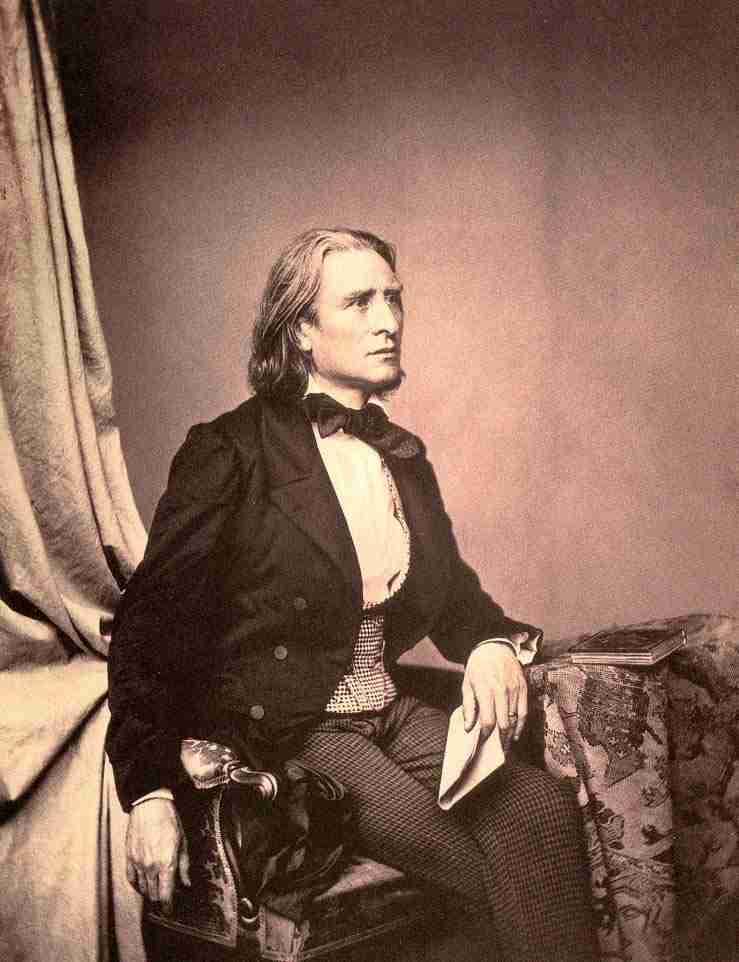

Franz Liszt: Le Concert C’est Moi
Introduction: Franz Liszt’s Unparalleled Legacy
Franz Liszt, the Hungarian virtuoso, wasn’t just a musician but a phenomenon. Known for his magnetic stage presence, prodigious talent, and trailblazing compositions, Liszt transformed the concept of a concert. He famously declared, “Le concert, c’est moi”—“The concert, it is I.” This declaration encapsulated his belief that performance was more than music; it embodied his passion, charisma, and boundless energy.
This is the story of one unforgettable evening in 1842 when Liszt’s fiery performance broke not only piano strings but also the boundaries of what a concert could be.
The Stage Is Set: Vienna Awaits the Master
The Buzz of Anticipation
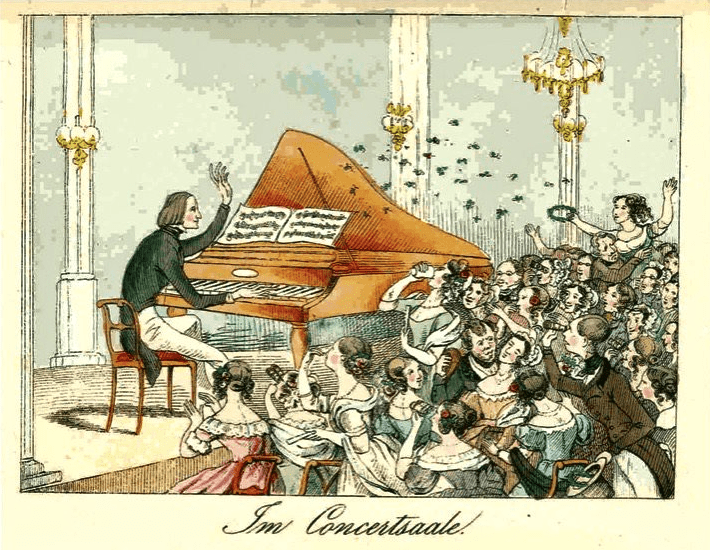
Vienna, the music capital of Europe, was alive with excitement on a crisp autumn evening. Franz Liszt, the man whose name had become synonymous with brilliance, was set to perform. The concert hall overflowed with eager spectators, from aristocrats in gilded boxes to students crammed into standing-room sections.
“Le Concert, C’est Moi” in Action
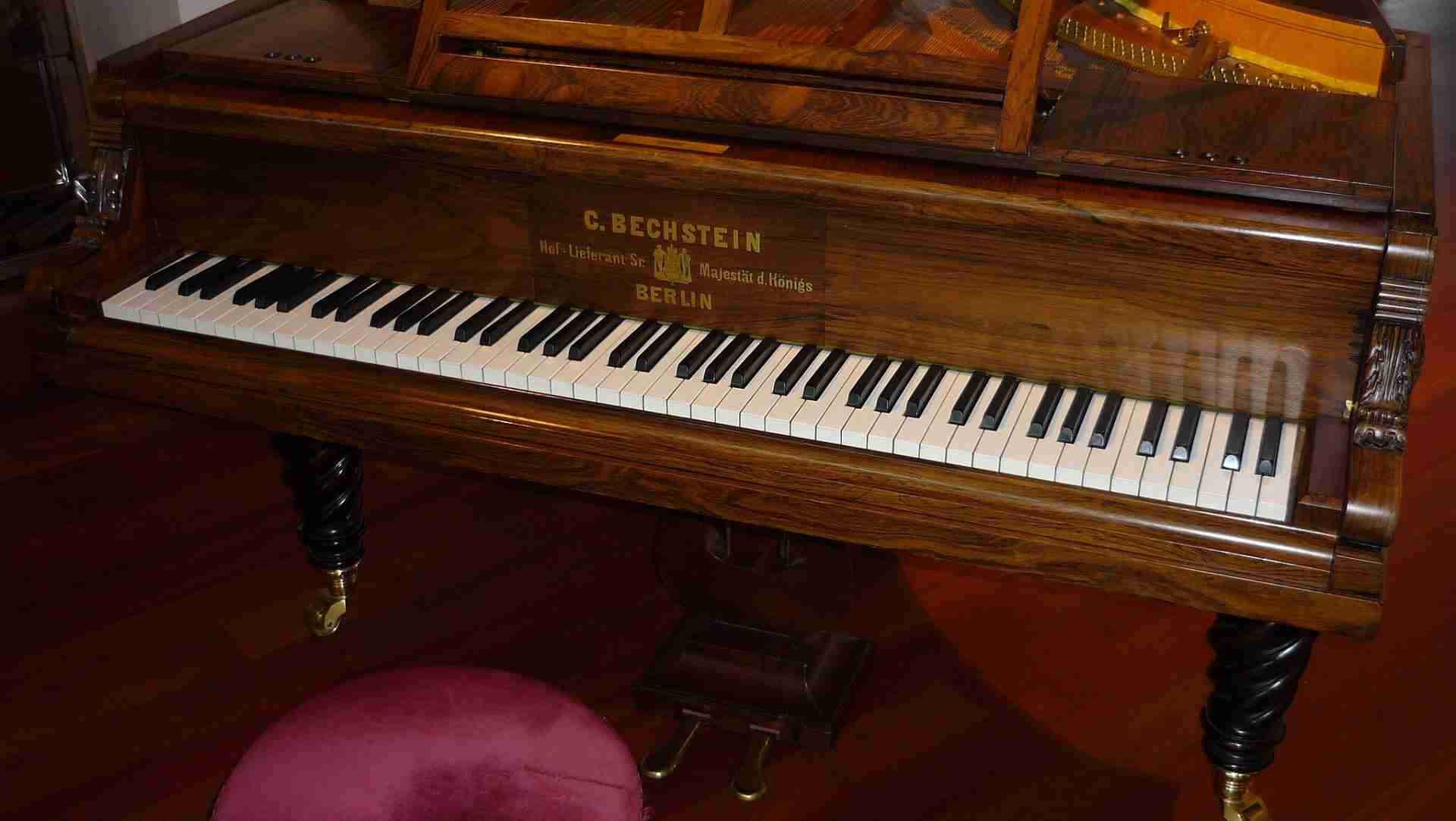
As Liszt entered, the audience fell silent. His dramatic presence, flowing hair, and piercing gaze made him as much a visual icon as a musical one. The grand Beckstein piano stood gleaming under the lights, seemingly ready to match his fire. Liszt’s mantra, “Le concert, c’est moi,” was already evident; all eyes and hearts belonged to him.
The Performance Begins: A Fiery Opening
A Hungarian Rhapsody Like No Other
Liszt launched into one of his Hungarian Rhapsodies, a piece that combined intricate technical passages with unbridled emotion. His fingers raced across the keys, creating a torrent of sound that seemed impossible for one man to produce.
The First Snap
The audience heard a sharp twang as the performance reached a fever pitch. A piano string had snapped under the force of Liszt’s ferocious attack. Gasps rippled through the hall, but Liszt didn’t flinch. His performance continued as though the break were an intentional part of the drama.
The crowd was mesmerized. In that moment, Liszt embodied his credo: “Le concert, c’est moi.” It wasn’t about the piano—it was about him, his artistry, and his ability to turn imperfection into brilliance.
Beethoven’s Appassionata: Man Versus Machine
A Masterful Interpretation
Beethoven’s Appassionata Sonata, known for its intensity and technical demands, was the second piece of the evening. Liszt brought the piece to life with his unparalleled touch, leaving the audience breathless.
More Strings Give Way
As Liszt thundered through the sonata’s final movement, the piano struggled to keep up. Two more strings snapped rapidly, their metallic twangs punctuating the music. Yet Liszt played on, adapting his performance to the increasingly wounded instrument.
The scene was emblematic of “Le concert, c’est moi.” The broken strings didn’t detract from the performance; they heightened its drama. The audience wasn’t witnessing a flawless recital—they were seeing a battle between man and machine, with Liszt emerging victorious.
Transcendental Études: The Ultimate Test
Pushing the Limits
For the concert’s second half, Liszt performed selections from his Transcendental Études. These pieces, which he had composed to challenge even the most skilled pianists, demanded superhuman speed, precision, and emotional depth.
Here’s a performance by @traumpiano on Instagram:
The Piano in Ruins
By the time Liszt finished, seven strings had snapped, and the Beckstein was barely holding together. Yet the music never faltered. Liszt’s ability to extract beauty from a broken instrument was miraculous.
This was the essence of “Le concert, c’est moi.” Even as the piano failed, Liszt’s energy, passion, and adaptability carried the evening. The audience wasn’t just hearing music—they were witnessing history.
The Aftermath: A Night to Remember
A Standing Ovation
As Liszt stood to acknowledge the crowd, the audience erupted into thunderous applause. Flowers showered the stage, and “Encore!” cries filled the hall. Despite the piano’s battered state, Liszt obliged with a delicate nocturne, showcasing his softer side.
A Touch of Humor
Addressing the crowd, Liszt quipped, “I must apologize to the piano—it has worked as hard as I have tonight.” The remark drew laughter and admiration, reinforcing his charisma.
Even in jest, Liszt’s statement hinted at the more profound truth behind “Le concert, c’est moi.” The evening wasn’t just a performance but a shared experience orchestrated entirely by his brilliance.
Le Concert, C’est Moi: A Lasting Legacy
The Legend of Franz Liszt
The events of that night became legend. Stories of Liszt breaking piano strings spread far and wide, adding to his mythos. Critics praised his technical prowess, while audiences marveled at his ability to turn adversity into triumph.
Liszt’s Eternal Truth
Franz Liszt’s famous declaration, “Le concert, c’est moi,” wasn’t just a statement—it was a philosophy. His concerts weren’t mere recitals but immersive experiences shaped by his charisma, talent, and boundless energy.
That night in Vienna, Liszt’s mantra came to life. Even as piano strings snapped, he delivered a performance that transcended the limitations of his instrument. His brilliance lay in his technical mastery and ability to captivate and inspire.
Today, Franz Liszt is remembered as one of history’s finest musicians. But for those who know his story, the phrase “Le concert, c’est moi” captures the essence of his genius—a reminder that a performance’s magic lies in the performer’s soul.