


Chamber Music in Historic Brooklyn Homes
In the heart of Brooklyn, NYC, the charm of chamber music in historic Brooklyn homes finds an intimate expression through J.S. Bach’s resonant compositions. The landmark brownstone homes of this vibrant borough serve as ideal settings for performances that transport audiences to a time when artistry and architecture blended effortlessly. These charming residences enhance the musical experience and honor Brooklyn’s rich cultural history.
Picture yourself walking along tree-lined streets, past the classic facades of brownstone homes that evoke a bygone era. Many historic residences feature intricate woodwork, vintage mantels, and spacious parlors—perfect for gatherings and sharing musical moments. The acoustics amplify Bach’s complex compositions in these cozy settings, making each note feel alive and immersive.
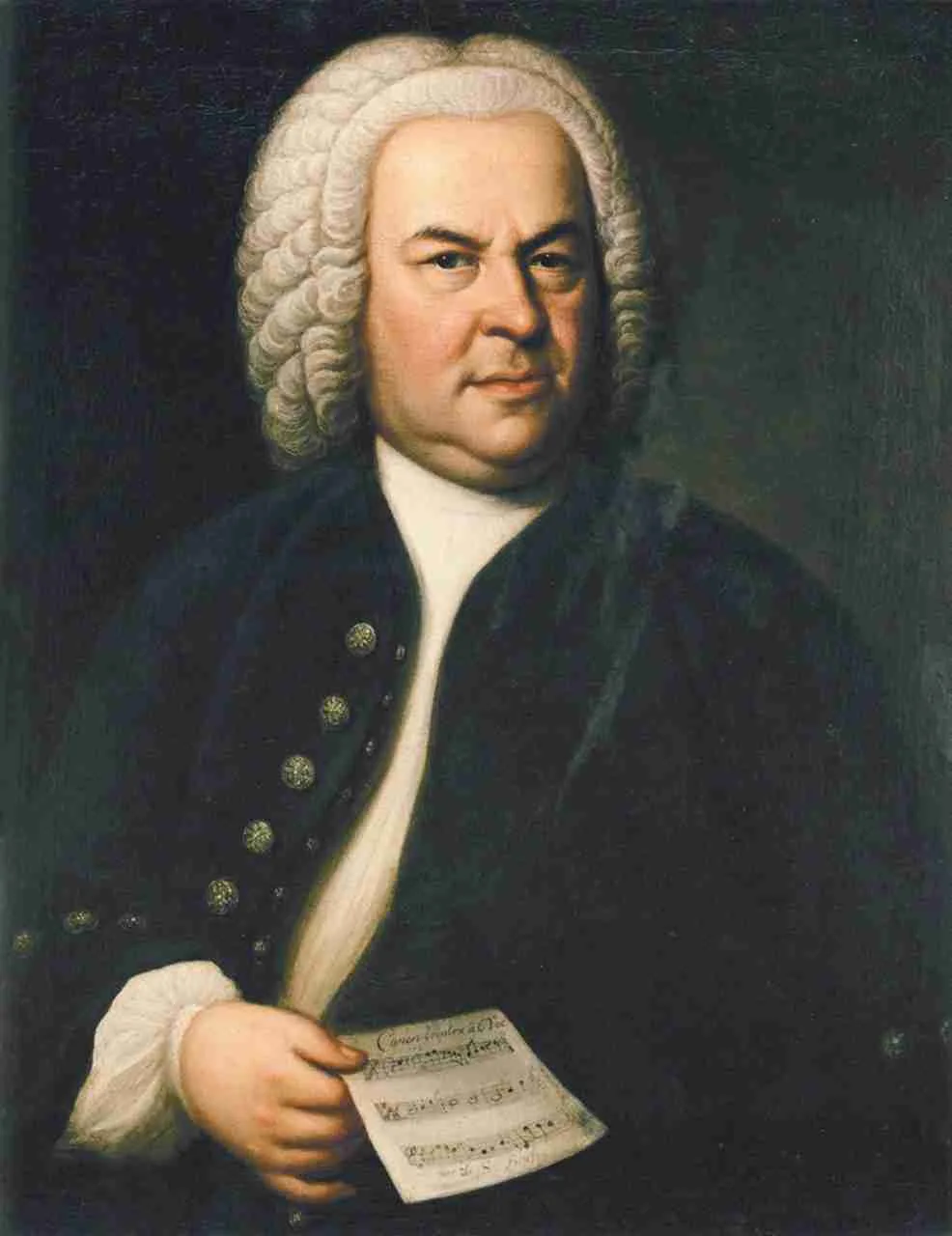
The Unique Intimacy of Chamber Music in Historic Brooklyn Homes
Chamber music in historic Brooklyn homes offers a personal experience. Unlike larger orchestras, which can sometimes overwhelm with sound, chamber groups allow musicians to connect closely with the audience. This bond is especially evident in Brooklyn’s brownstones, where small ensembles, such as a string quartet, can fill the room with warmth and musical clarity.
The Montague Street Brownstone in Brooklyn Heights
The Montague Street Brownstone in Brooklyn Heights has hosted numerous intimate Bach chamber music concerts, drawing audiences for its acoustically vibrant setting. With its intricate woodwork and high ceilings, this brownstone creates a resonant sound experience that amplifies the beauty of Bach’s compositions. Regular performers include the Brooklyn Chamber Orchestra musicians, led by conductor Philip Nuzzo, who brings artistry and passion to each performance. The orchestra’s dedication to bringing classical music into intimate venues makes this brownstone a cherished location for music enthusiasts.
Fort Greene’s Pratt Mansion: A Timeless Venue for Bach
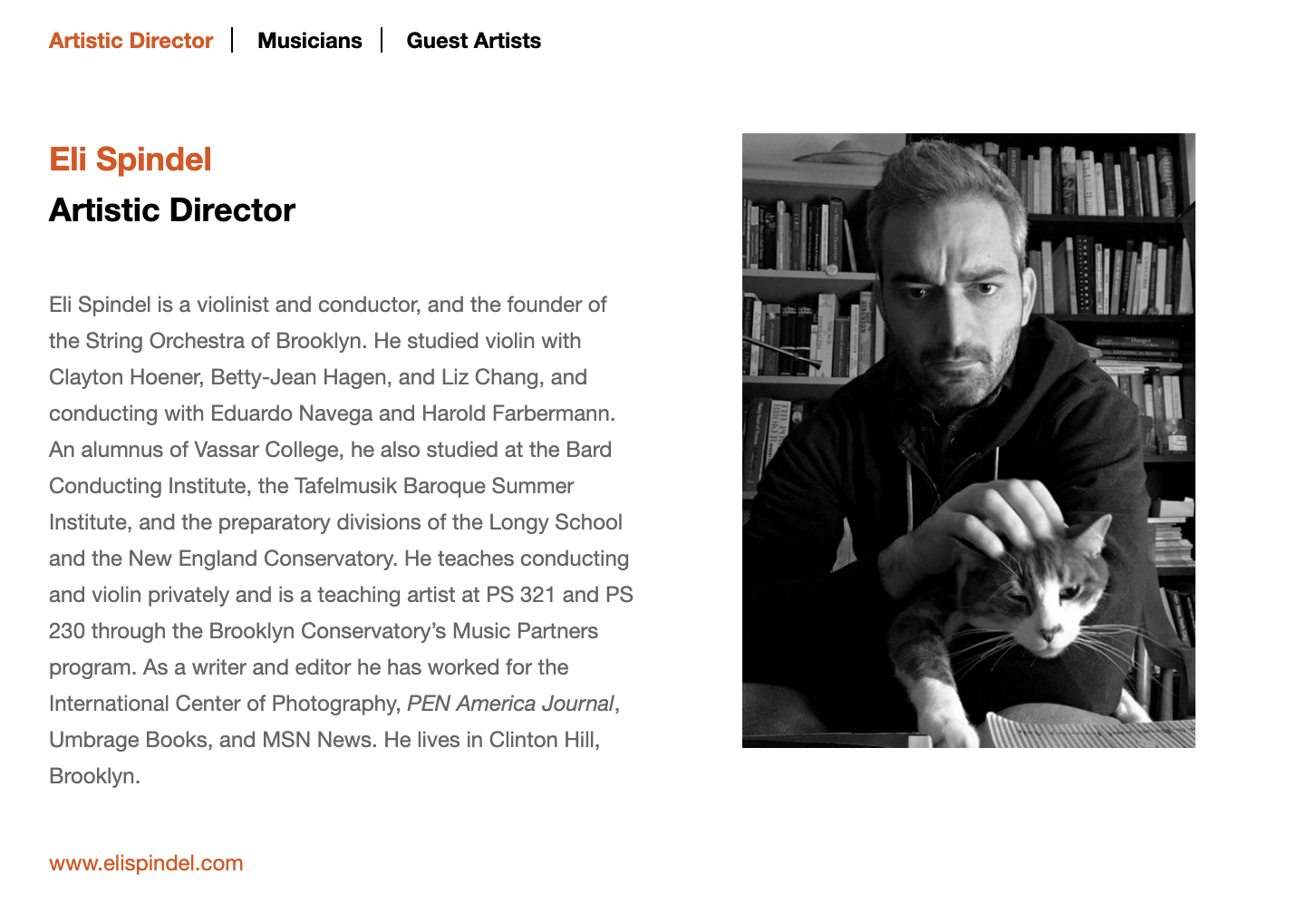
The Pratt Mansion in Fort Greene, originally part of the Pratt Institute, offers a historic and elegant setting for chamber music in historic Brooklyn homes. Known for its classic decor and spacious interior, the venue is ideal for Bach’s intricate works. This site has seen performances by the acclaimed String Orchestra of Brooklyn, directed by Eli Spindel. The mansion’s acoustics allow each instrument to resonate fully, creating an unforgettable auditory experience that brings audiences closer to Bach’s music.

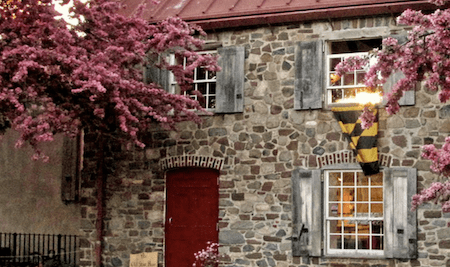
The Old Stone House in Park Slope
Park Slope’s Old Stone House is a historic site that serves as a museum and a concert venue. With its rustic charm, this building provides a warm, earthy atmosphere that complements the classical tones of Bach’s music. Musicians from the Gotham Early Music Scene, under the guidance of director Gene Murrow, frequently perform here. GEMS is known for specializing in historically informed performances, allowing audiences to experience Bach’s music as it was intended centuries ago.
Williamsburg Music Center: A Unique Twist on Bach
The Williamsburg Music Center, founded by jazz musician Gerry Eastman, is primarily known for jazz but has recently welcomed classical and chamber music, including Bach’s works. Located in the vibrant Williamsburg neighborhood, this venue adds a unique twist to Bach concerts, merging the charm of classical music with Brooklyn’s creative music scene. The Williamsburg Music Center offers a cozy environment where diverse audiences enjoy Bach, often performed by local artists and Brooklyn Conservatory of Music members.
The Wyckoff-Bennett Homestead in Midwood
The Wyckoff-Bennett Homestead, one of Brooklyn’s oldest homes dating back to the 18th century, is a cherished venue for chamber music in historic Brooklyn homes. This historic site’s colonial architecture provides an authentic backdrop for Bach’s works. The American Classical Orchestra, led by music director Thomas Crawford, brings musicians to this venue, creating a period-appropriate experience that resonates with the home’s historic charm.
Brooklyn Historical Society’s Othmer Library: A Hidden Gem for Bach
The Othmer Library at the Brooklyn Historical Society is a hidden gem for classical music lovers. With wood-paneled walls and high ceilings, this library has become a favorite for chamber music in historic Brooklyn homes, especially for those featuring Bach. The St. Luke’s Chamber Ensemble, part of the renowned Orchestra of St. Luke’s, frequently performs in this setting, led by conductor Bernard Labadie. The library’s ambiance, combined with the ensemble’s skilled interpretations, transports audiences to a different time, making each performance a profoundly immersive experience.
Why Chamber Music in Historic Brooklyn Homes is So Special
The intimacy of Performance: Small groups foster a close connection between performers and the audience.
Unique Acoustics: Brownstone architecture enhances sound quality, creating a resonant listening experience.
Cultural Immersion: Attending a concert in a brownstone brings guests closer to Brooklyn’s artistic heritage.
Community Spirit: These performances unite people through a shared appreciation for music, creating a sense of belonging.
How History, Architecture, and Music Unite
Brooklyn’s historic homes are steeped in stories, with walls that have witnessed countless gatherings over generations. These settings add depth to each concert, allowing attendees to hear Bach’s music and the ambiance and history of the home itself. Each performance is a harmonious blend of artistic talent and historical richness, unforgettably merging past and present.
The charm of these events extends beyond the music. After performances, attendees gather in cozy living rooms or terraces, discussing their favorite pieces over light refreshments. This communal aspect fosters connections among neighbors and visitors, creating an atmosphere focused on shared experience.
Many Brooklyn organizations arrange chamber music in historic Brooklyn homes to foster a tight-knit arts community. Performers engage personally with the audience, making each event feel like an intimate, private recital. The host welcomes Attendees warmly, creating an atmosphere of comfort and ease.
Discovering Bach’s Lesser-Known Works in Intimate Settings
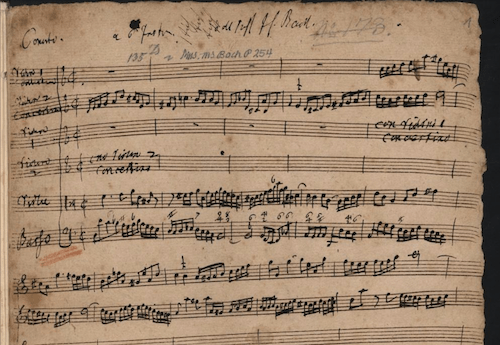
These performances often highlight Bach’s famous compositions and his lesser-known works. The intimate brownstone setting creates a space for musicians and audiences to explore the music’s nuances together. Conversations flow naturally, enhancing appreciation and understanding of each piece.
Exploring NYC brownstone Bach chamber music in historic Brooklyn homes invites you to experience art in an unparalleled setting. Bach’s timeless notes, combined with the charm of historical residences, blend past and present, creating an unforgettable musical experience.
Whether you’re a lifelong classical music enthusiast or new to chamber music, consider attending a performance in these venues. The fusion of Bach’s elegance and Brooklyn’s brownstones creates a similar music experience.
The Role of Architecture in Shaping Musical Performances
Architecture shapes musical experiences, with each space influencing performances’ sound and emotional impact. Understanding how architecture interacts with music illuminates why certain venues, like historic Brooklyn homes, resonate with audiences and performers.
Key Architectural Elements That Influence Chamber Music in Historic Brooklyn Homes
Material Choices: Wood and stone reflect sound, enhancing volume, while carpets absorb it, reducing reverberation.
Venue Shape: Curved walls evenly distribute sound waves, creating a balanced auditory experience.
Seating Arrangement: Circular seating enhances sightlines and sound delivery.
Venue Size: Smaller spaces offer intimacy, while larger rooms can add grandeur but require careful sound design.
With wooden beams and unique details, Brooklyn brownstones create a warm, resonant atmosphere perfect for chamber music in historic Brooklyn homes. This setting adds depth to Bach’s compositions, drawing audiences in with each note.
Enhancing Musical Experiences Through Thoughtful Stage Design
Stage design greatly influences how music is perceived. A well-designed stage focuses attention, directs emotional impact, and enhances audience connection.
Practical Stage Design for Intimate Performances
Visibility: Clear sightlines allow all audience members to view performers without obstruction.
Lighting: Proper lighting highlights performers and enhances ambiance.
Accessibility: A stage must be accessible for performers and adaptable for different ensembles.
Performance spaces often adapt to suit various genres, creating an ideal experience for each. Jazz may feel right at home in a lounge-like setting, while classical music thrives in formal spaces.
Community Engagement Through Venue Design
Architecture can connect music and community with venues fostering local engagement and participation. Thoughtfully designed spaces allow diverse audiences to feel welcome.
How Venue Design Engages Brooklyn’s Community
Inclusive Spaces: Venues that cater to different demographics encourage broad community participation.
Multi-Functional Designs: Adaptable spaces that host concerts, meetings, and art events enhance cultural exchange.
Accessibility: Ensuring access for all fosters inclusivity and engagement in musical events.
From grand concert halls to intimate Brooklyn brownstones, architectural design is crucial in how music is perceived. Appreciating the connection between architecture and music enriches the community’s cultural experience.
Curating Intimate Chamber Music Concerts in Historic Brooklyn Homes
Intimate settings amplify the audience’s connection to music, creating a memorable concert experience.
Designing a Warm and Inviting Space
Choose the Right Venue: Select cozy spaces that promote intimacy, like living rooms or galleries.
Seating Arrangement: Circular seating eliminates barriers and enhances audience engagement.
Acoustic Features: Soft furnishings absorb sound, creating a warm ambiance.
Personal touches like soft lighting, refreshments, and artist interaction enhance the intimate concert experience. With careful planning, each chamber music concert in historic Brooklyn homes becomes a celebration of music and community.
The Cultural Significance of Bach’s Music in Brooklyn
Bach’s compositions hold a special place in Brooklyn. Their beauty and complexity inspire both musicians and audiences.
How Bach’s Music Impacts Brooklyn’s Artists
Creative Interpretations: Musicians often add a unique flair to Bach’s works, blending improvisation and classical elements.
Educational Workshops: Institutions offer workshops around Bach, nurturing new talent and interest.
Collaborative Events: Community-driven performances allow musicians of all levels to celebrate Bach together.
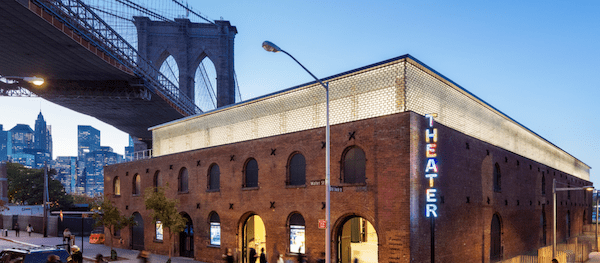
Brooklyn’s historic venues, such as the Brooklyn Academy of Music and St. Ann’s Warehouse, provide immersive settings that deepen appreciation for Bach’s legacy.
| Venue | Location | Features |
|---|---|---|
| Bach at the Brownstones | Fort Greene | Intimate historic settings |
| Brooklyn Academy of Music | Downtown Brooklyn | Renowned cultural programming |
| St. Ann’s Warehouse | DUMBO | Innovative concert space |
The Impact of Brooklyn’s Chamber Music Scene
The chamber music scene in Brooklyn continues to thrive, drawing audiences with its blend of tradition and creativity. Engaging in chamber music in historic Brooklyn homes offers a unique journey through classical music and Brooklyn’s vibrant cultural landscape.
Readers may also enjoy our reviews of Jazz Vocalists of Today and Yesteryear, Rooftop Drive-In Orchestra Classical Concerts, After Hours Late Night Literary Inspired Concerts, and King Lear: Tragedy in a Masterpiece Setting.