
Bibliotheque NYC provided a literary feast as I discovered SoHo’s Hidden Culinary Gem.
Here’s a quick preview from Bibliotheque on Instagram:
View this post on Instagram
That Tuesday evening, the rain fell in rhythmic cascades against the Bibliotheque’s windowpanes, transforming Mercer Street into a shimmering mirror of SoHo’s cast-iron facades. In this neighborhood where fashion houses stand like sentinels guarding the secrets of style, one expects to find spaces that perform rather than exist. Bibliotheque performs, yes, but with the quiet confidence of a veteran character actor who does not need histrionics.

The Perfect Marriage of Books, Wine, and Culinary Sophistication
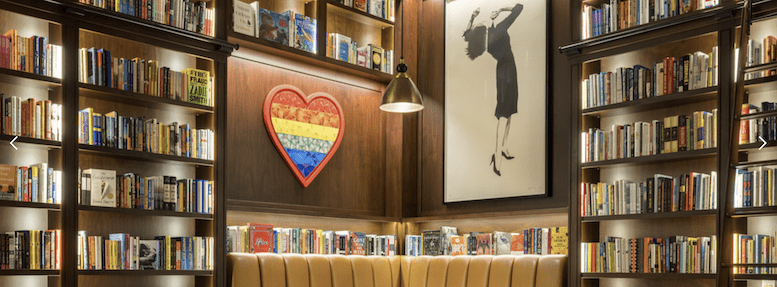
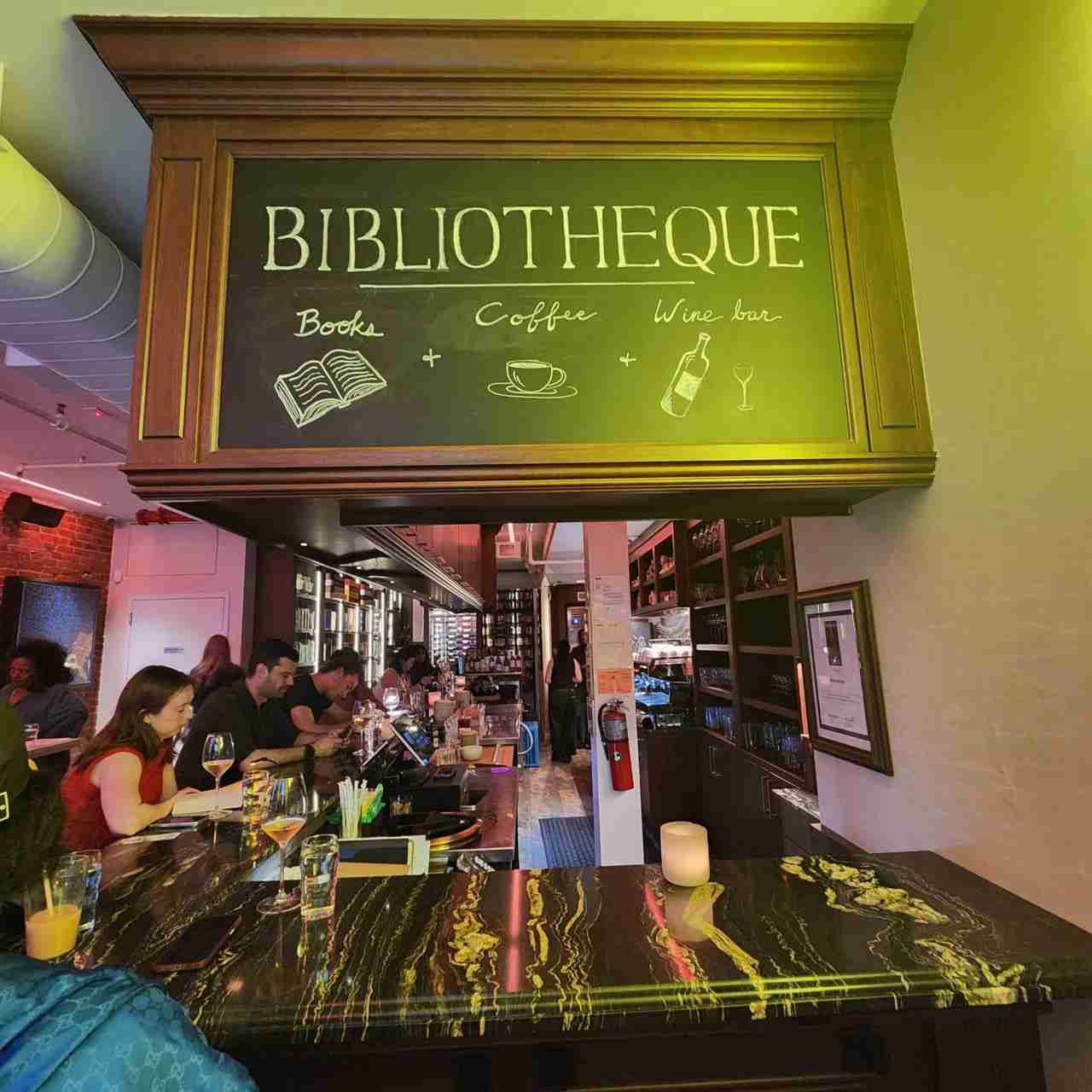
The marriage of Bookstore, café, and wine bar is hardly novel in our age of hybridized commerce, where every establishment seems desperate to be three things at once lest it fail at being one thing completely. Yet as I slid into a banquette across from my dining companion, surrounded by what must be several thousand volumes arranged with the precision of a curator’s eye, I sensed something different here. Even the most astute branding consultant cannot manufacture this authenticity.
SoHo’s Literary Haven: Where Downtown Meets Intellectual Charm
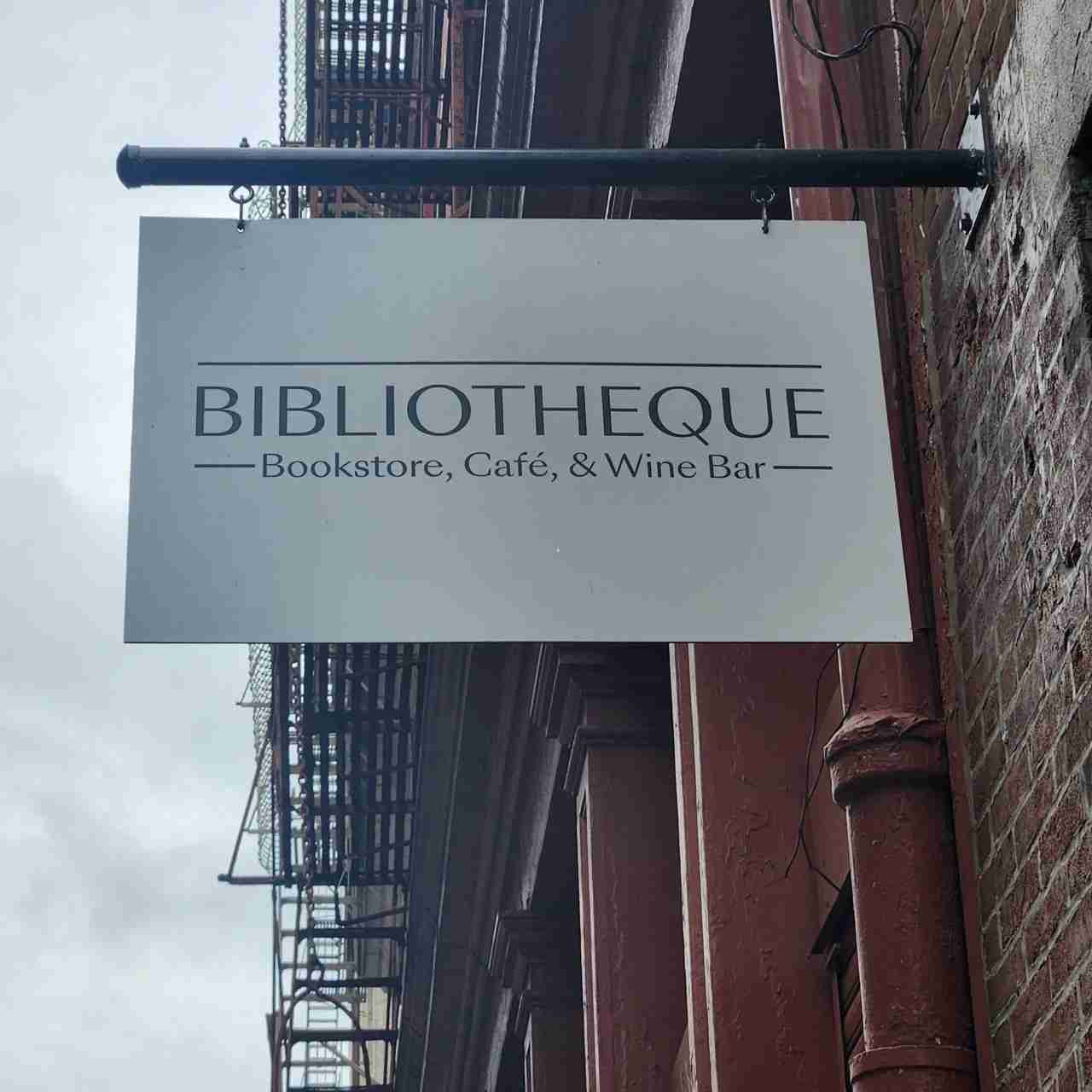
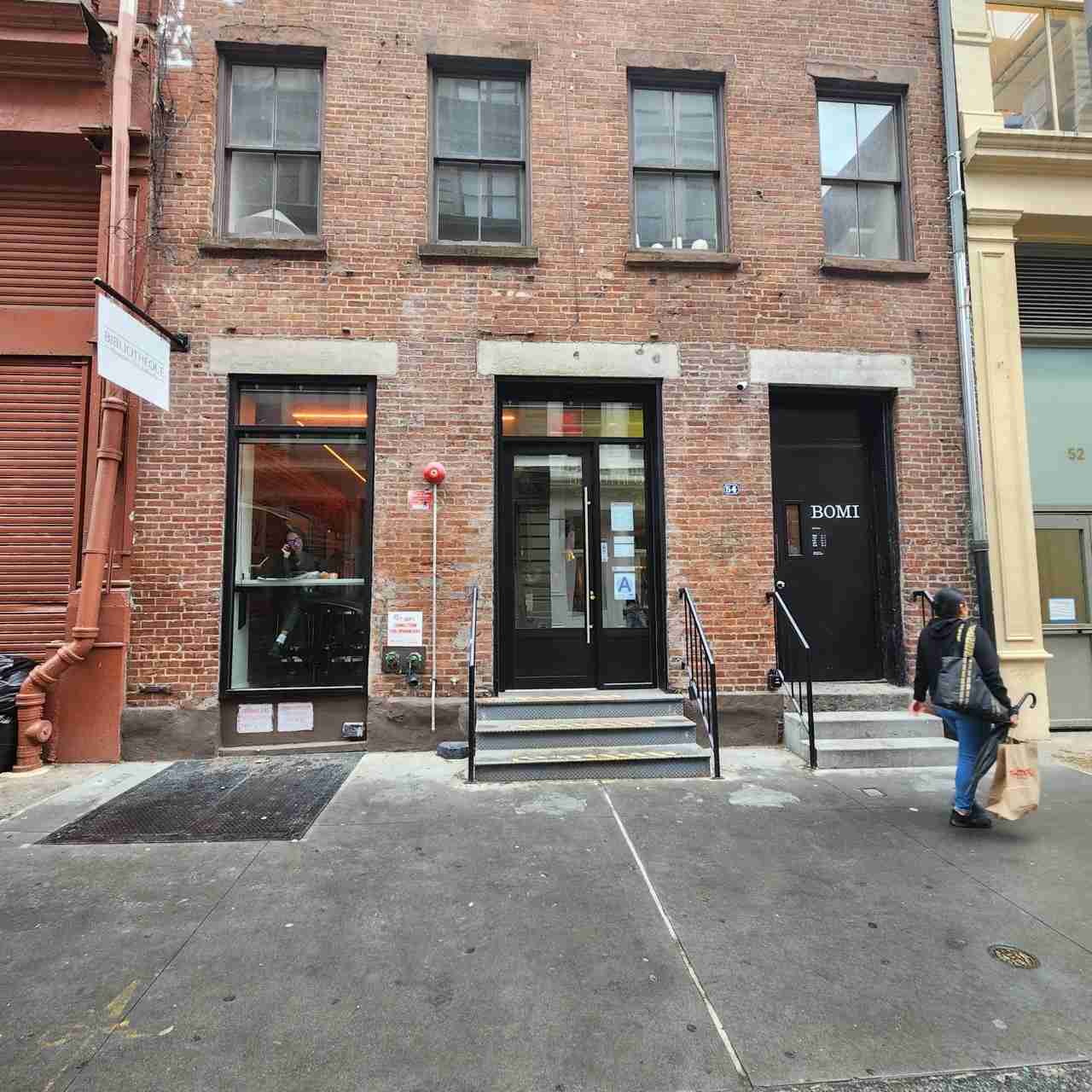
Bibliotheque occupies a sliver of real estate at 54 Mercer Street, precisely where SoHo’s commercial bombast begins its subtle transition toward the intellectual pretensions of Greenwich Village. This positioning feels intentional, like the restaurant – a liminal space between consumption and contemplation. The venture, launched in 2022 by the improbable pairing of a facial plastic surgeon (Dr. Andrew Jacono) and his literary-minded son (A.J. Jacono), seems to have inherited the precision of the former and the narrative sensibility of the latter.
Beyond Décor: A Genuine Literary Collection That Inspires
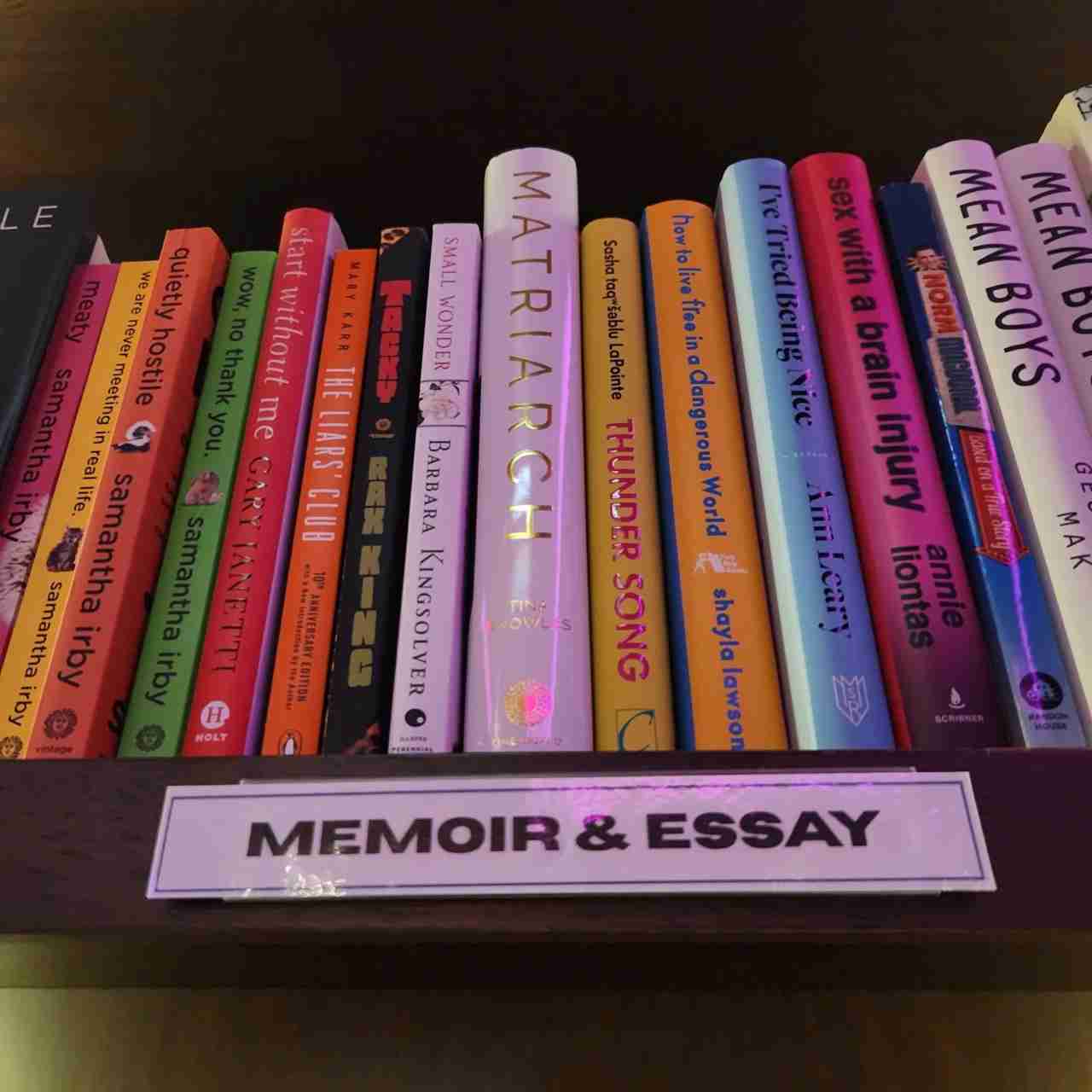
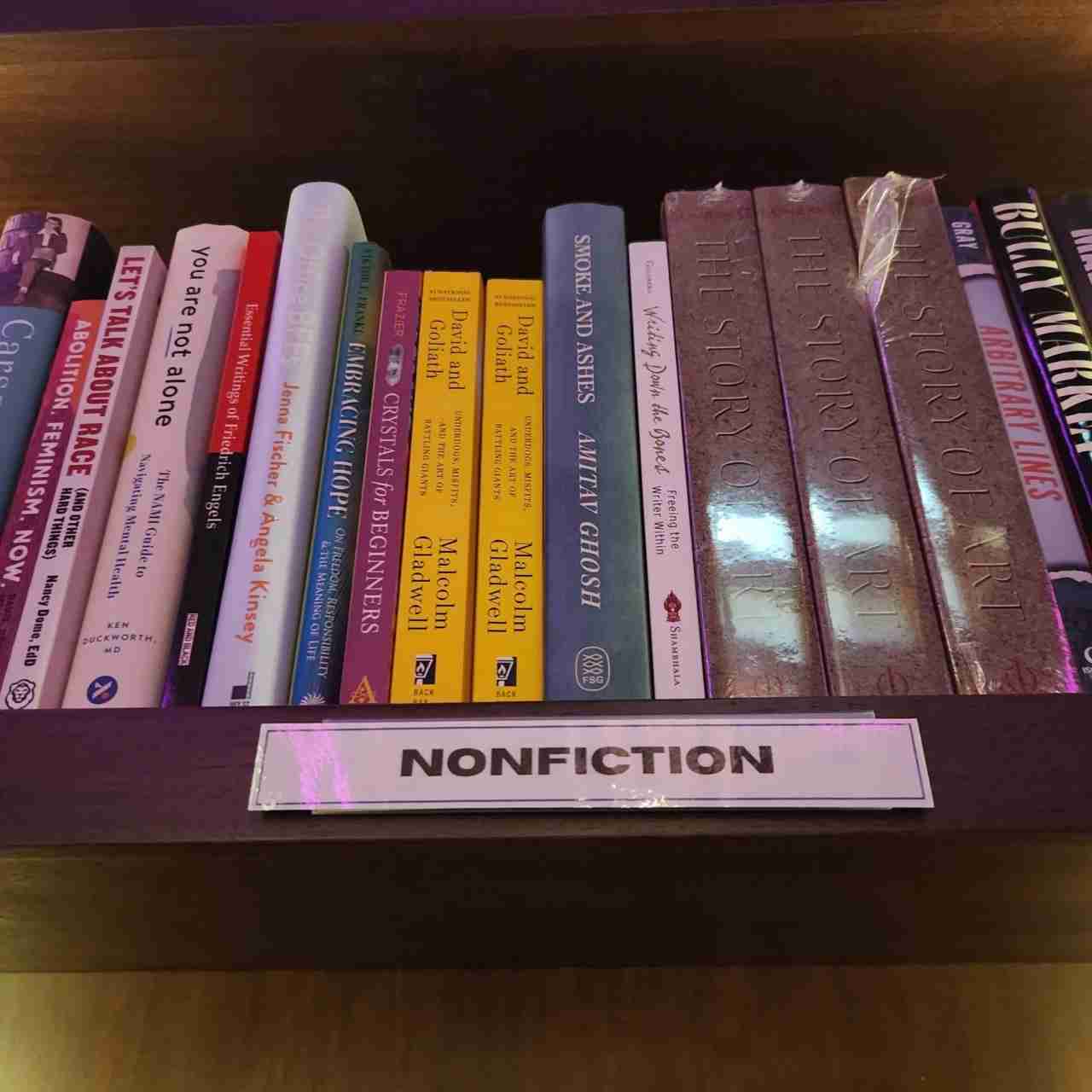
The younger Jacono’s literary credentials—publications in respected journals and founding of The Spotlong Review—manifest in the meticulously curated collection of books that line nearly every vertical surface not occupied by wine bottles. These are not decorative props but volumes with cracked spines and dog-eared pages. They are arranged neither by algorithm nor color (that most egregious of bibliophilic sins) but rather by some internal logic that invites exploration.
The Culinary Experience: Confidence Without Pretension
The menu arrived – not a leather-bound tome as expected given the surroundings, but a simple cardstock affair that changes frequently. Its brevity suggested confidence rather than limitation. A plate of smoked mackerel rillettes arrived unbidden, a gesture from the kitchen that spoke of hospitality rather than pretension. The fish had been whipped to a consistency that hovered between velvet and cloud, with pickled mustard seeds providing punctuation marks of acidity at precisely the moments when richness threatened to overwhelm.
Seasonal Ingredients Transformed with European Finesse
A salad of bitter greens followed, dressed in a vinaigrette that whispered of aged sherry and anchovy. It was the sort of preparation that would be unremarkable in certain corners of Barcelona or Paris but feels revolutionary in a city where salads are often relegated to virtuous blandness or baroque excess.
Handcrafted Pasta and Thoughtful Proteins: The Heart of the Menu
The pasta – hand-rolled cavatelli with braised rabbit and black olives – arrived steaming, the perfume of rosemary rising like an incantation. The rabbit had been cooked to that elusive point where it retains its identity while surrendering completely to tenderness. One senses the kitchen’s respect for ingredients here; there is technical prowess, certainly, but it is in service to flavor rather than ego.
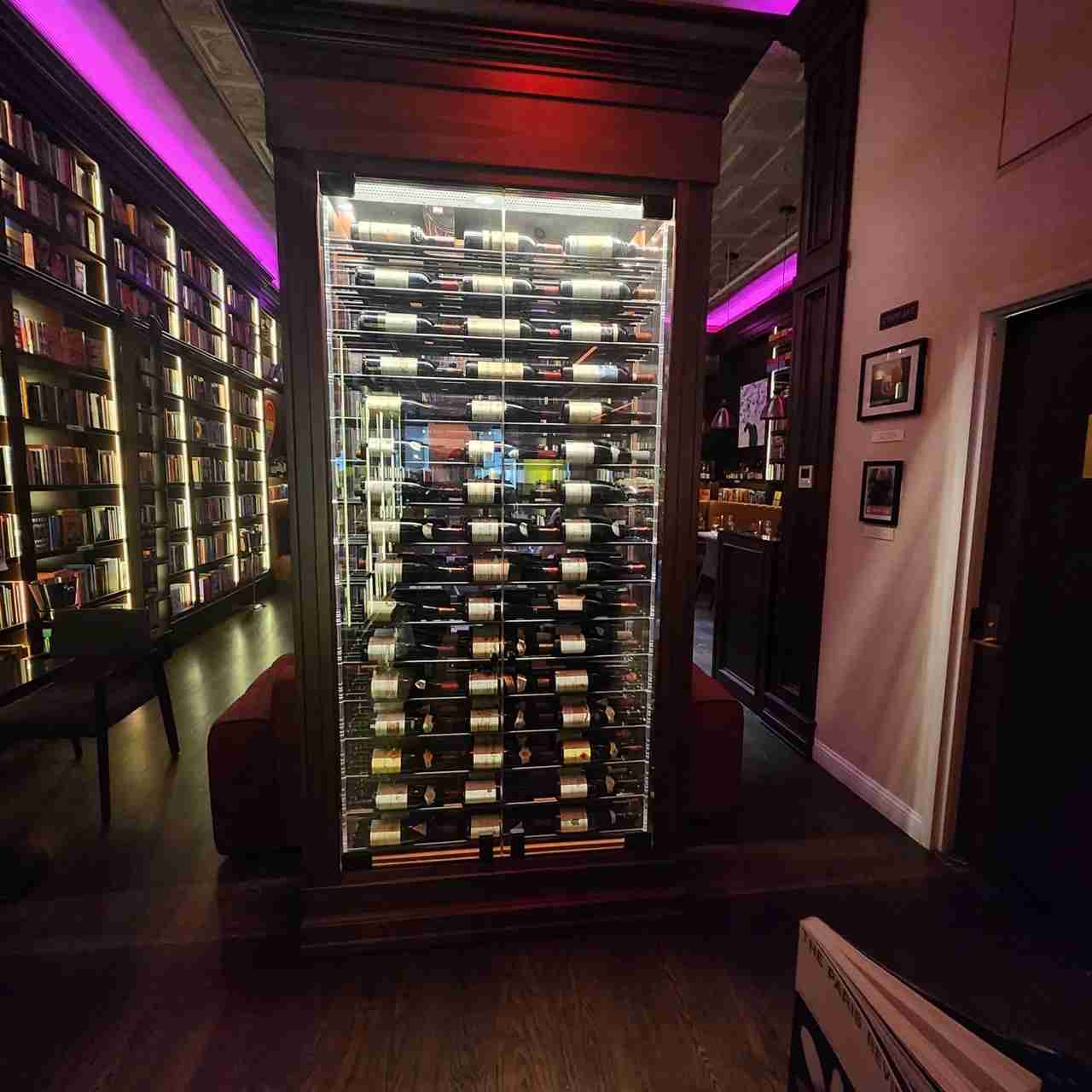
A Wine Program That Speaks of Terroir and Tradition
As we lingered over glasses of an unfiltered Sicilian white that tasted of stone fruits and sea spray, I contemplated the curious alchemy at work in Bibliothèque. In a neighborhood that has long since surrendered to commercial imperatives, where storefronts turn over with dizzying frequency and concepts are workshopped to within an inch of their lives, here was something that felt both considered and organic.
Sweet Endings: Desserts That Demonstrate Restraint and Skill
The dessert menu proved mercifully concise – a chocolate pot de crème dense enough to require commitment, a panna cotta trembling on the edge of collapse, and a selection of cheeses whose ripeness suggested a buyer who understands that cheese, like conversation, improves when allowed to develop at its own pace.
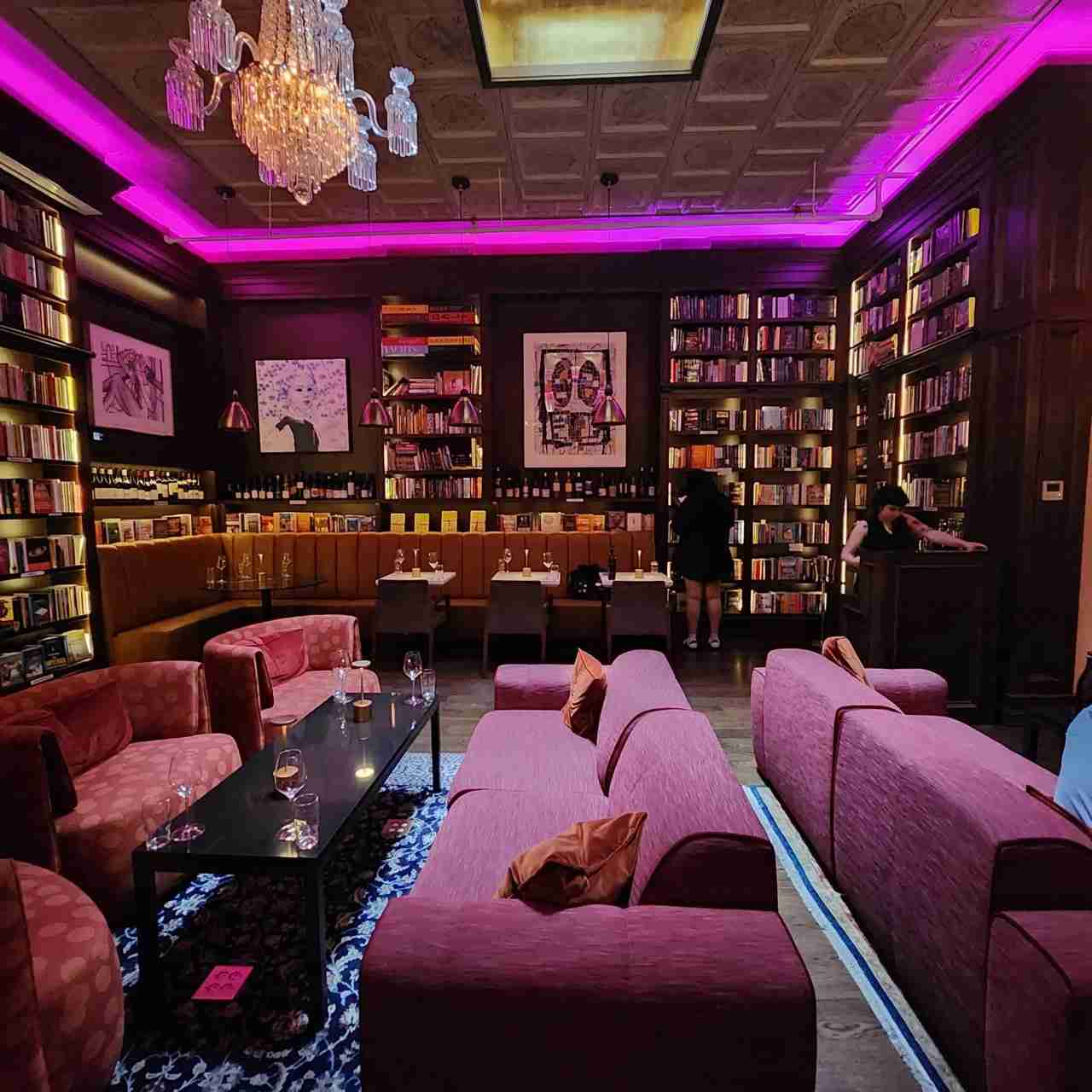
The Soul of Bibliothèque: Creating Conversations Through Food
As the rain continued to percussion against the windows and we sat surrounded by the collective wisdom of authors living and dead, I realized what distinguishes Bibliotheque from its contemporaries: it is a restaurant that understands that dining is not merely consumption but conversation—between chef and ingredient, between flavors on a plate, between diners and their surroundings. Bibliotheque offers something increasingly rare: a coherent, well-told story with just enough surprises to keep one turning the pages in a city perpetually in danger of losing its narrative thread.
Dr. Jacono may have made his reputation reshaping faces, but in Bibliotheque, he and his son have created something more lasting. This space reshapes, however briefly, our relationship with food, literature, and the city itself. Not every dish achieves perfection, but perfection is rarely as interesting as character, and character is something Bibliotheque possesses in abundance.
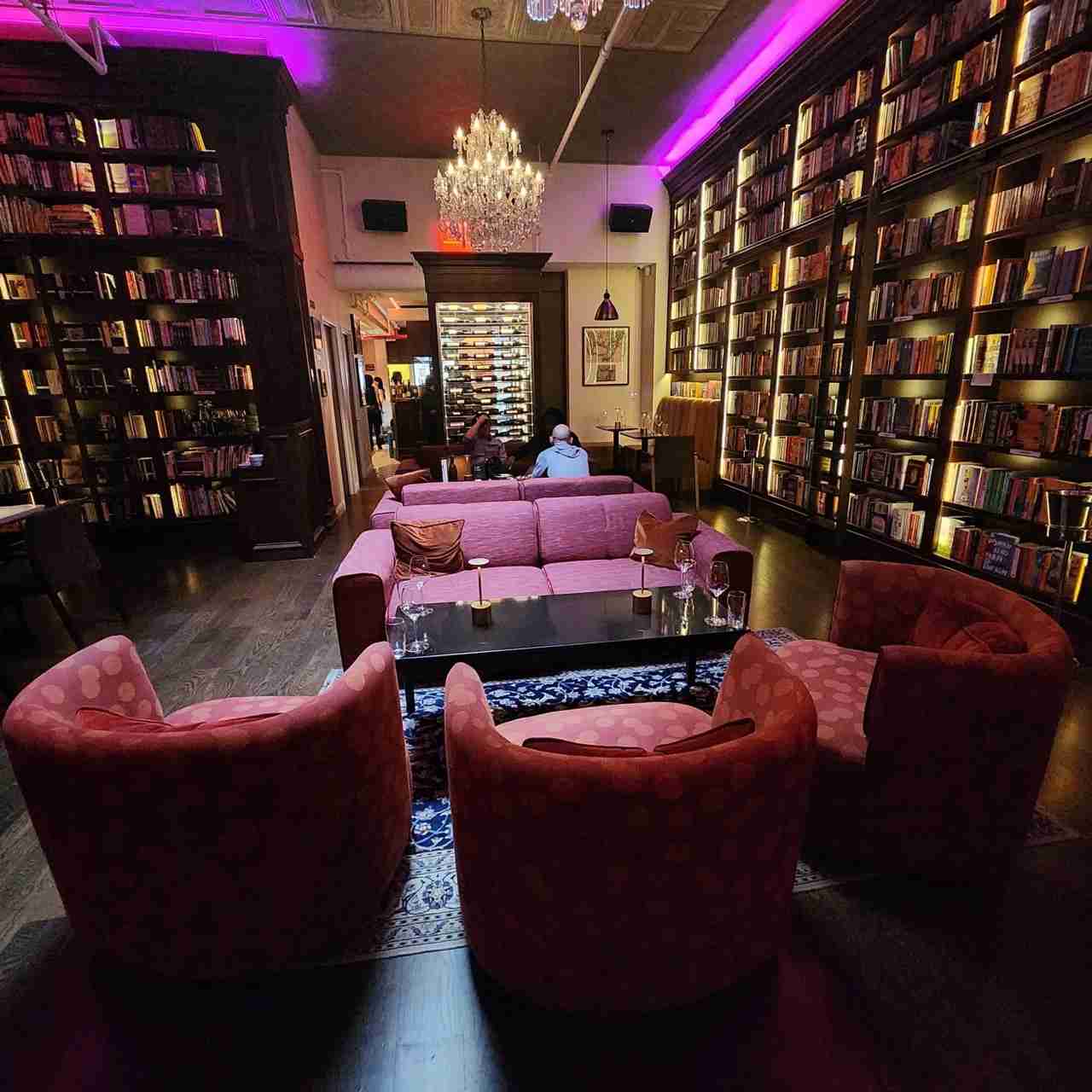
The Unexpected Luxury of Constraint: Embracing Tinned Seafood Traditions
The menu at Bibliotheque presents itself as a narrative with several possible paths. Like any discerning reader faced with a branching storyline, I lingered at a peculiar junction—a section titled “Tinned.” The word hung there, unadorned and slightly defiant, as if challenging decades of fine dining orthodoxy that has equated preservation with compromise.
Beyond Fresh: How Bibliotheque Is Redefining Luxury Through Preservation
In America, the land of fresh food and the home of the perpetually available, we have developed a particular squeamishness about the foods that come in cans. We relegate them to emergency provisions or nostalgic camping experiences—culinary contingency plans rather than deliberate choices. This, although in the coastal regions of Spain and Portugal, tinned seafood represents not convenience but the apex of preservation as an art form, where sardines, mussels, and octopus are elevated to objects of desire, sought after with the same fervor oenophiles reserve for particular vintages.
Taking the Tinned Plunge: A Culinary Leap of Faith
“Food in a can?” I thought, with that particular brand of Manhattan skepticism that assumes innovation must announce itself with a trumpet fanfare rather than a quiet insistence on tradition. The waitress, who navigated my hesitation with the diplomatic skill of a seasoned UN translator, assured me that the presentation would involve a proper board with accompaniments. Her confidence suggested not the defensive posture of someone selling an inferior concept, but the certainty of one who has witnessed repeated conversions.
Nordic Preservation Meets New York Sophistication
“What the heck,” I declared to my dining companion with the false bravado of someone pretending culinary adventurousness isn’t a professional requirement. “When in Rome…” I trailed off, though we both knew this particular Roman holiday was a Scandinavian excursion, specifically to Denmark via a tin of Fangst Salmon in Lemon Verbena.
I later learned that Fangst means “catch” in Danish. It is a company founded by three friends determined to revitalize Nordic seafood preservation traditions. This isn’t the desperate salvaging of subpar product but rather a deliberate capturing of fish at their seasonal peak—a time capsule of flavor rather than a compromise.

The Art of Presentation: Elevating the Humble Tin
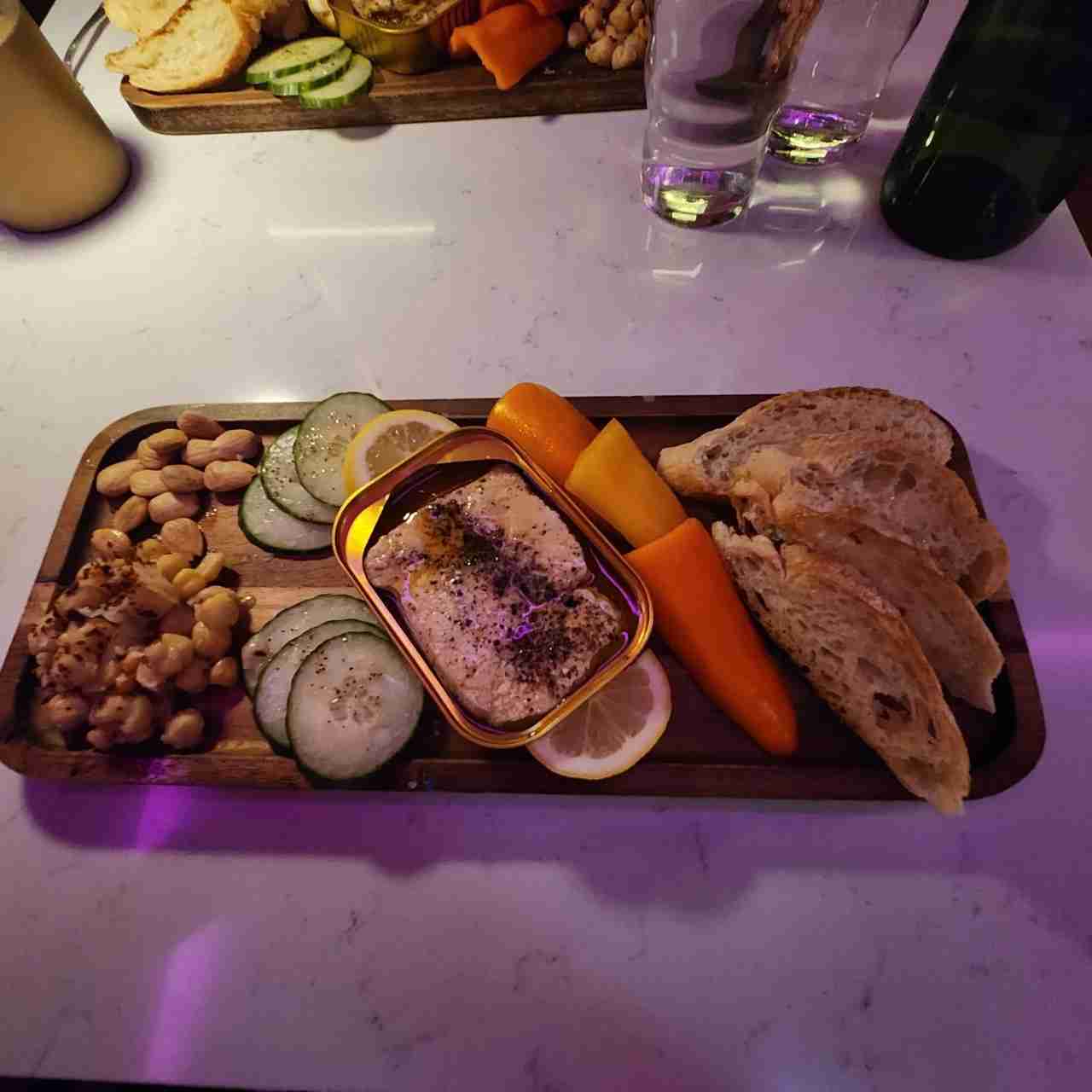
When the board arrived, it possessed a certain unassuming elegance. The open tin—about the size of a deck of cards—sat center stage, its contents glistening under the gently diffused lighting that Bibliotheque has so carefully calibrated to flatter books and diners. Surrounding this central character was a supporting cast of thinly sliced rye bread, housemade butter the color of early summer sunshine, pickled onions cut so thin they were nearly translucent, and capers that had been quickly fried until they bloomed like tiny sea anemones.
Wild-Caught Flavors: The Revelation of Premium Conservas
The salmon was cut into precise pieces that retained their integrity while simultaneously surrendering to the fork. The flesh possessed that particular deep coral hue that wild salmon displays—a color that farmed specimens attempt to mimic through diet but never quite achieve. The lemon verbena had infused the oil with a gentle citrus herbaceousness that amplified rather than masked the fish’s natural richness.
Rethinking Culinary Assumptions: The Philosophy Behind the Tin
What struck me most was not just the quality, which was excellent, but the intentionality behind it. This wasn’t preservation as a compromise but preservation as philosophy. In an era when chefs compete to source ingredients from increasingly specific latitudes and longitudes, there is something refreshingly honest about a restaurant embracing the paradox that sometimes the best way to experience an ingredient is through its carefully preserved essence rather than its fleeting fresh state.
A New Culinary Literacy: Learning to Read Beyond Fresh
As I spread the salmon on a slice of the dense rye bread, adding a few pickled onions and capers for counterpoint, I reconsidered not just tinned fish but the entire architecture of assumptions we’ve built around dining. How often do we conflate “fresh” with “better” without examining the premise? How many transcendent culinary experiences have we foreclosed with our prejudices about packaging?
The salmon was delicate yet assertive, each bite carrying echoes of cold Nordic waters, wild herbs, and meticulous craftsmanship. The lemon verbena provided a high note that prevented the richness from overwhelming, like a well-placed semicolon in a complex sentence; it created space for reflection without interrupting the overall flow.
Innovation Through Tradition: The Radical Act of Looking Backward
My “first Tinned dinner,” as I somewhat provincially framed it to myself, proved to be not merely an acceptable substitute for traditional restaurant fare but a revelation in its own right—a reminder that innovation can sometimes mean looking backward rather than forward, and that constraints, whether they be spatial (a tin can) or temporal (a preserved rather than fresh ingredient), often produce the most interesting results.
Bibliotheque has made a subtle but significant statement about dining in 2025. As we continue to chase the new and the now, sometimes the most radical act is to embrace the wisdom of patience, preservation, and tradition—lessons that the volumes lining the restaurant’s walls have been quietly teaching for centuries.
Beyond Dining: A Cultural Hub in SoHo
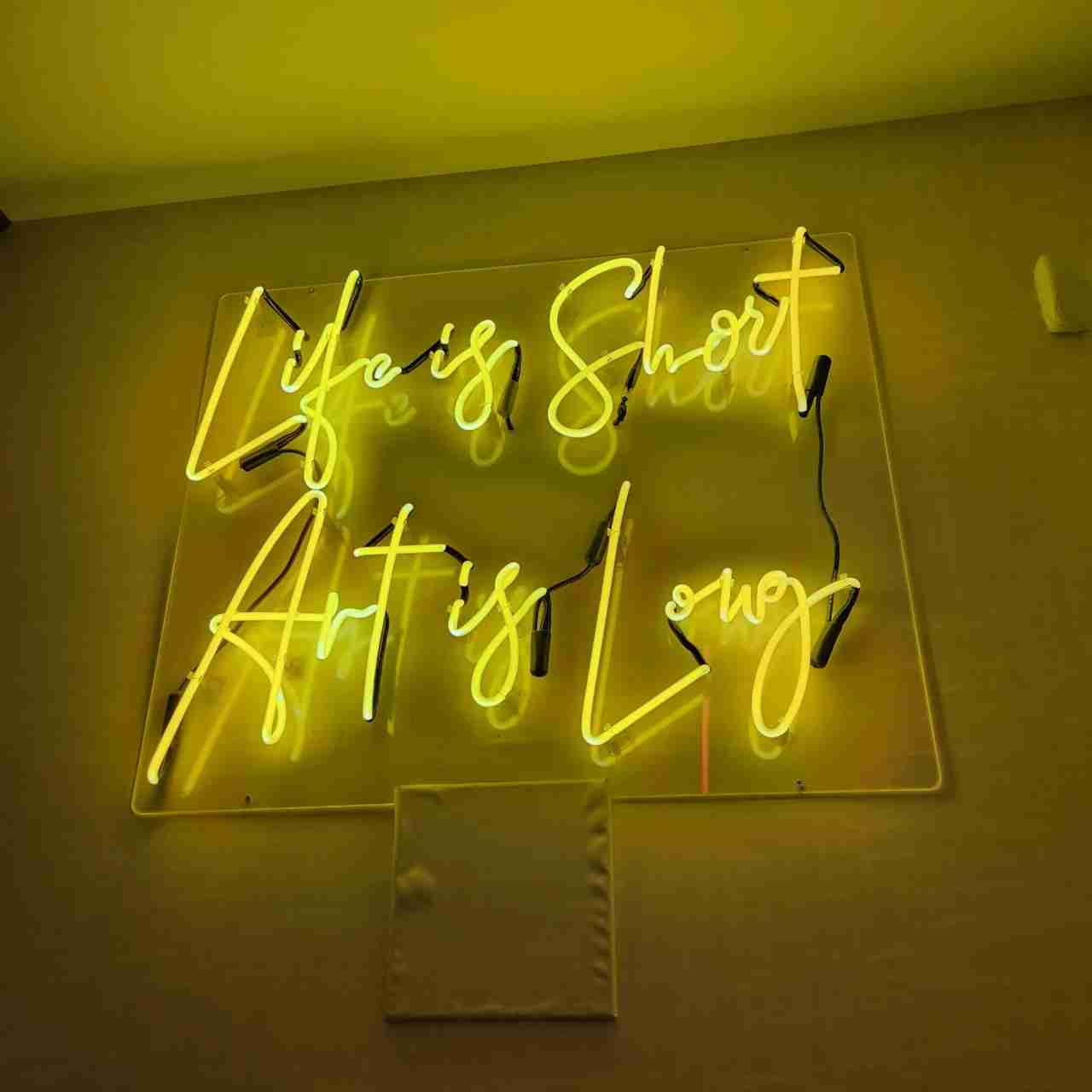
Another reason I like this Bookstore is that it hosts writing events, author events, and movie nights–in addition to fine wine, coffee, and food. How fun is that!
Plan Your Visit: Essential Information for Bibliotheque NYC
So, if you’re open to different dining choices and yearn for a fun environment, I heartedly recommend Bibliotheque. As their entrance sign reminds you, reservations are required.
Bibliotheque NYC: Where Literature and Culinary Artistry Converge in SoHo
54 Mercer St, New York, NY 10013
646) 410-0143
Click HERE for reservations.