
Tonight was a celebration of 20 years of vision, artistry, and the transformative power of new opera.
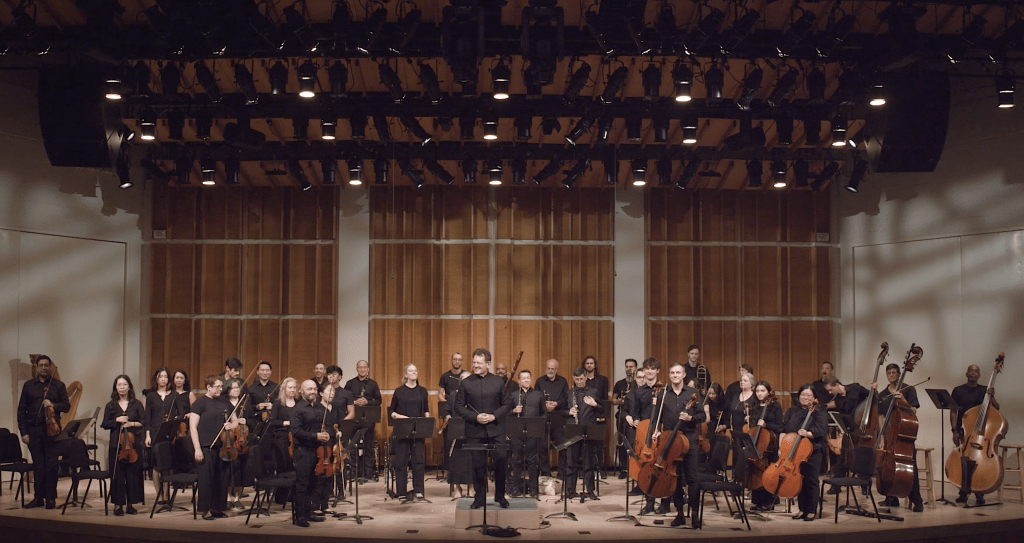
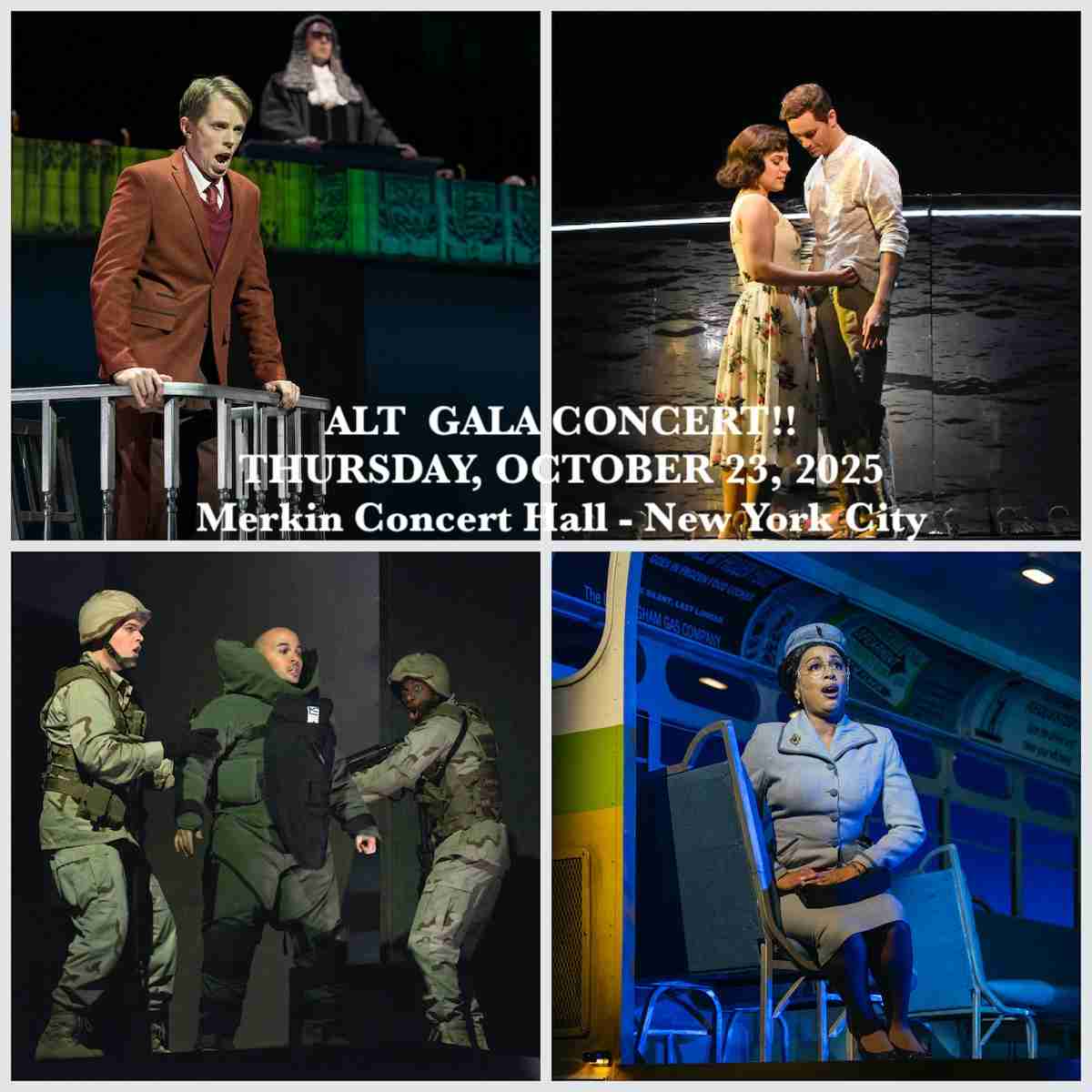
With inspired comments and introductions from ALT founder Lawrence Edelson, Thursday evening at Merkin Hall offered more than just a concert—it delivered a revelation. American Lyric Theater‘s twentieth anniversary gala demonstrated with unmistakable clarity why sustained artistic mentorship matters, why the patient cultivation of creative partnerships yields extraordinary fruit, and why the future of American opera burns so brightly. The atmosphere crackled with anticipation as audience members gathered to witness not merely performances but a living testament to two decades of transformative work in the operatic arts.
One thinks of Leonard Bernstein‘s celebrated observation that “music can name the unnameable and communicate the unknowable”—and indeed, throughout this evening’s extraordinary showcase of contemporary American opera, we witnessed precisely such feats of artistic alchemy, as the fruits of ALT’s pioneering Composer Librettist Development Program demonstrated the profound depths to which collaboration between words and music can illuminate the human condition.
The Visionary Foundation: Honoring Susan Feder
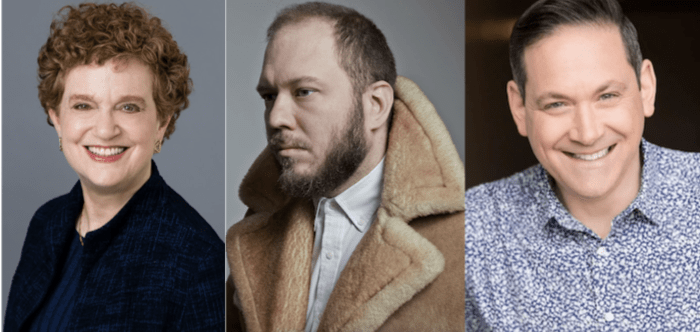
The evening featured a well-deserved tribute to Susan Feder, whose fifteen-year tenure as a program officer at the Mellon Foundation proved instrumental—one might say indispensable—to ALT’s evolution from a modest startup into a premier cultural incubator. Feder spoke with characteristic elegance about the newly established fellowship bearing her name, her words suffused with the rare wisdom she had gleaned over decades of nurturing artistic excellence. Moreover, her presence reminded us that great operas, as ALT’s tagline rightfully proclaims, genuinely don’t just happen—they require visionaries who understand that the future of opera depends not merely on commissions and productions, but on the sustained development of the artists who create them.
Cultivating Tomorrow’s Masterworks: The CLDP Legacy
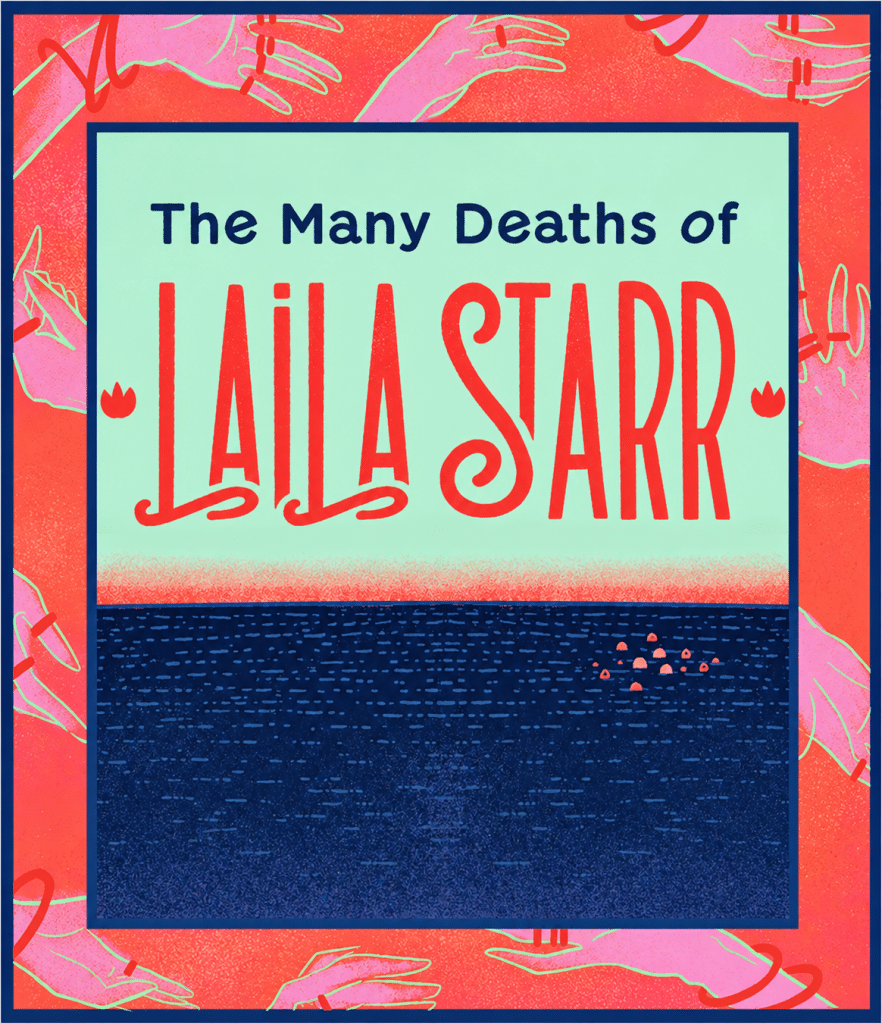
At the heart of this celebration stood the remarkable legacy of the Composer Librettist Development Program (CDL), America’s only full-time professional mentorship initiative for operatic writers. Furthermore, the evening’s centerpiece revelation—a preview of “Dear Little Chap” from Missy Mazzoli and Royce Vavrek‘s Lincoln in the Bardo—served as a luminous testament to the program’s efficacy.
Varek was on hand to speak about the commission by The Metropolitan Opera for its anticipated 2026 world premiere of Lincoln in the Bardo. The Met’s upcoming performance of this work represents a watershed moment: the first opera by a CLDP alumna to grace the hallowed stage of America’s premier opera house. Vavrek spoke eloquently of his formative years in the program, his remarks illuminating the profound impact of ALT’s unique pedagogical approach—one that treats librettists and composers as equal collaborators in the sacred act of operatic creation.
A Tapestry of American Voices
The evening’s program traversed an impressive panorama of contemporary operatic achievement, each excerpt offering its own distinctive contribution to the evolving canon of American opera.
From Jeremy Howard Beck and Stephanie Fleischmann‘s emotionally searing The Long Walk—based on Brian Castner‘s haunting memoir—to Derrick Wang‘s witty Scalia/Ginsburg and Jasmine Arielle Barnes and Deborah D.E.E.P. Mouton‘s She Who Dared, the selections revealed the remarkable breadth of ALT’s artistic vision.
Works like Christopher Cerrone and Tony Asaro‘s All Wounds Bleed and Aleksandra Vrebalov and Deborah Brevoort‘s The Knock demonstrated how contemporary opera can engage with urgent social and political questions.
At the same time, Ricky Ian Gordon and Royce Vavrek‘s The House Without A Christmas Tree and Alex Weiser and Stephanie Fleischmann‘s Tevye’s Daughters explored the timeless territories of family, memory, and belonging.
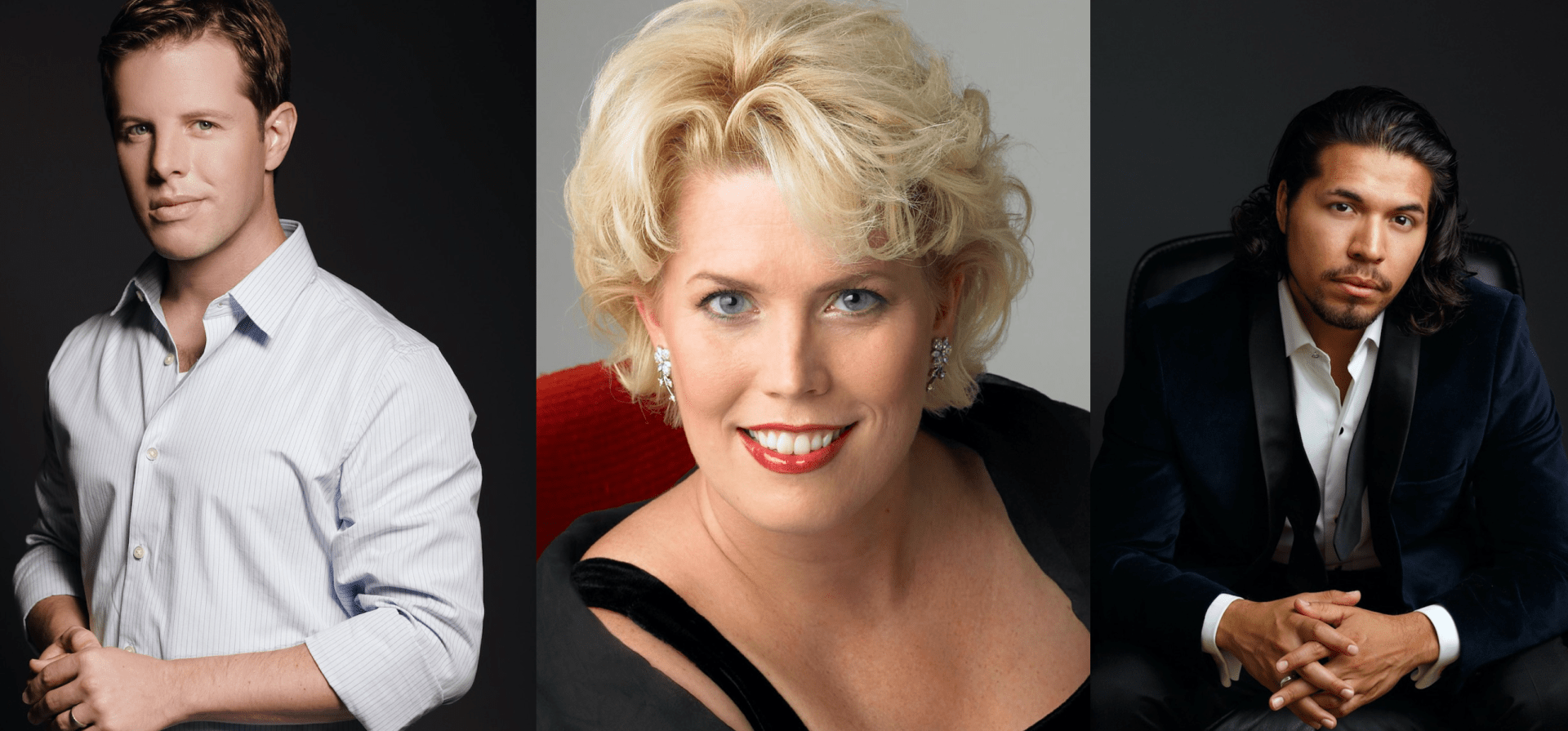
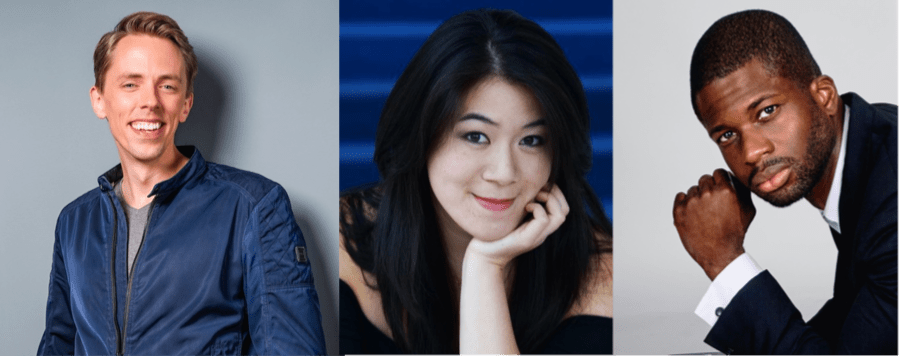
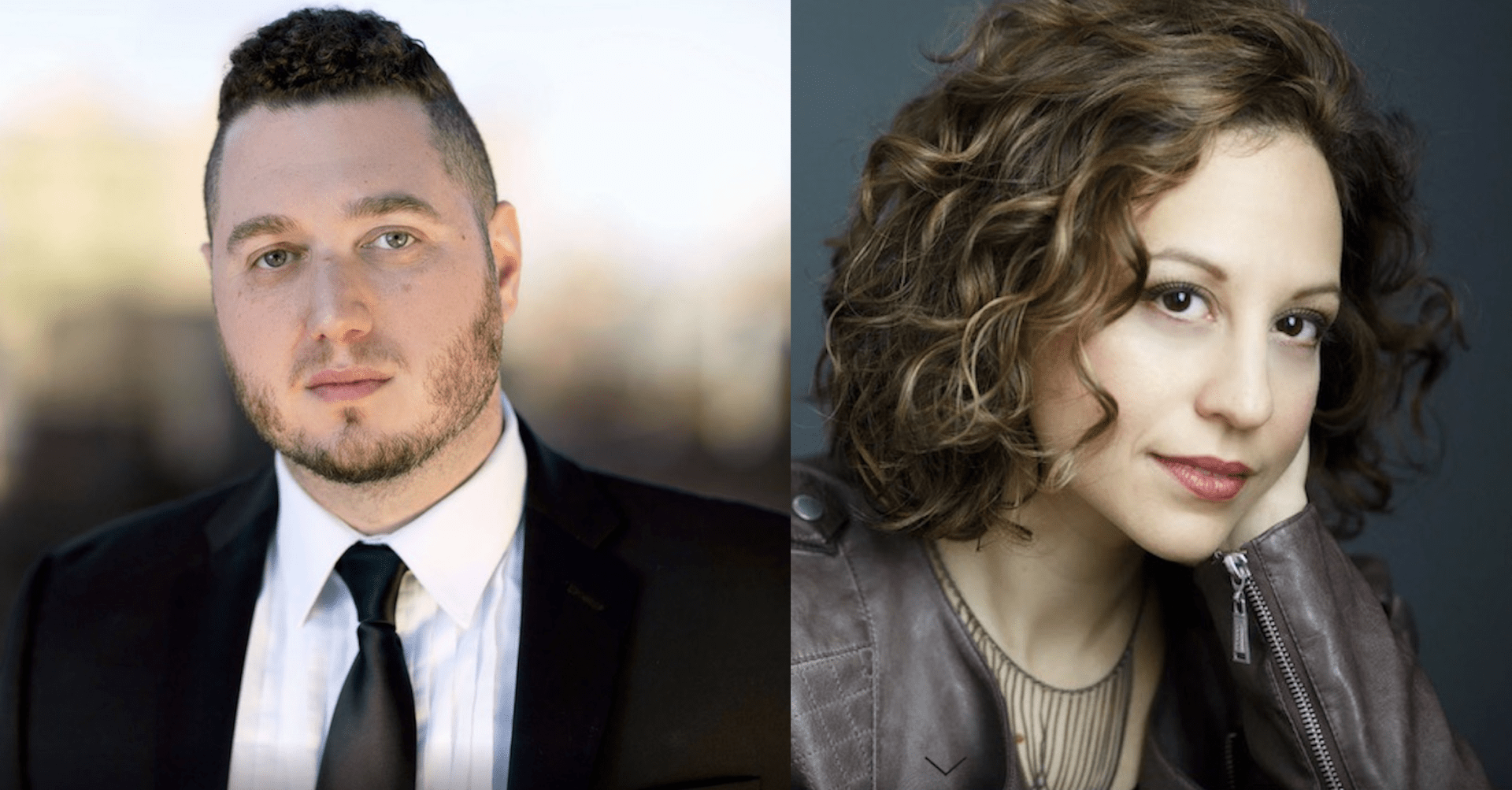
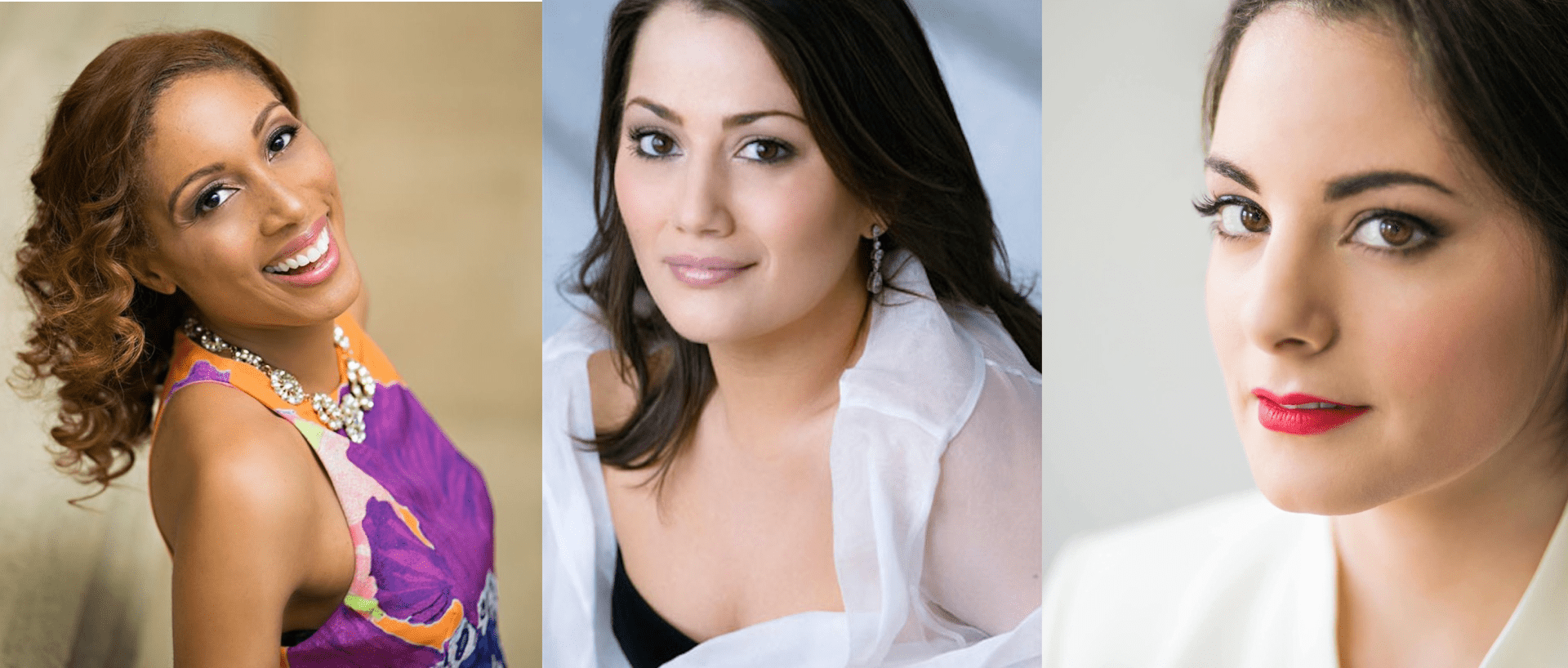
The assembled artists brought these diverse works to vivid life with consistently impressive artistry. Baritones Jonathan Michie and Gideon Dabi navigated complex emotional terrain with remarkable nuance, while mezzo-sopranos Heather Johnson and Gina Perregrino brought depth and color to their respective roles. Tenor Andrew Bidlack‘s clarion sound and bass-baritone Justin Hopkins’ commanding presence added further luster to the proceedings. Soprano Karen Vuong demonstrated exceptional versatility across multiple selections, while Jacqueline Echols McCarley’s dramatic intensity proved particularly striking in excerpts from She Who Dared. Soprano Jennifer Zetlan distinguished herself with coloratura passages of crystalline precision and an interpretive depth that brought particular warmth to both the virtuosic demands of Scalia/Ginsburg and the poignant lyricism of Tevye’s Daughters. Soprano Caroline Worra and baritone Ethan Vincent rounded out this stellar ensemble with performances of consummate professionalism.
The Collaborative Spirit: Musical Leadership and Artistic Excellence
The evening’s pianists—Djordje Nesic, Kelly Kuo, and Jason Wirth—deserved special commendation for their sensitive and virtuosic accompaniments. These accomplished musicians served not merely as accompanists but as true collaborative partners, their playing revealing the intricate musical architecture of each work while supporting the vocalists with unwavering sensitivity. Their contribution exemplified the collaborative ethos that has defined ALT’s approach from its inception—the recognition that grand opera emerges not from individual genius alone, but from the confluence of many artistic streams flowing toward a shared vision.
Artistic Faith and Vision
Opera has always been the most complete of artistic expressions—a convergence of music, drama, visual spectacle, choreography, and narrative that creates something greater than the sum of its parts. In the nineteenth century, audiences entered opera houses seeking precisely this kind of total immersion, an opportunity to suspend disbelief and inhabit worlds both fantastical and profoundly human. Each listener brought their own understanding to the unfolding story, making the experience simultaneously collective and deeply personal. Today, while technological innovations offer new possibilities for spectacle and scenic transformation, opera’s essential power remains rooted in something far more elemental: the dedicated artistry of singers, instrumentalists, dancers, visual artists, and creators who devote their lives to mastering this demanding craft. It is this human dimension—the voice that can convey joy and anguish in a single phrase, the composer who labors to capture an ineffable emotion in notation, the librettist who finds the precise words to unlock meaning—that continues to make opera uniquely capable of piercing through our contemporary distractions to touch something essential in the human spirit.
As the evening drew to its post-champagne-toasted denouement, one reflected on the profound significance of what Lawrence Edelson and his colleagues have achieved over these two decades. Like the great impresarios of opera’s golden age—yet working within distinctly contemporary circumstances—ALT has created an institution that nurtures productions and artists, not spectacles but sustainable artistic collaborations. The result is a body of work that has already begun to enrich the operatic repertoire, with ALT alums’s compositions performed by more than 125 companies worldwide.
In this age when so much of our cultural discourse centers on preservation and nostalgia, American Lyric Theater reminds us that the operatic tradition remains vital precisely because it continues to evolve, to embrace new voices and new stories, to find fresh ways of articulating those essential human truths that transcend any single era or aesthetic. As we departed into the October evening, the melodies and words of this remarkable program still resonating in our consciousness, we carried with us not merely memories of beautiful performances but renewed faith in opera’s capacity to surprise, to challenge, and to illuminate the depths of human experience.
American Lyric Theater’s Luminous Anniversary Gala
Featured Artists
Andrew Biblack, tenor
Gideon Dabi, baritone
Jacqueline Echols McCarley, soprano
Justin Hopkins, bass baritone
Heather Johnson, mezzo soprano
Jonathan Michie, baritone
Gina Perregrino, mezzo soprano
Ethan Vincent, baritone
Karen Vuong, soprano
Caroline Worra, soprano
Jennifer Zetlan, soprano
Pianists:
Kelly Kuo
Djordje Nesic
Jason Wirth
Experience the Future of Opera
Merkin Hall at Kaufman Music Center
129 West 67th Street
New York, NY 10023
Phone: (212) 501-3330
For future events: kaufmanmusiccenter.org/mch
Support American Lyric Theater
Help nurture the next generation of opera creators. Your support enables ALT to continue developing groundbreaking new works and mentoring emerging composers and librettists.
Donate today: altnyc.org/donate