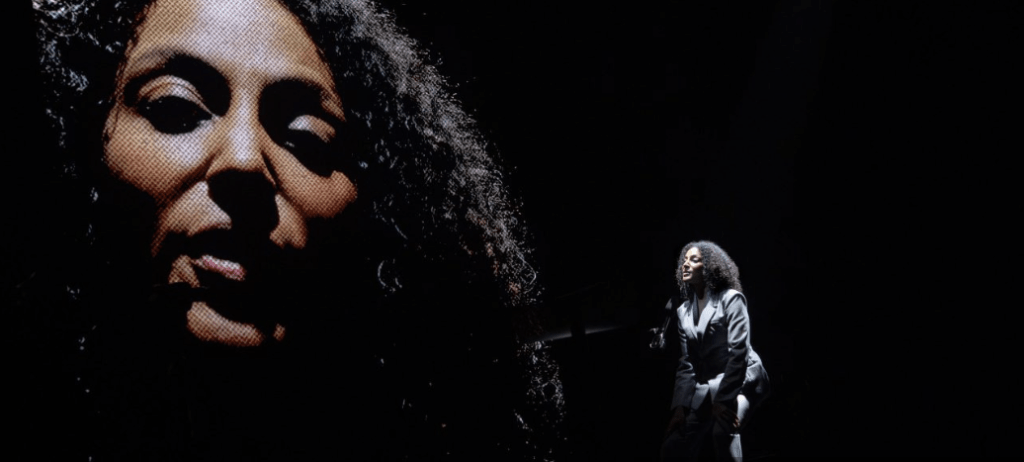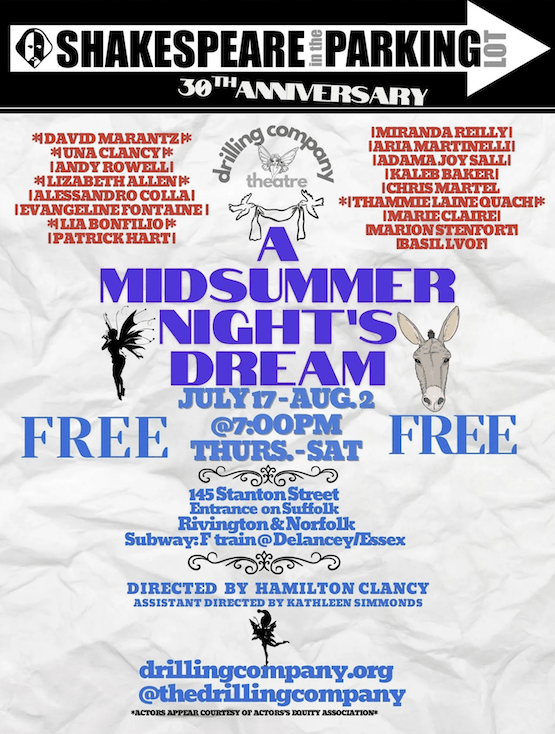

If you believe that Shakespeare belongs sequestered within marble theatres or ivy-wrapped institutions, think again. The Drilling Company’s 30th Anniversary season of Shakespeare in the Parking Lot presented an ebullient A Midsummer Night’s Dream, transforming a Lower East Side lot into a crucible of dreams, deception, and delight. The evening’s performance was nothing short of a gift to the city—one that held the audience spellbound until the final bows. When next this troupe emerges, make haste to witness how they spin gold from grit, dream from concrete, and Puckish mischief from traffic and tenements.
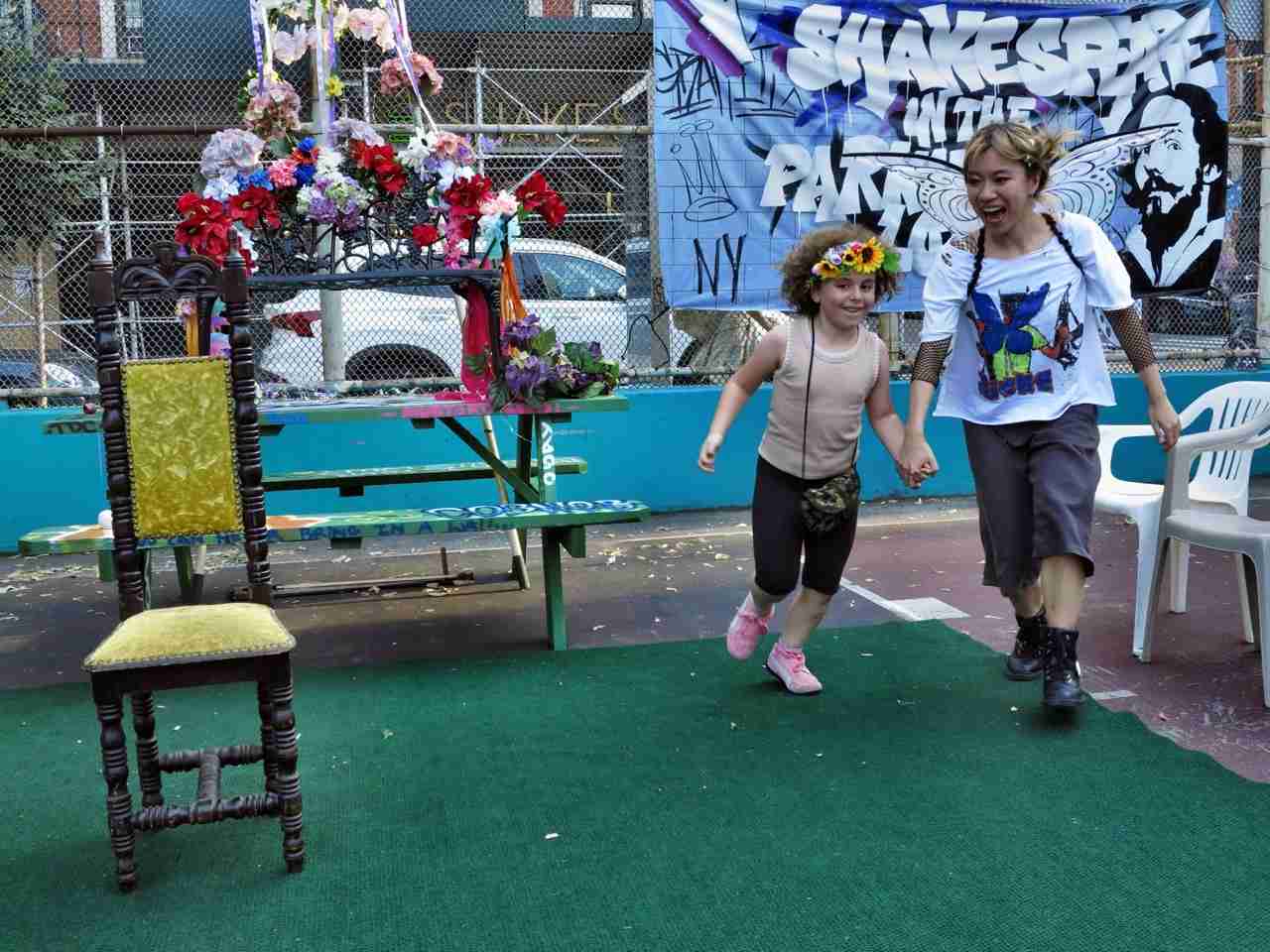
Shakespeare for All—Freely Given and Gloriously Realized
In a civic gesture as magnanimous as it is rare, the second night of the company’s 30th anniversary was offered free to the public. Such accessibility is not a hollow token, but a sincere commitment to democratizing the sublime pleasures of Shakespearean theatre—proof that genius, when freely given, thrives in unexpected corners.
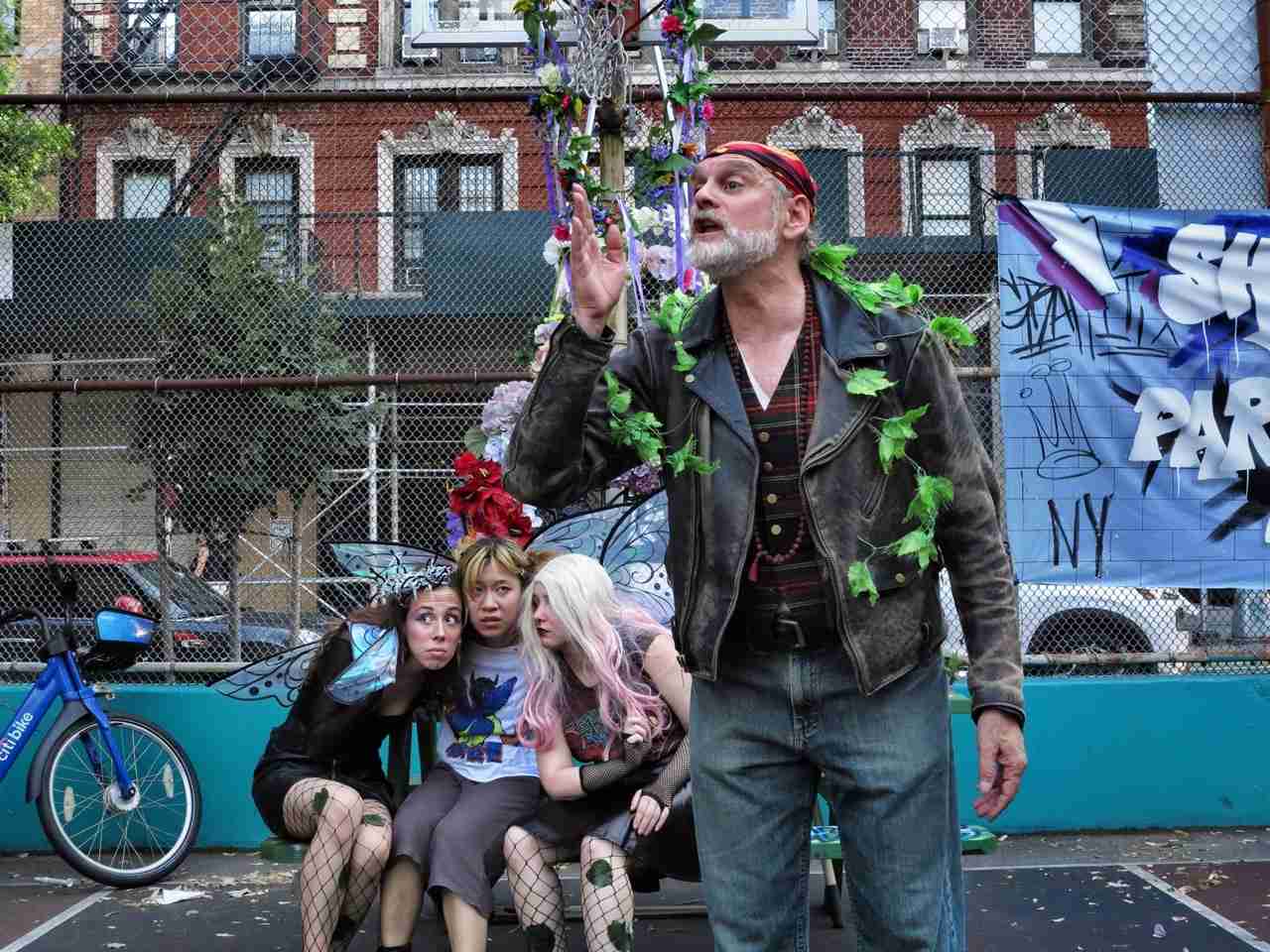
The Concrete Jungle as a Faerie Wood
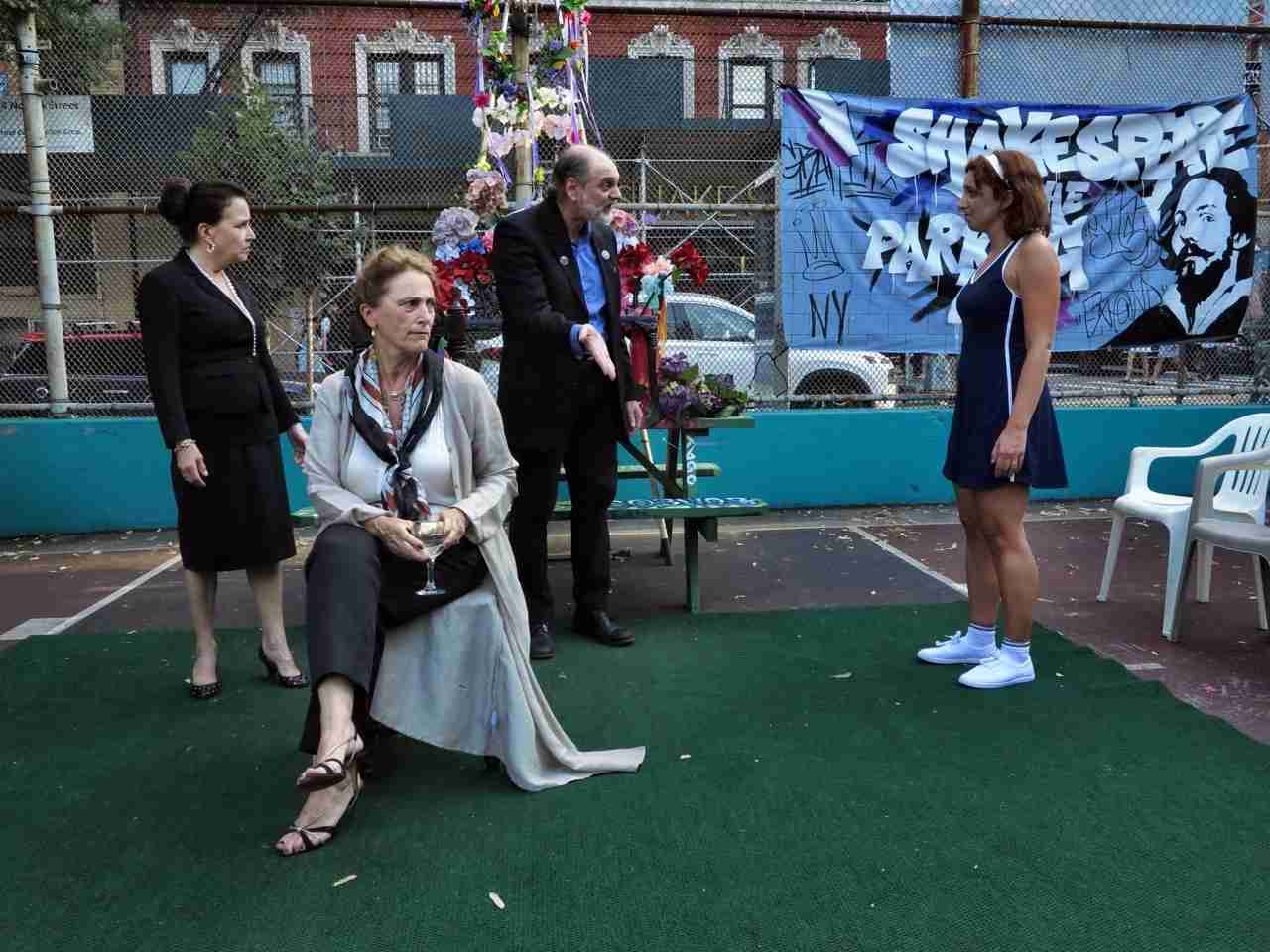
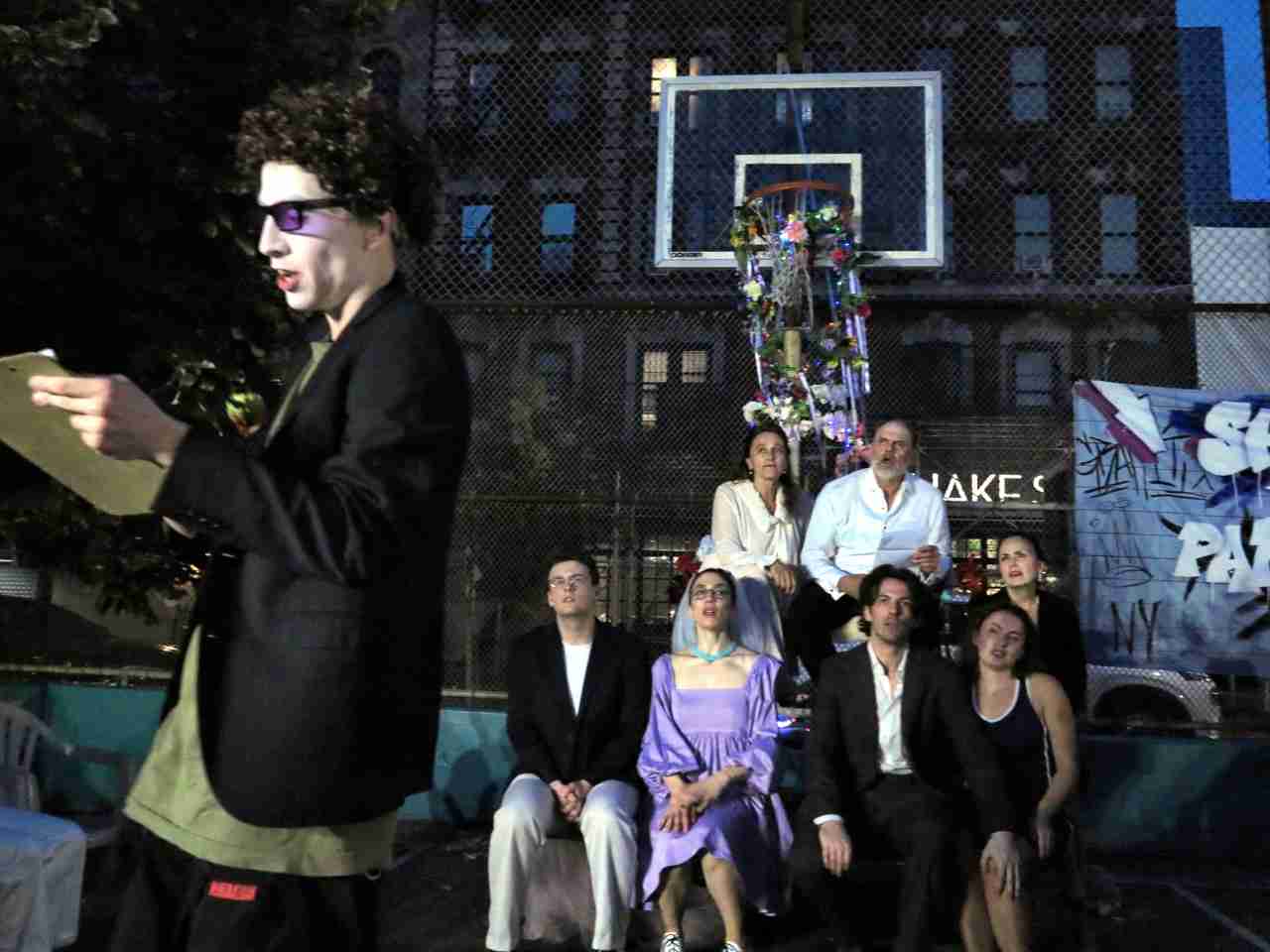
To behold A Midsummer Night’s Dream amid the Lower East Side’s urban tapestry was to encounter the city as you’ve never seen it. Street horns, the wail of sirens, the occasional sputtering of power tools, and a streetlamp that blinked uncertainly before settling into nocturnal duty all became unwitting members of the ensemble. Passersby paused, curious and captivated, their faces lit by both stage lights and starlight.
Layered into this ambient symphony were musical delights. Thammie Laine Quách, who also portrayed Mustardseed, sang and played guitar with a gentle, lyrical touch, infusing scenes with emotional depth and buoyant color. Complementing this was Marion Stenfort’s Snout, her unmistakably French accent bringing continental charm to the Mechanicals. At the same time, her tasteful accordion artistry lent an old-world texture that transcended time and place.
The Bard’s Web of Love, Lunacy, and Lament
Under the deft direction of Hamilton Clancy, the production navigated Shakespeare’s intricate web of intersecting narratives with clarity and verve. The play within a play, the chaotic entanglements of young love, the quarrels of faerie royalty—all were distinct threads woven seamlessly into a tapestry that was as understandable as it was enchanting.
Modern costumes blended the mundane with the magical, conjuring an aesthetic that was both familiar and fantastical. Props were imaginatively purposed, each piece propelling the story without overshadowing the audience’s imagination.
A Cosmopolitan Cast of Distinction
The international roots of this diverse cast echoed New York’s cosmopolitan spirit. Andy Rowell’s Puck, with his mischievous English accent and kinetic presence, seemed to materialize and vanish like an actual sprite, even darting through scenes atop a CitiBike—a delightful collision of Elizabethan whimsy and urban immediacy. His performance was a standout, embodying the play’s mercurial magic.
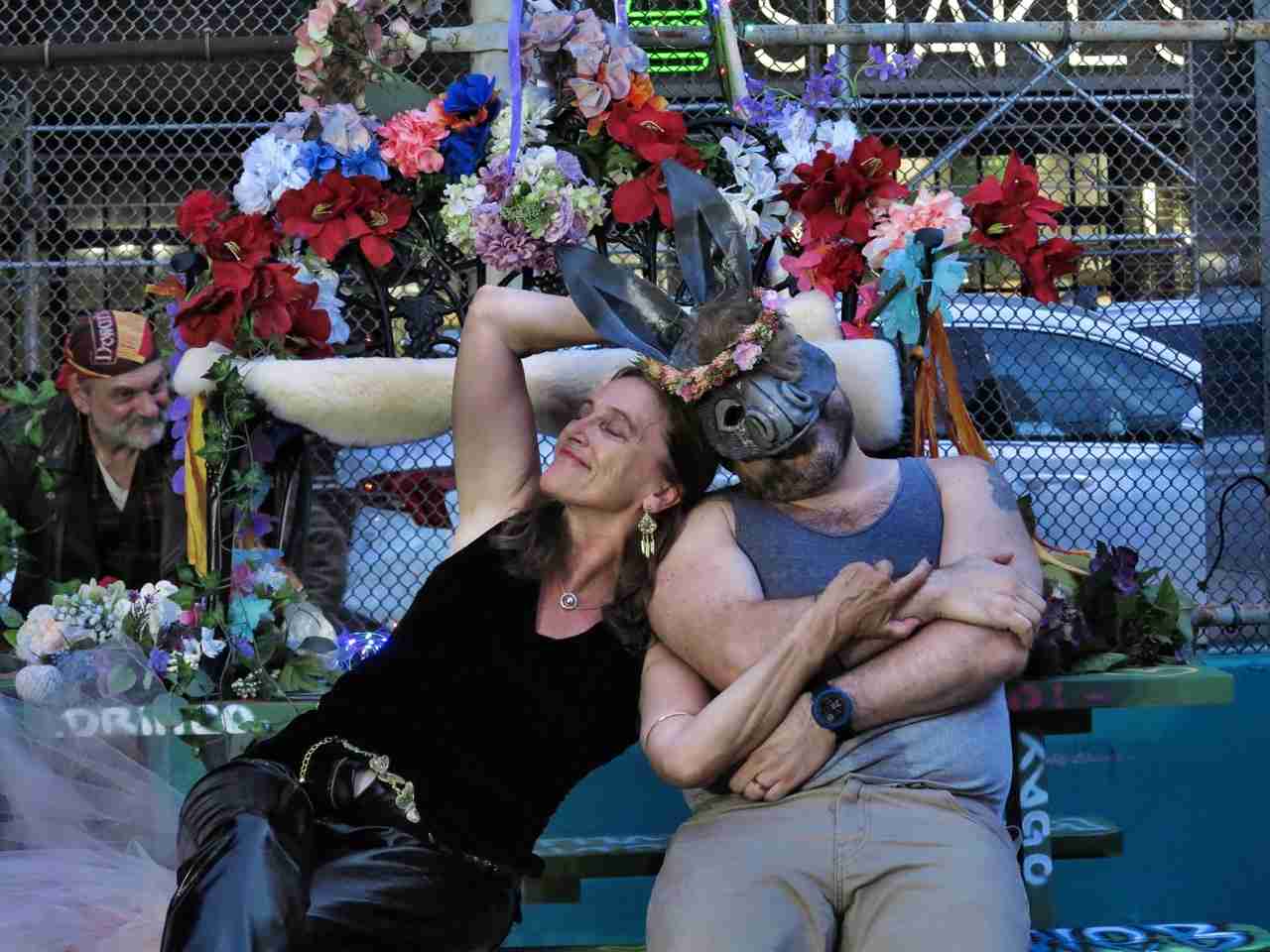
Lia Bonfilio delivered a Helena of remarkable pathos and humor, her laments and longings perfectly calibrated between comic self-pity and genuine heartbreak. Alessandro Colla’s Nick Bottom was pure theatrical gold—his bravura, boundless confidence, and deliciously pompous delivery made every moment of his onstage presence an event. His transformation into a donkey-headed fool was matched by his commanding yet foolish bravado, eliciting laughter of catharsis and affection.
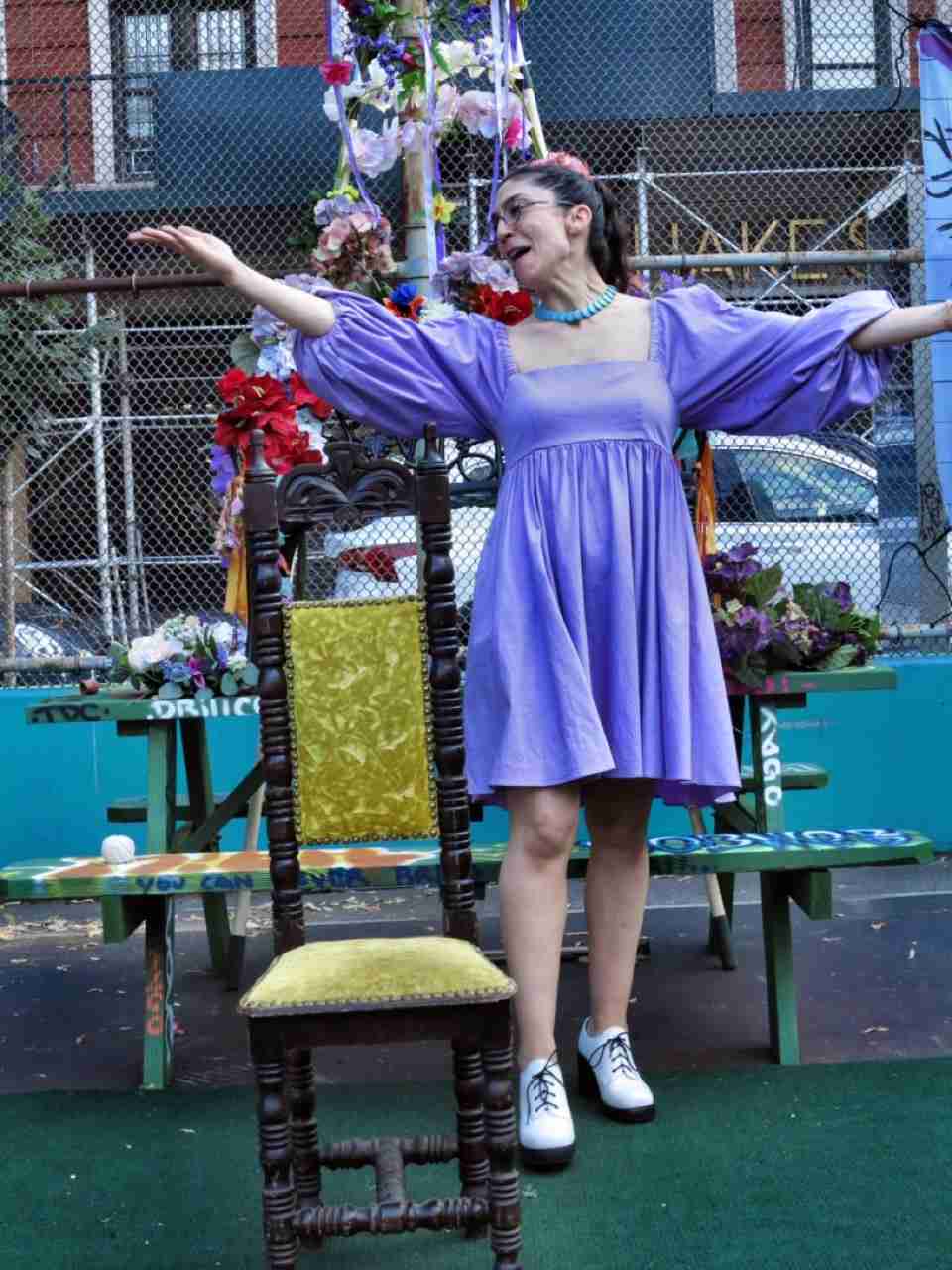
Adding to the global palette, Basil Lvoff, a Russian émigré, brought a subtle, endearing presence as Snug. His performance added a gentle earnestness to the Mechanicals, making their every misstep endearing.
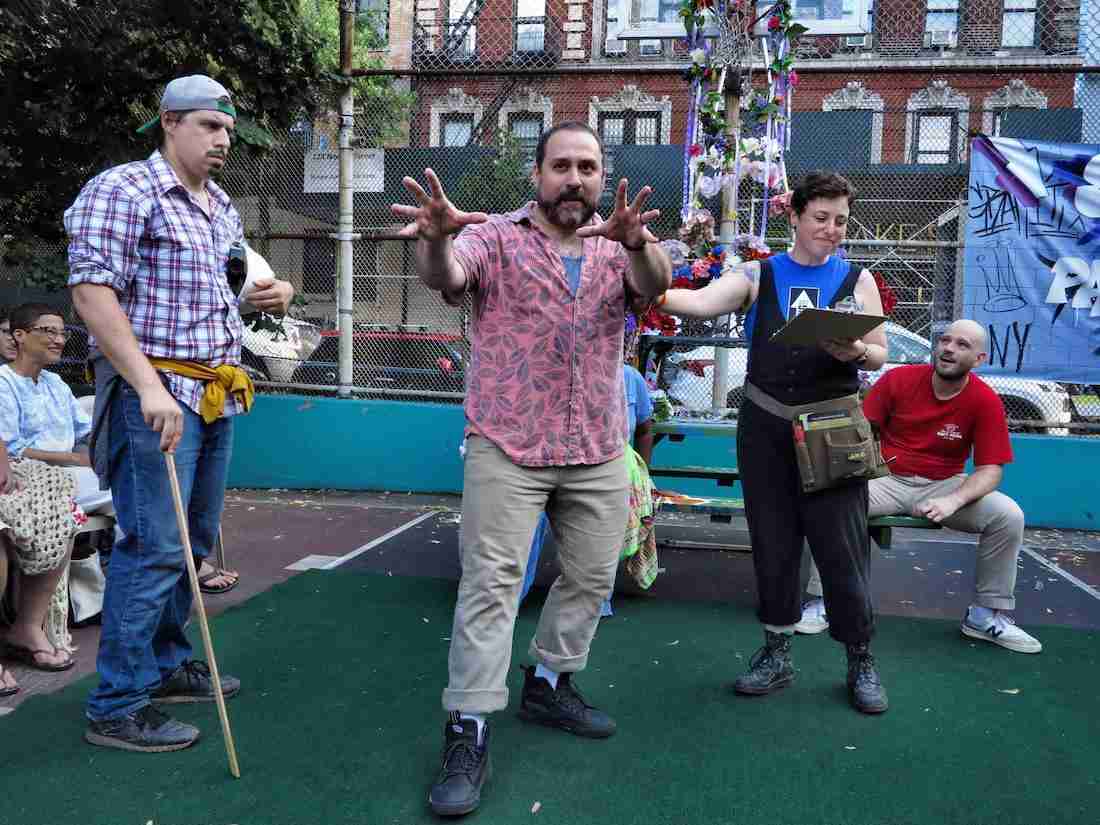
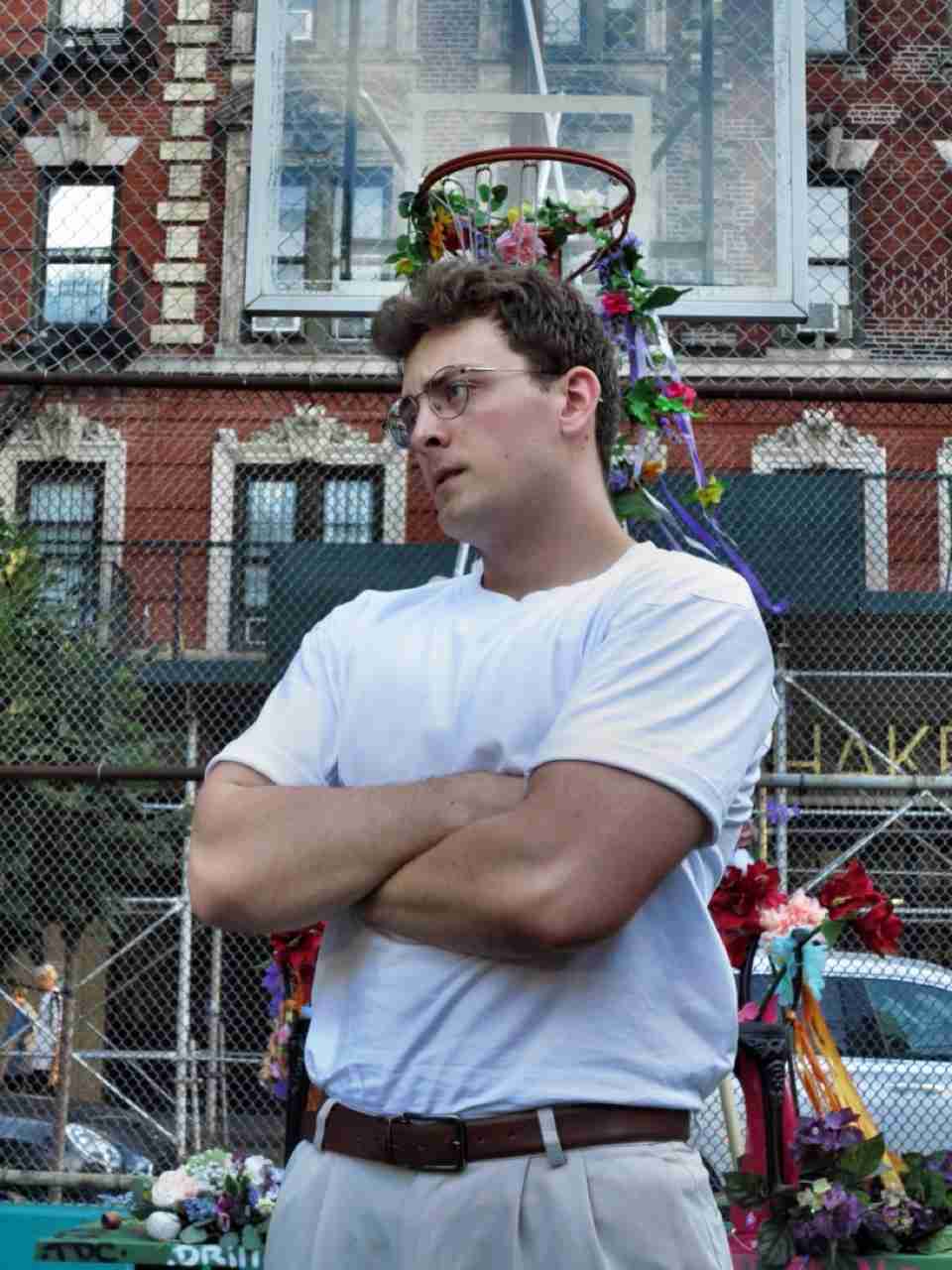
Miranda Reilly (Hermia), Patrick Hart (Lysander), and Kaleb Baker (Demetrius) rounded out the youthful quartet with performances that captured the emotional chaos and ardor of young love, their sincerity making the ancient text feel freshly minted.

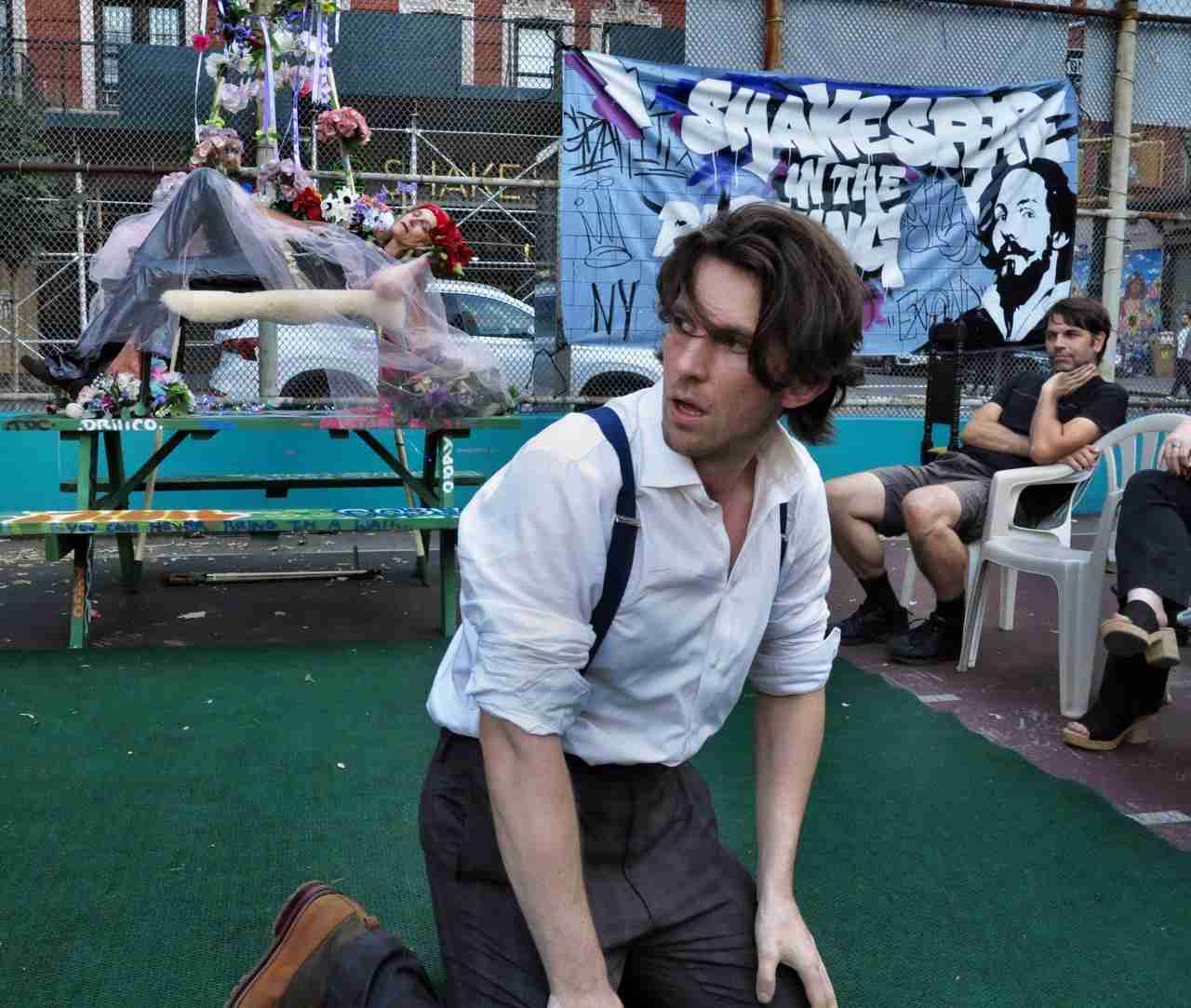
Music, Supernatural Mayhem, and the Marvel of Language
Musical performances punctuated the play, never ornamental but rather essential threads in the narrative’s fabric. These contributions heightened the dreamlike atmosphere, while Shakespeare’s language—rendered with crystal clarity—reminded us that his verse remains unmatched in its beauty and insight.
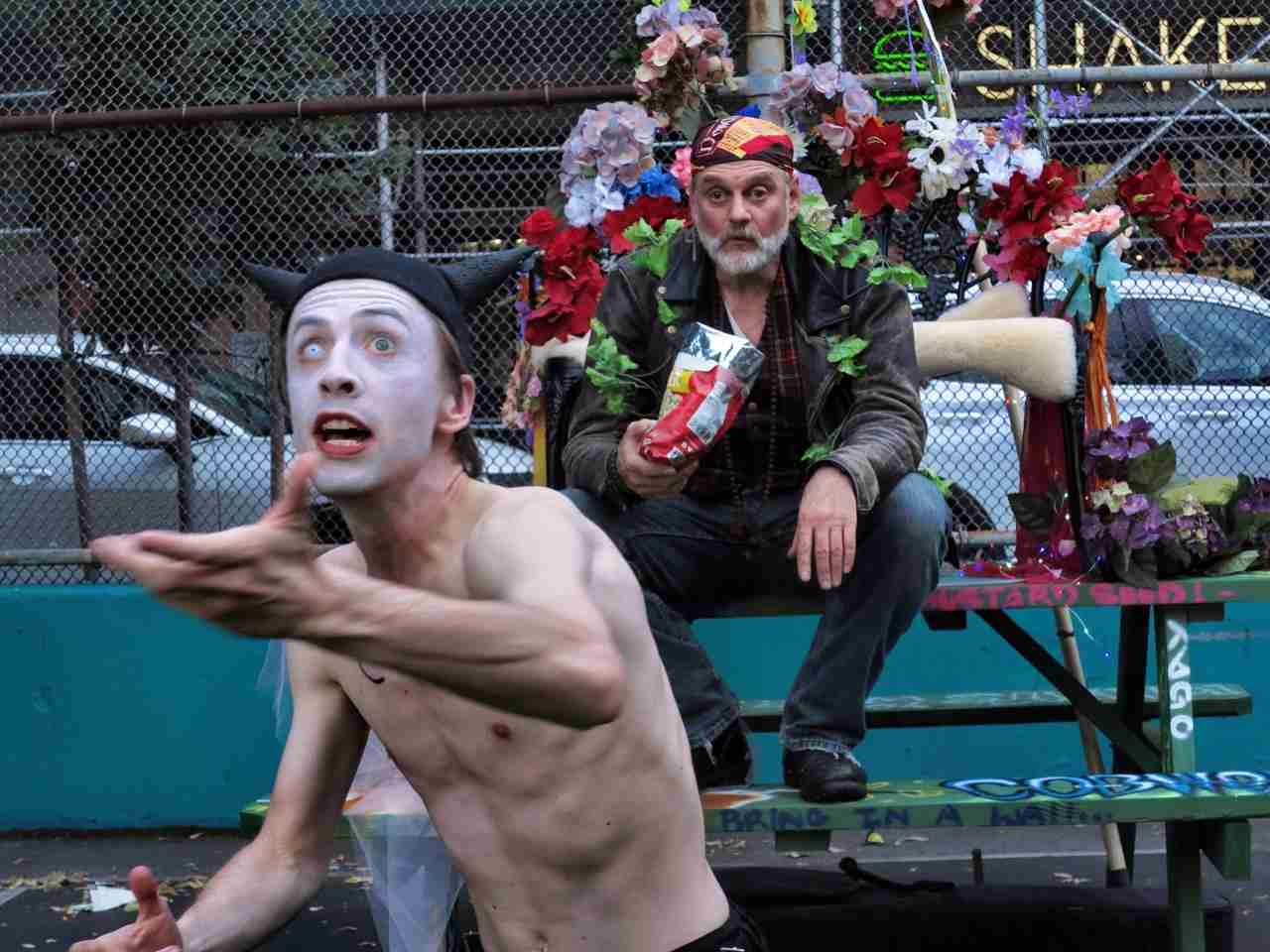
The antics of Oberon and Puck, whose good intentions unravel into delightful disorder, invited reflections on the unseen forces guiding human hearts: jealousy, love, ambition, and desire—timeless engines of the human condition. As the plot resolved into harmony, the production reaffirmed that though love may bewilder, all’s well that ends well in the Bard’s whimsical cosmos.
The Mechanicals: Artisans of Unpolished Delight
The “mechanicals,” a band of well-meaning Athenian tradesmen turned amateur thespians, delivered some of the evening’s most uproarious comedy. Led by Peter Quince (Evangeline Fontaine), their rehearsals of Pyramus and Thisbe in the parking lot became a meta-theatrical nod to the very premise of Shakespeare in the Parking Lot: creating art with few resources but infinite heart.
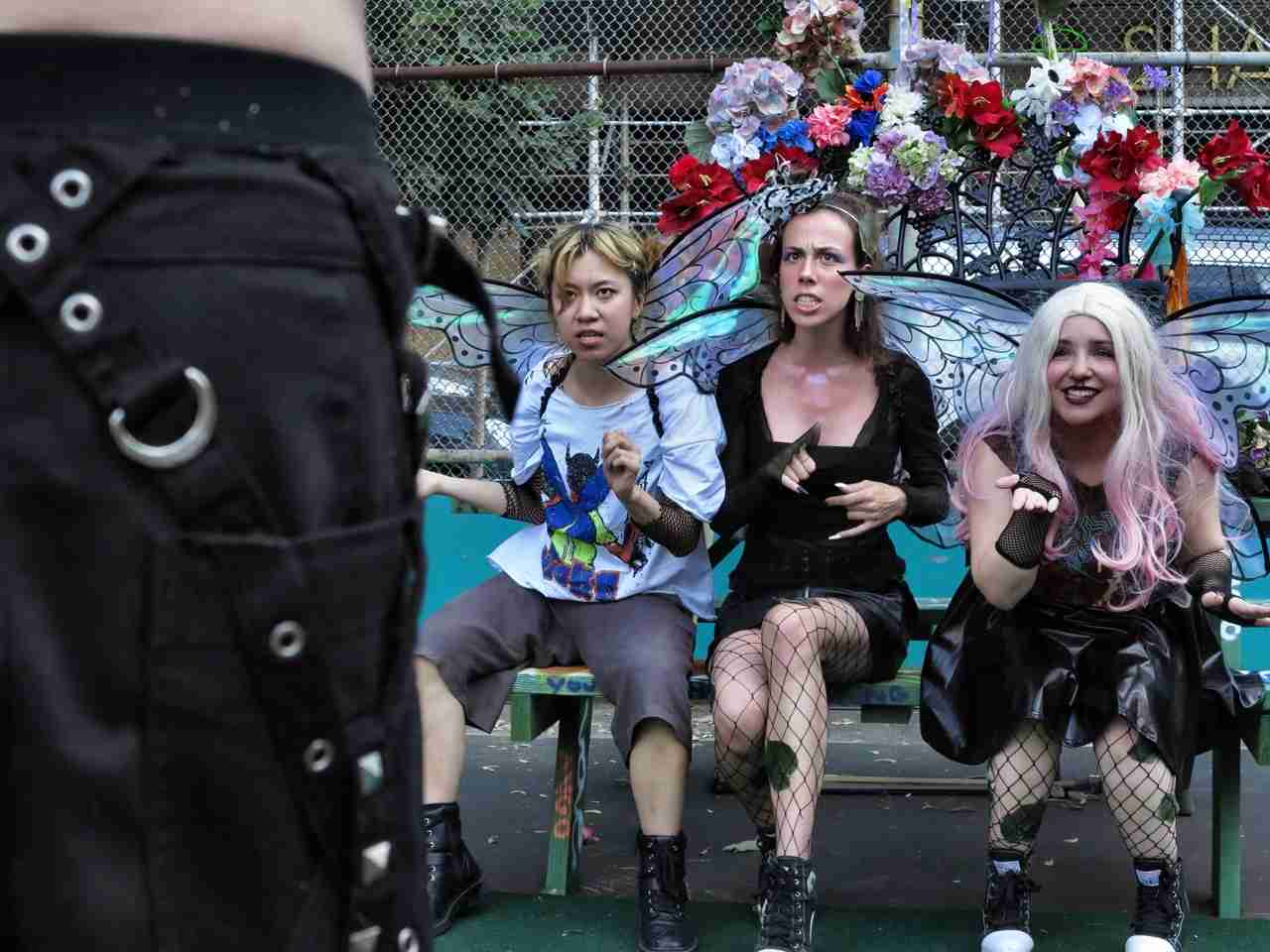
Bottom’s show-stealing antics were perfectly matched by his companions: Francis Flute, Tom Snout, Robin Starveling, and Basil Lvoff’s endearingly shy Snug. Their hapless efforts and mismatched roles not only parodied the lofty art of theatre-making but also celebrated it, echoing the Drilling Company’s mission. Indeed, their hilariously misguided play-within-the-play provided a charming counterpoint to the magical and romantic chaos surrounding them.
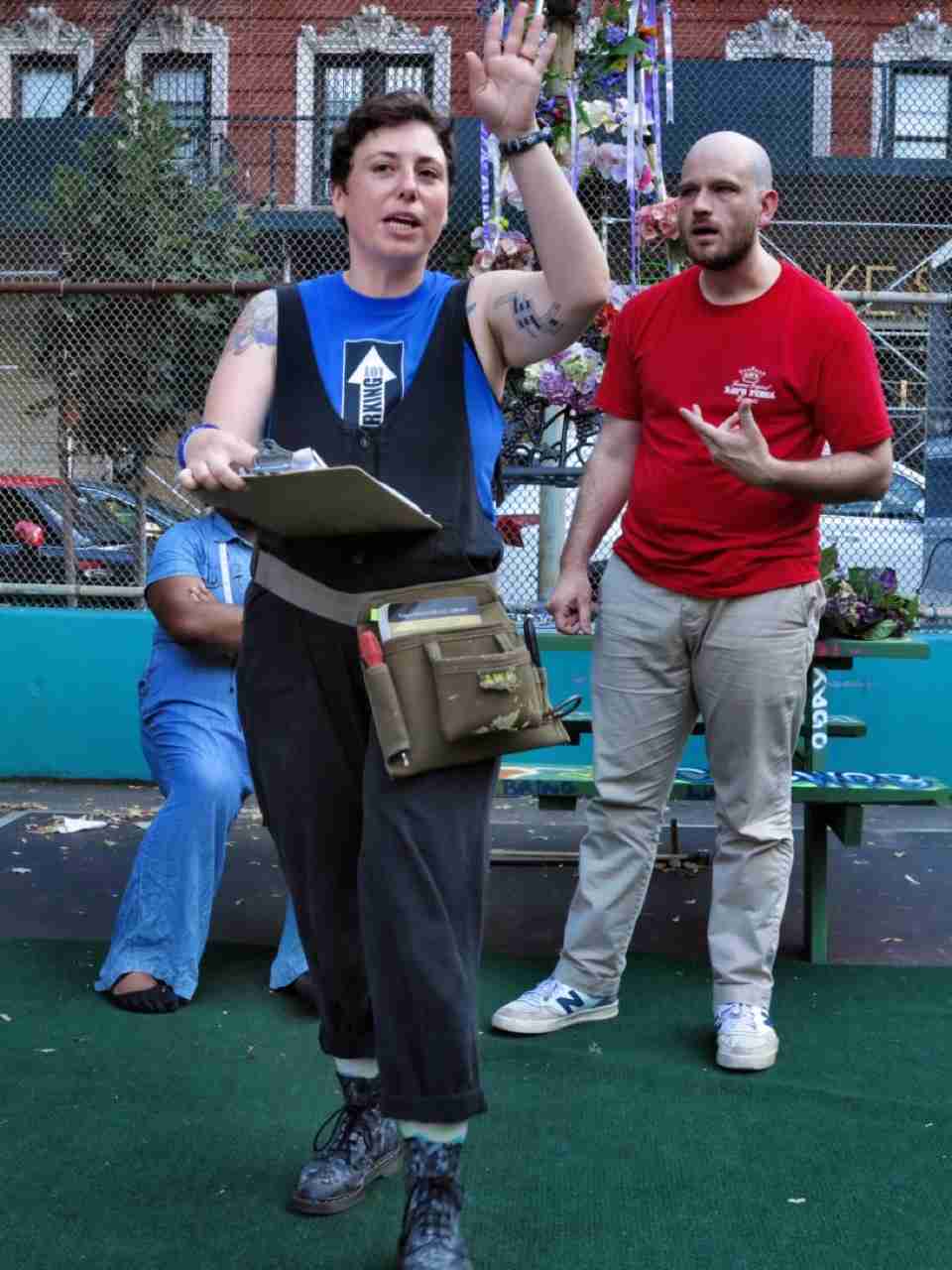
Why This Production Resonates Now
In a city of perpetual flux and fleeting attention, this Midsummer Night’s Dream demonstrated the endurance of Shakespeare’s insights into human nature—its vanities, vulnerabilities, and victories. The combination of an international cast of artistic excellence, eclectic music, mystical supernatural fantasy, and urban staging rendered the play immediately relevant: a testament that the bardic mirror still reflects us, with all our modern follies intact.
As Opening Night Online insightfully observes about the Drilling Company’s approach, “Shakespeare in the Parking Lot remains one of New York’s most radical and democratic theatrical experiences—30 years on, it’s still making magic with asphalt, headlights, and heart.”
Cast
- Theseus/Oberon: Dave Marantz
- Hippolyta/Titania: Una Clancy
- Changeling Boy: Marie Claire
- Egea: Lizabeth Allen
- Helena: Lia Bonfilio
- Hermia: Miranda Reilly
- Lysander: Patrick Hart
- Demetrius: Kaleb Baker
- Bottom: Alessandro Colla
- Peter Quince: Evangeline Fontaine
- Flute: Chris Martel
- Snout: Marion Stenfort
- Starveling: Adama Joy Sall
- Snug: Basil Lvoff
- Puck: Andy Rowell
- Cobweb: Aria Martinelli
- Mustardseed: Thammie Laine Quách
- Moth: Jasmin Gonzalez
Artistic and Production
- Director: Hamilton Clancy
- Assistant Director: Kathleen Simmonds
- Original Songs: Thammie Laine Quách and Marion Stenfort
- Additional Music: Chris Martel
- Graphics: Andy Rowell
- Table Design: Stephen Tarito
- Signage: Shaun Lee
- Publicist, Theatrical Photographer and Actor: Jonathan Slaff
This performance was presented in Manhattan’s Lower East Side at 145 Stanton Street, New York, NY, with the entrance on Suffolk Street.
Performances are free, and seats are available on a first come first served basis, with audience members often arriving early to secure a place. Audience members are welcome to bring their own chairs. Once seats are gone, blankets are spread out. No one has ever been turned away and there’s never a wait for tickets.
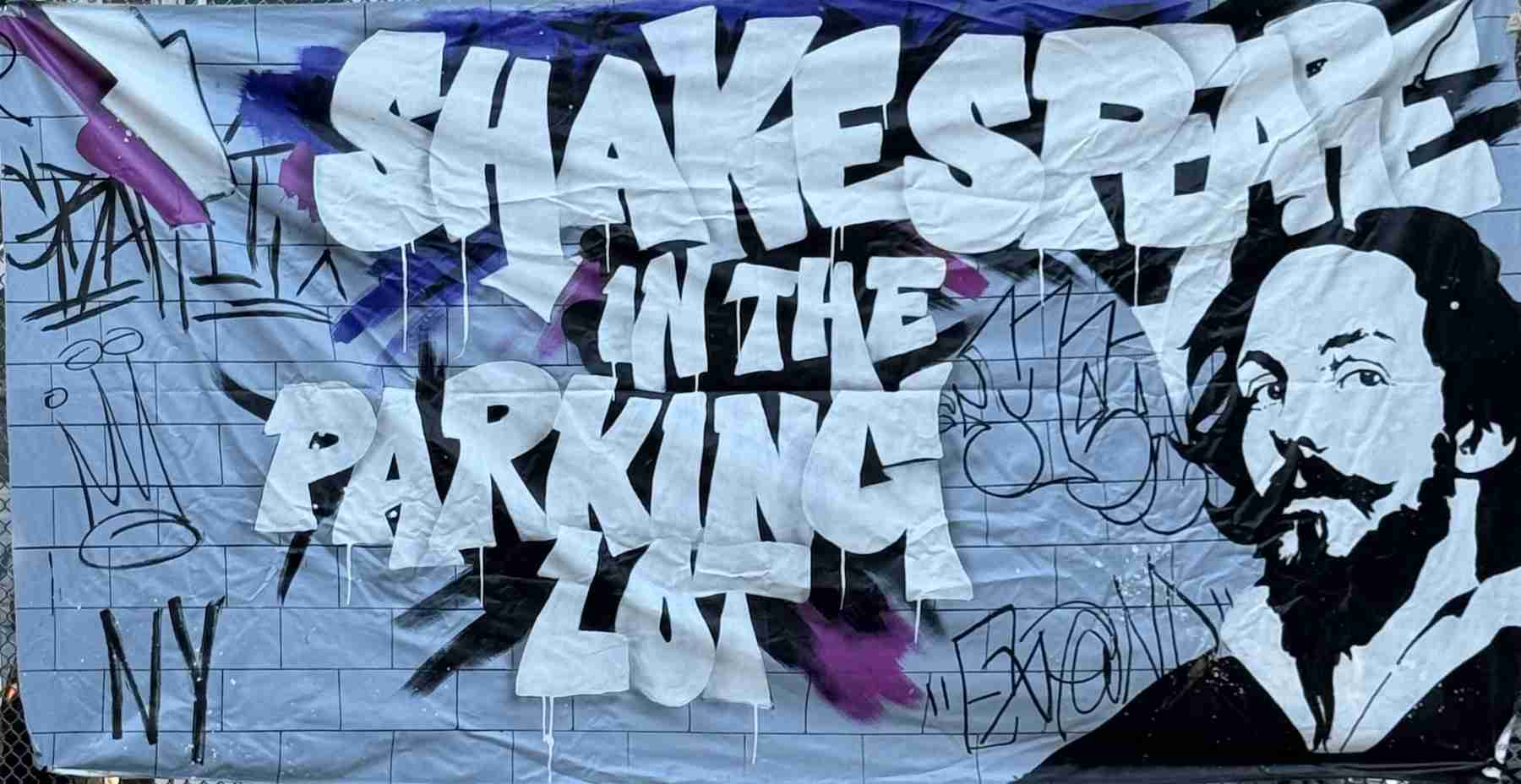
To learn more about this remarkable troupe’s mission to bring free, accessible theatre to all New Yorkers, visit www.drillingcompany.org. Runtime 120 minutes without intermission.