
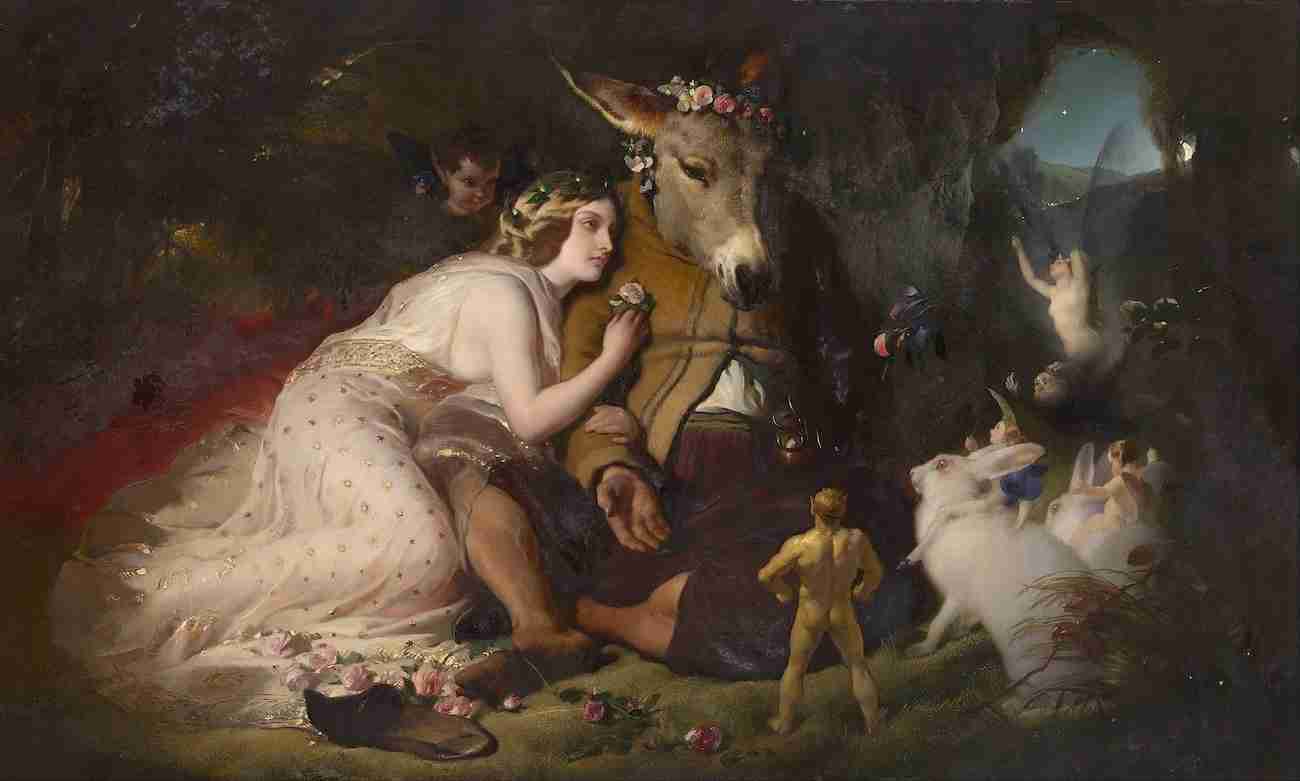

A Midsummer Night’s Dream: Mendelssohn’s Magical Overture
A Morning of Anticipation in Berlin
It was a fine Sunday morning in the summer of 1826. Meanwhile, the garden of the Mendelssohn home, just outside Berlin, buzzed with excitement. On the spreading lawn, under the trees, and along the garden walks, chairs had been carefully placed to accommodate the overflow of guests. Furthermore, friends of the Mendelssohn family had turned out in force to hear Felix Mendelssohn‘s new piece, A Midsummer Night’s Dream: Mendelssohn’s Magical Overture.
Here is a piano transcription by Rachmaninoff of the Scherzo from The Midsummer Night’s Dream performed by Enrico Pace at the 1991 Dublin Competition, where he won 2nd Prize. Listen as you read on.
View this post on Instagram
The Mendelssohn Tradition of Sunday Morning Musicales
Sunday morning musicales at the Mendelssohns’ were nothing unusual; in fact, they had become a cherished tradition. When the family had moved from the heart of Berlin to the rambling old house on the outskirts, No. 3 Leipziger Strasse, “out of the world,” they had carefully considered its many charms. For instance, the large music room was inside the house, and just beyond it was the Gartenhaus, a secondary structure with a spacious hall opening onto the magnificent lawn and garden. As a result, both spaces offered inspiration and room for Felix to flourish.
A Young Prodigy’s Preparation for Greatness
The older Mendelssohns often argued that their son needed space and serenity to develop his remarkable talent. Indeed, Felix, who had been writing music since his twelfth year, had repeatedly proven them proper. However, this morning carried a unique sense of anticipation. It was not just another recital but, rather, the first orchestral performance of Felix’s Overture, a work inspired by Shakespeare’s magical comedy.
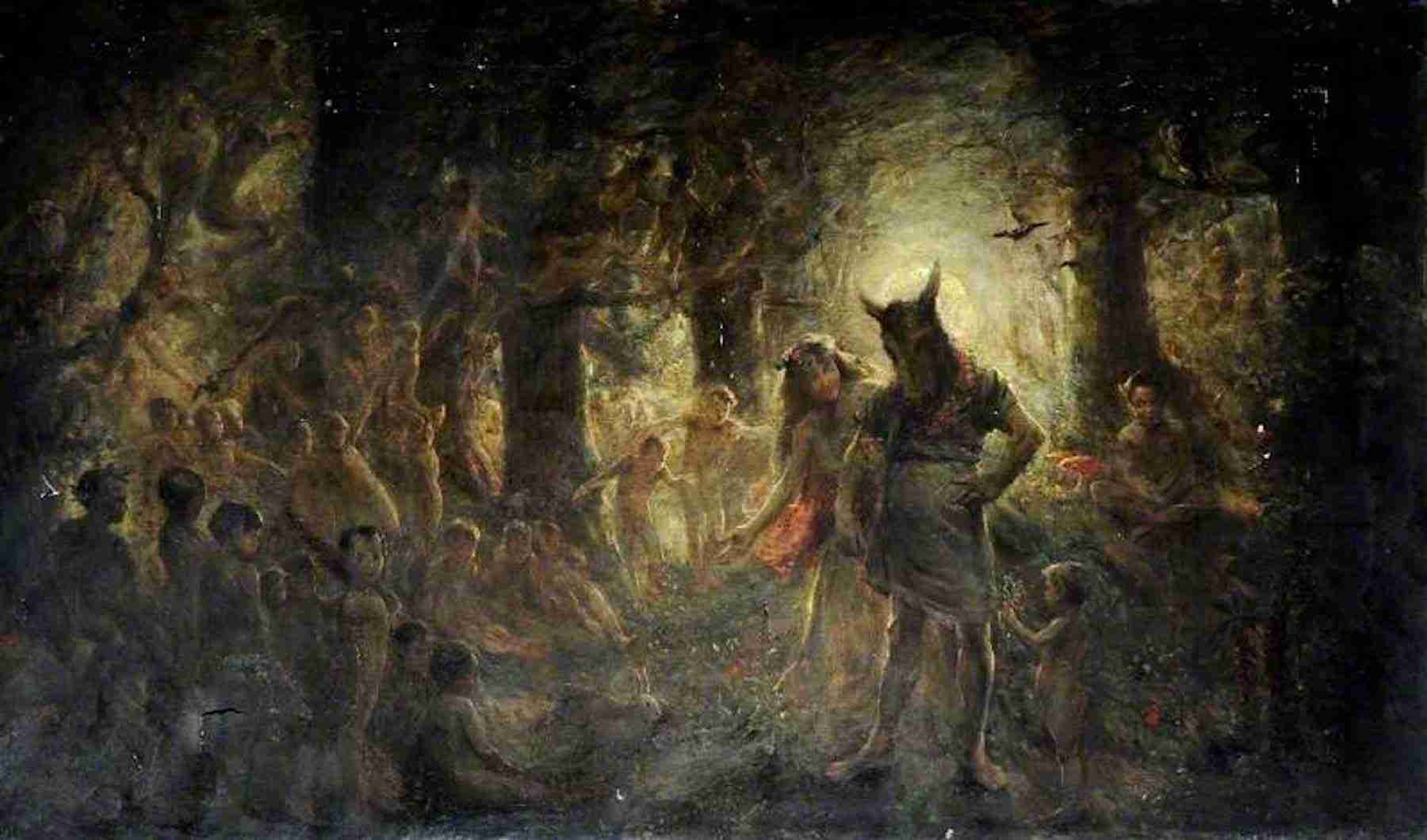
A Spellbinding Performance Unfolds
As the morning unfolded, the notes trembled in the air, delicate and elusive, conveying an indescribable charm. Moreover, the orchestra brought life to the score, with each section telling a part of the story. For example, the braying of Bottom’s bassoon, a humorous contrast, brought chuckles to the audience; however, the fairy atmosphere never loosened its grip. Every sound clung to the moment, weaving an enchanting spell over all present.
Felix Mendelssohn: A Composed yet Nervous Teen Prodigy
Just seventeen and already brimming with composure, Felix moved among the guests with the grace of a host far beyond his years. Nevertheless, beneath his calm demeanor, a flicker of nerves betrayed his youthful energy. Meanwhile, the orchestra—a mix of professional musicians carefully rehearsed under Felix’s direction—readied themselves under the dappled sunlight filtering through the trees. Subsequently, having settled into their chairs, the audience fixed their eyes expectantly on Felix as he took his place with quiet confidence.
The Music Begins: Shakespeare’s Magic in Sound
And then it began. The overture didn’t simply start—it shimmered. In addition, the violins painted a luminescent glow, the winds whispered of mischief, and Bottom’s bassoon brayed with such ridiculous charm that even the sternest of guests chuckled. Every note seemed alive, swirling and dancing as though Mendelssohn himself had summoned the very spirit of Shakespeare’s fairies. As a result, the music captured not just the story but also the magic, humor, and heart of A Midsummer Night’s Dream.
A Spellbound Audience: Transported to a Magical Realm
When the final chords floated into the air, the audience was spellbound. It was as though they had been transported to the world of Oberon and Titania, where their squabbles, trickery, and magic were made tangible through sound. Thus, Felix’s overture transformed Shakespeare’s immortal words into a living, breathing entity—a feat only a true genius could accomplish.

Thunderous Applause and a Moment of Awe
As the last note faded into silence, applause erupted like a thunderous wave. Felix, modest yet self-assured, bowed deeply. At the same time, his family, seated among the audience, watched with pride and awe. Their boy, their Felix, had done something extraordinary, something unforgettable. “The guests rubbed their dazzled eyes to make sure that they, too, were not transported,” one attendee later wrote. “But glancing about them in the garden, with the ancient gloomy yews nodding assent, they were not certain.”
A Legacy That Transcends Time
The Mendelssohn garden, bathed in golden sunlight that morning, became more than just a beautiful setting—it was a portal to a timeless realm. Even the ancient trees seemed to nod in approval, their venerable forms bearing silent witness to the moment’s magic. Consequently, Felix’s Overture to A Midsummer Night’s Dream would captivate audiences worldwide, its brilliance undimmed by the passage of time.

The Announcement of a Timeless Voice
That morning was more than just the debut of an overture; instead, it was the announcement of a voice that would echo through the ages. Young yet undeniable, Felix’s genius transcended the moment, capturing something eternal and ineffable. As Leonard Bernstein might say, it wasn’t just music—it was life, distilled and radiant, speaking directly to the soul.
Readers may also enjoy Erlkönig: A Sublime Convergence of Goethe and Schubert, The Timeless Elegance of Marie Taglioni: Ballet’s First Sylph, and The Tale of Goldberg and Bach’s Soothing Variations.