


The Timeless Elegance of Marie Taglioni: Ballet’s First Sylph
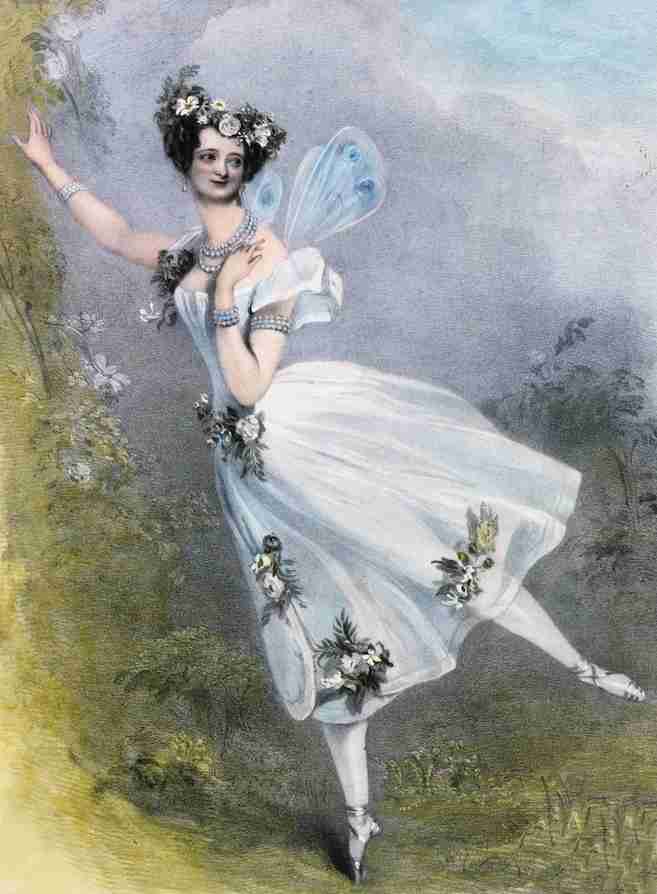
Marie Taglioni, synonymous with grace and innovation, redefined ballet during the 19th century. Born in Sweden in 1804, Taglioni’s unparalleled artistry and technical brilliance catapulted her to the forefront of the Romantic Ballet era. Her ethereal performance in La Sylphide captivated audiences and forever altered the trajectory of classical dance.
The Rise of a Ballet Icon
Taglioni was born into a family steeped in artistic tradition. Her father, Filippo Taglioni, was a renowned choreographer who became her mentor and driving force. Under his rigorous guidance, Marie honed her craft, developing unmatched technical precision and expressiveness. Her delicate physique and remarkable discipline allowed her to execute movements with an otherworldly lightness that set her apart.
In 1832, Taglioni debuted in La Sylphide, a ballet choreographed by her father. This role solidified her as a pioneer of Romantic Ballet. Her portrayal of the sylph—a mythical, winged spirit—enchanted audiences, who described her as floating rather than dancing. In this performance, she became the first ballerina credited with dancing en pointe, a technique that has since become a cornerstone of classical ballet. While pointe work had been experimented with before, Taglioni’s mastery imbued it with poetic expression, symbolizing transcendence and fragility.
A Revolution in Ballet
Marie Taglioni’s contributions went beyond her technical achievements. She revolutionized costume design by introducing the tutu, a diaphanous skirt that highlighted the line of the dancer’s legs. This innovation complemented the Romantic Ballet aesthetic, emphasizing ethereal beauty and movement. Her style also shifted ballet’s focus from dramatic storytelling to the purity of dance, paving the way for future generations of ballerinas.
Taglioni’s influence extended far beyond the stage. She popularized ballet as a respectable art form, appealing to a broader audience. Her performances attracted the attention of royalty and high society, elevating her to an almost mythical status. Her elegance and refinement set the standard for dancers worldwide.
The Impressario’s Challenge
One notable anecdote showcases Taglioni’s fortitude and charm. While preparing for a Parisian production, an impresario questioned her ability to captivate the notoriously discerning Paris Opera audience. Calmly, she responded, “Monsieur, allow me to dance, and you shall see if my feet can speak where words fail.” True to her word, her debut left critics and spectators in awe, silencing any doubt about her talent.
A Legacy That Endures – The Timeless Elegance of Marie Taglioni: Ballet’s First Sylph
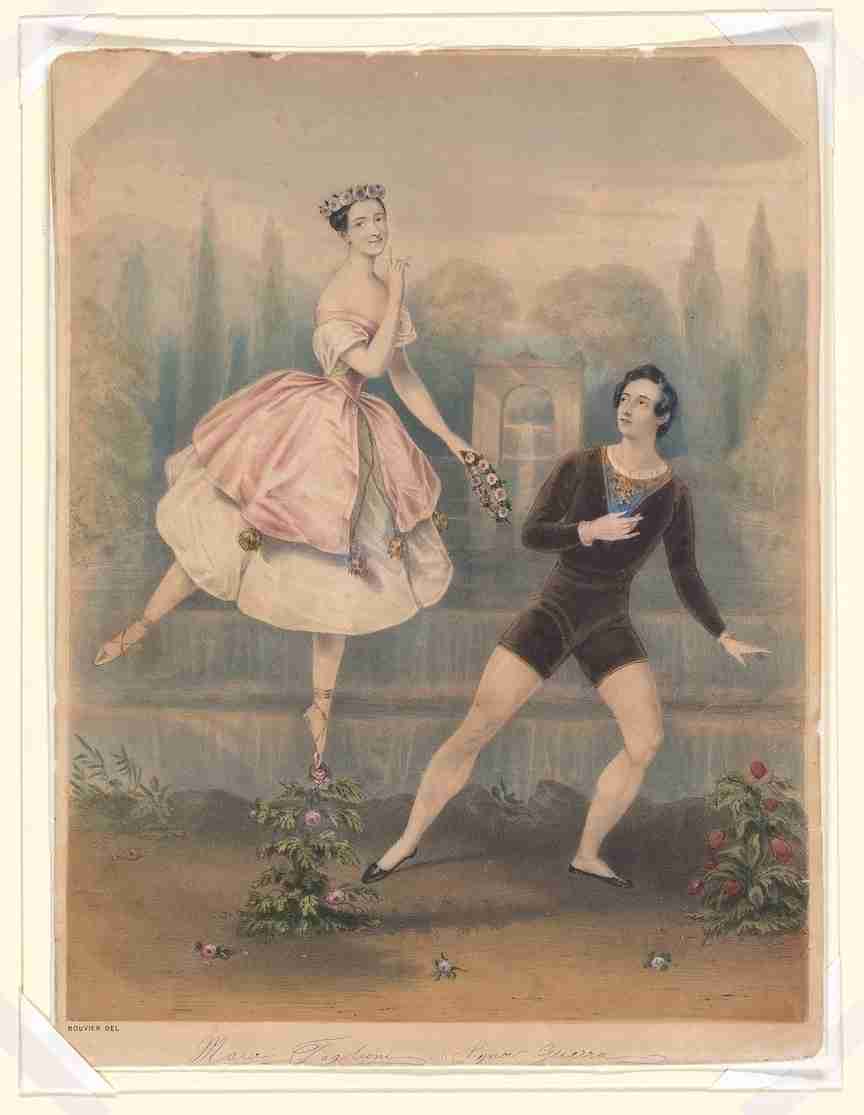
Marie Taglioni retired from the stage in 1847 but remained a guiding force in the ballet world. In her later years, she dedicated herself to teaching and passing on her knowledge to a new generation of dancers. Her influence can still be felt in the timeless works of classical ballet, where her innovations and artistry continue to inspire. Taglioni’s journey from a disciplined student to an international sensation is a testament to her unwavering dedication and vision. Her life and work remind us that true artistry transcends time, leaving an indelible mark on the hearts of those it touches.
Readers may also enjoy New Jersey Ballet at MPAC, Oceans New York, and The New Jersey Ballet Presents a trio of Dance Masterworks.