


Casablanca: A Film Noir Treasure
The Enduring Allure of Casablanca
Casablanca is a film noir masterpiece that combines romance, intrigue, and moral complexity. Directed by Michael Curtiz and starring Humphrey Bogart and Ingrid Bergman, this 1942 classic remains one of the most beloved films in cinema history. Its compelling characters, unforgettable music, and profound human story make it a timeless treasure.
For audiences who love timeless romantic stories with rich, evocative history and mystery, Casablanca is the all-time favorite.
The Original Play and Authors
The roots of Casablanca lie in the unproduced stage play Everybody Comes to Rick’s by Murray Burnett and Joan Alison. Written in 1940, the play captured the tensions of a world on the brink of war. Burnett and Alison’s sharp dialogue and evocative settings laid the foundation for one of cinema’s most outstanding achievements.

A Running Summary of the Plot and Subplots
Set against the backdrop of World War II, Casablanca centers on Rick Blaine (Humphrey Bogart), an American expatriate who owns a nightclub in the titular city. The city serves as a haven for refugees fleeing Nazi-occupied Europe, creating a vibrant and volatile atmosphere.
Rick’s world is upended when his former lover, Ilsa Lund (Ingrid Bergman), arrives with her husband, Victor Laszlo (Paul Henreid). Laszlo, a resistance leader, seeks safe passage to America to continue his fight against the Nazis. Rick possesses the letters of transit they need, but his bitterness over Ilsa’s past betrayal complicates matters.
As the narrative unfolds, subplots involving black market dealings, unrequited love, and acts of heroism enrich the story. Key supporting characters add depth and intrigue, such as the charming Captain Renault (Claude Rains) and the sinister Major Strasser (Conrad Veidt). Rick’s ultimate decision to sacrifice his happiness for a greater cause cements the film’s enduring legacy.
The Power of “La Marseillaise”
One of Casablanca’s most stirring moments unfolds in Rick’s Cafe Américain when the patrons confront the Germans. The tense atmosphere erupts as the Nazi officers begin singing “Die Wacht am Rhein” to assert their dominance. The crowd appears subdued until Victor Laszlo, the unyielding resistance leader, takes a bold stand.
Laszlo strides to the band, demanding they play “La Marseillaise,” the French national anthem. His defiance inspires the French patriots in the bar to join him, their voices swelling with fervent pride. The competing songs create a powerful juxtaposition, symbolizing the clash between oppression and freedom.
Here’s the scene:
The emotional intensity crescendos as “La Marseillaise” drowns out the German anthem, uniting the patrons in a shared act of defiance. Tears stream down the faces of many, underscoring the scene’s profound emotional weight. For Ilsa, witnessing Laszlo’s courage reaffirms his unwavering commitment to the cause.
This scene exemplifies Casablanca’s ability to merge personal drama with broader political stakes. It captures the resilience of the human spirit against tyranny, solidifying the film’s status as a timeless classic.
The Emotional Resonance of “As Time Goes By”
No discussion of Casablanca would be complete without celebrating “As Time Goes By,” the film’s signature song. First introduced by Dooley Wilson’s tender performance as Sam, the song anchors the narrative with its nostalgic undertones.
Rick and Ilsa’s past romance is tied deeply to the melody, making it a recurring motif of love and loss. When Ilsa hears Sam play the song upon her arrival at Rick’s Cafe Américain, the moment reignites buried emotions. For Rick, the song represents a bittersweet reminder of their Parisian affair and the pain of her departure.
Max Steiner initially opposed including “As Time Goes By” in the score, yet its lasting impact proved him wrong. The song’s simplicity and heartfelt lyrics create a timeless quality that resonates with audiences. Its integration into the orchestral score amplifies the story’s emotional stakes, underscoring pivotal moments with poignancy and grace.
The scene where Sam plays “As Time Goes By” at Ilsa’s request marks a turning point in the film. The song draws Rick and Ilsa back into each other’s orbit, setting the stage for the moral dilemmas ahead. Its enduring popularity solidifies its role as one of cinema’s most iconic melodies. Here’s the scene:
Screenplay Excellence: A Collaborative Masterpiece
The screenplay for Casablanca was crafted by Julius J. Epstein, Philip G. Epstein, and Howard Koch. Their collaboration turned Burnett and Alison’s play into a screenplay filled with wit, pathos, and unforgettable lines.
Dialogue like “Here’s looking at you, kid” or “We’ll always have Paris” have become iconic, underscoring the film’s emotional depth. The writers masterfully balanced humor and drama, creating a story that resonates across generations. Moreover, the screenplay’s pacing and structure ensured that every scene carried emotional weight, maintaining the audience’s engagement.
Musical Brilliance: Max Steiner’s Score
Max Steiner, often called the “Father of Film Music,” composed the score for Casablanca. His illustrious career included iconic works like Gone with the Wind and The Big Sleep. Steiner’s music elevated Casablanca, weaving its themes into the fabric of the narrative. Meanwhile, Steiner’s orchestral arrangements amplify the film’s tension, heroism, and heartbreak, making the score an integral part of its success.
Cinematic Atmosphere: Photography and Visuals
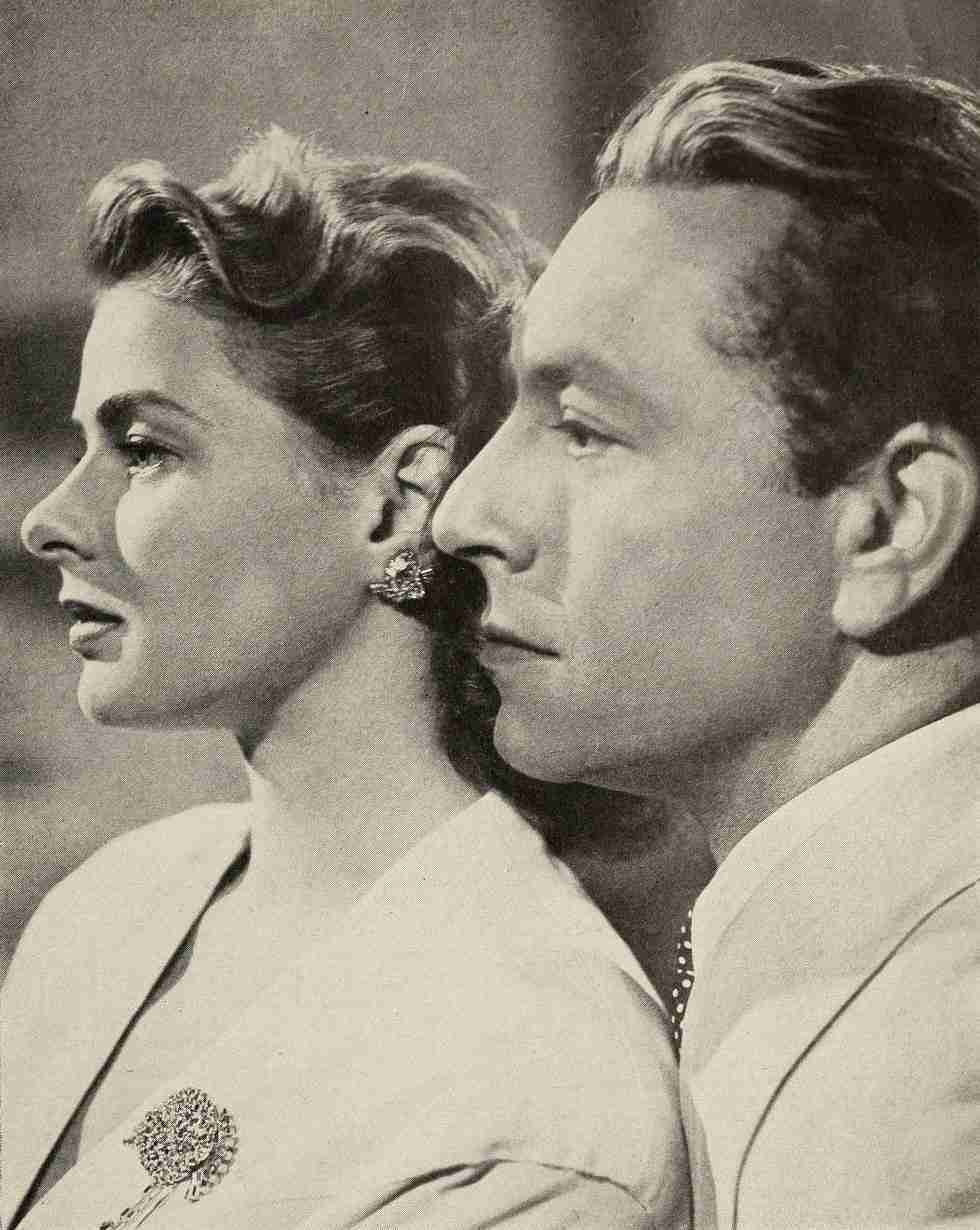
Cinematographer Arthur Edeson created Casablanca’s visually stunning aesthetic. The interplay of light and shadow, a hallmark of noir, enhanced the film’s themes of secrecy and moral ambiguity.
Edeson’s use of soft focus highlighted Bergman’s luminous beauty, while dramatic lighting underscored Rick’s inner turmoil. The iconic final scene on the fog-drenched runway remains one of the most memorable in cinema history. Every frame of Casablanca is meticulously composed, drawing viewers into its emotionally charged world.
Awards and Accolades
Casablanca received critical acclaim upon its release, winning three Academy Awards in 1944. It took home Best Picture, Best Director for Michael Curtiz, and Best Adapted Screenplay for the Epstein brothers and Howard Koch. Additionally, Bogart earned a nomination for Best Actor, and Rains received a nod for Best Supporting Actor. The film’s enduring popularity has secured its place as one of the greatest films ever made.
Timeless Themes and Emotional Resonance
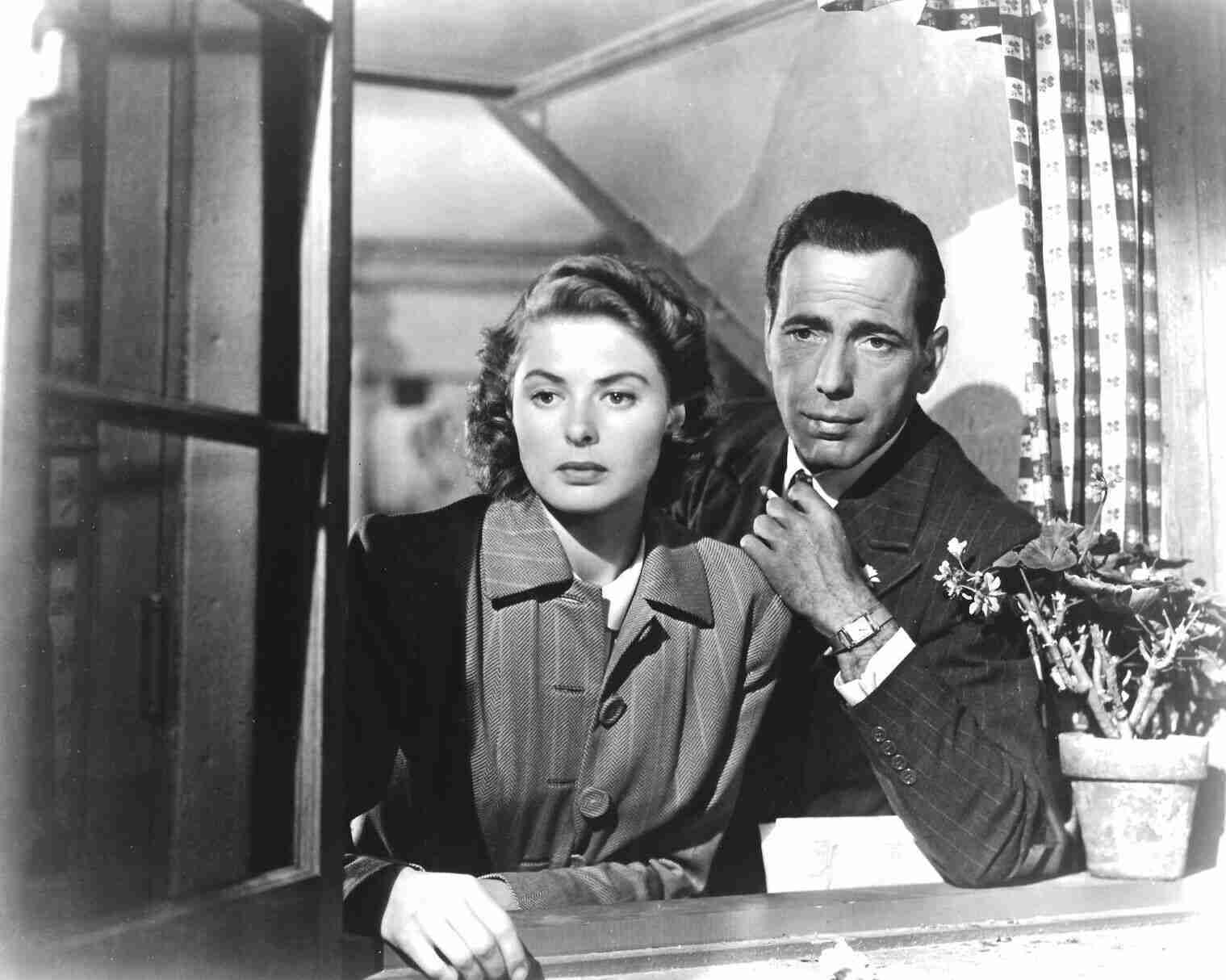
At its heart, Casablanca is a story about love, sacrifice, and the struggle for freedom. Rick’s transformation from a cynical loner to a selfless hero inspires audiences. The film’s exploration of duty versus personal desire resonates deeply, making it as relevant today as it was in 1942.
Final Thoughts and Lasting Impact
Casablanca remains a cinematic masterpiece that continues to captivate and inspire. Its impeccable performances, brilliant screenplay, and evocative music create an unforgettable experience. The collaboration between its talented cast and crew resulted in a film transcending time and genre. Audiences revisiting Casablanca will find its layers of emotion, artistry, and humanity as compelling as ever.
Readers may also enjoy Cabrini and The Art Bath Artist Salon Series.