


5/5 - (1 vote)
Nicosia: Journeying Through History and Culture in Cyprus
Nicosia, the capital of Cyprus, presents a journey like no other, blending rich history with modern-day complexities. Known locally as Lefkosia in Greek and Lefkosa in Turkish, this city has the rare distinction of being the last divided capital in the world. The history behind this division is long and complex, rooted in the Cyprus problem or Cyprus conflict. However, as a visitor, one quickly realizes that this city embodies more than a historical struggle; it’s a melting pot of cultures, stories, and shared memories.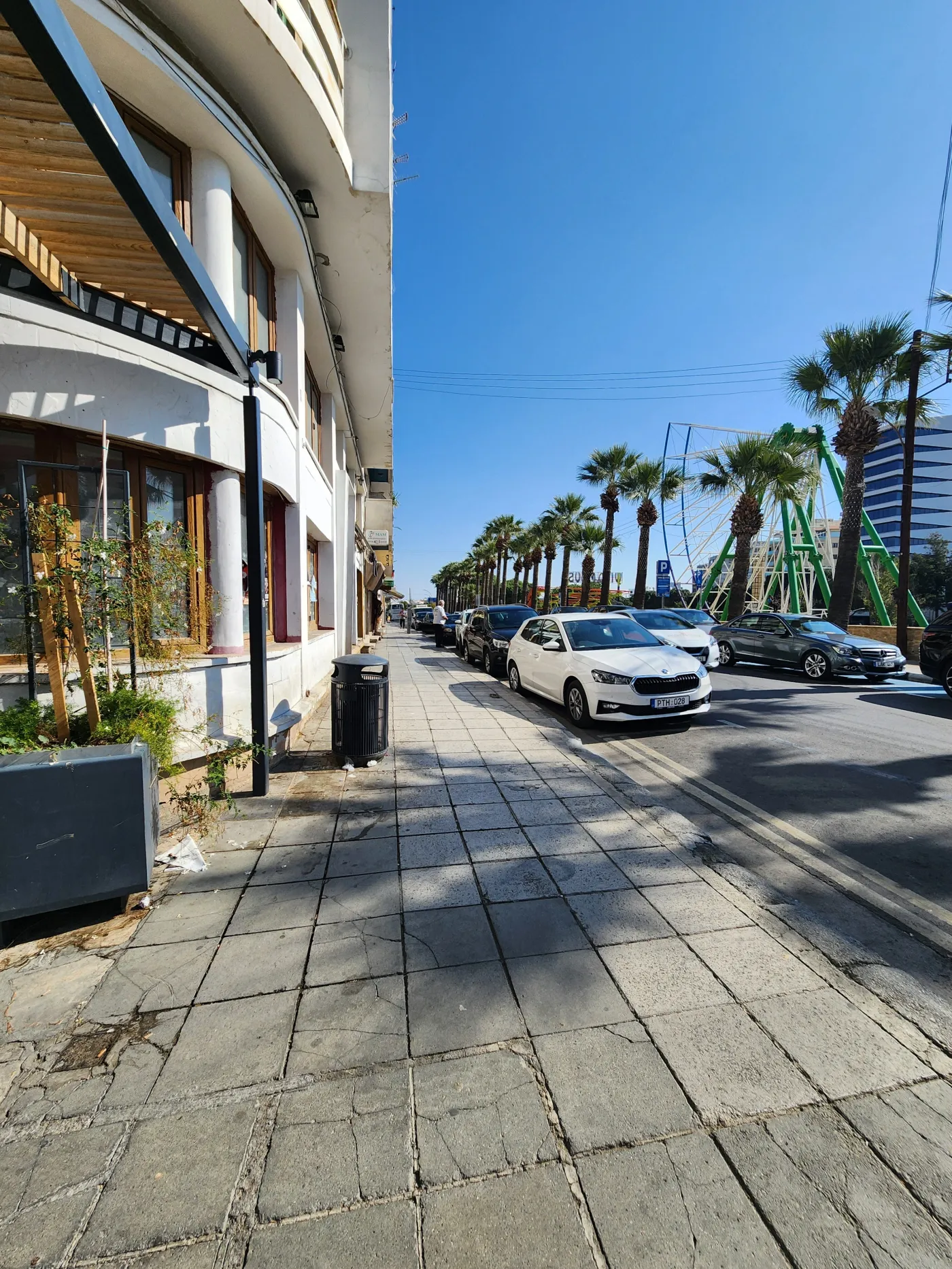
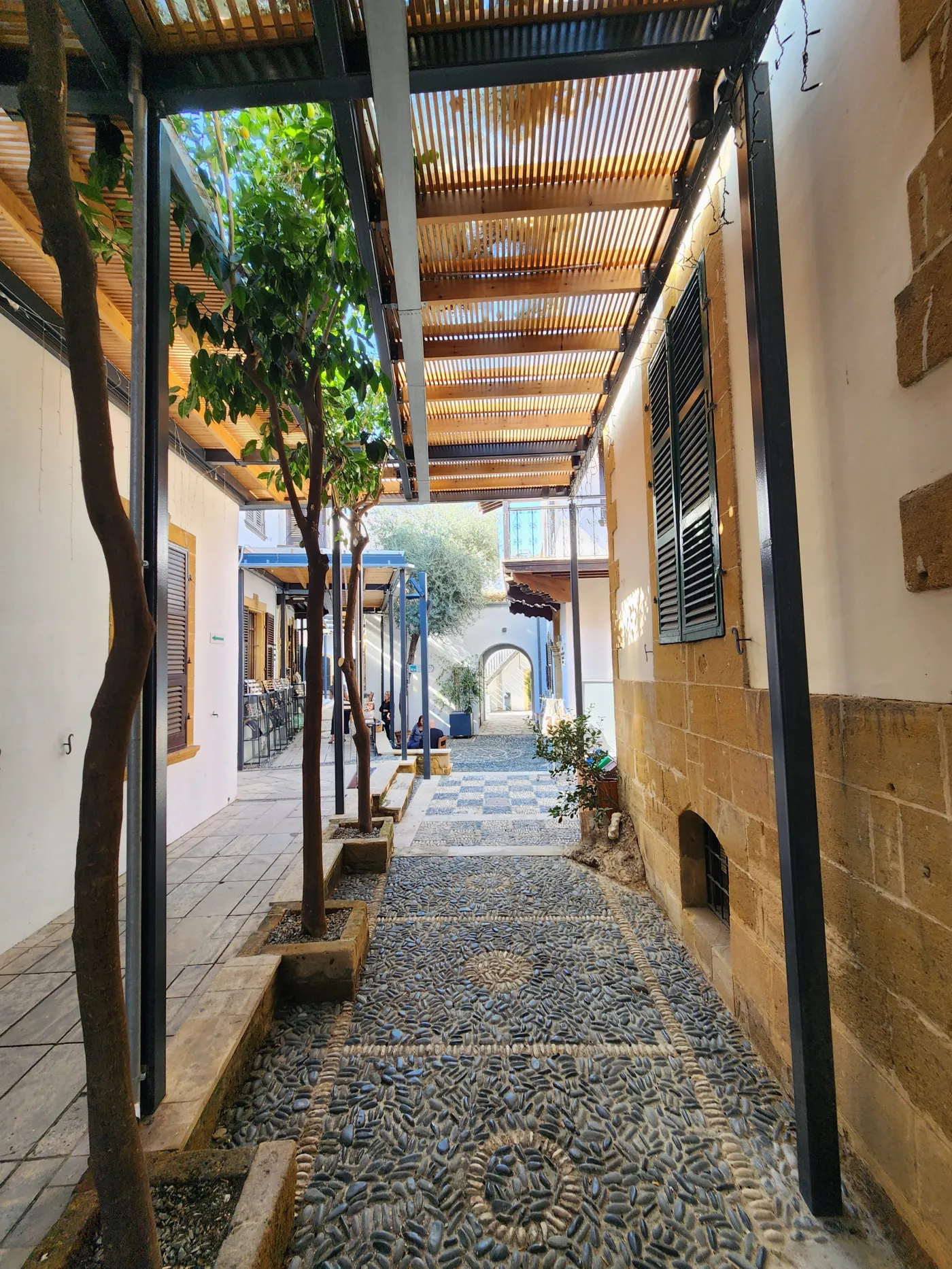
The Cyprus Problem: Understanding the Divide
Cyprus has a turbulent history, with ongoing tensions dating back several decades. In simple terms, one could compare the situation to the geopolitical complexities between Putin and Ukraine—though here, the division remains unresolved. Nicosia is split into two parts, one half governed by Greek Cypriots and the other by Turkish authorities. This division is more than a political boundary; it represents the deep-seated cultural and historical issues that have shaped Cyprus.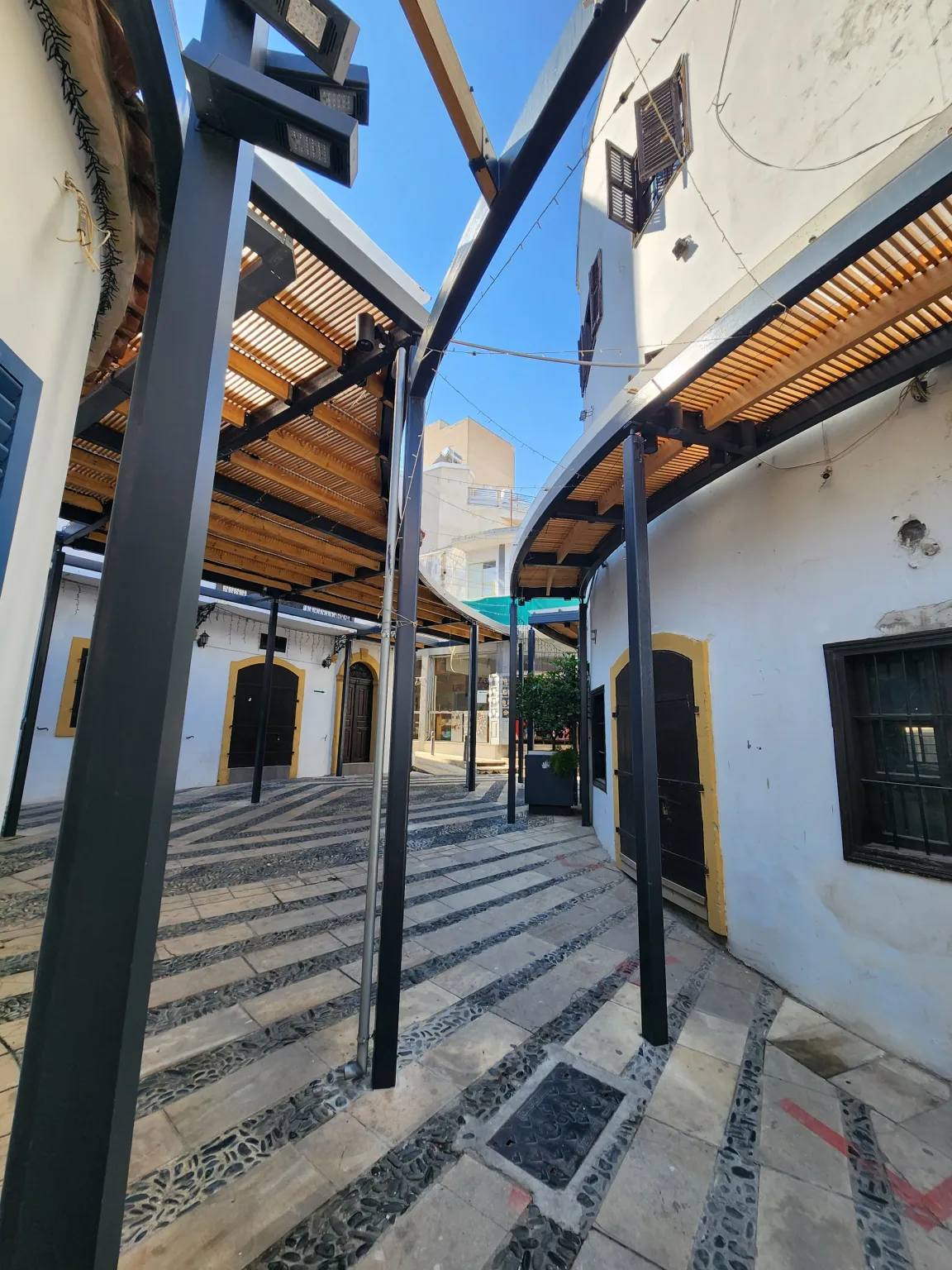
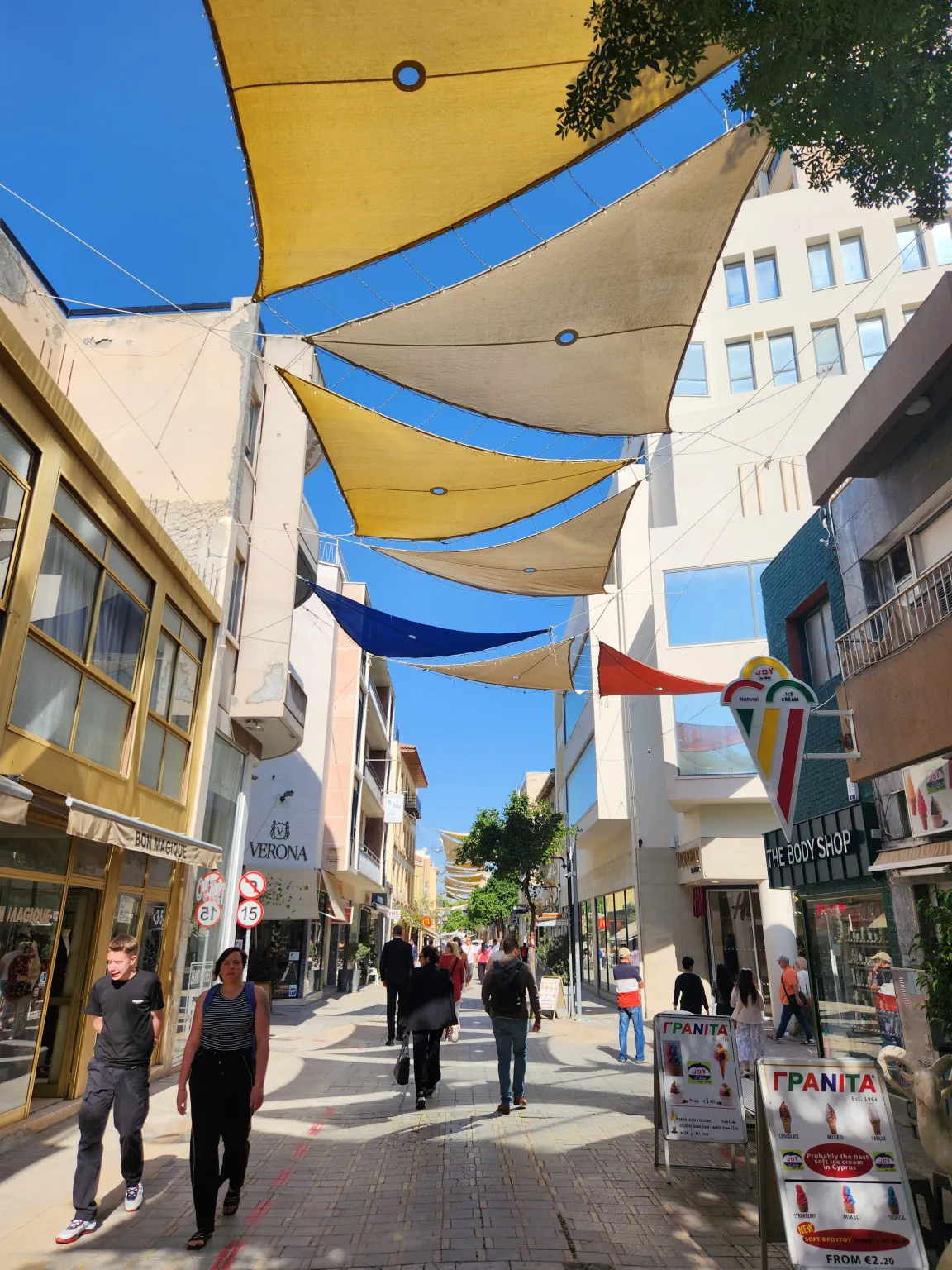
Crossing the Border: From Greek Nicosia to Turkish Nicosia
The journey through Nicosia begins on the Greek Cypriot-controlled side, where vibrant shops, cafes, and ancient landmarks create a lively atmosphere. As we strolled through the bustling streets, my friend, who’s well-versed in the city’s history, shared stories of the area’s past and present, adding a personal touch to my understanding of the city.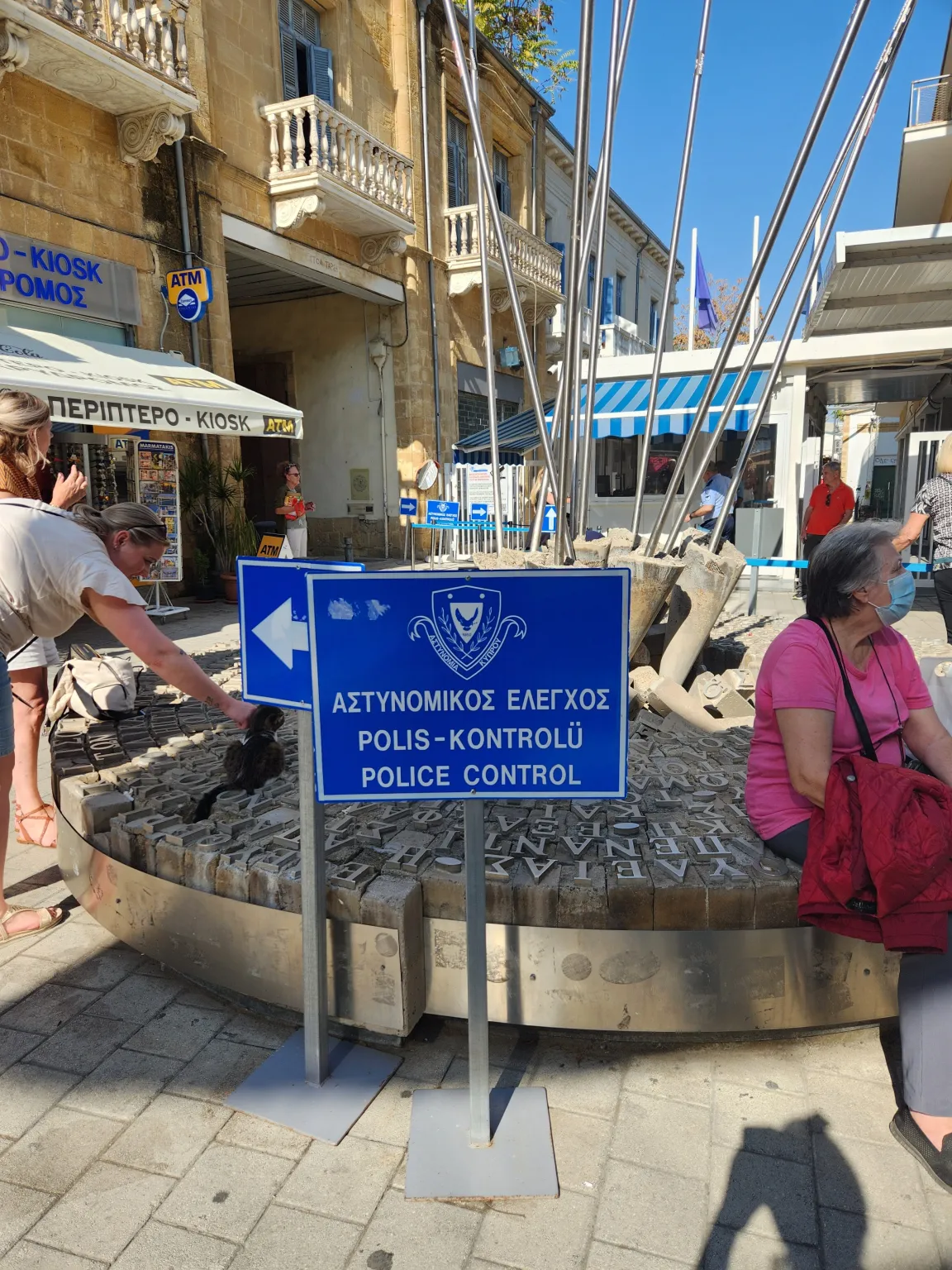
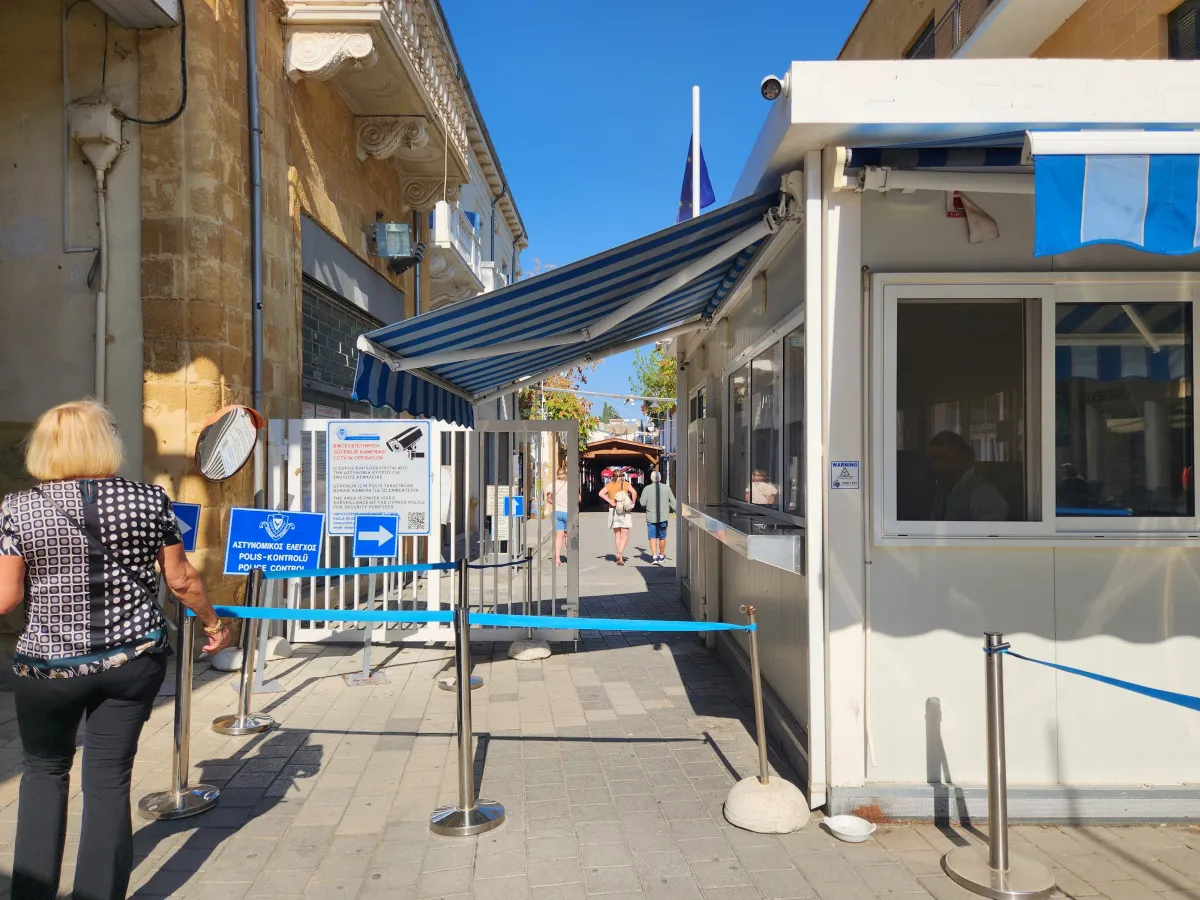
Experiencing Turkish-Held Nicosia
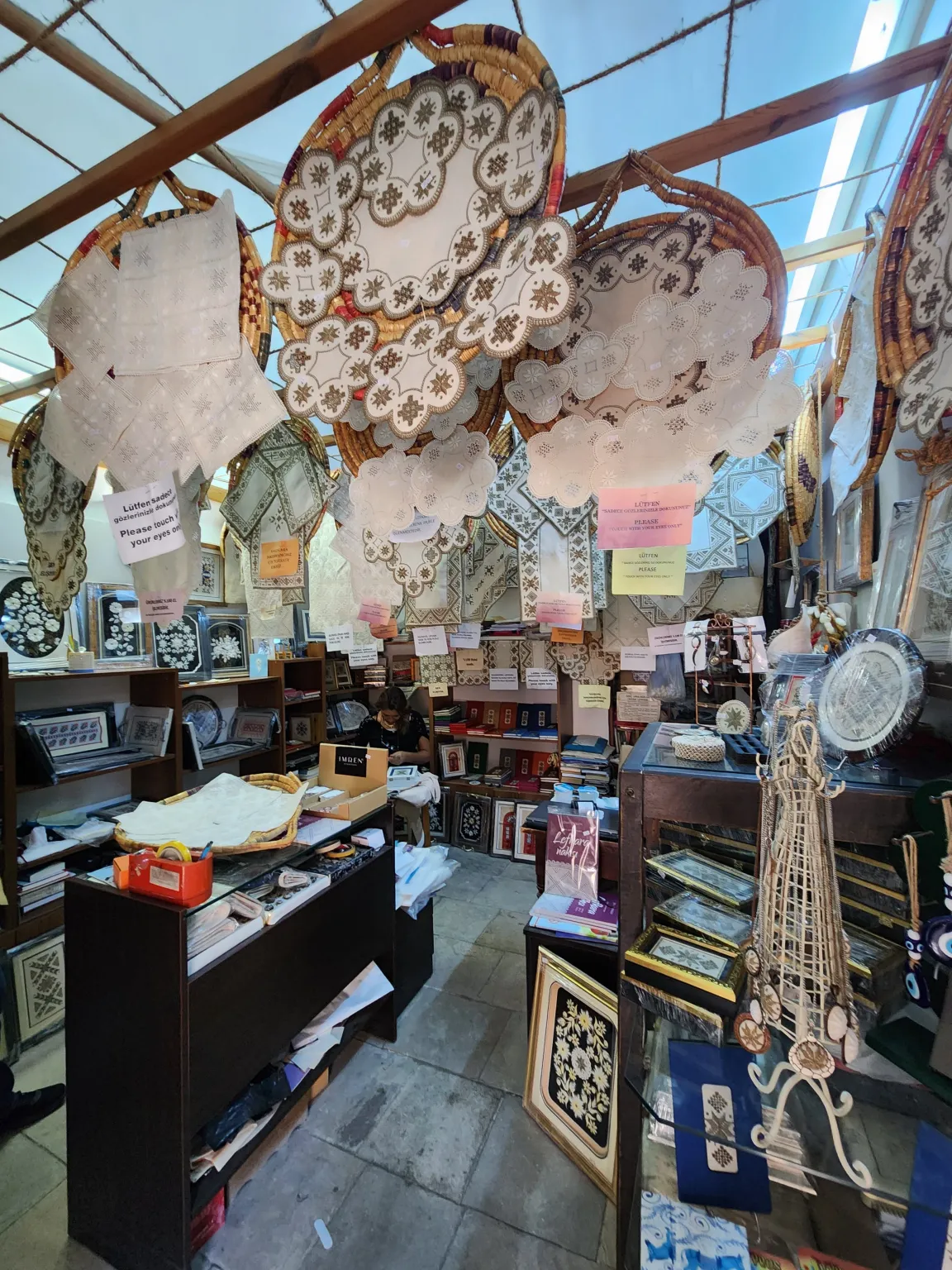
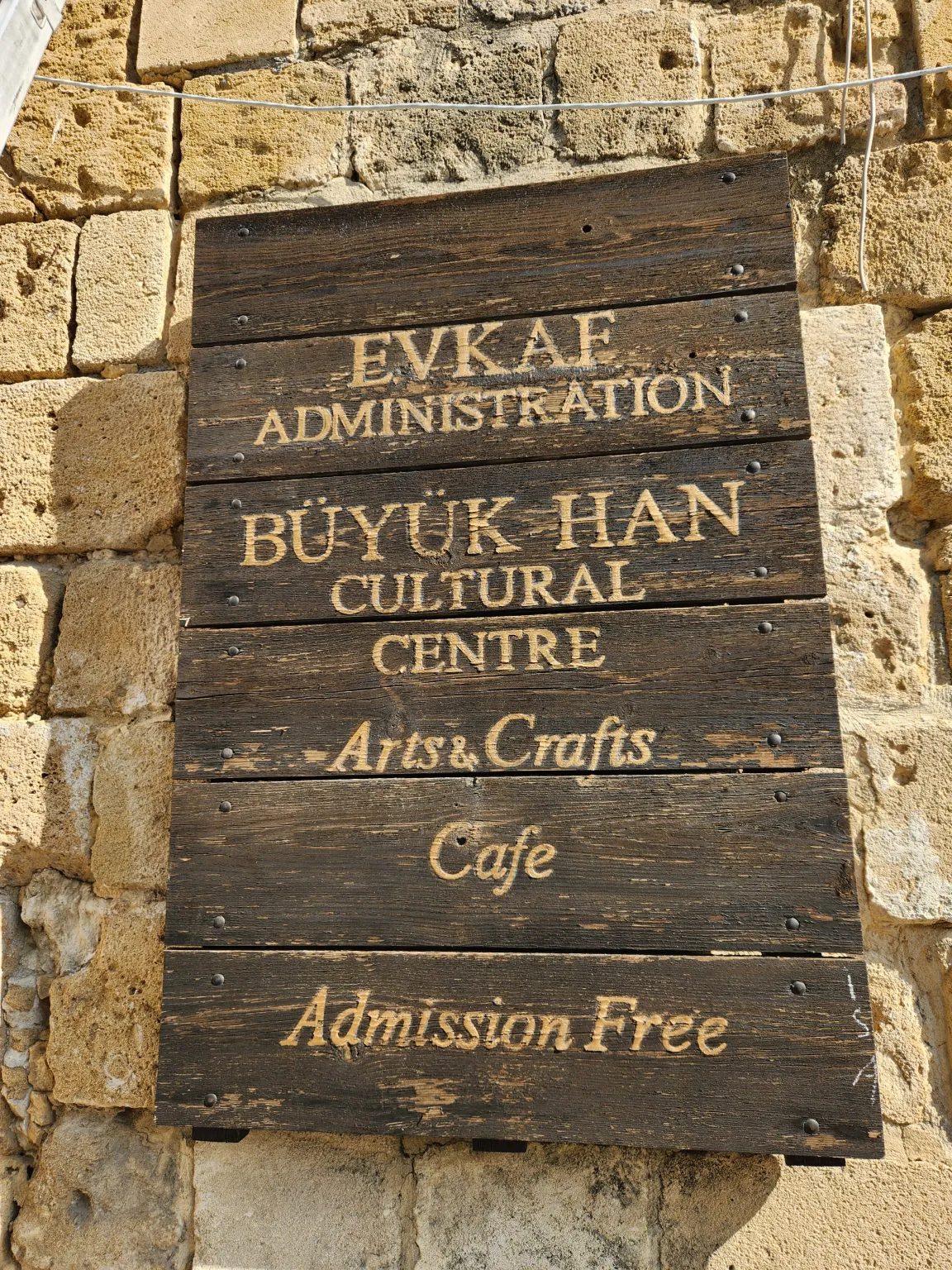
Upon crossing into Turkish Nicosia, we were greeted with an array of sights that transported us to a different world. This part of the city is home to its unique markets, mosques, and streets, offering a blend of traditional Turkish elements with the Mediterranean ambiance characteristic of Cyprus. Wandering through these streets, one encounters local artisans and small businesses that embody the spirit and resilience of the Turkish Cypriot community. One notable area to explore here is Buyuk Han, a historical inn that now hosts local vendors and cafes. This area beautifully preserves the region’s architectural heritage, allowing visitors to immerse themselves in a historic and contemporary setting.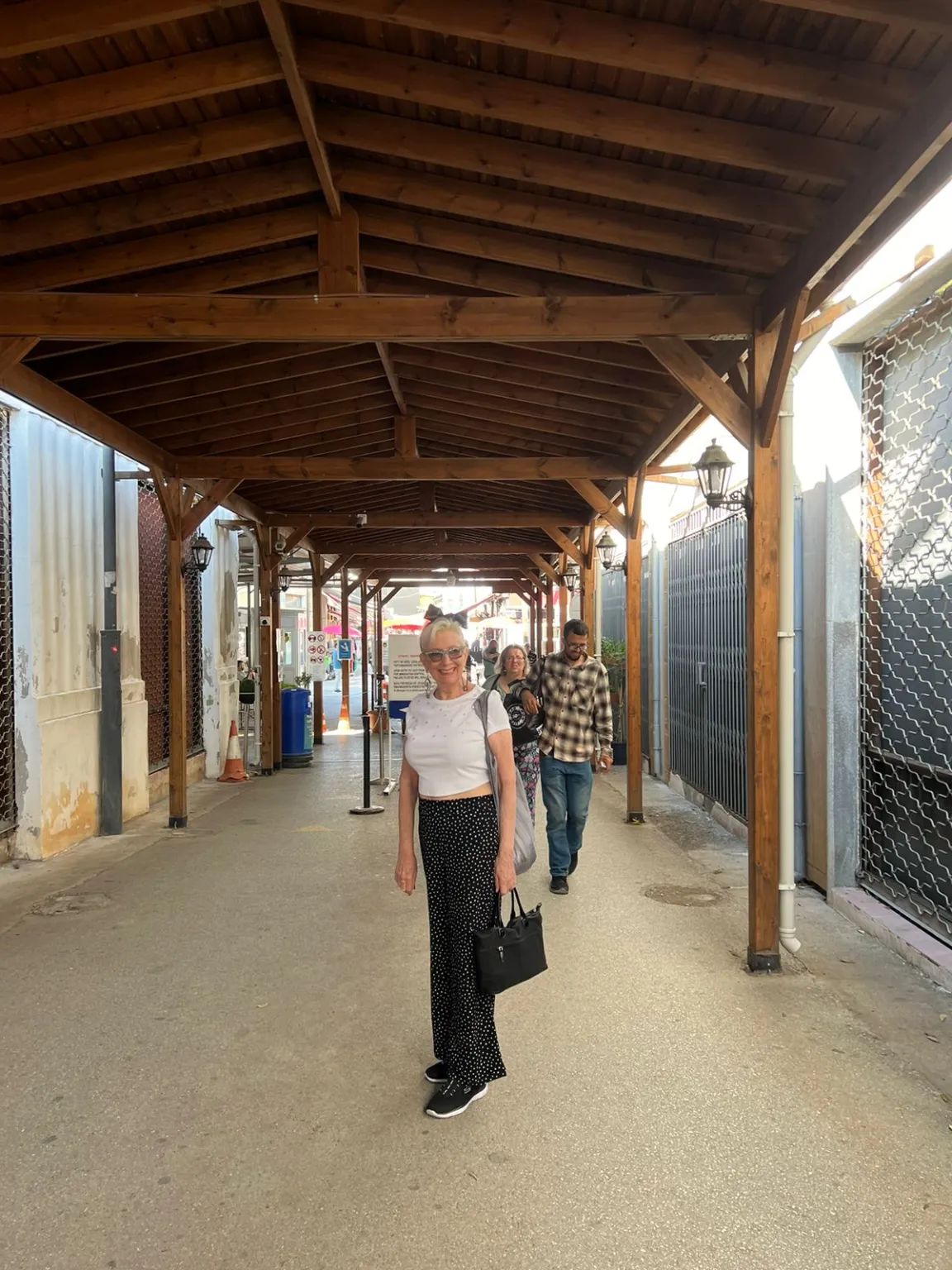
Returning to the Greek Side: Reflecting on Nicosia’s Duality – Nicosia: Journeying Through History and Culture in Cyprus
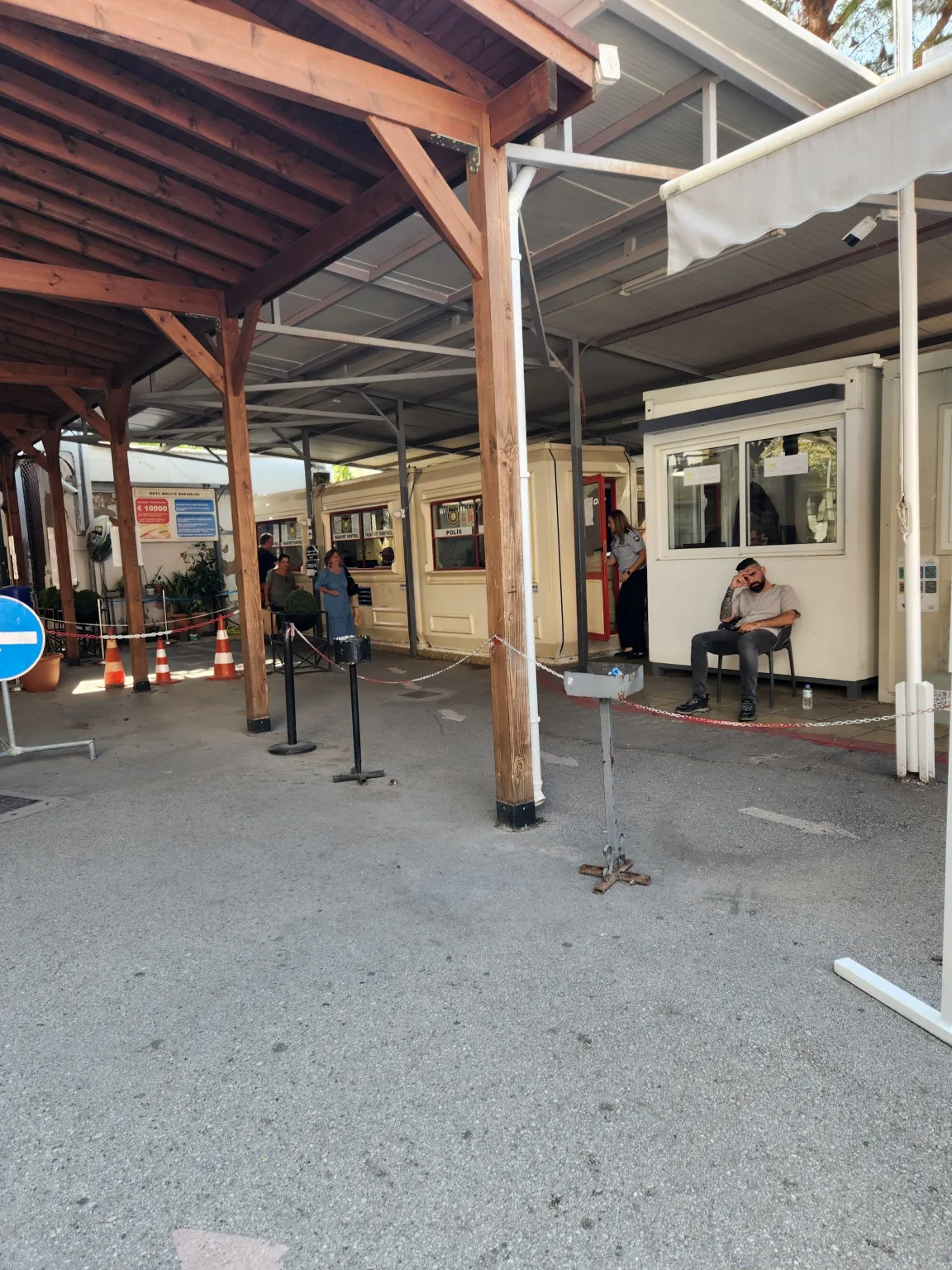
After spending time in the Turkish-held area, we returned to the Greek side of Nicosia, passing once again through the passport control checkpoint. This transition reminded us of the city’s enduring duality, a contrast that defines its character and shapes the experiences of its residents and visitors alike. Reflecting on the day, it was clear that Nicosia is more than a divided city; it symbolizes resilience, hope, and coexistence. Despite the political and cultural tensions, the people of Nicosia continue to live their lives, cherishing their heritage while embracing the present.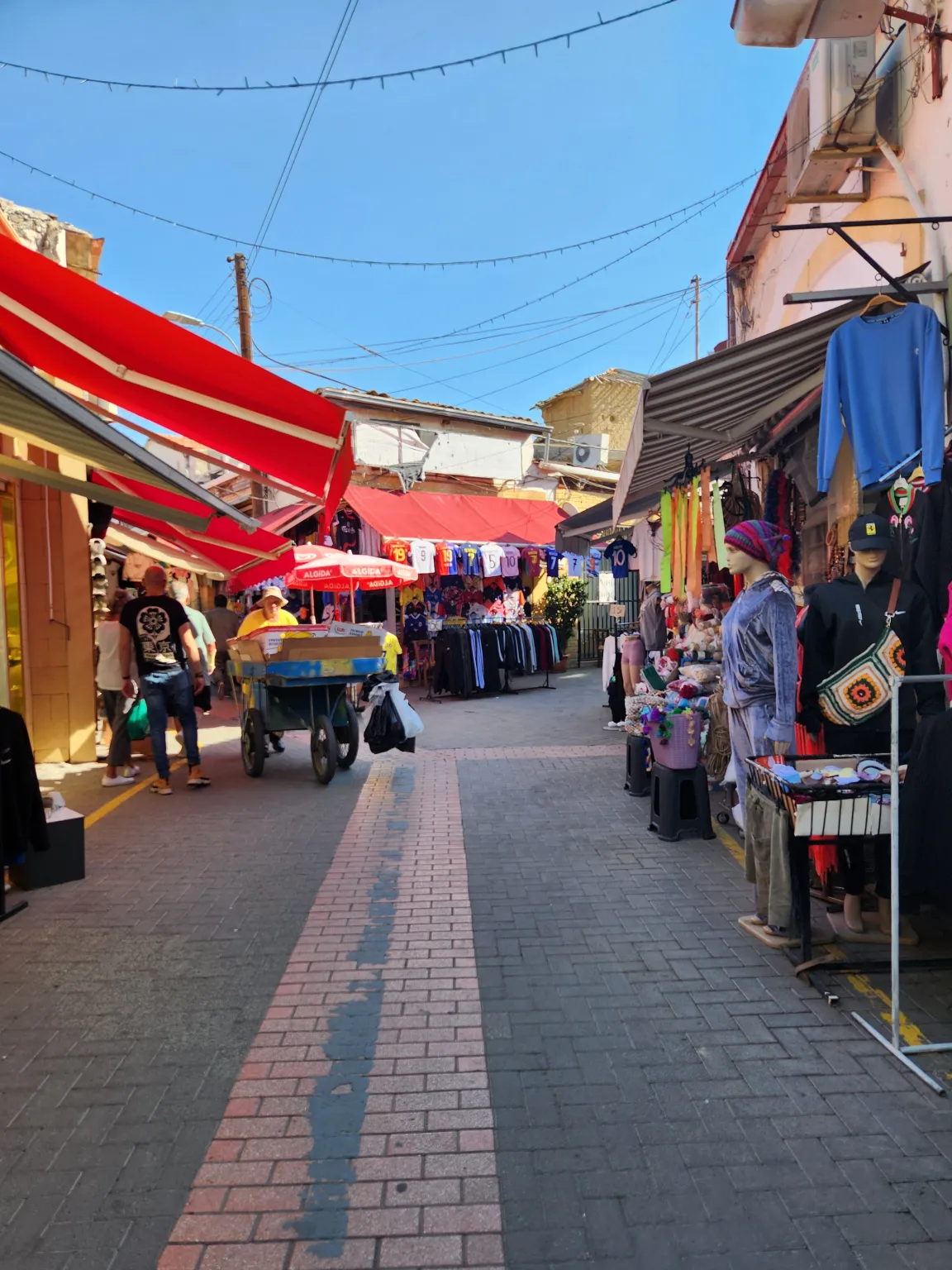
Why Visit Nicosia? A Unique Blend of Culture and History
Nicosia is a destination that captivates travelers with its unique blend of historical landmarks, cultural diversity, and vibrant street life. Here are a few reasons to visit this fascinating city:- Historical Significance: Nicosia’s rich history spans centuries, from ancient times to its modern-day division.
- Cultural Diversity: Experience the contrasting cultures of Greek and Turkish Cyprus in a single day.
- Vibrant Marketplaces: Both sides of Nicosia offer bustling markets filled with local goods, art, and food.
- Architectural Beauty: Nicosia’s architecture reflects its diverse heritage, from ancient churches to Ottoman-era mosques.
- Friendly Locals: The people of Nicosia are known for their warmth and hospitality. They are eager to share their stories.
Practical Tips for Visiting Nicosia
If you’re planning a trip to Nicosia, here are some practical tips to make the most of your experience:- Bring Your Passport: You’ll need your passport to cross from Greek to Turkish.
- Currency Exchange: The Greek side uses the euro, while the Turkish side uses the Turkish lira.
- Dress Comfortably: Nicosia’s climate is typically warm, so dress in lightweight clothing.
- Respect Local Customs: Both sides have distinct cultural norms, so be mindful of local customs and traditions.
- Explore on Foot: Walking is the best way to experience Nicosia, immersing yourself fully in the atmosphere.

Final Thoughts on Nicosia: Journeying Through History and Culture in Cyprus
Nicosia is a city that challenges perceptions and leaves a lasting impression on those who visit. It is a testament to resilience, where history, culture, and everyday life intersect in fascinating ways. Nicosia’s spirit remains unbroken despite its division, with each side contributing to its unique identity. Whether you’re drawn to the historical landmarks, the lively markets, or the warm-hearted locals, Nicosia offers an unforgettable journey into the heart of Cyprus. This city is more than a travel destination; it’s a living narrative of struggle, adaptation, and hope.Links and Resources
- Nicosia Municipality
- Cyprus Tourism Organization
- Instagram: Nicosia Official, Buyuk Han
- YouTube: Nicosia Cultural Tour