


In classical music, the theme of “at your feet” in love songs has been a recurring and powerful expression of love, devotion, and submission. This keyphrase, which signifies adoration, has shaped compositions for centuries; its influence weaves through different musical eras and continues to influence both composers and listeners. The evolution of At Your Feet: Love in Music Through Time reflects a rich and enduring connection to romantic expression in classical music.
The Origins of “At Your Feet” in Classical Love Songs
To begin with, the phrase at your feet in classical love songs can be traced back to medieval times. Composers like Guillaume de Machaut used this imagery to signify emotional vulnerability and deep devotion. These early works set the foundation for the theme’s evolution through the ages.

In the medieval era, being at your feet often symbolized submission to one’s beloved, a gesture of profound respect and love. As a result, this imagery laid the groundwork for the Renaissance period. During this time, themes of love and admiration flourished through the influence of poetry and courtly traditions.
Check out our articles about medieval music for more context on At Your Feet: Love in Music Through Time and its use in other medieval.
The Renaissance Influence on Classical Love Songs
Subsequently, during the Renaissance, the concept of at your feet evolved further as composers integrated it into their courtly love compositions. Love songs during this era were often influenced by poetry, expressing admiration through highly romanticized music. Composers like John Dowland, for instance, used this phrase to highlight the depth of emotional connection between lovers.
Furthermore, the phrase at your feet became a standard in Renaissance love songs, encapsulating a lover’s desire to serve and adore their partner. This notion was vital to how composers shaped their work during this period.
Read more about Renaissance music to discover how At Your Feet and other Renaissance themes shaped modern classical music.
Baroque Period: Ornate Expressions of Love in Classical Music
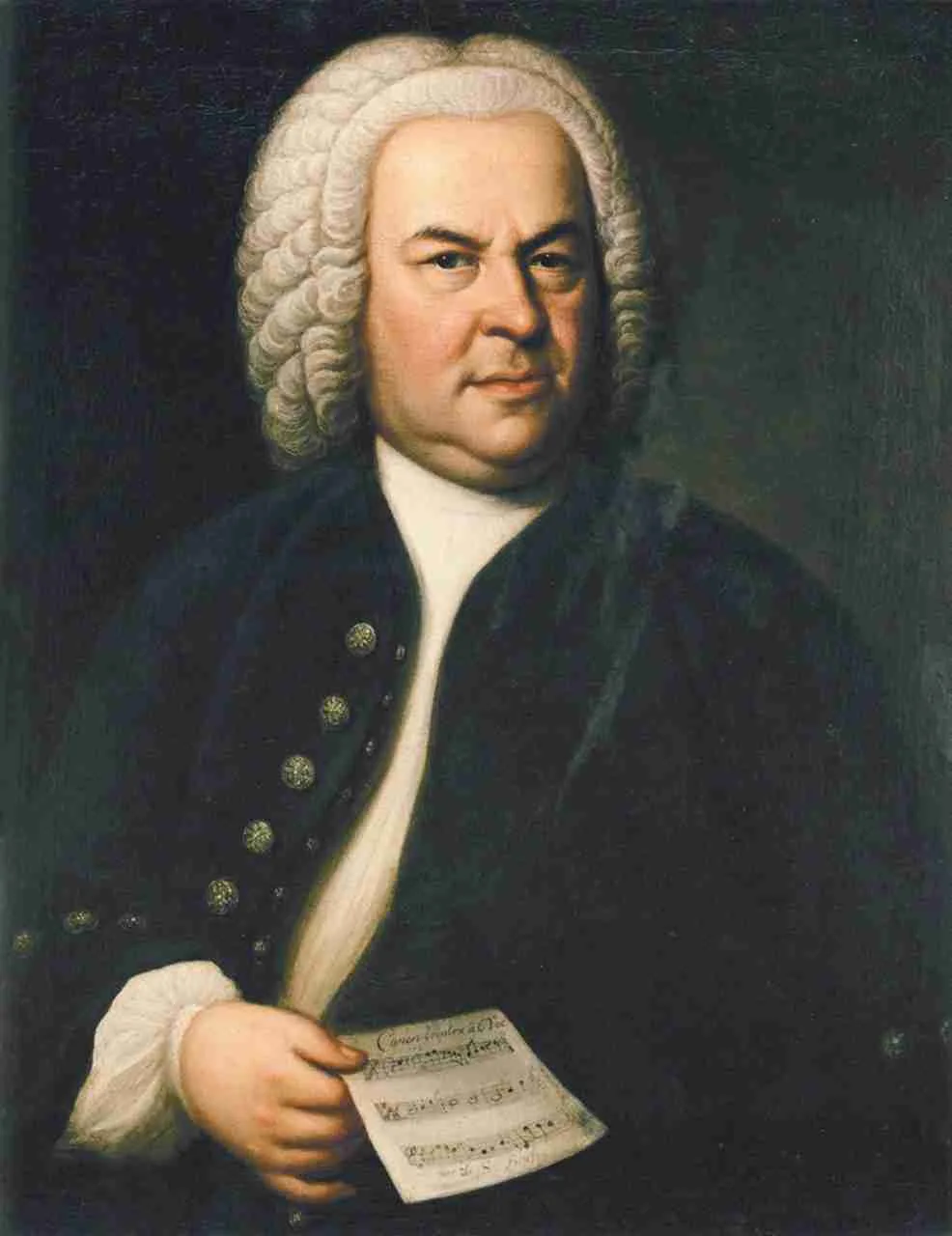
Similarly, during the Baroque era, composers like Johann Sebastian Bach and George Frideric Handel took the theme of at your feet to new heights. They combined elaborate musical ornamentation with deeply emotional storytelling, thus reinforcing the theme in classical love songs by emphasizing emotional devotion.
For instance, in Handel’s operas, characters sing of their undying love, placing themselves dramatically at your feet in powerful arias. This era’s devotion to ornamentation allowed for more intense emotional expression, giving the theme a more majestic role in love songs.
If you’re curious about how Baroque music influenced at your feet and other classical love song themes, read more of our articles on Baroque music.
Romanticism: Classical Love Songs Deepen with Emotion
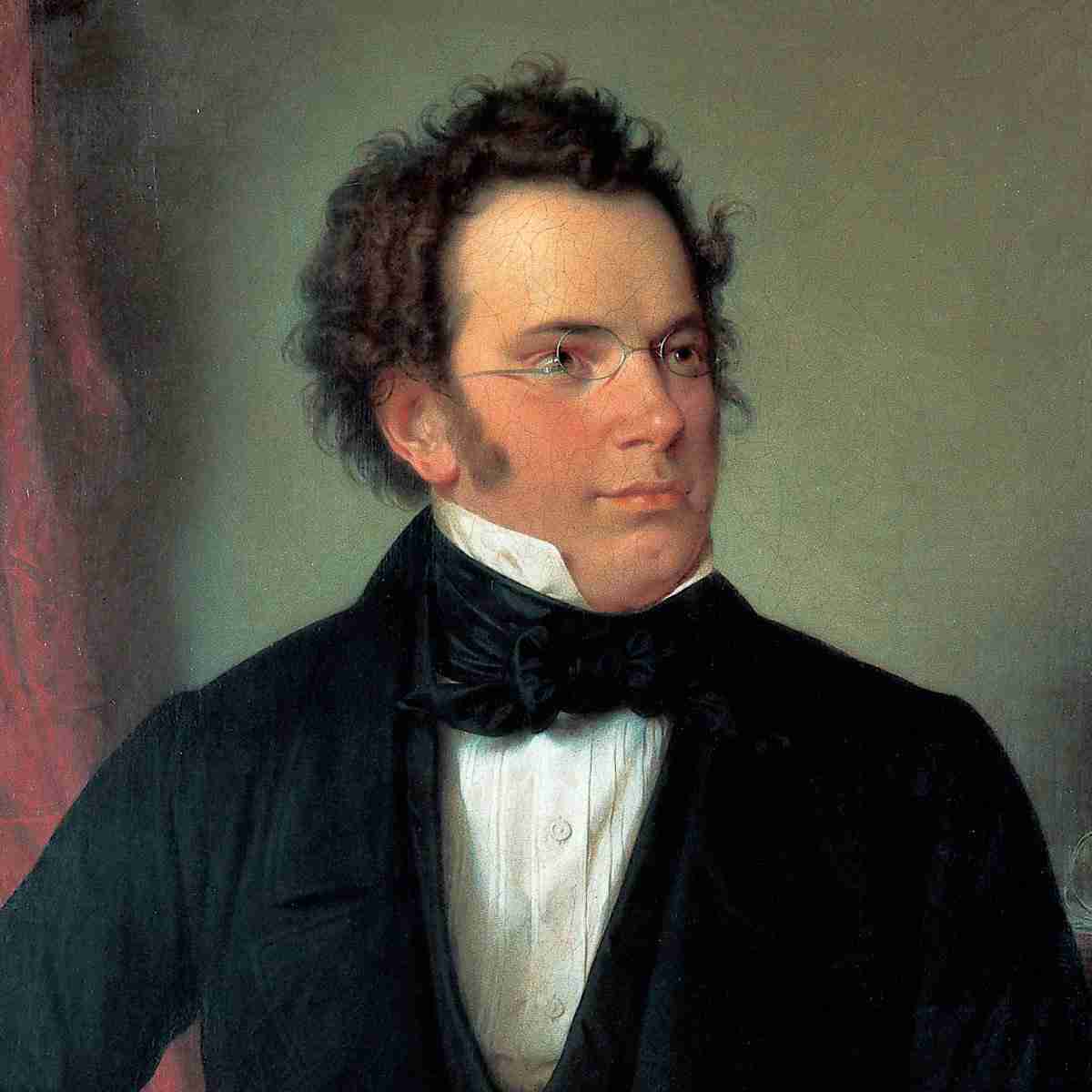
The Romantic era, however, marked a dramatic shift in how at your feet appeared in classical love songs. Composers like Franz Schubert, Johannes Brahms, and Pyotr Ilyich Tchaikovsky infused their compositions with heightened emotional intensity. As a result, Romantic classical music is used at your feet to represent devotion and vulnerability in love, crafting pieces that convey longing, heartache, and sacrifice.
In Schubert’s Gretchen am Spinnrade, the phrase at your feet metaphorically underscores the character’s obsessive love and longing. Likewise, Tchaikovsky’s Swan Lake is a ballet filled with themes of love and sacrifice, with characters literally and figuratively placing themselves at the feet of their beloved.
Explore how Romanticism shaped classical music with these insightful articles on Romantic composers, and see how at your feet influenced the era’s musical expressions of love.
20th Century: The Modern Interpretation of Classical Love Songs
As the 20th century unfolded, the phrase at your feet found its place in various classical love songs, albeit with modern twists. Composers like Leonard Bernstein and Samuel Barber utilized this classic theme but blended it with contemporary sounds and influences. For instance, Bernstein’s West Side Story presents devotion and longing between lovers divided by societal barriers. This illustrates the timeless concept of being at your feet.
The evolution of classical love songs into the modern era shows how love continues to be a universal subject. Thus, the timelessness of “at your feet” in classical love songs ensures their relevance across centuries of music.
Visit this guide to modern classical music composers to discover more about “at your feet” and other 20th-century musical themes.
Melody and Harmony: Foundations of Love in Classical Music
Melody and harmony play crucial roles in classical love songs, especially when expressing love. Accordingly, the theme of at your feet is intricately woven through these musical elements, creating emotional depth that mirrors the complexity of romantic relationships.
Melodies in classical love songs often rise and fall, mimicking love’s emotional peaks and valleys. Meanwhile, harmonies enrich the sound, giving a sense of fullness that represents the emotional weight of being at your feet. Together, these elements convey feelings of devotion and humility in love, ensuring at your feet resonates deeply with listeners.
The Lasting Impact of “At Your Feet” in Classical Love Songs
In conclusion, classical music’s “at your feet” phrase is a powerful metaphor for love and devotion. Over centuries, this keyphrase has symbolized everything from adoration and sacrifice to vulnerability and submission. From the medieval period through the Baroque, Romantic, and modern eras, the concept of being at your feet in classical love songs has allowed composers to convey some of the most complex emotions that come with love.
As a result, at your feet inspires modern musicians and composers alike, serving as a timeless theme in classical and contemporary works. This phrase’s ability to capture deep emotions ensures its ongoing presence in music.
To explore other timeless themes in classical music, be sure to check out our classical music blogs.
Key Takeaways: The Role of “At Your Feet” in Classical Love Songs
- The keyphrase at your feet has evolved significantly in classical love songs across different musical periods.
- Composers have used the phrase to capture feelings of love, devotion, and submission over the centuries.
- The theme of being at your feet inspires modern composers, demonstrating its relevance in contemporary music.
- Classical music’s enduring expression of love through “at your feet” connects us emotionally to past and present romantic narratives.
Explore how classical love songs continue to influence today’s music in our article on love songs.

Final Thoughts on “At Your Feet” in Classical Love Songs
Ultimately, the theme of being at your feet in classical love songs reflects the timeless nature of love’s deepest emotions, which we define as devotion, vulnerability, and submission. Classical composers like Bach, Schubert, and Tchaikovsky have used this keyphrase. This captured love’s emotional highs and lows, shaping the musical landscape for centuries. Today, at your feet remains as relevant as ever, influencing classical and modern music.