


The Beat Goes On: East Village Punk Rock History Tour
The East Village is a vibrant slice of New York City history, known for its rich culture and diverse community. This neighborhood was vital in shaping the punk rock movement during the 1970s and 1980s. Suppose you’re passionate about music or history. In that case, you’ll find that exploring the East Village punk rock heritage is like taking a step back in time, where the beat goes on, echoing the rebellious sounds and styles that define a generation. It’s time for The Beat Goes On: East Village Punk Rock History Tour!
The punk rock scene emerged as a response to the mainstream music industry, emphasizing raw energy, DIY ethics, and a strong sense of individuality. The East Village, with its affordable rent and underground venues, became a haven for artists and musicians eager to break the mold.
Key Venues That Shaped Punk Rock
Several iconic venues contributed to the rise of punk rock culture in the East Village. Some standout locations include:
- CBGB: Often hailed as the birthplace of punk, CBGB hosted legends like The Ramones and Blondie.
- The Bowery Ballroom is a stylish venue that drew up-and-coming bands and established acts.
- The Continental: Known for its punk aura and infamous five-dollar cover charge, it became a stepping stone for many artists.
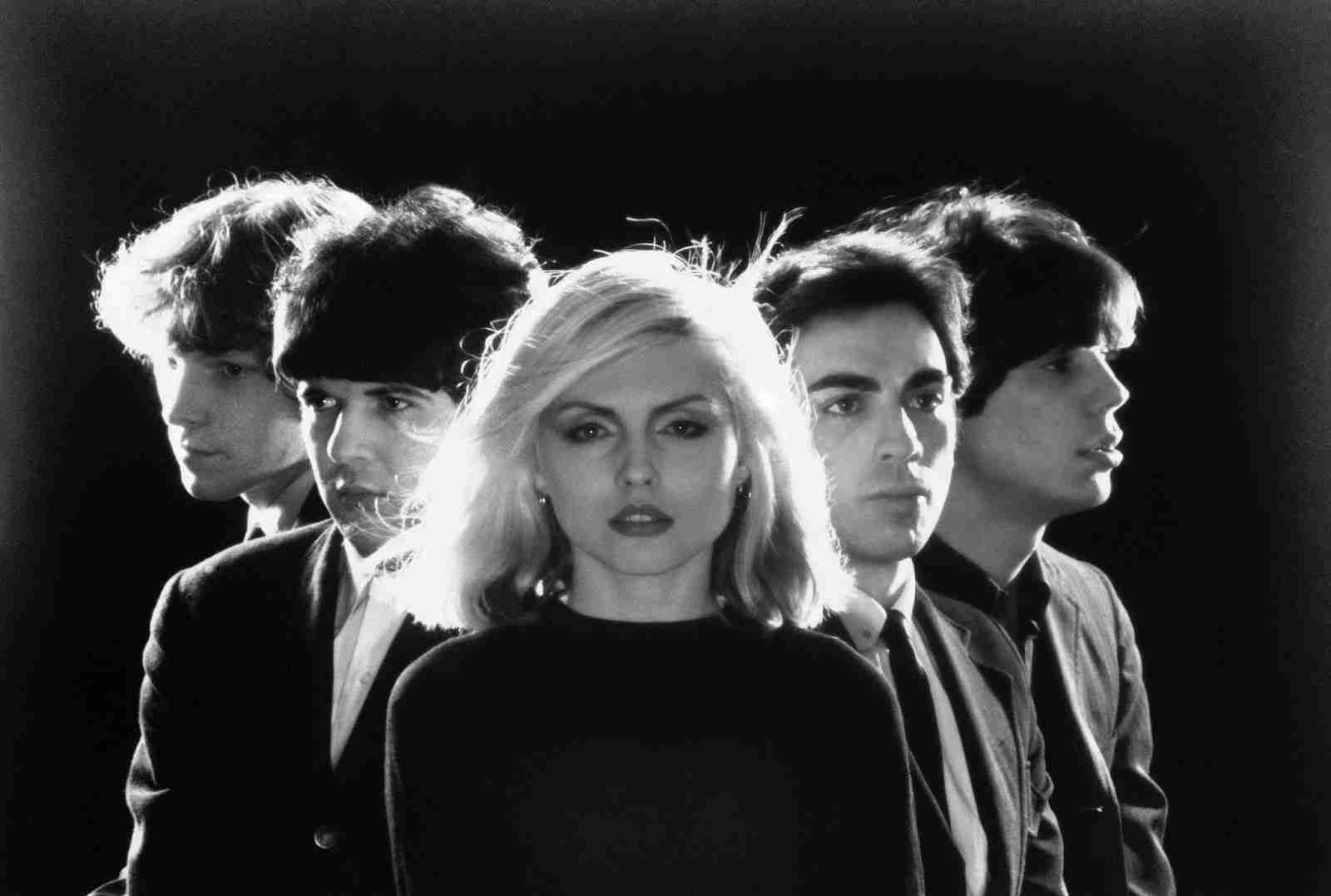
Punk Rock Icons
Behind every great music movement are the artists who drive it forward. In the East Village, several iconic bands and figures emerged:
- Television: Their album “Marquee Moon” is often considered a punk rock masterpiece.
- The Misfits: Known for their horror influence and energetic live shows.
- Blondie: Blending punk and new wave, they helped bring punk to mainstream audiences.
The East Village served as a backdrop and a catalyst for their creativity, providing inspiration and a community of like-minded individuals.
The DIY Ethos
The punk rock movement in the East Village promoted a do-it-yourself approach, where artists took control over their music and image. This ethos led to:
- Independent record labels
- Fanzines and underground publications
- The emergence of alternative venues
These factors encouraged experimentation and innovation, allowing a diverse range of sounds and styles to flourish.
The Legacy Lives On – The Beat Goes On: East Village Punk Rock History Tour
The influence of East Village punk rock can still be felt today. New generations of musicians continue to draw inspiration from the raw energy and unfiltered expression that defined the original scene. Punk rock festivals celebrate this legacy, and tours highlight significant locations from that era.
You might consider joining a guided tour for those interested in taking a more structured journey through this rich history. These tours often include stops at key locations, allowing you to immerse yourself in the stories of the artists who once roamed the streets of the East Village. One such example is The Beat Goes On: East Village Punk Rock History Tour, which offers an in-depth look at the places and personalities that made an impact.
Punk Rock’s Cultural Impact
Beyond music, punk rock in the East Village influenced fashion, art, and politics. The punk aesthetic, characterized by leather jackets, vibrant hairstyles, and DIY fashion, became synonymous with rebellion. Artists like Keith Haring showcased the punk spirit through street art, while the political messages in the lyrics addressed issues such as inequality and war. This culture requires recognition for its ability to inspire change and push boundaries.
A Haven for Artists
The East Village continues to be a hub for creativity. Today, small galleries, music shops, and performance venues honor the punk legacy. Local artists pay homage through various artistic expressions, ensuring that the spirit of punk rock remains vibrant.
Final Thoughts
The beat continues in the East Village—this pulsating heart of music history and punk rock culture. Whether you’re a long-time fan of the genre or just curious about its roots, a deeper exploration of the East Village will reveal a landscape rich with stories, sounds, and sights worth experiencing.
To truly appreciate this legacy, explore the streets, visit the venues, and connect with others who feel the thrill of punk’s enduring spirit. Dive into the past and witness how a movement that began in underground corners transformed music and culture as we know it today.
Key Venues That Shaped East Village Punk History – The Beat Goes On: East Village Punk Rock History Tour
The East Village in New York City is a legendary enclave that played a pivotal role in the emergence of punk rock throughout the late 1970s and early 1980s. This vibrant neighborhood became a breeding ground for creativity, rebellion, and a raw sound that would forever alter the music landscape. As you stroll through the streets, specific venues stand out as the cradle of this punk revolution. These establishments hosted countless bands and shaped a culture that continues to inspire today.
C.B.G.B.
No discussion of East Village punk rock history is complete without mentioning C.B.G.B. Founded in 1973 by Hilly Kristal. This dive bar became the epicenter of the punk scene. With its iconic “Country, Bluegrass, Blues” sign hanging outside, the venue launched the careers of legendary bands like The Ramones, Blondie, and Talking Heads. C.B.G.B. offered a stark environment where artists could express themselves, often performing setlists filled with raw, unfiltered emotion.
The Bowery Ballroom
A few blocks away, the Bowery Ballroom has a rich history extending back to the 1880s. Originally a dance hall, it has become one of New York’s premier music venues. By the 1990s, it was hosting up-and-coming punk acts alongside established bands, solidifying its status in punk history. The venue’s unique architecture and excellent acoustics allow it to remain relevant and celebrated for music lovers.
Max’s Kansas City
Max’s Kansas City was another crucial venue in the evolution of punk in the East Village. Opened in the 1960s as a restaurant and nightclub, it became a melting pot for artists, musicians, and creatives. Punk icons such as Iggy Pop and The New York Dolls graced the stage, cementing its reputation as a haven for avant-garde performance art and raw musical talent. It provided a social space where ideas thrived, and collaborations blossomed.
The Underground Music Scene
The East Village is also home to several smaller venues that significantly contributed to the local punk scene:
- The Mercer Arts Center: Opening in 1970, this venue hosted underground bands and performance art, making it a hotspot for experimental music.
- ABC No Rio: A nonprofit community arts space founded in 1980, ABC No Rio promoted punk, hardcore, and various art forms. It became a symbol of New York’s DIY punk culture.
- Wetlands Preserve: Throughout the 1990s, Wetlands hosted numerous punk and alternative rock bands and became known for its commitment to environmental activism and alternative culture.
Impact on Punk Rock Culture
These venues didn’t just serve drinks but fostered a community embracing resilience and dissent. They welcomed outsiders and celebrated alternative lifestyles. If you visit today, you’ll find remnants of their rich histories: from the peeling paint on the walls of C.B.G.B. to the posters of past artists lining the halls of Bowery Ballroom.
Visiting Today
Taking a walking tour can be incredibly rewarding for those looking to experience the legacy of East Village punk. Consider using local guides who specialize in punk rock history. Some popular options include:
| Tour Name | Website |
|---|---|
| Punk Rock Walking Tour | punkrocktour.com |
| East Village Tours | eastvillagetours.com |
These tours help you delve deeper into East Village punk rock history, uncovering stories that shaped not just music but also a cultural phenomenon.
The beat goes on in the East Village, where punk rock flourished and inspired new generations. So whether you’re a fan of The Ramones or just curious about the punk ethos, there is always something new to discover in this eclectic neighborhood.
Iconic Punk Bands and Their Influence on the Scene
Punk rock emerged in the 1970s as a rebellious response to the mainstream music industry. It gave voice to a generation disillusioned by conventional society. As the beat goes on, the influence of iconic punk bands continues to resonate. Let’s explore some of the most significant ensembles and their lasting imprint on the punk rock scene.
Ramones
The Ramones were the first punk rock band to gain widespread acclaim and set the blueprint for the genre. Formed in 1974, this New York City band became known for their fast tempos, simple chord progressions, and distinct fashion sense. Their self-titled debut album, released in 1976, included hits like “Blitzkrieg Bop” and “I Wanna Be Your Boyfriend.” The Ramones were essential in shaping punk’s attitude, emphasizing that anyone could start a band and convey their feelings through music.
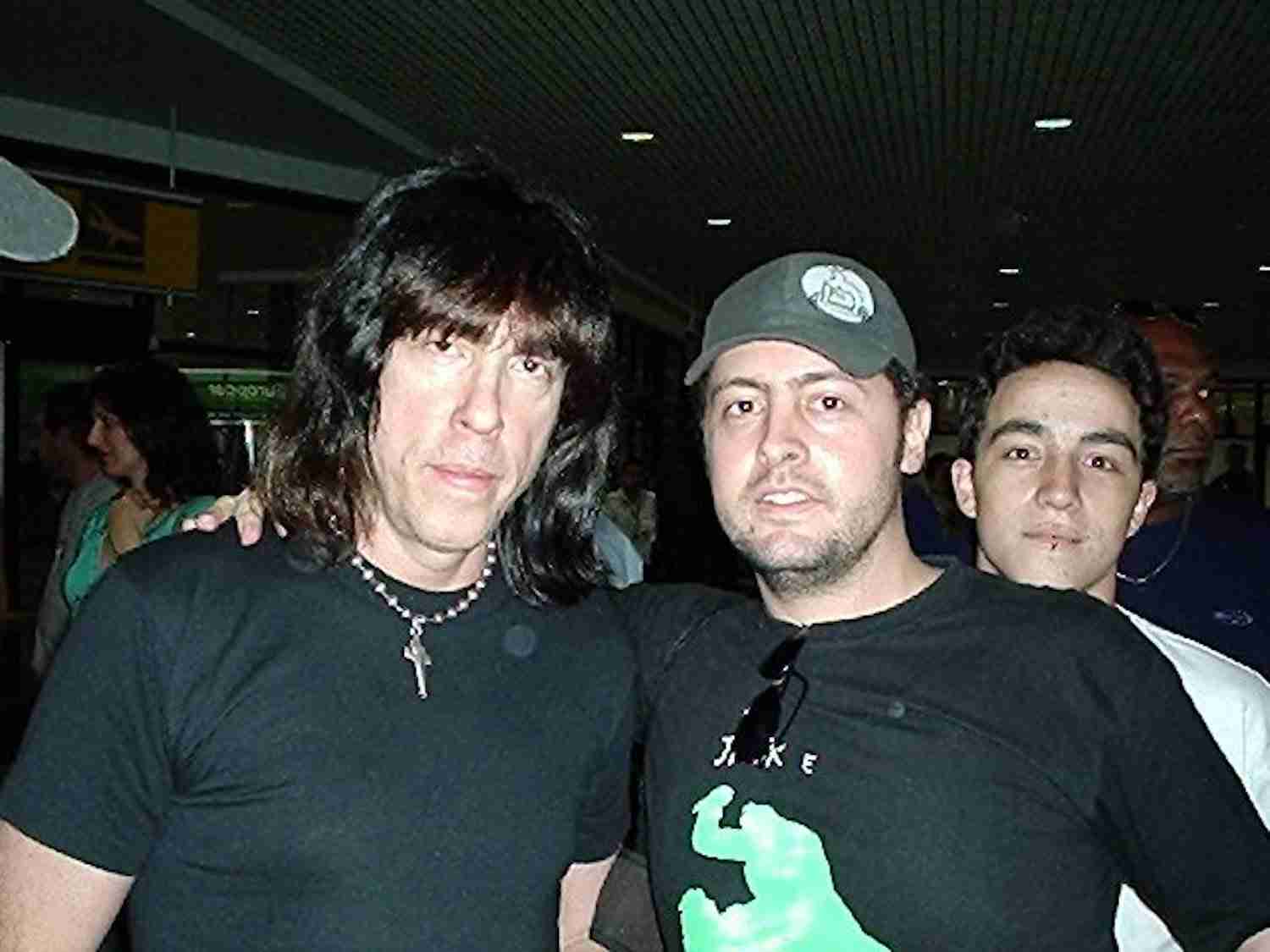
The Sex Pistols
Across the pond, the Sex Pistols electrified the UK music scene with their fierce rebellion against social norms. Formed in 1975, they gained notoriety with their notorious single, “Anarchy in the U.K.,” and the album “Never Mind the Bollocks, Here’s the Sex Pistols.” Their fierce lyrics and chaotic performances made them icons of the punk movement. As John Lydon (aka Johnny Rotten) stated, “You can’t buy what you don’t own,” capturing the essence of the punk ethos.
The Clash
The Clash brought a political edge to punk rock. Their self-titled album, released in 1977, included seminal tracks like “White Riot” and “London Calling.” They blended reggae, ska, and rockabilly into their music, challenging the rigidity of punk. The Clash’s engagement with political issues resonated with fans who saw music as a platform for activism. Their unique sound and fearless lyrics paved the way for future punk rock bands to tackle social themes.
Bad Brains
Bad Brains, a pioneering force within the punk scene, combined hardcore punk with reggae. Formed in Washington, D.C., in 1979, they were known for their explosive energy and profound influence on the punk subculture. Their debut album, “Bad Brains,” features fast-paced tracks and showcases their versatility. The band also highlighted the importance of Black representation in punk, forging a path for future generations.
Each of these bands has influenced the sound of punk rock and inspired countless musicians and subgenres. Their styles range from melodic to aggressive, showing the vast possibilities within punk music.
Notable Punk Bands and Their Contributions – The Beat Goes On: East Village Punk Rock History Tour
| Band | Year Formed | Major Influence |
|---|---|---|
| Dead Kennedys | 1978 | Political Satire |
| The Misfits | 1977 | Horror-Themed Punk |
| Minor Threat | 1980 | Hardcore Scene |
| NOFX | 1983 | Melodic Punk |
The influence of these iconic bands is still prevalent in the contemporary music scene. For example, Punknews.org highlights emerging punk bands and showcases how the spirit of punk rock remains alive and vibrant. Additionally, sites like NPR Music often feature articles on how punk has evolved while paying tribute to its roots.
Green Day and Paramore
As new bands emerge, they often pay homage to their predecessors. Modern bands like Green Day and Paramore reflect the stylistic and thematic influences that trace back to the punk rock legends. Punk continues to evolve, but it’s clear that the foundations laid by these iconic bands are immeasurable in shaping the genre.
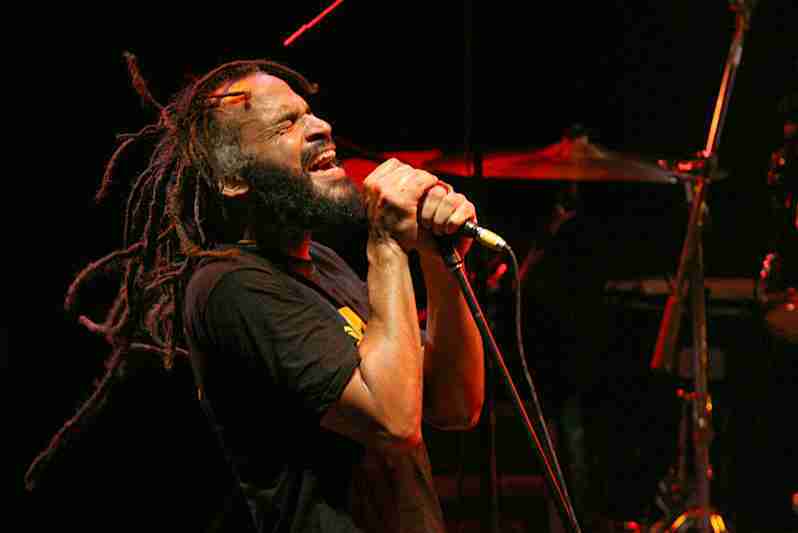
Beats of Punk Rock
When you think about the beats of punk rock, remember its history. The rhythms and attitudes of bands like the Ramones and The Clash are not just echoes of the past; they remain vital for today’s punk scene, inspiring you to create, rebel, and express yourself through music.
As the beat goes on, it’s essential to appreciate these bands’ legacy. Their music fosters community, challenges norms, and continues to resonate with those who feel the need to shout out against the injustices in the world.
Physical and Social Changes in the East Village Punk Community
The East Village punk community has undergone remarkable physical and social transformations since its inception in the 1970s. Once a gritty area teeming with creativity and rebellion, the scene has evolved dramatically, reflecting broader cultural shifts and urban development.
In its early days, the East Village was a magnet for misfits, artists, and musicians. Venues such as CBGB became iconic for the bands they hosted and the vibrant, unrefined atmosphere that characterized the punk scene. The neighborhood was synonymous with an anti-establishment ethos, where punk rockers gathered to express themselves freely. Famous acts like the Ramones, Blondie, and Talking Heads emerged from this explosive environment. Their music challenged societal norms and gave voice to a generation of youth yearning for change.
Social Fabric
However, the social fabric of the East Village has shifted over the years. With gentrification taking hold, many of the old haunts have closed or transformed. Today, the punk community faces challenges that reflect the broader changes in urban landscapes across the United States. With increased rents and a demographic shift, original punk venues have given way to upscale bars, coffee shops, and luxury condos.
Despite these changes, the punk spirit is still alive. Current generations are actively preserving the history and influence of the punk scene through various initiatives:
- Documentaries and Films: Projects like “The Decline of Western Civilization” explore the roots and impact of punk culture, while newer films showcase the survival of punk in modern times.
- Punk Archives: Websites such as Punknews.org act as digital vaults for the genre’s music, history, and evolution.
- Community Events: Local festivals and concerts continue to celebrate punk heritage, attracting both old fans and newcomers eager to experience the music.
- Supportive Spaces: Initiatives that foster inclusivity and support for artists like The Brooklyn Rail encourage collaboration between musicians from diverse backgrounds.
A Resurgence
Physical changes in the East Village, marked by the rise of new developments and diminishing affordable venues, still cannot erase the legacy left by the punk movement. Newer generations of artists and musicians have adapted, creating spaces that honor the pioneering spirit of their predecessors. This resurgence emphasizes a DIY (do-it-yourself) ethos, empowering local artists to express themselves authentically.
Consider the venues that continue to fight for their existence, such as CBGB’s Gallery and others like The Bowery Electric. These places retain the gritty charm that the punk community cherishes and often host events that connect past legends with new talent.
| Venue Name | Address | Type of Events |
|---|---|---|
| CBGB | 315 Bowery, NYC | Live Music, Art Exhibits |
| The Bowery Electric | 327 Bowery, NYC | Live Shows, Punk Nights |
| Piano’s | 158 Ludlow St, NYC | DJ Nights, Bands |
Today’s East Village punk community is also marked by its resilience. Many young punks have taken on leadership roles within organizations, advocating for affordable spaces that support aspiring musicians. The blend of art, activism, and punk rock inspires new waves of creativity, incorporating influences from diverse cultures and genres. If you walk through the East Village today, it’s not uncommon to see graffiti honoring punk legends or hear the sounds of up-and-coming bands practicing in basements.
As the East Village evolves, it remains a beacon for those who embrace the punk ethos—a spirit of rebellion, creativity, and unity. Numerous resources and tours are available to guide anyone interested in exploring the history and evolution of punk in the East Village.
As you navigate through the remnants of this vibrant scene, you’ll discover that while the faces and sounds may change, the heart of East Village punk continues to beat strong.
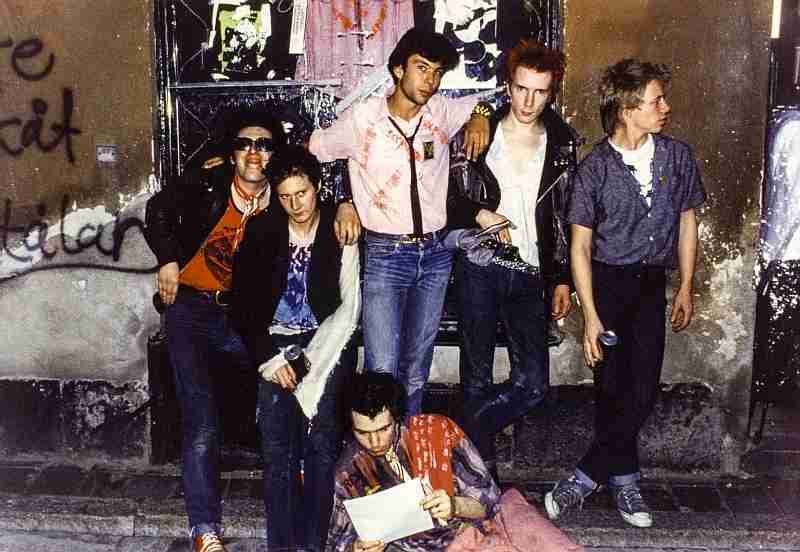
Visits and Tours: Experiencing the East Village Punk Rock History Today
If you’re ready to dive into the vibrant world of punk rock history in the East Village, you’re in for an unforgettable experience. This iconic neighborhood in Manhattan has long been a haven for creative souls, rebellious spirits, and legendary musicians. Exploring the East Village’s punk rock roots allows you to connect with the gritty yet rich tapestry of culture that defined an era.
Walking through the streets of the East Village, you can feel the echoes of past performances and gatherings. The area is dotted with landmarks that remind you of punk’s explosive growth during the late ’70s and ’80s. Here’s a guide to help you experience this vivid history today.
Punk Rock Landmarks
- C.B.G.B. – Although the original venue has closed, its spirit lives on. Located on Bowery Street, this legendary club was a launching pad for countless bands, including The Ramones and Blondie. The site is often visited by punk enthusiasts who stop for a quick photo outside its famed façade.
- The Bowery – Historically home to musicians and artists, this street has hosted many iconic punk establishments. Look out for graffiti and murals that homage to punk rock’s heritage.
- McGinty’s – Once known as a hot spot for underground performances, visiting this bar offers a nostalgic feel for what the punk scene once was.
Familiarizing yourself with these hotspots lays the groundwork for understanding punk music’s history in the East Village. Each location tells a story and represents the anti-establishment spirit that defined an entire generation.
Guided Tours
To immerse yourself in this culture, consider joining a guided tour focusing on the East Village’s punk rock history. Many local companies offer rich narratives and insights as you stroll through historical sites.
- East Village Punk Rock History Tour: This popular walking tour takes you through the heart of punk rock’s development. Participants can hear firsthand accounts from guides and often get the chance to visit hidden gems that may not be on the average tourist’s radar. Check it out here.
- Rock and Roll Walking Tour: Experience the East Village through the eyes of seasoned musicians. This tour combines live music with stories of legendary bands and their impact on the scene. Visit this website for more info.
Events and Workshops
Engaging with the local punk scene doesn’t stop at tours. Many venues and cultural centers host events throughout the year, from live music to photography exhibitions showcasing punk history.
| Event | Date | Location |
|---|---|---|
| Punk Rock Karaoke | Every Friday | Bowery Electric |
| Punk Art Exhibition | Monthly | East Village Arts Center |
| Live Local Punk Festival | Every Summer | Tompkins Square Park |
These events are excellent opportunities to meet fellow punk enthusiasts and immerse yourself in the community that keeps the spirit alive. Whether you’re a music fan or looking to learn more about its impact, participating in these gatherings adds depth to your understanding of punk rock culture.
Planning Your Visit
Timing your visit can maximize your experience of the East Village’s punk rock legacy. Check local listings for shows, art exhibits, or special events happening during your trip. Carrying a map can simplify your tour as you hop from one iconic location to the next.
Don’t forget to bring your camera! You’ll want to capture the vibrant street art and murals that pay tribute to punk icons. Sampling local eateries while you explore can also add flavor to your adventure, as many of these spots are filled with the same electrifying atmosphere that fueled a generation.
Exploring the East Village isn’t just about visiting historical sites but immersing yourself in a cultural movement that changed music forever. So lace up your sneakers, grab a friend, and get ready to walk the streets where the beat goes on!
Key Takeaway:
The East Village of Manhattan stands as a vibrant testament to the legacy of punk rock, a genre that blossomed in the 1970s and 1980s against the backdrop of urban decay and social upheaval. “The Beat Goes On: East Village Punk Rock History Tour” offers an immersive dive into this iconic movement that not only shaped music but also influenced culture and community.
One of the key takeaways from exploring the legacy of punk rock in the East Village is understanding how significant venues became a breeding ground for this rebellious art form. Locations like CBGB, The Pyramid Club, and Max’s Kansas City were crucial to the punk scene, hosting performances that defined a generation. These venues didn’t just serve as stages; they were spaces where musicians and fans connected, creating an atmosphere of raw energy and unfiltered expression.
Moreover, the article highlights the iconic bands that emerged from the East Village, such as The Ramones, Blondie, and Talking Heads. Their contributions not only changed the sound of music but also redefined what it meant to be an artist during that era. Their influences continue to resonate, inspiring new generations of musicians who pay homage to their groundbreaking sound while pushing the boundaries of music forward.
As the East Village evolves, the physical and social changes within the punk community are noteworthy. Gentrification has altered the landscape, but the spirit of punk remains alive. Today, the punk community adapts, embracing new challenges and redefining what it means to be part of the movement. Engagement through organized tours offers a chance to appreciate this rich history firsthand, providing insight into both the struggles and triumphs of the punk rock scene.
Ultimately, “The Beat Goes On: East Village Punk Rock History Tour” serves as a reminder of the power of music as a tool for change and expression. Whether you’re a lifelong punk aficionado or a curious newcomer, exploring this tour enriches your understanding of East Village’s pivotal role in the punk rock narrative, ensuring the beat goes on for many generations to come.
The Beat Goes On: East Village Punk Rock History Tour
Conclusion
The vibrant legacy of punk rock in the East Village continues to pulse through the streets, echoing the energy of a movement that reshaped music and culture. From legendary venues like CBGB and Max’s Kansas City to the intimate corners where countless iconic bands played, every brick and wall holds a story worth telling. You’ll hear the sounds of the Ramones, Blondie, and Talking Heads, each leaving an indelible mark on the East Village and the global stage.
Spirit of Punk
As the years passed, the East Village underwent significant physical and social transformations, yet the spirit of punk remained resilient. The sense of community forged by passionate fans and musicians is still alive today, reminding us of the roots that inspire artists and enthusiasts alike. Exploring this rich history allows you to connect with the pulse of a movement that champions individuality, creativity, and rebellion.
East Village Punk Scene
If you are eager to dive deeper into this unique culture, consider joining one of the immersive tours that guide you through the heart of the East Village punk scene. These experiences can connect you to the vibrant past while helping you appreciate the neighborhood’s evolution. You’ll leave these tours with a greater understanding of punk rock’s history and a sense of belonging to a community that celebrates self-expression and artistic freedom. The beat indeed goes on, inviting everyone to participate in its story.
If you enjoyed this article, check out our reviews of other local events and venues, such as Eric Clapton performs Layla in 2017, Yachtly Crew, Opera in the Garden by ON SITE OPERA, Norm Lewis at 54 Below, Tony Danza, Meg Okura at the Met Museum, Laura Benanti at the Minetta Lane Theater, Brazilian Jazz at Le Bab Ilo in Paris, and Marilyn Maye birthday celebration at 54 Below.