


Social Media and Emerging Jazz Careers: Artists To Follow
Jazz is constantly transforming, characterized by its dynamic sounds and innovative styles. Today, social media assumes a pivotal role in shaping the trajectories of emerging jazz artists. Platforms such as Instagram, Facebook, and Twitter provide distinctive opportunities for musicians to engage with fans, connect with industry influencers, and exhibit their talents. Examining the ramifications of these platforms can enhance your understanding of the contemporary jazz talent you should be following right now. Get ready for Social Media and Emerging Jazz Careers: Artists To Follow.
Social media acts as a digital stage for jazz artists. Unlike traditional avenues that frequently entail protracted processes to gain recognition, today’s musicians can promptly share their artistry with an international audience. This immediacy fosters a fan base at a much quicker pace and permits artists to interact directly with their admirers. However, there are numerous ways in which social media has reshaped the jazz landscape.
Creative Showcasing
Musicians can engage directly with their fans through various means, such as comments, live streams, and direct messages. This intimacy fosters a loyal following; however, the impact of such communication is profound. Creative showcasing emerges as a critical aspect: platforms like Instagram and TikTok allow artists to post short video clips of performances or jam sessions. Fans receive a taste of their style and energy, which is crucial for building engagement.
Networking opportunities are abundant; social media enables emerging artists to connect with seasoned players, producers, and influencers. This facilitates collaboration and mentorship, although it can be daunting. Real-time feedback is essential because artists can gauge audience reactions and tweak their sounds or marketing strategies accordingly. This adaptability helps them thrive in a competitive environment, but the pressure can also be overwhelming.
Empower Artists – Social Media and Emerging Jazz Careers: Artists To Follow
These features empower artists to become their promoters. Instead of relying solely on record labels or traditional media reviews, emerging musicians can curate their image and narrative. They have control over how and when to engage with their audience—fostering a dynamic relationship with listeners.
From a listener’s perspective, social media makes discovering new talent exciting; however, you can explore a rich tapestry of jazz (ranging) from traditional sounds to modern blends that challenge the genre. Although there are so many artists to follow, who truly stand out in the digital realm right now? Here’s a look at some emerging jazz artists who are making waves on social media:
| Artist Name | Genre | Platform | Followers |
|---|---|---|---|
| Samara Joy | Vocal Jazz | 30K+ | |
| Chief Christian Scott a Tunde Adjuah | Contemporary Jazz | 25K+ | |
| Esperanza Spalding | Jazz Fusion | 300K+ | |
| Butcher Brown | Jazz Funk | TikTok | 50K+ |
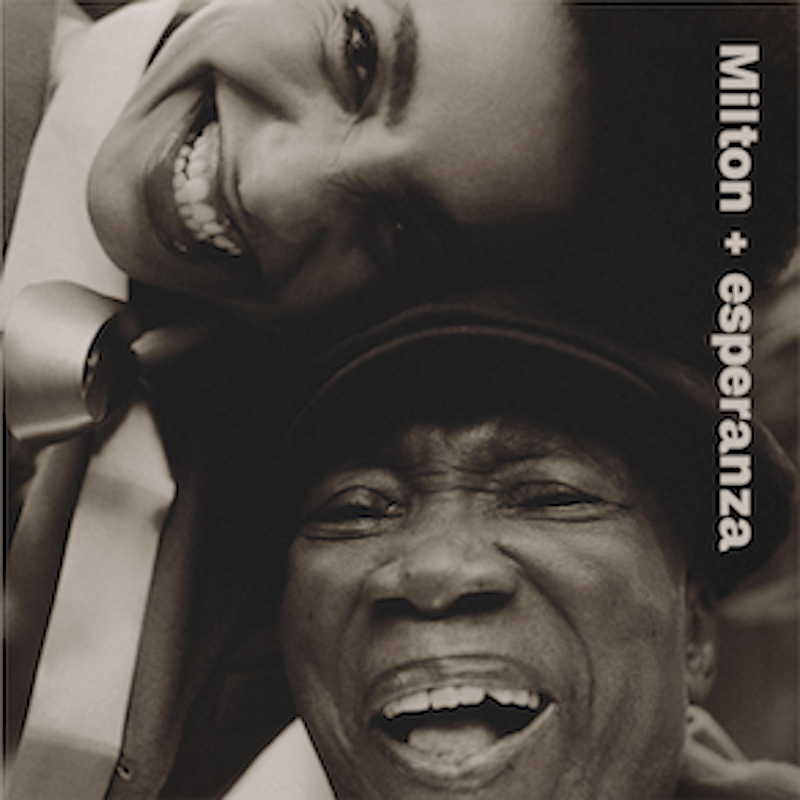
Engaging with artists such as Samara Joy(who offers a fresh perspective on vocal jazz is essential; Chief Christian Scott a Tunde Adjuah, melds traditional sounds with a contemporary flair. Esperanza Spalding—already well-established—provides educational content and personal reflections, thus enhancing her connection with her audience. However, Butcher Brown’s playful approach to TikTok infuses a fun twist into jazz, appealing to younger listeners and broadening the genre’s reach.
As one explores the influence of social media on these jazz careers, it becomes essential to add these creators to playlists and followings. Engaging with their content, attending live streams, and supporting their musical journeys is critical. New sounds will be discovered, and you will also become part of their growth, witnessing the rise of the next generation of jazz musicians. This is a unique opportunity; although it may seem daunting, the rewards are significant.
The narrative of jazz in its current form is being rewritten before our eyes, with social media acting as a driving force for emerging artists. As listeners, how you engage with these platforms shapes your experience and exposes you to talent you may not have encountered otherwise. Therefore, dive in, follow your favorite up-and-coming jazz artists, and relish the ride of discovering innovative sounds directly inspired by the digital age.
Digital Landscape for Social Media and Emerging Jazz Careers: Artists To Follow
In today’s digital landscape, social media platforms reshape how artists connect with their audiences. These platforms offer jazz musicians unique opportunities to promote music, engage with fans, and carve out their niche in a competitive industry. With the rise of social media, the traditional model of music promotion has evolved, making it easier for emerging jazz artists to establish their presence.
Social media platforms like Instagram, Twitter, Facebook, and TikTok are not merely tools for communication; they serve as powerful promotional vehicles that jazz artists can leverage for various purposes. However, many artists must navigate the complexities of these platforms because the landscape is constantly changing. Although it may seem daunting, the possibilities for connection and creativity are endless.
Artists can engage directly with their fans—fostering a sense of community that thrives on comments, shares, and likes. This two-way communication enhances loyalty and encourages word-of-mouth promotion, which is vital. Musicians, for instance, can share snippets of performances or even behind-the-scenes content and live streams. This provides real-time access to creative processes, building anticipation around upcoming releases. However, social media enables artists to identify and reach specific demographics, allowing them to tailor their promotional campaigns effectively. Jazz musicians, for example, can attract audiences that genuinely appreciate their style. Although challenges exist, the potential for connection remains significant.
Emerging Artists to Follow on Social Media -Social Media and Emerging Jazz Careers: Artists To Follow
Several jazz musicians have harnessed social media to boost their careers. Here are a few noteworthy examples. However, the impact of these platforms is profound. Although many artists struggle to gain traction, others flourish because they adapt their styles to the digital landscape. This phenomenon reshapes how audiences engage with music and challenges traditional notions of success. But not every artist finds the same level of recognition, which raises questions about visibility and access. Social media’s evolving nature presents opportunities and obstacles for emerging talent.
| Artist Name | Platform | Followers | Notable Work |
|---|---|---|---|
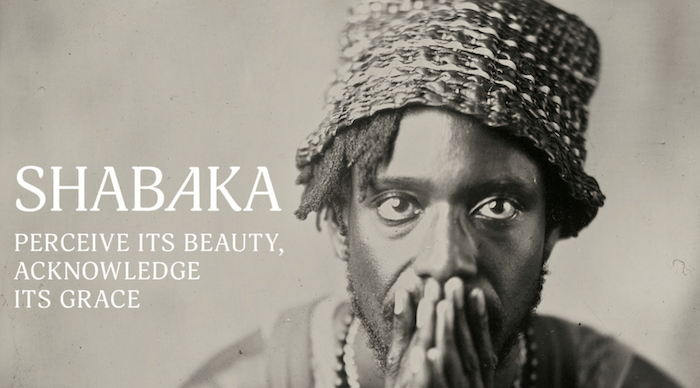
| Shabaka Hutchings | 25K | “Your Queen Is A Reptile” | |
| Esperanza Spalding | 30K | “12 Little Spells” | |
| Sarah Elizabeth Charles | 10K | “Free of Form” |
Strategies for Successful Promotion
Emerging jazz artists can implement several strategies to utilize social media for effective promotion. However, they must remain authentic and engage with their audience because genuine connections foster loyalty. Although self-promotion is essential, artists should also share content that resonates with their followers. This approach attracts new fans and cultivates a community around their music.
Visual Storytelling: High-quality visuals such as performance clips, rehearsal photos, and 1nfo_graphics about music theory can captivate the audience. Collaborations: Partnering with other artists and influencers can expand reach; however, collaborative posts often introduce artists to new followers. Regular Updates: Keeping followers informed about upcoming performances, new music releases, or events revitalizes interest and builds excitement.
Impact on Live Performances
Social media has transformed the landscape of live jazz performances. Artists frequently share concert dates and live-stream events; this allows for broader audience participation. However, some may argue that the essence of live music is diminished (because) of digital engagement. Nevertheless, the connection between artists and fans can be enhanced.
Geographical Reach: Artists can attract audiences from various locations by sharing content across platforms—reaching fans who may not attend live shows; however, this can expand their reach significantly.
Feedback Loop: Instant feedback from fans during and after performances helps artists refine their craft, although it also requires adjusting to audience preferences. This dynamic interaction is crucial because it fosters growth in an ever-evolving artistic landscape.
Challenges to Navigate
Although social media presents numerous advantages, it also poses significant challenges; however, this duality is often overlooked. Many users engage with platforms to seek connection, but the potential pitfalls cannot be ignored. This complexity arises from the rapid evolution of technology, which further complicates the landscape, making it essential to carefully navigate both benefits and drawbacks.
Saturation: In a landscape of numerous artists competing for attention, emerging jazz musicians must discover ways to distinguish themselves in a crowded space. Quality Control: Maintaining a consistent brand voice and aesthetic can be daunting; artists juggle various platforms and content types; however, this challenge is crucial. Although it may seem overwhelming, navigating these complexities effectively is essential.
Emerging Jazz Careers
Social media’s impact on emerging jazz careers is profound. By strategically utilizing these platforms, artists can elevate their visibility, engage with fans, and create lasting connections. As the music industry continues to evolve, social media will undoubtedly play a key role in shaping the future of jazz.
Engaging audiences: the role of live performances broadcast online is crucial. Live performances have long been a powerful tool for artists to connect with their audiences. In recent years, the rise of digital platforms has transformed how these performances are broadcast, allowing musicians to reach fans worldwide. This shift has created new opportunities for engagement and interaction, making online live performances an essential part of an artist’s strategy. However, some artists may struggle to find their place in this changing landscape without adaptation.
With the ability to stream performances in real-time, artists can now perform from anywhere: a cozy studio, a vibrant venue, or even their living rooms. This flexibility allows them to maintain a presence despite physical limitations and travel restrictions. Furthermore, live broadcasts can enhance the emotional connection between artists and fans; this often allows a more profound, authentic experience. However, it is essential to consider the challenges of this new medium because not all artists are equipped to handle the technical demands. Although many embrace the opportunities, there are still those who struggle. But, in an increasingly digital landscape, adapting seems essential.
Benefits of Online Live Performances – Social Media and Emerging Jazz Careers: Artists To Follow
Global Reach: Artists can engage with fans internationally without touring; however, the connection may feel less personal. Interactive Experience: Audiences can participate in real-time through comments, reactions, and even Q&A sessions, but this interaction lacks the immediacy of face-to-face engagement. Promotional Opportunities: Live broadcasts can be an effective marketing tool for new releases, merchandise, and upcoming events, although they may not reach everyone. Accessibility: Fans unable to attend live shows in person can enjoy performances from the comfort of their homes. This opens up possibilities for a broader audience, yet it may diminish the thrill of experiencing a concert live.
One of the most captivating facets of live online performances is the opportunity for real-time interaction. Viewers can comment and send messages during the show, making it feel more like an intimate concert than a distant viewing experience. Many artists are now making it a point to engage with comments during performances, which fosters a sense of community among fans; however, this engagement can vary widely. Various platforms have emerged to facilitate live streaming, each offering unique features that cater to different audiences: some prioritize high-quality visuals, while others emphasize interactivity. Although each platform has strengths, users often choose based on personal preferences because the experience can differ significantly.
Simplicity is Key
Mobile-friendly in design, connection to stories: casual interactions; however, this enhances user engagement. Although some may argue that simplicity is vital, others believe integrating more complex features is essential for success. Because of this, balancing functionality with ease of use becomes critical. Users often prefer a seamless experience, but they also yearn for depth in content, thus creating a dichotomy that developers must navigate.
| Platform | Features |
|---|---|
| Twitch | However, live interactions, chat features, and user-generated content are essential for modern communication. Although these elements enhance engagement, they also present challenges. Users can express themselves more freely, but moderation becomes crucial because of potential misuse. Therefore, the balance between creativity and control is vital, as it shapes the online experience significantly. |
| Facebook Live | With extensive reach, integrating social media platforms is beneficial; immediate feedback is crucial. However, this can pose challenges for some users because they may be unprepared for such rapid responses. Although it offers advantages, it also demands a certain level of adaptability from the individuals involved. This dynamic nature of interactions makes it imperative for users to understand the implications. |
| YouTube Live | Establishing an audience (which is crucial) involves video archives (often overlooked) and various monetization options; however, success hinges on engagement. This process can be challenging, but it is essential to curate content effectively. Although many creators struggle, they must adapt to the evolving landscape because opportunities are abundant. |
| Instagram Live |
Choosing the right platform is vital for artists looking to engage with their audiences effectively. Some platforms, such as Twitch, are built for interaction and community; others, like YouTube, focus more on content longevity. Understanding where your audience spends their time will help you maximize engagement because this can lead to increased visibility and connection. However, it is crucial to consider the unique features of each platform.
Challenges Musicians Face
Although numerous advantages exist in broadcasting performances online, musicians must also confront various challenges. This is because the digital landscape can be unpredictable and requires adaptability. For instance, the need for reliable technology is paramount; without it, performances may fall short of expectations. But, navigating these hurdles can lead to greater exposure and opportunities. Therefore, while the benefits are evident, the road has obstacles.
- Technical Issues: Connectivity problems that can arise unexpectedly may disrupt the flow of live performances, frustrating artists and audiences alike.
- Monetization: Finding ways to earn revenue through streaming can be complex. However, various models, such as ticket sales or donations, must be considered.
- Engagement Fatigue: Although many artists are turning to online performances, standing out presents a challenge for individual artists because the competition is fierce.
Artists can confront these challenges by focusing on high-quality production and engaging content. Good sound and video quality enhance viewer experience and reflect professionalism, attracting more audiences. Moreover, engaging storytelling or unique themes can keep viewers interested—this is crucial because it encourages them to return for more. Although the task may seem daunting, diligent effort can yield substantial rewards.
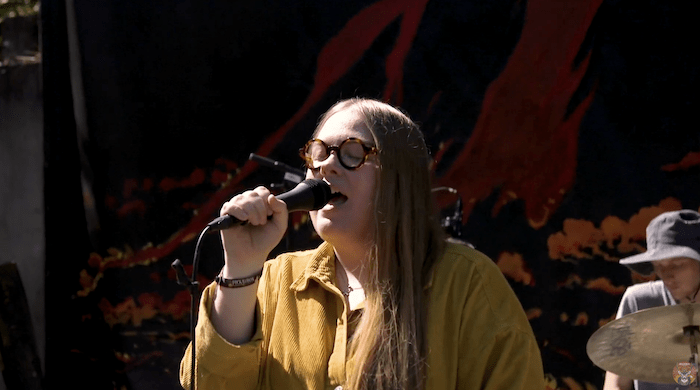
Ultimately, live performances broadcasted online (and across various platforms) are reshaping the music industry’s landscape. They provide new ways for artists to connect with fans, promoting intimacy and engagement like never before. Technology continues to evolve; the potential for creative expression and community building will only grow, making it essential for artists to embrace this medium.
Building Authentic Connections: Jazz Artists and Fans in the Digital Age
In today’s digital landscape, jazz artists have discovered many new and exciting ways to connect with their fans. Advancements in technology and the rise of social media platforms have revolutionized how musicians and audiences interact. This transformation has fostered authentic connections that go beyond traditional music venues. Here, we explore how digital platforms shape relationships between jazz artists and their fans, bringing creativity and engagement to new levels. However, challenges remain, but the opportunities are vast.
This digital age allows jazz musicians to showcase their unique styles and talents directly. Artists can share snippets of their music—behind-the-scenes content and personal stories that resonate with listeners. Social media platforms such as Instagram, Facebook, and TikTok have become integral tools for artists to share their journeys; however, by using these platforms, artists are not just promoting their music. They are creating a narrative that fans can feel a part of. Although this offers exciting opportunities, it also presents challenges because maintaining authenticity is crucial. But, artists must navigate this landscape carefully, ensuring they remain true to themselves.
The Role of Social Media
Social media has indeed redefined how jazz musicians engage with their fanbase. The immediacy of platforms allows for real-time interactions, enabling fans to connect with artists in previously unimaginable ways. However, it also presents challenges. Although many artists appreciate this direct connection, some may feel overwhelmed by the constant engagement. Because of this, finding balance becomes essential. The landscape of music has shifted dramatically in recent years, and artists must adapt to thrive.
- Real-time Updates: Artists can share news about upcoming shows, new releases, and personal milestones instantly; however, the impact of these updates is often underestimated.
- Direct Interaction: Fans can ask questions, express their thoughts, and receive quick responses from their favorite musicians. This creates a unique connection. Although some may feel intimidated, this interaction fosters a sense of community.
- Accessibility: Musicians can share their work with audiences globally, breaking geographic barriers that once confined them to local venues. Because of this expanded reach, they face new challenges in maintaining authenticity.
Building Community
Jazz is frequently regarded as a community-centered genre. The digital age has amplified this sense of community among jazz lovers; artists and fans can now participate in one another’s lives, fostering personal and intimate relationships. However, this connectivity is not without its challenges. Although many celebrate these bonds, some argue that the essence of the music can be diluted. Because of this, a balance must be struck between personal engagement and artistic integrity.
- Live Streaming: Platforms such as Instagram Live and Facebook Live enable artists to perform for fans in real-time, fostering a shared experience regardless of location.
- Fan Engagement: Jazz musicians frequently engage with their audience through polls, Q&A sessions, and even storytelling, thus creating a two-way conversation.
- Collaborative Projects: Digital connectivity allows artists worldwide to collaborate on projects that fans may follow from conception to completion; however, this can be challenging at times (because) of time zones and schedules.
Spotlighting Talent
Emerging (artists) can leverage social media to showcase their work to wider audiences. Platforms such as YouTube and TikTok have provided a voice to numerous talented musicians who may have been overlooked in traditional settings. Below (is) a selection of emerging jazz artists making waves in the digital world; however, their impact extends beyond mere numbers. Although some may argue that these platforms dilute artistry, this phenomenon has undeniably created new opportunities because it allows for a broader reach.
| Artist | Platform | Notable Work |
|---|---|---|
| Emma-Jean Thackray | “Rainbow Dancer” | |
| Josh Lawrence | YouTube | “The 4th Dimension” |
| Sophie Fatu | TikTok | “Someone Like You” Cover |
These artists are gaining recognition through their talent and engaging with fans on social media. This connection enables fans to feel invested in artists’ journeys, providing a platform for feedback and appreciation. Although this interaction is beneficial, it can also lead to complications. Fans, therefore, may develop unrealistic expectations, but this is part of the modern landscape of artistry.
Challenges in the Digital Space
Building connections through digital platforms, while advantageous, presents numerous challenges. Artists must navigate noise and competition on social media and maintain authenticity; this is no easy feat. Striking the right balance between self-promotion and genuine interaction is tricky, however. Fans similarly have to discern between authentic voices and those merely chasing trends, which can lead to disillusionment.
Moreover, technical issues or social media algorithms sometimes affect how and when content is shared, making visibility inconsistent. Despite these challenges, many artists are finding ways to adapt and thrive in the digital environment because they recognize the importance of evolving with their audience.
Ultimately, the digital landscape has opened up various possibilities for jazz artists—enabling them to connect authentically with their fans. By embracing social media and interactive platforms, they create a prosperous community that celebrates jazz in all its forms. As this evolution continues, it’s worth following the emerging artists harnessing these tools to redefine what it means to be part of the jazz world. Keep an eye on dynamic changes within this genre, as it beautifully intertwines with the digital age, forming authentic, profound, and lasting connections.
The Future of Jazz: Trends Influenced by Social Media Dynamics
The world of jazz is vibrant and ever-evolving. One major force driving its future is social media. On platforms like Instagram, TikTok, Facebook, and Twitter, artists can reach audiences like never before. This helps them showcase their talent and shapes how jazz is perceived and enjoyed globally. However, because of these changes, traditional boundaries are blurred, and jazz’s essence constantly transforms.
Social media, a powerful tool, offers emerging jazz musicians a pivotal platform to connect directly with their audience. By sharing snippets of their performances, behind-the-scenes processes, and personal stories, these artists can (indeed) create a more intimate relationship with their followers. This engagement often leads to dedicated fan bases crucial for any artist’s growth but also presents challenges.
Collaborative Projects
One clear trend today is the rise of collaborative projects. Musicians can now easily connect with fellow artists around the globe. This collaboration can lead to innovative sounds and genre-blending, creating a unique jazz experience that attracts diverse audiences. Although social media facilitates these partnerships, the process can be complex and demanding. Because of this, artists must navigate various dynamics to forge successful collaborations.
- Virtual Jam Sessions: Artists who can join forces online, performing together in real-time despite being hundreds or thousands of miles apart. However, this creates a unique experience that transcends physical boundaries.
- Collaborative Releases: Musicians can co-write and produce tracks, allowing them to reach each other’s audiences effectively. Although challenges arise, the benefits are substantial.
- Genre Fusion: Exposure to the various musical styles on these platforms leads to blending jazz with other genres; this attracts new listeners and expands their music appreciation.
Another significant shift influenced by social media is the democratization of music sharing. Previously, gaining recognition often required connections with record labels or music producers. However, platforms like YouTube and Spotify enable artists to release music independently. This independence gives musicians more creative control and the ability to directly analyze what resonates with their audience. Emerging artists now use social media for promotion, often finding success through grassroots strategies, although it can be challenging. Because of this, many artists are developing unique approaches to engaging their fans.
Engaging content: Posting regular updates, performances, and interactive content like Q&As can increase audience engagement. Many artists host real-time performances on platforms such as Instagram Live, which allows fans to participate in the experience. However, by participating in trending challenges, artists gain visibility and relevance among a wider audience because they tap into current interests. Although the landscape is ever-changing, this connection can be crucial for success.
Another thrilling trend indeed is the integration of technology in live performances. Artists are now embracing virtual and augmented reality experiences; this allows them to craft immersive environments for their fans. This tech-savvy approach can transform traditional jazz concerts into unforgettable experiences. However, the ease of sharing music videos and clips on platforms like TikTok has led to a resurgence of interest in jazz among younger generations. Catchy hooks, unique beats, and creative visuals can quickly and almost effortlessly go viral, creating buzz around emerging artists. Understanding how to utilize these platforms effectively is essential for any up-and-coming musician.
Expanding the Reach
Social media empowers artists and assists listeners in discovering new talent. Spotify’s algorithm, frequently influenced by social media activity, curates playlists based on user preferences. Fans are more likely to save and share tracks that resonate with them, thus expanding the reach of jazz artists even further.
Visual storytelling in various formats, such as posts and stories, serves a significant purpose. Sharing rehearsal videos or perhaps behind-the-scenes clips can enhance engagement; however, the effectiveness of this strategy varies. Because different audiences respond uniquely, it is crucial to tailor content. Although some may find value in these glimpses, others may not be as captivated. This variability underscores the importance of understanding one’s audience and adapting accordingly. The capacity (or ability) to generate viral music trends is significant; achieving this requires a unique riff or perhaps an innovative arrangement that captivates listeners and inspires a dance challenge. Although trends may emerge quickly, sustaining their popularity is often a challenge because of the ever-changing landscape of social media. This dynamic environment demands creativity, persistence, and a keen understanding of audience preferences; thus, artists must adapt rapidly.
Platforms
| Platform | Benefit for Artists | Example |
|---|---|---|
| TikTok | ||
| Engaging with local (and diverse) event audiences is crucial. | Establishing event pages for (various) performances is essential; however, this requires careful attention to detail. Although the process may seem straightforward, it can be complex because each audience has unique preferences. Nevertheless, the rewards of effective engagement are significant. | |
| YouTube | Releasing music videos and vlogs. | Behind the scenes (tours) of recording sessions: an intriguing glimpse into the creative process. These experiences can be pretty enlightening, but they also reveal the complexities of artistry. Although many are drawn to the allure of the studio, this environment demands focus and collaboration. Because of this, participants often witness the magic unfold, yet they may not fully grasp the nuances involved. |
Jazz is evolving excitingly and has been significantly influenced by social media dynamics. From enhancing artist-audience connections to promoting genre-blending collaborations, the future of jazz looks bright. As artists embrace these trends, they pave the way for an innovative and engaging musical landscape full of possibilities. With new talent emerging through social platforms daily, seeing how they further shape the genre as we advance will be exciting.
Social Media and Emerging Jazz Careers: Artists To Follow
Key Takeaway
In today’s music landscape, social media plays a pivotal role in shaping the careers of emerging jazz artists. The impact of platforms like Instagram, Facebook, and TikTok cannot be understated; they have transformed how jazz music is promoted and perceived. Artists now have the tools to reach global audiences instantly, allowing them to showcase their talent without relying solely on traditional music industry gatekeepers. By leveraging these platforms, emerging jazz musicians can connect with fans, share their work, and build strong personal brands. However, this transformation is not without its challenges (because) artists must navigate a complex landscape of engagement and visibility. Although many embrace this new era, some may feel overwhelmed by the rapid pace of change.
Live performances have always been the cornerstone of jazz; however, social media has revolutionized how these events are experienced. Artists can broadcast their performances online, allowing fans worldwide to engage with live shows. This expands their audience and creates a sense of community, as fans can interact in real time, sharing their experiences and thoughts on the performance. Connecting virtually helps lower barriers for those who might not have access to live jazz experiences, fostering a newfound appreciation for the genre.
Moreover, social media enables jazz artists to develop authentic relationships with their audiences. In the digital age, direct interaction is crucial. Musicians who take the time to respond to comments, share behind-the-scenes content, and engage with their fans foster a deeper connection. This relationship-building can lead to loyal followers, essential for a sustainable music career. Although these connections grow, so does the potential for collaboration, support, and creativity within the jazz community.
Future of Jazz
Looking ahead to the future of jazz, it seems bright, influenced heavily by social media trends. Emerging jazz musicians are finding innovative ways to blend genres, explore new sounds (and reach audiences) in ways that resonate with today’s fast-paced digital world. As aspiring artists gain more visibility, they have the opportunity to reshape the jazz scene, leaning into diverse influences that social media promotes. Social media is not just a promotion tool but a game-changer for emerging jazz artists looking to thrive in an evolving musical landscape.
As we navigate the evolving landscape of jazz music, it’s clear that social media plays a pivotal role in shaping the careers of emerging artists. From Twitter to Instagram and TikTok, platforms have transformed how jazz musicians promote their work, sharing unique sounds and stories with a global audience. These tools not only help artists reach new fans (but also allow them to engage directly with audiences) through live performances broadcast online, creating a more immersive experience for everyone involved.
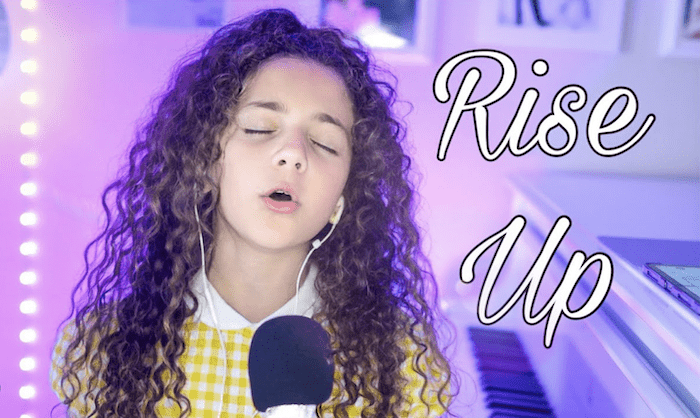
The link (or connection) between jazz musicians and their fans has deepened significantly in the digital age; followers are no longer passive consumers. Instead, they have become active participants in artists’ journeys. By sharing insights, personal stories, and behind-the-scenes content (because of this), musicians cultivate authentic relationships that foster community and loyalty. This sense of connection is invaluable— it cultivates a supportive network that can propel a musician’s career forward.
Ever-Changing Dynamics
Looking ahead, the future of jazz is undoubtedly intertwined with the ever-changing dynamics of social media; trends like collaborative projects, virtual festivals, and innovative content creation are likely to define the next wave of jazz talent. Artists who embrace these changes and remain adaptable will survive and thrive in this new digital landscape. However, some may struggle to navigate these complexities, although they must adapt to succeed.
In this thrilling era, discovering emerging jazz artists has never been simpler. Social media is a powerful tool; it helps elevate new voices and breathe fresh life into the storied genre. As you explore the world of jazz, keep an eye on musicians harnessing the power of social media. These artists are not just shaping their careers; they are redefining jazz for future generations, although some may resist change. Because the landscape is evolving, this transformation is essential.
Readers may also enjoy our reviews of Hays Street Hart at Smoke Jazz, Conrad Herwig and the Latin Side All Stars at Django, Mark Arthur Miller, Michael Davis Hip-Bone Big Band, Marshall Gilkes Presents: Psychic Journey, and Bill Charlap at Birdland.