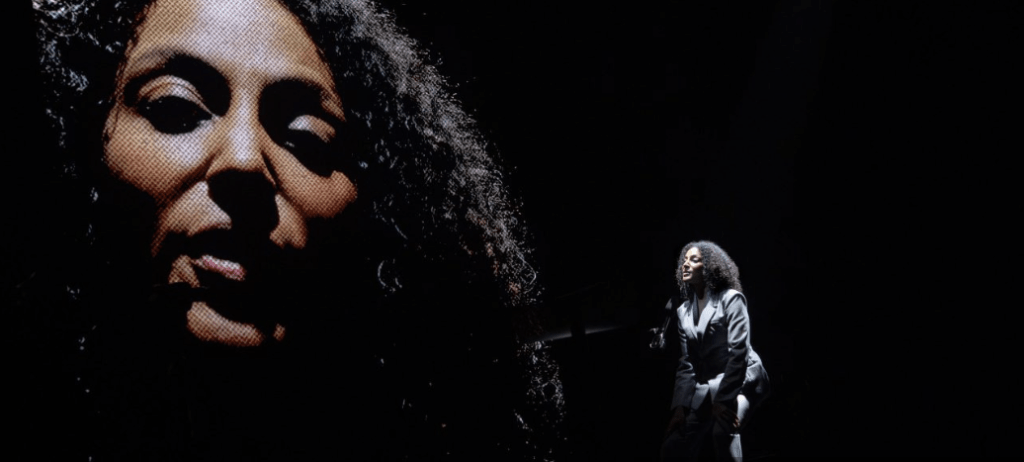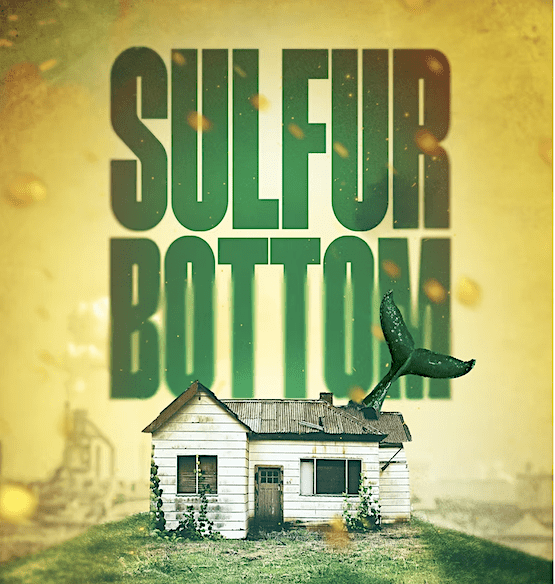

Sulfur Bottom is a masterwork of memory and ecological conscience. In the hallowed tradition of dramatists who dare to excavate the buried truths of our industrial age, Rishi Varma’s “Sulfur Bottom” emerges as a profound theatrical achievement on its opening night. This extraordinary production at the Jerry Orbach Theater’s intimate black box space transcends conventional narrative boundaries to deliver secrets that can only be fully understood by witnessing their revelation in person—mysteries that transform before your eyes, temporal riddles that will leave you questioning the nature of memory itself, and a devastating exploration of environmental injustice wrapped in the tender gauze of familial love.
The Architecture of Intimacy and Devastation
The Jerry Orbach Theater’s black box configuration proves ideally suited to this work’s requirements, creating an atmosphere of conspiratorial intimacy between audience and performers. Daniel Prosky’s scenic design—a modest living room with its small dining table—achieves that rarest of theatrical accomplishments: the transformation of simplicity into profound metaphor. The house itself becomes a character, its walls bearing witness to decades of industrial encroachment and family dreams deferred.

From the moment the audience settles into their seats, they bask in an auditory landscape that immediately establishes the production’s emotional geography. The pre-show soundscape, featuring Khruangbin and Leon Bridges’ “Texas Sun,” creates an aching nostalgia for pastoral American life—”You say you like the wind blowing through your hair / Come on, roll with me ’til the sun goes down”—before the harsh realities of industrial capitalism intrude upon this reverie.
Sound as Storytelling: The Invisible Architecture of Emotion
Sid Diamond’s sound design deserves commendation for its atmospheric sophistication. The carefully orchestrated progression from gentle guitar strumming to ominous industrial tones creates an auditory journey that mirrors the family’s descent from hope to desperation. When water flows and babies cry in the darkness, when silence is punctuated only by the eternal chorus of crickets, we feel the weight of time itself pressing upon these characters.
Performances That Pierce the Soul
The Mystery of Recurring Faces
In a stroke of theatrical genius, Varma has crafted roles blurring the boundaries between character and archetype, individual and symbol. The same actors who embody the human family members also transform into the creatures that haunt their world—but how and why these metamorphoses occur forms one of the play’s most closely guarded secrets. To witness Sir Cavin’s actor undergo a transformation that defies rational explanation, or to see the connection between Winter and the deer reveal itself in a moment of shocking recognition, is to experience theater at its most mysteriously powerful.
Kendyl Grace Davis: The Heart of Tragic Resilience
In the central role of Fran, Kendyl Grace Davis delivers a performance of such emotional authenticity that one forgets entirely the artifice of theater. Her portrayal spans decades, capturing both the wide-eyed optimism of youth and the desperate pragmatism of motherhood under siege. Davis navigates the play’s complex temporal structure with remarkable grace, making each iteration of Fran feel both continuous and distinct.

Kevin Richard Best: The Patriarch’s Burden
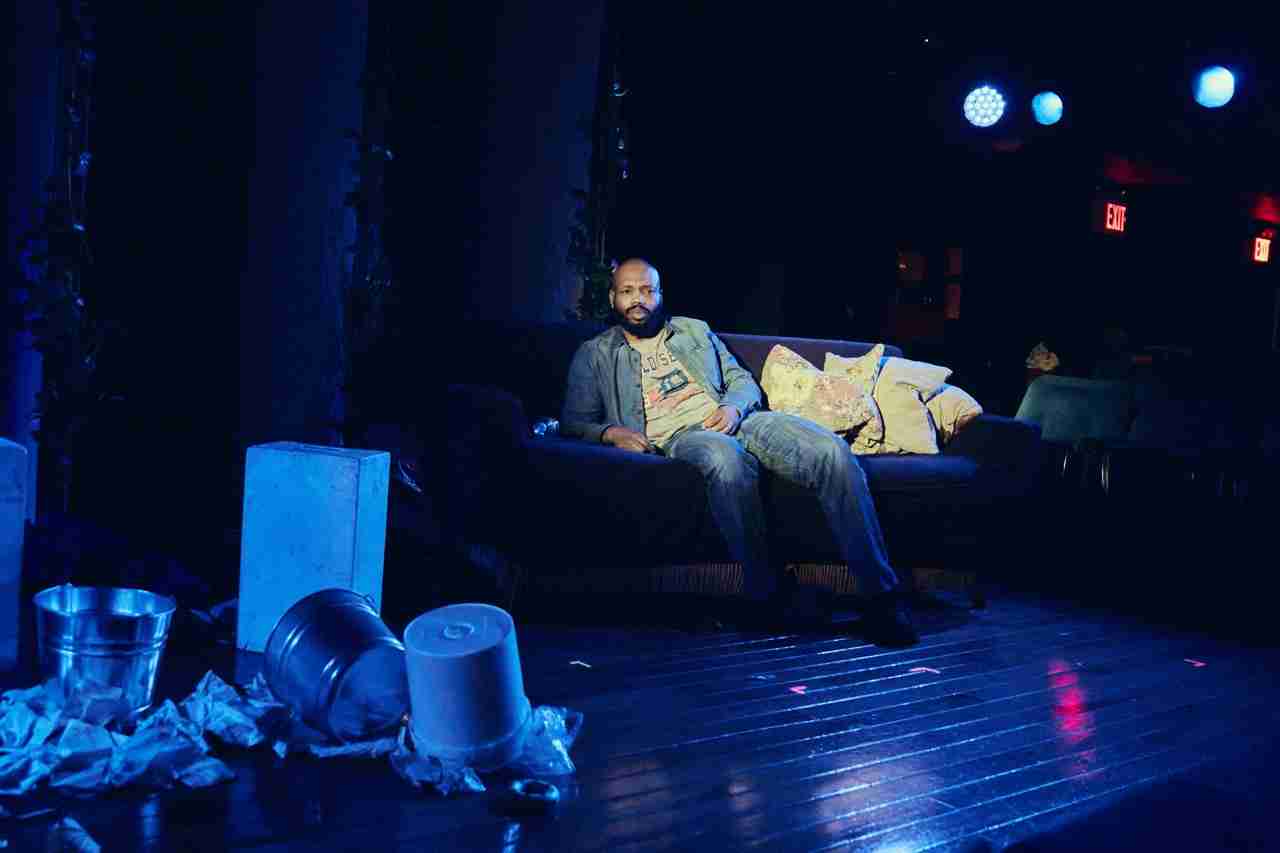
Kevin Richard Best’s Sir Cavin embodies the tragic figure of the working-class patriarch whose pride becomes a poison to his family. Best manages the remarkable feat of maintaining our sympathy for a character whose stubbornness proves catastrophic. His transformation into the titular whale—both literal and metaphorical—represents one of the most challenging theatrical concepts imaginable, yet Best inhabits this duality with startling conviction.
Joyah Dominique: Comic Relief as Moral Compass
As Aunt Melissa, Joyah Dominique provides the production’s most essential element: humor that never diminishes the gravity of the situation. Her comic timing is impeccable, her presence commanding, yet she never allows us to forget that Melissa serves as the family’s conscience. Dominique’s performance reminds us that laughter is often the last refuge of the powerless, and her portrayal of aging and illness in the later scenes achieves genuine pathos without sentimentality.
The Ensemble’s Collective Power
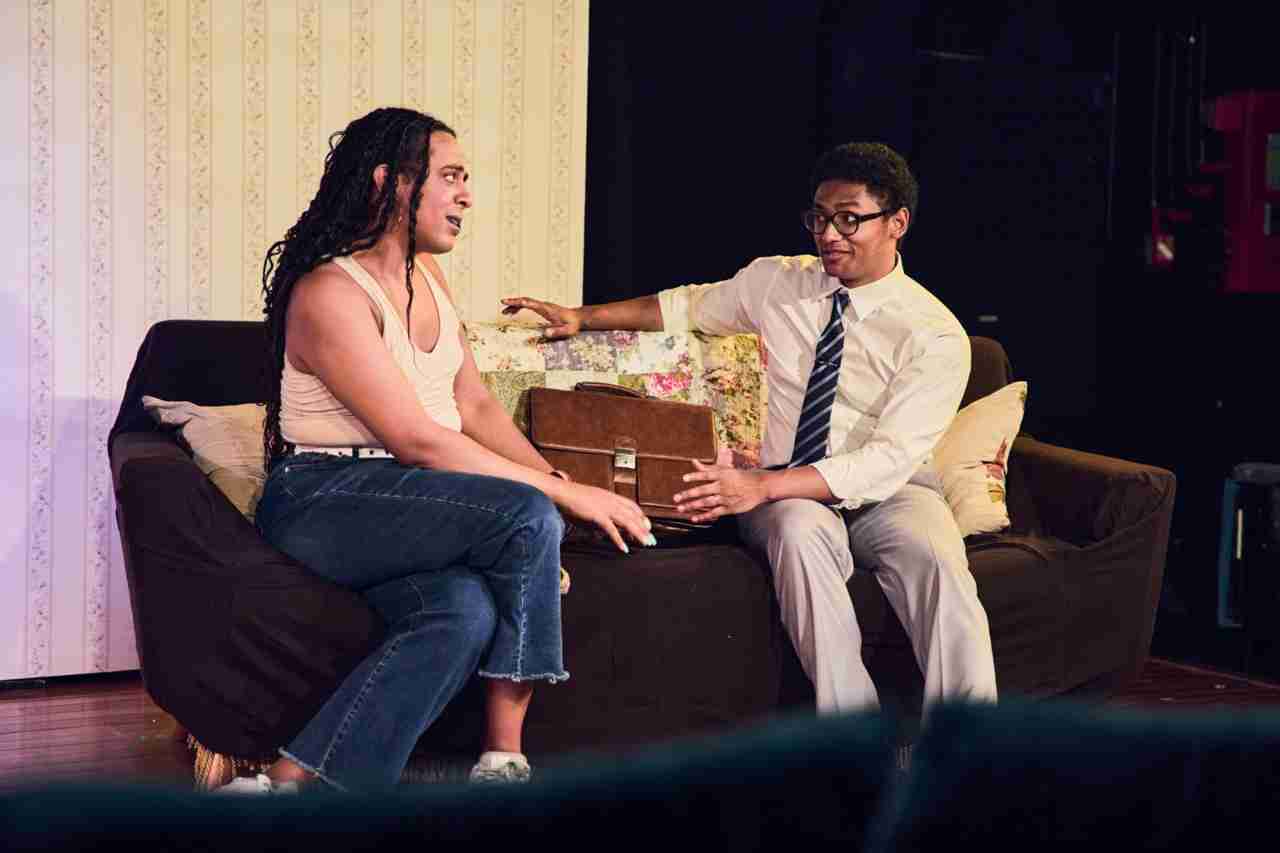
Eric Easter as Winter brings a quiet desperation to his role as the son-in-law struggling to hold his fractured family together. Feyisola Soetan’s Maeve embodies the play’s future, carrying both the venom of environmental damage and the potential to break destructive cycles. Aaron Dorelien’s Copal represents the seductive face of corporate manipulation, charming and familiar yet ultimately predatory.
The Symbolic Bestiary: Creatures That Guard Dark Secrets
The Deer: An Ominous Herald
The appearance of the deer in the opening scene signals the beginning of mysteries that unfold in ways no audience member can anticipate. What seems like a simple hunting scene conceals deeper currents—but to reveal the deer’s true significance would rob you of one of the play’s most startling revelations. Observe as this creature appears throughout the evening, for its presence marks moments when the boundary between life and death grows dangerously narrow.
The Whale: The Heart of an Impossible Mystery
Here lies the play’s greatest enigma, where experiencing is believing. How does a whale—the magnificent sulfur bottom that gives the play its title—come to inhabit a modest family living room? The answer involves transformations so startling, connections so unexpected, that even the most astute theatergoer will find themselves gasping at revelations hidden in plain sight. Suffice it to say that what appears impossible proves not only possible but inevitable—though the journey to that understanding will leave you questioning everything you thought you knew about this family’s fate.
The Gold Mine Delusion: Capitalism’s Poisoned Promise
Desperation as Commodity
Perhaps no element of Varma’s social critique proves more devastating than his exploration of how economic desperation transforms victims into accomplices. The family’s willingness to believe their land represents a “gold mine” because of its capacity to store toxic waste reveals capitalism’s most insidious mechanism: the transformation of survival necessity into complicity with one’s destruction.
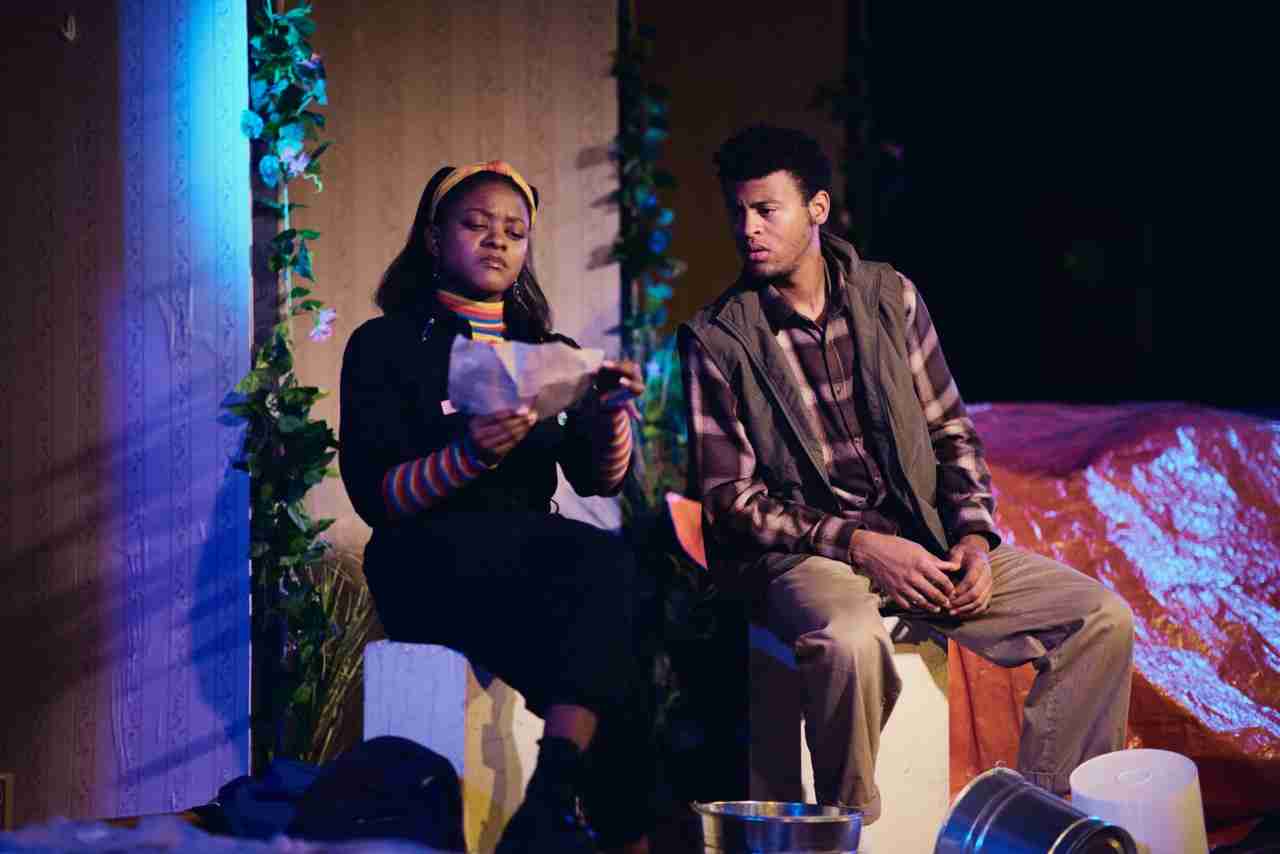
But there’s another layer to this tragedy, one that emerges in a series of cryptic medical reports and whispered conversations. Young Maeve’s mysterious illness—her tremors, her bloody nose, her strange symptoms—connects to the family’s tragic choice in ways that only gradually become clear. The doctor’s letter that Winter retrieves in the storm contains revelations that fundamentally alter your understanding of every decision this family makes.
Sir Cavin’s eagerness to sign agreements he doesn’t understand, motivated by dreams of stability and prosperity, echoes the tragic pattern of industrial exploitation that targets vulnerable communities. But the play suggests something even more terrifying: that sometimes we make our worst choices not out of greed, but out of love.
The Blood Signature: A Ritual with Unforeseen Consequences
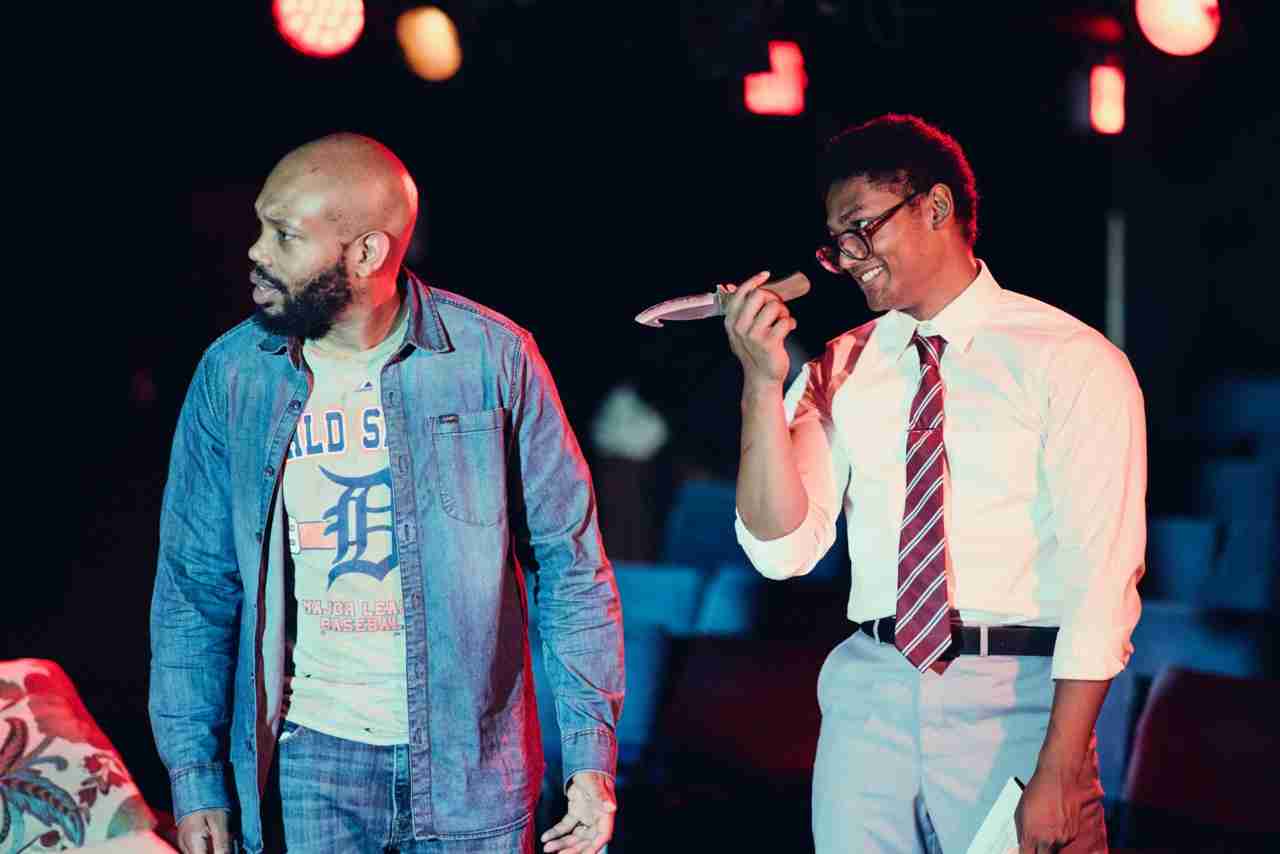
What begins as a seemingly symbolic moment—Sir Cavin signing an equity loan in blood—proves to have ramifications that stretch far beyond the financial. This visceral contract-signing scene connects to the play’s most shocking revelation, one involving fire, destruction, and a truth so devastating that audiences audibly gasp when it finally emerges. The blood on that page carries a curse that will manifest in both literal and metaphysical ways. Still, the full horror of this moment can only be understood when you witness how the threads of fate weave together in the play’s final, breathtaking scenes.
Temporal Sorcery: When Past and Present Collide
The Architecture of Impossible Encounters
Varma’s non-linear narrative structure serves a purpose far more mysterious than mere technical innovation. Characters who should be separated by decades share the stage in moments that defy rational explanation—yet the play’s internal logic makes these impossible encounters feel not only natural but necessary. How can Fran, as both child and adult, exist simultaneously in the same space? What allows the dead to speak with the living as if no time has passed?
These temporal mysteries unfold with such elegant inevitability that audiences find themselves accepting the impossible while still marveling at how Varma achieves such theatrical alchemy. The play’s time shifts reveal not just the accumulation of environmental damage across generations, but secrets about the very nature of memory, guilt, and the persistence of love beyond death itself.
The Fire’s Secret: A Truth Too Terrible to Spoil
Hidden within this environmental tragedy lies a personal mystery so devastating that it transforms everything we think we understand about this family. The house fire that consumes their home—and with it, their dreams—appears to be a random catastrophe. But as the play unfolds through its labyrinthine temporal structure, we discover a truth about that fire’s origin that will shatter your heart and leave you questioning the nature of love itself.
The matches that appear throughout the play carry more significance than mere props; they become instruments of revelation, tools of destruction, and ultimately, symbols of the impossible choices desperate love can drive us to make. But to reveal more would rob you of one of theater’s most powerful emotional experiences—the moment when understanding dawns and the full weight of tragedy becomes clear.

The Emotional Crescendo: Fran and Sir Cavin’s Confrontation
Love and Fury Intertwined
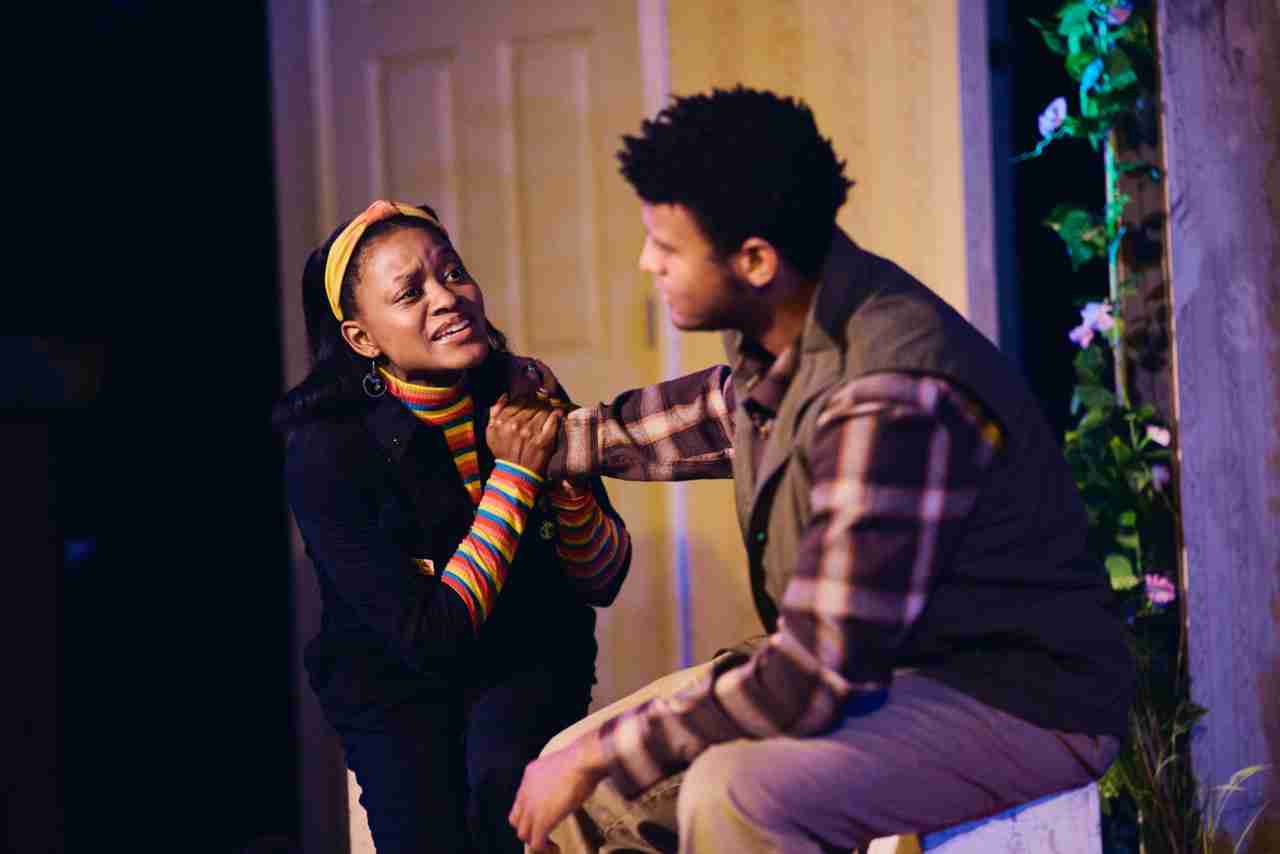
The climactic emotional scene between Fran and her father achieves the kind of raw theatrical power that leaves audiences breathless. Davis and Best inhabit their characters’ pain so entirely that the boundary between performance and reality dissolves. We witness not merely actors delivering lines but a daughter and father reckoning with a lifetime of love, disappointment, and mutual incomprehension.
This scene crystallizes the play’s central tragedy: the gap between intention and consequence, between love and harm. Sir Cavin’s actions stem from genuine care for his family’s welfare, yet they create the circumstances that destroy them. Fran’s fury at her father is simultaneously justified and heartbreaking, for she rages against someone whose greatest sin was caring too much and understanding too little.
The Rich Tapestry of Human Personality
Celebrating Complexity in Crisis
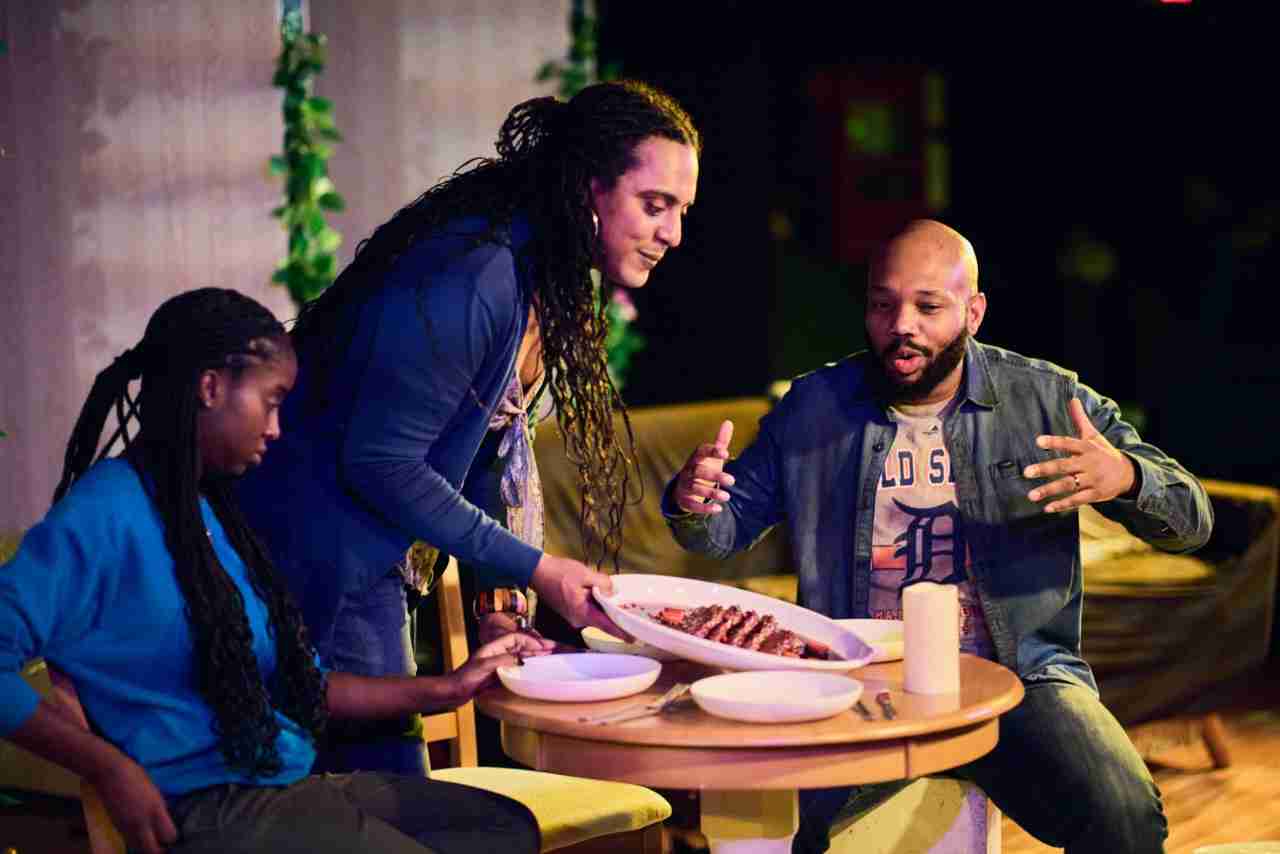
One of “Sulfur Bottom’s” most outstanding achievements lies in its refusal to reduce its characters to symbolic functions. Even as they serve broader thematic purposes, each family member retains distinct personality traits, quirks, and contradictions that make them recognizably human. Sir Cavin’s insistence on his honorary title, Melissa’s profanity-laced wisdom, Fran’s stubborn optimism in the face of mounting evidence—these details create characters who feel lived-in rather than constructed.
The play celebrates what Varma calls “a panoply of rich personalities and characters,” suggesting that even in the face of systemic oppression and environmental devastation, human individuality persists. This attention to character specificity prevents the work from devolving into moralistic messaging, grounding its political critique in genuine human emotion. The universality of their struggle—working-class families facing impossible choices between economic survival and health—speaks to countless communities across America who have faced similar industrial encroachment.
Environmental Justice as Family Drama
The Personal as Political
“Sulfur Bottom” succeeds brilliantly in making abstract policy debates viscerally personal. Rather than explicitly lecturing audiences about corporate environmental exploitation, the play embeds us within a family whose love for each other and their home blinds them to mounting evidence of danger. We understand Sir Cavin’s decisions not because they are rational but because they are human—motivated by pride, fear, hope, and the desperate desire to provide for one’s family.
The play’s environmental justice themes never feel imposed upon the narrative but emerge organically from character relationships and dramatic situations. This integration of political content with emotional storytelling represents precisely the kind of theatrical achievement George Bernard Shaw would have applauded: art that entertains while educating, that moves hearts while opening minds.
Production Excellence: Technical Elements as Emotional Architecture
The Alchemy of Atmosphere
Director Megumi Nakamura has crafted a production that feels both intimate and epic, grounded in domestic reality yet reaching toward mythic significance. The technical elements work in perfect harmony to create a complete theatrical experience. Sam Weiser’s lighting design captures the subtle changes in time and mood, while Roger Teng’s costume design subtly tracks the family’s decline without drawing attention to itself.
Jacob Brandt’s original music weaves seamlessly with Diamond’s sound design to create an auditory world that feels both specific to this family and universally resonant in its emotional impact. The production achieves technical sophistication that serves the story rather than overwhelming it.
Secrets That Demand Witnessing
“Sulfur Bottom” represents precisely the kind of theatrical work our moment demands: art that grapples seriously with urgent social issues while concealing mysteries that can only be discovered through live attendance. Varma has created a work that honors both the complexity of environmental justice issues affecting vulnerable communities and the irreducible complexity of human nature—but he has also crafted a puzzle box of revelations that no review can adequately convey.
The play’s final moments contain transformations so unexpected, revelations so profound, and images so hauntingly beautiful that they must be experienced firsthand. What appears to be an ending reveals itself as something else entirely—a secret about the nature of family, memory, and redemption that will leave you sitting in stunned silence as the lights fade.
This is theater that trusts its audience’s intelligence while speaking directly to their emotions, that educates without preaching, that entertains while it conceals depths that only gradually reveal themselves. In our current moment of environmental crisis and social division, “Sulfur Bottom” offers both a mirror and a map—but also mysteries that can only be unlocked by those brave enough to enter its world and witness its secrets unfold.
The production running at the Jerry Orbach Theater deserves the broadest possible audience, for it represents theater at its most essential: art that matters, performance that transforms, storytelling that guards its most precious revelations for those willing to make the journey. Some theatrical experiences can be described; others must be lived. “Sulfur Bottom” belongs emphatically to the latter category.

Here are some insights from playwright Rishi Varma:
View this post on Instagram
Sulfur Bottom: A Haunting Elegy for Environmental Justice
CAST
FRAN — Kendyl Grace Davis
SIR CAVIN — Kevin Richard Best
MELISSA — Joyah Dominique
WINTER — Eric Easter
MAEVE — Feyisola Soetan
COPAL — Isaiah Joseph (Aaron Dorelien for the August 20 performance)
SWINGS — Aaron Dorelien, Tatiana Graves-Kochuthara
ARTISTIC
Playwright — Rishi Varma
Director — Megumi Nakamura
Scenic Design — Daniel Prosky
Lighting Design — Sam Weiser
Costume Design — Roger Teng
Sound Design — Sid Diamond
Composer — Jacob Brandt
Production Stage Manager — Josh-Andrew Wisdom
Assistant Stage Manager — Alexa Sacks-Wilner
Casting — Bradley Bemboom
General Management — 3C Consulting
Marketing — JEST Marketing
Press Representative — Skollar PR
Jerry Orbach Theater
The Theater Center – (3rd Floor)
210 W 50th Street
New York, NY 10019
Running time: 90 minutes without an intermission
A Must-See Theatrical Experience
Rishi Varma’s “Sulfur Bottom” at Jerry Orbach Theater conceals devastating secrets within its exploration of environmental injustice and corporate exploitation, featuring masterful performances and revelations that will leave you breathless. This profound work transforms abstract policy into an intimate family mystery, creating urgent, unforgettable theater that guards its most shocking truths for live audiences. Some theatrical experiences can be described; others must be witnessed to be believed.
For Tickets and Information, go to https://www.sulfurbottom.com/