
Some evenings in the theater change you. They reach inside your chest and rearrange something fundamental about how you see the world. “A Letter To Lyndon B. Johnson or God: Whoever Reads This First” is such an evening—a production where technical artistry and human storytelling fuse so seamlessly that you forget you’re witnessing craft and surrender completely to emotional truth. But perhaps most remarkably, Xhloe Rice and Natasha Roland have created a theatrical experience that transforms dramatically depending on where you choose to witness it, creating two distinct yet equally powerful journeys through the same devastating story.
This isn’t just theater. This is witnessing, elevated by staging choices that make every audience member complicit in different ways.
Two Theaters, One Truth
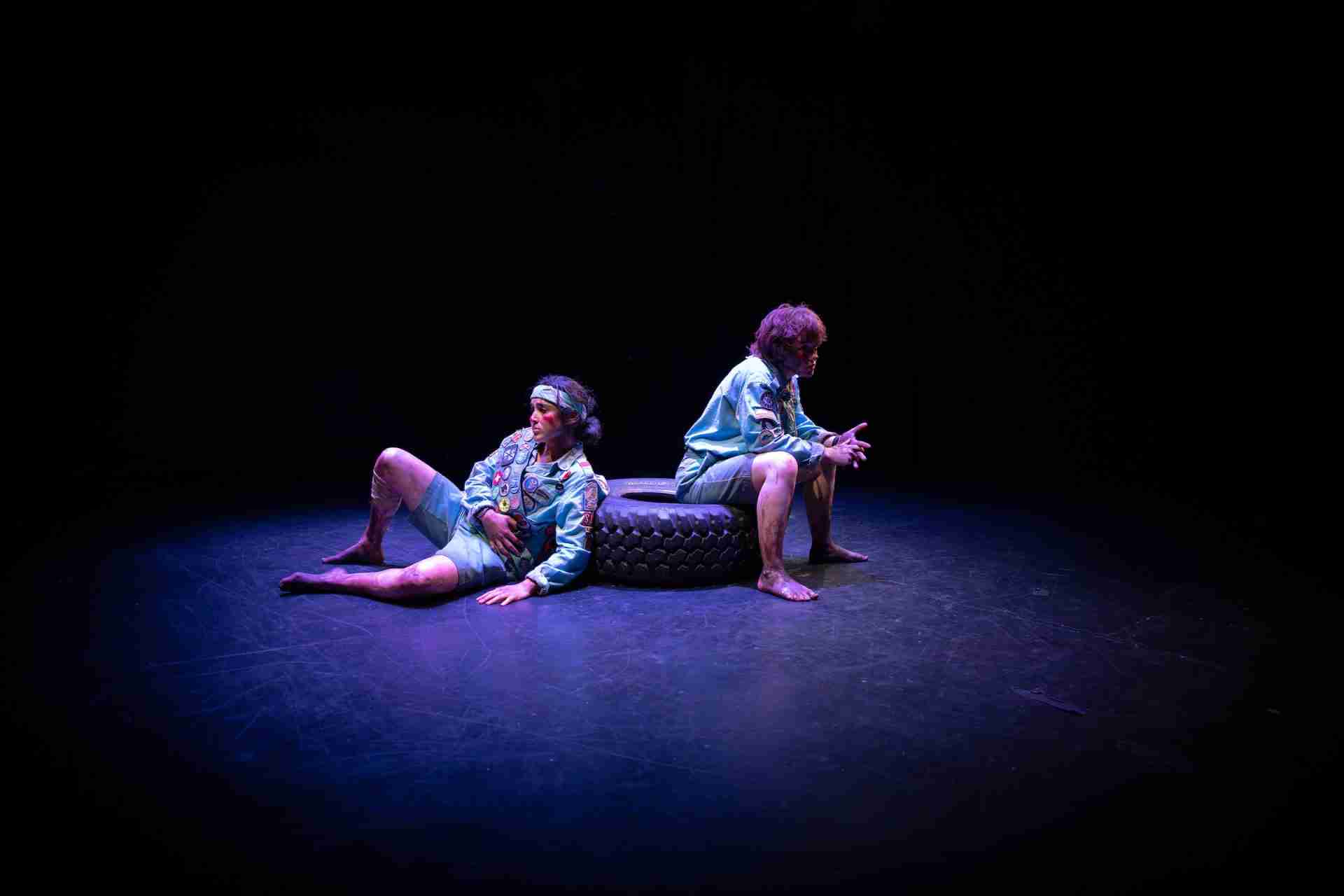
SoHo Playhouse‘s intimate space allows for an extraordinary staging choice: Some audience members sit in traditional theater rows, observing the complete theatrical picture, while others are invited onto the stage itself, surrounding the action and becoming inadvertent participants in Ace and Grasshopper’s world. These create fundamentally different yet equally valid theatrical experiences.
Those seated in the house witness the production as a complete theatrical art. They see Angelo Sagnelli’s lighting design in its full glory—how it shifts between the warm amber of remembered summers and the stark white of present trauma, creating devastating underwater effects that submerge the entire stage. From this perspective, the technical artistry is visible and magnificent: the way lighting isolates characters during crucial monologues, how sound effects seem to emanate from the very walls, and how the Beatles’ songs weave through the space to create temporal layers.
But for those seated on stage—perhaps ten to sixteen audience members positioned around the playing area—the experience becomes far more intimate and unsettling. You become a fellow camper, a fellow soldier, a witness whose presence the performers acknowledge with direct eye contact and occasional physical proximity that makes neutrality impossible.
The Terrible Beauty of Youth, Witnessed Up Close
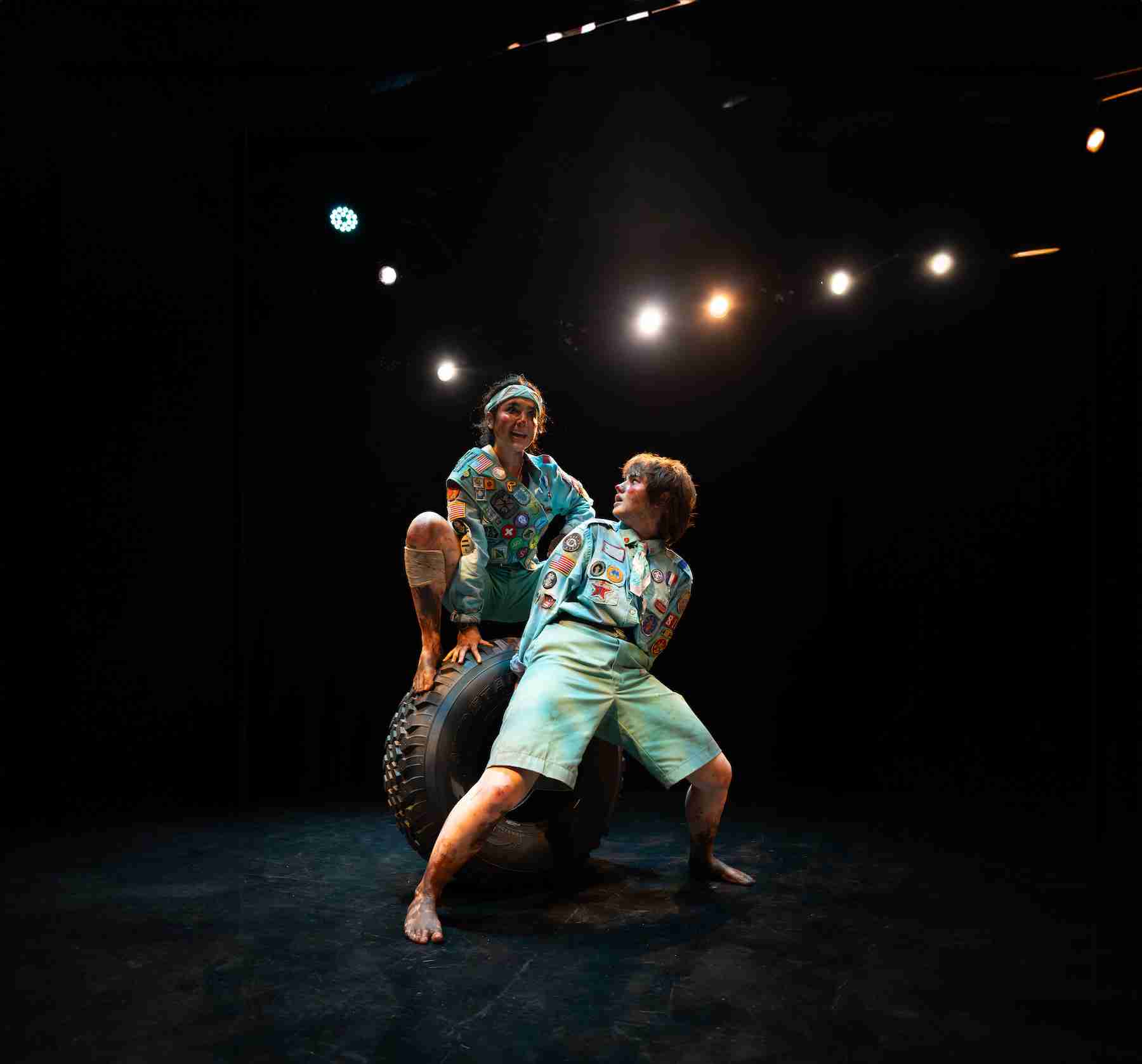
When Angelo Sagnelli’s lights suddenly snap up, those seated on stage are suddenly illuminated alongside Ace and Grasshopper. There’s no comfortable darkness to hide in, no safe distance from which to observe. You’re part of the scene immediately, complicit in whatever’s about to unfold.
Traditional audience members see the complete theatrical picture during the rope swing sequence—two performers creating an entire lakeside scene through gesture and movement. But on stage, witnesses become the crowd gathered below, looking up at Ace’s bravado with the same mixture of admiration and anxiety as his fellow campers. When Rice and Roland make direct eye contact during this sequence, asking on-stage audience members to share their excitement, the boundary between performance and reality disappears entirely.
Names That Carry Weight, Voices That Demand Response
The characters Ace, who evokes the confident action 1968 hero of “Fever Heat,” and Grasshopper, who anticipates the philosophical seeker of “Kung Fu,” resonate differently depending on your proximity to the performers. From the house, these references create intellectual layers that enrich our understanding of American bravura during the Vietnam era. But on stage, when Grasshopper looks directly at you during his church communion story, his gentle seeking of spirituality becomes a personal confession rather than a cultural symbol.
During Ace’s trombone performance for President Johnson as his train roars by, the house audience members witness a beautifully lit tableau of childhood patriotism. But for on-stage witnesses, Ace performs this moment partially for them—they become the president he’s trying to reach, the authority figures he desperately wants to please. The weight of his expectation, his need for approval, becomes personally felt rather than merely observed.
The Language of Memory and Trauma, Experienced Versus Observed
The production’s brilliant use of direct address takes on completely different meanings depending on your seating. When Rice and Roland tell their camping stories “directly to the audience,” house members experience this as a skilled theatrical technique—performers breaking the fourth wall to create intimacy. But on-stage audience members aren’t being performed to; they’re being confided in. These become real memories shared with real people, and the responsibility of witnesses becomes personal.
The underwater sequences demonstrate this most powerfully. From the house, these moments read as brilliant metaphors—the muffled sound design and blue-green lighting creating the sensation of submersion. But on stage, you’re literally within the effect. The lighting washes over you, the sound seems to press against your eardrums, and you are holding your breath alongside the performers.
House audience members witness a masterfully orchestrated sequence of chaos during the flood sequence in Act Two—strobing lightning, torrential sound effects, and performers in slow-motion desperation. But on-stage witnesses become fellow soldiers caught in the same disaster. When Ace and Grasshopper reach for each other during the underwater moments, they’re sometimes reaching toward you, making you feel both helpless to help and grateful to have been spared.
The Music of a Generation’s Ending, Heard and Felt
The Beatles’ songs woven throughout the production function differently for each audience section. House members experience the complete sonic design—how “Get Back” underscores violence, how “Come Together” becomes funeral music, and how the harmonica performances blend with recorded tracks to create temporal confusion.
However, on-stage audience members become part of the musical experience itself. During the harmonica sequences, Rice and Roland sometimes play directly to them, making them feel like fellow campers gathered around a campfire or fellow soldiers seeking comfort in familiar songs. When the recorded Beatles tracks swell, the sound design places on-stage witnesses within the music rather than observing it from outside.
The “Get Back” sequence, where Ace’s father beats his baseball coach, demonstrates this powerfully. House audience members see the complete picture—the strobing lights synchronized with violence, Ace flinching with each flash. But on-stage witnesses become unwilling observers of domestic violence, forced to watch a child’s trauma unfold mere feet away. Some audience members from this section reported feeling an urge to intervene, comfort, and do something other than simply witness.
The Terrible Intimacy of War Made Personal
The gradual transition from camping stories to war narratives affects both audience sections in vastly different ways. House members appreciate the theatrical craftsmanship—how the same lighting vocabulary serves both contexts and how camping adventures and military missions use identical physical language.
But for on-stage witnesses, this transition feels like a personal betrayal. You’ve enjoyed these camping stories, laughing at the boys’ antics, feeling fondly nostalgic for your childhood adventures. When the stories gradually reveal themselves as war narratives, you realize you’ve been complicit in romanticizing the system that destroyed these children. You weren’t just watching; you were participating in the cultural mythology that sends boys to die.
The beer celebration sequence, where the soldiers toast their inflated kill counts, puts on-stage audience members in the position of fellow soldiers expected to participate in this moral compromise. Several on-stage witnesses reported feeling uncomfortable during this sequence, unsure whether to smile along with the performers’ celebration or maintain the poker face of someone who knows this joy is built on lies.
The Cultural Weight of Character Names, Felt Differently
The irony of Grasshopper’s name—referencing the peaceful seeker from “Kung Fu” trapped in pre-counterculture violence—reads as brilliant cultural commentary from the house. But on stage, when Grasshopper makes direct eye contact during his swim lessons or his confession about never learning to be a proper boy, you feel the personal tragedy of a gentle soul caught in the wrong historical moment.
His inability to swim becomes more than a metaphor when you’re seated close enough to see the fear in his eyes during water scenes. House audience members witness a beautiful theatrical metaphor; on-stage witnesses know a child who’s going to drown.
The Devastating Arc of Friendship, Intimately Witnessed
The relationship between Ace and Grasshopper creates different emotional experiences for each audience section. You see the complete arc from the house, how their friendship represents broader themes about American masculinity and military culture. Their “extreme situations” rule about holding hands becomes a powerful metaphor for emotional intimacy in wartime.
The production captures the fleeting androgyny that young boys experience and their evolution into masculine manhood. Grasshopper’s gentle spirit—described by his grandmother as someone who “never learned to be a boy yet”—represents a natural tenderness incongruent to military culture. At the same time, Ace’s coaching (“It takes practice”) reveals how masculinity is performed and learned. The boys’ “extreme situations” rule about physical affection becomes heartbreaking evidence of how quickly emotional intimacy between males evaporates as they’re molded into soldiers.
But on stage, when these boys comfort, fail, and cling to each other, you’re witnessing actual friendship rather than symbolic representation. Their arguments feel like family disputes you’re accidentally overhearing. Their moments of tenderness become private intimacies you feel guilty for witnessing.
The pledge of allegiance sequences, which read as brilliant commentary on indoctrination from the house, become more unsettling for on-stage witnesses. These boys are performing patriotism partially for you—you become the authority figures they’re trying to please, the adults who taught them these words, the society that will send them to die.
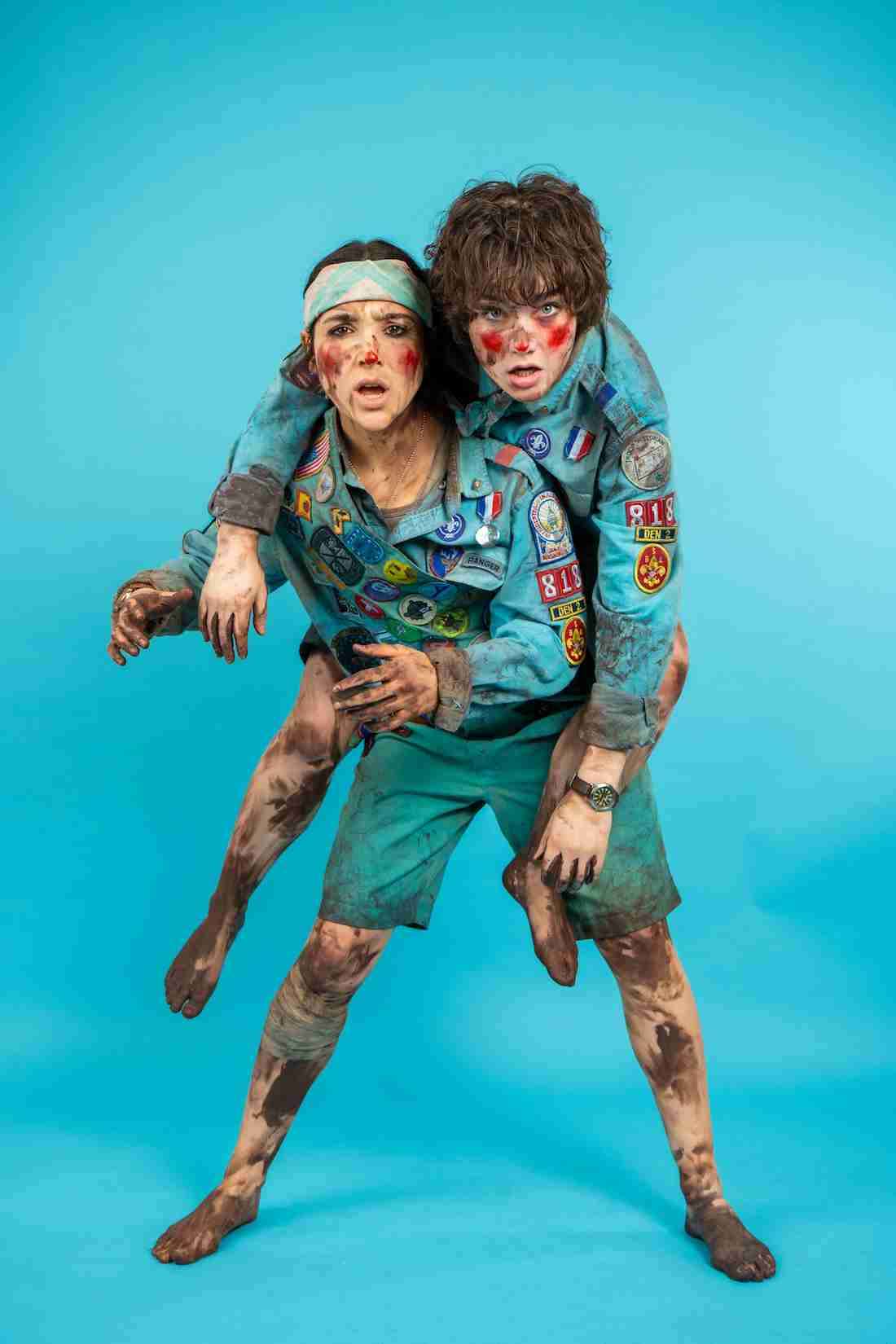
Whoever Reads This First at the SOHO Playhouse.
Photo by Morgan McDowell
A Death That Honors Life Experienced Versus Observed
The final sequence, where Ace dies in Grasshopper’s arms, achieves different kinds of power for each audience section. House members witness a perfectly crafted tragedy—the lighting gradually dimming around Ace while maintaining clarity on his face, the harmonica performance of “Yesterday” supported by sunset-quality illumination.
However, this becomes a personal loss for on-stage witnesses rather than an artistic achievement. You’ve spent 65 minutes with these boys in intimate proximity. You’ve seen their sweat, heard their breath, felt their energy. When Ace dies, you’re not watching a character’s death; you’re watching someone you’ve come to know personally slip away.
His final request—”make sure he knows my name”—takes on different meanings. It’s a powerful statement from the house about the basic human need to be remembered. But when Ace looks directly at you while making this request, you become personally responsible for carrying his memory on stage. You’re not witnessing someone else’s promise to remember; you’re being asked to remember.
Several on-stage audience members reported feeling genuine grief during this sequence. At the same time, house audience members described feeling moved but also able to appreciate the artistic craftsmanship that created such powerful emotion.
Why These Different Experiences Both Matter
This production succeeds because it offers two equally valid but fundamentally different ways of experiencing the same truth. House audience members receive a complete artistic experience—brilliant technical theater serving powerful themes about war, masculinity, and American mythology. They witness art that comments on history and culture with sophistication and skill.
On-stage audience members receive something rarer: human connection across time and trauma. They don’t just learn about the human cost of war; they feel personally connected to specific casualties. They don’t just understand intellectual arguments about American boyhood; they spend time with actual boys and feel responsible for their welfare.
Both experiences serve the production’s central mission—refusing to let us forget the human cost of our collective choices. But they achieve this through artistic excellence versus personal intimacy, intellectual understanding versus emotional connection, and beautiful craft versus raw truth.
In our current moment, when we’re still sending young people to fight distant wars, this production uses every theatrical tool available—including the radical choice of staging—to make those costs immediate and undeniable. Whether you witness from the house or stage, Rice and Roland ensure you cannot leave unchanged.
“A Letter To Lyndon B. Johnson or God: Whoever Reads This First” represents theater at its most essential—art that refuses to let us comfortably distance ourselves from brutal truths. Every staging choice, every lighting cue, and every sound effect serves the central mission of bearing witness. However, by offering two different ways to witness, the production acknowledges that people need different kinds of truth to understand the same essential reality.
This is essential theater. This is art that matters. This is the sound of young artists using every tool at their disposal—including the radical choice of where to place their audience—to ensure we remember.
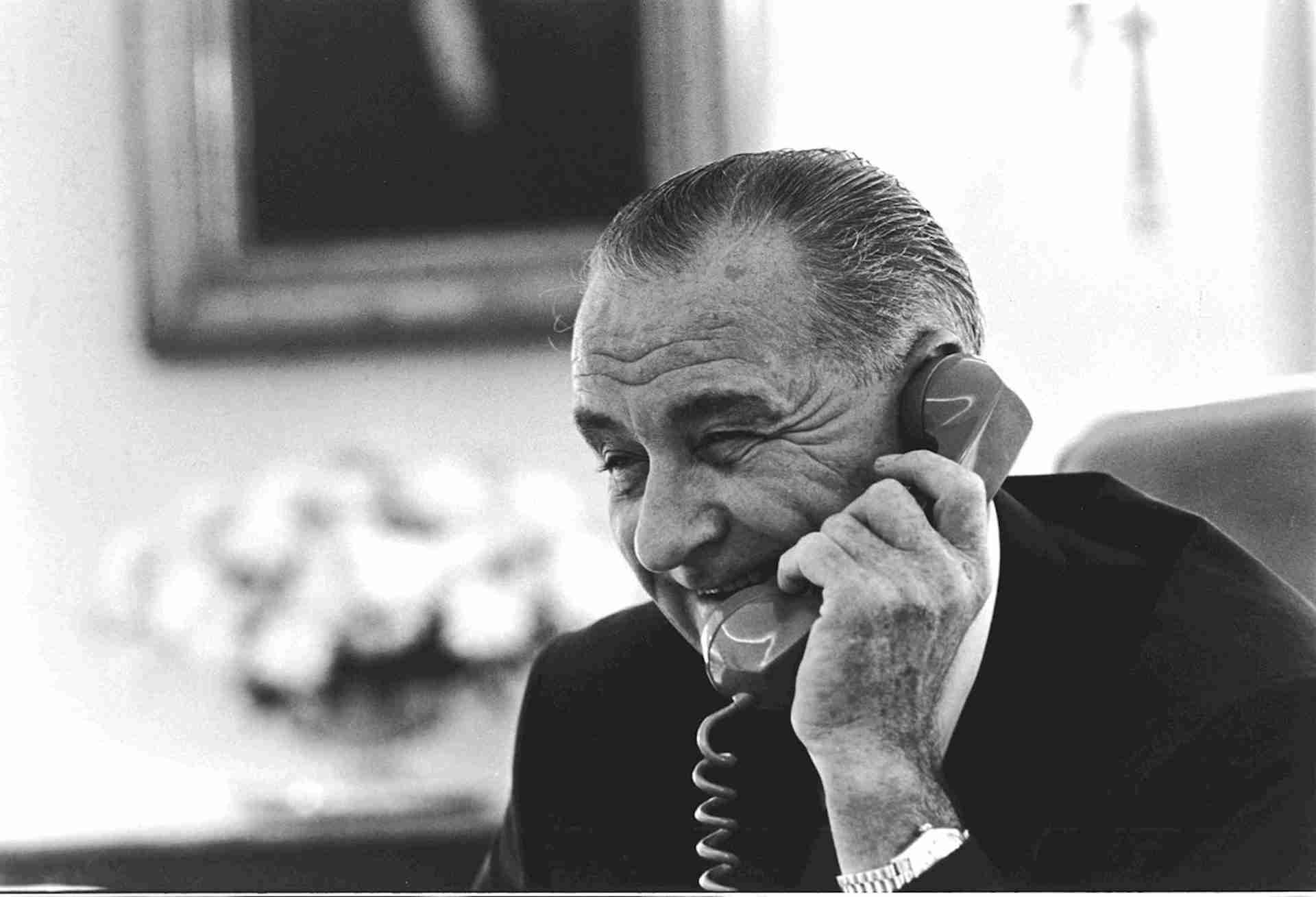
When Boys Become Men Too Soon: The Heartbreaking Genius of A Letter To Lyndon B. Johnson
A Letter To Lyndon B. Johnson or God: Whoever Reads This First
Written and performed by Xhloe Rice and Natasha Roland
Costumes and Sound Design by Xhloe Rice and Natasha Roland
Lighting Designer and Technical Manager Angelo Sagnelli
“A Letter To Lyndon B. Johnson or God: Whoever Reads This First” runs through June 29 at SoHo Playhouse, 15 Vandam Street. Performances are Wednesday through Saturday at 7 pm and Sunday at 5 pm. Limited on-stage seating is available by request—runtime: 65 minutes, which will stay with you much longer. For Info and Tickets go to https://www.sohoplayhouse.com/see-a-show/a-letter-to-lbj-or-god