

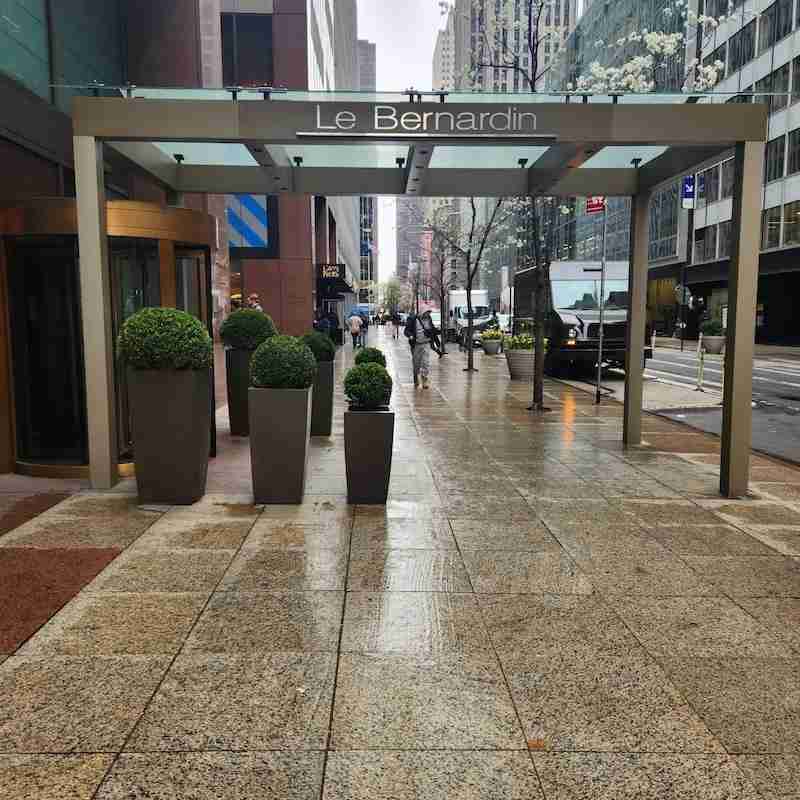
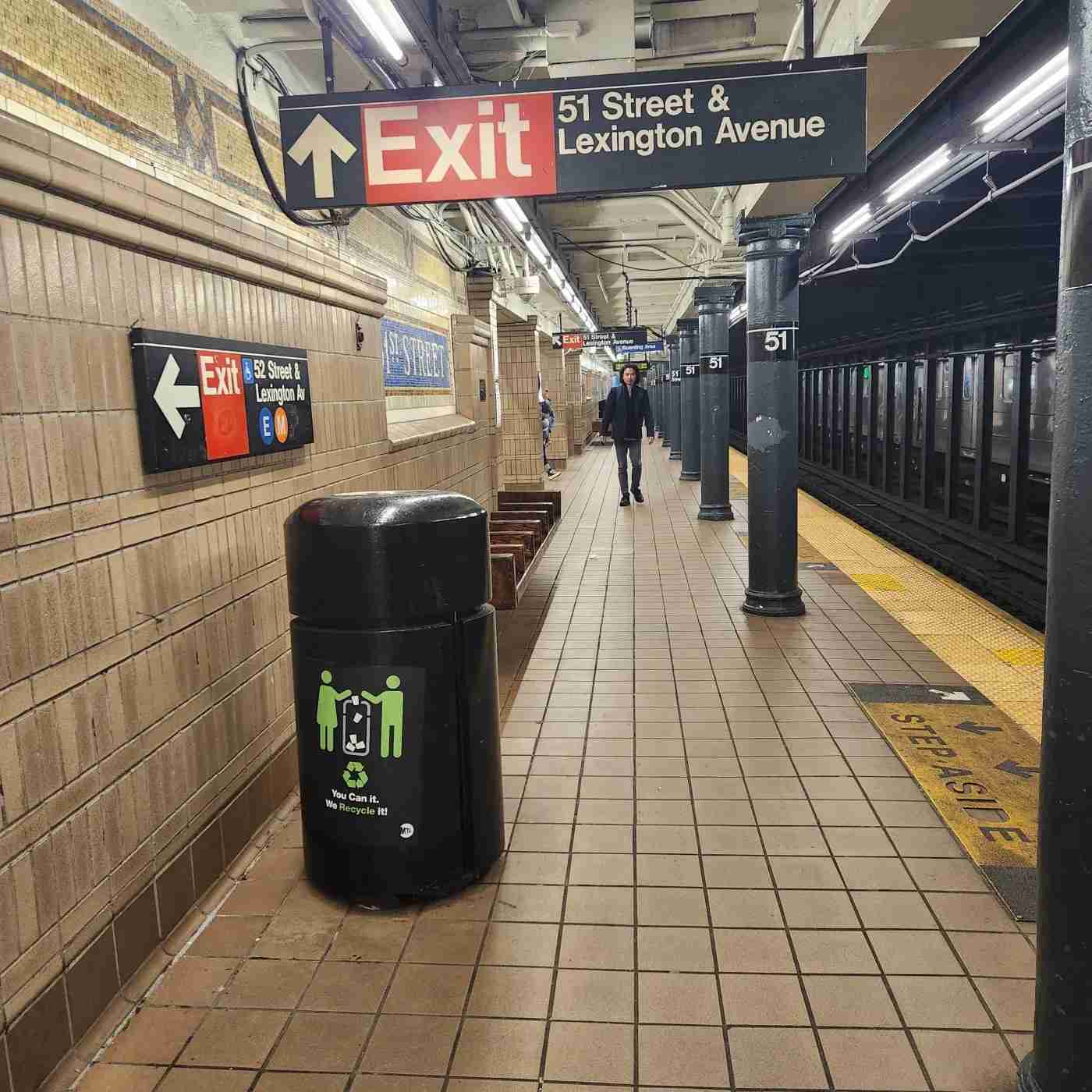
On a recent rainy afternoon, I took the train to 51st Street and Lexington Avenue and walked across 151 West 51st Street to the iconic French restaurant Le Bernardin. The gentle patter of raindrops against my umbrella created a fitting overture for the symphony of flavors that awaited me. Le Bernardin has received a four-star rating from The New York Times since 1986, and it’s the only seafood restaurant in New York City that has maintained that four-star rating for well over 35 years.
The restaurant’s unwavering commitment to excellence through changing culinary trends, economic cycles, and a global pandemic makes this achievement even more remarkable. While other fine dining establishments have come and gone or reinvented themselves to chase shifting tastes, Le Bernardin has remained steadfast in showcasing seafood at its most sublime.
The midtown location feels simultaneously accessible yet removed from the chaotic pulse of the city. As I shook the raindrops from my coat in the elegant entryway, I could feel myself transitioning from the mundane world outside to a realm where time slows, and every sensory experience is heightened.
The Le Coze Legacy: From French Fishing Village to Manhattan’s Heart
Gilbert Le Coze and his sister Maguy Le Coze opened the original Le Bernardin restaurant in Paris in 1972. They named the restaurant Le Bernardin because it was a folk song that their father used to sing to them as children: “Les Moines de St. Bernardin. It’s a song about monks who love life, especially a good life.” It became an instant success, and in 1986, the Cozes opened a Le Bernardin in New York City.
The Le Coze siblings were born into a family of restaurateurs from Brittany, France’s northwestern coastal region known for its exceptional seafood. Their understanding of fish was almost preternatural—Gilbert could tell a fish’s origin, waters, and freshness with a mere glance, a skill developed from growing up around fishermen in Port Navalo. This deep connection to the sea’s bounty formed the foundation of their culinary philosophy: to treat fish with such respect that its preparation would enhance rather than mask its intrinsic qualities.
When they brought this philosophy to Manhattan, they fundamentally changed how Americans perceived seafood fine dining. Before Le Bernardin, seafood restaurants in the United States often relied on heavy sauces and elaborate preparations. The Le Cozes introduced a reverence for pristine ingredients and minimalist preparations that let the seafood quality speak for itself—a revolutionary concept at the time that has since become the gold standard.
Continuing Excellence: The Ripert Era
Then, right after its opening, Le Bernardin earned four stars from The New York Times. However, 3 months after the unexpected death of her brother Gilbert in 1994, Maguy Le Coze began a collaboration with chef Eric Ripert, a disciple and close friend of her brothers. Le Coze took over the kitchen, and along with Le Coze continues to maintain Le Bernardin position as one of the world’s premier seafood restaurants.
The transition from Gilbert to Ripert could have been a breaking point for many restaurants, but instead became a testament to Le Bernardin’s resilience. Ripert, who had trained under the legendary Joël Robuchon before joining Le Bernardin in 1991, brought his sensibilities while honoring the Le Coze vision. Under his guidance, the restaurant’s signature philosophy—”the fish is the star of the plate”—has remained sacrosanct while evolving to incorporate global influences and modern techniques.
Ripert’s leadership has seen Le Bernardin through multiple renovations, expansions, and adaptations, including a significant redesign in 2011 that modernized the space while maintaining its understated elegance. The restaurant has also accumulated accolades beyond its New York Times stars, including multiple James Beard Awards and three Michelin stars, which have been maintained consistently since the guide’s arrival in New York in 2005.
The Dining Experience: Logistics and Atmosphere
Reservations are required for the main dining room and the lounge, which are walk-ins.
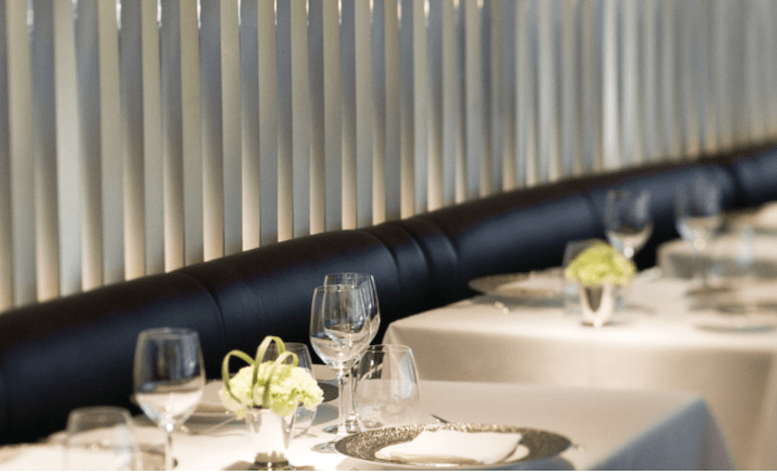
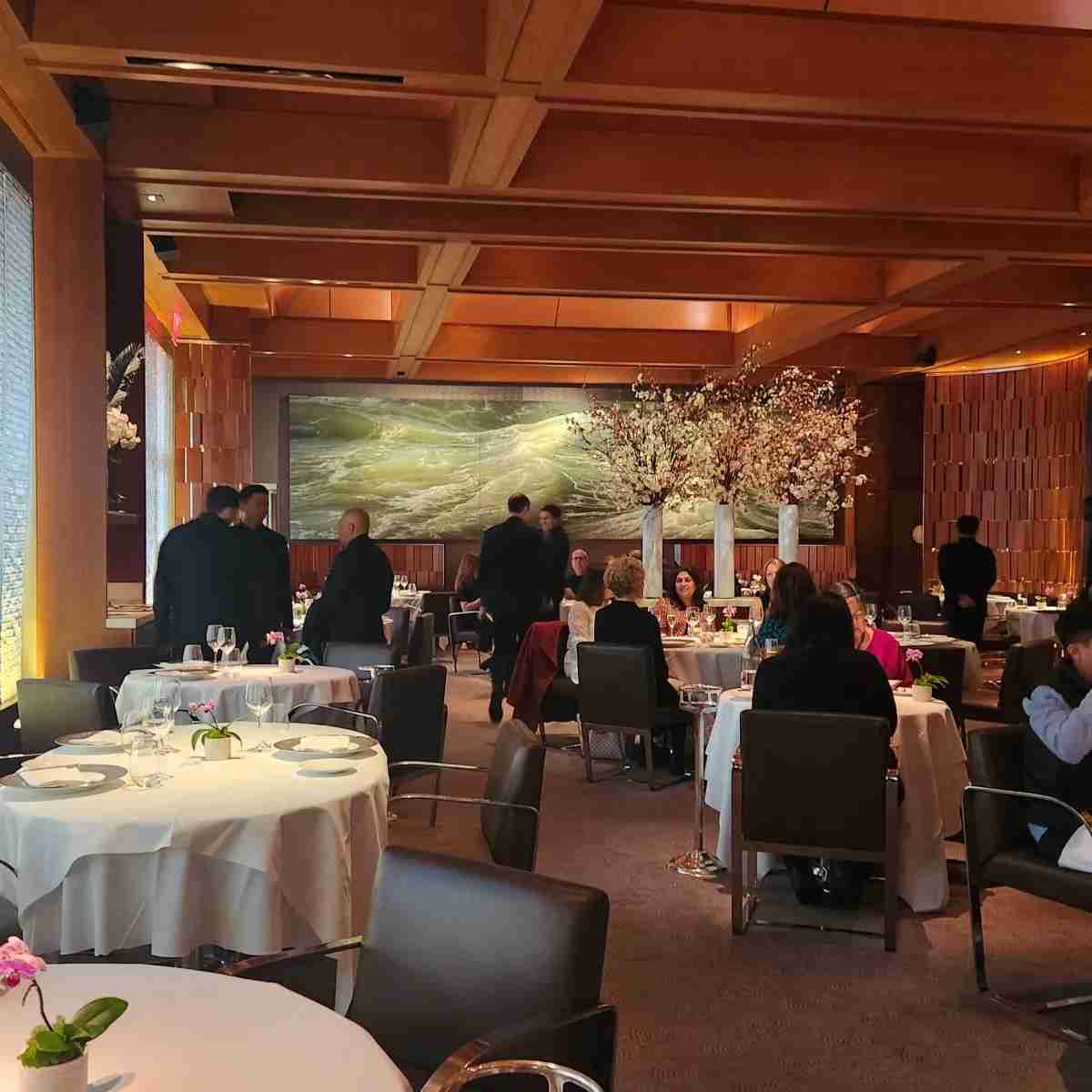
Securing a table at Le Bernardin requires planning—reservations open 30 days in advance and disappear quickly, particularly for prime dining times. The main dining room exudes a serene sophistication with its neutral palette, soaring ceilings, and contemporary art pieces. During my visit, I noticed how the thoughtful spacing between tables creates intimate conversation pockets while the attentive yet unobtrusive service staff moves with balletic precision throughout the space.
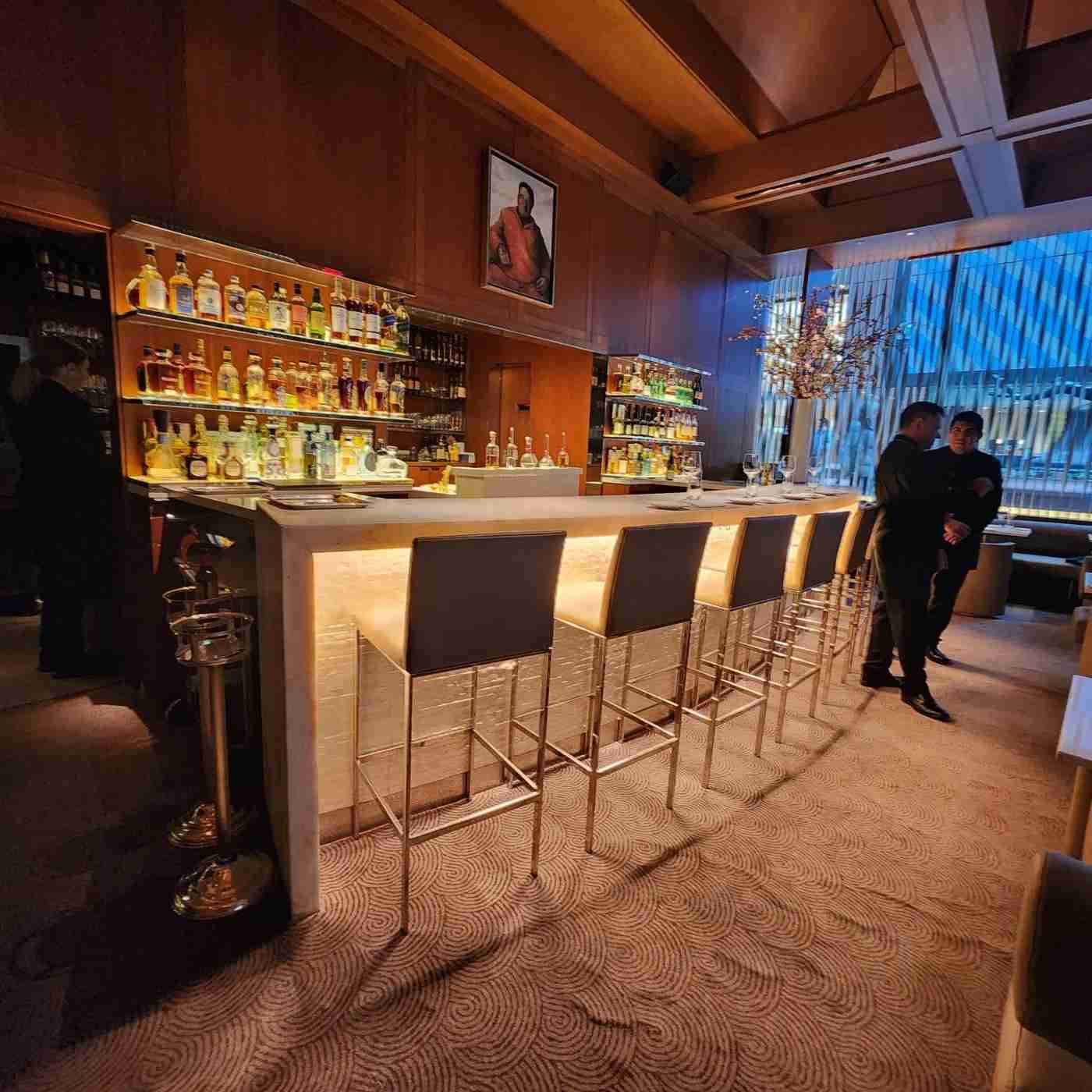
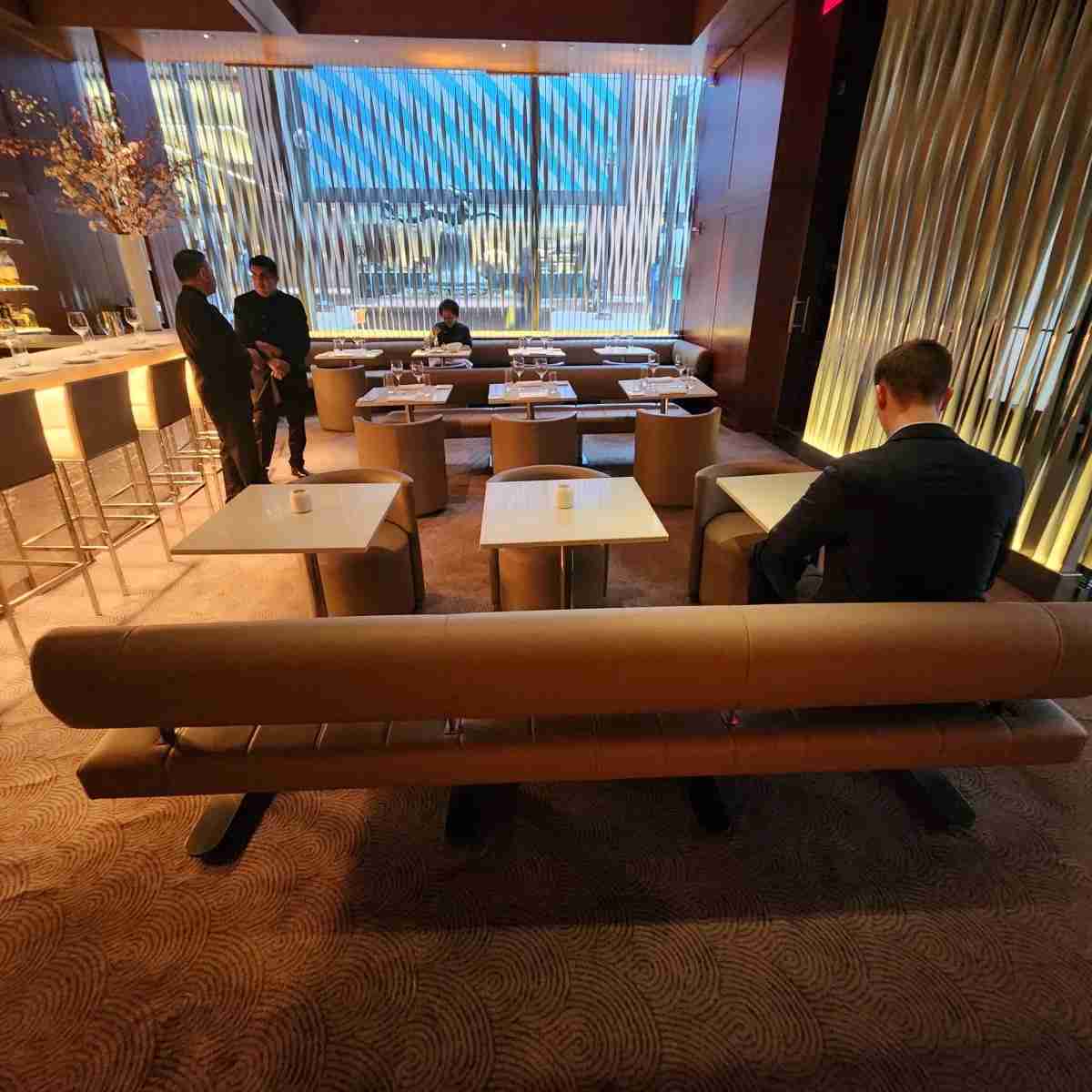
The Lounge offers a slightly more casual alternative for those seeking the Le Bernardin experience without the formality of the main dining room. Its leather chairs and warm wood accents provide a relaxed atmosphere while maintaining the restaurant’s impeccable standards. The opportunity to walk in makes it an excellent option for spontaneous fine dining, though be prepared for a potential wait during peak hours.
Investment in Excellence: Understanding Le Bernardin’s Pricing
Usually, I don’t talk about cost, but it’s essential to understand that as a four-star Michelin seafood restaurant, this dining experience comes at a price. I went with a group of people, and one of the attendees handled those details, but on their website, this is what they note:
“Cost: Dinner at $165 for four a la carte courses (three savory), $198 for a seven-course tasting ($293 with wine pairings), $228 for an eight-course tasting ($373 with pairings). There is also a $170 vegetarian tasting menu. Lunch is three courses (two savory) for $93. Diners in the lounge can order a $60 City Harvest three-course menu.”
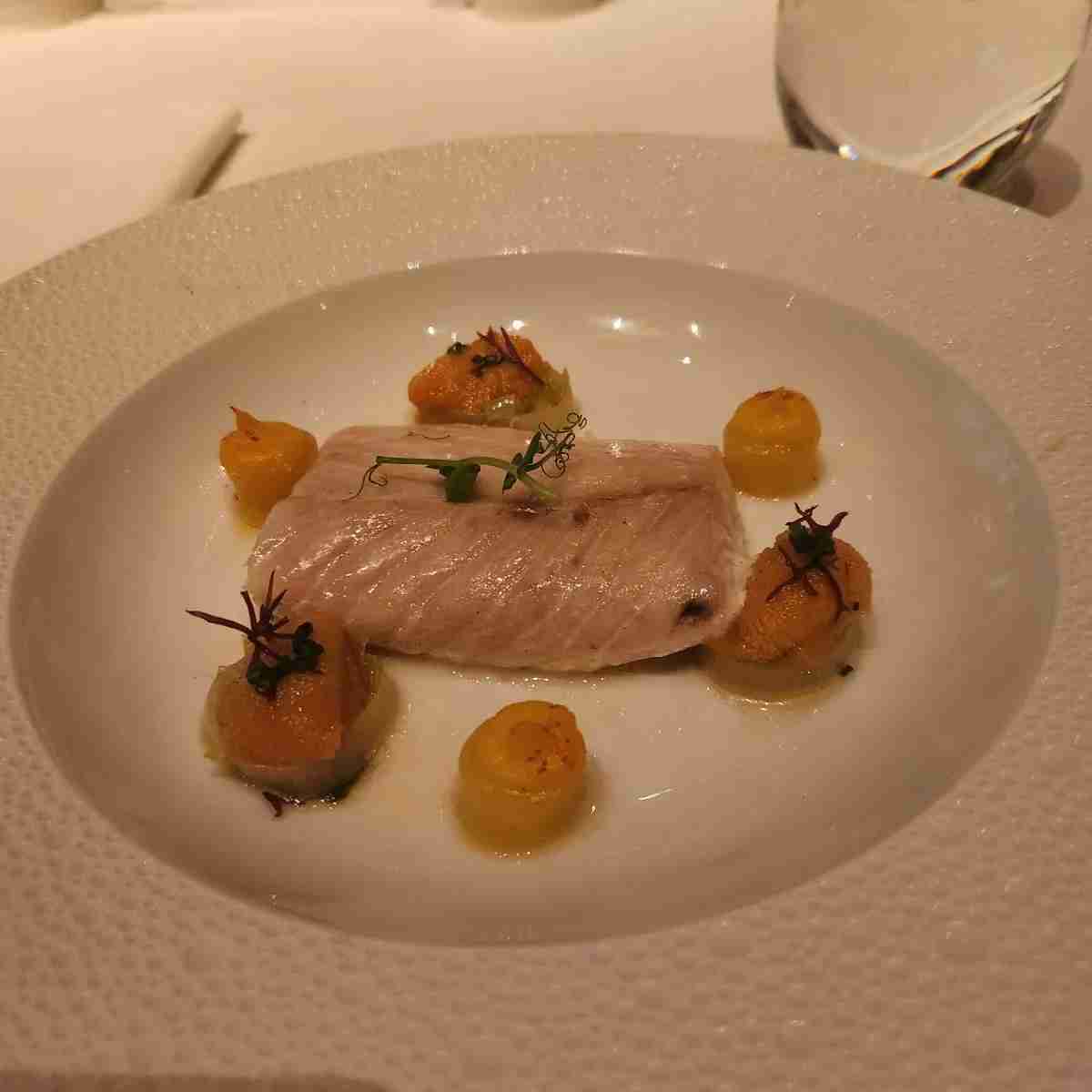
These prices reflect not just the exceptional quality of ingredients—much of the seafood is flown in daily from sustainable sources worldwide—but also the extraordinary skill and labor that goes into each preparation. Consider that the kitchen staff breaks down whole fish at 7:00 AM each morning, with multiple chefs dedicated to specific techniques and stations. The fish saucier position alone requires years of specialized training to master the delicate emulsions and reductions that complement the seafood without overwhelming it.
Many diners don’t realize that Le Bernardin’s pricing also reflects their commitment to ethical practices—from fair wages for their staff to sustainable sourcing partnerships with fishermen who use environmentally responsible methods. The restaurant’s collaboration with City Harvest through its lounge menu demonstrates its commitment to addressing food insecurity in New York City.
The Culinary Journey: Beyond Mere Sustenance
So now you know, the food was fabulous. In addition to the many little dishes they offered us, it turned out to be a three-course meal for each group member.
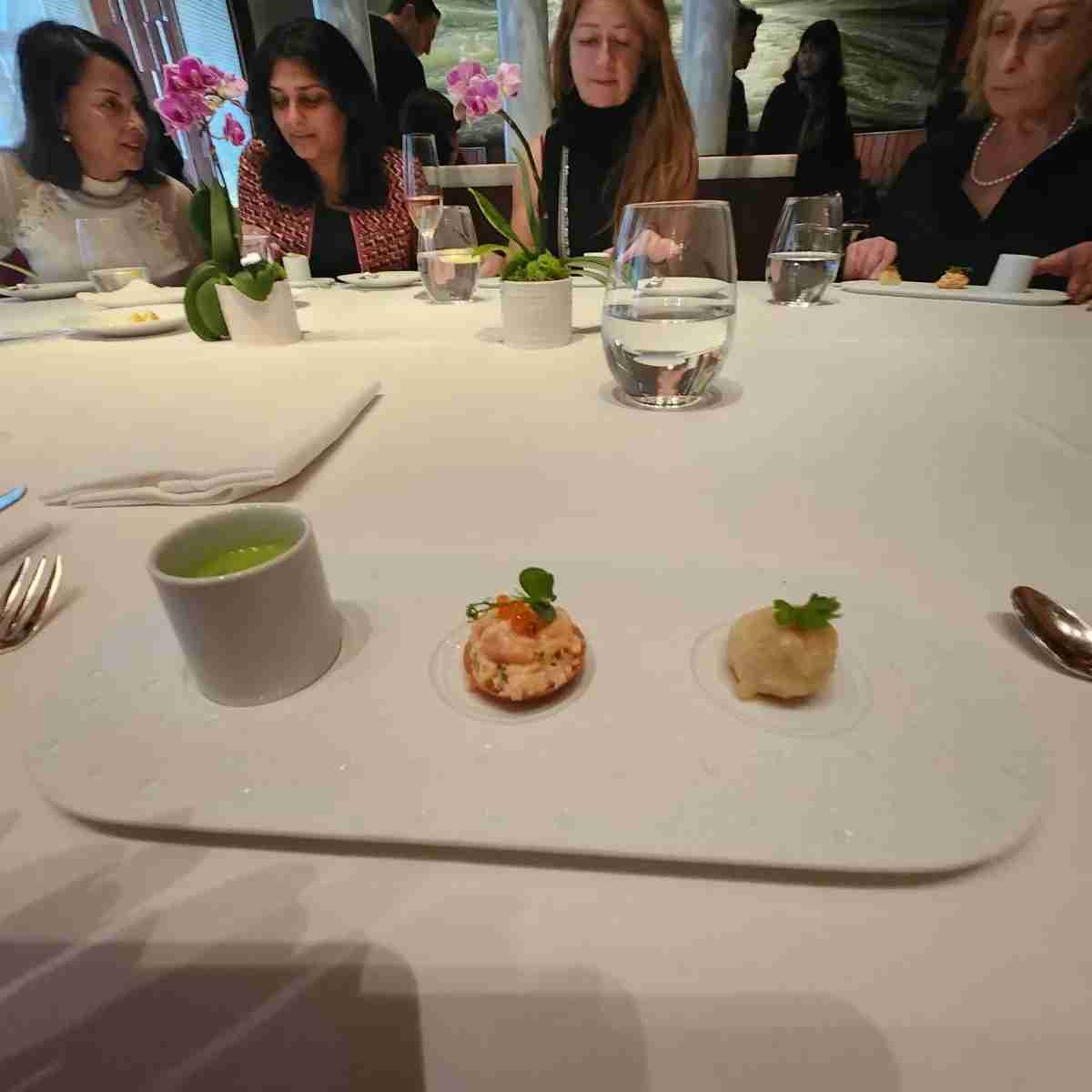
Our meal began with an array of amuse-bouches that showcased the kitchen’s range—from a delicate lobster claw with caviar to a perfectly crisp fish fritter with saffron aioli. These small bites served as both palate awakeners and a preview of the precision.
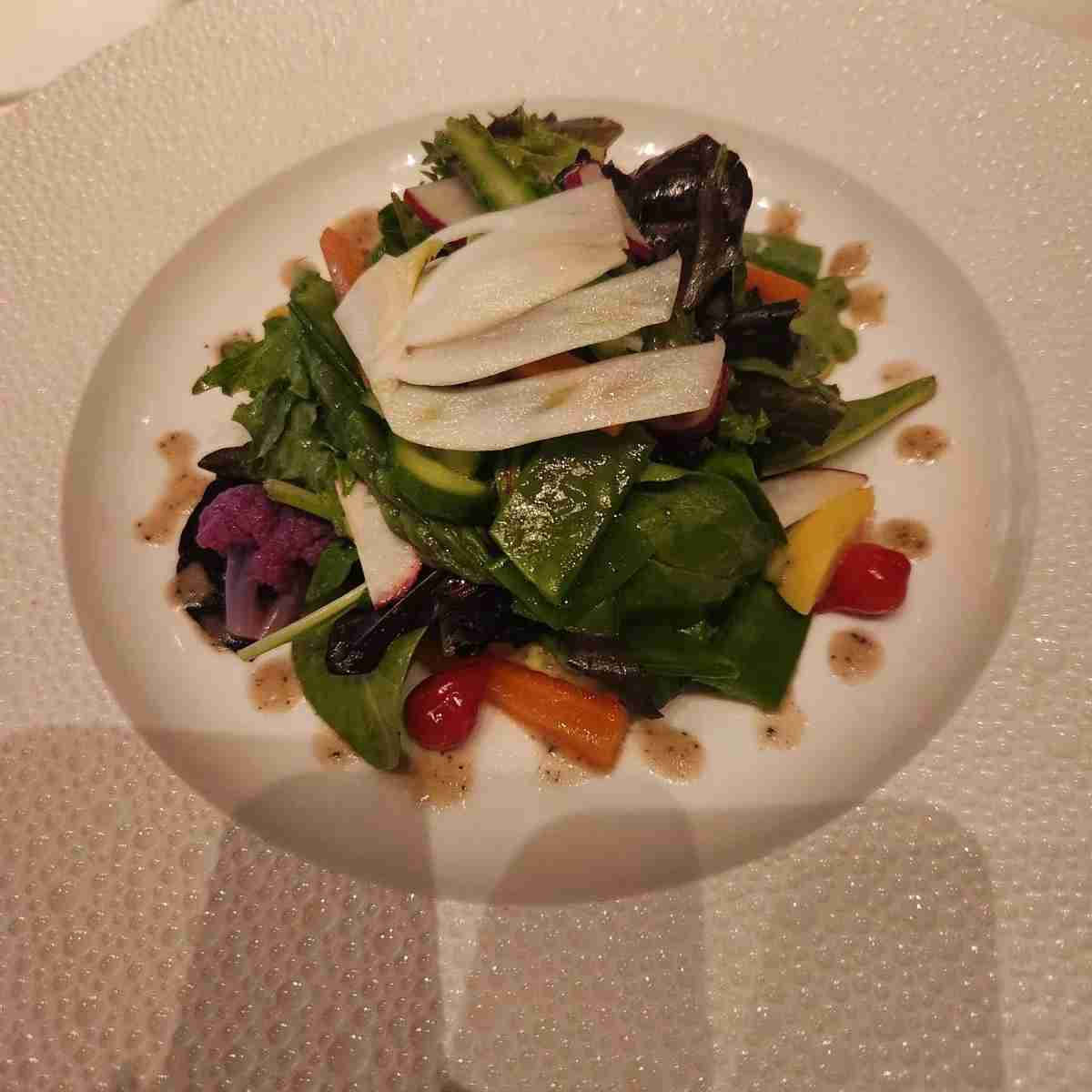
Le Bernardin organizes their menu into three conceptual categories: Almost Raw, Barely Touched, and Lightly Cooked—a progression that demonstrates different approaches to seafood preparation while maintaining the integrity of each ingredient. During our visit, standouts included the yellowfin tuna carpaccio with foie gras. The toasted baguette (Almost Raw), which created an unexpected yet harmonious marriage of land and sea flavors, and the poached halibut with black truffle and potato emulsion (Lightly Cooked) transformed a potentially humble fish into something transcendent.
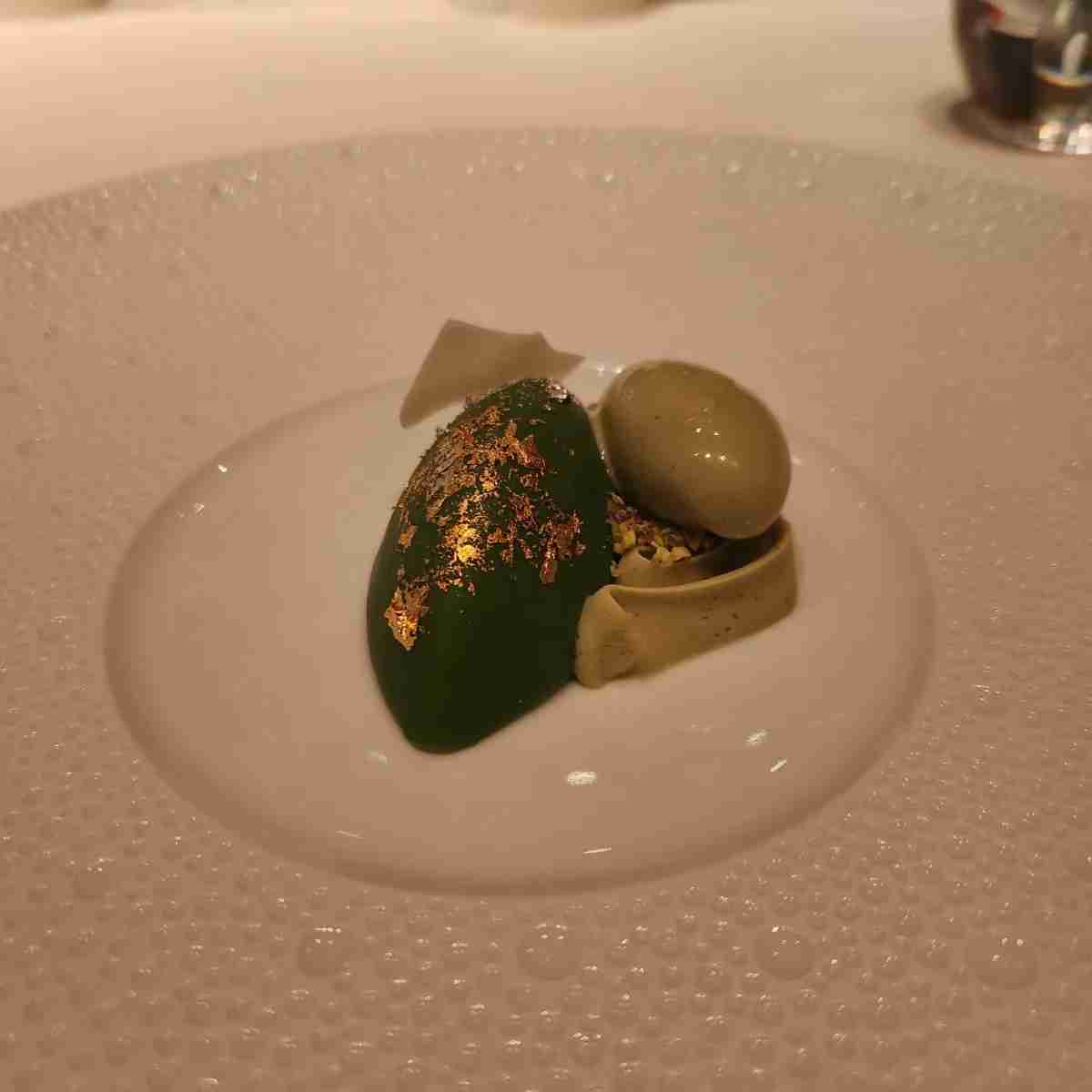
The pastry program, currently led by Chef Orlando Soto, deserves special mention. His desserts maintain the same philosophy as the savory courses—clean flavors, precise execution, and thoughtful balance. The signature “Egg”—a milk chocolate pot de crème with caramel foam, maple syrup, and Maldon salt—exemplifies this approach with its playful presentation and complex flavor development.
What distinguishes a meal at Le Bernardin isn’t just the technical excellence—though that’s certainly present in abundance—but the way each dish connects to a broader culinary tradition while still feeling immediate and personal. In our increasingly casual dining landscape, Le Bernardin remains a temple to the transformative power of a meal crafted with uncompromising dedication to quality and artistry.
