The Rolling Stones at Marcus Amphitheater in Milwaukee, USA, performing at Summerfest festival on June 23, 2015. Jim Pietryga, CC BY-SA 3.0 , via Wikimedia Commons
Edward A Kliszus, Editor-in-Chief / Music and Arts Critic
A few songs embody rock music’s intensity and artistry, such as The Rolling Stones‘ “Paint It Black.” Released in 1966 as part of the album Aftermath, this track revolutionized the genre with its groundbreaking sound and poignant lyricism. This exploration delves into the band members’ contributions, the song’s remarkable rhythmic qualities, lasting cultural impact, and the inspirations that made it timeless.
The Genius Behind the Band: Individual Contributions
Mick Jagger: The Voice of the Shadows
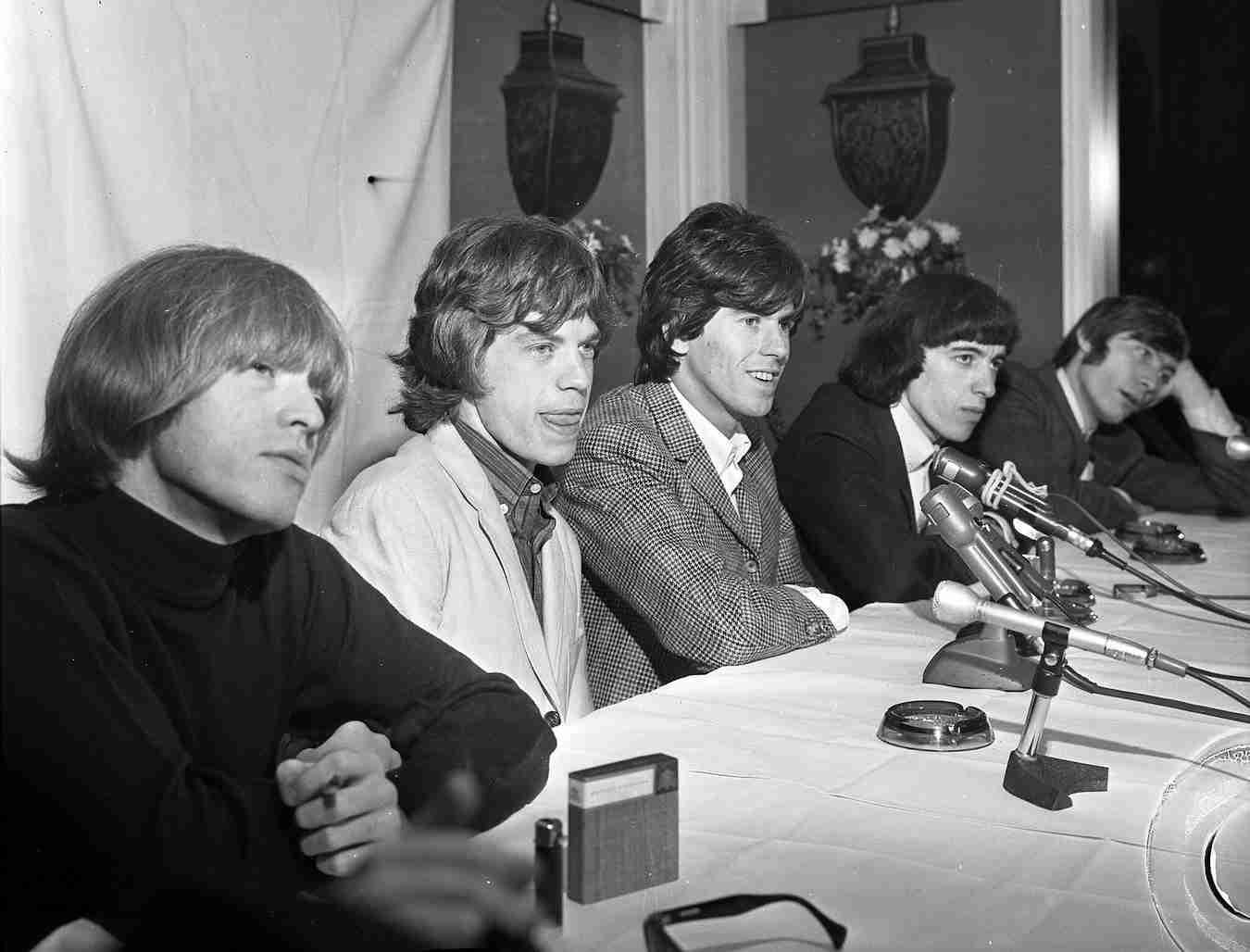
Mick Jagger‘s haunting vocal performance drives “Paint It Black” with raw emotion. His delivery captures despair and longing, giving the lyrics a visceral depth. Born in Dartford, England, Jagger’s dynamic stage presence and unmatched charisma became pivotal to The Rolling Stones’ identity. His ability to channel universal emotions made “Paint It Black” resonate with audiences worldwide.The Rolling Stones at a Beverly Hills Press conference. From the left are Brian Jones, Mick Jagger, Keith Richard, Bill Wyman and Charlie Watts. Los Angeles Times, CC BY 4.0 <https://creativecommons.org/licenses/by/4.0>, via Wikimedia Commons
Keith Richards: Architect of the Sound
Keith Richards’ innovative guitar work defines the song’s musical landscape. His use of Eastern-inspired melodies and a sitar line brought a novel dimension to rock. Growing up in Dartford alongside Jagger, Richards’ partnership with him fueled The Rolling Stones’ creative core. Richards described the song’s genesis as “a moment of inspired madness,” blending traditional rock with global influences.
Brian Jones: The Master of Experimentation
Brian Jones’ sitar performance in “Paint It Black” pushed the boundaries of rock instrumentation. As a multi-instrumentalist, Jones often introduced exotic elements into the band’s sound. Hailing from Cheltenham, England, he had a deep passion for blues and world music. His creative vision added an unforgettable texture to “Paint It Black,” cementing his role as a pioneer in musical experimentation.
Charlie Watts: The Rhythmic Backbone
Charlie Watts drumming provides the heartbeat of “Paint It Black.” His precise yet understated style complements the song’s frenetic energy. Born in London, Watts began as a jazz drummer, which informed his unique approach to rock rhythms. His seamless transitions between beats elevate the song’s intensity, proving that subtlety can deliver profound power.
Bill Wyman: The Underrated Foundation
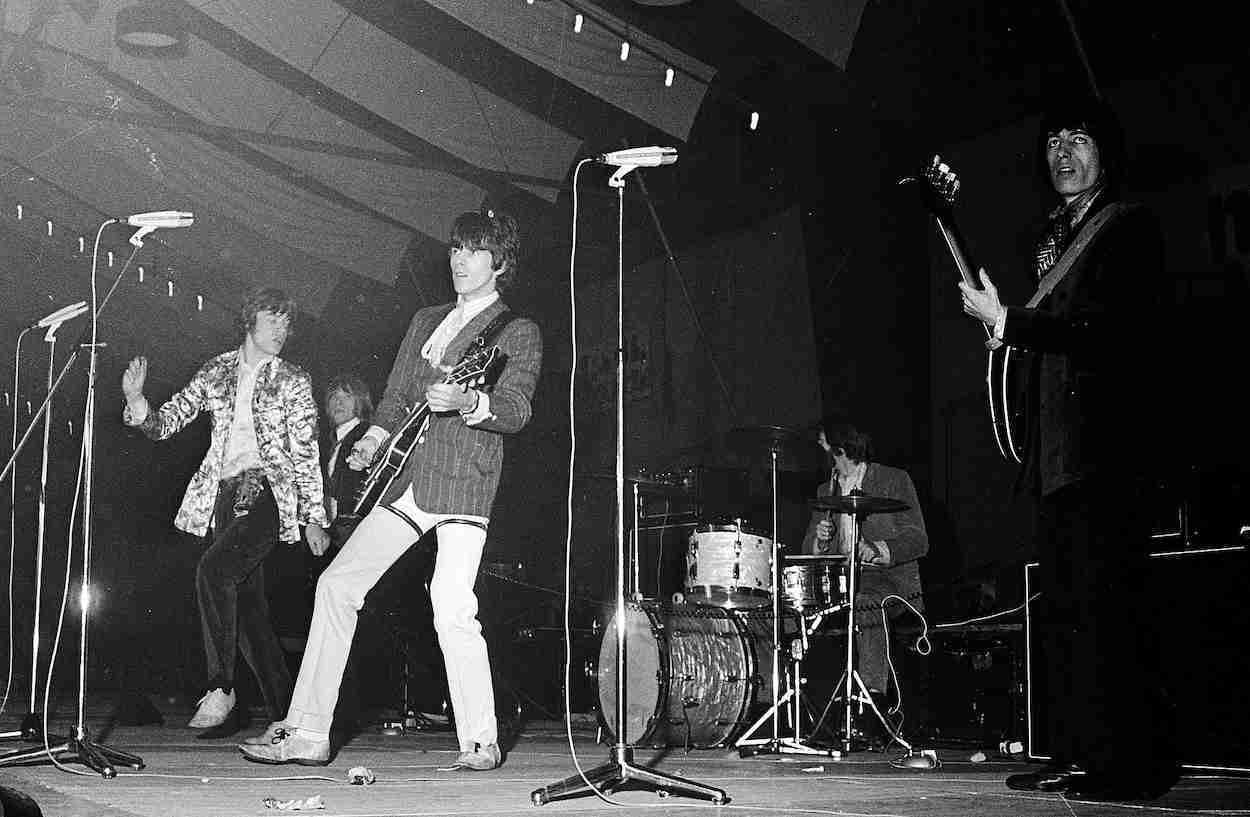
Bill Wyman’s basslines anchor “Paint It Black,” adding depth to its complex arrangements. His rhythmic precision creates a driving force beneath the melodies. Wyman, originally from London, often brought quiet stability to the group. His contributions ensured the song’s balance, allowing its experimental elements to shine without overwhelming listeners.Rolling Stones in concert, Houtrusthallen The Hague (NL), 15 April 1967. Ben Merk (ANEFO), CC0, via Wikimedia Commons
The Song’s Musical Triumphs
Rhythmic Brilliance and Innovative Drive
“Paint It Black” is a rhythmic marvel, combining rock’s rawness with Eastern musical elements. The driving beat, led by Watts, contrasts with the sitar’s hypnotic melody. This tension creates a dynamic soundscape that captures the listener’s attention immediately.
Richards and Jones’ interplay on guitar and sitar pushes the boundaries of what rock music could achieve. The syncopated rhythms and melancholic melodies reflect themes of grief and disillusionment, perfectly matching Jagger’s impassioned vocals.
A Cultural Mainstay
Over decades, “Paint It Black” became a cultural touchstone. It featured prominently in films like Full Metal Jacket and television shows like Westworld. These appearances introduced the song to new generations, proving its timeless appeal.
Critical Acclaim
Critics immediately recognized “Paint It Black” as a masterpiece. Rolling Stone magazine hailed it as “a daring departure into uncharted musical territory.”
Inspirations and Origins
Grappling with Grief and Loss
“Paint It Black” was born from the band’s reflections on sorrow and existential pain. The lyrics, co-written by Jagger and Richards, delve into themes of loss and nihilism. This raw exploration of human emotion struck a chord with listeners in the tumultuous 1960s.
Embracing Global Sounds
Jones’ fascination with Indian music inspired the song’s use of the sitar. He drew from Ravi Shankar’s teachings, blending Eastern and Western traditions. This fusion showcased The Rolling Stones’ willingness to take creative risks.
Here’s a sample of Ravi Shankar’s music:
“Paint It Black” quickly soared to the top of the charts in the US and UK. Its commercial success cemented The Rolling Stones’ status as global icons. Decades later, it remains one of their most streamed songs on platforms like Spotify and YouTube.
Influence on Future Artists
The song inspired countless musicians, from punk rockers to modern indie artists. Its bold integration of diverse styles set a precedent for genre experimentation.
A Masterpiece of Emotion and Innovation
“Paint It Black” is a testament to The Rolling Stones’ artistry and willingness to defy conventions. Each band member’s unique contributions coalesce into a song that resonates across generations. Whether through its rhythmic intensity, emotional depth, or cultural significance, “Paint It Black” continues to inspire and captivate.
We use cookies on our website to give you the most relevant experience by remembering your preferences and repeat visits. By clicking “Accept”, you consent to the use of ALL the cookies.
This website uses cookies to improve your experience while you navigate through the website. Out of these, the cookies that are categorized as necessary are stored on your browser as they are essential for the working of basic functionalities of the website. We also use third-party cookies that help us analyze and understand how you use this website. These cookies will be stored in your browser only with your consent. You also have the option to opt-out of these cookies. But opting out of some of these cookies may affect your browsing experience.
Necessary cookies are absolutely essential for the website to function properly. These cookies ensure basic functionalities and security features of the website, anonymously.
Cookie
Duration
Description
cookielawinfo-checkbox-analytics
11 months
This cookie is set by GDPR Cookie Consent plugin. The cookie is used to store the user consent for the cookies in the category "Analytics".
cookielawinfo-checkbox-functional
11 months
The cookie is set by GDPR cookie consent to record the user consent for the cookies in the category "Functional".
cookielawinfo-checkbox-necessary
11 months
This cookie is set by GDPR Cookie Consent plugin. The cookies is used to store the user consent for the cookies in the category "Necessary".
cookielawinfo-checkbox-others
11 months
This cookie is set by GDPR Cookie Consent plugin. The cookie is used to store the user consent for the cookies in the category "Other.
cookielawinfo-checkbox-performance
11 months
This cookie is set by GDPR Cookie Consent plugin. The cookie is used to store the user consent for the cookies in the category "Performance".
viewed_cookie_policy
11 months
The cookie is set by the GDPR Cookie Consent plugin and is used to store whether or not user has consented to the use of cookies. It does not store any personal data.
Functional cookies help to perform certain functionalities like sharing the content of the website on social media platforms, collect feedbacks, and other third-party features.
Performance cookies are used to understand and analyze the key performance indexes of the website which helps in delivering a better user experience for the visitors.
Analytical cookies are used to understand how visitors interact with the website. These cookies help provide information on metrics the number of visitors, bounce rate, traffic source, etc.
Advertisement cookies are used to provide visitors with relevant ads and marketing campaigns. These cookies track visitors across websites and collect information to provide customized ads.