


Chopin’s Party with a Skeleton, Friends, and a Sonata
A Fragile Genius at a Crossroads
In his final years, Fryderyk Chopin was a shadow of his once-vivacious self. His health, ravaged by tuberculosis, left him frail and exhausted. Compounding his physical decline, his storied romance with the novelist George Sand (Amantine Lucile Aurore Dupin de Francueil) had soured, leaving the composer deeply melancholic. His friend, Hector Berlioz, once quipped, “He spent all his life a-dying,” a remark that tragically underscored Chopin’s perpetual battle with illness and despair.
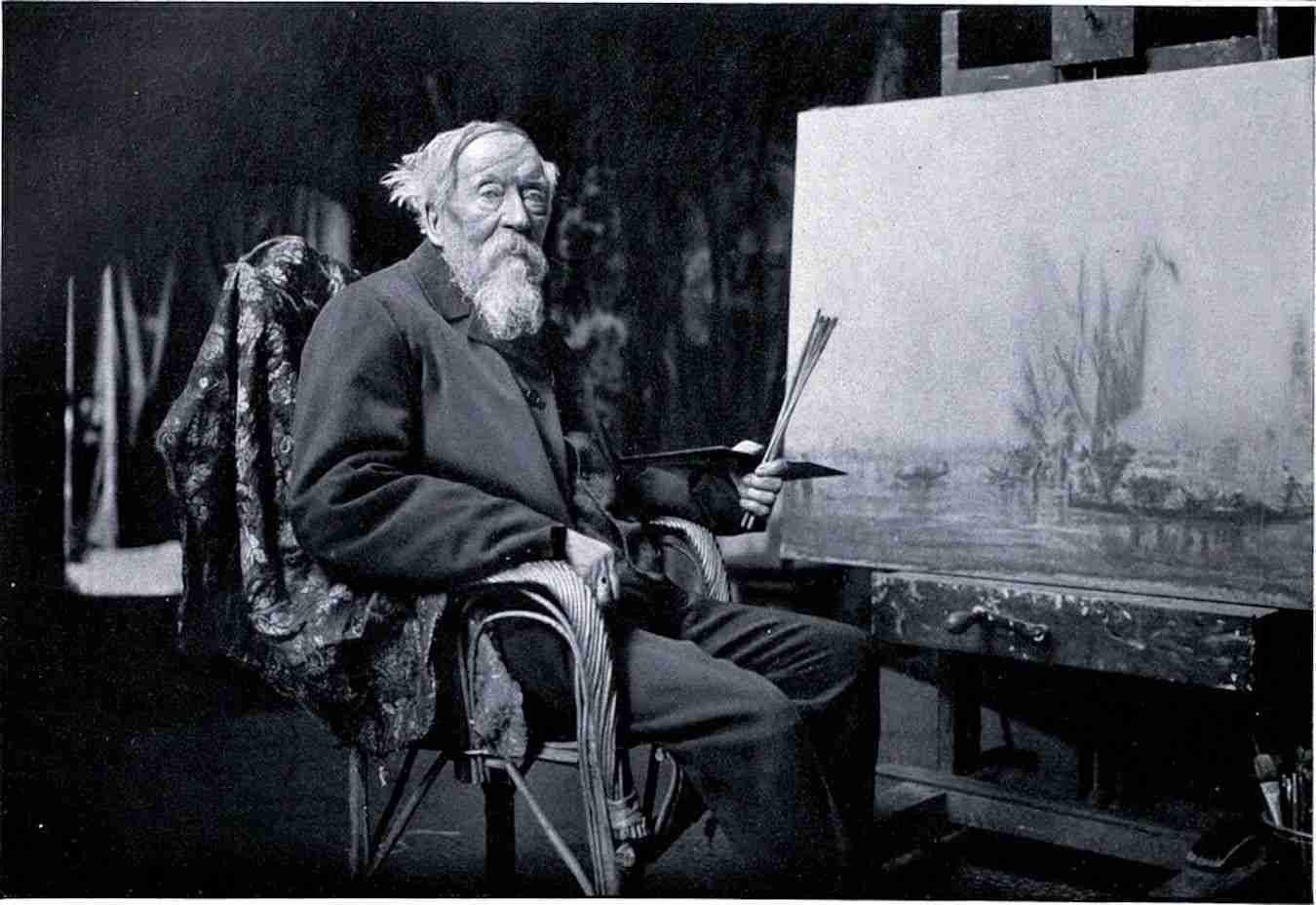
Despite his fragility, Chopin’s artistry shone unblemished. His friends, fearing his decline, decided to lift his spirits. They orchestrated a dinner party at the studio of the esteemed artist Félix Ziem. Ziem, a painter celebrated for his vibrant depictions of Venice, was known for his camaraderie and love of beauty. Alongside Chopin’s patron, Prince Polignac, the group sought to gift Chopin a new piano, hoping to rekindle his joy.

An Evening of Eerie Surprises
The night of the gathering, the mood was both hopeful and tense. Chopin arrived late, his frail frame hunched against the Parisian chill. In a curious attempt to lighten the mood, Polignac had placed a skeleton atop the new piano. Intended as a macabre joke, the gesture was an odd reflection of their shared gallows humor.
To the astonishment of the guests, Chopin approached the skeleton with a strange intensity. Ignoring its grotesque absurdity, he embraced the figure, his delicate hands brushing against the bones. A breathless silence fell as he sat at the piano, his eyes haunted but determined.
The Sonata That Defined Sorrow
Chopin began to play his Sonata No. 2 in B-flat Minor, the third movement famously known as the “Funeral March.” The mournful strains seemed to echo his anguish. This masterpiece, composed years earlier, carried an eerie prescience. The Funeral March is a study in contrasts: its somber opening gives way to a lilting trio, offering brief glimpses of hope before returning to the grim refrain.
Here’s a bit of the First Movement of the Sonata No. 2, Op. 35:
View this post on Instagram
Ziem and Polignac listened in rapt silence, their jovial plans forgotten. Once a prop for levity, the skeletal figure now seemed a silent witness to the composer’s torment. As Chopin reached the final chords, his strength gave out. He fainted, his frail body collapsing into the arms of his friends.
A Farewell in Music
Chopin was carried home, where he would spend his remaining months in quiet decline. Yet, his music endured, transcending his physical fragility. The Funeral March, originally an abstract meditation on mortality, became deeply personal. When Chopin passed away months later, the mournful strains of his composition accompanied him to his rest.
In a poignant twist, Chopin’s request for a requiem at his funeral led to the performance of Mozart’s Requiem. Still, the Funeral March was forever associated with his legacy, its solemn tones epitomizing the bittersweet beauty of his life and art.
The Friends Who Stood By Him
Ziem’s role in this story reminds the artist of his commitment to beauty, even in sorrow. Known for his luminous paintings, Ziem’s generosity extended beyond his canvases. Prince Edmond de Polignac, too, played a vital role in Chopin’s final years. His patronage ensured Chopin’s music reached audiences who might have missed its brilliance.
Though tinged with tragedy, their efforts to brighten Chopin’s final days reflect the depth of their affection. This human connection—between artist, patron, and friend—brings Chopin’s story to life.
The Timeless Irony of the Funeral March
The Funeral March’s enduring power lies in its universality. Though rooted in Chopin’s struggles, it resonates with audiences across centuries. Its somber tones evoke loss, yet its moments of light suggest resilience. This duality mirrors life itself—a blend of sorrow and hope.
Today, Chopin’s Funeral March is more than a piece of music; it symbolizes his genius and humanity. As we listen, we are reminded of his fragile strength, unwavering artistry, and the friends who loved him until the end.