


Pétain’s Vichy Government under Nazi occupation during WWII
Historical Context Leading to the Vichy Government
In the early 1940s, France faced one of the most harrowing chapters in its history. World War II was ravaging Europe, and Germany’s blitzkrieg overwhelmed the French military. In June 1940, France fell to Nazi forces, and the Third Republic collapsed. Amid this turmoil, a new government was established in Vichy, marking a controversial shift in French politics and governance. It was the time of Marshall Phillippe Pétain’s Vichy Government under Nazi occupation.
On June 22, 1940, the Armistice divided France into the German-occupied northern zone and the “free” southern zone. The southern zone became the seat of the Vichy regime, led by the elderly Marshal Philippe Pétain, a decorated World War I hero. Pétain’s government sought to collaborate with Nazi Germany, believing this strategy would preserve some semblance of French sovereignty.
Structure and Leadership of the Vichy Regime
The Vichy government was authoritarian and rejected the democratic ideals of the Third Republic. Marshal Pétain assumed sweeping powers as head of state and abolished the parliamentary system. The regime’s motto, “Travail, Famille, Patrie” (Work, Family, Fatherland), reflected its conservative and nationalist ideology.
Pétain’s administration included figures like Pierre Laval, who served as prime minister and played a key role in implementing collaborationist policies. Laval’s efforts to align closely with Germany, including deporting Jews to concentration camps, made him one of the most reviled figures in French history.
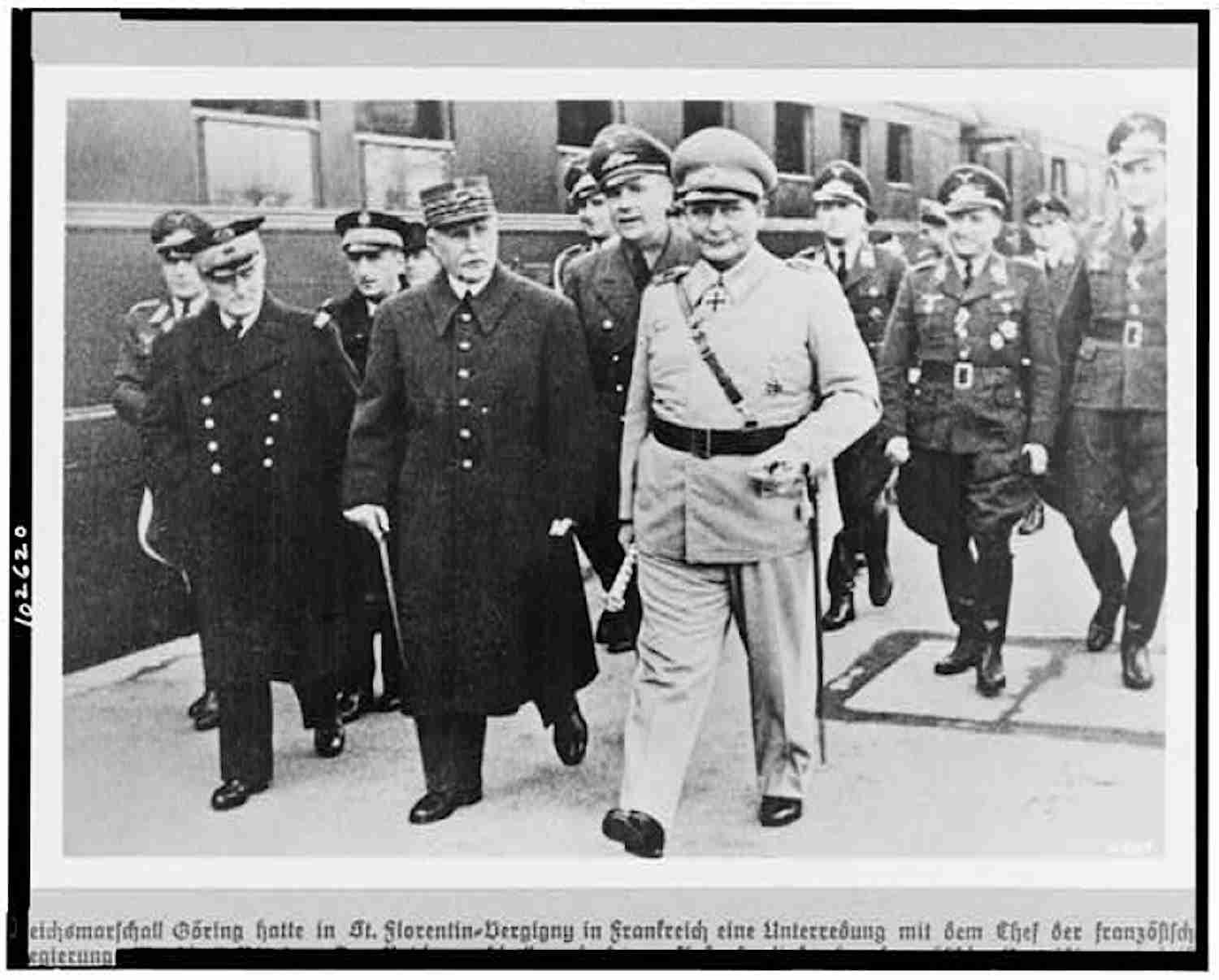
Collaboration with Nazi Germany
The Vichy regime’s collaboration with Nazi Germany was multifaceted. Economically, it supplied resources to support the German war effort. Politically, it implemented anti-Semitic laws, including the 1940 Statut des Juifs, which stripped French Jews of their rights. These measures marked a dark chapter in France’s history, as thousands of Jews were arrested and deported to Nazi camps.
The Vichy government also participated in the forced labor program known as the Service du Travail Obligatoire (STO), which sent French workers to Germany. These policies aimed to maintain favor with the Nazis, but they also deepened divisions within French society.
Resistance to the Vichy Regime
While the Vichy regime collaborated with the Nazis, resistance movements sprang up across France. Charles de Gaulle, a French general who fled to London, became the face of the Free French Forces. In his famous June 18, 1940, speech, de Gaulle urged the French people to resist German occupation and reject the Vichy government.
The French Resistance comprised individuals from various political and social backgrounds. Underground networks sabotaged German operations, smuggled intelligence to the Allies, and supported escaped prisoners of war. Their bravery and sacrifice symbolized the enduring spirit of French defiance against tyranny.
The Fall of the Vichy Regime
The tide of World War II began to turn in 1944 with the Allied invasion of Normandy. As Allied forces liberated France, the Vichy government’s influence crumbled. On August 25, 1944, Paris was liberated, and the Free French Forces assumed control of the government.
Marshal Pétain and other Vichy officials fled to Germany but were later captured and put on trial. Pétain was convicted of treason and sentenced to death, though his sentence was commuted to life imprisonment. Pierre Laval was executed for his role in collaborating with the Nazis.
Legacy and Controversy
The legacy of the Vichy government remains a contentious subject in France. For decades, the official narrative portrayed the regime as an aberration, distinct from the broader French identity. However, in the late 20th century, historians and political leaders began to confront France’s complicity in Nazi atrocities.
In 1995, President Jacques Chirac acknowledged the French state’s responsibility for deporting Jews during World War II. This action marked a significant shift in addressing the moral and historical complexities of the Vichy period.
Lessons from the Vichy Era
The story of the Vichy government serves as a cautionary tale about the dangers of authoritarianism and collaboration. It highlights the importance of defending democratic values, even in the face of overwhelming adversity. The bravery of the French Resistance inspires us to stand against oppression and injustice, no matter the cost.
The Vichy government’s legacy is one of moral failure, resilience, and eventual redemption. France’s journey through the dark days of World War II reflects the complexities of human behavior under extraordinary circumstances. Studying this period deepens our understanding of the enduring struggles between collaboration and resistance, oppression and liberty, and the constant pursuit of justice.
Readers may also enjoy Witness, and Eleanor’s Story: An American Girl in Hitler’s Germany.