


In the dimly lit court of Dresden, Johann Gottlieb Goldberg—a young, prodigious harpsichordist and devoted pupil of J.S. Bach—found himself in an unusual role. Engaged by the wealthy Count Hermann Karl von Kayserlingk, Goldberg’s primary duty was neither dazzling audiences nor performing concertos but acting as the Count’s personal soporific. You see, the insomniac Count, plagued by sleepless nights, needed music to calm his restless mind. Goldberg, ever eager to serve, approached his teacher, Johann Sebastian Bach, with a peculiar request: to compose music tailored to lull the Count into a peaceful slumber.
Dazzling
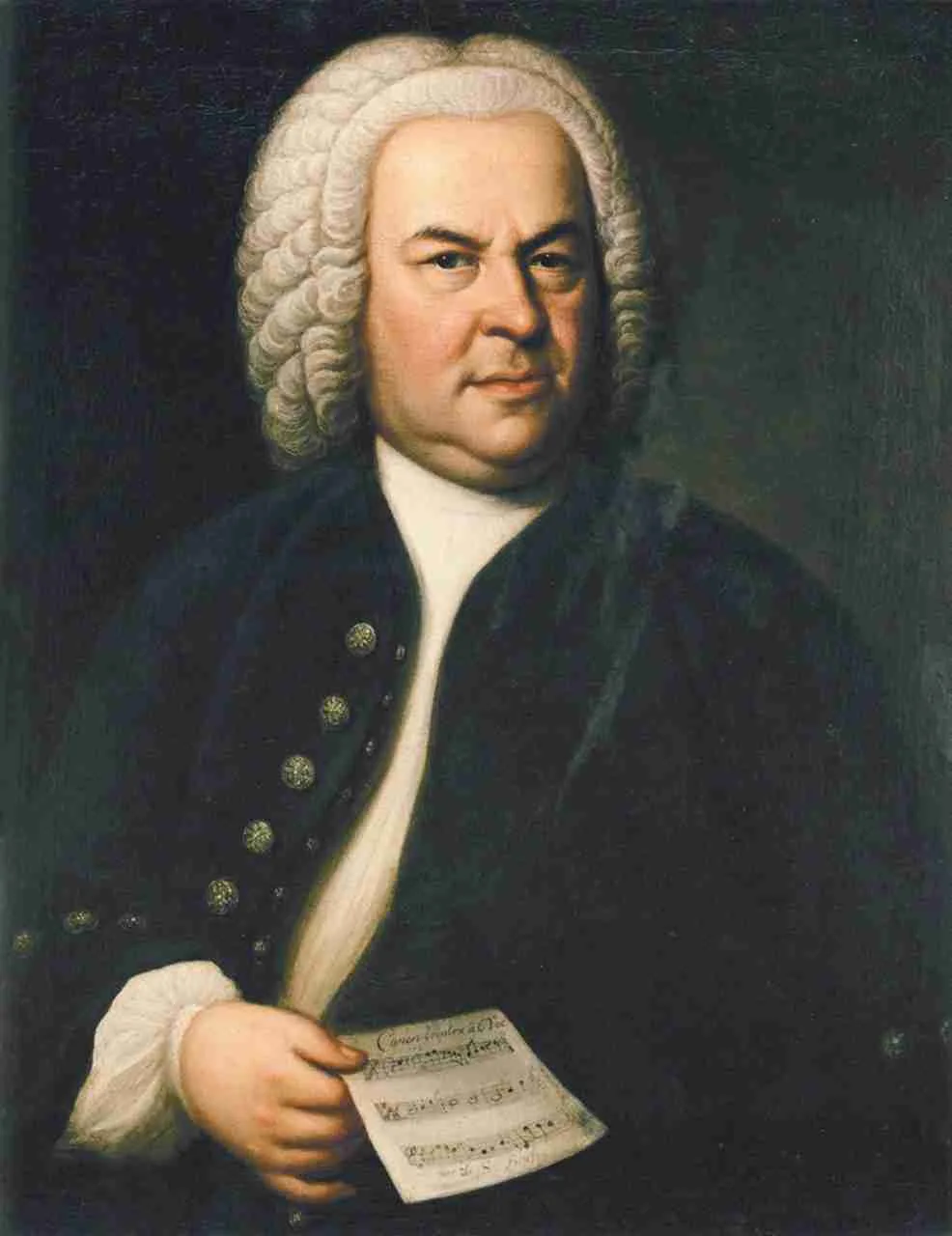
Bach, who appreciated both a challenge and the patronage of nobility, accepted. The result was the Goldberg Variations—a set of 30 variations based on a singular, elegant aria. The work was not merely a series of sleepy tunes but a dazzling exploration of musical invention, layering intricate counterpoint with sublime harmony. “Here is something to occupy the restless,” Bach may have mused, handing over the manuscript to Goldberg.
100 Gold Coins
Night after night, Goldberg performed the Variations for Count Kayserling, whose insomnia seemed to dissolve in the music’s embrace. The Count was so pleased that he reportedly rewarded Bach with a golden goblet filled with 100 gold coins. It was said that the Count called the Variations his “night music,” though their beauty was anything but somniferous.
Soothe Troubled Hearts
Decades later, these very Variations would find their way into the life of another genius: Johannes Brahms. In the twilight of his mother’s life, Brahms turned to the Goldberg Variations, seeking solace. Sitting at the piano, he played as tears streamed down his face. “What music that is!” Brahms exclaimed through his grief. “Like oil! Bach has power to soothe troubled hearts.”
Transcend Time
Through Goldberg, Count Kayserling, and Brahms, Bach’s Goldberg Variations remind us of music’s extraordinary ability to heal, soothe, and transcend time. Whether easing insomnia or comforting a grieving soul, Bach’s genius echoes eternally, binding humanity in its shared experience of joy and sorrow.