
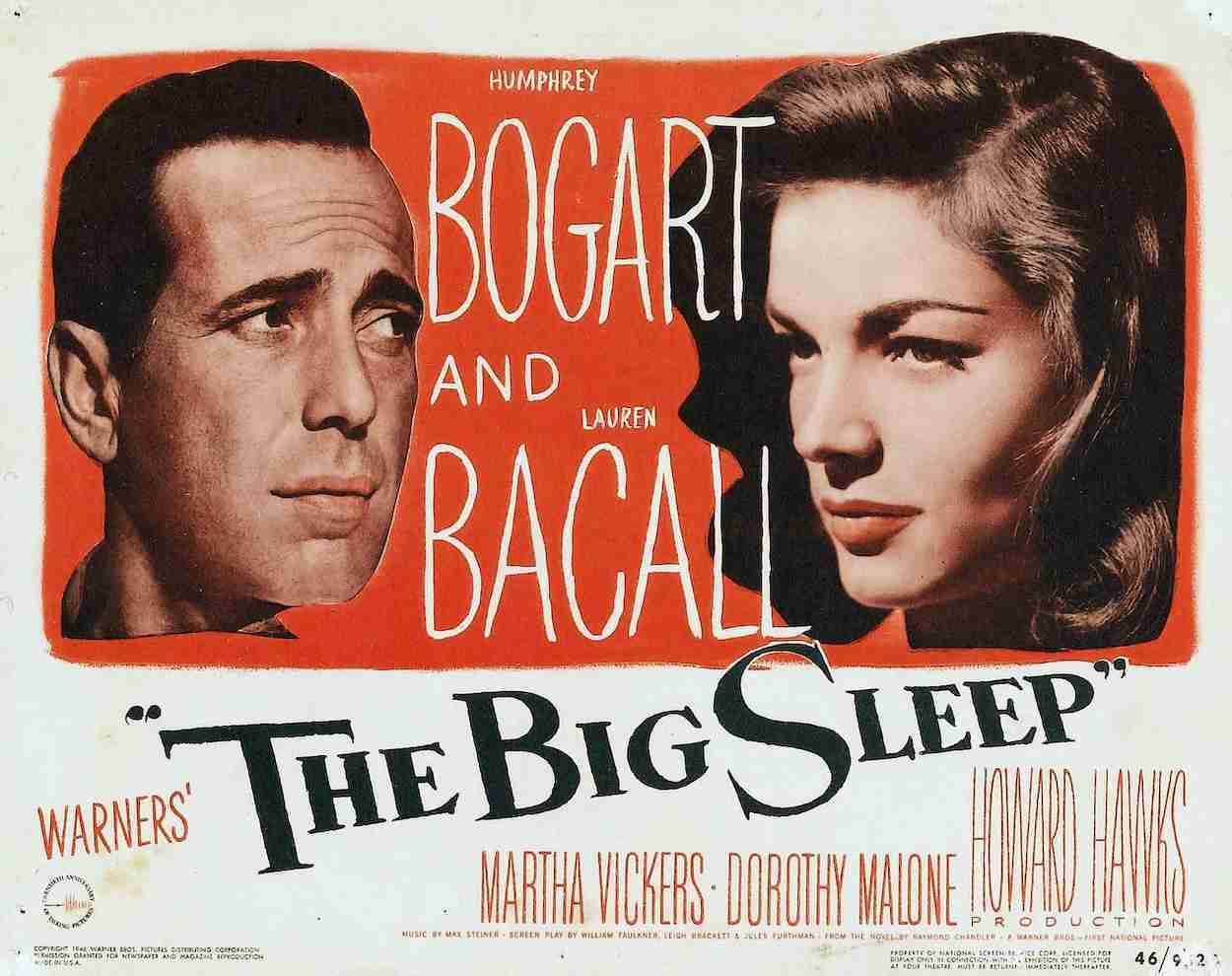

The Big Sleep: A Film Noir Classic
The Original Novel and Author
It’s time I spoke about one of my favorite film noir films, The Big Sleep starring Humphrey Bogart and Lauren Bacall. My mother knew nearly every word of the script of this film, Casablanca, and others of the era. Toward the end of WWII and until 1948, she worked as a book editor in Manhattan. She and her other Bobby Soxers from work loyally attended films from Hollywood’s golden era and saw the likes of Frank Sinatra and Ella Fitzgerald on stage. Her love for music and cinema, especially film noir, she bequeathed to me; to this day, I earnestly enjoy the genre, especially when the story is about a private detective like Philip Marlowe.
The roots of The Big Sleep trace back to the seminal 1939 novel by Raymond Chandler, a detective fiction pioneer. Chandler’s work redefined the hard-boiled detective archetype, introducing the world to the morally complex Philip Marlowe. The novel captures the essence of 1930s Los Angeles, a city rife with corruption, glamour, and danger. Chandler’s evocative prose and masterful characterizations elevated detective fiction from pulp entertainment to literary art. His influence continues to resonate in modern crime writing.
The detective genre, as represented in Chandler’s novel, is rooted in the tradition of American hard-boiled fiction, which writers like Dashiell Hammett pioneered. These stories emerged during the 1920s and 1930s, reflecting societal tensions like the Great Depression and Prohibition. Chandler built upon this foundation, adding lyrical prose, existential musings, and skepticism of societal institutions.
German Expressionism
The Big Sleep became a cornerstone of the film noir genre when adapted to the screen. Film noir, influenced by German Expressionism and post-war cynicism, explored the darker sides of human nature. The Big Sleep exemplifies noir’s defining traits: intricate plotting, shadowy cinematography, and morally ambiguous characters. The film adaptation retained Chandler’s thematic depth, adding cinematic flair through director Howard Hawks.
Introduction to the Film
Released in 1946, The Big Sleep, directed by Howard Hawks and starring Humphrey Bogart and Lauren Bacall, is a quintessential noir film. Adapted from Chandler’s novel, it is celebrated for its labyrinthine plot, sharp dialogue, and atmospheric cinematography. It continues to fascinate audiences with its mystery, intrigue, and complex characters. This review explores the characters’ motivations, Hawks’ directorial intent, and the film’s visual and musical elements.
Character Motivations
At the heart of The Big Sleep is private detective Philip Marlowe, played by Humphrey Bogart, navigating a corrupt, shadowy world. Marlowe’s motivation is to solve the blackmail case for General Sternwood while pursuing truth and justice. His dry wit and professionalism contrast with the deceitful, morally flexible characters around him.
Lauren Bacall plays Vivian Rutledge, an enigmatic and manipulative woman motivated to protect her family’s reputation. Her sharp intellect and chemistry with Marlowe hint at vulnerability beneath her icy exterior. Her flirtatious, devil-may-care sister, Carmen Sternwood, is reckless and hedonistic, driven by self-interest and a lack of moral compass. These contrasting motivations highlight the film’s exploration of duality in human nature.
Secondary characters, such as Eddie Mars, portrayed by John Ridgely, are motivated by greed, power, and survival. These motivations fuel the intricate web of deceit, creating a tense, unpredictable narrative.
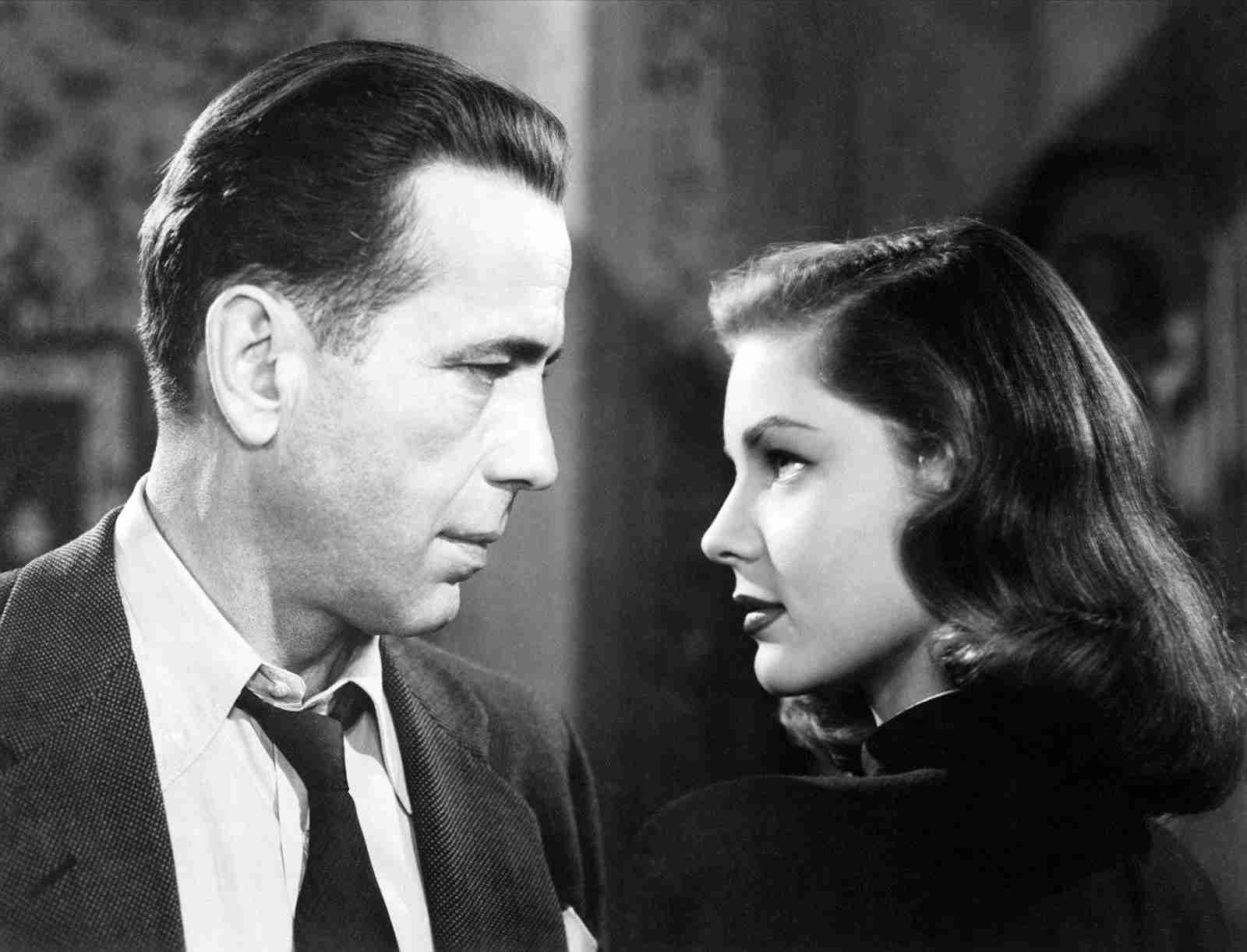
Howard Hawks’ Directorial Intent
Howard Hawks aimed to craft a film embracing noir tropes while transcending them. His focus on mood and atmosphere created a world of ambiguity. Hawks prioritized the chemistry between Bogart and Bacall, proven successful in To Have and Have Not, over strict adherence to Chandler’s plot. Hawks emphasized interpersonal tensions and romantic undertones, adding depth to the crime narrative. By balancing plot and character dynamics, Hawks ensured emotional stakes were as engaging as the mystery. This approach underscores his mastery in creating resonant stories.
Photography: The Art of Light and Shadow
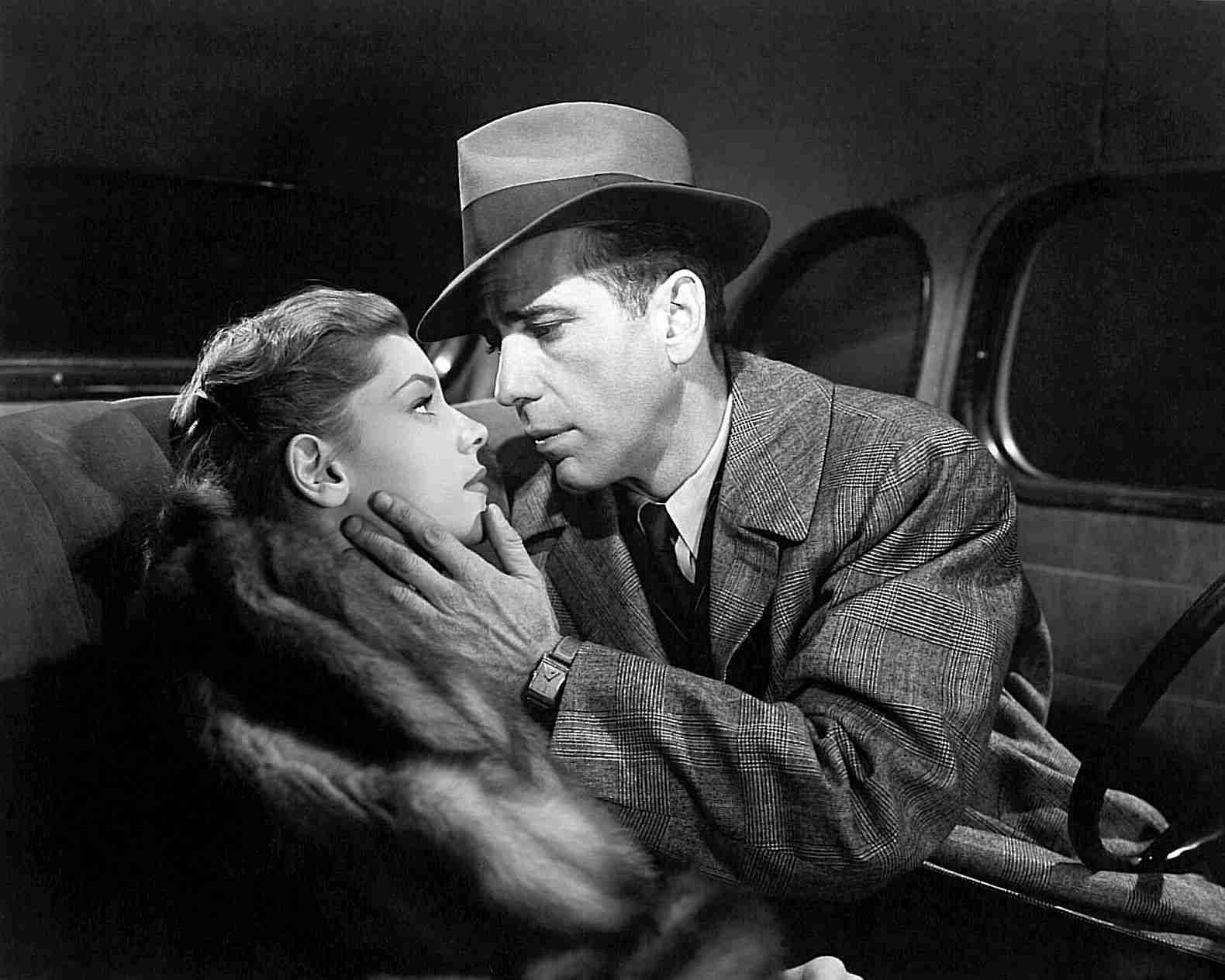
The visual style of The Big Sleep, captured by cinematographer Sidney Hickox, is a masterclass in noir photography. The interplay of light and shadow creates a sense of claustrophobia and moral ambiguity. Scenes drenched in shadow, with light highlighting key elements, reflect characters’ moral complexities. Venetian blinds, rain-soaked streets, and dimly lit interiors enhance tension and mystery. Characters’ faces are often obscured by shadows, symbolizing hidden motives. The framing and composition immerse viewers in Marlowe’s disorienting journey.
Musical Score by Max Steiner
The musical score by Max Steiner is vital in establishing the film’s noir atmosphere. Known for classics like Gone with the Wind and Casablanca, Steiner brings nuance to The Big Sleep. The score combines lush orchestral arrangements with motifs enhancing suspense and romantic tension. Steiner’s use of leitmotifs to represent characters and themes adds depth. Sultry saxophone melodies underscore scenes between Marlowe and Vivian, highlighting their chemistry. Darker tones heighten tension during moments of danger or revelation. Steiner’s mastery elevates the storytelling.
Mystery, Intrigue, and Suspense
The plot of The Big Sleep is famously convoluted, with shifting allegiances and motives. This complexity mirrors noir’s murky moral landscape, where clarity is elusive. The central mystery—General Sternwood’s blackmail—is an entry point into crime and corruption involving murder and betrayal. Hawks uses misdirection and red herrings to keep the audience guessing, ensuring suspense never wanes. Key moments, like discovering Owen Taylor’s body or confronting Eddie Mars, maximize tension. Dialogue filled with double entendres adds intrigue, revealing just enough to propel the story forward.
Tensions Between Characters
The interplay between characters drives much of the film’s tension. Marlowe’s verbal sparring with Vivian Rutledge crackles with wit and underlying attraction. Their dynamic evolves, transitioning from distrust to a reluctant partnership. Tension between Marlowe and antagonists like Eddie Mars is equally compelling. These encounters are charged with an ever-present threat of violence. Even minor characters, such as Agnes Lozelle and Harry Jones, contribute to the intrigue, revealing new layers of deception.
Resolving the Plots and Subplots
The Big Sleep’s resolution is satisfying yet emblematic of noir’s penchant for ambiguity. The blackmail mystery is resolved, but unanswered questions reflect the chaotic, morally gray world. Hawks focused on character resolution over plot closure, prioritizing emotional arcs. The climactic confrontation with Eddie Mars ties several threads together and delivers catharsis. Marlowe’s final interaction with Vivian suggests tentative hope for redemption. However, lingering shadows remind us that happy endings are bittersweet in noir.
Final Thoughts
The Big Sleep endures as a film noir masterpiece, combining intricate plotting, compelling characters, and stylistic brilliance. Howard Hawks’s direction, Sidney Hickox’s cinematography, and Max Steiner’s evocative score converge to create an emotionally engaging, visually stunning film. Its exploration of mystery and morality ensures its timeless appeal. Audiences revisiting The Big Sleep find its layers of intrigue and artistry as captivating as ever.
Readers may also enjoy A Haunting in Venice, and The Wood Brothers and Kat Wright Trio at MPAC.