
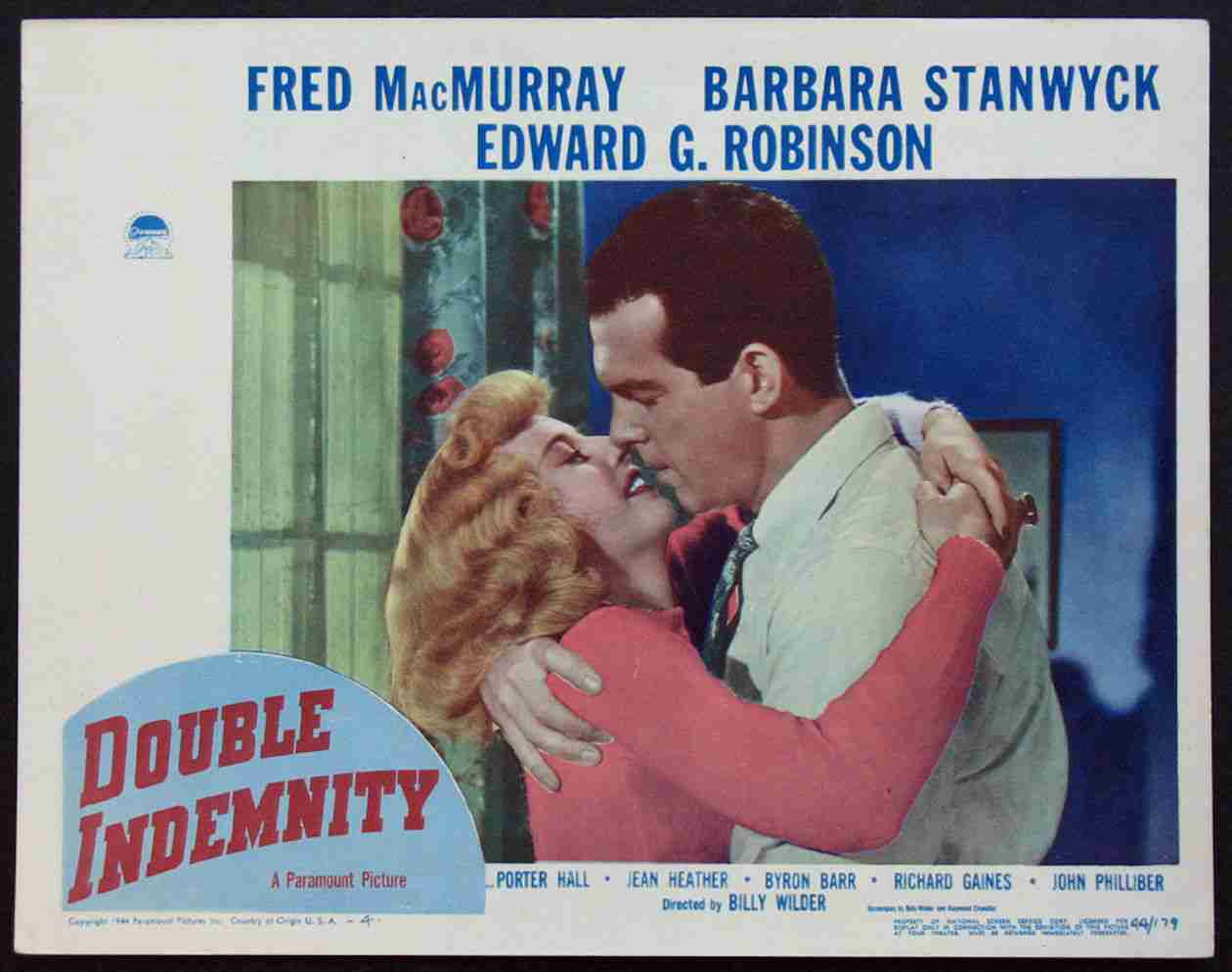

Double Indemnity: Fatal Attraction and the Perfect Murder Plota
Unraveling the Allure of Film Noir: A Deep Dive into Double Indemnity
Introduction: The Quintessential Film Noir
Double Indemnity (1944) is a film noir genre masterwork where shadowy motives fuel every turn. Directed by Billy Wilder and co-written with Raymond Chandler, the film grips audiences with its perfect mix of suspense, betrayal, and moral ambiguity. Its charm lies in the seamless interplay of the narrative, cinematography, and music, creating a cinematic tapestry that continues to captivate.
Before you read on, check out this splendid scene:
Plot Overview: A Web of Deception
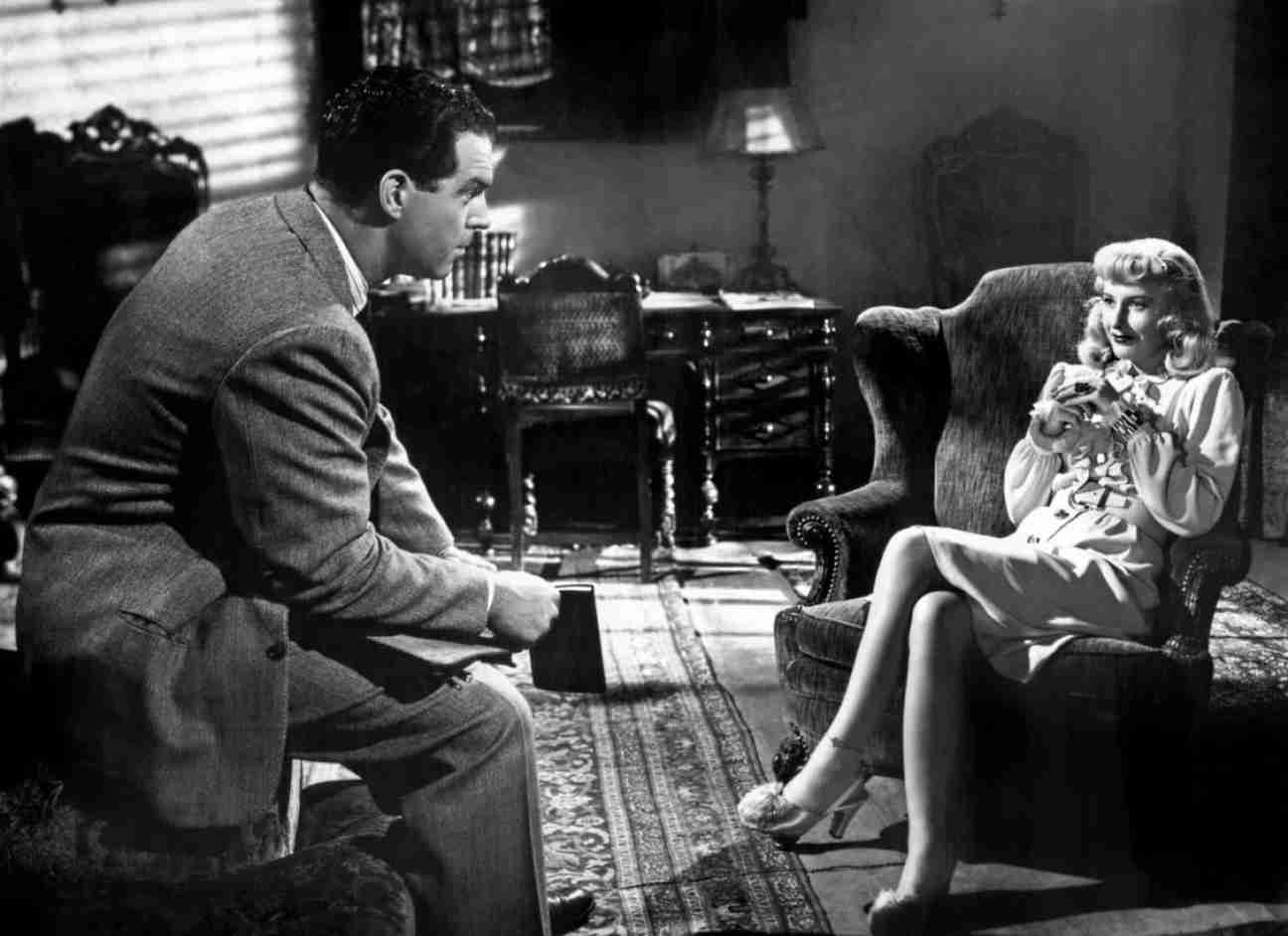
At the heart of Double Indemnity is Walter Neff, a jaded insurance salesman. Sparks fly when he meets the beguiling Phyllis Dietrichson—not of love but mutual ambition. Phyllis persuades Walter to help murder her husband for a hefty insurance payout, invoking a clause known as “double indemnity.”
The story unfolds through Walter’s cynical narration as he confesses to his boss, Barton Keyes, on a dictaphone. Walter and Phyllis craft a meticulous plan that hinges on precise timing and deception. Yet, as the investigation heats up, their partnership unravels. Betrayal, paranoia, and greed drive them toward a climactic confrontation that seals their fates.
From Novel to Screen: James M. Cain‘s Genius
The film is adapted from James M. Cain’s 1943 novella, inspired by a real-life murder case. Cain, celebrated for his gritty realism, captures the moral corruption lurking beneath American suburbia. The novella’s biting prose and intricate character psychology provided a rich foundation for Wilder and Chandler to elevate on screen.
Cain’s original work paints Phyllis as a femme fatale of mythic proportions, while Walter’s descent into darkness evokes a Shakespearean tragedy. The duo’s doomed romance echoes themes of fatalism and human frailty, hallmarks of Cain’s oeuvre.
The Romance of Danger: Walter and Phyllis
Walter and Phyllis’s chemistry smolders, driven by manipulation rather than love. Phyllis’s sultry demeanor and icy resolve ensnare Walter from their first encounter. Their relationship—deftly portrayed by Fred MacMurray and Barbara Stanwyck—embodies the treacherous allure of forbidden desire.
Phyllis’s charm masks a chilling ruthlessness. Walter, initially confident in his control, soon becomes her pawn. Their romance reflects a twisted power dynamic that keeps viewers riveted. Despite their mutual exploitation, their fates intertwine tragically, proving they cannot escape their shared culpability.
A Screenplay to Die For: Wilder and Chandler’s Collaboration
The screenplay is a benchmark in cinematic storytelling, combining Wilder’s sharp wit with Chandler’s razor-edged dialogue. Every line crackles with tension, irony, and dark humor. The script’s economic storytelling is relentless, leaving no room for extraneous details.
Wilder’s direction complements the screenplay’s precision. He balances suspense and emotional depth with a visual style that amplifies the noir aesthetic. Chandler’s contributions enrich the narrative with biting commentary, making the dialogue as memorable as the plot twists.
The Music of Suspense: Miklós Rózsa’s Score
Miklós Rózsa’s haunting score elevates Double Indemnity from gripping to unforgettable. Rózsa was a Hungarian composer with a penchant for dramatic compositions, and he earned acclaim for his work in noir and melodrama. His music underscores the film’s emotional intensity, weaving through scenes like an unspoken narrator.
Listen to this sample of the dramatic, potent strains of Miklós Rózsa’s score:
The score’s motifs mirror the characters’ inner turmoil. Rózsa employs dissonance and recurring themes to heighten suspense and foreboding. His compositions, steeped in classical influences, reflect the fatalistic undercurrents driving the plot. The result is a musical accompaniment that lingers long after the credits roll.
Critical Acclaim and Enduring Legacy
Though Double Indemnity did not win any Oscars, it garnered seven nominations, including Best Picture, Best Director, and Best Screenplay. Barbara Stanwyck’s performance earned her a nomination for Best Actress, solidifying her status as a Hollywood icon.
The film’s influence extends far beyond awards. It set a standard for film noir, inspiring countless imitators. Its legacy endures in modern cinema, where echoes of its themes and style can be found in works like Body Heat and L.A. Confidential.
A Timeless Classic
Double Indemnity remains a cinematic gem that embodies the essence of film noir. Its intricate plot, unforgettable characters, and artistic brilliance continue to mesmerize audiences. Exploring human ambition and folly, the film poignantly reminds us of the shadows lurking within us all.
Readers may enjoy more film noir classics like Casablanca, The Big Sleep, and They Live By Night.