


The Picture of Dorian Gray: Aesthetic Ideals and Moral Consequences
Introduction: Art, Beauty, and Ethics in the Victorian Era
Oscar Wilde’s The Picture of Dorian Gray is a masterful exploration of the tension between aestheticism and morality. Published in 1890, during the height of the Aesthetic Movement, the novel delves into the dangers of prioritizing beauty and sensory pleasures above ethical considerations. The story of Dorian Gray, a man who remains youthful while his portrait absorbs the marks of his sins, encapsulates this complex interplay. In 1945, a cinematic adaptation brought Wilde’s themes to life, adding an artistic layer to the tale.
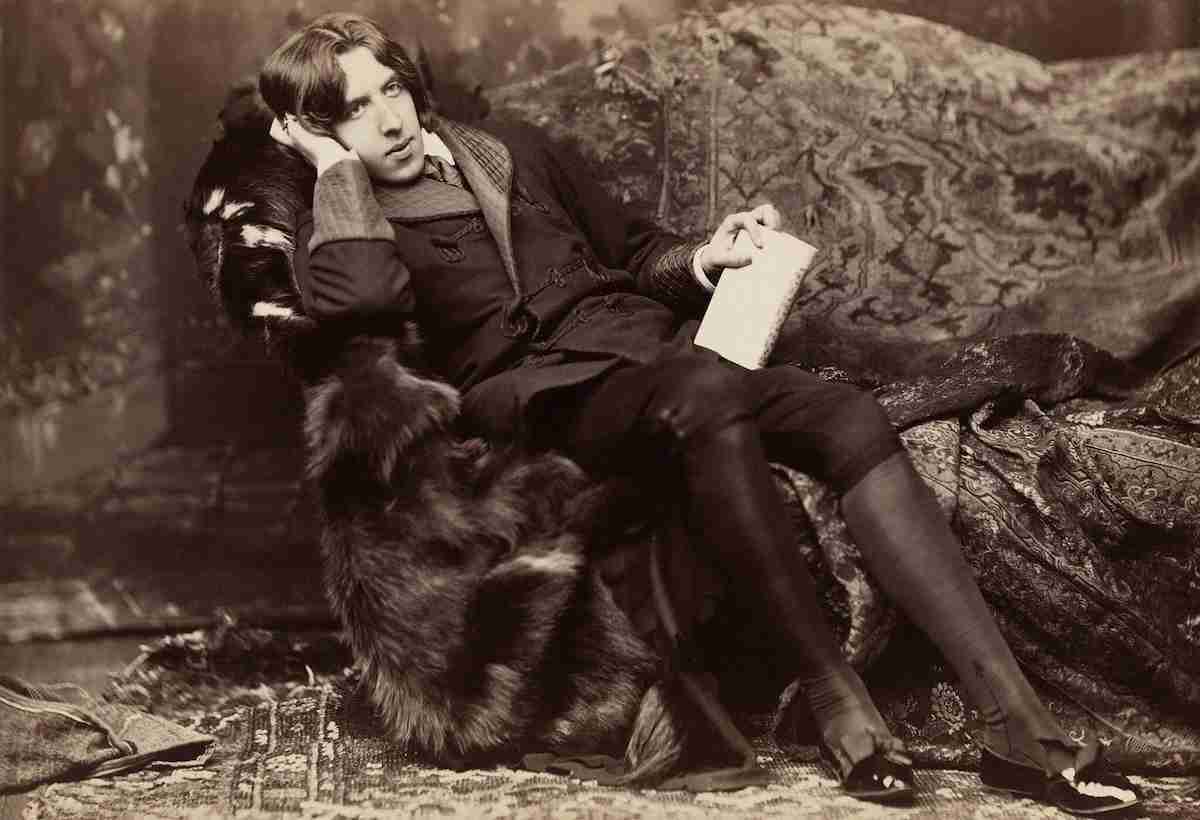
This article compares Wilde’s novel to the 1945 film adaptation, emphasizing how the medium’s differences influence the portrayal of aesthetic ideals and moral consequences. Through a deeper understanding of Wilde’s life, the Victorian context, and the film’s interpretation, we uncover the timeless resonance of this cautionary tale.
Wilde’s Life and the Aesthetic Movement
Oscar Wilde, an Irish playwright and poet, was a leading figure in the Aesthetic Movement, which championed “art for art’s sake.” His flamboyant personality and sharp wit mirrored these ideals. Wilde’s life, marked by creative triumphs and personal scandals, often intersected with his literary themes.
Born in 1854, Wilde studied at Oxford, where he honed his appreciation for classical art and literature. His works, such as The Picture of Dorian Gray, reflect his belief in beauty as a transformative force. However, his downfall—imprisonment for “gross indecency”—highlighted the era’s rigid moral constraints, adding a tragic dimension to his aesthetic ideals.
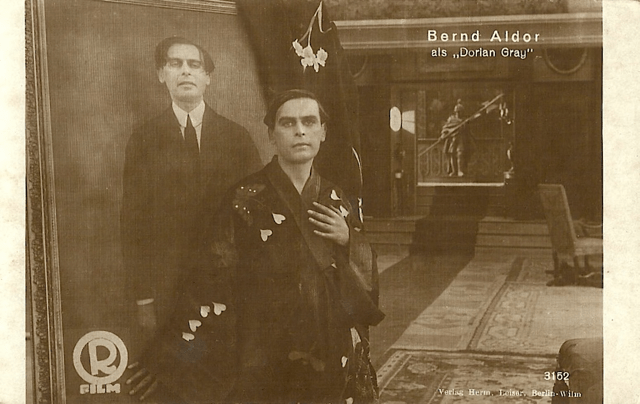
The 1890 Novel and the 1945 Film
Aestheticism in Print and Film
Wilde’s lush descriptions and dialogue convey the allure of aestheticism in the novel. Dorian’s initial innocence and transformation into a morally bankrupt figure unfold through Wilde’s prose, which is rich with sensory detail. The novel’s philosophical debates, led by Lord Henry Wotton, immerse readers in the seductive yet dangerous world of aesthetic ideals.
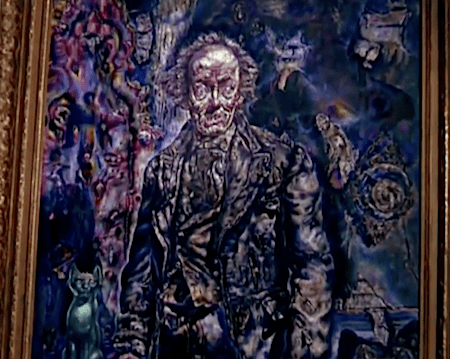
The 1945 film, directed by Albert Lewin, translates these themes visually. Cinematographer Harry Stradling Sr. employs light and shadow to evoke the duality of beauty and corruption. The portrait, a central symbol, transitions from a masterpiece of youthful vitality to a grotesque depiction of Dorian’s moral decay. Unlike the novel, which leaves much to the imagination, the film’s visual medium vividly renders this transformation, enhancing its impact.
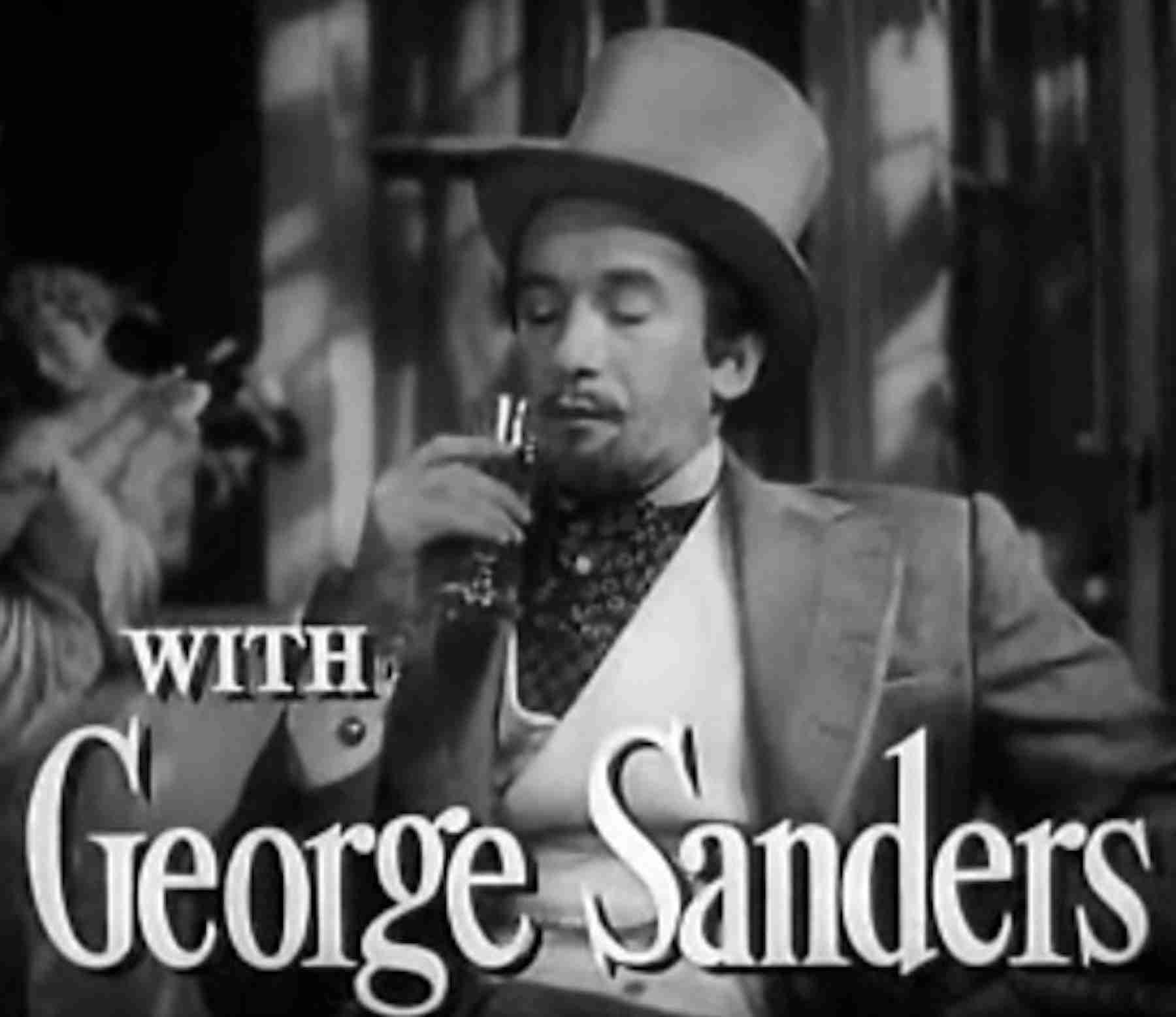
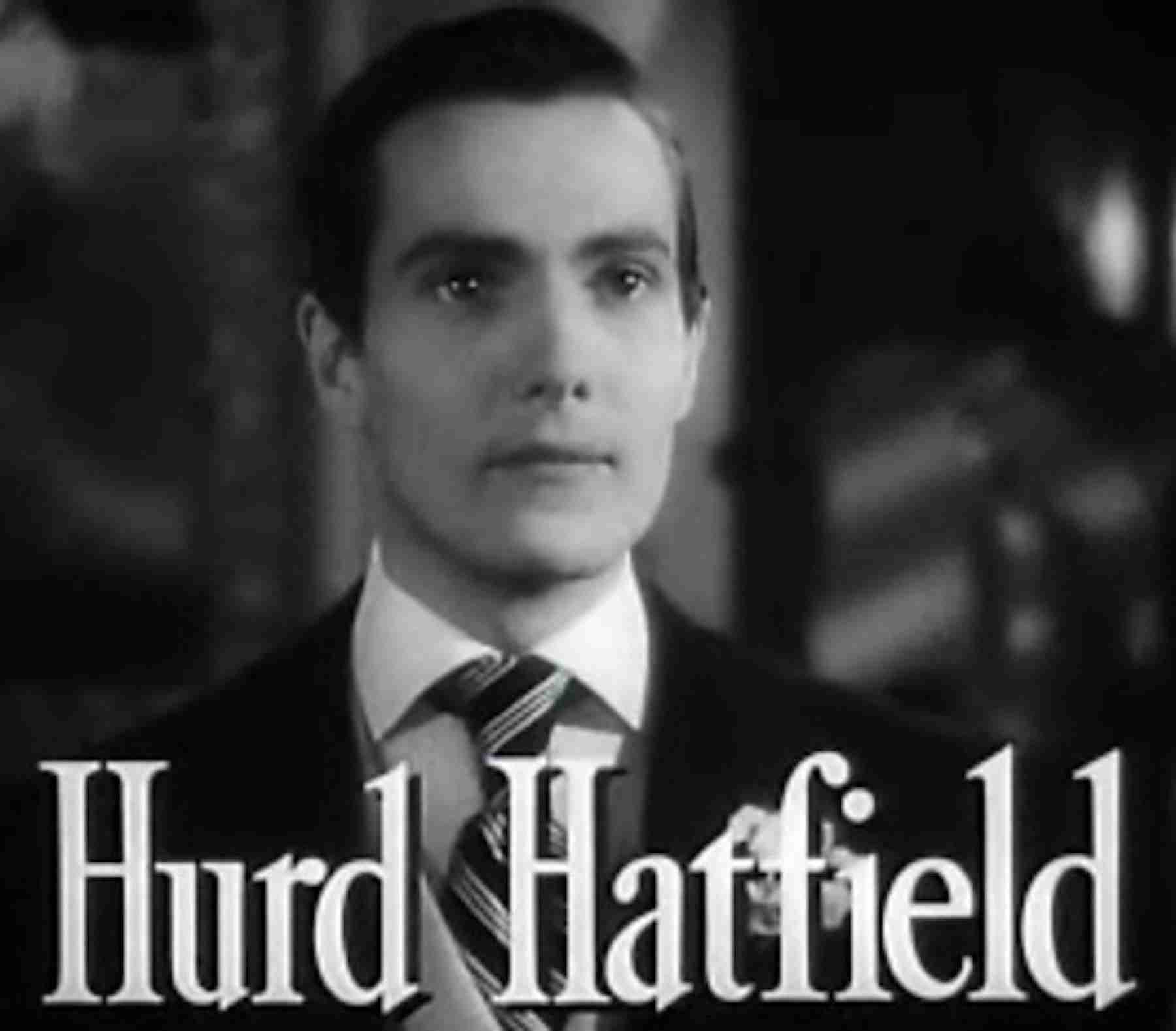
The Oscar-winning film stars George Sanders as Lord Henry Wotton and Hurd Hatfield as Dorian Gray.
Dorian Gray: Novel Versus Film
In Wilde’s text, Dorian Gray’s character arc is gradual, driven by his interactions with Basil Hallward and Lord Henry. The film, while faithful to the plot, condenses this development. Actor Hurd Hatfield’s portrayal captures Dorian’s detachment, making his descent into hedonism compelling and chilling.
One notable addition to the film is the use of color in the portrait, contrasting with the black-and-white cinematography. This technique heightens the portrait’s symbolism, illustrating the stark divide between Dorian’s external beauty and internal corruption.
Basil Hallward and Lord Henry
Basil Hallward, the artist, represents the novel’s moral center. He values art as an expression of truth, and his tragic demise underscores the consequences of Dorian’s choices. Basil’s role remains pivotal in the film, though his philosophical musings are less pronounced.
Lord Henry, the embodiment of aestheticism’s seductive allure, dominates both mediums. George Sanders’s performance in the film exudes charm and cynicism, aligning closely with Wilde’s portrayal of a character whose influence on Dorian is profound yet destructive.
Key Themes: Aesthetic Ideals and Moral Consequences
Beauty as a Double-Edged Sword
Both the novel and the film explore the idea that beauty, while desirable, can lead to moral decay. Dorian’s fixation on his appearance reflects the dangers of a life focused solely on external pleasures. Wilde’s prose and the film’s visual storytelling highlight this theme, urging audiences to question the actual cost of aesthetic pursuits.
Art as a Reflection of the Soul
The portrait is a powerful allegory for the consequences of living without moral restraint. In Wilde’s novel, the portrait’s transformation mirrors Dorian’s internal corruption. The film intensifies this symbolism through its striking visual representation, making the portrait’s grotesque evolution unforgettable.
The Influence of Society
Wilde critiques Victorian society’s obsession with appearances and rigid moral codes. Through Lord Henry’s philosophy and Dorian’s actions, he exposes the hypocrisy of valuing beauty while ignoring ethical substance. The film, set against the backdrop of 1940s Hollywood, echoes this critique, emphasizing the universality of Wilde’s themes.
The Legacy of The Picture of Dorian Gray
Timeless Appeal
The enduring relevance of The Picture of Dorian Gray lies in its exploration of universal human concerns: the pursuit of beauty, the consequences of excess, and the struggle between aesthetic ideals and morality. Wilde’s insights remain poignant, inspiring readers and viewers to reflect on their values.
Influence on Art and Culture
The novel and its adaptations have influenced countless literary, film, and artworks. Wilde’s vision continues to resonate, inviting new interpretations and discussions about the role of beauty and ethics in society.
A Cautionary Tale for All Ages
Oscar Wilde’s The Picture of Dorian Gray and its 1945 film adaptation challenge us to examine the price of aesthetic indulgence. Their rich symbolism, compelling characters, and timeless themes remind us that beauty, though alluring, must be tempered by moral responsibility.