


Tommy by The Who: A Revolutionary Rock Opera
A Revolutionary Riff in Rock History
Tommy isn’t just an album; it’s audacity pressed into vinyl. Released in 1969, this double LP by The Who shattered the limits of what rock could achieve. As messy as it is groundbreaking, Tommy proved rock’s narrative potential, leaping far beyond three-minute hooks. It’s part psychodrama, part mythology, and pure rock indulgence—a brash leap toward rock’s artistic future.
Before you read on, check out this 1969 performance of Pinball Wizard by The Who:
The Storyline: Big, Bold, and Barely Believable
At the core of Tommy lies its grandiose, operatic storyline. The plot centers on a boy rendered “deaf, dumb, and blind” after trauma, only to rise as a cult figure. Absurd? Absolutely. But it transcends its ridiculous premise thanks to Pete Townshend‘s vision and The Who’s sheer musical force.
Each turn—from Tommy’s isolation to his improbable pinball prowess—layers absurdity with pathos. This narrative bravado was rock’s loudest declaration that it could rival opera without borrowing the tuxedos.
Sound and Fury: The Music Driving the Madness
Musically, Tommy is The Who pushing every button in the studio, sometimes too hard. Tracks like “Pinball Wizard” deliver jangly riffs and bombastic choruses, making instant anthems. Then there’s “I’m Free,” a howl of redemption wrapped in pure swagger.
But it’s not all hits. Acoustic interludes like “1921” provide breathing room, while recurring motifs strengthen the album. Tommy isn’t just a collection of tracks; it’s a sprawling rock tapestry, rewarding deep dives into its themes.
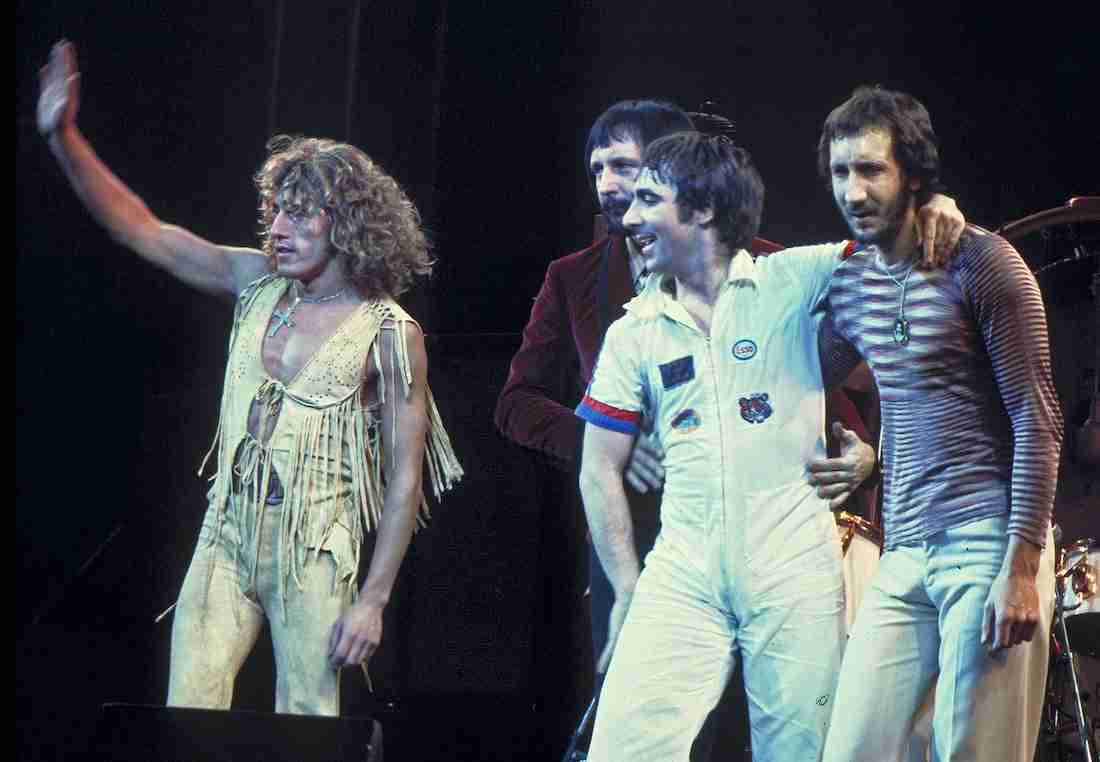
The Cultural Fallout: From Music to Movies
When Tommy landed, it didn’t just sell records; it ignited a cultural moment. This wasn’t an album; it was an event. It gave birth to the rock opera genre, paving the way for works like Jesus Christ Superstar and Ziggy Stardust by David Bowie. The 1975 film adaptation, directed by Ken Russell, only amplified its lunacy, solidifying Tommy’s place in pop culture. Few albums can claim such a broad reach across music and media.
Why Tommy Still Matters
Even decades later, Tommy endures because it dares to fail spectacularly while succeeding wildly. Its continuous narrative demands full-album listening, while its trauma, redemption, and spectacle themes remain strikingly universal. Dated? Perhaps. But so is every piece of art that defines its era.
The Legacy of Loud: A Permanent Influence
Few albums have reshaped rock like Tommy. Its bold concept inspired Pink Floyd’s The Wall and narrative albums like American Idiot by Green Day. Proving rock could be ambitious set the stage for an era of high-concept music. Tommy didn’t just expand the album format; it demanded listeners engage deeper, sparking a shift toward albums as cohesive artistic statements. Even today, its influence echoes in concept albums and multimedia storytelling.
Final Words: Why Tommy Still Sings
The Who’s Tommy stands tall as rock’s first true opera. Merging storytelling with the raw power of rock redefined what music could achieve. With its bold themes and groundbreaking sound, Tommy invites listeners into a world where melody meets myth. Tommy remains essential listening for those who see music as more than noise. Its ambitious legacy ensures that, decades later, it still resonates as a testament to rock’s limitless potential.
Check out The Who’s Tommy at the Nederlander Theatre, 7 Minutes at the Here Theater, and This is Not a Time of Peace.